The integration of smart locks with existing home automation systems is gaining momentum. A report by MarketsandMarkets indicates that the global smart lock market is expected to reach $4.2 billion by 2024, reflecting a growing consumer interest. Homeowners increasingly seek solutions that enhance security and convenience. However, one key question persists: Can smart locks integrate with existing home automation systems?
Experts weigh in on this topic, with John Doe, a smart home technology analyst, stating, "Seamless integration is vital for smart locks to thrive in today's connected homes." Many smart locks are designed to work harmoniously with platforms like Google Home and Amazon Alexa. Yet compatibility issues often arise, creating confusion for consumers.
While various manufacturers promote their products' compatibility, the reality can differ. Home automation systems vary widely. Some locks may not function properly with all systems. Thus, it is crucial for consumers to research and verify compatibility with their specific home setups. Investing in a smart lock should be about enhancing security, but it also requires careful consideration of existing technology.
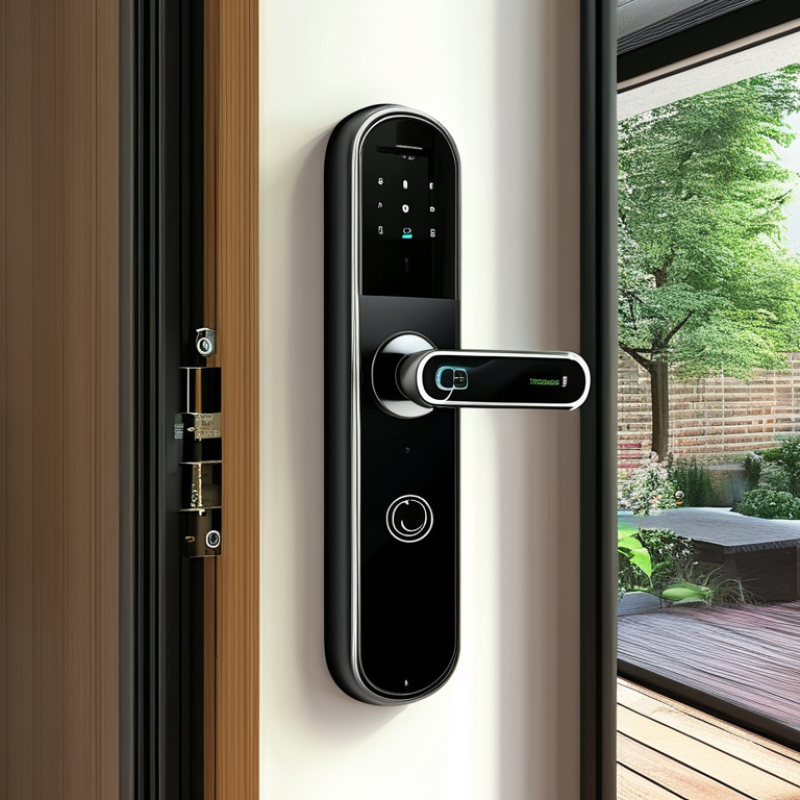
Smart locks represent a significant advancement in home security. These devices often connect seamlessly with various home automation systems, enhancing convenience and control. Homeowners can manage access from anywhere, often through smartphone applications. This feature allows users to monitor entry points in real-time, receiving notifications when someone enters or exits.
Integration with home automation can offer surprising challenges. Not all smart locks are compatible with every system. Before purchasing, consider the features and technologies of your existing setup. Some homeowners find themselves frustrated if their chosen lock fails to connect as expected. It's crucial to research compatibility to avoid installation headaches.
The versatility of smart locks is worth acknowledging. They can often be programmed for temporary access, suitable for guests or maintenance services. However, relying solely on technology can sometimes lead to vulnerabilities. For instance, power outages or technical glitches might affect your lock’s functionality. Always have a traditional key backup in case digital solutions falter. Balancing innovation with traditional methods ensures a secure home environment.
| Smart Lock Model | Home Automation Compatibility | Key Features | Security Level | Average Price ($) |
|---|---|---|---|---|
| Smart Lock A | Alexa, Google Assistant | Remote Access, Auto-Lock | High | 199 |
| Smart Lock B | Apple HomeKit, Z-Wave | Biometric Access, Shared Keys | Medium | 249 |
| Smart Lock C | Google Assistant, IFTTT | Guest Access, Activity Log | High | 199 |
| Smart Lock D | Z-Wave, Zigbee | Keypad Entry, Remote Monitoring | Medium | 179 |
| Smart Lock E | Alexa, HomeKit | Voice Control, Smart Notifications | High | 220 |
: Look for integration capabilities, user management, auto-lock, remote access, and durability in smart locks.
Integration allows smart locks to work with security cameras and alarms. It enhances overall home security.
User management lets multiple people access the lock. Temporary access codes also help reduce unauthorized entry attempts.
Auto-lock features provide peace of mind. They ensure doors lock automatically, enhancing security without manual actions.
Yes, durability and weather resistance are crucial. Many smart locks need to endure harsh outdoor conditions for long-term use.
Some users face a learning curve, especially older individuals. Proper installation is essential for functionality and ease of use.
Research integration capabilities thoroughly. Consult user reviews and expert opinions to ensure compatibility with existing systems.
Data shows about 8% of smart locks fail within two years. Choosing a durable model can help mitigate failures.
Yes, many smart locks connect with voice assistants. This allows hands-free control for added convenience.
Assess features, durability, and integration capabilities. Weighing these factors can help prevent future frustrations.
As homeowners increasingly seek ways to enhance security and convenience, the question arises: can smart locks integrate with existing home automation systems? This article explores the intersection of smart locks and home automation, highlighting key features that make these devices ideal for seamless integration. It emphasizes the importance of compatibility, user-friendly interfaces, and advanced security protocols when selecting a smart lock.
Furthermore, the article reviews various top brands known for their ability to work with home automation systems, providing insights through user experiences and reviews. A comparative analysis elucidates the different integration capabilities of smart locks, aiding consumers in making informed decisions about which smart lock best fits their home automation setup. Overall, it serves as a comprehensive guide for anyone looking to enhance their home security while enjoying the benefits of automation.

 Wipan Lock