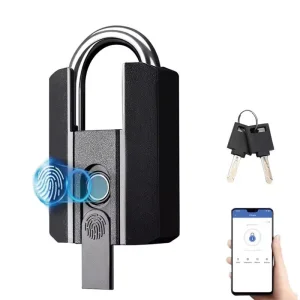
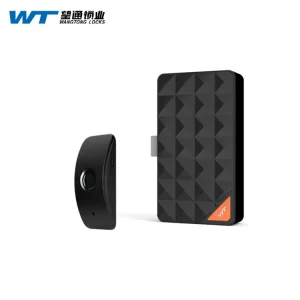
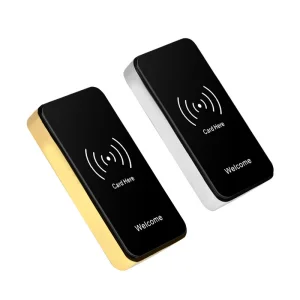
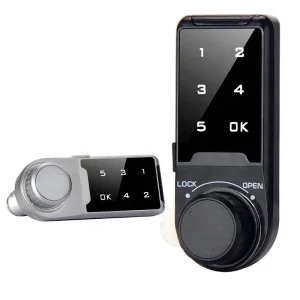
Shenzhen Wipan Lock Co., Ltd. stands at the vanguard of the digital physical-security epoch, operating as an ISO9001:2015-certified research, design, and manufacturing powerhouse. We formulate, test, and production-scale industrial-grade smart lock systems and integrated micro-access control protocols. Serving critical sectors across hospitality, healthcare, commercial assets, logistics, and heavy utilities, Wipan delivers tailored OEM/ODM support to drive the bottom line for global supply chains.
Shenzhen Wipan Lock Co., Ltd. is not merely a manufacturer; we are systematic architects of physical access technology. From our base in the global electronics capital of Shenzhen, our engineers focus on bridging the gap between mechanical durability and modern IoT infrastructure. The modern security ecosystem demands locks that act as intelligent edge nodes. We address these requirements with dynamic credentials, telemetry collection, and hardware resilience designed to endure high-volume cycles.
Our core manufacturing capabilities cover custom PCB development, zinc and aluminum alloy die-casting, high-precision machining, and cloud software integration. In a marketplace full of generic resellers, Wipan commands an end-to-end process flow that yields verified reliability. Our product array stretches from standalone biometric furniture locks to multi-site, cloud-controlled 4G LTE/NB-IoT utility enclosures. We support deployment with a complete range of SDKs and hardware consultation APIs.
Modern access systems are transitioning from basic RFID protocols to multi-layered IoT networks. Wipan's technology roadmap positions our partners to lead this transformation with a focus on wireless connectivity, energy harvesting, and cryptographic security.
Direct-to-cloud cellular lock systems designed for distant assets, logistics fleet systems, and infrastructure locks, eliminating the need for local gateway bridges.
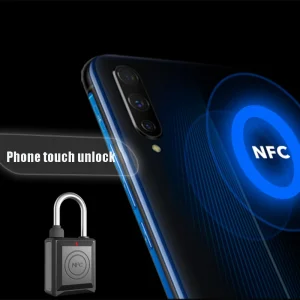
Battery-free technologies. Power is harvested directly from the electromagnetic field of a user’s mobile phone or active electronic key to actuate the motor.
Utilizing high-level AES-128 and AES-256 encryption layers for Bluetooth LE, Tuya, and TTLock SDK handshakes, blocking potential MITM relay hacks.
Looking ahead, the convergence of machine-learning-driven access analytics and ultra-low-power Bluetooth (BLE 5.3+) will allow smart locks to serve as occupancy nodes. These nodes report spatial utilization, environmental changes, and potential security anomalies to smart building control centers. Wipan continues to invest in passive energy harvesting, aiming to remove chemical batteries from infrastructure locks over the next decade.
The applications for modern electronic locks vary widely by sector. We provide tailored hardware configurations and software integrations to meet the specific demands of different business environments:
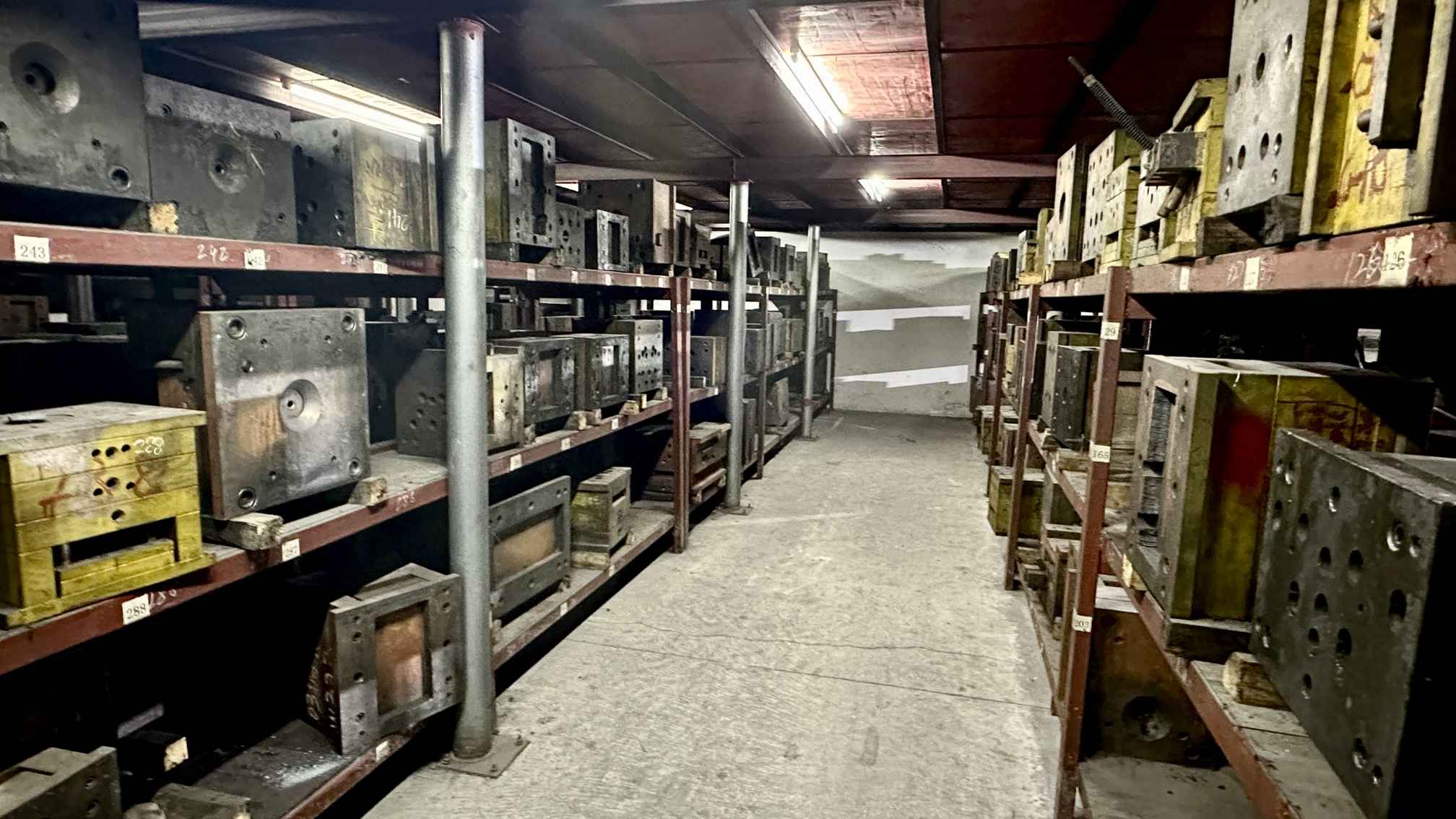
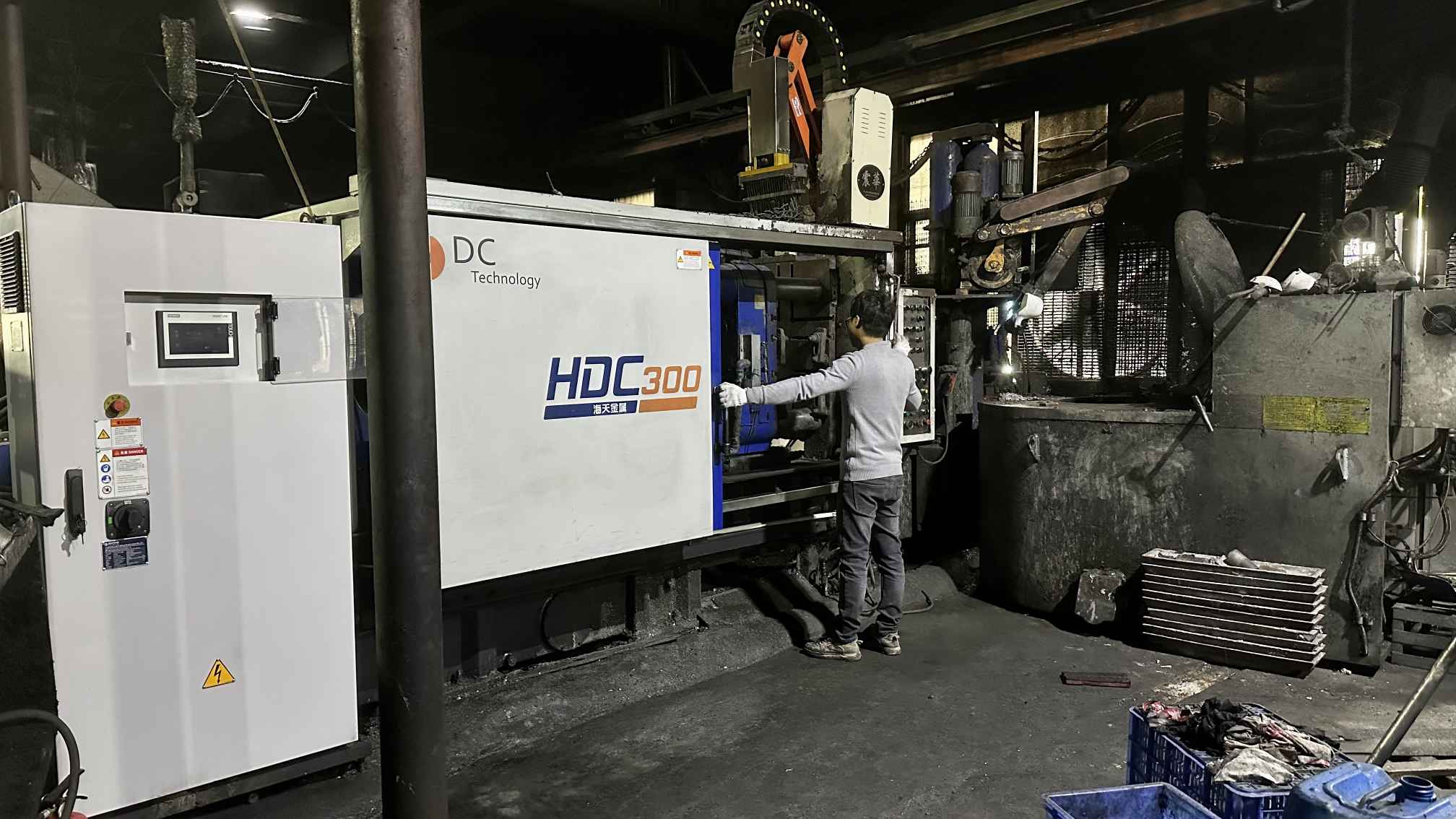
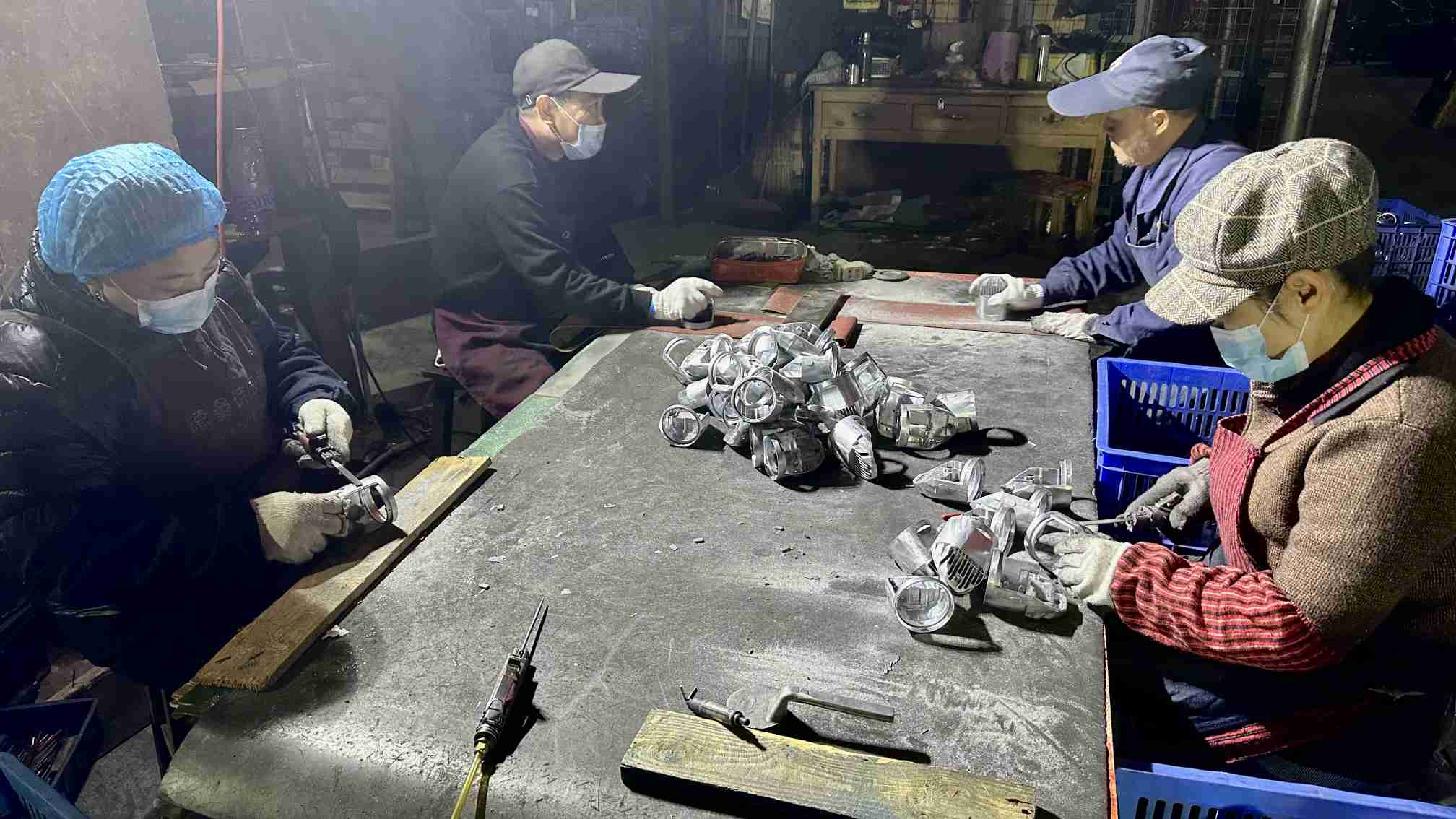
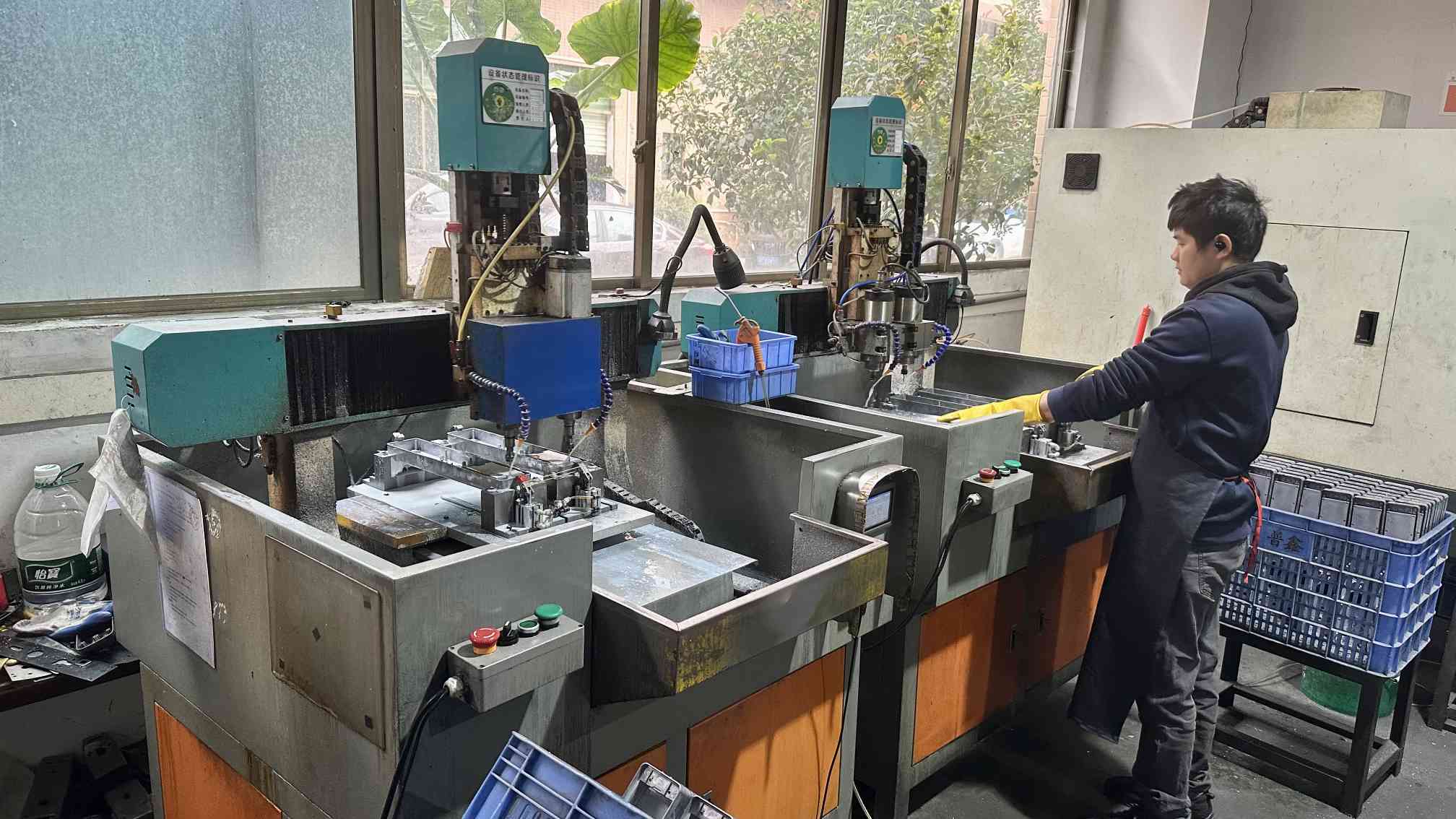
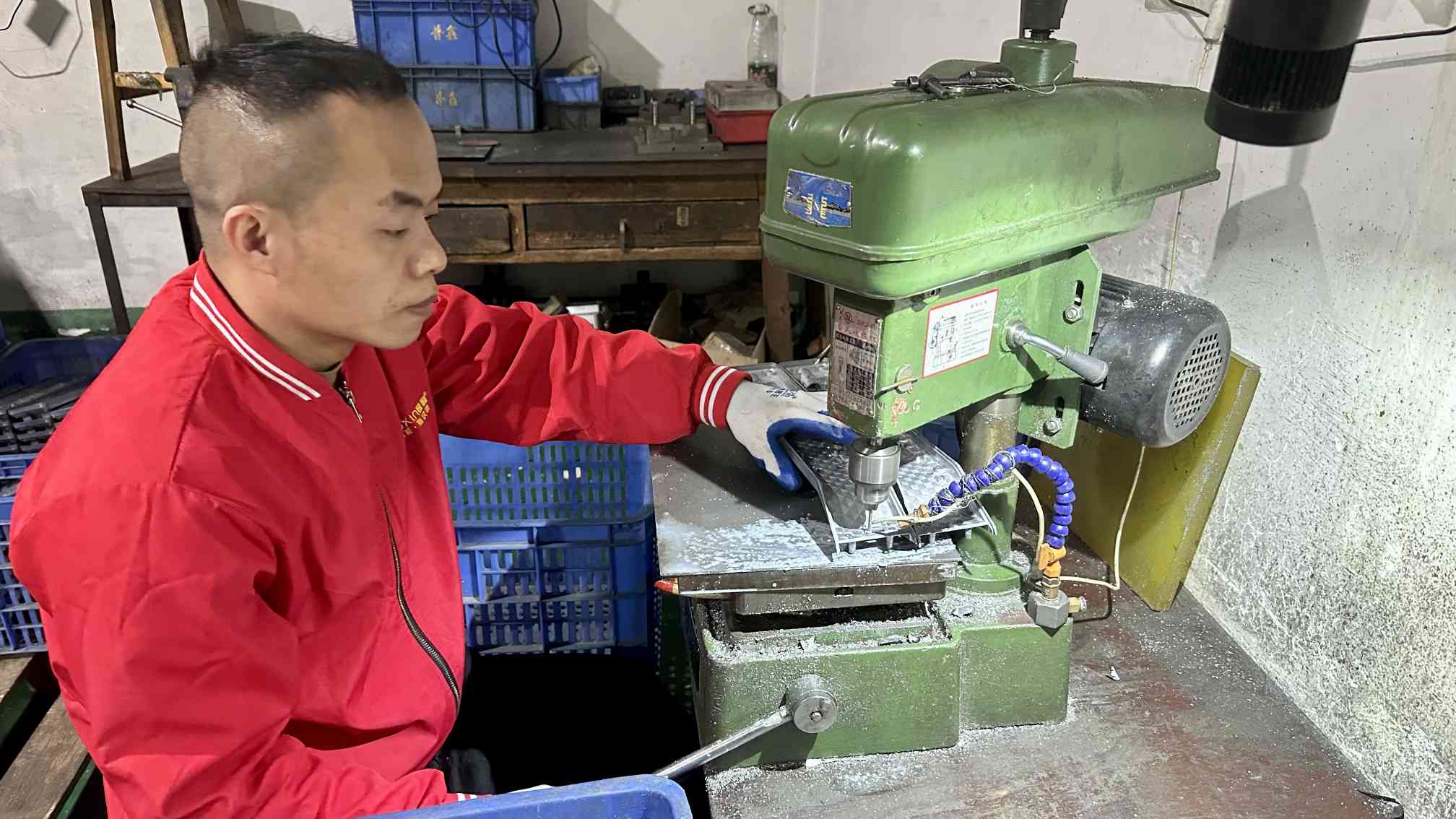
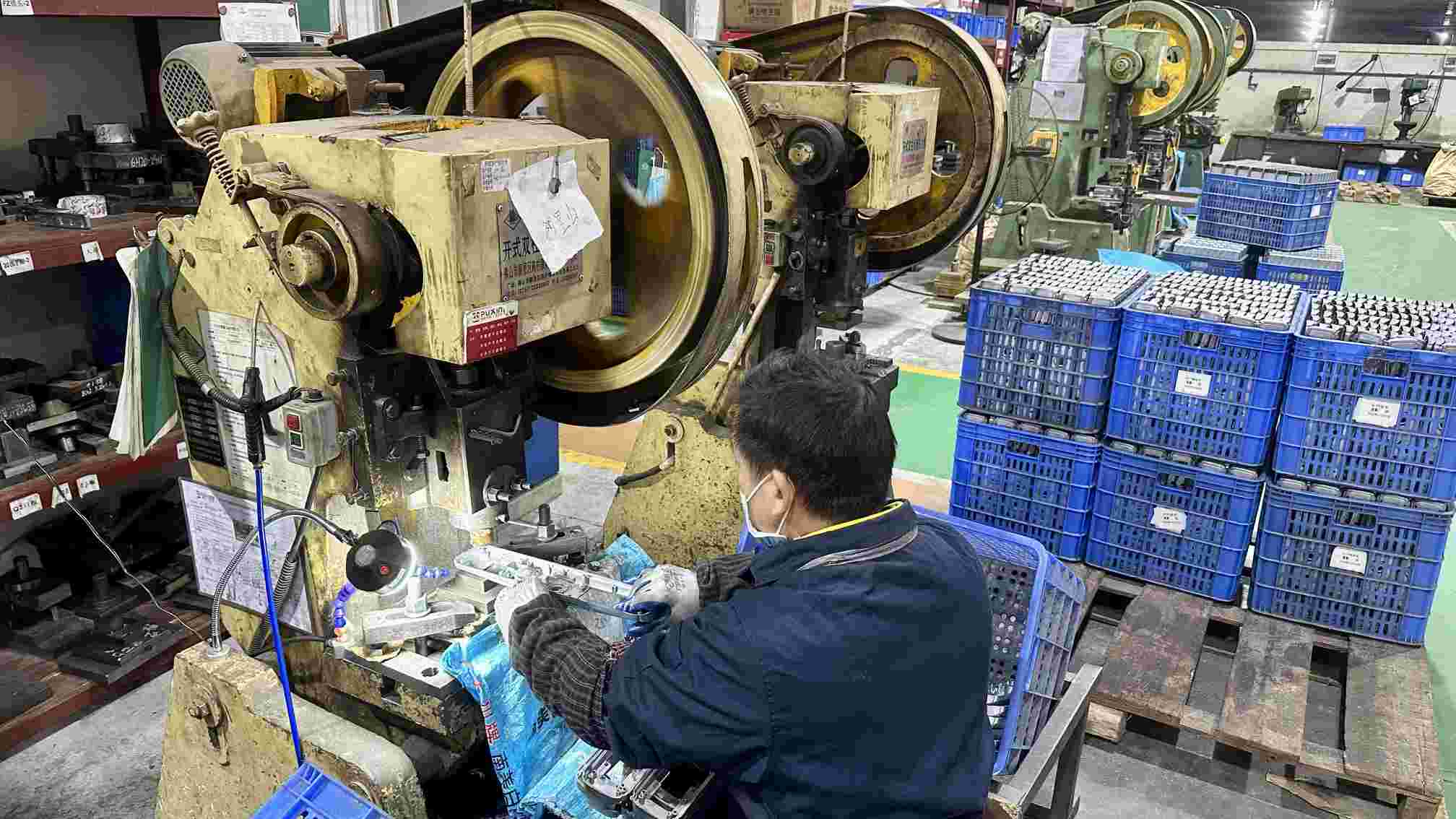
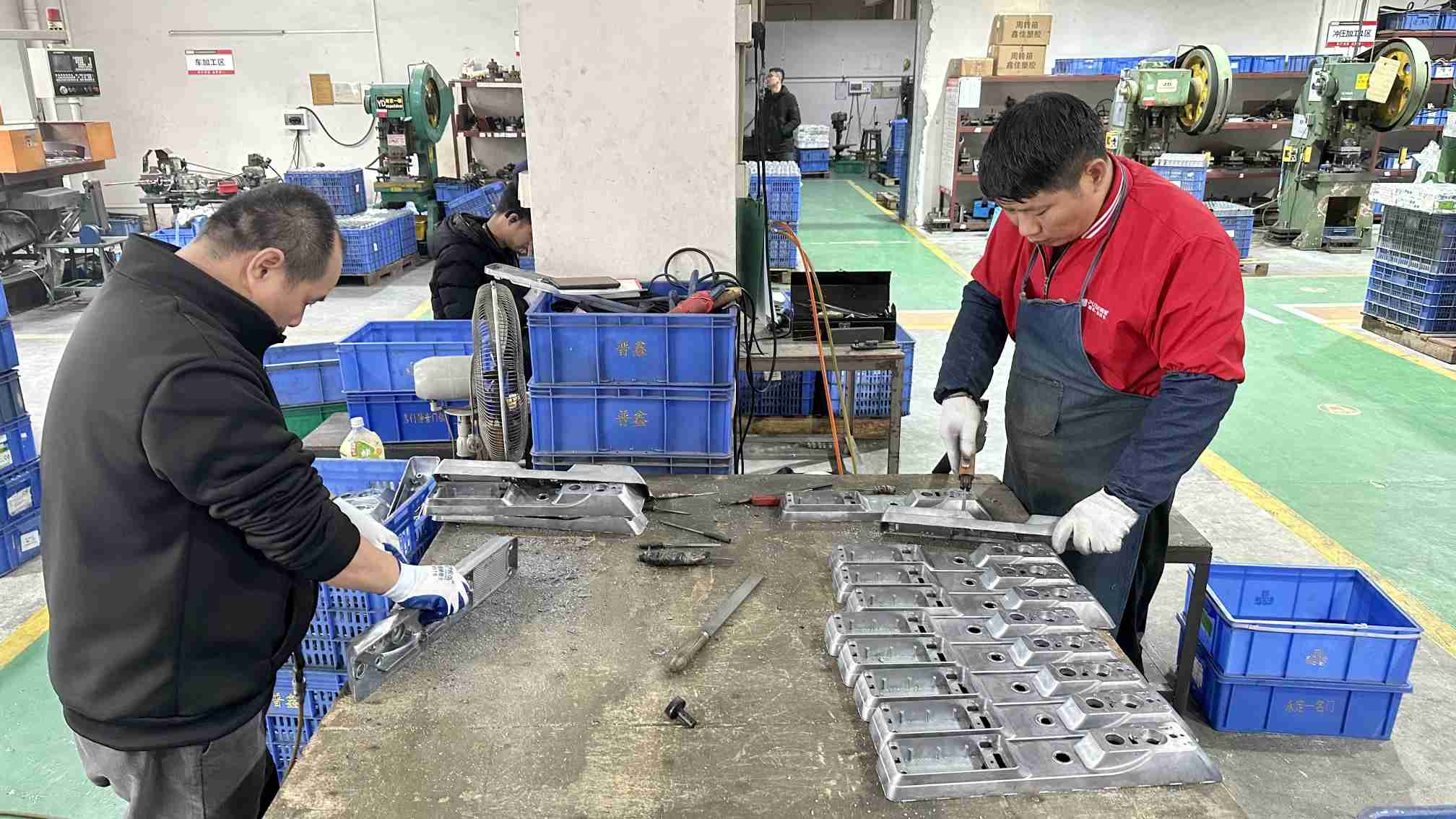
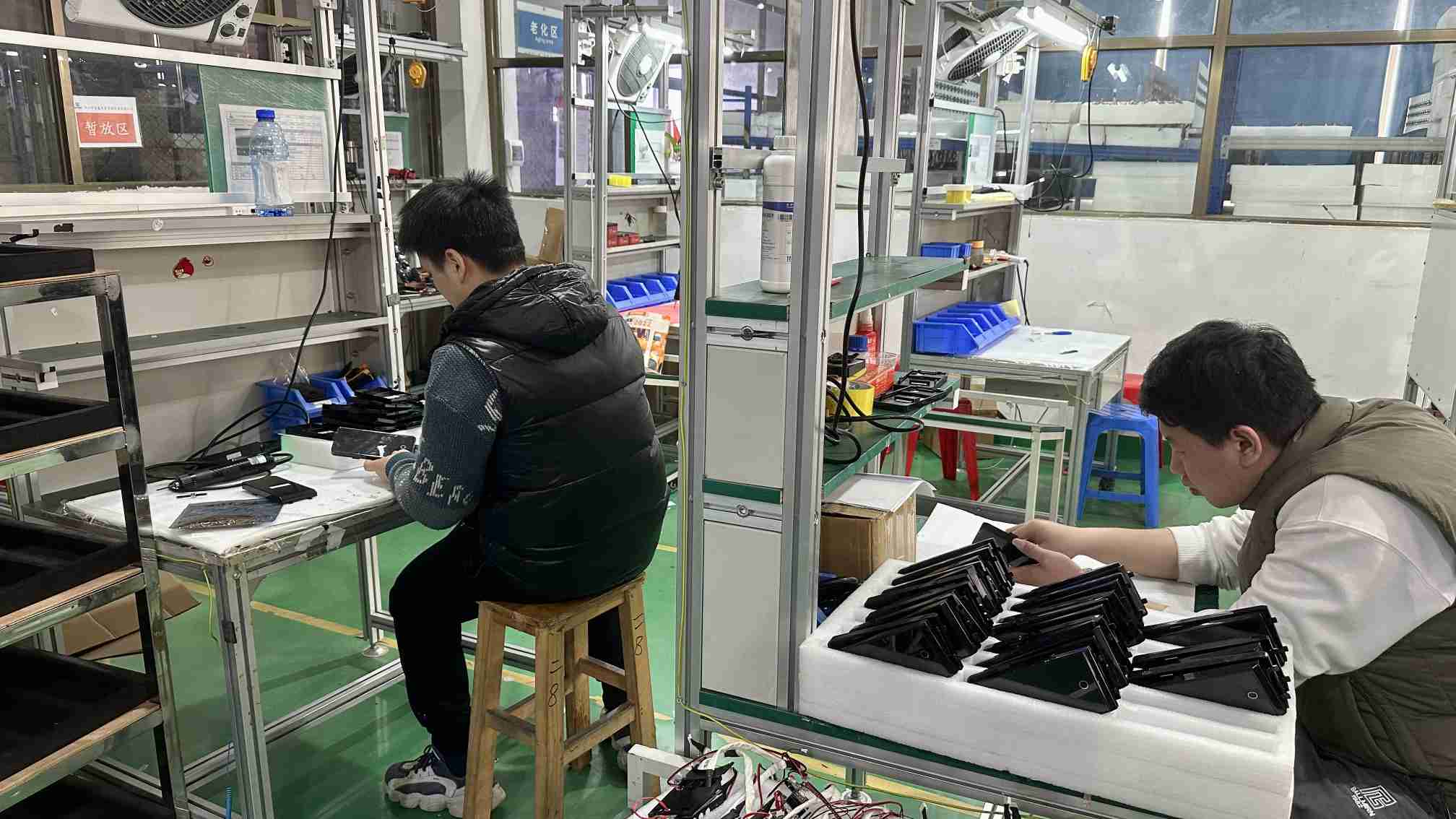
A resilient supply chain depends on complete control over the manufacturing process. Shenzhen Wipan Lock Co., Ltd. handles every production stage in-house. This comprehensive oversight ensures structural integrity, precise tolerances, and reliable cycle lifetimes for all our locking hardware.
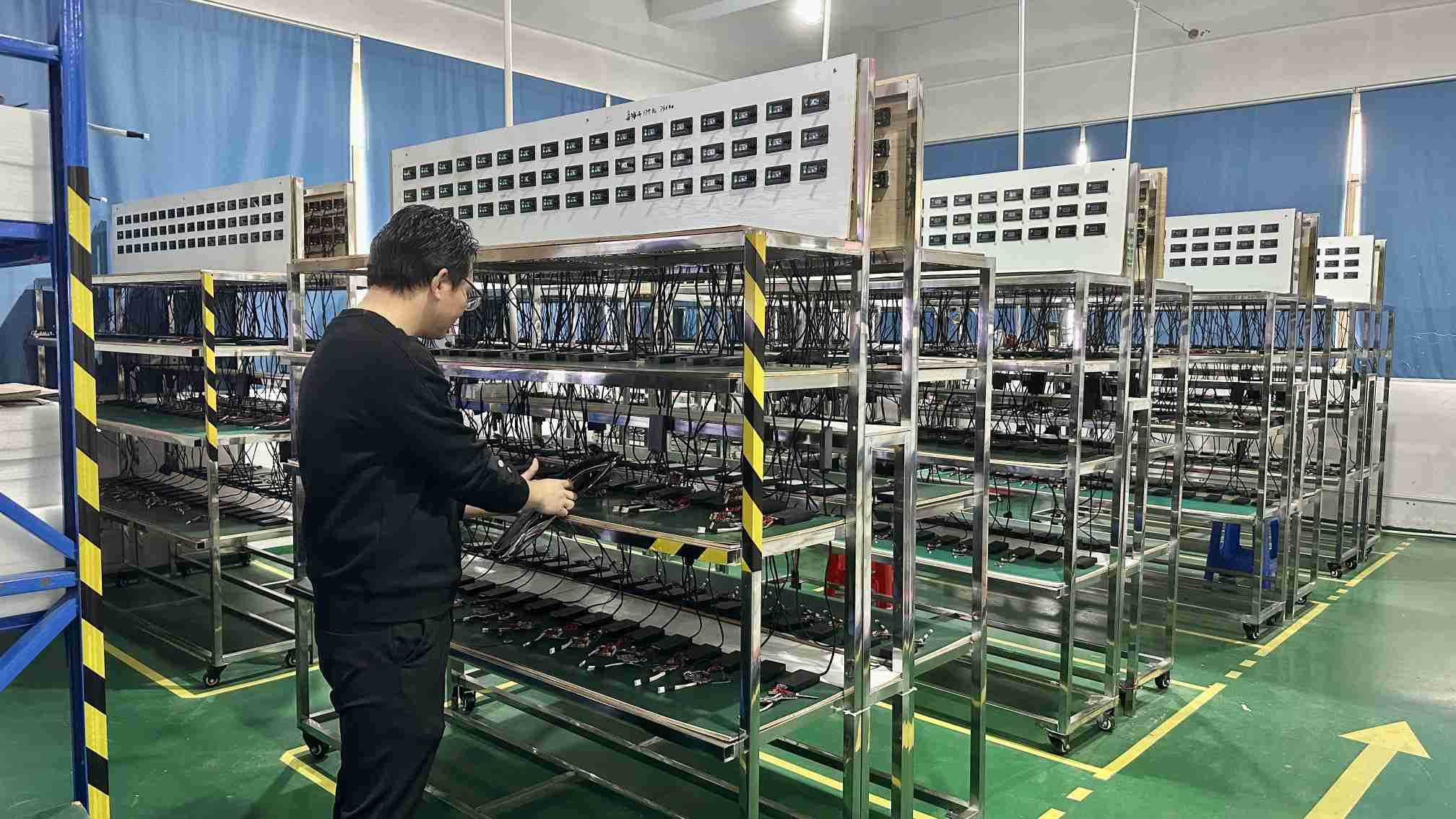
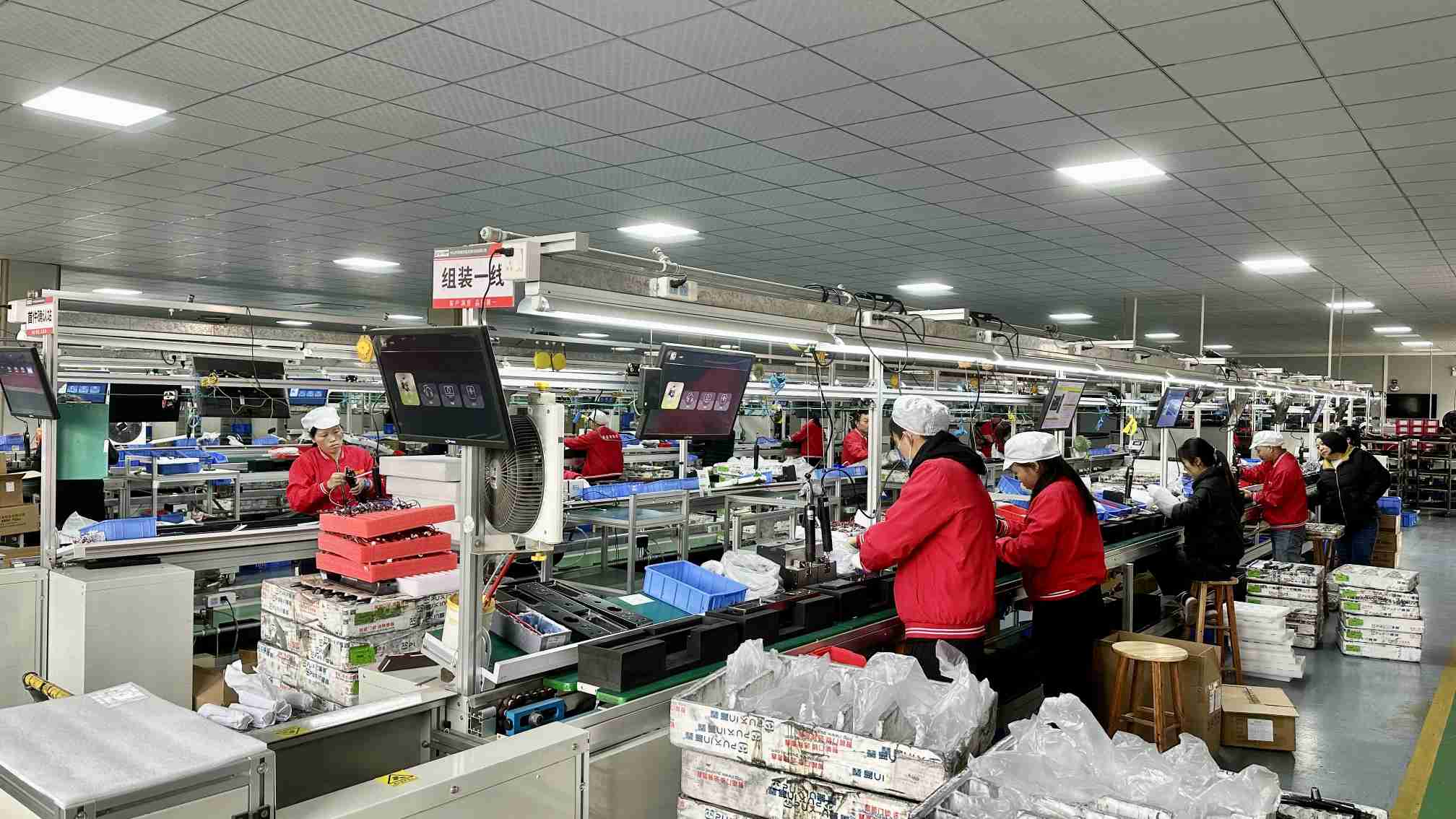
Procuring commercial smart locking systems involves strict technical criteria. B2B buyers must evaluate engineering parameters to match their operational demands:
Our solenoid and motor-driven locks undergo testing for over 500,000 continuous cycles under lateral structural stress to ensure long-term physical reliability.
Our electronics are built on accessible TTLock, Tuya, or proprietary APIs, enabling integration with property management systems and HR records.
Locks utilize low sleep currents (<15μA). Features include external mechanical override ports and physical key cylinder backups for emergencies.
Exporting to European and North American markets requires compliance with local safety and environmental standards. Shenzhen Wipan Lock Co., Ltd. designs and certifies its smart locker mechanisms to comply with global regulations, including:
Additionally, we work with shipping lines and third-party logistics firms to manage import regulations. This includes preparation of customized Harmonized System (HS) documentation, certificate of origin filings, and compliance with local regulations, reducing customs delay risks for our clients.
 Wipan Lock