Keyless entry locks have become increasingly popular due to their convenience and enhanced security. According to a report by the Electronic Security Association, nearly 70% of households will use keyless entry systems by 2025. However, understanding how to change the code on a keyless entry lock is crucial for maintaining security. Many users overlook this important task, leaving them vulnerable to potential breaches.
Changing your lock code is not a complex process, yet many people find it intimidating. This confusion often stems from a lack of clear instructions or fear of damaging their devices. A survey from the Security Industry Authority indicates that 40% of consumers do not know how to manage their keyless systems effectively. With the right guidance, anyone can easily adjust their lock settings to enhance their home security.
Engaging with your keyless entry system helps build your confidence. Each change you make solidifies your understanding of the technology. This article will offer practical tips on how to change the code on a keyless entry lock. By taking this simple step, you can ensure your home remains secure and your peace of mind intact.
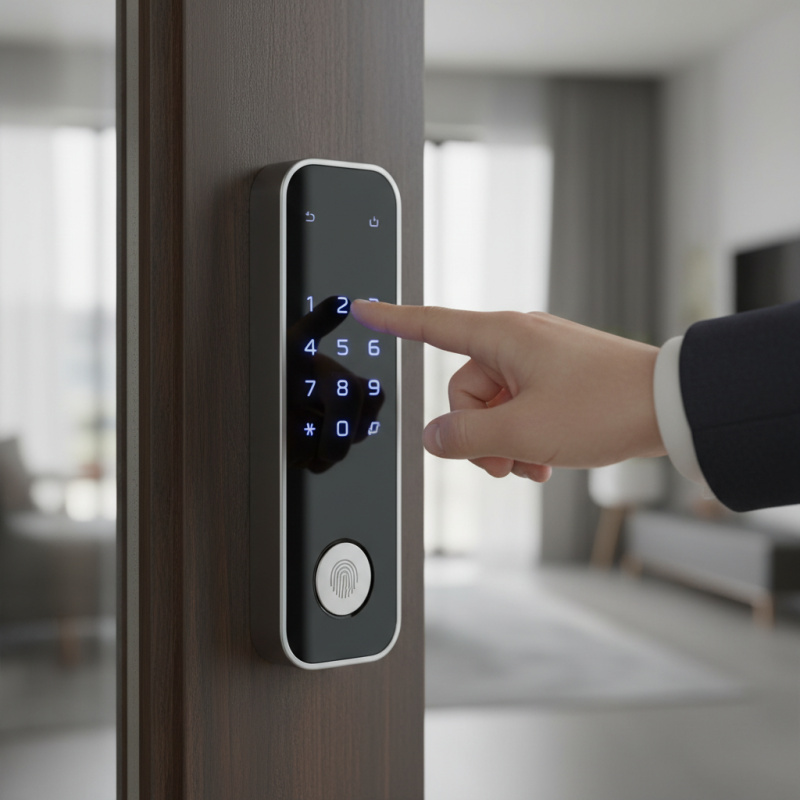
Understanding Keyless Entry Locks and Their Mechanisms
Keyless entry locks provide convenience and enhanced security for homes and vehicles. They operate using advanced technology, but their mechanisms can be complex. A typical keyless entry lock uses a keypad or remote, relying on signals or codes to grant access. Understanding these mechanisms helps users manage and change codes effectively.
According to a report by the Security Industry Association, about 70% of households now utilize keyless entry systems. This shift highlights the growing demand for easy access and safety. However, as technology advances, vulnerabilities also emerge. Regularly updating your access codes is essential to maintain the integrity of your security system. The process can seem daunting, but it is manageable with the right knowledge.
It's essential to recognize that not all keyless locks are created equal. Some may have features that are outdated or less secure. Users often overlook the importance of researching their specific lock type before attempting changes. Additionally, many don’t realize that forgetting a code can lead to emergency situations. Hence, keeping a backup method of entry is advisable, offering peace of mind in unpredictable circumstances. Understanding these nuances ensures a more reliable security experience.
Gathering Necessary Tools for Code Change
Changing the code on your keyless entry lock requires a few essential tools. It’s important to have a flathead screwdriver, a Philips screwdriver, and a pair of tweezers ready. These tools will help you access the battery compartment, where the code programming usually happens. According to industry reports, nearly 25% of consumers forget their keyless entry codes, making this skill handy.
Before you start, ensure your lock is powered. A fresh battery is crucial for an effective process. Sometimes, a weak battery can interrupt coding. Also, gather your lock's manual. This document provides specific instructions that can save you time and frustration.
Tips to consider: Always test the new code a few times after programming it. This helps to confirm it works properly. If you encounter issues, retrace your steps. Double-check connections, as sometimes loose components can create problems. Reflect on your experiences and learn from them. Mistakes can be fine teachers. Keeping tools and instructions organized can simplify future changes.
Step-by-Step Instructions to Reset the Code
Changing the code on your keyless entry lock can feel daunting. However, it is a straightforward process if you follow the right steps. Start by gathering the necessary tools: your user manual and a pen. If you don’t have a manual, check the manufacturer’s website for a digital version.
First, locate the reset button on your lock. It’s often hidden under a battery cover. Once you find it, press and hold this button for about 5 seconds. During this time, some models may blink or beep. After you release the button, you’ll have a brief window to enter your new code. Choose a code that is easy for you to remember but hard for others to guess.
After entering the new code, test it at least three times. This will ensure it’s working properly. If it doesn’t work, go back and repeat the steps. It might be frustrating. It’s also essential to keep your manual handy for future reference. Be aware that different locks may have unique reset processes. Always double-check specifics related to your model. This can prevent errors and save you time when you need access.
Troubleshooting Common Issues During the Code Change
Changing the code on your keyless entry lock can seem straightforward, but several common issues can arise during the process. One frequent challenge is forgetting the current code. If you can’t remember it, consult the lock’s manual or reset instructions. Often, manufacturers provide ways to reset the code without the original. However, this step can be confusing if the manual is missing or poorly written.
Another common issue occurs when the lock remains unresponsive. Ensure the batteries are replaced and properly installed. Sometimes, dirt or debris in the locking mechanism can hinder function, so giving the lock a clean can help. It's vital to press the buttons firmly during the code entry to avoid incorrect input. If you notice the red light blinking continuously, this may indicate a programming error. Review each step you took and try again.
Lastly, be aware of the time-out feature. Most locks will temporarily disable after several incorrect attempts. This can be frustrating, but patience is critical here. Additionally, ensure you follow the programming sequence exactly as described in your device's manual. Skipping steps can create confusion and lead to more problems. Debugging these issues may take time, but a careful approach will often yield success.
Tips for Maintaining Your Keyless Entry Lock in Good Condition
Keeping your keyless entry lock in good condition is essential for security and convenience. Regular maintenance can prolong its lifespan. Start by checking the battery regularly. A weak battery can lead to malfunction. It’s easy to overlook, but this step is crucial. You don’t want to be locked out because of a simple battery issue.
Cleaning the lock is also important. Dust and debris can accumulate in the keypad. Use a soft cloth to wipe it down. This simple act can prevent dirt from entering the mechanism. Some users might not realize that moisture can be damaging too. Always keep the area dry, especially in inclement weather.
Occasionally, test the entry codes. Changing your code is a good practice, but ensuring its effectiveness is vital. A code that works inconsistently may signal an issue. Replace the lock if you notice unusual behavior. These small checks can save you from larger headaches down the road. Regular attention to these details can lead to a safer, more reliable entry system.
Keyless Entry Lock Maintenance Tips
This chart displays the frequency of maintenance tasks recommended for keyless entry locks over a six-month period.
FAQS
: Locate the reset button, press and hold it for 5 seconds, then enter your new code.
Check your manual for reset instructions. Manufacturers often provide methods to reset without the original code.
Ensure the batteries are new and installed correctly. Clean any dirt or debris affecting the lock's mechanism.
Enter the new code at least three times to confirm it functions properly. Revisit the steps if it fails.
Most locks will temporarily disable after too many incorrect attempts. Patience is essential during this time.
A blinking red light often indicates a programming error. Review the steps taken and retry carefully.
Visit the manufacturer’s website for a digital version. This can help you understand your lock better.
No, each model may have a unique process. Always double-check the specific instructions for your lock model.
It might be frustrating, but check for missed steps or consult the manual again for clarity.
Yes, debris can hinder function. Regular cleaning helps maintain performance and reduces frustration during resets.
Conclusion
When considering how to change the code on a keyless entry lock, it is essential to first understand the mechanisms behind these locks. Keyless entry systems provide convenience and security, but knowing how to modify their codes is crucial for maintaining control over access. To start the process, gather the necessary tools, such as the user manual and any specific tools required for your lock type.
The article provides step-by-step instructions to reset the code, ensuring that you can easily follow along. Additionally, it addresses common troubleshooting issues that may arise during the code change, helping users navigate any hurdles they might encounter. Finally, tips for maintaining your keyless entry lock in good condition are included, ensuring longevity and continued functionality. By following these guidelines, changing the code on your keyless entry lock can be a straightforward task.

 Wipan Lock