2026 How to Choose Between Biometric Locks and Keypad Locks?

Time:2026-08-15 Author:Amelia
0%

As security technology evolves, choosing the right locking system becomes more critical. Homeowners and businesses often weigh the options between biometric locks and keypad locks. Biometric locks utilize unique biological traits, such as fingerprints or facial recognition, while keypad locks rely on numeric codes. According to a report from Research and Markets, biometric locks are projected to grow by 28% annually through 2026, highlighting their rising popularity and perceived security.

This raises an important question: Are biometric locks more secure than keypad locks? While biometric locks offer convenience and a lower risk of picking or unauthorized duplication, they can sometimes fail due to environmental factors or technical malfunctions. Conversely, keypad locks provide a simple method of access but can be vulnerable to code guessing or surveillance.

Understanding these strengths and weaknesses is essential. A survey from the Security Industry Association reveals that 52% of experts believe biometric devices significantly enhance property security. However, can we fully trust technology to protect our most valuable assets? Scrutinizing the effectiveness of each locking system will help users make informed decisions tailored to their specific needs.
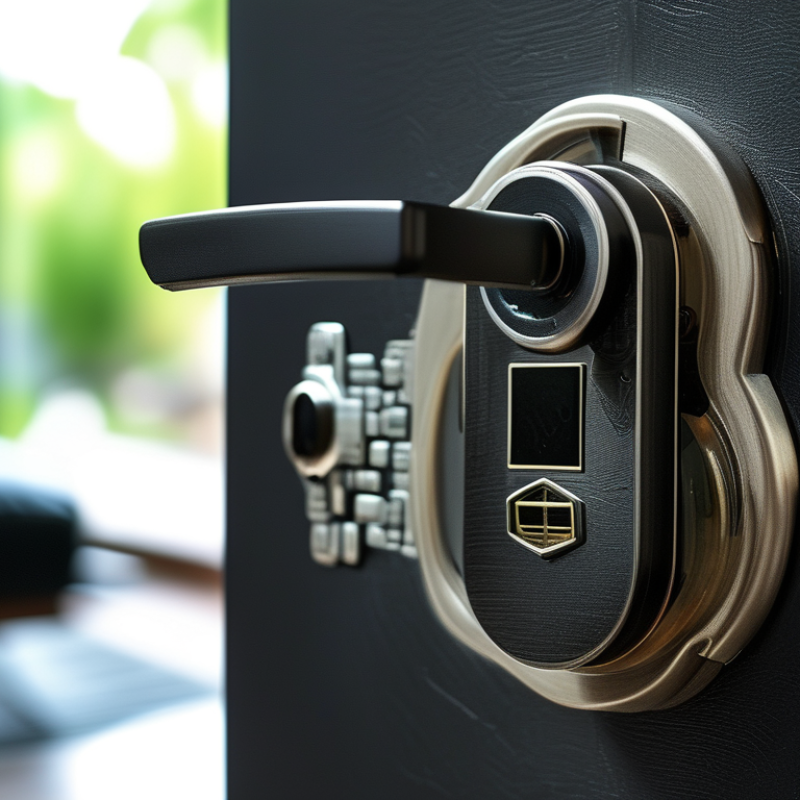
2026 How to Choose Between Biometric Locks and Keypad Locks?

Biometric Locks Overview: Technology and Security Benefits

Biometric locks leverage advanced technology to enhance security. They use fingerprints, facial recognition, or iris scans for access. This makes unauthorized entry extremely difficult. The combination of unique biological traits creates a strong defense against theft.

When considering biometric locks, evaluate their accuracy and reliability. Not all locks function seamlessly. Some may have difficulties recognizing enrolled features under varying conditions. For example, moisture on fingers can lead to failed attempts. Thus, it’s crucial to test the lock in real situations.

Tips for choosing a biometric lock include assessing your needs. Consider factors like user capacity and usage frequency. A lock serving a high-traffic area needs quick recognition. Additionally, aim for models with backup access methods. This ensures you can regain entry if the biometric system fails.

Comparison of Biometric Locks and Keypad Locks: Security Features

Keypad Locks Explained: Features and User Convenience

Keypad locks offer a modern solution for securing spaces. They utilize numeric keypads, allowing users to enter a code for access. This eliminates the need for physical keys. Codes can be easily changed when necessary, enhancing security. Users often find this feature convenient. No longer do they worry about misplacing keys.

A major advantage of keypad locks is their user-friendly nature. Most devices come with backlighting, enabling easy use in low-light environments. Additionally, they often have user-friendly interfaces. Users can enjoy quick access without fumbling for keys. On the downside, forgetting the code can create frustration. People may also find themselves locked out if the battery dies.

Ultimately, the choice of a keypad lock depends on individual needs. They provide convenience but also require responsible use. Evaluating personal habits is crucial. Some may prefer biometric locks for their advanced technology. Others may appreciate the simplicity of keypad locks. Understanding these aspects helps users make informed decisions.

Comparison of Biometric vs Keypad Locks in Home Security

When choosing between biometric locks and keypad locks for home security, consider several factors. Biometric locks use unique physical traits, such as fingerprints or facial recognition, to grant access. This technology has been gaining popularity due to its ease of use. According to a 2023 security report, biometric systems are expected to see a compound annual growth rate of 19.4% by 2027. However, the technology is not infallible. Potential vulnerabilities, such as spoofing or failures in recognizing users, can pose risks.

In contrast, keypad locks require a numerical code for entry. They are straightforward and have been around longer. A report from the Home Security Association indicates that 35% of users prefer keypad locks due to their reliability and lower cost. Yet, these locks also have drawbacks. If you forget the code or if someone sees you enter it, security is compromised. Moreover, keypad locks can be vulnerable to wear and tear over time, leading to mechanical failures.

Ultimately, your choice will depend on your lifestyle and security needs. Consider the level of convenience each option offers versus its potential vulnerabilities. Each system has its strengths and weaknesses, and weighing them carefully can help in making a wise decision.

Cost Analysis: Biometric Locks vs Keypad Locks in 2026

When considering the cost of biometric locks versus keypad locks in 2026, it's essential to evaluate various factors. Biometric locks, while modern and convenient, often come at a steeper price. These devices use fingerprint scanning or facial recognition, offering enhanced security. However, the initial investment can be significant. Additionally, maintenance and potential troubleshooting might result in unplanned expenses.


On the other hand, keypad locks are generally more affordable. Installation is usually straightforward and cost-effective. They require a code for access, making them user-friendly. However, their security is sometimes questioned. Codes can be easily shared or forgotten. Moreover, the keypad can wear out over time, resulting in additional costs.


As you weigh these options, think about your specific needs. Biometric systems may suit high-security environments like offices. Keypad locks might fit well in residential settings. Reflect on the balance between upfront and long-term costs. Each choice has its benefits and drawbacks. Your decision should align with your usage and security priority.

Usage Trends and Consumer Preferences in Lock Security Solutions

Security solutions have evolved significantly over the years. Biometric locks and keypad locks are at the forefront of this evolution. Each type has its own appeal and shortcomings. Understanding these differences can help consumers make informed choices.

Many consumers prefer biometric locks for their convenience. Fingerprint recognition and facial recognition offer a hands-free experience. However, these locks can present challenges. For instance, they may struggle in extreme temperatures. Some users have reported issues with false rejections. On the other hand, keypad locks provide a straightforward alternative. They allow users to set and change codes easily. Yet, these codes can be forgotten or shared unintentionally.

The trends show a growing interest in smart security solutions. Many shoppers are looking for locks that integrate with home automation. This shift indicates a preference for multitasking devices. Still, ease of use remains a priority. Users want reliable security that doesn’t complicate daily routines. Balancing security features with user convenience can be tricky. Each option has value, yet choosing the right lock means considering personal lifestyle and security needs.

2026 How to Choose Between Biometric Locks and Keypad Locks? - Usage Trends and Consumer Preferences in Lock Security Solutions

Criteria Biometric Locks Keypad Locks
Security Level High Medium
User Convenience Very Convenient Moderately Convenient
Cost Higher Lower
Installation Complexity Moderate Simple
Maintenance Low Moderate
Consumer Preference (%) 65% 35%

FAQS

: What are biometric locks?

: Biometric locks use fingerprints, facial recognition, or iris scans for secure access.

What is the main advantage of biometric locks?

They make unauthorized entry extremely difficult due to unique biological traits.

Are biometric locks always reliable?

Not all biometric locks function perfectly. They may fail under certain conditions, like moisture on fingers.

What factors should I consider when choosing a biometric lock?

Assess user capacity and frequency of use. High-traffic areas need quick recognition.

Should I have a backup access method?

Yes, backup methods ensure you can enter if the biometric system fails.

What are common challenges with biometric locks?

Issues like false rejections and struggle in extreme temperatures are common.

How do keypad locks compare to biometric locks?

Keypad locks are straightforward but codes can be forgotten or shared.

What are current trends in lock security?

Many consumers prefer smart locks that integrate with home automation systems.

Why is ease of use important in security solutions?

Users want reliable security that doesn’t complicate daily routines or lifestyle.

Is choosing the right lock easy?

It can be tricky. You must balance security features with personal lifestyle and needs.

Conclusion

The article "2026 How to Choose Between Biometric Locks and Keypad Locks?" explores the strengths and weaknesses of two popular security solutions: biometric locks and keypad locks. It begins with an overview of biometric technology and its security benefits, highlighting how features like fingerprint scanning can enhance home security. In contrast, the section on keypad locks focuses on their user-friendly features and convenience.

A comparative analysis reveals the key differences between biometric and keypad locks in terms of security, with a pressing question: Are biometric locks more secure than keypad locks? Additionally, the article examines the cost differential between the two options and sheds light on current usage trends and consumer preferences, providing insights that will assist homeowners in making an informed decision by 2026.

Amelia

Amelia

Amelia is a seasoned marketing professional with a wealth of expertise in our company’s core offerings. With an unwavering passion for driving growth and innovation, she plays a pivotal role in shaping our marketing strategies and enhancing brand visibility. A key aspect of her responsibilities......