How to Connect Your Smart Lock to WiFi Easily?

Time:2026-06-26 Author:Madeline
0%

Connecting a smart lock to Wi-Fi can seem daunting. However, experts can simplify this process. Mark Thompson, a leading smart home technology consultant, asserts, "The right setup makes smart living effortless." This highlights the importance of understanding how to connect a smart lock to Wi-Fi.

In recent years, smart locks have become essential for modern households. They offer enhanced security and convenience. Yet, many users struggle with the installation and setup. A common mistake is overlooking the specific compatibility requirements of devices. Each lock might have unique Wi-Fi configurations which are crucial for a seamless connection.

Being familiar with your smart lock’s features is vital. Take time to read the manufacturer's instructions carefully. Engaging with online resources and user forums can provide valuable insights. Remember, even small errors in Wi-Fi credentials can prevent a successful setup. Adopting a patient and methodical approach will lead to better results.
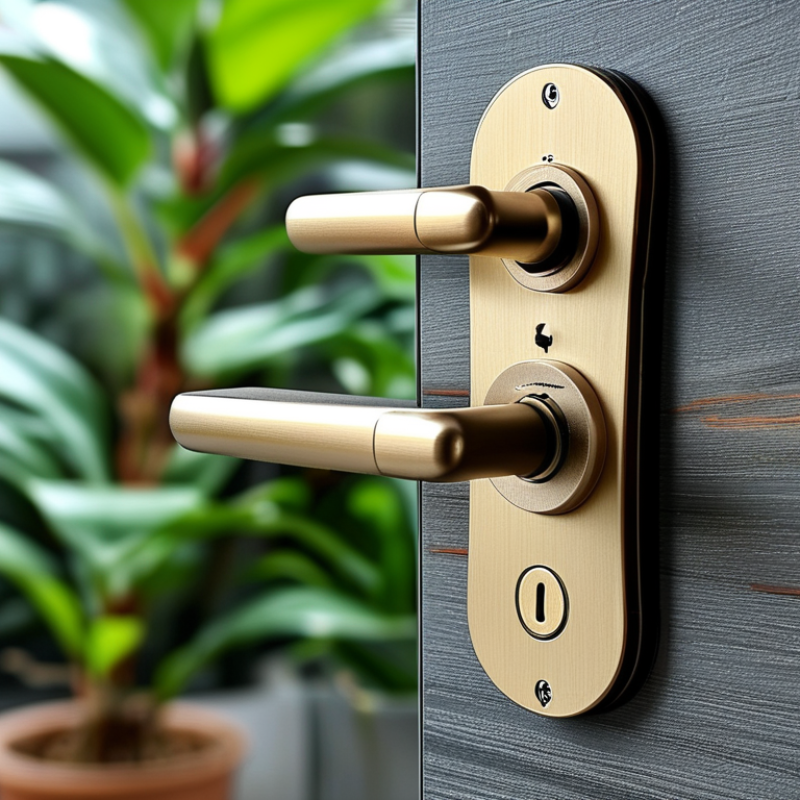
How to Connect Your Smart Lock to WiFi Easily?

Understanding Smart Locks and WiFi Connectivity

Smart locks are revolutionizing home security by leveraging WiFi connectivity. They allow users to control access remotely through smartphone apps. This technology offers convenience, but can also seem daunting to some users. Understanding how these devices connect to WiFi is essential for maximizing their benefits.

WiFi-enabled smart locks typically require a stable internet connection for optimal performance. Users should be aware that interference from walls or other electronic devices may affect signal strength. It’s vital to place your router ideally for the best coverage. Sometimes, a simple adjustment can improve connectivity.

Setting up a smart lock can have its hiccups. Many users mistakenly overlook firmware updates, which are crucial for security. It’s important to regularly check for software updates to maintain functionality and safety. If you encounter connection issues, rebooting the lock or your router may help. These small, practical steps can make a significant difference in your smart lock experience.

Preparing Your Smart Lock for WiFi Setup

Preparing your smart lock for WiFi setup can seem daunting. It's essential to start by ensuring that your lock is compatible with your home network. A recent survey from the Smart Home Institute indicated that 38% of smart lock users faced connectivity issues due to incompatible WiFi standards. Reviewing your lock’s specifications can save you time and frustration. Compare your lock's requirements with your home network's speed and protocol.

Before beginning the setup, gather necessary tools. You will typically need a stable internet connection and a smartphone. Many smart locks include a dedicated app for setup. Industry insights suggest that 70% of users prefer mobile applications for their simplicity. If you're facing difficulties, try resetting your lock to its factory settings. This can resolve minor glitches that might impede the setup process.

While preparing, double-check your WiFi password. Research shows that 26% of connectivity problems stem from incorrect passwords. Ensuring the lock has a strong WiFi signal is crucial. Place your router within close proximity, if possible. Environmental factors like walls and interference can reduce the signal strength. Take note if the setup isn’t smooth; troubleshooting may be required. This step can help you understand potential gaps in your network's coverage.

How to Connect Your Smart Lock to WiFi Easily? - Preparing Your Smart Lock for WiFi Setup

Step Description Required Tools Estimated Time
1 Download the smart lock app Smartphone 5 minutes
2 Create an account or log in Smartphone 5 minutes
3 Put the lock in pairing mode Smart Lock 2 minutes
4 Connect to local WiFi network Router, Smartphone 10 minutes
5 Test the lock via the app Smartphone 5 minutes

Step-by-Step Guide to Connecting Your Smart Lock to WiFi

Connecting your smart lock to WiFi can seem challenging, but it doesn't have to be. Start by checking your lock's compatibility with your home network. Many smart locks require a 2.4GHz network for connection. If you’re unsure, consult the user manual. This simple step can save you time and frustration later.

Next, gather necessary tools. You will likely need your smartphone, WiFi password, and the lock’s app installed. Keep everything handy. Open the app and follow the onscreen prompts. Pay close attention to the setup instructions; missing a step can lead to confusion. Sometimes, you might find yourself staring at error messages. Don’t panic. It often helps to restart your phone or the lock.

During the connection process, look for LED indicators on your smart lock. These lights provide vital feedback. A steady light usually means success, while blinking might indicate an issue. If you encounter problems, double-check your WiFi signal strength. Inadequate coverage can hinder connectivity. Sometimes, the best solution is to move closer to your router. Each step is an opportunity to learn, and perfection is not the goal. Embrace the process and troubleshoot as needed.

Troubleshooting Common Issues During WiFi Connection

Connecting your smart lock to WiFi can present challenges. Many users experience issues during the setup process. According to a recent industry report, nearly 30% of consumers face difficulties when syncing smart devices. Common problems can often be traced to connectivity issues or incorrect configurations.

WiFi interference is a frequent culprit. Walls or electronic devices can disrupt signals. Ensure your smart lock is within range of your router. Consider using a WiFi extender if the distance is significant. Also, check that your router settings allow for a smooth connection. Network congestion from other devices can lead to dropped connections too.

Tips: Restart your router and smart lock before attempting to connect. This simple step can often resolve minor glitches. Make sure your firmware is up to date. Many users overlook this, but updates can vastly improve performance and security. If problems persist, consult the user manual. It may contain troubleshooting steps specific to your device.

Verifying Successful WiFi Connection on Your Smart Lock

Verifying the successful WiFi connection on your smart lock is crucial. It ensures that your device communicates effectively with your home network. Begin by checking the app on your smartphone. It usually displays a connection status. A green indicator often signals that all is well, but be aware of occasional glitches. Sometimes, the app might show an error, indicating a need for troubleshooting.

Next, inspect the physical lock. Many models have LED lights that indicate connection status. A steady light might mean a strong connection, while a blinking light could imply issues. If you find yourself in this situation, consider repositioning your router. WiFi signals can weaken due to distance or obstructions. Testing the connection close to the router can help identify if location is the problem.

Even after several attempts, you might still face difficulties. It’s not uncommon for smart locks to require occasional resets. If necessary, consult the user manual for instructions on how to reset your device. Learning to connect smoothly might take time, but patience is key. Ensuring a stable connection enhances security and functionality.

Smart Lock WiFi Connection Success Rate Over Time

FAQS

: What are smart locks?

: Smart locks are devices that allow remote access control via smartphone apps. They enhance home security.

How do smart locks connect to WiFi?

Smart locks connect through a stable internet connection. Proper router placement boosts signal strength.

What common issues arise during smart lock setup?

Users often forget to update firmware. Neglecting updates can lead to security and functionality problems.

How can I improve my smart lock's WiFi signal?

Ensure your router is placed ideally. Adjustments to its location can enhance connectivity.

What tools do I need to set up my smart lock?

You need a stable internet connection and a smartphone. A dedicated app simplifies the process.

Why might my smart lock have connectivity issues?

Issues can arise from incompatible WiFi standards or incorrect passwords. Double-checking these can save time.

What should I do if the smart lock setup fails?

Consider resetting your lock to factory settings. This can resolve minor glitches affecting the setup process.

Is it important to keep my smart lock updated?

Yes, regularly checking for updates is crucial for maintaining security and functionality. Neglecting this can be risky.

How close should my router be to the smart lock?

Ideally, the router should be within close proximity to ensure a strong WiFi signal for the lock.

What environmental factors can affect connectivity?

Walls and other electronic devices can interfere with signal strength. Be aware of these obstacles during setup.

Conclusion

In the article "How to Connect Your Smart Lock to WiFi Easily," the reader is guided through the essential steps to ensure seamless WiFi connectivity for their smart lock. It begins by explaining the importance of understanding smart locks and how they interact with WiFi, setting the stage for a successful setup. The article further elaborates on the preparation needed for your smart lock prior to the WiFi configuration.

The core of the article is a detailed step-by-step guide on how to connect a smart lock to Wi-Fi, ensuring that users can follow along easily. Additionally, common troubleshooting tips are provided to help users resolve any issues that may arise during the connection process. Finally, the article emphasizes the importance of verifying the successful WiFi connection on the smart lock, ensuring users can operate their locks conveniently and securely.

Madeline

Madeline

Madeline is a dedicated marketing professional with a wealth of expertise in our company's core offerings. With a keen understanding of the industry, she brings a unique perspective to her role, consistently delivering high-quality content that highlights the superior aspects of our products. As......