Top Reasons Why Your Fingerprint Smart Lock Won't Recognize You?

Time:2026-06-29 Author:Charlotte
0%

Many users find themselves frustrated when they encounter issues with their fingerprint smart locks. A common question emerges: "Why won't my fingerprint smart lock recognize my finger?" Understanding this problem requires examining several factors. Fingerprint recognition technology is complex and can be affected by various elements, from dirty sensors to poorly registered fingerprints.

One major reason could be the condition of your finger. Moisture, dirt, or even dry skin can hinder sensor performance. If your fingers are injured or calloused, the lock may struggle to read your prints correctly. Similarly, the placement of your finger on the sensor also matters. If you aren't positioning it properly, the lock may fail to recognize you.

Another aspect often overlooked is the lock's maintenance. Regular cleaning of the fingerprint sensor helps ensure optimal functioning. It's essential to follow the manufacturer's instructions for re-calibrating your fingerprints, especially after experiencing repeated failures. By addressing these issues, you might find that your smart lock becomes more reliable.
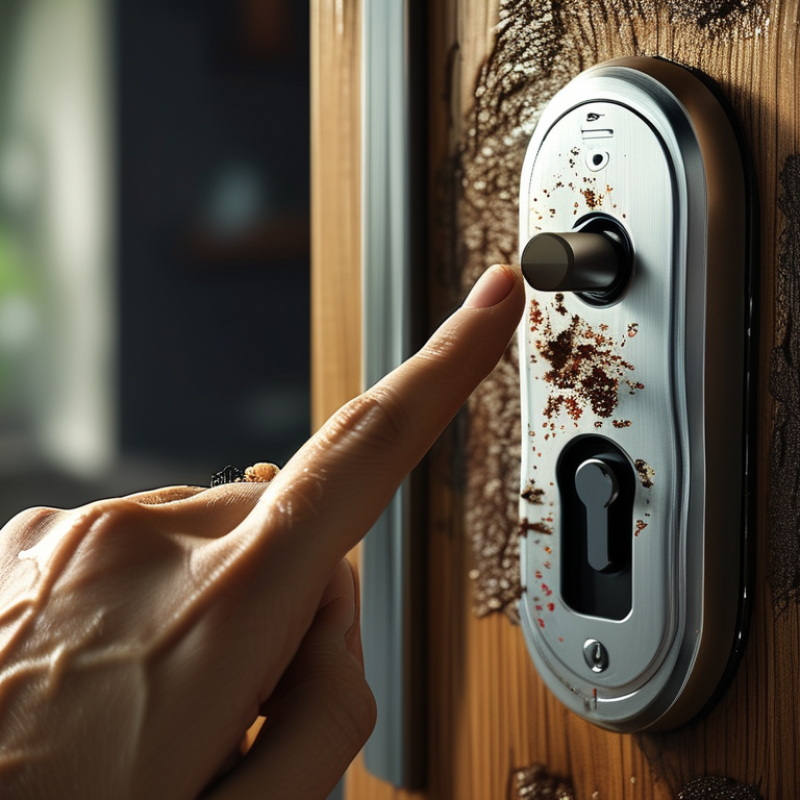
Top Reasons Why Your Fingerprint Smart Lock Won't Recognize You?

Common Reasons for Fingerprint Recognition Failure

Fingerprint smart locks provide convenience and security. However, sometimes they fail to recognize your fingerprint. There are several common reasons for this issue.

One significant factor is dry or dirty fingers. If your fingers are too dry, the sensor may not pick up your fingerprint accurately. Similarly, dirt or sweat can obstruct the sensor. Regularly cleaning the area around the sensor and ensuring your hands are clean can help mitigate these problems.

Another reason is improper finger placement. If you don’t position your finger correctly, the lock may not recognize you. It's essential to use a consistent position and pressure when scanning your fingerprint. Finally, environmental factors like extreme temperatures can affect how the sensor interacts with your fingerprint. Cold weather may cause your skin to harden, making recognition challenging.

Sometimes, it’s easy to overlook these elements. Regular maintenance and adjustments can improve the lock's reliability. Being mindful of your finger's condition and the surrounding environment can enhance performance.

Environmental Factors Impacting Fingerprint Scanning

Fingerprint smart locks have gained popularity, yet they can struggle in specific environments. Research indicates that environmental factors significantly affect their performance. For instance, humidity and temperature variations can alter how fingerprints are scanned. A report from the National Institute of Standards and Technology highlights that around 10-15% error rates occur under extreme conditions.

Dust and dirt buildup can also hinder the scanning process. When the sensor is covered, it may not register your fingerprint correctly. A study revealed that nearly 30% of users reported performance issues related to dirty sensors. Additionally, factors like moisture on fingers or dry skin can prevent accurate recognition. If the conditions aren’t optimal, even a well-functioning device may falter.

Users must consider these elements when relying on fingerprint technology. Regular maintenance of the device is crucial for consistent performance. A clean and dry fingerprint is more likely to be recognized. Keep your smart lock in a stable environment to enhance its effectiveness. Identifying these environmental impacts can help users better understand common issues and find solutions.

Top Reasons Why Your Fingerprint Smart Lock Won't Recognize You? - Environmental Factors Impacting Fingerprint Scanning

Environmental Factor Impact on Fingerprint Recognition Description
Moisture Negative Excess moisture on fingers can prevent clear scanning.
Dirt and Oil Negative Build-up of dirt or oil can obscure fingerprint patterns.
Temperature Negative Extreme temperatures can affect skin pliability, hindering recognition.
Lighting Conditions Neutral Poor lighting can affect the accuracy of optical sensors.
Skin Condition Negative Dry or damaged skin can alter the fingerprint patterns.
Residual Substances Negative Remaining lotions or chemicals from hands can disrupt scanning.

Improper Finger Placement on the Sensor

Improper finger placement on the sensor is a common issue that affects the performance of fingerprint smart locks. Many users do not realize that even a slight misalignment can hinder recognition. A study by the International Journal of Information Security found that incorrect finger positioning can lead to a failure rate of up to 30%. This indicates how crucial it is to understand the best way to place your finger for optimal performance.

Additionally, factors such as finger moisture or dirt can further complicate recognition. A clean, dry finger is essential for a clear imprint. Research shows that up to 25% of fingerprint-related failures may result from environmental conditions. Users often overlook this aspect. They may press too hard or too softly, both of which can compromise the sensor reading. A light, even pressure is recommended.

Personal habits also play a role in recognition issues. For instance, if users consistently use the same finger, that finger may become worn over time, affecting accuracy. It's essential to alternate between fingers to maintain effective recognition. Experts suggest that regularly reviewing your technique can improve reliability. Being mindful of these details can significantly enhance your experience with fingerprint smart locks.

Changes in Fingerprint Due to Injuries or Aging

As we age, our bodies undergo various changes. One significant change involves our fingerprints. Aging can lead to thinner skin and decreased elasticity. These shifts can alter the ridges of our fingerprints, making them harder to recognize by smart locks. Injuries, too, can have a dramatic effect. A cut or burn can change the surface texture, impacting recognition.

Consider a minor incident, like a kitchen accident. A small burn on your fingertip could leave a lasting mark. Even after healing, the fingerprint may never look the same. This new texture may confuse the lock’s sensors. Sometimes, it may feel frustrating when the device fails to unlock, prompting users to reflect on how daily life impacts their biometric data.

Frequent use of the same finger can also play a role. Regular wear and tear can lead to changes in the fingerprint’s appearance. Users might notice a gradual decline in recognition success. Maintaining healthy skin and avoiding unnecessary trauma can help preserve fingerprint integrity. Ultimately, understanding these changes can facilitate better usage of fingerprint technology in everyday scenarios.

Software and Hardware Malfunctions in Smart Locks

Fingerprint smart locks provide convenience, but they can have issues. Software malfunctions are common. If the lock's software isn't updated, recognition can fail. Bugs may also hinder performance. Frequent updates can help, but they aren't always foolproof.

Hardware problems can pose significant challenges. Dust accumulation on the sensor may hinder the lock’s ability to read fingerprints. Additionally, if the sensor is damaged, it might not function properly. Environmental factors, like extreme temperatures, can also affect hardware performance. Regular cleaning and maintenance are essential, yet often overlook.

It’s essential to understand these issues. Smart lock malfunctions can stem from various sources. Outdated software or neglected sensors can leave you locked out. Observing when the issues occur may provide insights for troubleshooting. Taking the time to ensure your system's reliability pays off in the long run.

Top Reasons Why Your Fingerprint Smart Lock Won't Recognize You

FAQS

: What can cause fingerprint recognition failure?

: Dry or dirty fingers can hinder recognition. Regularly clean your hands and the sensor area.

How does environmental temperature affect fingerprint scanning?

Extreme cold can harden your skin, making recognition difficult. This impacts sensor interaction.

What role does finger placement play in recognition issues?

Improper finger placement may lead to failure. Consistent position and pressure are necessary during scans.

How does humidity affect fingerprint smart locks?

High humidity can cause variability in scans. It’s essential to check environmental conditions frequently.

How can dirt affect fingerprint scanning performance?

Dirt and dust on the sensor impact recognition. Nearly 30% of users face issues due to dirty sensors.

What maintenance is needed for fingerprint locks?

Regular cleaning and checks are important. A clean and dry fingerprint enhances the lock's performance.

Conclusion

Fingerprint smart locks offer convenience but can occasionally fail to recognize users. A common query that arises is, "Why won't my fingerprint smart lock recognize my finger?" Several factors can contribute to this issue. Environmental factors, such as moisture or dirt on the sensor, can hinder accurate scanning. Additionally, improper finger placement during scanning may lead to failure, as users might not align their fingers correctly.

Changes in fingerprints, whether due to injuries or natural aging processes, can also affect recognition. Furthermore, software glitches or hardware malfunctions within the smart lock itself may prevent successful scanning. Understanding these common reasons can help users troubleshoot effectively and ensure their smart locks function as intended.

Charlotte

Charlotte

Charlotte is a seasoned marketing professional with a deep understanding of the company's portfolio and a passion for elevating its presence in the market. With a keen eye for detail and a commitment to excellence, she ensures that our professional blog is regularly updated with insightful articles......