As smart home technology continues to evolve, the demand for smart locks grows. According to a report by MarketsandMarkets, the smart lock market is projected to reach $8.8 billion by 2025, growing at a CAGR of 27.1%. Homeowners are increasingly seeking convenience and enhanced security features. This trend reflects a shift in how we protect our homes.
Knowing how to install a smart lock on a standard door is essential for enhancing home security. DIY installation can seem daunting, yet it becomes straightforward with the right guidance. Home security experts emphasize the importance of understanding the installation process. A mistake at this stage can compromise your safety. Reliable resources and step-by-step instructions help ensure a successful installation.
Remember, while many smart locks include advanced features, not all are easy to install. Evaluating different brands and models is key. As you embark on this journey, consider the compatibility with your existing door hardware. Taking this approach can lead to a more seamless integration. Ultimately, being informed allows you to make choices that truly enhance your home’s security.
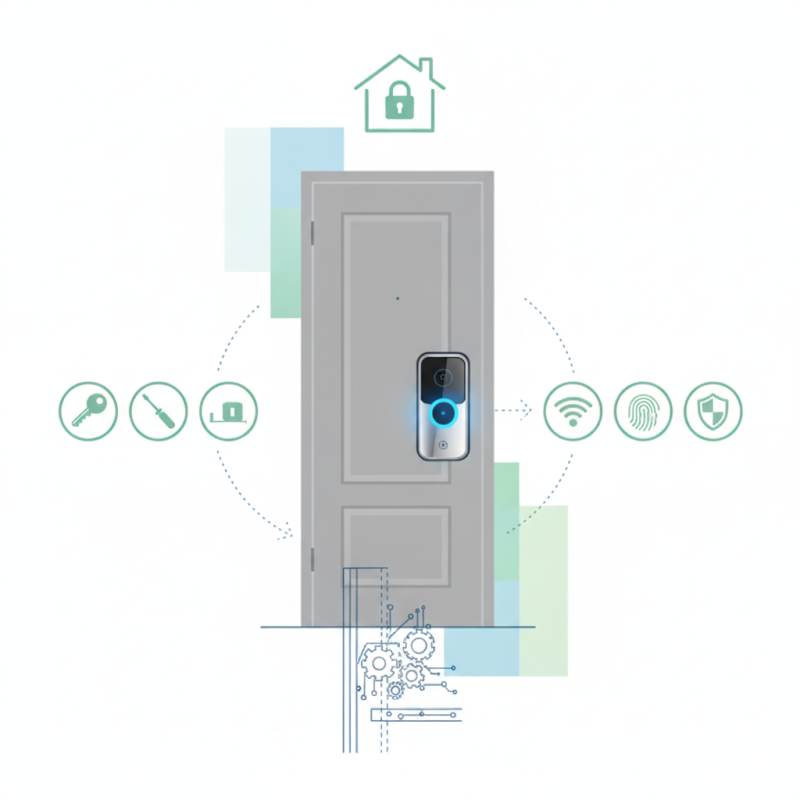
When choosing a smart lock for your standard door, it's essential to consider several factors. Smart locks come in various styles and functionalities. Some offer keyless entry with codes, while others use mobile apps for operation. Assess your lifestyle and security needs before making a choice.
Look for locks that fit well with your door's specifications. Measure your door's thickness and backset. This ensures a snug fit and proper operation. Don't overlook features like battery life and emergency access. These details can significantly impact usability in critical moments.
Research your options thoroughly. Read customer reviews and expert opinions. Understanding the reliability of the lock's technology is crucial. Sometimes, new models may have glitches. Be cautious about the installation process too. Some may require professional assistance while others allow for DIY installation. Reflect on what suits you best, and ensure the smart lock provides peace of mind.
When preparing to install a smart lock on a standard door, gathering the necessary tools and materials is crucial. Start by assembling basic tools such as a screwdriver, a drill, and a measuring tape. These will be your go-to items during the installation. It's also wise to have a utility knife handy for any adjustments you may need to make. If you're unsure about the specific size or type of screws, take a moment to review the smart lock's installation guide. This will save time and prevent delays.
In addition to tools, you should gather all components that come with the smart lock. Look for batteries, mounting plates, and any necessary adapters. Ensure you have a clean workspace to lay out these items. This organization may seem trivial, but it can significantly streamline your installation process. Reflect on your previous installations to identify what went smoothly and what didn't. Sometimes, overlooking small details can lead to frustrating obstacles, so learning from past experiences is beneficial. Be prepared to make minor adjustments, as every door is unique, and flexibility is key for success.
When removing the existing door lock, attention to detail is crucial. Many homeowners skip this step, but proper removal ensures the new smart lock functions seamlessly. According to industry reports, nearly 30% of DIY lock installations face issues due to improper removal of old locks. This statistic emphasizes the importance of careful procedures.
Begin by gathering the necessary tools: a screwdriver, a small hammer, and a flathead screwdriver. Start by locating the screws on the interior side of the door. Some locks have concealed screws, making it essential to inspect closely. After unscrewing, try wiggling the lock to release it. If it sticks, use the flathead screwdriver to gently pry it out. Over 20% of failed installations arise from forceful removal, which can damage the door or frame.
Patience pays off here. It's easy to rush and cause damage, but taking your time can prevent future headaches. Once the old lock is removed, inspect the door cylinder and latch for any wear. Ensuring that your door is in good condition is vital for the successful installation of your new smart lock. Ignoring these details can lead to alignment issues later.
Installing a smart lock can enhance your home’s security significantly. According to a report by the Electronic Security Association, smart locks can reduce break-ins by up to 30%. However, proper installation is critical to achieving these benefits. When installing a smart lock, following the manufacturer’s instructions is essential.
Every smart lock comes with specific guidelines. Ensure that you gather all necessary tools before starting. It’s also vital to double-check the door compatibility. Inaccurate measurements could lead to a poor fit. For example, many users encounter issues when the latch doesn’t align correctly, leading to security vulnerabilities. Take your time with measurements.
Once you have everything ready, the installation should follow step by step as outlined. Tighten all screws firmly, but avoid overtightening, which can damage the lock’s internal components. A survey from the Security Industry Association reveals that nearly 25% of users report functionality issues due to improper installation. Addressing these concerns early on can prevent future frustrations and ensure that your smart lock operates smoothly.
When installing a smart lock, testing is crucial. After installation, ensure your lock operates smoothly. Start by locking and unlocking several times. Listen for any unusual sounds. You want to guarantee that the mechanism functions flawlessly. If it feels stiff, revisit the alignment of your lock. Misalignment can lead to damage over time.
Troubleshooting may arise, so remain calm. Connect the smart lock to your home Wi-Fi. Poor connectivity can prevent remote access. Check your app settings next. Sometimes, simply reinstalling the app helps. If locking remotely fails, ensure your phone's Bluetooth is enabled.
Battery levels are another frequent issue. Smart locks rely heavily on them. An alert should notify you when battery levels drop. Be proactive and test your lock's battery frequently. Not doing so could leave you locked out. Always keep emergency keys nearby, just in case. Consider setting up a backup plan for unexpected failures or outages. This way, you can feel secure in your choice without undue stress.
: Gather a screwdriver, drill, measuring tape, and a utility knife for adjustments.
Yes, checking the installation guide helps you identify the right screws and sizes needed.
Double-check measurements and door specifications to avoid misalignment problems during installation.
Re-examine the alignment of your lock to ensure it operates smoothly without damage.
Test the lock frequently to ensure consistent functionality and check for any unusual sounds.
Users often face connectivity problems, misalignment, or battery issues that need troubleshooting.
Keep emergency keys accessible and think about setting up a backup plan for reliability.
Overtightening can damage internal components, leading to future functionality issues.
Ensure Bluetooth is enabled on your phone and check app settings for any glitches.
An organized space can prevent delays and help focus on the installation process efficiently.
When considering "How to install a smart lock on a standard door," the process involves several essential steps to ensure a successful installation. First, it is crucial to choose the right smart lock compatible with your standard door. This selection process should take into account factors such as security features, ease of use, and your specific needs. Once you have the appropriate lock, gather all necessary tools and materials to facilitate a smooth installation.
The installation begins by carefully removing the existing door lock, ensuring not to damage the door. Following this, you will need to install the smart lock according to the manufacturer's instructions, which typically includes fitting the lock into the door and securing it properly. Finally, testing the lock is vital to ensure it functions correctly, addressing any troubleshooting issues as necessary to achieve a reliable smart lock setup. This guide simplifies the steps on how to install a smart lock on a standard door, making the transition to smart home security seamless.

Wipan Lock