As home security technology evolves, many homeowners struggle with the question: "Are smart locks safe for front doors?" According to recent reports by the Security Industry Association, smart locks can significantly enhance home safety when properly implemented. However, this innovation also prompts concerns, especially given that 43% of burglaries occur through the front door.
Expert security analyst Dr. Emily Hartmann emphasizes, "Smart locks offer increased security, but they aren't foolproof." Her statement underscores the necessity of understanding potential vulnerabilities. Cybersecurity threats and device malfunction are valid worries. For example, hackers may exploit poor encryption, leading to unauthorized access.
While smart locks boast features like remote access and activity logs, homeowners must remain vigilant. It is crucial to choose devices with the latest security protocols. Investing in professional installation and regular software updates can minimize risks. The conversation around smart locks is complex, blending innovation with caution.
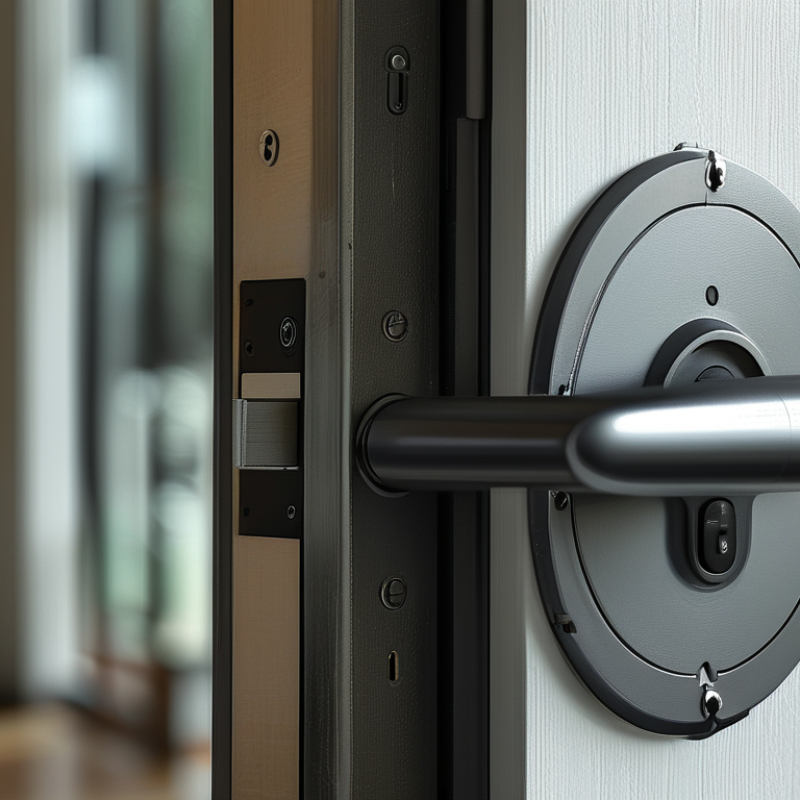
Smart locks have gained popularity as a modern solution for home security. These devices replace traditional keys with user-friendly technology. They allow access through smartphones, keypads, or biometric scans. Many smart locks feature encryption, providing another layer of security. This makes unauthorized entry more difficult. Plus, the ability to monitor access in real time adds peace of mind.
However, smart locks are not without concerns. Connectivity issues can arise, which may prevent access at critical times. Additionally, if a smartphone is lost or stolen, security can be compromised. The technology behind smart locks relies on software updates to fix vulnerabilities. Regular updates are crucial for maintaining security. Users should be aware and proactive about these requirements. Balancing convenience with security is essential when adopting this technology.
The rise of smart locks has transformed home security, particularly through keyless entry systems. Many homeowners appreciate how these devices eliminate the need for traditional keys. This technology allows users to unlock doors with a smartphone app or a unique keypad code. It reduces the risk of losing keys or getting locked out. Imagine walking up to your door, and with a simple tap, it clicks open. That's the appeal of smart locks.
However, the transition to keyless entry is not without concerns. Many wonder if digital systems are as secure as mechanical ones. Smart locks can be vulnerable to hacking if not updated or configured correctly. Regularly changing codes and using strong, unique passwords is essential. Moreover, having a backup access method, like a physical key or a trusted neighbor, is wise.
Tips for using smart locks include ensuring that your Wi-Fi network is secure. Use long, complex passwords for your smart lock accounts. Additionally, check for firmware updates regularly. This helps patch any security flaws. Always keep an eye on the access history to monitor who enters your home. These precautions enhance your peace of mind with smart locks.
Smart locks have gained popularity, but how secure are they? Industry reports indicate that approximately 60% of burglaries occur through unlocked doors. Smart locks address this vulnerability with advanced features. Many smart locks use encryption technology to protect user data. They often implement two-factor authentication, adding an extra layer of security. This means that even if a hacker obtains your password, they would still face significant hurdles.
Another notable feature is remote access control. Homeowners can manage their locks from anywhere via a smartphone app. This allows for instant locking and unlocking, which can be critical during emergencies. A study by the Security Industry Association highlights that homes equipped with smart locks have a 48% lower risk of being targeted by intruders.
However, despite these advancements, concerns remain. Vulnerabilities in software and hardware can expose users to risks. Instances of hacking incidents have been reported, although they are relatively rare. A survey found that 35% of users worry about the security of their smart lock technology. The best strategy might involve a combination of smart and traditional locking mechanisms to enhance overall safety. The technology continues to evolve, so staying informed is essential.
| Feature | Description | Benefit |
|---|---|---|
| Remote Access | Control access to your front door from anywhere via smartphone. | Convenience and peace of mind when away from home. |
| Temporary Access Codes | Generate unique access codes for guests or service providers. | Enhanced security and the ability to manage visitors easily. |
| Activity Log | Track who enters and exits your home and when. | Greater awareness of home security status. |
| Smart Integration | Connects with your home automation systems. | Streamlined control of home safety features. |
| Security Encryption | Utilizes advanced encryption to protect your data. | Prevents unauthorized access and ensures privacy. |
| Tamper Alerts | Notifies you if someone attempts to tamper with the lock. | Immediate awareness of potential security threats. |
| Battery Backup | Continues to function during power outages with battery backup. | Ensures access and security even in emergencies. |
| User-Friendly Interface | Intuitive app for easy access and management of lock settings. | Simplifies usage for all household members. |
| Lockout Protection | Prevent accidental lockouts with special features. | Greater assurance and ease of access. |
| Geofencing | Automatically lock or unlock the door as you arrive or leave. | Enhances user convenience and security. |
Smart locks offer a modern solution for securing your front door. With features like remote access, they enhance your home security significantly. You can lock or unlock your door from anywhere using a smartphone. This capability allows you to grant access to trusted individuals without being physically present. Imagine coming home from a trip and being able to check if you locked the door.
Monitoring is another vital aspect of smart locks. Many models come with activity logs. You can see who enters and exits your home and at what times. This can provide peace of mind, especially if you have children or service personnel. However, it’s crucial to consider that technology is never infallible. Wi-Fi glitches or power outages can affect your smart lock’s performance. Always have a backup plan in place.
Additionally, user experience varies widely. Some people find setup straightforward, while others struggle with connectivity issues. Constant updates and changes in technology can also add a layer of complexity. Ensuring that your smart lock is regularly updated is essential for security. Yet, this can be a task many overlook. Balancing convenience with potential pitfalls is essential in embracing this technology.
Smart locks have transformed home security with their user-friendly design. They cater to homeowners seeking convenience without compromising safety. The simplicity of setup is appealing. Most smart locks can be installed in minutes, often without professional help. Their intuitive interfaces make daily operations easy, even for those who aren’t tech-savvy.
Accessibility features are another advantage. Many smart locks come with apps that allow you to manage access remotely. You can send digital keys to family or friends in seconds. This eliminates the hassle of traditional key management. Some models even allow voice commands, enhancing convenience further. However, reliance on technology raises valid concerns. Not everyone is comfortable with apps or complex devices. This gap can create frustration for less tech-inclined users.
Moreover, battery life is crucial for smart locks. A low battery can render the lock inoperative. Regular maintenance and checks are necessary. Homeowners must be proactive in managing their devices. Smart locks promote a modern lifestyle, but they require a commitment to understanding their use. It's a balance between relying on innovative security measures and ensuring they align with your daily routine.
: Smart locks are devices that allow keyless entry using a smartphone app or keypad code.
They reduce the risk of losing keys and offer remote access for monitoring your door.
Yes, if not updated or configured correctly, smart locks can be vulnerable to cyber threats.
Use strong passwords, secure your Wi-Fi, and check for firmware updates regularly.
Yes, many smart locks provide activity logs to track who enters and exits your home.
It's important to have a backup access method, like a physical key, in case of connectivity problems.
No, some users encounter difficulties with connectivity during the setup process.
Regularly changing codes helps maintain security and reduces risks.
Consider using a trusted neighbor or a backup key as a fail-safe option.
Yes, Wi-Fi glitches or power outages can impact performance, underscoring the need for a backup plan.
Smart locks have gained popularity as a secure alternative for front doors, leading many homeowners to wonder, "Are smart locks safe for front doors?" The functionality of smart locks centers around keyless entry, eliminating the need for physical keys and enhancing convenience. These devices often come equipped with advanced security features, such as encryption and two-factor authentication, which mitigate unauthorized access.
Furthermore, smart locks offer remote access and monitoring capabilities, allowing homeowners to oversee their property from anywhere. This feature proves particularly beneficial in enhancing overall home security, as it enables users to grant access to guests or monitor door activity in real-time. With a user-friendly design, smart locks are accessible to a wide range of individuals, making them an appealing choice for enhancing home safety. Overall, the combination of innovative technology and ease of use makes smart locks a reliable option for securing front doors.

Wipan Lock