How to Secure a Sliding Glass Door with Smart Technology?

Time:2026-09-14 Author:Amelia
0%

A sliding glass door can brighten a room, but its wide glass panel and moving track may create security concerns. Learning how to secure a sliding glass door with smart technology starts with understanding the entire entry point. The lock matters. So does the frame, track, glass, lighting, and surrounding wall.

A practical system may combine a smart lock, contact sensors, motion detection, and a reliable alarm hub. The sensor should report when the door opens, not merely when the lock changes position. Test it with the door slightly open. That small detail can reveal poor alignment. Choose devices with encrypted communication, strong account protection, and clear manufacturer support. A certified locksmith or security professional can also inspect the frame and recommend suitable hardware without damaging the door.

Convenience must not replace physical protection. A smart alert cannot stop forced entry by itself. A security bar, anti-lift device, or reinforced strike area may provide valuable backup. Keep the track clean, check roller movement, and replace weak screws when appropriate. Use unique passwords and multi-factor authentication. Review access logs regularly. Update firmware promptly.

No setup is perfect.

Power failures deserve attention. Select equipment with battery backup, local control, or a manual override. Test alerts from outside the home, then test them again after changing Wi-Fi settings. I would not rely on one sensor or assume a popular device suits every door. Measure first. Read the specifications. Reconsider the plan after installation. Reliable security comes from layered protection, careful testing, and realistic expectations.
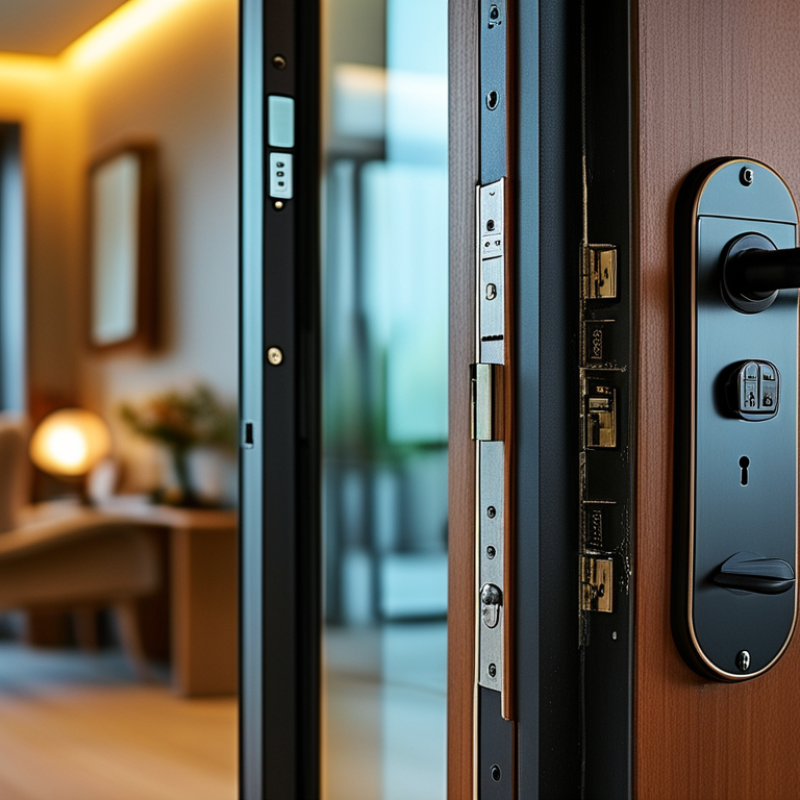
How to Secure a Sliding Glass Door with Smart Technology?

Assess Your Sliding Glass Door’s Security Risks

How to Secure a Sliding Glass Door with Smart Technology?

Assess Your Sliding Glass Door’s Security Risks

Begin with the door itself, not the smart device. Check whether the sliding panel can be lifted from its track. Look for loose rollers, damaged frames, and gaps near the latch. Press the closed door gently. Any noticeable movement deserves attention. Examine nearby windows, pet doors, and furniture that could provide access. Glass privacy film may reduce visibility, but it does not prevent forced entry.

During a practical home inspection, I once focused on the lock and missed the frame. That mistake changed my assessment. A strong sensor cannot compensate for a weak track or poorly fitted panel. Test whether the door remains secure when the internet connection fails. Review battery warnings, local alarm functions, and manual access procedures. Smart alerts should identify opening, vibration, or unusual movement without creating constant false alarms.

Placement matters. A contact sensor belongs on a stable surface, while a motion sensor should avoid direct sunlight and busy walkways. Check who receives alerts and whether account access is protected with multi-factor authentication. Avoid storing unnecessary entry records. Ask a qualified installer or security professional to inspect the frame, track, and emergency release. Some recommendations may not suit older doors, and replacing one component can expose another weakness. Test the complete setup at night, during a power interruption, and after changing the household Wi-Fi password.

Choose Smart Locks and Sensors for Your Door

How to Secure a Sliding Glass Door with Smart Technology?

A sliding glass door needs two security layers: a smart lock and reliable sensors. Choose a lock designed for sliding doors, not a modified standard deadbolt. Check the door’s track, frame strength, and locking alignment before installation.

The FBI’s 2023 Crime Data Explorer estimated 847,522 burglary offenses in the United States. Glass doors deserve attention. A lock with keypad or app access can reduce key sharing. Select one with activity logs and emergency power access. Test the manual override carefully.

Add a contact sensor to the moving panel and frame. The sensor should trigger an alert when the door opens unexpectedly. Place it away from direct rain, strong sunlight, and loose surfaces.

A vibration sensor can provide another warning when someone strikes the glass. It is not perfect. False alarms may happen after strong wind or careless handling. Adjust sensitivity instead of disabling alerts. A visible indoor camera can also help confirm whether an alert is genuine.

Secure the account with a unique password and multi-factor authentication. Verizon’s 2024 Data Breach Investigations Report found that human involvement appeared in 68% of breaches. Keep the lock’s firmware updated. Change temporary access codes after guests leave.

Test notifications monthly, including during weak Wi-Fi conditions. I would not rely on smart technology alone. A simple security bar can still block the door if batteries fail.

This combination is less elegant, but usually more dependable.

Install and Configure the Smart Security Devices

How to Secure a Sliding Glass Door with Smart Technology?

Install and Configure the Smart Security Devices

Begin with a contact sensor on the sliding panel and its fixed frame. Clean both surfaces, then align the two pieces closely. A small gap can cause false alerts. Mount a glass vibration sensor near the lower corner, away from direct sunlight and heavy curtains. Use the manufacturer’s installation instructions, and check local rules before recording outdoor areas.

Connect each device through a secure home network and create a unique account password. Enable two-step verification when available. In the mobile app, name the sensor clearly, such as “Patio Door.” Set alerts for unexpected opening, tampering, and low battery. Keep notifications practical. Too many alerts become background noise.

Add a compatible indoor camera only if it respects household privacy. Point it toward the doorway, not private rooms or neighboring property. Test the system at night, with the door locked and unlocked. Walk past the glass and move the curtain to check unnecessary alarms. I once placed a sensor too close to a metal handle, which reduced its reliability. Repositioning fixed it, but every installation deserves a second test. Keep a physical key or manual release available during power or network failures.

Connect Alerts, Cameras, and Home Automation Controls

A sliding glass door becomes harder to monitor when its lock is the only defense. Connect a contact sensor to instant phone alerts, then pair it with a camera aimed at the handle area. A second sensor can detect forced movement or unexpected opening. Automation controls can activate nearby lighting and pause entry access when the door opens. The FBI Crime Data Explorer recorded 847,522 burglary offenses in 2023. That figure is national, not a guarantee for every neighborhood.

Choose alerts that identify timing, not just motion. A camera should record before and after an event. Local storage can preserve evidence during an internet outage. Verizon’s 2024 Data Breach Investigations Report found human involvement in 68% of breaches. The report studies organizations, not homes, but the lesson still applies. Use unique passwords, multi-factor authentication, encrypted connections, and automatic updates. These practices reflect guidance from NIST and the Cybersecurity and Infrastructure Security Agency. Test the full chain monthly: open the door, confirm the alert, check the recording, and verify the light response. It sounds simple. Real systems sometimes fail.

Tips: Keep the camera above eye level, but avoid filming private neighboring spaces. Create gentle nighttime lighting instead of a blinding flood. Disable remote controls when nobody needs them. Review access logs monthly. If alerts become noisy, adjust sensitivity instead of ignoring them. The best setup is not the most connected one. It is the one residents will maintain.

Smart Security Response Targets for a Sliding Glass Door

Recommended maximum response windows for connecting door sensors, cameras, alerts, and home-automation controls. Lower values indicate a faster automated response.

Use a door contact sensor for immediate status changes, trigger camera verification when movement or glass-break activity is detected, and connect the smart lock and lighting controls to the final automation step.

Test, Maintain, and Update the Security System

A sliding glass door needs more than a strong lock. Its security system must be tested, maintained, and updated regularly. The FBI’s 2022 Crime Data Explorer estimated 847,522 burglary offenses in the United States. A neglected patio door can become an easy entry point.

Test the door sensor every month. Open the door while the system is armed. Confirm that the alert reaches your phone within seconds. Check the camera at night, when reflections can hide movement. Inspect the physical track, screws, frame, and secondary latch. In my experience, small alignment problems often cause false alarms. They also leave a narrow gap. That gap matters.

Tips: Replace weak batteries before alerts become unreliable. Keep the hub away from metal cabinets and thick concrete walls. Review access permissions after guests or contractors leave. CISA recommends installing security updates promptly and changing default passwords. Apply both practices to every connected device. The 2024 Verizon Data Breach Investigations Report found that the human element remained involved in 68% of breaches. That figure is not specific to homes, but it shows why careless access can undermine good hardware. Firmware updates should come from verified settings, not random links. Keep a simple maintenance log. Date each test, battery change, and software update. Do not assume the system is working because the app opens. Test it. Then test it again after a power outage.

FAQS

What type of lock suits a sliding glass door?

Choose a lock designed specifically for sliding doors. Check the track, frame strength, and locking alignment first. A modified standard deadbolt may fit poorly.

Why should I add a contact sensor?

Place one sensor on the moving panel and another on the fixed frame. It can alert you when the door opens unexpectedly. Keep the pieces closely aligned.

Where should a vibration sensor be installed?

Mount it near the lower glass corner. Keep it away from direct sunlight, heavy curtains, and loose surfaces. It can detect striking, but it is not perfect.

How can I reduce false alarms?

Adjust sensitivity instead of disabling alerts. Test the sensor during strong wind, curtain movement, and normal door use. Some false alarms may still happen.

What account protections should I use?

Create a unique password and enable multi-factor authentication. Change temporary access codes after guests leave. Avoid sharing one permanent code.

What alerts should the security system send?

Enable alerts for unexpected opening, tampering, and low battery. Name the sensor clearly, such as “Patio Door.” Too many alerts become background noise.

How should I test the installation?

Test the locked and unlocked door during daylight and at night. Walk past the glass and move the curtain. Check notifications during weak Wi-Fi conditions.

What should I do during a power or network failure?

Keep a physical key, manual release, or security bar available. Smart technology alone is not enough. This combination looks less elegant, but feels more dependable.

Conclusion

Learning how to secure a sliding glass door with smart technology begins with evaluating its weak points, such as loose frames, damaged tracks, or easily lifted panels. Choose compatible smart locks, contact sensors, motion detectors, and optional glass-break sensors that strengthen the door without interfering with normal use. Install each device carefully, follow the setup instructions, and create secure access settings with strong, unique credentials.

A complete system can send instant alerts when the door opens unexpectedly and connect with indoor or outdoor cameras for added awareness. It may also work with home automation controls to activate lights or other safety responses when suspicious activity is detected. After installation, test every sensor, notification, lock function, and backup power option. Regularly inspect the door hardware, replace batteries when needed, review access permissions, and update device software so the security system remains dependable over time.

Amelia

Amelia

Amelia is a seasoned marketing professional with a wealth of expertise in our company’s core offerings. With an unwavering passion for driving growth and innovation, she plays a pivotal role in shaping our marketing strategies and enhancing brand visibility. A key aspect of her responsibilities......
