Smart locks are growing popular for their convenience and security features. However, many users face issues with their devices, such as a flashing red light. The question arises: "Why is my smart lock flashing red?" According to a report by the Security Industry Association, 30% of smart lock users experienced connectivity problems. This can often trigger warning signals, like the persistent red flash.
Expert David Johnson, a leading figure in home automation, emphasizes, “A flashing red light signifies a communication error or low battery.” This insight proves valuable for understanding potential issues with smart locks. Users must recognize that these visual cues are not just frustrating but indicative of a deeper problem. Addressing these concerns promptly can prevent further complications.
A smart lock flashing red can disrupt your peace of mind. Regular checks can help identify these warning signs. Sometimes, it's just a matter of changing the batteries. Yet, more complex issues might require professional assistance. Keeping an eye on these signals is crucial for maintaining the security of your home.
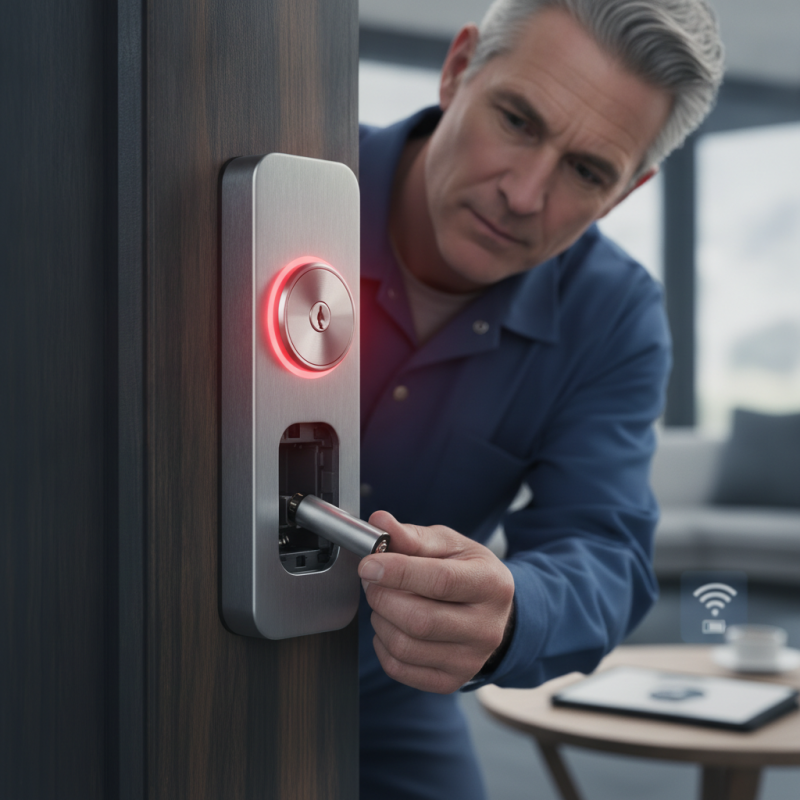
Understanding the red flashing light on your smart lock can save you from frustration. When you notice this alert, it often indicates a pairing issue. A report from MarketsandMarkets suggests that nearly 30% of smart lock users experience connectivity problems. This can stem from weak Wi-Fi signals or incorrect installation.
In many cases, the flashing red light signals a low battery. According to a survey by TechNavio, about 25% of smart lock users forget to replace the batteries. Regular maintenance is essential but often overlooked. A simple check of the battery level can prevent lockouts.
Sometimes, a firmware update is the culprit. Malfunctions in software can lead to connectivity issues. A study from IDC reveals that 15% of smart lock failures are due to outdated software. If you see the red light, consider updating to ensure smooth performance. These points highlight the importance of proactive measures in smart lock maintenance, even if issues arise from time to time.
A flashing red light on your smart lock can be concerning. Understanding common causes can help you troubleshoot effectively. One frequent reason is low battery. Many smart locks emit a red light when the battery is running low. Check the battery level and replace it if necessary. Ignoring this can lead to lockouts.
Another cause for the red light could be a failed connection. Smart locks often rely on Wi-Fi or Bluetooth. Poor signal strength can trigger the warning light. Make sure your device is within range. A simple step is to reboot your Wi-Fi router. This may help restore connectivity, improving lock performance.
Incorrect installation is often overlooked. Misalignment can lead to mechanical issues, causing the lock to malfunction. If you hear unusual noises when locking or unlocking, reassess the installation. Professional assistance might be required. Addressing these issues ensures your smart lock functions correctly.
When your smart lock flashes red, it can be alarming. This issue often indicates a problem. Let’s walk through some steps to troubleshoot your device effectively.
First, check the battery status. Weak batteries can lead to malfunctions. Replace them with fresh ones if needed. It’s a simple fix that can resolve many issues.
Next, inspect the lock alignment. Misalignment can cause the lock to malfunction, which might trigger the red flash. Ensure the lock is securely fitted in the door. If necessary, adjust it to fit properly.
Tip: If your smart lock has a reset option, try it. A reset can restore factory settings and fix persistent issues.
Lastly, verify the app connection. Sometimes, a weak signal may lead to problems. Disconnect and reconnect the lock from the app to refresh the connection.
Tip: Keep your smart lock's firmware updated. Updates often include fixes for known issues.
Remember, troubleshooting can sometimes be a trial-and-error process. Don't hesitate to reach out to customer support if needed. They can provide further assistance and validate your troubleshooting efforts.
Smart locks have transformed how we secure our homes. However, battery life is a common concern. Experts suggest that smart locks should have their batteries replaced about every six months. This is particularly important for locks that use standard AA or AAA batteries. A recent industry report indicates that over 30% of smart lock users experience connectivity issues due to low battery levels.
Flashing red lights on smart locks often signal a battery issue. It's crucial to heed these warnings. Research shows that neglecting battery replacements can lead to entire system failures. Users reported being locked out because of dead batteries. Regular maintenance can mitigate such frustrations. It is advisable to check battery levels monthly, especially in colder weather, which can drain batteries faster.
Some devices have advanced features, like battery level monitoring. Others might not have these capabilities, increasing the guesswork. Relying solely on flashing indicators can sometimes lead to oversight. Therefore, understanding your smart lock's battery needs is essential. By being proactive, homeowners can easily avoid unexpected lockouts and ensure their devices function optimally.
Smart locks are becoming increasingly popular, yet they require regular maintenance. According to a 2022 report by the Consumer Electronics Association, 30% of smart lock users experience malfunctions due to neglect. Keeping your smart lock functioning effectively is crucial.
Routine checks are essential. Examine the batteries regularly. A weak battery may cause the lock to flash red and malfunction. Moreover, cleaning the sensor area can prevent dust build-up. This simple act can enhance the device's performance. Professionals recommend a soft cloth and mild disinfectant for cleaning.
Environmental factors also play a role. Excessive moisture can lead to internal damage. In areas with high humidity, consider using silica gel packets around the lock. They can absorb moisture. According to studies, this small step can prolong the life of your smart lock. Consider these factors to ensure your lock operates smoothly and securely.
| Issue | Possible Cause | Solution | Maintenance Tips |
|---|---|---|---|
| Flashing Red Light | Low Battery | Replace the batteries immediately | Check battery life regularly and replace batteries at least once a year. |
| Flashing Red Light | Door Misalignment | Adjust the door or lock alignment | Ensure your door is properly aligned with the frame to prevent locking issues. |
| Flashing Red Light | Connectivity Issues | Reconnect to Wi-Fi or Bluetooth | Keep the firmware updated and ensure your lock is within range of your router or phone. |
| No Response | Power Failure | Check power supply or reset the lock | Ensure power sources are stable and backed up if possible. |
: It often signals low battery, a failed connection, or mechanical issues.
Inspect the battery level, and replace it if it’s low. Ignoring this can lead to lockouts.
Ensure the lock fits securely in the door. Adjust it if needed to prevent malfunctions.
Yes, try resetting it to restore factory settings. This may resolve persistent issues.
Disconnect and reconnect the lock in the app. This can refresh the connection.
Regularly check batteries and clean the sensor area to prevent dust buildup.
Excessive moisture may cause damage. Use silica gel packets to absorb moisture around the lock.
Contact customer support for further assistance and to validate your troubleshooting efforts.
Yes, about 30% of users experience issues, often due to neglecting regular maintenance.
Use a soft cloth and mild disinfectant to keep the sensor area clean and free of dust.
If you're wondering "Why is my smart lock flashing red," this troubleshooting guide provides essential insights. The red flashing light on your smart lock can indicate various issues, such as low battery levels, connectivity problems, or system malfunctions. Understanding these common causes is the first step in addressing the issue effectively.
To resolve the problem, the guide offers a step-by-step troubleshooting approach, including checking the battery status and resetting the lock if necessary. It also emphasizes the importance of regular maintenance and provides tips for when to replace batteries to ensure optimal functionality. By following these guidelines, you can maintain your smart lock’s performance and security, avoiding frustrating situations in the future.

Wipan Lock