In today's digital age, many renters ask, "Can I use a smart lock on an apartment rental?" The shift towards smart home technology is transforming how we secure our living spaces. Smart locks offer convenience and enhanced security, making it easy to manage access to our homes. However, there are important considerations to address.
Smart locks can provide keyless entry and remote access, which appeals to many tenants. Yet, not all rental agreements permit modifications to entry systems. Always check your lease for any rules regarding alterations. Some landlords may have specific requirements or preferred types of locks. This emphasizes the need for clear communication.
Moreover, renters must also consider the installation process. Smart locks sometimes require drilling or wiring, which may violate your lease terms. Reflect on whether the convenience of a smart lock outweighs potential challenges. Ensuring you have permission can avoid issues down the line. Weigh the benefits and risks to make an informed decision.
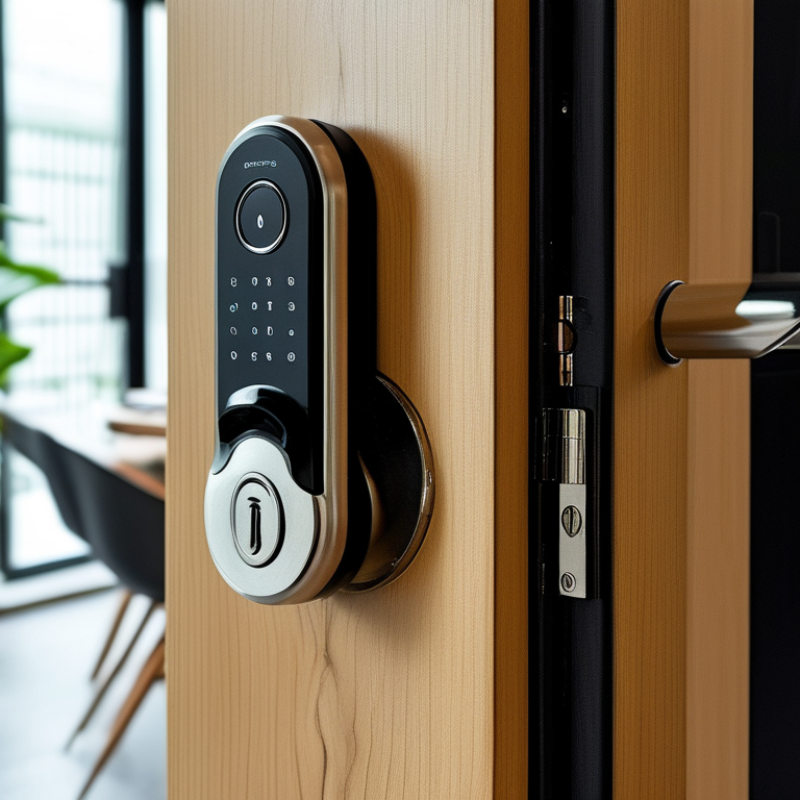
Smart locks are innovative devices designed to enhance security and convenience. These locks allow users to unlock doors using smartphones or keypads, eliminating the need for traditional keys. The installation process usually involves replacing the existing lock or adding a smart locking mechanism over it. Many smart locks offer features like remote access, temporary codes for guests, and activity logs to track who enters or exits. Such functionality can greatly benefit apartment renters who desire flexible access control.
However, using a smart lock in a rental can have challenges. It is essential to check your lease and consult your landlord. Some property management companies may have restrictions on altering locks. They may want to maintain control over access to ensure safety for all tenants. Additionally, not all smart locks are compatible with every door type. This can lead to difficulties during installation or cause malfunctions if improperly fitted.
Reflecting on the pros and cons is crucial. While smart locks offer advanced security options, they can be complex to set up. Over-reliance on technology may also create issues if batteries run low or connectivity fails. Consider whether the benefits outweigh the potential headaches before making a decision. A smart lock can provide peace of mind but also requires careful consideration in a rental situation.
| Feature | Description | Benefits | Considerations |
|---|---|---|---|
| Keyless Entry | Smart locks allow you to unlock your door without a physical key, using a smartphone app or a keypad. | Convenience and ease of access for residents and guests. | Check with the landlord for installation permissions. |
| Remote Access | Some smart locks offer remote locking and unlocking via a mobile app. | Allows managing access for guests when you are not home. | Requires stable internet connection; check compatibility. |
| Integration with Smart Home Devices | Many smart locks integrate with other smart home systems such as security cameras and alarms. | Enhanced security and automation. | Check for compatibility with existing devices. |
| Battery Backup | Smart locks typically run on batteries that may need regular replacement. | Continued operation even during power outages. | Monitor battery levels to avoid getting locked out. |
| Security Features | Includes features like auto-locking and activity logs. | Increased security and monitoring of access. | Ensure features meet required safety standards. |
: Review your rental agreement for clauses about modifications. Your landlord might require prior approval.
Typically, tenants need consent to change locks. Look for terms related to locks in your lease.
Seek clarification from your landlord. This can prevent misunderstandings later.
Smart locks can reduce break-ins by up to 30% and allow keyless access through smartphones.
Yes, some smart locks can be hacked, with reports indicating one in five having vulnerabilities.
Regularly update the software and test the lock’s response to ensure it works reliably.
Discuss removable options with your landlord. This way, you can enjoy benefits without breaking rules.
Yes, installing a smart lock in shared entrances may affect overall security. Consider neighbors' concerns.
Use strong, unique passwords and keep the device's software up to date to enhance security.
Evaluate if you can easily revert if you move out soon. Consider the practicality of your choice.
When considering the question, "Can I use a smart lock on an apartment rental?" it is essential to understand the functionality of smart locks and how they can enhance security in rental properties. Before installation, renters should closely examine their rental agreements for any restrictions regarding modifications. Open communication with the landlord is crucial to ensure that installing a smart lock aligns with lease terms and building policies.
Additionally, evaluating the security benefits of smart locks can provide reassurance for tenants seeking more control over their living space. It's important for renters to be aware of their legal rights and any potential implications of making modifications to their units. By addressing these considerations, tenants can make informed decisions about upgrading their apartment's security system with a smart lock.

 Wipan Lock