Smart locks have revolutionized home security, but what happens to smart locks when the power goes out? The question becomes essential for homeowners relying on these devices. John Smith, a security technology expert, emphasizes, “Understanding the limitations of smart locks is crucial, especially during a power outage.”
When power fails, many smart locks become non-functional, leaving some homeowners vulnerable. Some locks rely on Wi-Fi or Bluetooth, which cannot connect when there’s no electricity. This can lead to a frustrating situation, especially during an emergency. In contrast, certain models have backup keys or operate mechanically, ensuring that security remains intact.
It's important to acknowledge that not all smart locks are created equal. Some may have built-in batteries, allowing temporary access during outages. Others might need a complete reboot to regain functionality. Homeowners should evaluate their devices carefully. A well-informed choice can make all the difference in emergency scenarios.
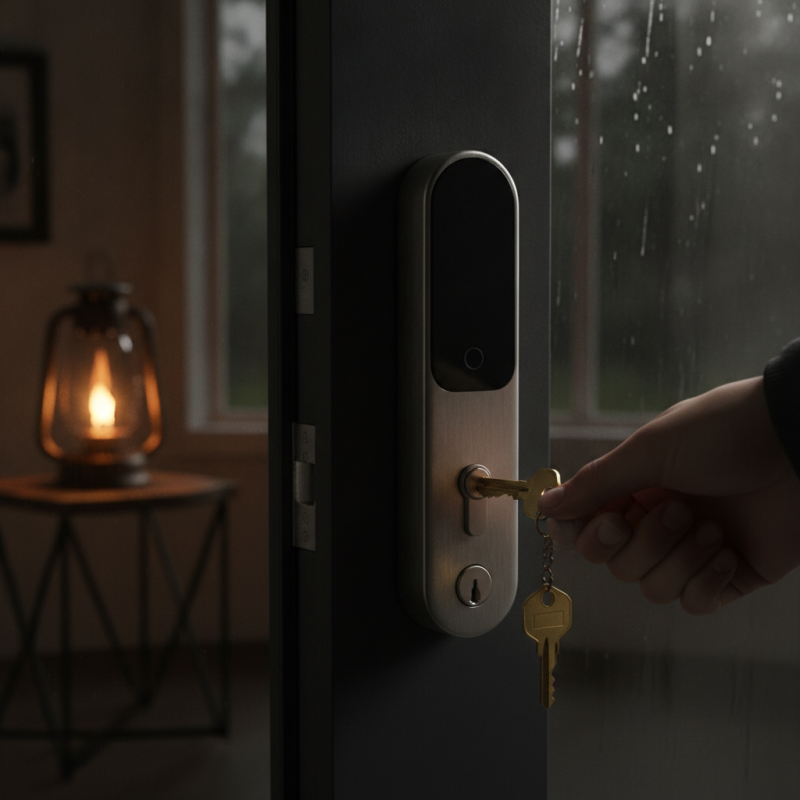
Understanding Smart Locks and Their Power Dependency
Smart locks offer convenience and security, but their functionality often relies on a constant power supply. Most smart locks are powered by batteries, but they also need a Wi-Fi connection or a wired source for full functionality. During a power outage, the lack of electricity can affect how these devices operate.
Imagine being locked out due to a power failure. The convenience of remote access becomes a challenge. Some smart locks have backup systems, but not all do. It's crucial for users to understand their lock's features.
Battery life can vary, and alerts might not work if Wi-Fi is down.
It's important to consider alternatives for emergency access. Traditional keys can still be a reliable option. Users should reflect on their chosen smart locks and how they align with their needs. Both convenience and safety must be balanced. Understanding these factors can help homeowners make informed decisions about securing their property during unforeseen events.
Types of Smart Locks and Their Power Source
Smart locks come in various types, each with different power sources. Battery-operated smart locks are popular. They function independently of your home’s electrical system. This allows continued access, even during a power outage. Most battery-operated models send low battery alerts. Replace batteries regularly to prevent lockouts.
Wired smart locks connect directly to your home’s power supply. These locks can experience issues during blackouts. If power goes out, you may lose access. Some wired models have backup battery systems. This can ensure continued functionality. It’s essential to know how your lock operates.
Tips: Always check your lock's battery status. Keep spare batteries nearby. If using a wired smart lock, invest in a reliable backup power source. Assess your home security. Think about combining smart locks with traditional ones for extra protection. Embrace the convenience, but remain mindful.
Effects of Power Outages on Different Smart Lock Models
Power outages can significantly impact smart locks, and understanding these effects is essential. Various smart lock models handle power loss differently. Many smart locks rely on batteries, which may continue to function for a while. Yet, the battery life can vary depending on usage and model.
Some smart locks offer a pass-through feature, allowing access even during a power outage. For instance, utilizing physical keys can be an effective alternative. However, not all models have this capability, which can lead to frustration. Users might find themselves locked out if their smart lock model does not support this.
On the flip side, some advanced smart locks depend entirely on Wi-Fi or Bluetooth. In these cases, a power outage renders the lock unusable until power is restored. If the lock requires frequent updates, being offline can create additional issues. It's crucial to test your smart lock's functions during a simulated outage to ensure reliability when it matters most.
Backup Systems and Solutions for Smart Lock Failures
Smart locks are growing in popularity. However, many homeowners worry about their functionality during power outages. When electricity is lost, what's the backup plan?
Many smart locks come equipped with backup systems. These may include keypads or traditional keyholes. They allow users to enter even when the smart features fail. A simple physical key can provide peace of mind. Yet, some locks may not have this option. This highlights the need for careful selection when purchasing smart locks.
Another solution is using a battery backup. Some models have built-in batteries that can last hours. Regular maintenance is vital, though. Checking battery levels ensures they function when needed. Remote access features can also be beneficial. You can manage your lock from a mobile app. This helps you monitor security, even without power. It's essential to evaluate different systems, understanding their limitations. Balancing tech with traditional methods creates a safer home.
Impact of Power Outages on Smart Lock Functionality
Best Practices for Ensuring Security During Power Outages
During a power outage, the functionality of smart locks can be compromised. Many smart locks rely on electrical power to operate. Without power, they may become inoperable. You might find yourself locked out or unable to secure your home.
One effective strategy is to keep a backup key accessible. Store it in a safe yet hidden location outside your home. This backup can serve as a lifesaver during emergencies. Moreover, consider using a smart lock with a key override option. Such locks allow access with a traditional key when necessary.
Regularly check the batteries of your smart lock. Change the batteries proactively rather than waiting for them to die. During power outages, ensure your home is secured physically. Reinforce doors and windows, and rely on traditional locks if available. Always have a reliable flashlight on hand for emergencies.
Keep in mind that power outages can disrupt home security systems. Test your alarm and surveillance systems periodically. Make sure they have backup power options. This preparedness helps protect your home, even during unexpected circumstances.
FAQS
: A smart lock is a security device that offers convenience and remote access through a Wi-Fi connection or batteries.
Smart locks often require a constant power supply. They can function on batteries or be wired to your home power.
During a power outage, smart locks may not operate fully. This could lead to lockouts without a backup system.
Not all smart locks have backup systems. It's essential to check your specific model for emergency access options.
Regularly check the battery status of battery-operated locks. Keep spare batteries nearby for emergencies.
Assess how the lock operates and whether it meets your security needs. Combine smart locks with traditional keys for extra safety.
Wired smart locks may fail during blackouts unless they have a reliable backup battery or power supply.
Regular battery replacement is key. Pay attention to low battery alerts to prevent unexpected lockouts.
Balancing convenience and safety helps ensure your home is secured against unforeseen events or power issues.
Keep spare batteries, check lock status, and consider traditional keys as backup options for additional security.
Conclusion
Smart locks are becoming increasingly popular for home security, but a common concern is what happens to smart locks when the power goes out. These devices primarily rely on electricity or batteries for operation, and their functionality can vary depending on the power source. Some models may become completely inoperable during a power outage, while others may offer battery backup systems that allow users to retain access.
To ensure continued security during power failures, it is important for users to understand the different types of smart locks and their power dependencies. Implementing backup solutions, such as keeping spare batteries or leveraging traditional keys, can mitigate the risks associated with smart lock failures. Following best practices for security during outages, including informed preparations, can greatly enhance peace of mind for homeowners relying on smart lock technology.

 Wipan Lock