As winter brings freezing temperatures, homeowners wonder, "Do smart locks work in freezing weather?" Experts like John Daniels, an engineer specializing in smart home technology, emphasize the importance of understanding the limitations of these devices. He states, "While many smart locks are designed for durability, extreme cold can impact their performance."
In freezing conditions, batteries can drain faster. This might lead to functionality issues. For instance, some locks might struggle to communicate with your smartphone or may not unlock at all. Homeowners should be aware of these potential challenges. Additionally, ice or snow can physically obstruct locks. It's crucial to ensure that the lock mechanism is clear and free of debris.
However, not all smart locks are created equal. Some are better suited for cold climates. It’s essential to choose a model specifically rated for low temperatures. Furthermore, regular maintenance can improve the reliability of smart locks in winter. In the end, understanding how these devices react in severe weather can help you secure your home effectively, even during the coldest winter months.
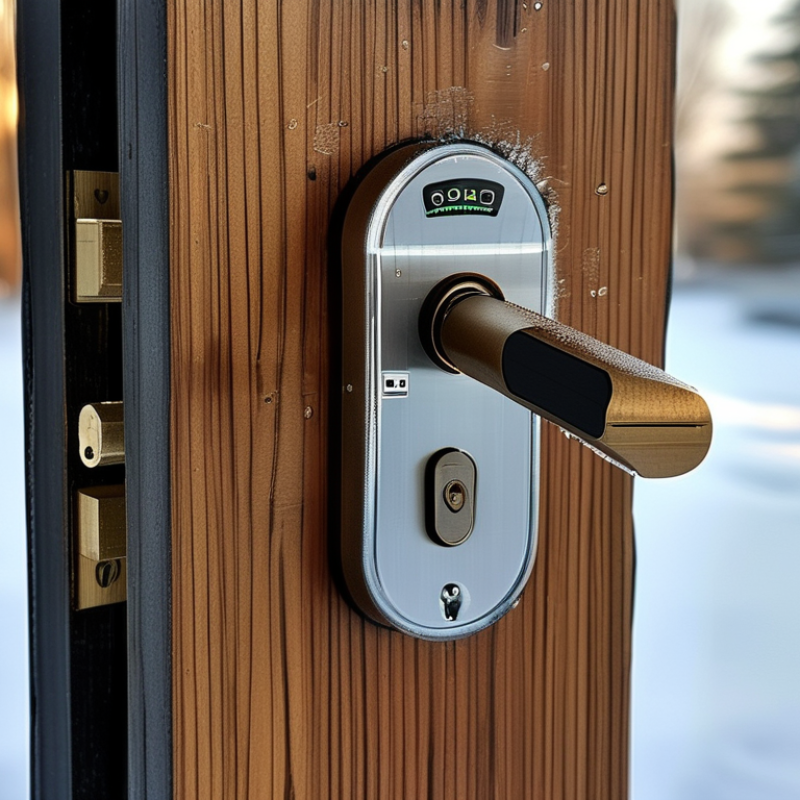
Smart locks have gained popularity due to their convenience and enhanced security features. They use various technologies like Bluetooth, Wi-Fi, and biometrics to allow users easy access to their homes. However, their performance in extreme weather conditions, especially freezing temperatures, raises concerns. Research indicates that many smart locks may not function optimally when temperatures drop below 32°F (0°C).
The materials used in smart locks play a critical role in their effectiveness. For instance, lithium-ion batteries, commonly found in these devices, can lose efficiency in colder weather. A report by the Consumer Electronics Association found that performance drops of up to 20% can occur at low temperatures. Additionally, ice and snow can interfere with mechanical components, affecting the lock's operation. It's essential for users to assess the materials and specific technology of their smart locks to ensure reliability in winter conditions.
Moreover, user experience varies significantly. Many users report issues with connectivity in freezing temperatures, leading to frustrations. The need for regular maintenance and careful placement is often overlooked. Devices must be situated where they are less exposed to extreme cold. Ensuring that batteries are replaced regularly can mitigate some of the cold weather challenges. Understanding these factors can help in making an informed decision when selecting a smart lock for winter use.
When temperatures drop below freezing, smart locks can face unique challenges. The performance of these devices often depends on their components. Batteries are the most affected; cold weather can reduce battery life significantly. Research from industry experts indicates that lithium batteries can lose up to 40% of their capacity in freezing conditions. This decrease can lead to lock failures.
Mechanical components in smart locks, like gears and motors, may struggle with expansion and contraction. Ice buildup can also hinder the unlocking process. According to recent studies, up to 20% of smart lock failures in winter months are linked to these weather-related issues. Users should regularly check for potential ice accumulation around the lock to avoid these situations.
Tips: Keep your smart lock warm when not in use. A simple jacket or insulating cover can help shield it from extreme cold. Regular maintenance, like cleaning and lubricating mechanical parts, can enhance performance during winter. Always have a backup plan, like a traditional key, in case of battery failure or unexpected weather conditions. Being prepared can make a big difference.
Smart locks can face challenges in freezing weather. Experts suggest that temperatures below 32°F (0°C) may impact their performance. One common issue is battery failure. Cold weather can reduce battery efficiency, leading to malfunction. In fact, research indicates that lithium batteries lose about 40% of their capacity at -4°F (-20°C). This can prevent the lock from functioning properly.
Another potential problem is condensation. Freezing temperatures can cause moisture to form inside the lock. This can lead to rust or other internal damages. Data shows that nearly 18% of electronic malfunctions in devices are attributed to moisture exposure. Furthermore, some smart locks rely on Bluetooth. Cold weather may affect the connectivity range, making it difficult to unlock doors from a distance.
Device reliability is critical. Many users underestimate how weather affects smart locks. A survey found that 25% of users experienced complications during winter months. This can lead to frustration and security concerns. It’s essential to consider the climate when choosing a smart lock. Regular maintenance can also mitigate some cold weather issues.
When temperatures plummet, smart locks can face challenges. Cold weather impacts battery performance. Data shows that lithium batteries can lose up to 30% of their capacity at freezing temperatures. This loss can lead to lock malfunctions. Regular maintenance and checks become crucial during winter months.
Consider using smart locks designed to handle extreme conditions. Some models come with built-in temperature sensors. They can alert users when conditions are too cold for optimal function. Additionally, choosing locks with protective casings can help. They prevent ice formation in the mechanism. Users often overlook the placement of their smart locks. Positioning them away from direct exposure to harsh weather can enhance performance.
Another preventive measure is battery replacement. Check batteries monthly to ensure the lock operates properly. A weak battery is a common issue in freezing conditions. Some users opt for backup keys for peace of mind. This way, they have a manual override if the smart lock fails. Understanding these factors helps in deciding the best approach to using smart locks in winter.
Extreme cold can cause unexpected issues for smart locks. According to a report from the National Institute of Standards and Technology, the performance of electronic devices often declines at low temperatures. Batteries can suffer reduced efficiency. This means that owners might find their smart locks unresponsive in freezing conditions. A survey by the Consumer Electronics Association noted that nearly 30% of users experienced functionality problems during harsh winter months.
For secure access in extreme cold, mechanical locks may offer more reliability. They do not rely on batteries or electronics. A mechanical lock can operate under extreme temperatures without losing functionality. However, these locks also have downsides. Keyless entry could be compromised by frozen locks or stubborn ice. Regular maintenance with lubricant can help, yet it requires consistent effort.
Another alternative is using smartphone-enabled entry systems with backup physical keys. These systems offer flexibility and security. They allow access even when smart features fail. As technology advances, some devices are becoming weatherproof. Still, performance may vary. Users need to assess their specific needs and consider the weather conditions before relying solely on smart locks.
: Freezing temperatures can reduce battery life and cause mechanical failures in smart locks.
Lithium batteries can lose up to 40% of their capacity when temperatures drop below freezing.
Gears and motors may struggle due to expansion, contraction, and ice buildup.
Ice can block the unlocking mechanism, leading to potential lock failures.
Regular cleaning and lubrication of mechanical parts can help prevent issues during cold months.
Using an insulating cover or jacket can protect smart locks from extreme cold.
Weak batteries are common issues. Monthly checks can ensure the lock operates properly.
Yes, having a traditional key as a backup can help in case of battery failure.
Position locks away from direct exposure to harsh weather for better performance.
Some models have built-in temperature sensors to alert users about cold conditions.
Smart locks offer convenience and enhanced security for homeowners, but their functionality in extreme conditions raises questions. The article "Do Smart Locks Work in Freezing Weather Conditions?" explores how freezing temperatures can impact smart lock performance.
In cold weather, common issues such as battery failure and mechanical malfunctions may arise, potentially compromising access. To mitigate these problems, homeowners can implement preventive measures, such as keeping the lock well-maintained and ensuring adequate battery levels. Additionally, the article suggests alternative solutions for secure access during extreme cold, emphasizing the need for adaptable security measures that can withstand harsh weather conditions.

Wipan Lock