As we move into 2026, the question arises: "Can a smart lock be hacked easily?" This issue has gained attention in recent years. John Roberts, a cybersecurity expert, emphasizes, "No technology is entirely foolproof." His insight reminds us of the complexities involved in smart home security.
Smart locks promise convenience and safety, but vulnerabilities exist. Cybercriminals are constantly developing new techniques to exploit weaknesses. For instance, some locks rely on Wi-Fi connections, which can be accessed if not properly secured. Additionally, user error, such as weak passwords or outdated firmware, can compromise security.
While advancements in technology improve smart lock security, it’s essential to acknowledge their limitations. The risks may not be as severe as some suggest, but they are real. Continuous vigilance and regular updates are needed. Ultimately, homeowners should weigh their options carefully. Understanding that nothing is completely secure will help make informed choices.
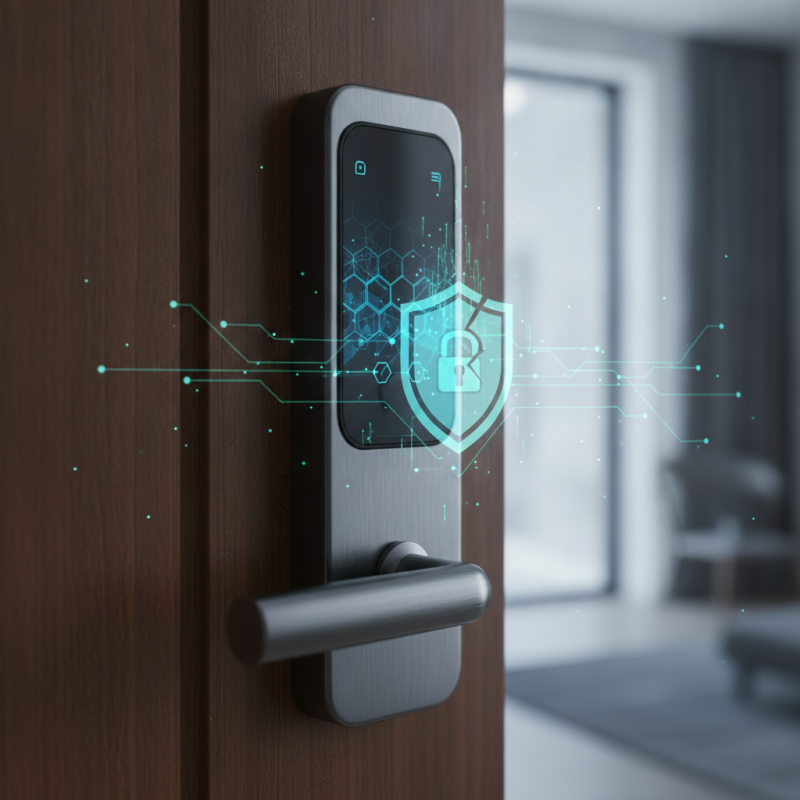
In 2026, smart locks have made significant advancements, but vulnerabilities remain. Understanding the security features of these devices is crucial. Many models use encryption to protect user data, yet some still rely on outdated technology. These shortcomings can make them susceptible to unauthorized access.
Wireless connectivity is a common feature in smart locks. This convenience often comes with risks. Wi-Fi and Bluetooth protocols can be exploited. Hackers are always looking for weaknesses in these connections. Regular software updates are essential to mitigate potential threats. However, many users neglect to perform these updates.
Physical security is another aspect that cannot be overlooked. Some smart locks include keypads, while others offer biometric scanning. Each system has its strengths and weaknesses. Biometric locks can be more secure but may fail under certain conditions, like moisture. The balance between accessibility and security needs careful consideration. As the technology evolves, so do the tactics of cybercriminals. Users must stay informed about these developments to safeguard their homes effectively.
The chart illustrates the increase in reported vulnerabilities in smart locks from 2020 to 2026. The number of vulnerabilities has risen significantly, indicating growing concerns about the security of smart locks in the ongoing evolution of technology.
As smart locks gain popularity, cybersecurity threats evolve. A recent report showed that 75% of smart lock vulnerabilities are due to poor user practices. Many owners neglect software updates, leaving doors open to breaches. Hackers often exploit outdated firmware to gain unauthorized access.
Research indicates that by 2026, cyberattacks on smart locks could increase by 150%. Cybersecurity firms warn that criminals are developing sophisticated phishing schemes. These tactics trick users into revealing access codes. The growing adoption of IoT devices makes this threat more pressing.
Moreover, the convenience of smart locks can be a double-edged sword. Users tend to prioritize ease of use, often overlooking security. A survey revealed that only 30% of smart lock users regularly change their passwords. This negligence plays into the hands of cybercriminals who continuously adapt their strategies. Security experts recommend using two-factor authentication whenever possible to enhance protection.
| Threat Type | Description | Likelihood of Occurrence | Potential Impact |
|---|---|---|---|
| Phishing Attacks | Targeting users to gain access tokens or passwords for smart locks. | High | Unauthorized entry, theft of property. |
| Man-in-the-Middle Attacks | Interception of communication between user and smart lock. | Medium | Home security breach, data theft. |
| Brute Force Attacks | Repeatedly guessing passwords or access codes. | Low to Medium | Unauthorized access, potential property loss. |
| Software Vulnerabilities | Exploitation of bugs or flaws in the smart lock's software. | High | Complete system takeover, privacy violations. |
| Denial of Service (DoS) | Overwhelm the smart lock system to prevent its operation. | Medium | Inaccessibility to users, frustration. |
In 2026, smart locks face evolving hacking techniques that exploit their vulnerabilities. Cybersecurity experts noted that over 30% of reported breaches involved some form of unauthorized access to smart locks. One popular method is brute force attacks, where hackers systematically guess passwords. Often, users choose weak combinations, making it easy for attackers.
Another technique involves Bluetooth vulnerabilities. In 2025, a study highlighted that nearly 25% of smart locks had exploitable Bluetooth flaws. Attackers can intercept communication between the lock and the smartphone app. Installing firmware updates is crucial, yet many users neglect this simple step.
Wi-Fi-based smart locks also attract hackers. A report in early 2026 revealed that nearly 15% of breaches targeted these locks, often using phishing attacks to access user credentials. These methods illustrate a critical gap in user awareness and the need for stronger cyber hygiene practices. It's essential to realize that even smart locks can have serious security flaws, making proactive measures vital.
Smart locks are becoming increasingly common in residential and commercial properties. However, industry reports reveal a growing concern about their security. A study by Cybersecurity Ventures estimates that by 2026, cyberattacks targeting smart locks could rise by 45%. This increase highlights the urgent need for awareness and prevention.
Recent data shows that nearly 30% of smart lock vulnerabilities are due to weak passwords or default settings. Many users neglect to change factory settings, making their devices easy targets. Additionally, a report from the Cybersecurity and Infrastructure Security Agency (CISA) indicates that 37% of reported breaches involved remote hacking attempts. Hackers often exploit software flaws, leaving users vulnerable without even knowing it.
Despite advancements in technology, some smart locks still lack adequate encryption. Reports suggest that about 50% of these devices do not use end-to-end encryption. This absence of robust security protocols raises questions about their reliability. Users should conduct thorough research on the security features of smart locks to avoid compromising their safety. It's essential to remain vigilant as technology evolves.
In 2026, the landscape of smart lock security is evolving rapidly. Engineers are developing new technologies to enhance device safety. Innovations include advanced encryption and biometric systems. These additions aim to protect users from unauthorized access. For instance, smart locks are integrating AI to detect unusual patterns in usage. This technology alerts homeowners to potential threats in real-time.
Physical security remains a concern as well. Some locks now feature tamper-resistant designs. These designs ensure that physical intrusions are more difficult. In addition, multi-factor authentication is becoming a standard practice. Users might need a password and a fingerprint for access. While these advancements are promising, vulnerabilities may still persist.
Reflecting on the future, it's crucial to understand that no system is completely foolproof. Developers must continuously innovate to stay ahead of cybercriminals. As we embrace these technologies, awareness of potential weaknesses is essential. Homeowners should regularly update their devices and stay informed about security trends.
: Nearly 30% of vulnerabilities come from weak passwords or default settings. Users often forget to change factory settings.
Cyberattacks on smart locks could increase by 45% by 2026, according to industry estimates. Awareness is critical.
Hackers frequently exploit software flaws, making users vulnerable. These breaches often involve remote hacking attempts.
About 50% of smart locks do not have adequate encryption. This absence raises reliability concerns among users.
Engineers are developing advanced encryption, biometric systems, and AI. These innovations help detect unusual patterns and threats.
Multi-factor authentication is becoming standard. Users may need both a password and a fingerprint to access their devices.
Some locks feature tamper-resistant designs, yet physical intrusions remain possible. Continuous improvements are necessary.
Regular updates are crucial for device security. Staying informed about trends helps protect against potential threats.
No system is foolproof. Vulnerabilities may still exist, and ongoing innovation is required to combat cybercriminals.
Users should conduct thorough research and change default settings. Awareness of potential weaknesses is essential for safe usage.
In the evolving landscape of smart technology in 2026, the question arises: "Can a smart lock be hacked easily?" Smart locks have become increasingly popular due to their convenience, but they also pose unique security challenges. Understanding their security features is crucial as current trends indicate a rise in cybersecurity threats specifically targeting these devices. Common hacking techniques employed by cybercriminals include exploiting weak passwords and vulnerabilities in wireless protocols, highlighting the critical need for users to implement robust security measures.
Industry data indicate a concerning number of vulnerabilities and breaches related to smart locks, prompting developers to innovate and enhance security protocols. Future advancements are expected to focus on strengthening encryption methods, improving user authentication, and integrating artificial intelligence to detect and prevent unauthorized access. As smart lock technology continues to evolve, staying informed about potential risks and implementing proactive defenses will be essential in ensuring the security of such devices.

Wipan Lock