Upgrading your security with smart locks is a modern solution for homeowners. However, the transition from traditional locks requires specific tools. Knowing what tools are needed to replace a traditional lock with a smart lock is crucial for a smooth installation process.
You will need a screwdriver set to remove the old lock. A drill may also be needed if new holes are required. Measure the lock's dimensions to ensure compatibility. Additionally, a smart lock may come with its own set of installation tools. Familiarizing yourself with these tools ensures a seamless upgrade that enhances your home's security.
Using the wrong tools can lead to frustration. Missing a key item could delay your project and cause unnecessary stress. Always double-check your toolkit and follow manufacturer instructions closely. This approach minimizes issues and helps maintain your home’s security integrity. A careful installation can make your transition to smart technology both secure and efficient.
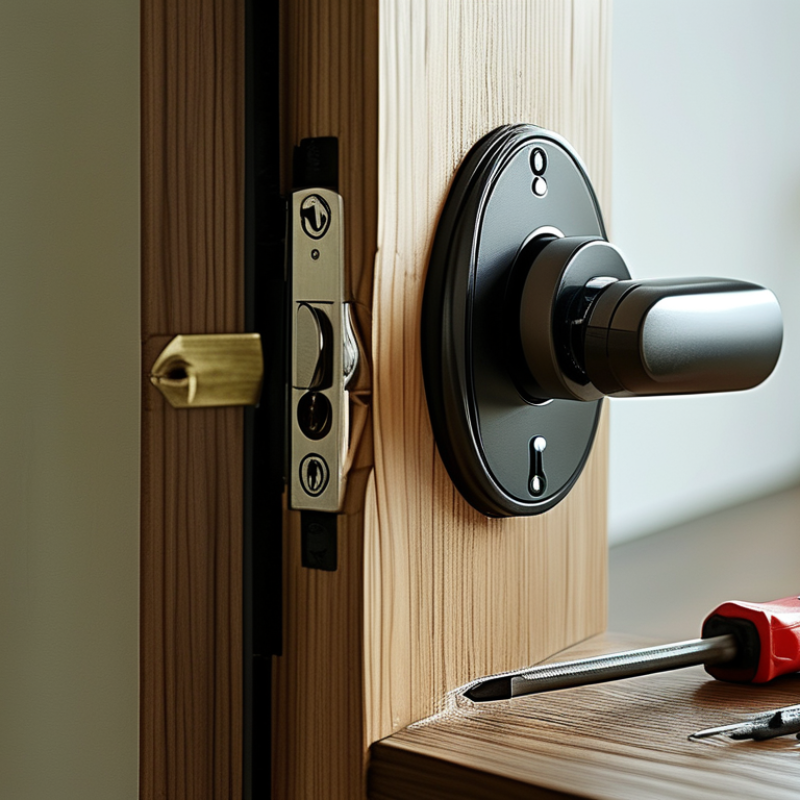
When considering a smart lock, it’s vital to identify your specific needs. Each home and lifestyle presents unique security challenges. Think about how many users will access the lock. Are there children or elderly family members? Some smart locks have user-friendly features, making them easier for all ages.
Durability is another critical factor. Some locks are designed to withstand harsh weather conditions. If you live in an area with extreme temperatures or moisture, choose a lock that offers robust protection. Look for materials and ratings that ensure longevity.
User reviews can provide insight into a lock's effectiveness. Reading experiences from other customers helps you visualize how well a product performs in real life. Issues like connectivity or battery life often arise. It's essential to reflect on these aspects to avoid potential inconveniences later. The right smart lock should simplify your life, not complicate it.
| Feature | Description | Recommended Tool | Compatibility |
|---|---|---|---|
| Keyless Entry | Allows access without a physical key, using mobile apps or codes. | Smart Lock App | iOS and Android Devices |
| Remote Access | Control your lock from anywhere with internet connectivity. | Wi-Fi Module | Smart Homes with Wi-Fi |
| Auto-Lock Feature | Automatically locks the door after a set period. | Smart Lock System | Various Door Types |
| Voice Control | Integration with voice assistants for hands-free operation. | Smart Assistant Device | Amazon Alexa, Google Assistant |
| Backup Key Option | Physical backup access in case of technical failure. | Traditional Key | All Users |
Replacing traditional locks with smart locks offers enhanced convenience and security. To begin, you need the right tools to remove old locks. A screwdriver is essential; look for a flathead and Phillips. These will help you detach the lock from the door. You may also need a drill. A drill can be beneficial for removing stubborn screws.
Another useful tool is a chisel. If your lock is fitted tightly, a chisel can help create enough space for ease of removal. Be cautious with this tool; excessive force may damage the door or frame. A pair of pliers can be handy for twists and bends in the locking mechanism. They can help in grasping and loosening parts that are too tough to manage with fingers.
It's worth noting that not all doors are built the same. Some may have unique lock designs or complex mechanisms. You might encounter unexpected challenges. It’s crucial to assess your door type before starting the process. Take your time to ensure you are handling everything properly. A relaxed approach can save you from mistakes and potential damage.
Installing a smart lock can enhance your home’s security significantly. However, improper installation can lead to vulnerabilities.
To ensure that your smart lock functions correctly, begin with a thorough assessment of your existing lock and door frame.
Measure twice to guarantee a proper fit before purchase.
Once you have your smart lock ready, gather your tools. A screwdriver, a drill, and a level are essential.
Remove the traditional lock carefully, paying attention to the screws. It’s easy to misplace these small parts.
Take time to ensure you do not damage the door or frame during removal. This process can prove tricky.
After removing the old lock, follow the manufacturer’s instructions precisely. Align the smart lock with the existing holes on your door.
Adjust if necessary, keeping it level. This step is crucial; misalignment can lead to issues later.
Secure the lock in place and test its functionality before finalizing the installation.
Reflect on the overall process to improve for future installations.
Smart locks are transforming the way we secure our homes. However, compatibility with home automation systems is a crucial factor to consider before replacing traditional locks. According to a report by MarketsandMarkets, the smart lock market is projected to reach $2.4 billion by 2025, driven by advancements in technology and increasing adoption of smart home devices.
Many homeowners invest in smart locks but fail to ensure compatibility with their existing systems. This oversight can lead to functionality issues. For instance, if a smart lock cannot connect to a Wi-Fi network or integrate with voice assistants, it may not provide the convenience intended. A survey from Statista shows that nearly 25% of users who installed smart locks encountered integration challenges. This statistic underscores the importance of verifying compatibility features.
Before making a decision, assess the connectivity options available. Some smart locks utilize Zigbee or Z-Wave protocols, while others depend on Wi-Fi. Assess your current home system as well. A lack of attention to these details could hinder the usability of your smart lock. Being knowledgeable about your home's configuration is vital. Understanding these elements will not only enhance security but also improve overall smart home efficiency.
Testing and maintaining your smart lock is crucial for ensuring its security and longevity. Once installed, regularly check the battery levels. Most smart locks rely on batteries that can deplete over time. A dead battery can leave you locked out. It's wise to set a reminder every few months to replace them. Also, test the locking mechanism frequently. If it feels stiff or unresponsive, it may need maintenance or recalibration.
During testing, consider the connectivity. Smart locks often connect via Wi-Fi or Bluetooth. Ensure your lock maintains a stable connection with your home network or smartphone. Weak connections can hinder its operations. If you find connectivity issues, troubleshoot your Wi-Fi setup. Sometimes, changing the position of your router can enhance signal strength.
Keep an eye on the software updates as well. Manufacturers usually release updates that improve functionality and security. A locked door with outdated software can be vulnerable to hacking attempts. Regularly check the app associated with your smart lock for updates. If you encounter difficulties, consult the manufacturer’s website or support forums. Engage with other users to share experiences. It’s a process of continuous improvement and learning.
: You will need a screwdriver, drill, chisel, and pliers for the process.
Be cautious and apply gentle pressure to prevent any damage to the door frame.
Unique lock designs may present unexpected challenges that need careful handling.
Check the connectivity options like Zigbee, Z-Wave, or Wi-Fi before making a purchase.
About 25% of users reported challenges with integration according to a survey.
Set a reminder to check and replace the batteries every few months to avoid being locked out.
Regularly test it to ensure it is functioning properly; stiff locks may need maintenance.
Troubleshoot your Wi-Fi setup or adjust your router's position to improve signal strength.
Updates improve functionality and security, protecting against potential vulnerabilities.
Consult forums or the manufacturer’s website to share and gather insights.
In the transition from traditional locks to smart locks, it is essential to first identify the smart lock that best suits your needs, considering factors like security features and ease of use. Understanding "what tools are needed to replace a traditional lock with a smart lock" is crucial. Commonly, you will require a screwdriver, a drill, and potentially a chisel for any adjustments to the door.
Once the traditional lock is removed using the appropriate tools, the new smart lock should be installed following specific steps to ensure a proper fit. Moreover, it is important to verify that the smart lock is compatible with your existing home automation systems for seamless integration. After installation, it is advised to test the smart lock thoroughly and maintain it regularly to ensure optimal performance and security.

Wipan Lock