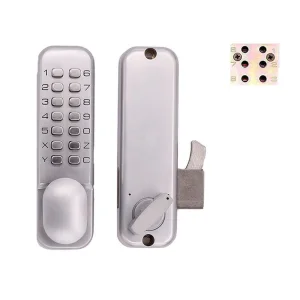
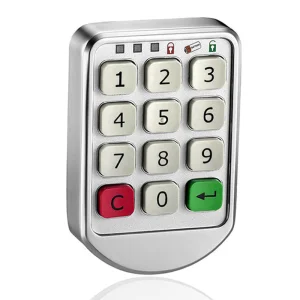
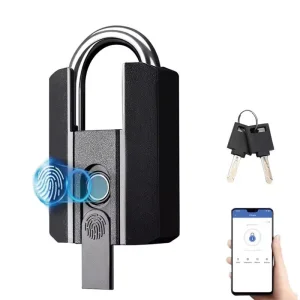
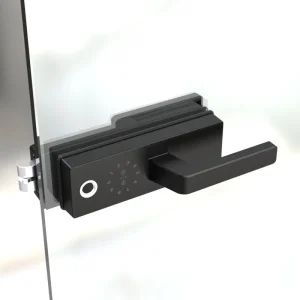
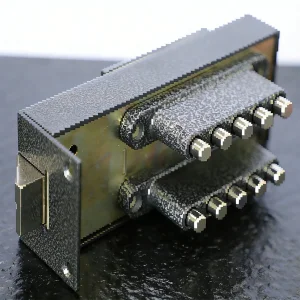
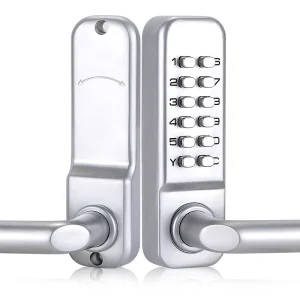
Engineered for extreme performance, compliance, and aesthetic appeal. Our core product lineup features industry-leading biometric, deadbolt, and mechanical numeric combination lock designs.
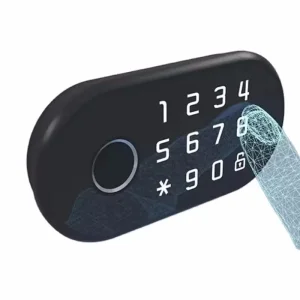
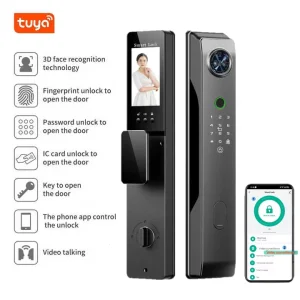
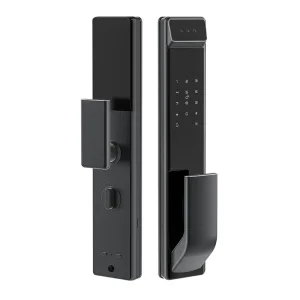
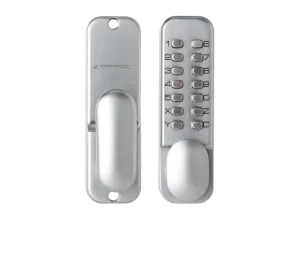
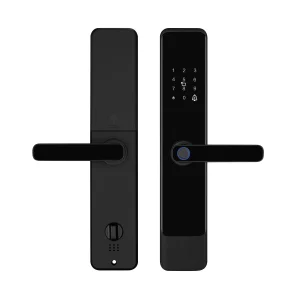
The modern access control paradigm has shifted decisively from passive physical hardware to active, data-driven endpoints. In commercial real estate, multi-family smart apartments, healthcare nodes, and complex institutional facilities, keyless access mechanisms are no longer categorized as luxury items—they represent baseline structural requirements. Driven by the mandates of zero-trust corporate security policies and the mass integration of the Internet of Things (IoT), global developers expect physical entry points to provide audited, real-time security tracking.
A primary driver for this technological escalation is compliance. Within international import frameworks, the **CE certification** (specifically European standards like **EN 14846** for electromechanically operated locks and **EN 179/1125** for panic exit devices) serves as the primary gauge of reliability. These certificates guarantee that the physical structural elements, electrical schematics, and algorithmic functions operate reliably across wide temperature thresholds, high-frequency physical cycles, and high electromagnetic interference (EMI) levels. As a leading exporter, our specialized manufacturing pipeline bridges the technical demands of compliance with aggressive unit-cost efficiency.
Fully compliant with EN 14846 and EN 12209 mechanical tolerances, assuring frictionless integration within European and North American commercial infrastructure.
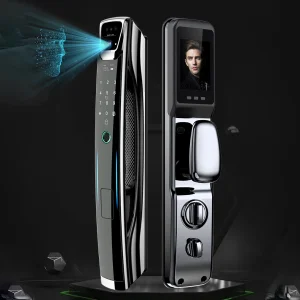
Combining 3D Structured Light facial recognition, capacitive live-fingerprint scanners, and dynamic anti-peeping virtual PIN configurations.
IP66 structural ratings combined with specialized high-temperature-grade lithium arrays and cold-weather component optimization.
Shenzhen Wipan Lock Co., Ltd. is a professional manufacturer specializing in smart locking systems and access control solutions. With years of experience in the electronic lock industry, Wipan has become a trusted partner for hotels, apartments, offices, educational institutions, healthcare facilities, commercial buildings, and residential projects worldwide.
We provide not only high-quality smart lock products but also comprehensive OEM/ODM solutions tailored to our customers’ needs. From product design, research and development, manufacturing, quality control, and branding support to market analysis and after-sales service, we help our partners build competitive products and expand their business successfully in local and international markets.
Driven by innovation and technology, Wipan continuously invests in advanced manufacturing equipment, intelligent production processes, and product development to ensure reliable performance, enhanced security, and user-friendly experiences. Our product range includes smart door locks, hotel lock systems, fingerprint locks, password locks, RFID card locks, Bluetooth locks, TTLock solutions, and customized access management systems. Today, Wipan products are exported to numerous countries and regions across Asia, Europe, the Middle East, Africa, North America, and South America, earning recognition for quality, durability, and excellent customer service.
At Wipan, our greatest asset is our people. Our experienced engineers, designers, production specialists, and customer service professionals work together with passion and dedication to deliver innovative security solutions. We believe that successful partnerships are built on trust, collaboration, and mutual growth. By maintaining open communication and understanding our customers' unique requirements, we are able to provide flexible solutions that help businesses stay ahead in a rapidly evolving smart security market.
To create smarter, safer, and more convenient access solutions for people around the world through continuous innovation and superior quality. We build trust by manufacturing locking devices that resist structural wear, bypass attacks, and cybersecurity exploits.
From custom branding and housing modifications to custom firmware and cloud API integration, our R&D hub in Shenzhen optimizes hardware designs for rapid mass assembly while maintaining rigid manufacturing tolerances.
Wipan leverages Shenzhen's industrial cluster to optimize every phase of electronic and mechanical locking assembly. Our integrated machinery ensures rapid prototype transitions, tight control over material purity, and unparalleled price-performance value.
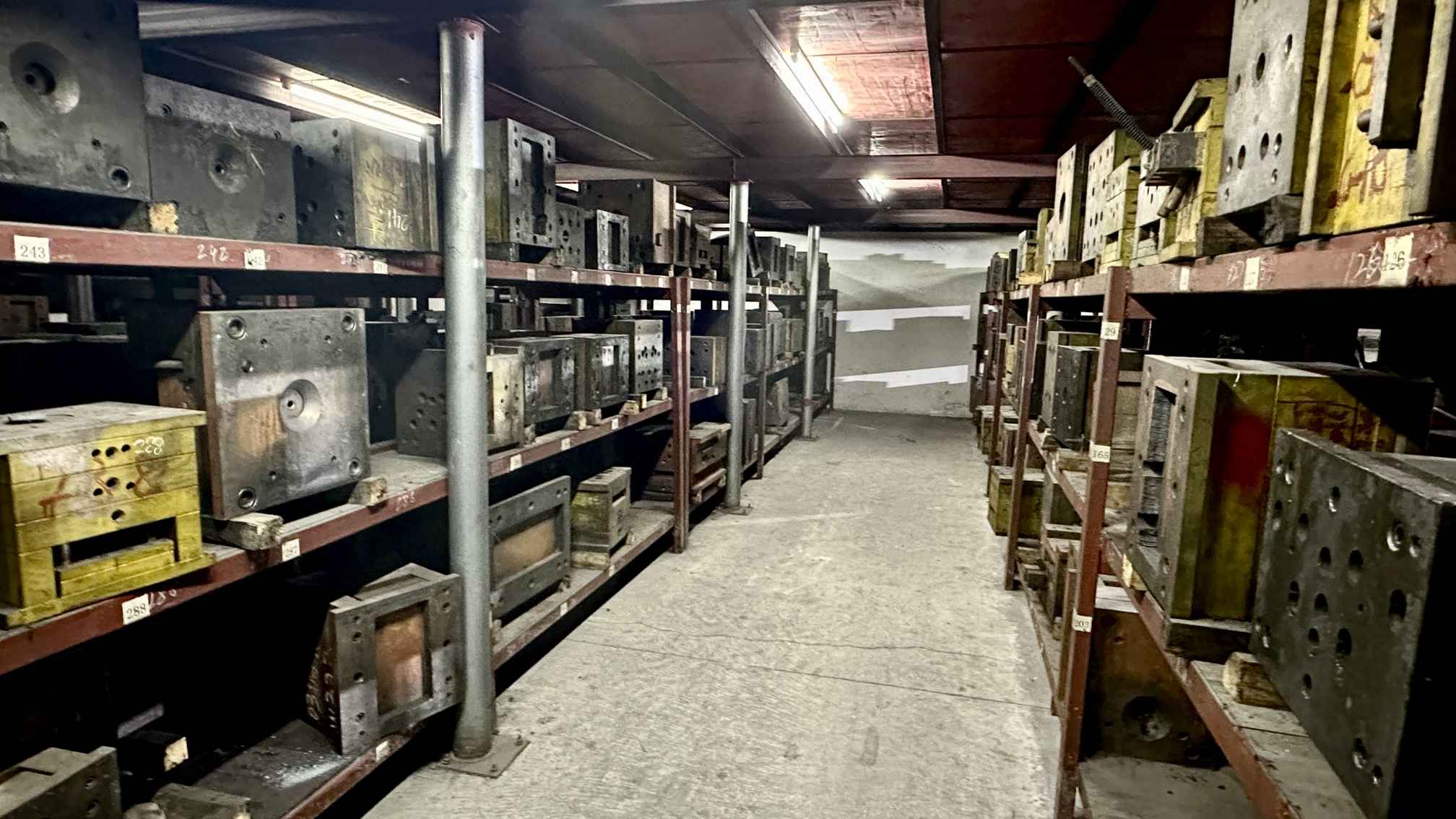
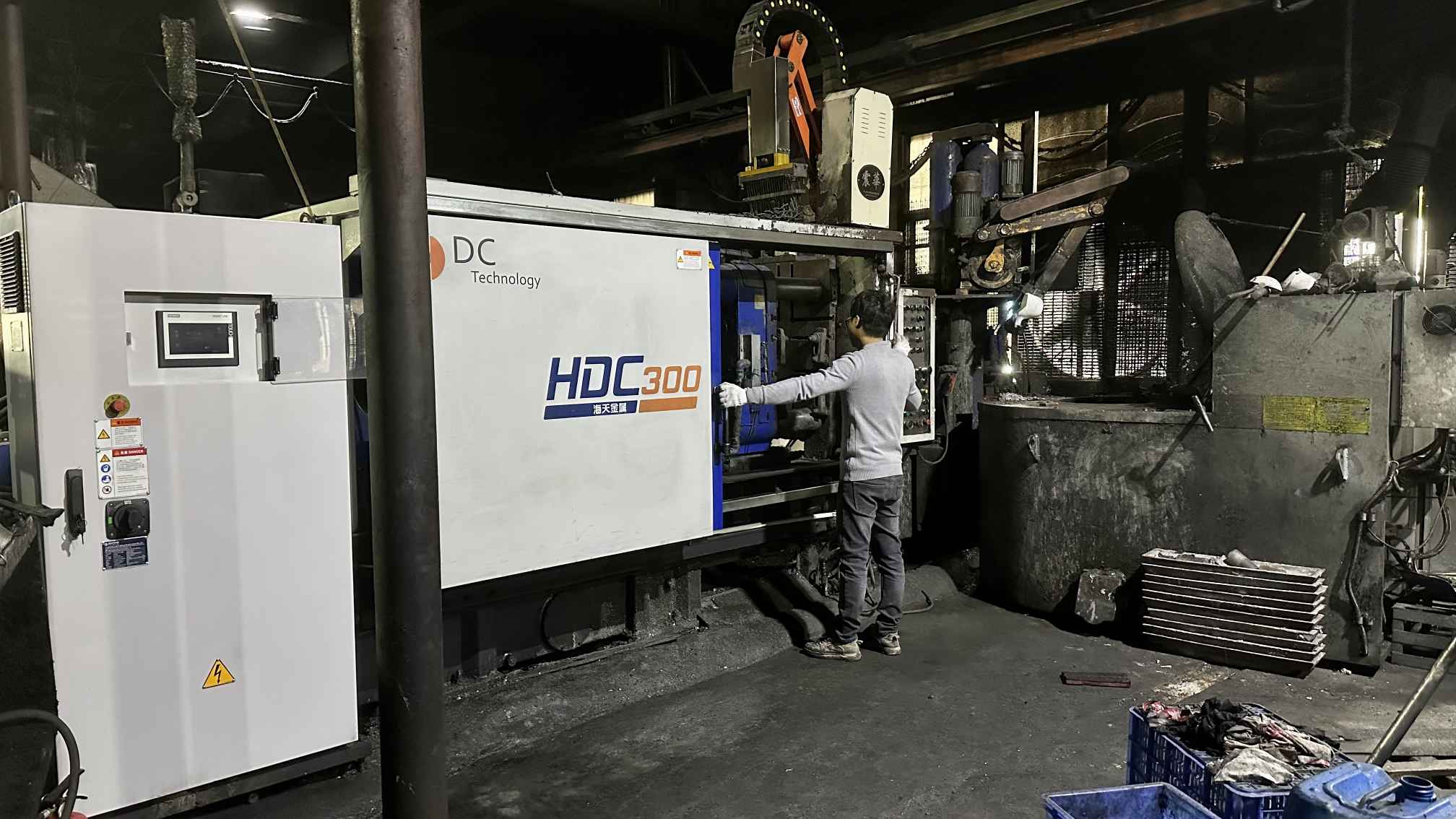
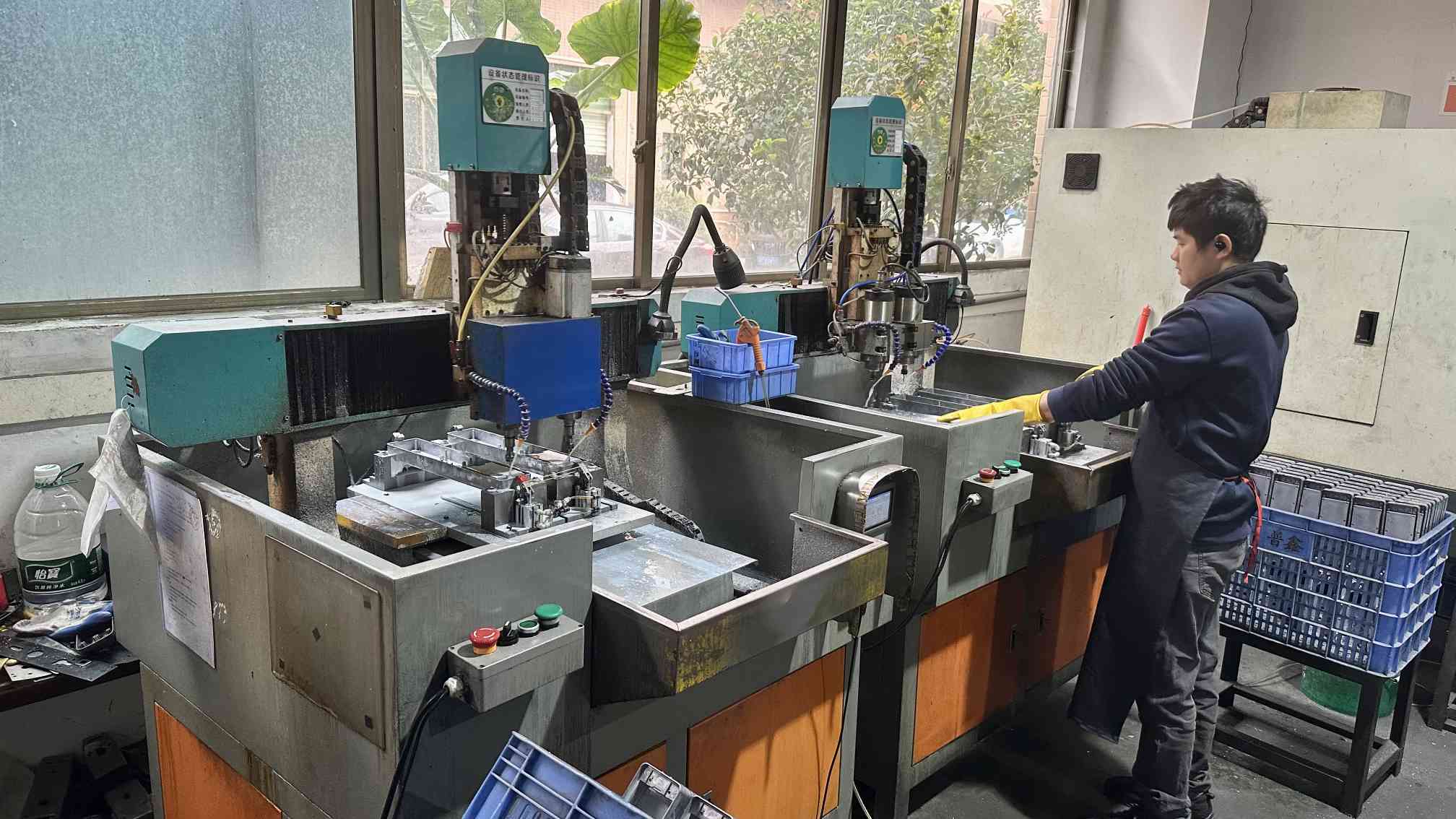
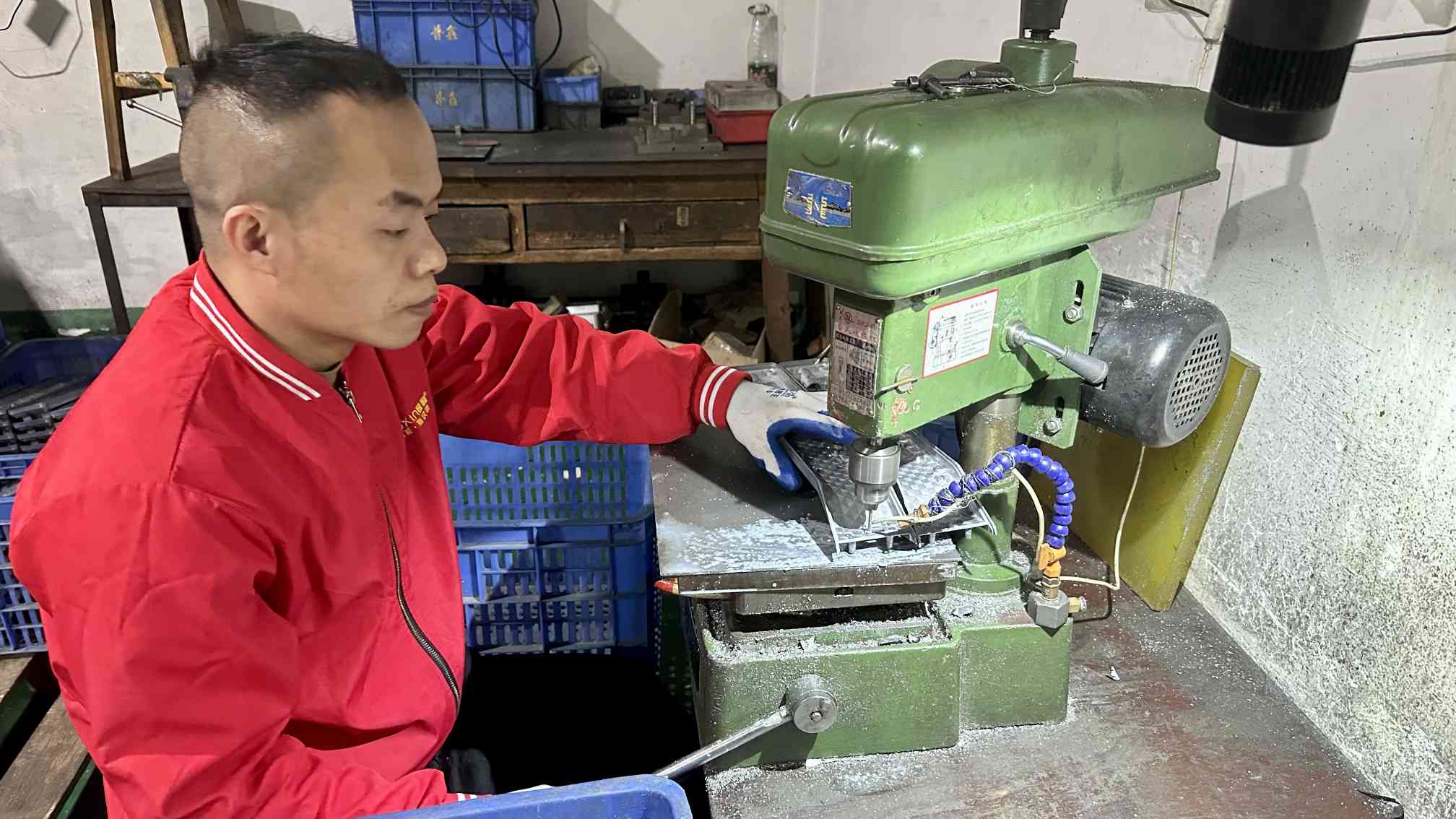
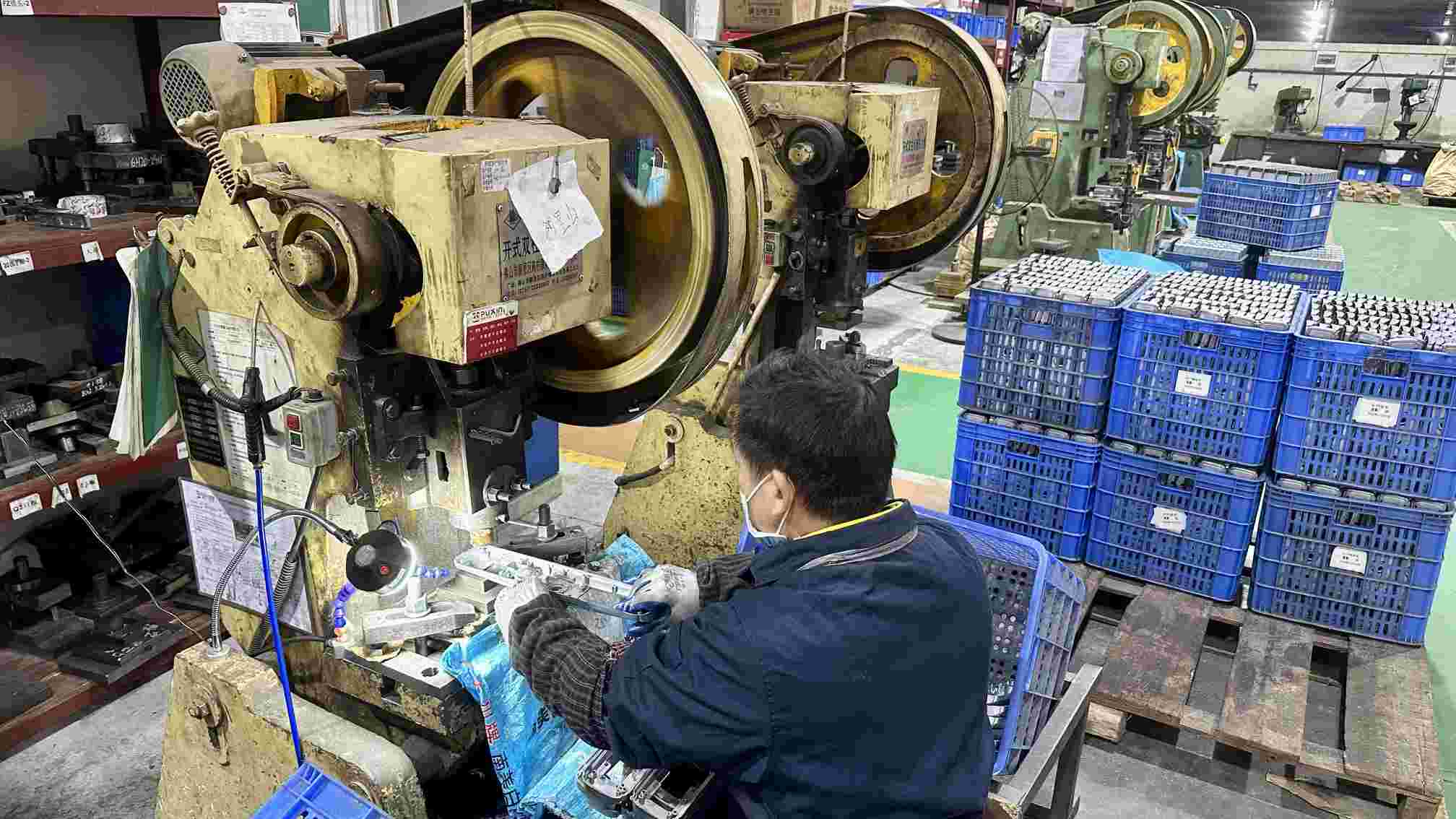
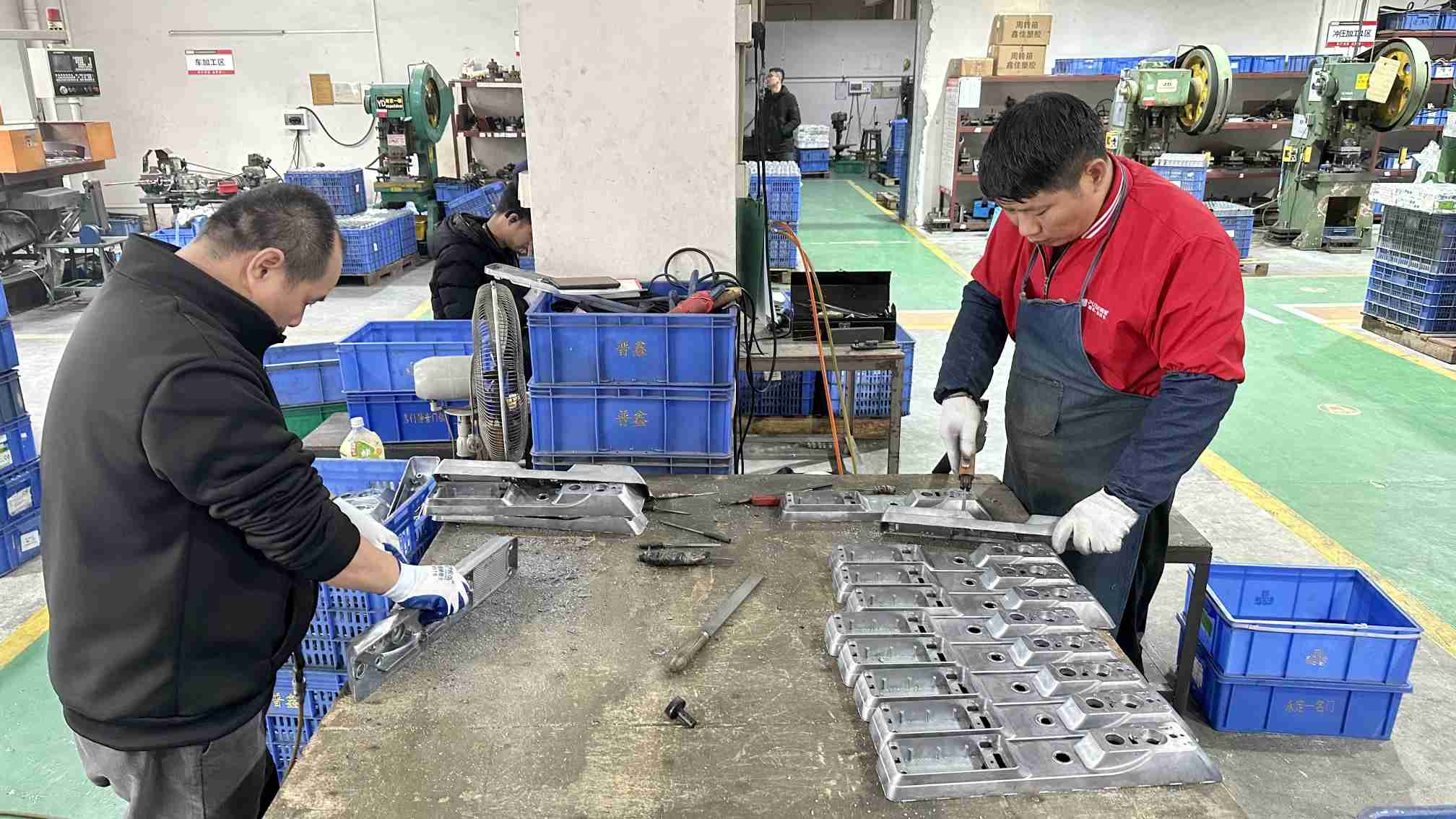
Unlike fragmented manufacturers, Shenzhen Wipan Lock Co., Ltd. exercises full vertically integrated control over raw materials and finished products. From initial steel and zinc-alloy casting to delicate CNC adjustments, drilling, punching, surface assembly, and intensive lifecycle aging, every station is subjected to strict, digitized quality checkpoints. This rapid feedback loop guarantees that potential manufacturing anomalies are identified and corrected before the lock assemblies move to high-volume assembly lines.

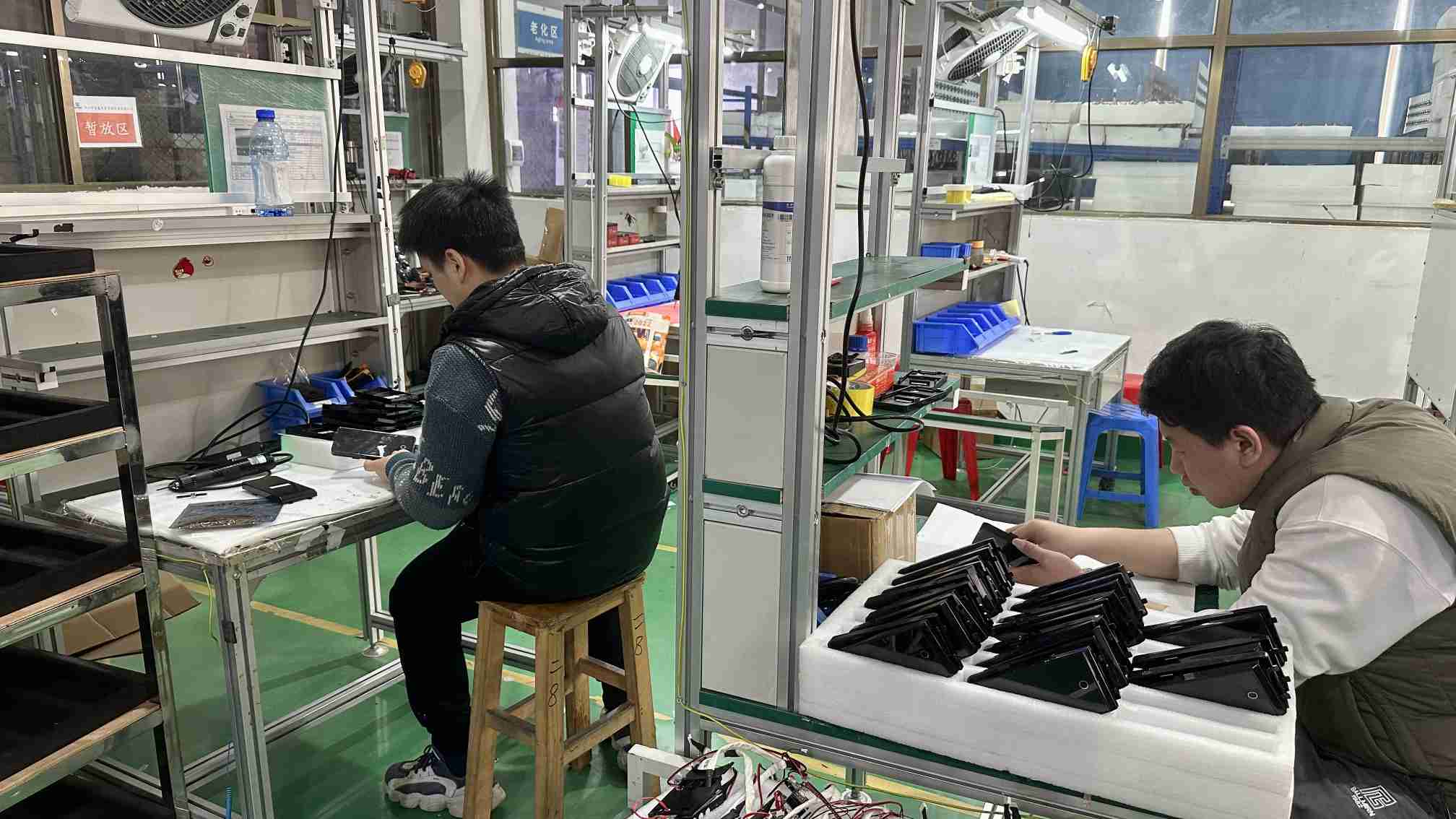
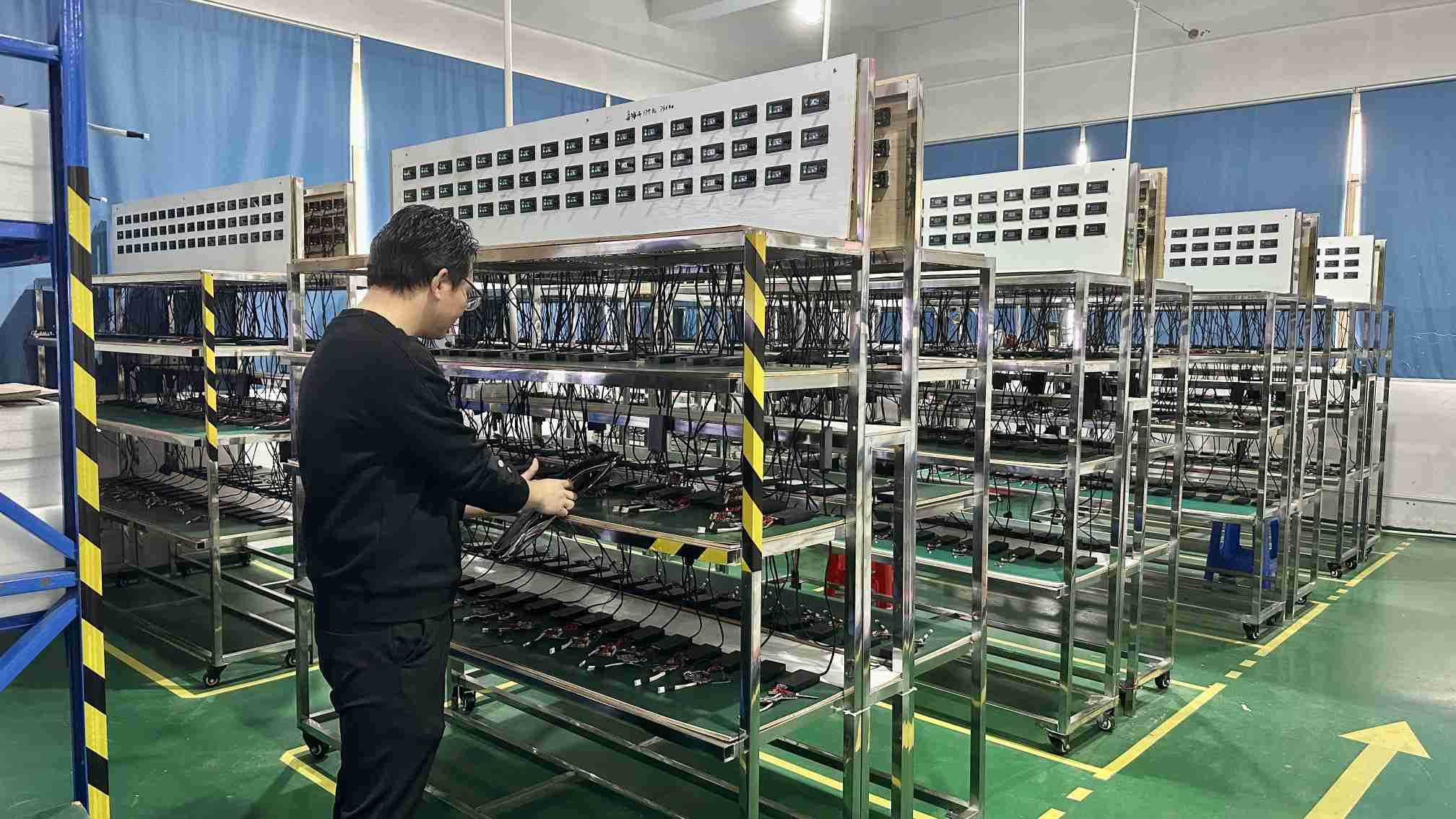
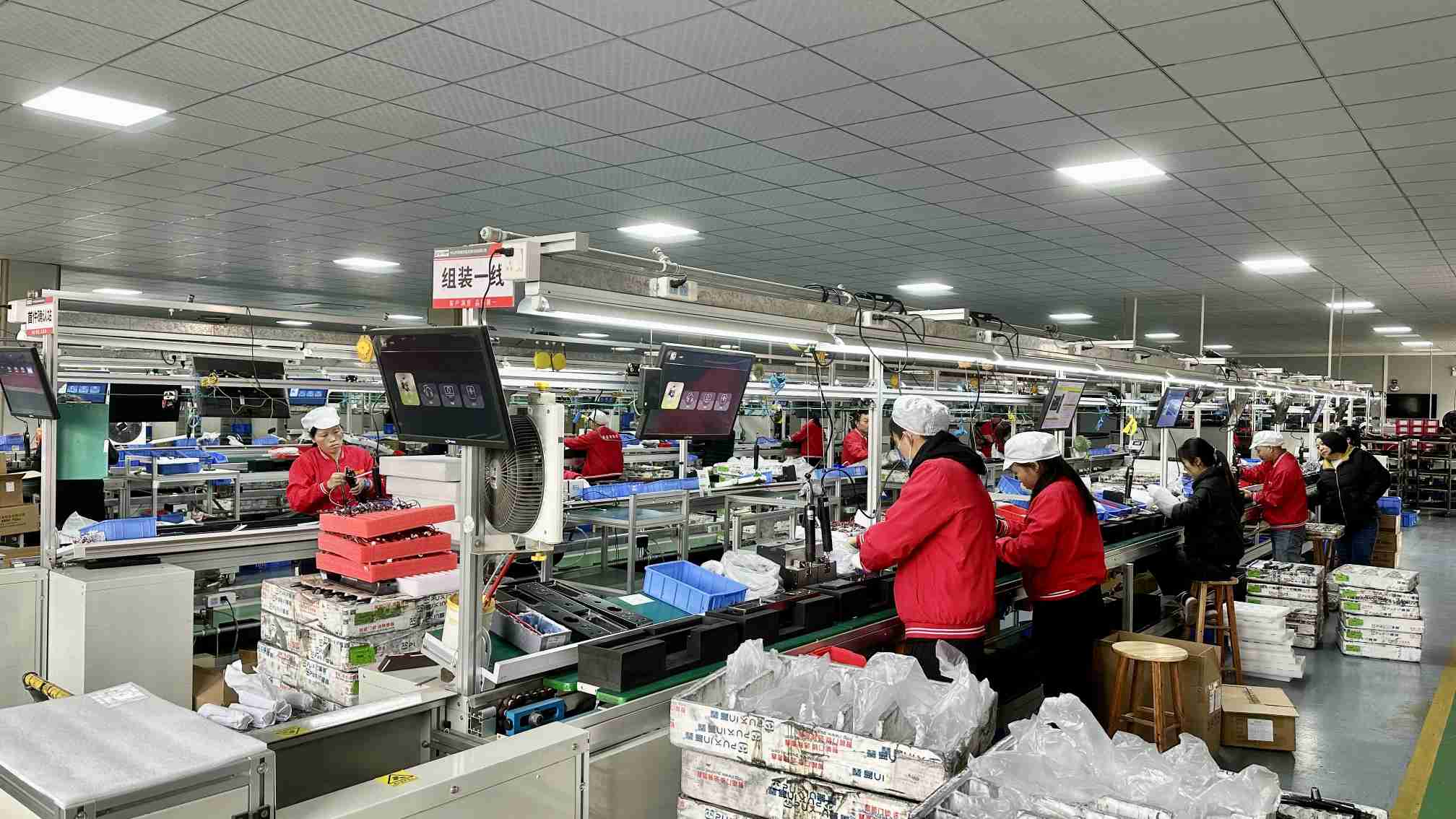
Digital Keyless Lock systems require specialized mechanical structures depending on local architecture and ambient conditions. We optimize our structural arrays for four prominent deployment scenarios:
Standards: Standard 60mm/70mm backset deadbolts.
Our residential and commercial keypad deadbolts fit standard cross-bore preparation holes without structural door modifications. Equipped with weather-resistant physical silicone seal rings and hardened steel bolts to counter mechanical forced entry.
Standards: 85mm / 92mm Euro Profile Cylinder spacing.
Modern commercial buildings rely heavily on slim-profile glass and aluminum doors. Wipan designs custom narrow-housing smart locks (down to 28mm body width) that house powerful biometric and Bluetooth controllers while maintaining structural door integrity.
Standards: Extreme frequency cycling, high moisture.
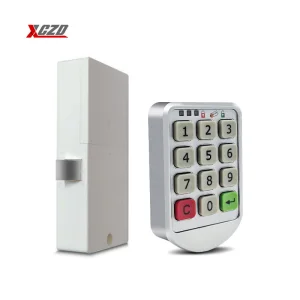
Our locker-focused systems support numeric codes and standard RFID (13.56MHz Mifare) protocols. Features ultra-low standby power draws, keeping systems operational for up to 18 months, with mechanical and USB external overrides for quick admin access.
Standards: Accelerated Salt-Spray / Corrosion Resistant.
Salty, humid coastal air quickly degrades poor alloy configurations. Wipan uses dual-phase powder-coated zinc-alloy and stainless steel (SUS304) internals to resist corrosion, keeping access points operational in harsh maritime environments.
Standards: Over-the-Air (OTA) Credential Lifecycle Management.
Our smart locks integrate seamlessly with central property management software via Zigbee/TTLock API gateways, letting leasing managers instantly authorize, modify, or revoke digital keycodes for new tenants.
Standards: Multi-point interlocking, time-delay mechanics.
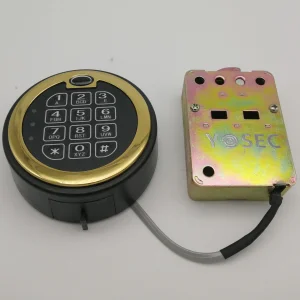
Designed for fire-resistant gun safes and corporate vault doors, these configurations require dual biometric authentication or time-delay keypad locks to prevent internal theft and coordinate emergency responses.
The electronic security sector is undergoing rapid transformation, driven by key architectural and computational shifts. Companies that fail to anticipate these shifts risk purchasing rapidly obsolescent hardware.
| Security Factor | Legacy Digital Locking Systems | Modern Intelligent Platforms (Wipan Standard) | Next-Generation Evolutionary Stage |
|---|---|---|---|
| Biometric Processing | Optical 2D static fingerprint recognition (vulnerable to spoofing). | Capacitive live-skin detection & 3D face geometric recognition. | Sub-epidermal vascular pattern analysis & gait integration. |
| Connectivity | Offline stand-alone local keypads with offline codes. | Dual Bluetooth (TTLock) + Wi-Fi / Zigbee continuous mesh networks. | System-wide Matter-over-Thread interoperability. |
| Power Management | Alkaline replacement batteries with zero-warning states. | Type-C emergency bypass port with battery telemetry notifications. | Ambient light & kinetic mechanical motion power harvesting. |
| Software Control | Proprietary closed systems with offline programming. | Fully featured SDK and REST API integration options. | AI-driven predictive maintenance and adaptive anomaly detection. |
As these changes sweep the industry, the shift toward **unified access ecosystems** remains critical. Modern real estate developers no longer source hardware solely based on unit price; they evaluate locks based on how easily their software APIs integrate with existing tenant management systems. This software integration is a key component of Wipan's design process, and our TTLock and Tuya compatibility options make our locks perfect for developers seeking to scale their management frameworks.
B2B procurement professionals must weigh several factors to minimize liability and guarantee continuous security performance across long deployments.
Verify that your supplier's locks use high-durability zinc alloys or SUS304 steel assemblies. Low-cost zinc alloys often suffer from internal porosity, causing handles to sag and levers to break. Ensure the locks have been tested for at least 200,000 cycles without mechanical failure.
An electronic lock must never lock users out during power failures. Ensure the lock features physical mechanical key bypass cylinders and an external USB-C emergency power terminal. This keeps facilities accessible even when batteries drain completely.
Ensure your digital locks use secure encryption protocols, such as AES-128 or higher, over wireless links. This prevents unauthorized users from sniffing credentials, copying signals, or hacking access logs.
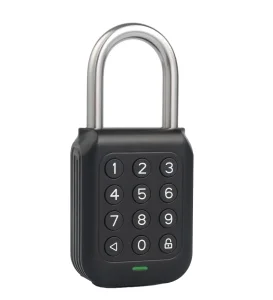
Browse our certified premium series, featuring professional fireproof locks, heavy-duty smart levers, resilient zinc-alloy cabinet lockers, and Bluetooth-enabled padlocks.
Get authoritative answers to technical, mechanical, and regulatory questions about our high-security smart lock solutions.
 Wipan Lock