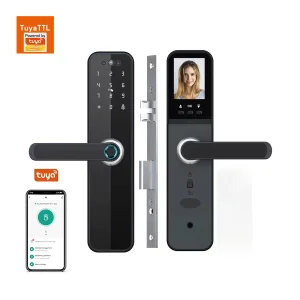
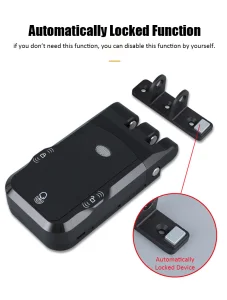
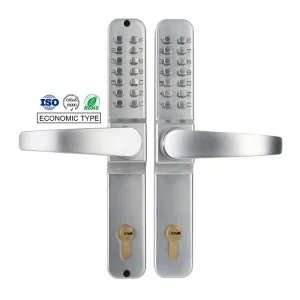
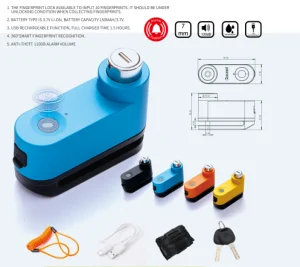
Deploying next-generation physical security protocols and seamless access management systems for international high-end compliance.
The paradigm of building security is transitioning rapidly from isolated physical locks to cloud-connected, multi-modal access endpoints. As modern commercial and residential developments require robust protection alongside frictionless integration, the demand for premium hardware has grown. Modern buyers now require products that carry recognized safety standards, such as European Union compliance, to verify performance.
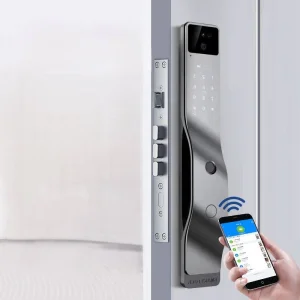
Shenzhen Wipan Lock Co., Ltd. stands as a key partner in this market transition. Operating a highly specialized smart lock factory in Shenzhen, China, Wipan develops integrated access control systems for diverse applications globally. From corporate offices to commercial residential assets and hotels, Wipan offers complete support through full-spectrum ODM/OEM capabilities.
By prioritizing certifications like the European CE standard, RoHS compliance, and FCC parameters, Wipan ensures that partners receive systems engineered to meet international safety and electromagnetic requirements, ready for seamless deployment.
Our mission is to engineer smart, reliable, and secure access systems for international markets through continuous hardware research, cloud security validation, and manufacturing efficiency.
Exploring the integration of Edge AI, biometric authentication, and multi-protocol IoT infrastructure in smart lock design.
Implementing structured-light 3D facial scanning and sub-epidermal palm vein pattern recognition to offer reliable biometric security that resists spoofing attempts.
Moving toward unified Matter over Thread protocols alongside TTLock and Tuya systems to ensure broad compatibility with modern smart home ecosystems.
Securing lock communications using localized asymmetric encryption keys combined with TLS 1.3 connections, mitigating vulnerabilities related to remote relay attacks.
Our hardware roadmap emphasizes energy conservation and mechanical reliability. By utilizing optimized, low-power microcontrollers and Bluetooth 5.2 (BLE) chips, our locks maintain stable network connections with low standby draw. Wipan's engineering team works to design locks that support dynamic over-the-air (OTA) firmware updates, ensuring security updates can be deployed directly to the device throughout its service life.
Adapting smart hardware interfaces and control logic to meet the operating demands of different sectors.
Exploring our integrated production steps from raw alloy casing to final diagnostic testing.
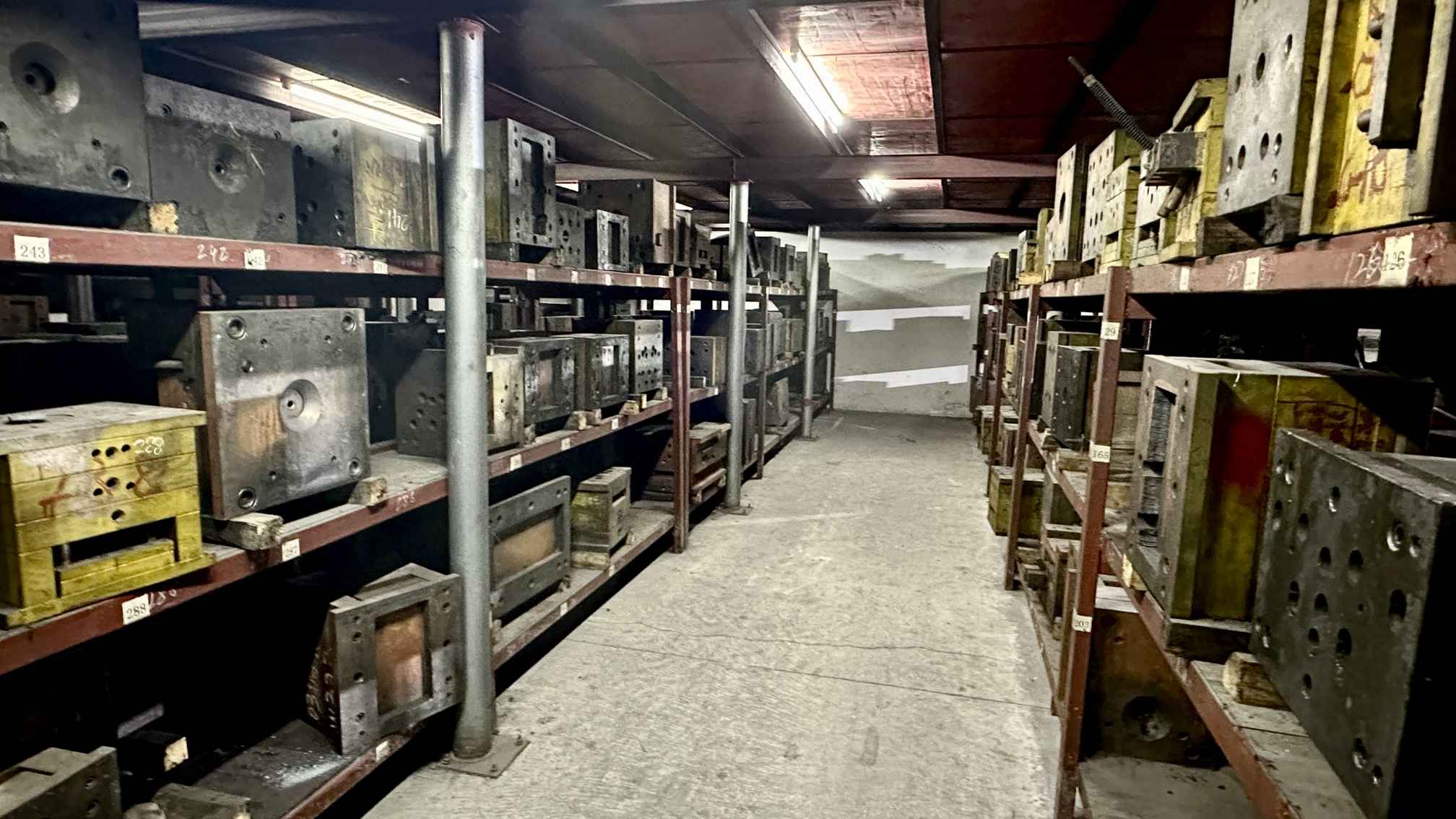
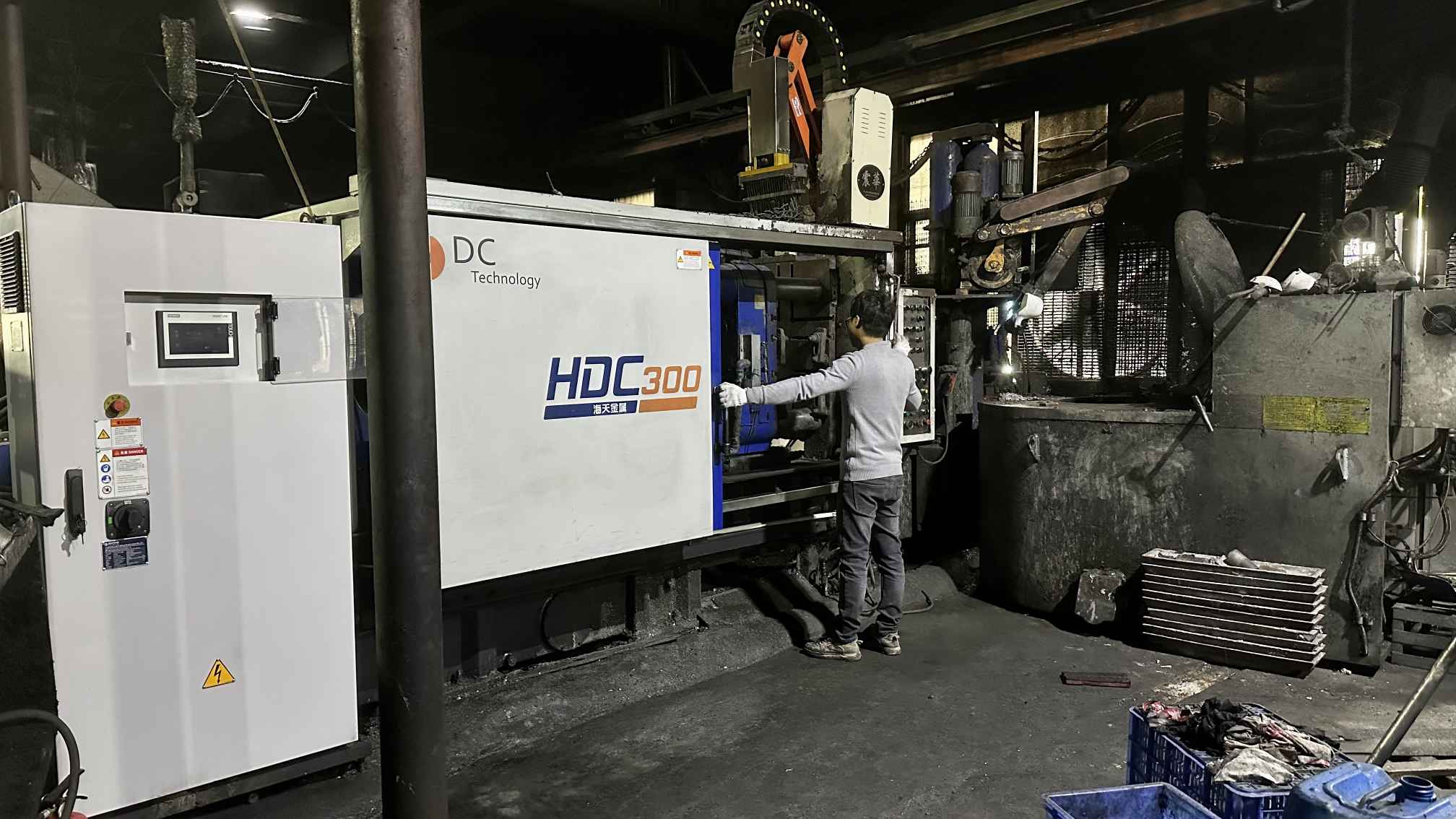

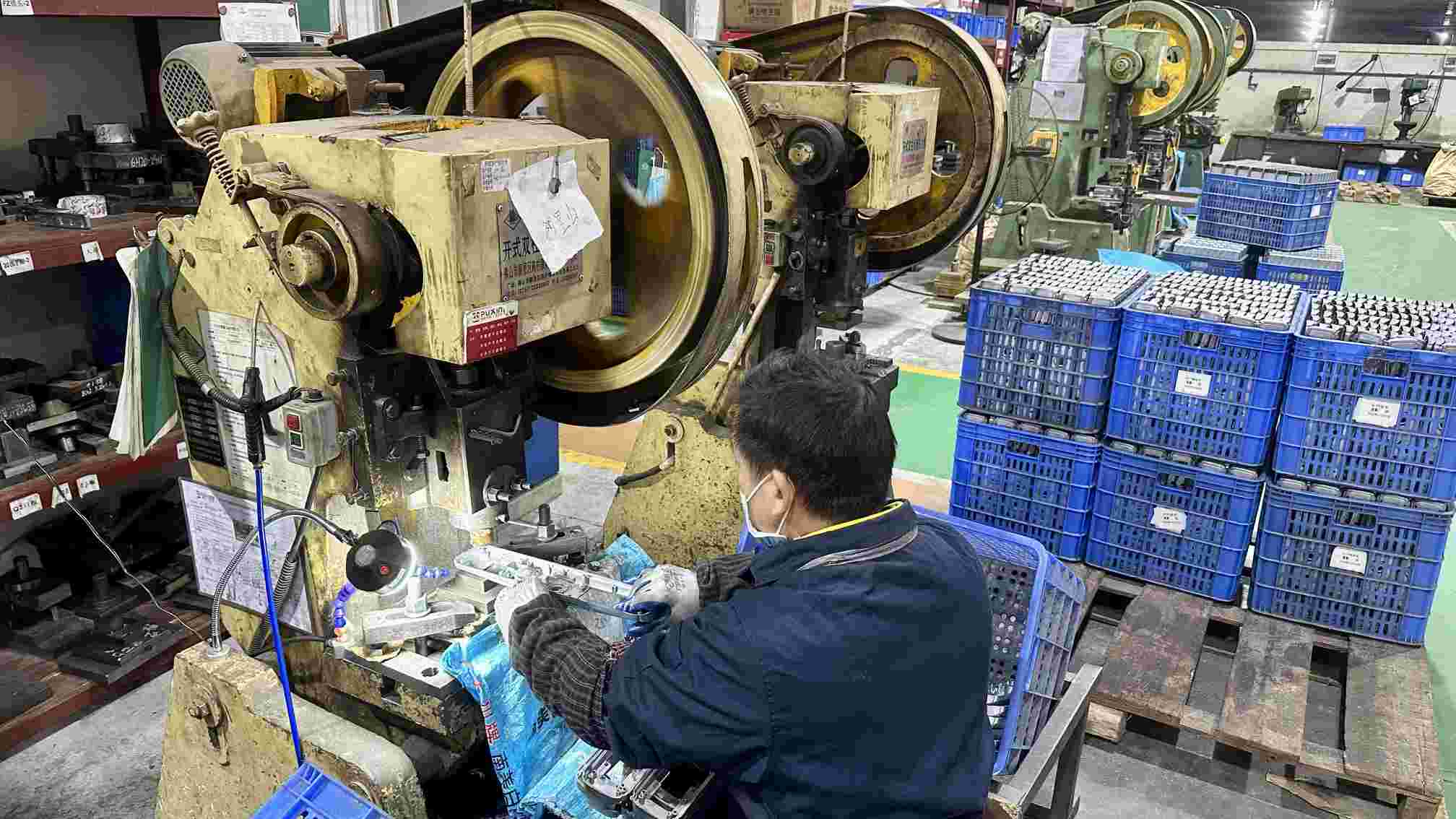
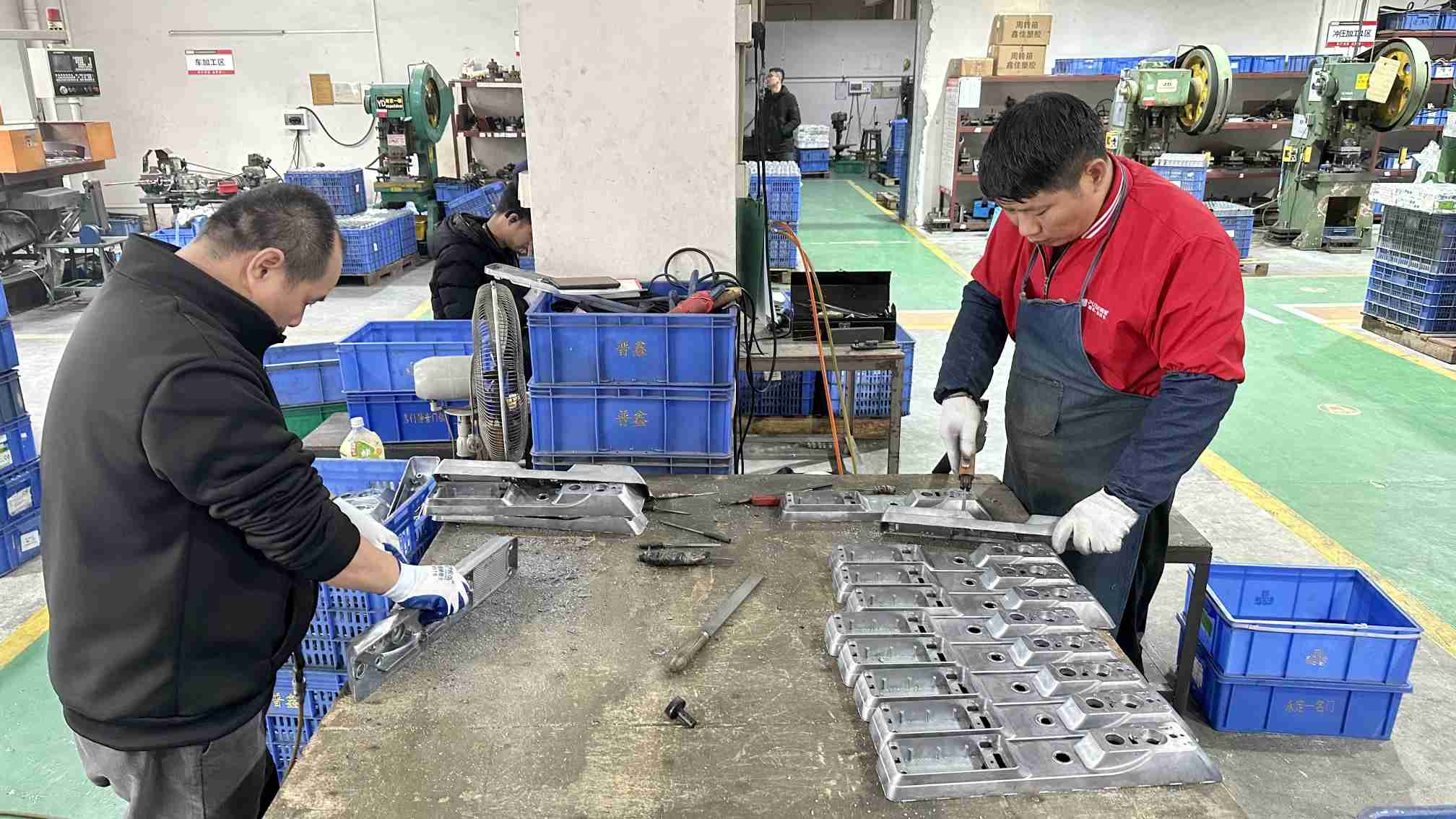
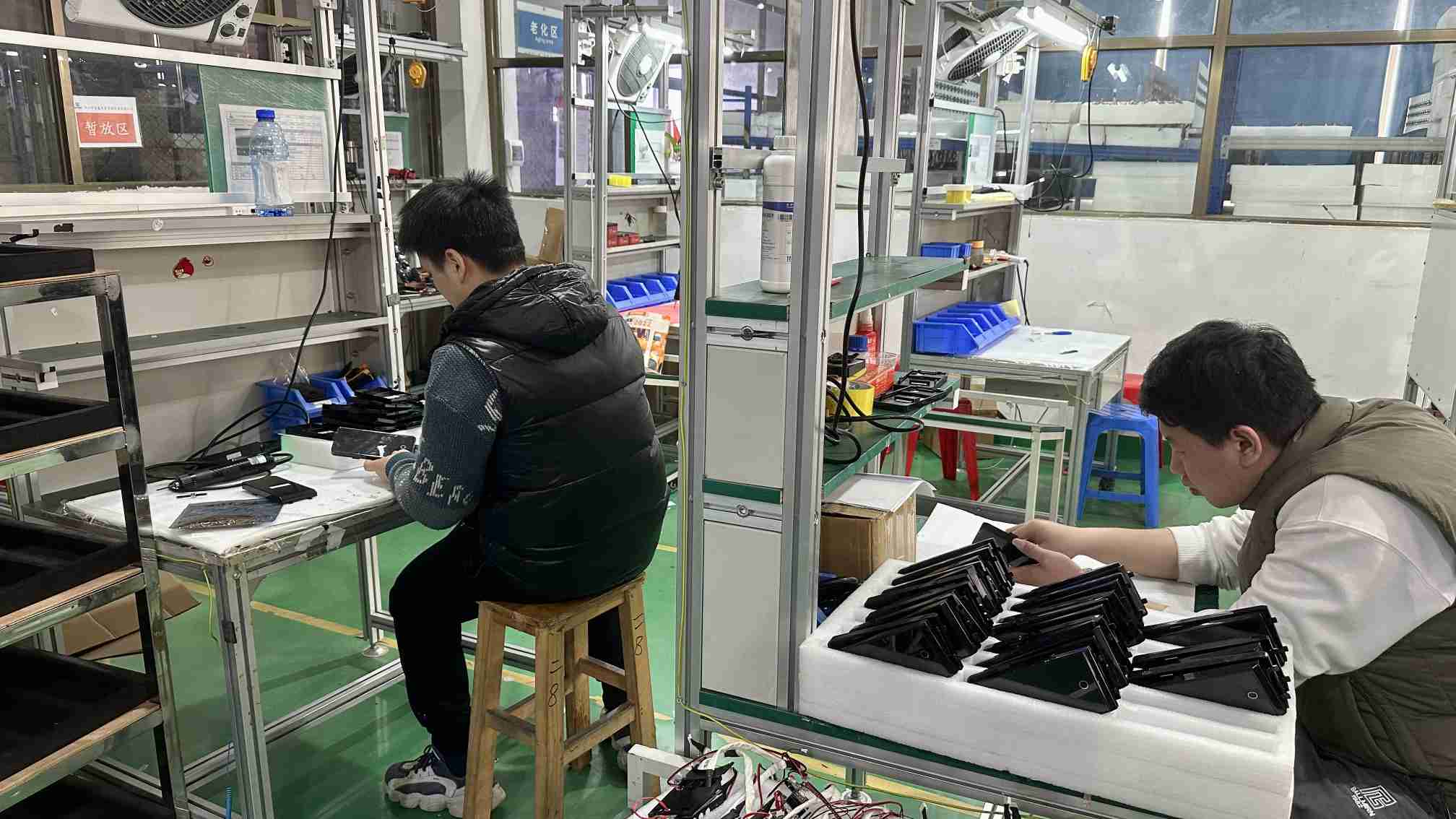
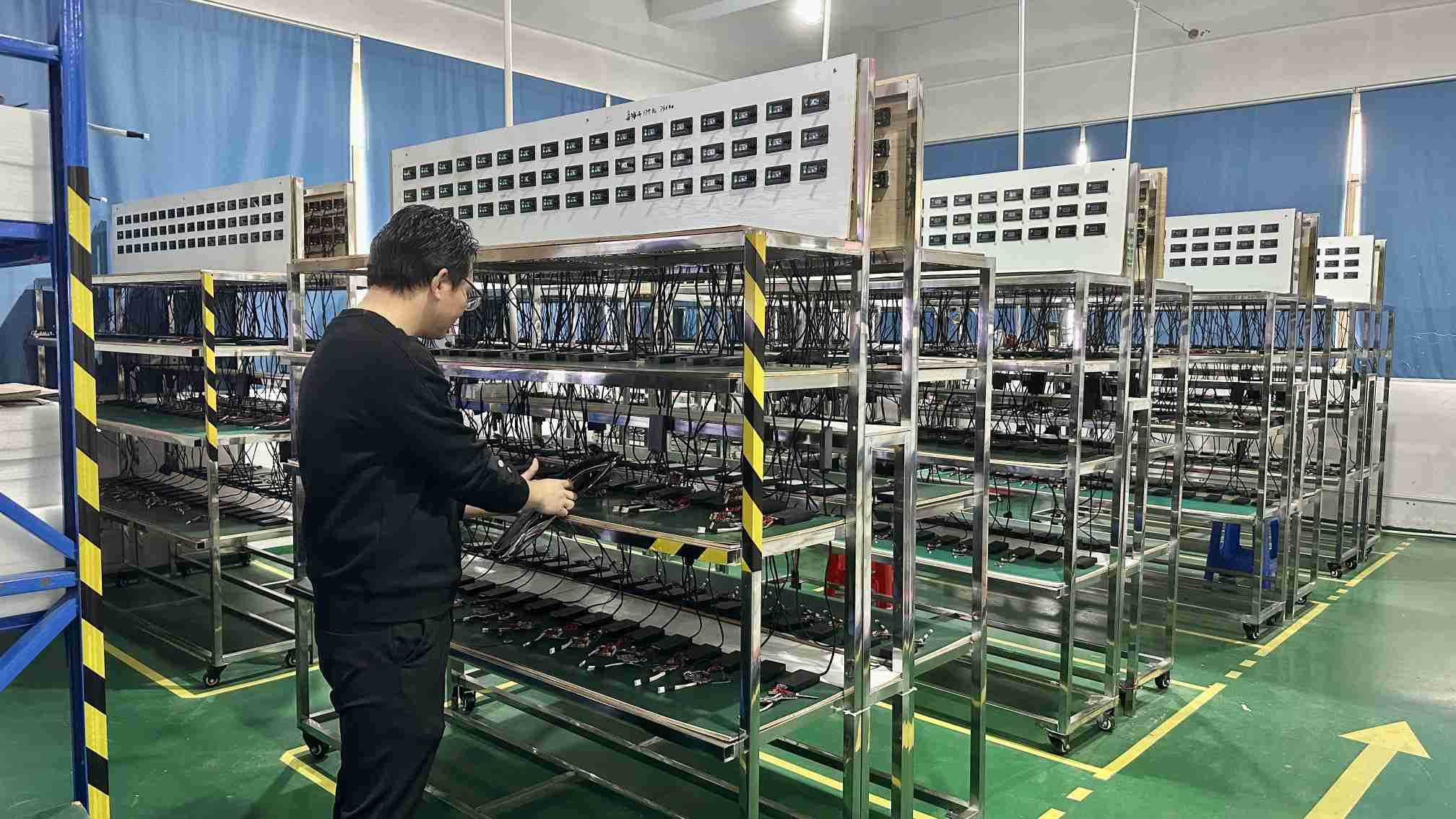
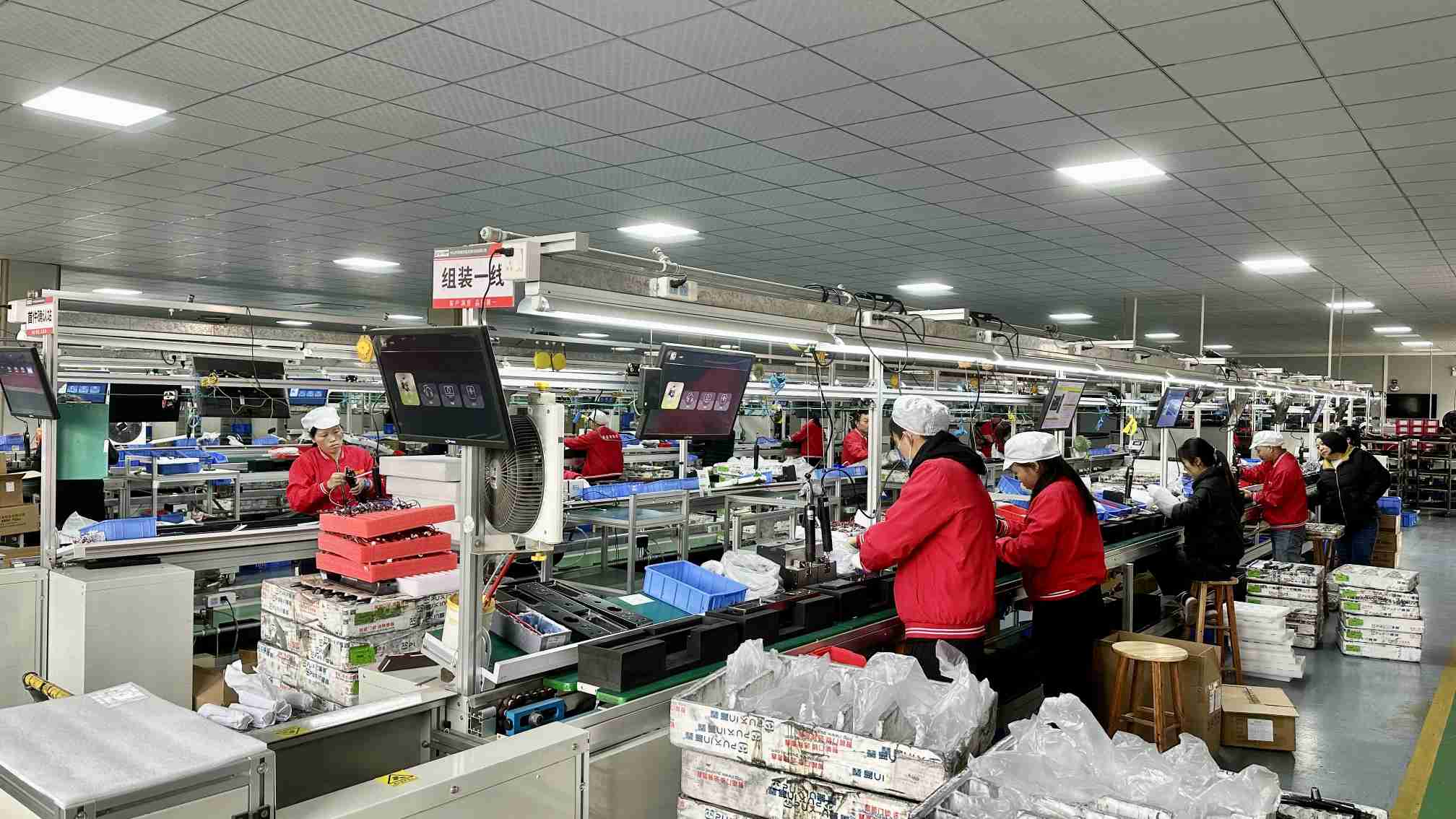
Our smart lock manufacturing process emphasizes quality control at each step. In the initial mould and pressure casting stages, structural integrity is established by forming zinc alloy and stainless steel components under precise temperatures. These casting procedures create durable housings resistant to physical forcing.
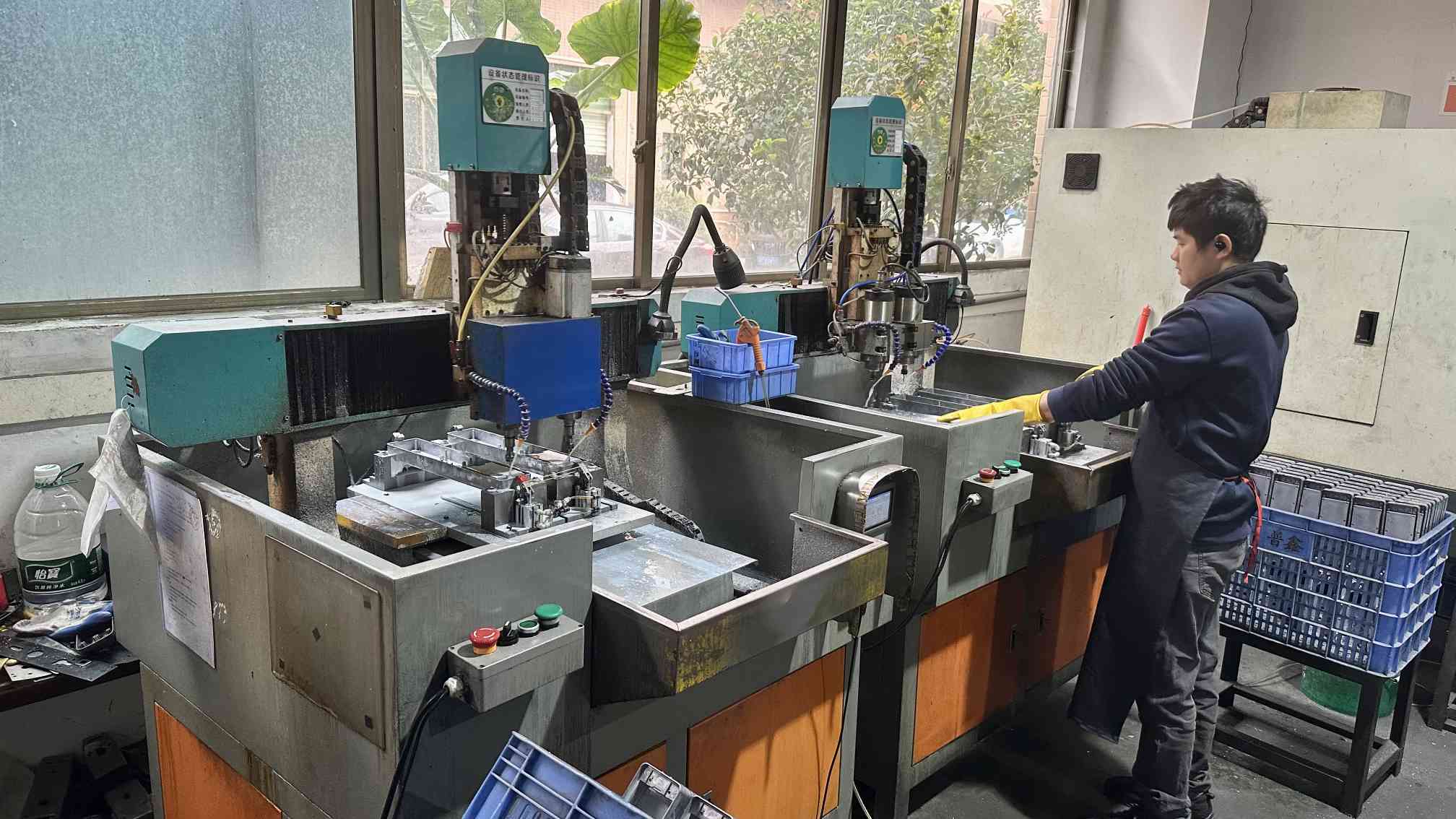
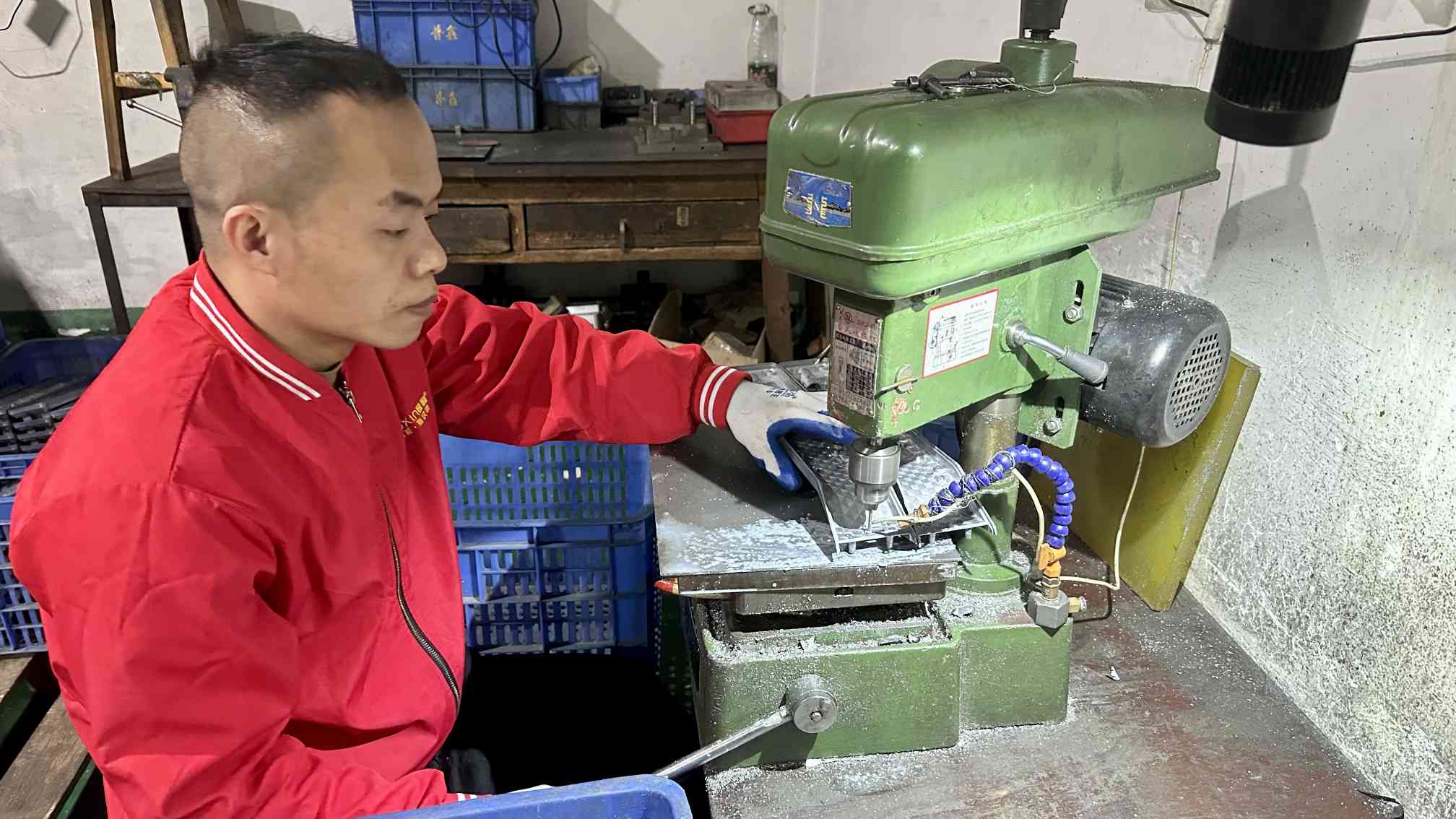
Following casting, components undergo multiple rounds of CNC machining, drilling, and polishing. CNC milling ensures dimensional tolerances within microns, allowing parts to assemble cleanly. Polishing stages remove surface variations, preparing the metal for durable surface finishes that resist environmental oxidation. After sub-component parts assembly, electronic modules and PCBs undergo specialized aging testing. This step screens components under thermal and electrical stress before final assembly, ensuring stable field performance.
Exporting digital infrastructure requires rigorous compliance with environmental, radio, and physical security standards. At Wipan, we construct access hardware to meet global regulatory expectations, ensuring smooth customs processing and regional compliance.
Our CE certification validates conformity with the European Union's directives on electromagnetic compatibility (EMC), radio equipment safety, and mechanical durability. In addition, RoHS compliance verifies the absence of hazardous substances in our circuit layouts and structural elements, supporting environmental and occupational health safety goals.
| Standard Parameter | Testing Criteria |
|---|---|
| Radio (EN 300 328) | Stable 2.4GHz BLE & Wi-Fi emissions control. |
| Mechanical Life | >100,000 continuous lock/unlock cycles. |
| ESD Resilience | Resistant to air discharges up to 15kV. |
| Thermal Range | Operational from -25°C up to +70°C. |
Key criteria to evaluate when auditing smart lock manufacturers and factories for international deployment.
Ensure the manufacturer provides documented SDKs, BLE communication protocols, and cloud APIs to integrate locks directly with your platform or PMS.
Request lifetime mechanical test reports. Mortise assemblies should achieve Grade 1 certifications (100,000+ operations) to minimize long-term maintenance costs.
Check if the PCBs are coated with a moisture-resistant protective layer to protect the electronics against humidity, condensation, and corrosion.
Ensure designs include emergency power ports (such as USB-C connections) alongside mechanical key backups to prevent lockouts during power failures.
Technical answers regarding smart lock hardware engineering, integration, and factory sourcing.
 Wipan Lock