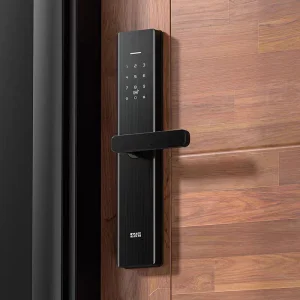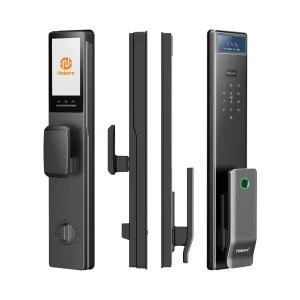
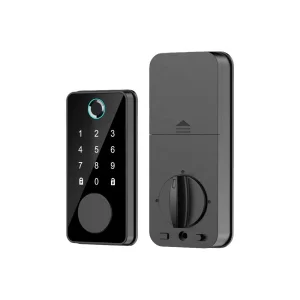
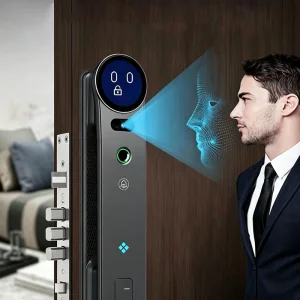
The global security door lock industry is undergoing a structural transition driven by digital transformation, IoT infrastructures, and stringent construction regulations. Historically, physical security relied solely on mechanical robustness. Modern developments in structural engineering and electronic integrations have redefined access control systems. Security locks are no longer isolated barriers; they serve as critical edge terminals in interconnected IoT building management systems (BMS).
According to market indicators, the international smart lock and high-security lock market is projected to reach USD 8.5 billion by 2030, exhibiting a compound annual growth rate (CAGR) of over 12%. This growth is primarily fueled by rising smart home adoption, modernization of commercial office complexes, and compliance criteria in developed nations. Specifically in Europe and North America, regulatory mandates for commercial and multi-family buildings necessitate security solutions that provide verifiable, audit-ready resistance to forced entry, mechanical stress, fire hazards, and cybersecurity threats.
For security door locks distributed within the European Economic Area (EEA), the CE Certification (Conformité Européenne) is not merely a marketing attribute; it is a legal requirement. Compliance with the European Union's Construction Products Regulation (CPR - Regulation No 305/2011) and directives such as the Low Voltage Directive (LVD) and Radio Equipment Directive (RED) for smart electronic locks is mandatory.
CE marking verifies that the hardware conforms to harmonized European Standards (EN). For mechanical and electromechanical locks, the reference standards are EN 12209 (for mechanical locks) and EN 14846 (for electromechanical locks). These standards classify locks based on an 8 or 9-digit coding system, defining durability, door mass, fire resistance, safety, corrosion resistance, physical security level, and key-related security.
As a specialized high-security developer, Shenzhen Wipan Lock Co., Ltd. implements these metrics from initial R&D through final physical stress testing. By aligning production engineering with these global standards, we provide system integrators, developers, and distributors with hardware that reduces compliance risks and liabilities.
Shenzhen Wipan Lock Co., Ltd. is a developer and manufacturer of smart locking systems and access control solutions. With extensive experience in the electronic lock industry, Wipan has become a trusted partner for hotels, apartments, offices, educational institutions, healthcare facilities, commercial buildings, and residential projects worldwide.
We provide not only high-quality smart lock products but also comprehensive OEM/ODM solutions tailored to our customers’ specific requirements. From product design, research and development, manufacturing, quality control, and branding support to market analysis and after-sales service, we help our partners build competitive advantages and expand their business footprint in local and international markets.
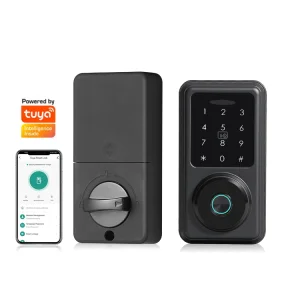
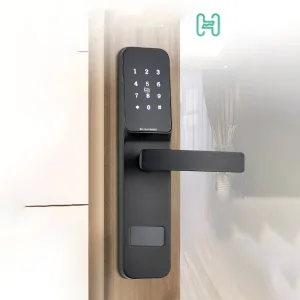
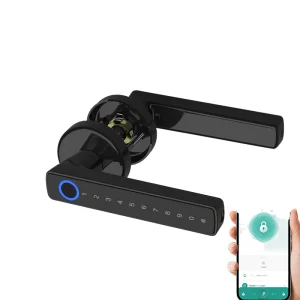
Driven by innovation and technology, Wipan continuously invests in advanced manufacturing equipment, intelligent production processes, and product development to ensure reliable performance, enhanced security, and user-friendly operation. Our product range includes smart door locks, hotel lock systems, fingerprint locks, password locks, RFID card locks, Bluetooth locks, TTLock solutions, and customized access management systems.
To create smarter, safer, and more convenient access solutions for people around the world through continuous innovation and superior quality.
At Wipan, our greatest asset is our people. Our experienced engineers, designers, production specialists, and customer service professionals work together to deliver innovative security solutions.
We believe successful partnerships are built on trust, collaboration, and mutual growth. By maintaining open communication and understanding unique regional requirements, we deliver flexible solutions that keep businesses competitive in a rapidly evolving smart security market.
Wipan's factory processes raw metallic components into micro-engineered electronic locksets, ensuring full traceability and alignment with CE quality benchmarks.
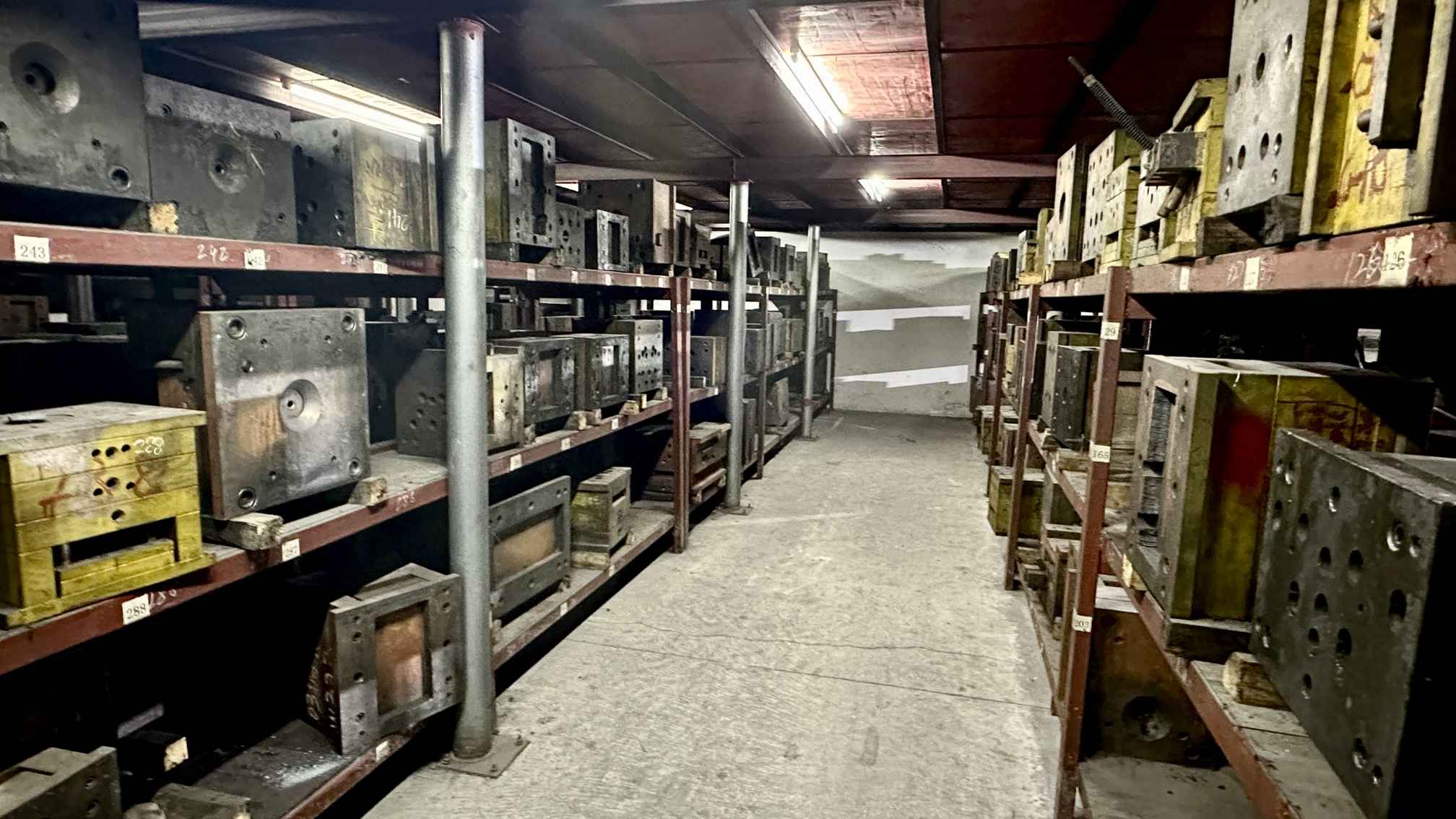
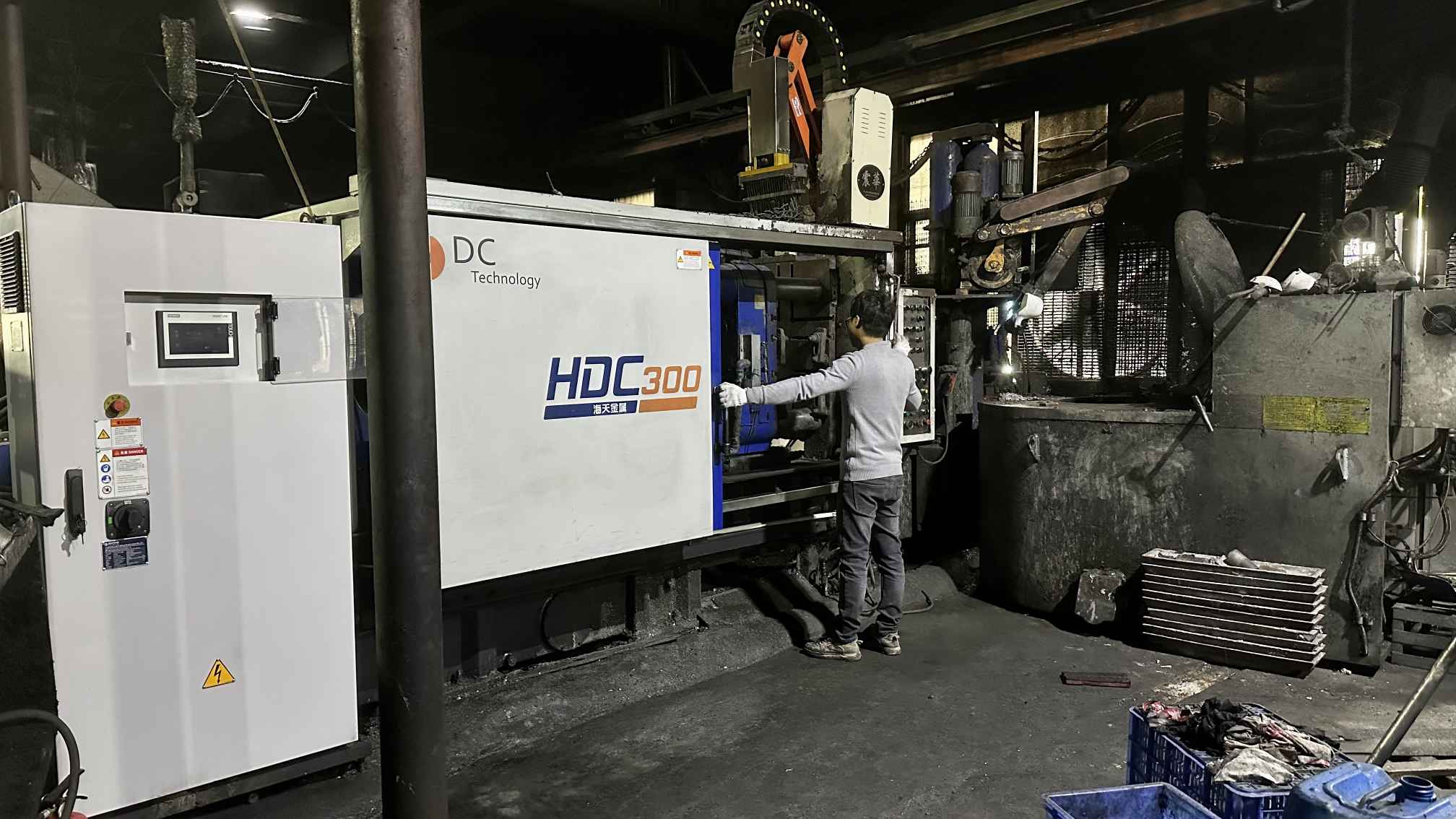

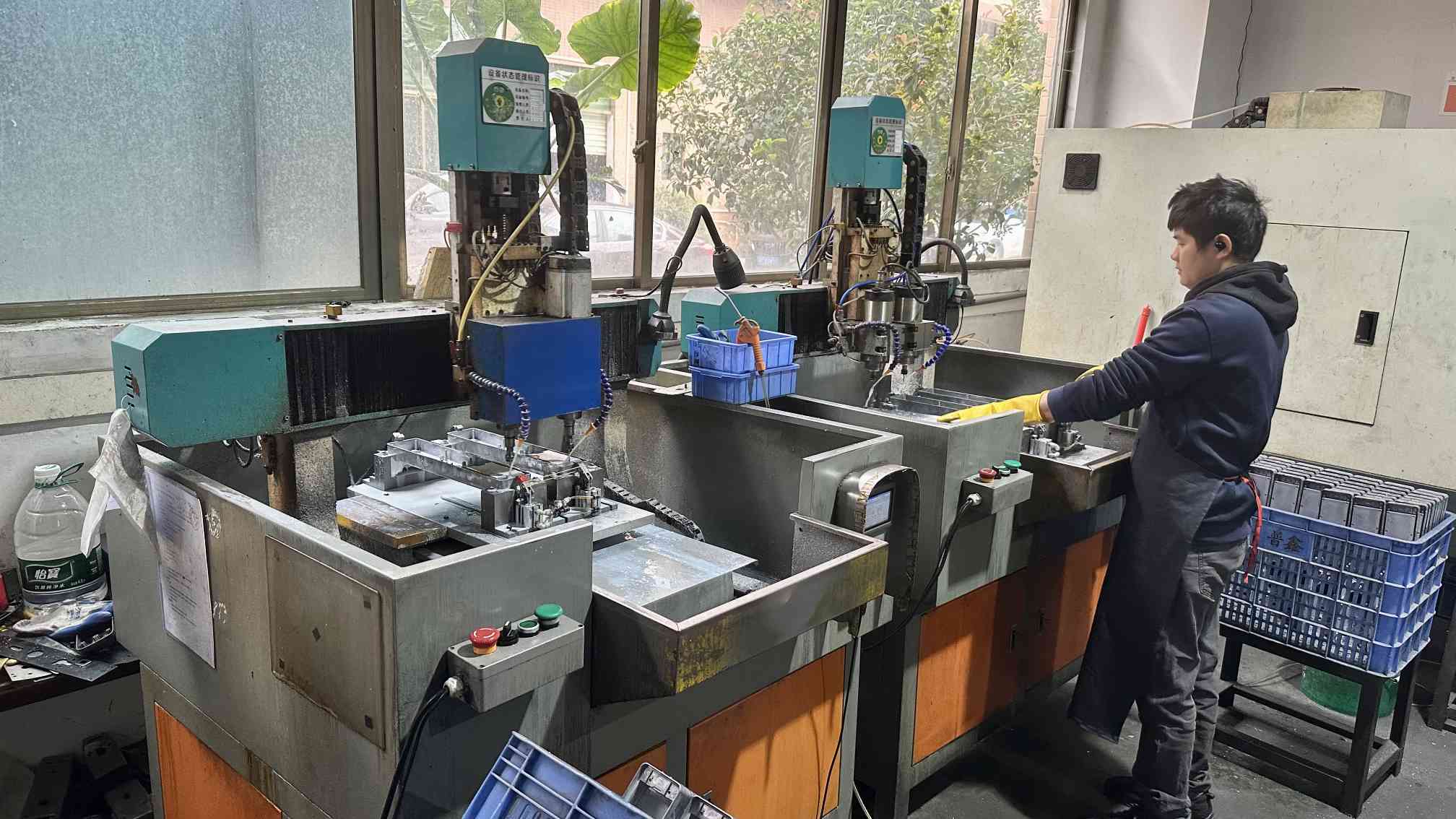
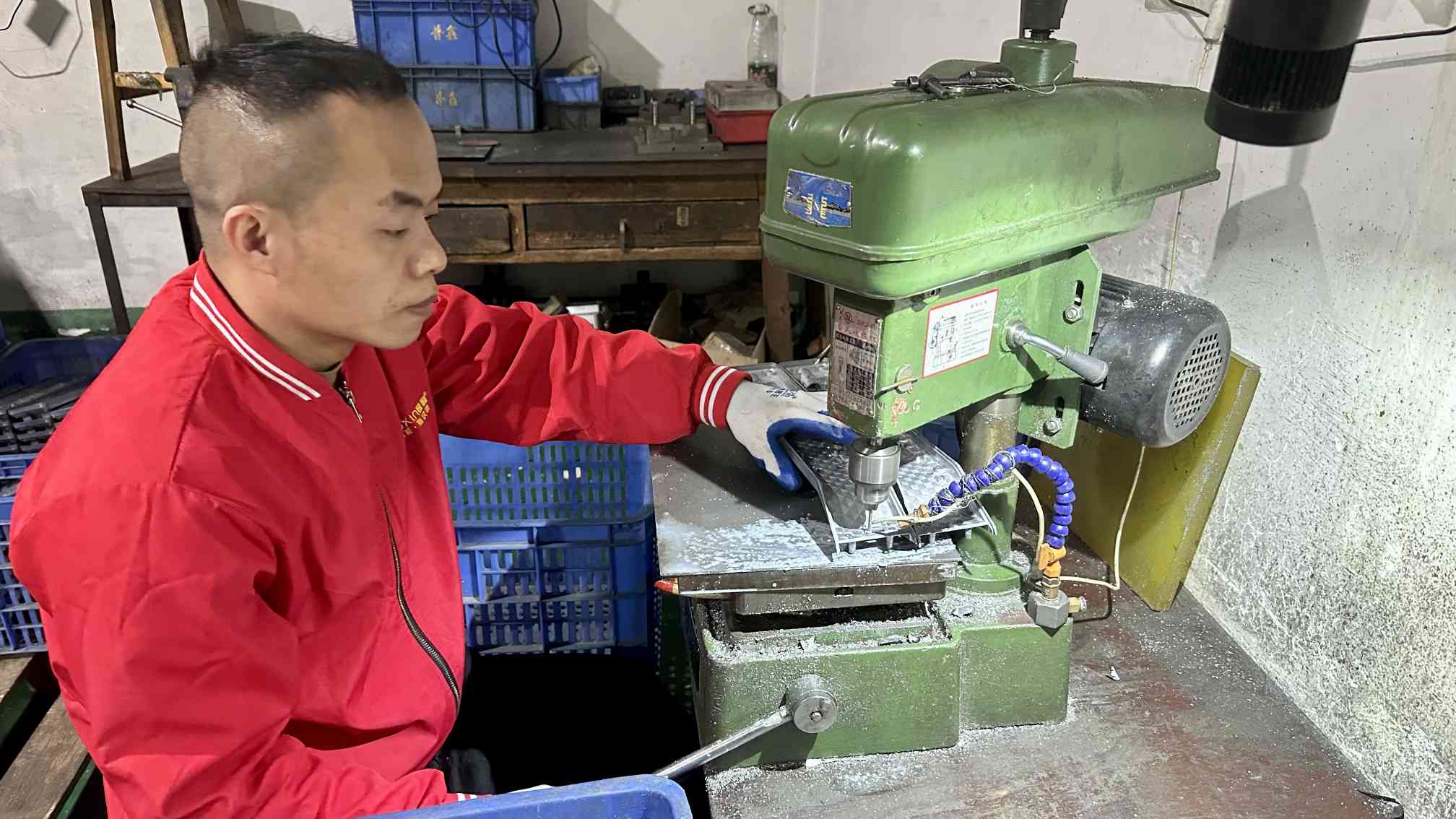
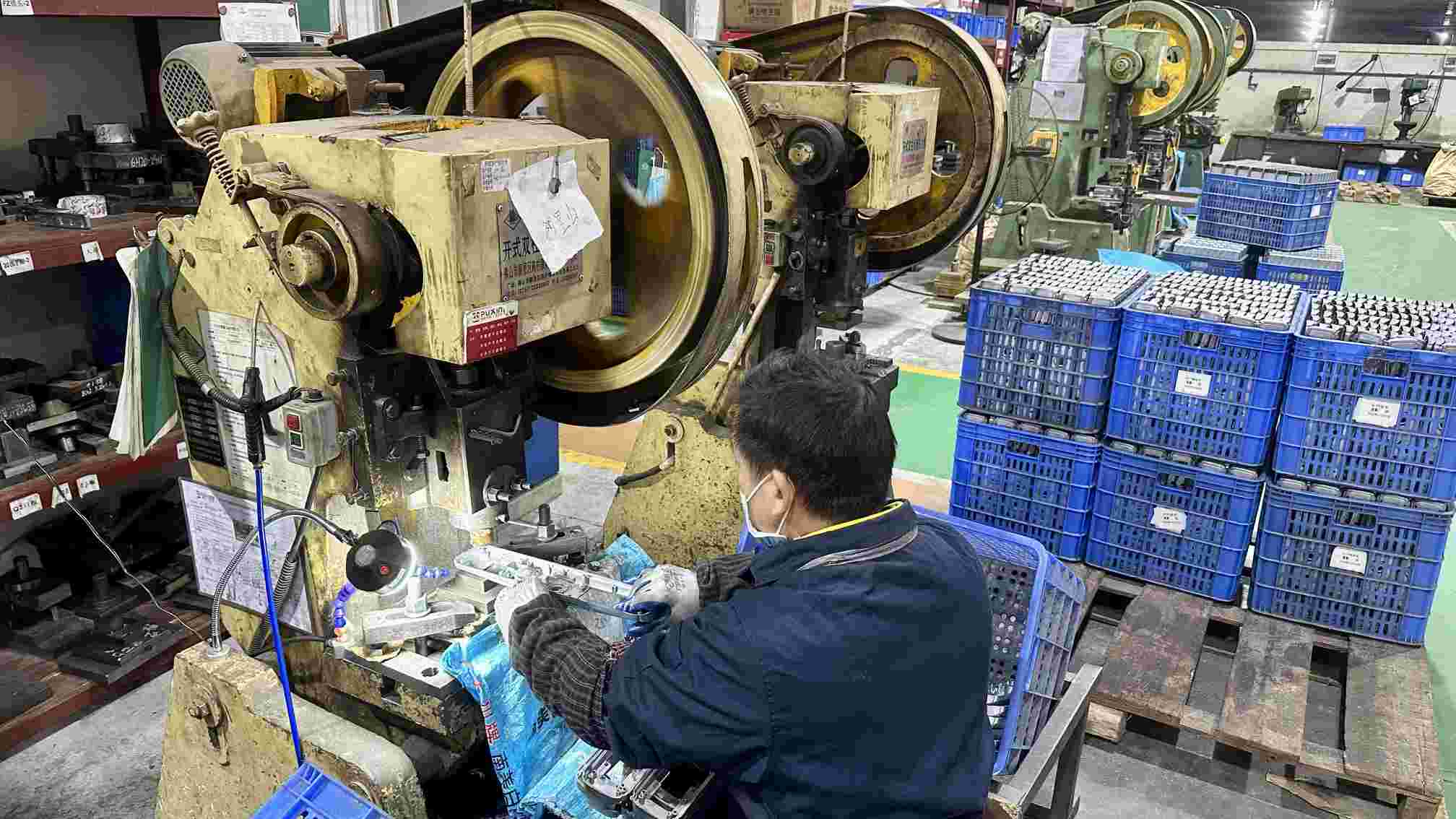
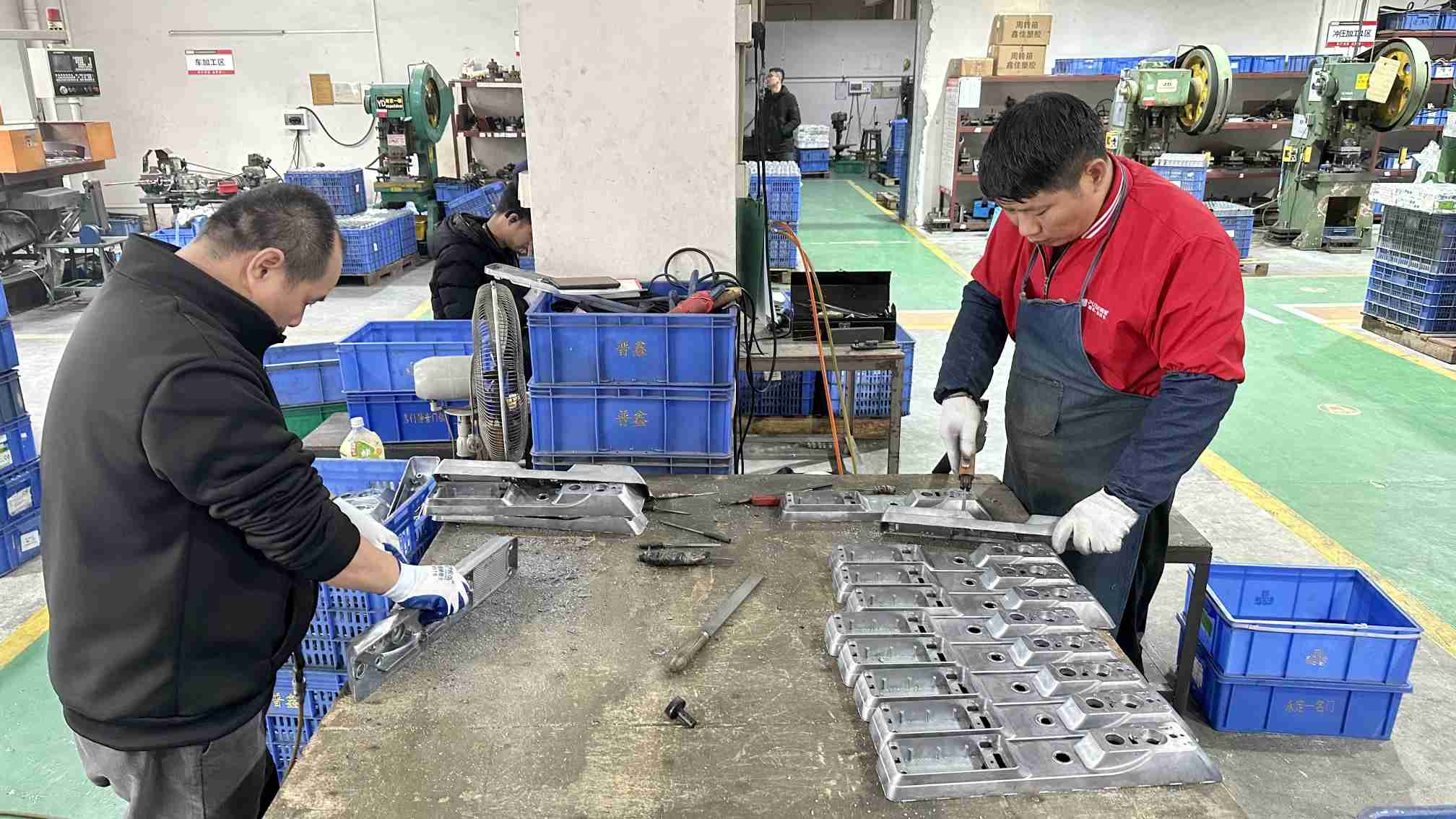
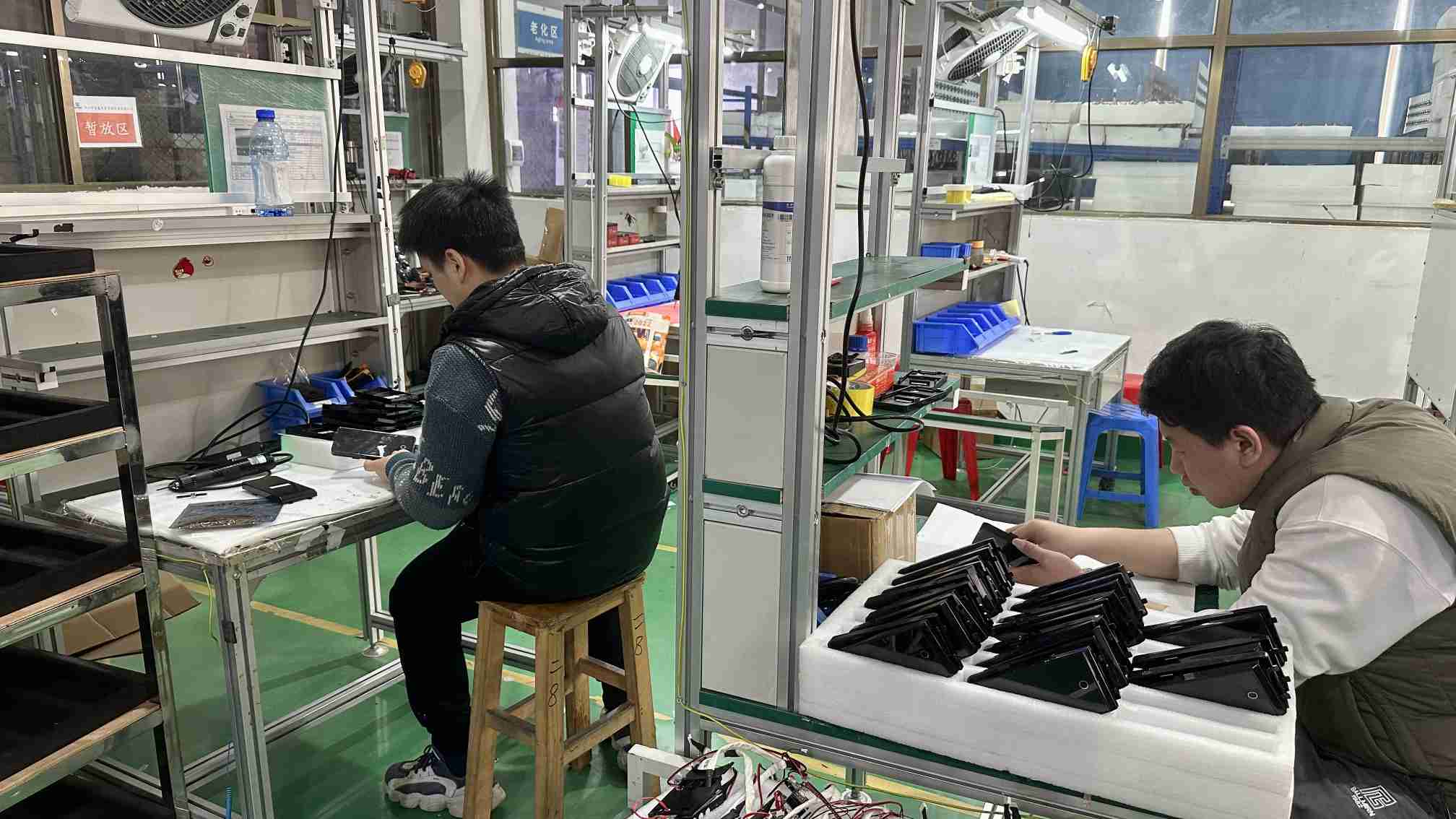
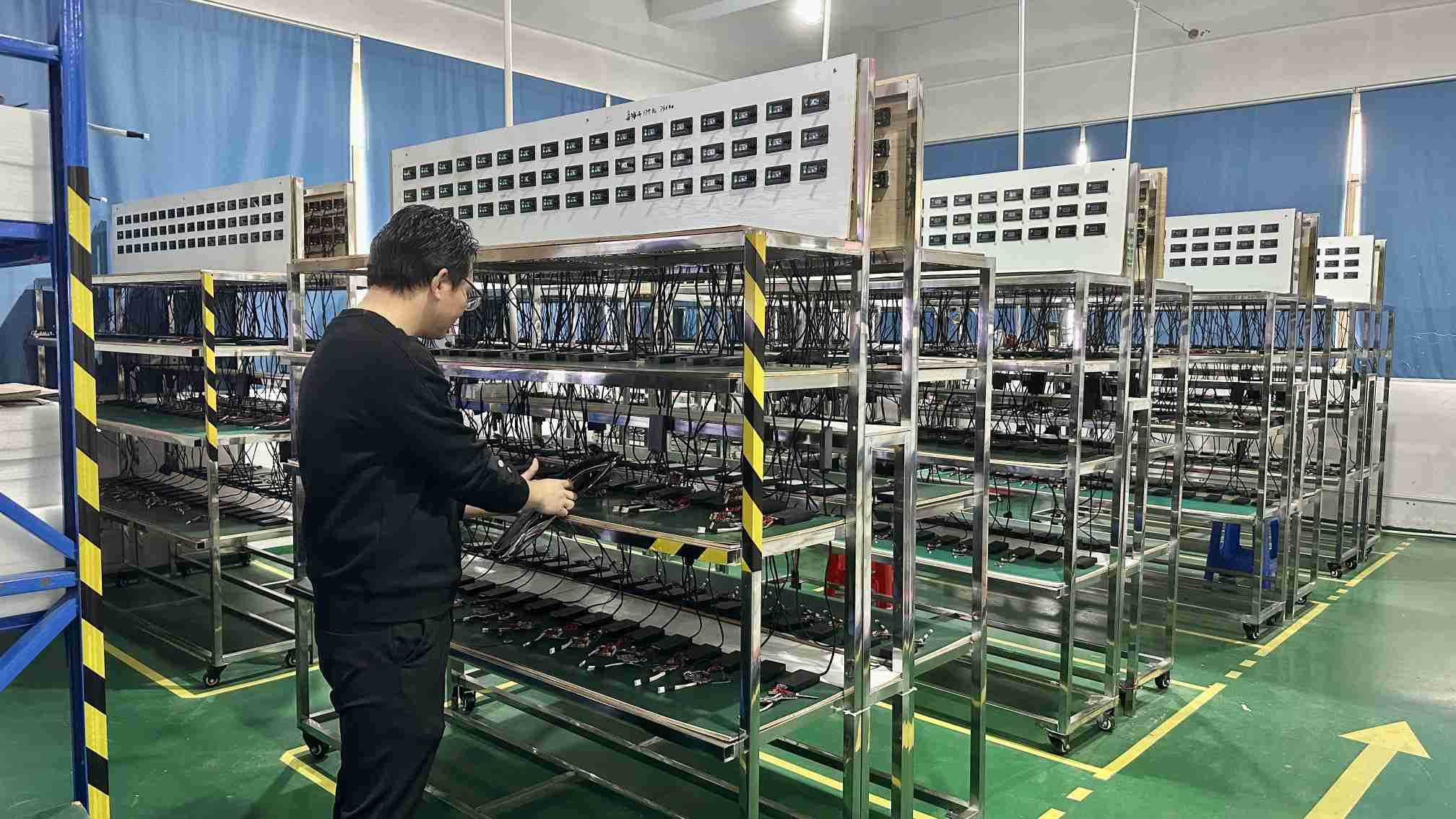
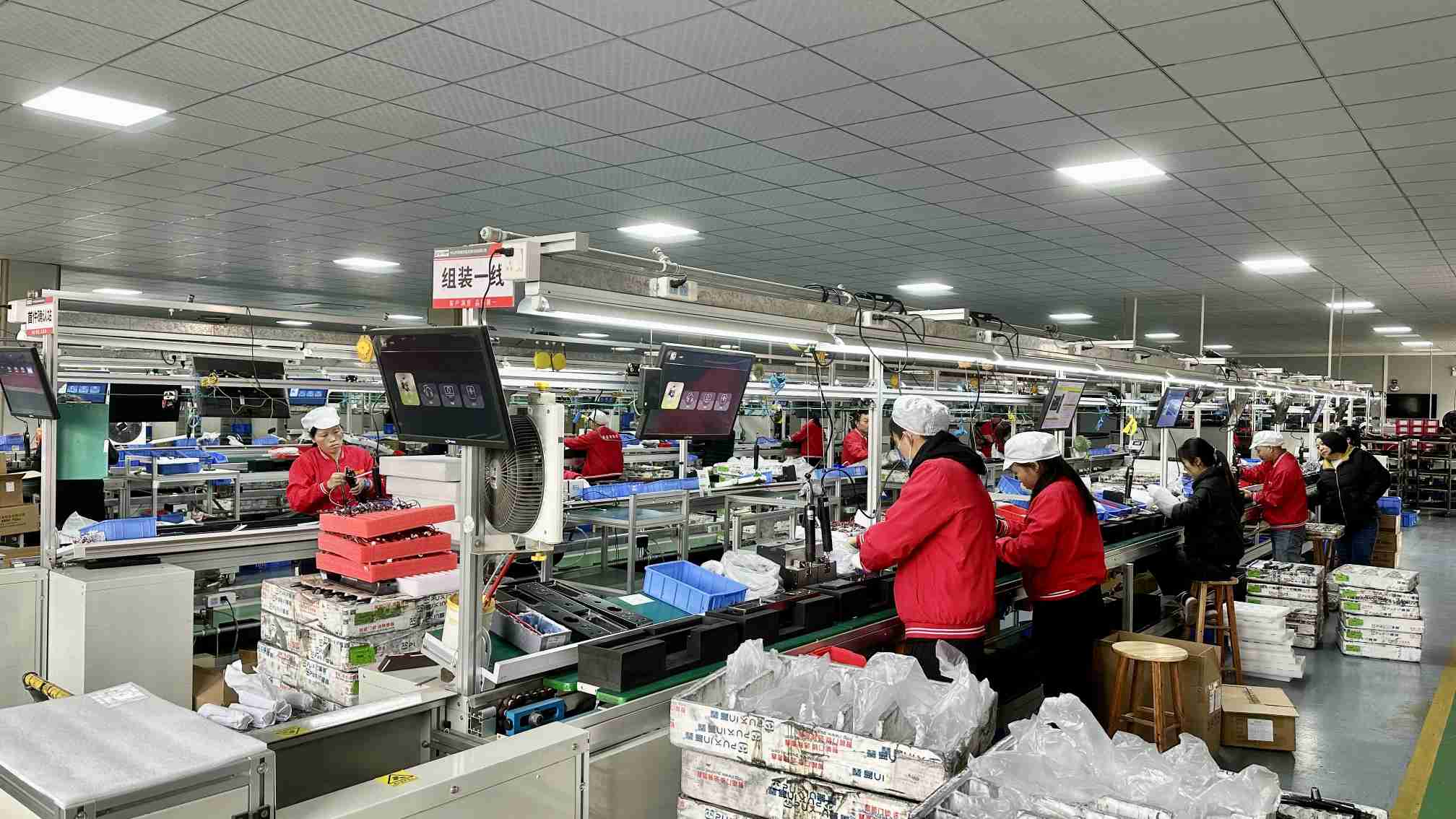
Each production phase is monitored by our QA protocols. In Mould Fabrication & Pressure Casting, high-density zinc alloys are formed under high pressure to prevent microscopic cavities and internal air pockets, which could compromise mechanical integrity. Precision machining via high-speed CNC systems ensures tolerance thresholds within ±0.02mm, providing seamless interaction between internal clutches and locking gear assemblies.
Critical attention is directed toward the Aging Test phase. Every electronic lock assembly undergoes 24 to 72 hours of cyclic voltage and activation stress. This tests the durability of the circuit boards, drive motors, and authentication chips under varied electrical load scenarios, verifying their performance prior to packaging and dispatch.
How smart locking devices are evolving to meet the demands of network security, biometric integration, and structural requirements.
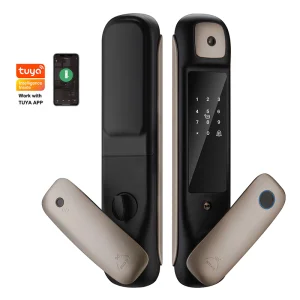
Integration of 3D structured light facial scanning, palm vein mapping, and BLE/Wi-Fi dual-protocol chips. Compatibility with Tuya, TTLock, and proprietary cloud platforms for remote monitoring and OTP credential generation.
Transitioning smart locks to the global unified Matter standard, allowing local interconnectivity without cloud dependency. Implementing edge biometric calculation to accelerate authorization times under 0.2 seconds.
R&D into kinetic-energy harvesting mechanisms within the handle rotation, combined with low-energy wireless technologies, minimizing battery reliance in high-frequency commercial environments.
Addressing regional standards, door specifications, and usage profiles globally.
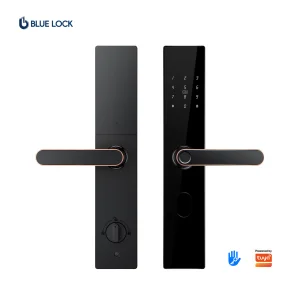
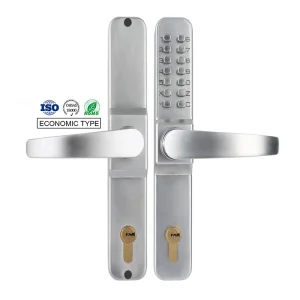
Designed for slim-profile aluminum and wooden doors common in Europe. Fully compatible with Euro-profile mortise locks (such as 85mm or 92mm center distances). Designed to meet EN 179 and EN 1125 requirements for emergency escape functionality, featuring immediate emergency mechanical escape capability even when electronically locked.
Adapts to standard 2-3/8 inch (60mm) or 2-3/4 inch (70mm) backsets. Integrates ANSI Grade 2 mechanical components to withstand external forced entry attempts. Features smart mechanical key overrides and Z-Wave/Zigbee support for integration into regional security networks.
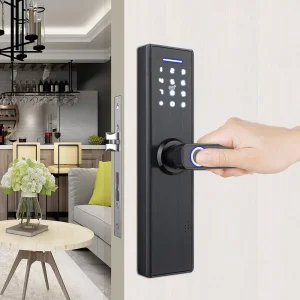
Optimized for high-density multi-tenant residential complexes and commercial office spaces. Features multiple unlock modes (fingerprint, card, password, app control) and multi-tiered user management, allowing building managers to monitor access logs and update permissions dynamically.
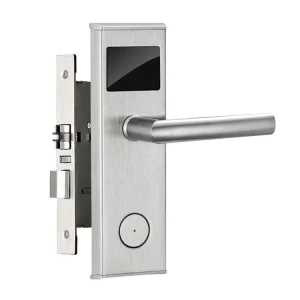
Standardizing physical access credentials in hospitality is critical to operational efficiency. Wipan integrates RFID T57 and M1 card solutions alongside temporary mobile-based e-keys. Our software integrates with Property Management Systems (PMS) via API, enabling automated keycard validation aligned with check-in and check-out times.
For distributed corporate offices, co-working spaces, and sensitive IT server rooms, centralized key management can create operational bottlenecks. Wipan's TTLock and Tuya systems enable decentralized, permission-based access control. Administrators can remotely assign access rights to employees, track precise entry logs, and revoke permissions instantly.
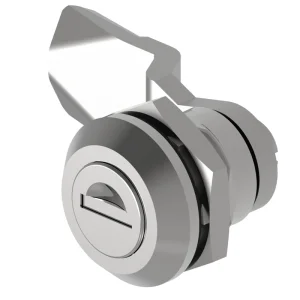
Logistics hubs and secure storage facilities require compact locking mechanisms. Wipan's 4G and Bluetooth-enabled Cabinet/Cam locks provide tracking capabilities for high-value storage, telecom enclosures, and postal lockers. Automated lock status signals are transmitted via cellular or mesh networks to centralized dashboards, reducing internal risk.
Modern residential developments require unified smart home connectivity. Wipan's range of smart locks integrates with smart speaker systems, security cameras, and ambient sensors. Homeowners can establish automated scenes—such as lighting activation and climate adjustments upon door unlock—using secure protocols to protect data privacy.
Detailed technical and regulatory answers for architectural developers, purchase directors, and system integrators.
Wipan's electromechanically operated smart locks conform to the harmonized EN 14846 standard, which governs safety, durability, and corrosion resistance of electronic locking mechanisms. Our mechanical locking mortises conform to the EN 12209 standard, ensuring the structural steel parts can withstand external forces.
Yes, specific models within our product line are tested in accordance with EN 1634-1 standards. These models are certified for use on fire-resisting doors (up to 60 or 120 minutes depending on the specific mortise and handle configuration chosen). They feature high-melting-point internal steel elements that keep the door securely latched during exposure to high heat.
All Wipan smart locks feature two physical override methods: a concealed mechanical key override (using high-security C-level key cylinders) and an external USB emergency power input port (Micro-USB or USB Type-C) to power the lock temporarily from a power bank.
Yes, Wipan provides comprehensive OEM and ODM solutions. Our capabilities cover architectural industrial design, functional PCB design, firmware alterations, custom app integration (TTLock/Tuya APIs), customized brand engraving, and custom packaging.
Our outdoor-rated smart locks feature silicone sealing rings, conformal-coated internal PCBs, and weather-resistant alloys, achieving an IP65 or IP66 rating. This protects the internal electronics from water spray, rain, and dust intrusion.
Our locks use local edge biometrics. Facial feature vectors and fingerprint templates are encrypted (using AES-256 equivalent keys) and stored directly on the lock's secure local processor rather than a cloud server, preventing unauthorized access.
 Wipan Lock