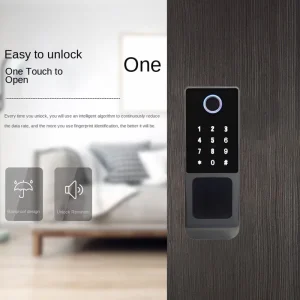
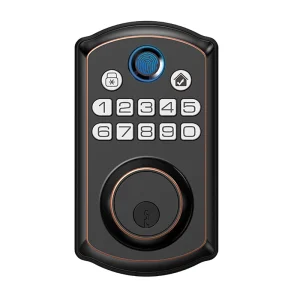
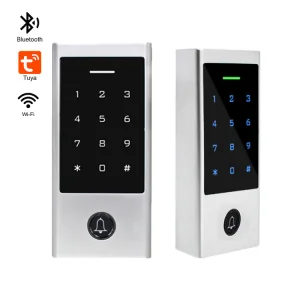
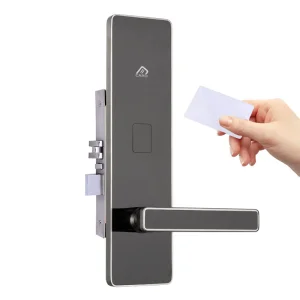
The global access control sector is experiencing an unprecedented technological migration from standalone mechanical cylinders to highly unified, cloud-based, and Internet Connected Locks (ICLs). According to recent B2B market intelligence, the demand for enterprise IoT-connected locking systems is expanding at a CAGR of over 18.2%. Modern enterprises no longer view locks as isolated mechanical barriers, but as vital edge-endpoints within their cloud-enabled security architectures. The convergence of Wi-Fi, Bluetooth Low Energy (BLE), Zigbee, Thread, and cellular IoT protocols has driven the global demand for remote access monitoring, seamless credential deployment, and real-time audit trails.
Industrial operations, logistics networks, multi-family housing complexes, and the global hospitality sector require physical access systems that integrate with enterprise resource planning (ERP) systems, property management systems (PMS), and human resource databases. China has established itself as the leading global center for smart hardware manufacturing, supplying over 70% of the world's internet-connected lock units. Selecting a partner like Shenzhen Wipan Lock Co., Ltd. allows international brands and security integrators to leverage structural manufacturing efficiencies alongside complex firmware-hardware co-design capabilities, ensuring robust data privacy, physical reliability, and firmware agility.
Connected locks enable facility managers to orchestrate global key distribution, provision remote credentials, and manage system status across multiple continents from a single, centralized dashboard.
By implementing AES-128/256 hardware encryption, secure boot configurations, and dynamic cryptographic handshakes, modern internet connected locks defend against local physical bypasses and remote cyber threats.
Modern commercial ecosystems rely on open APIs and robust Software Development Kits (SDKs) to link hardware status directly with booking platforms, HR onboarding systems, and facility management apps.
Shenzhen Wipan Lock Co., Ltd. is a professional manufacturer specializing in smart locking systems and access control solutions. With years of experience in the electronic lock industry, Wipan has become a trusted partner for hotels, apartments, offices, educational institutions, healthcare facilities, commercial buildings, and residential projects worldwide.
We provide not only high-quality smart lock products but also comprehensive OEM/ODM solutions tailored to our customers’ needs. From product design, research and development, manufacturing, quality control, and branding support to market analysis and after-sales service, we help our partners build competitive products and expand their business successfully in local and international markets.
Driven by innovation and technology, Wipan continuously invests in advanced manufacturing equipment, intelligent production processes, and product development to ensure reliable performance, enhanced security, and user-friendly experiences. Our product range includes smart door locks, hotel lock systems, fingerprint locks, password locks, RFID card locks, Bluetooth locks, TTLock solutions, and customized access management systems.
Today, Wipan products are exported to numerous countries and regions across Asia, Europe, the Middle East, Africa, North America, and South America, earning recognition for quality, durability, and excellent customer service.
At Wipan, our greatest asset is our people. Our experienced engineers, designers, production specialists, and customer service professionals work together with passion and dedication to deliver innovative security solutions.
We believe that successful partnerships are built on trust, collaboration, and mutual growth. By maintaining open communication and understanding our customers’ unique requirements, we are able to provide flexible solutions that help businesses stay ahead in a rapidly evolving smart security market.
Our team is committed to excellence in every stage of the process—from concept development and product engineering to manufacturing and technical support—ensuring that every product meets the highest standards of quality and reliability.
To create smarter, safer, and more convenient access solutions for people around the world through continuous innovation and superior quality.
Years of R&D Excellence
Countries Exported To
Active Lock Units Installed
Cloud Server Uptime Rate
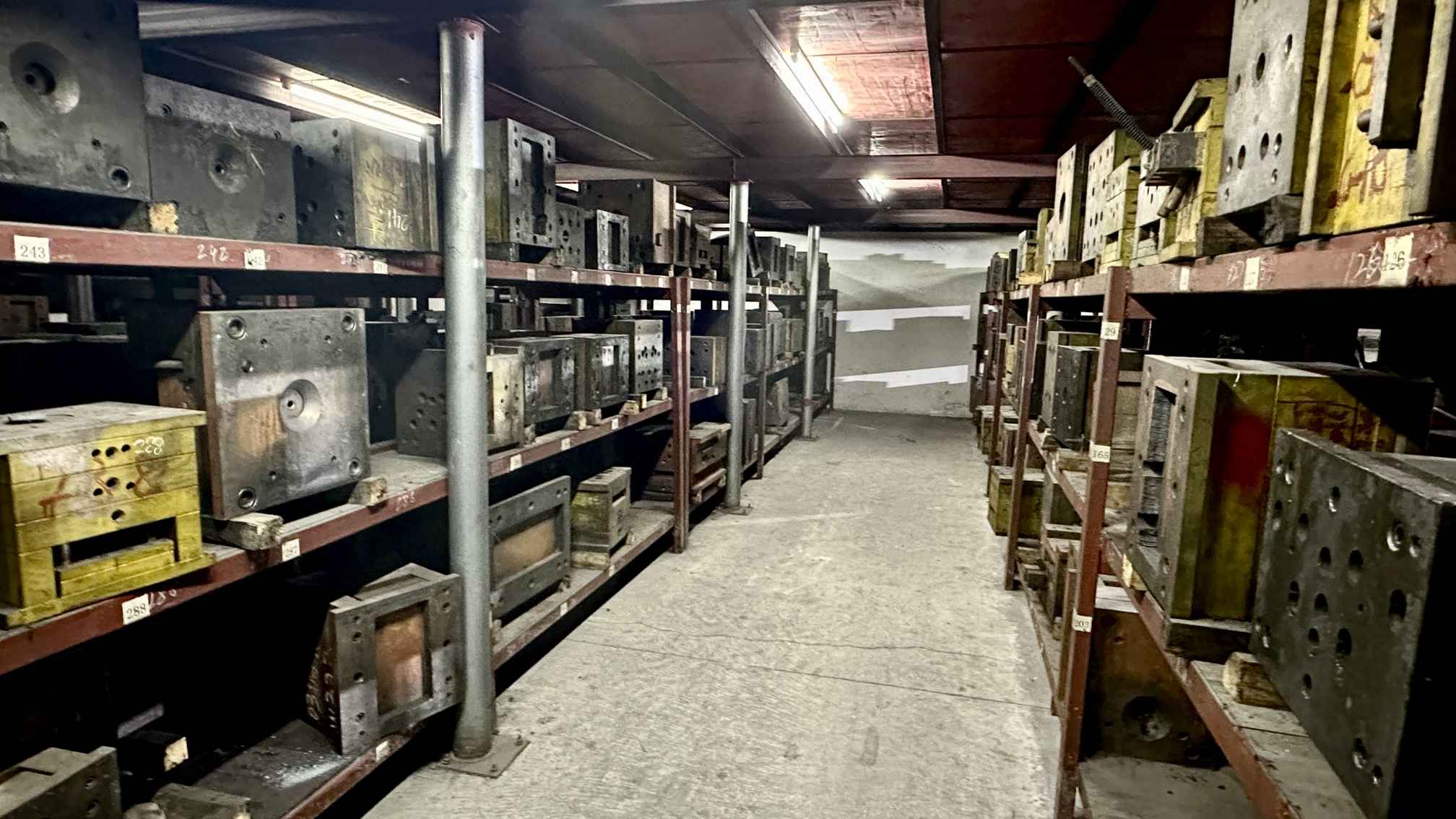
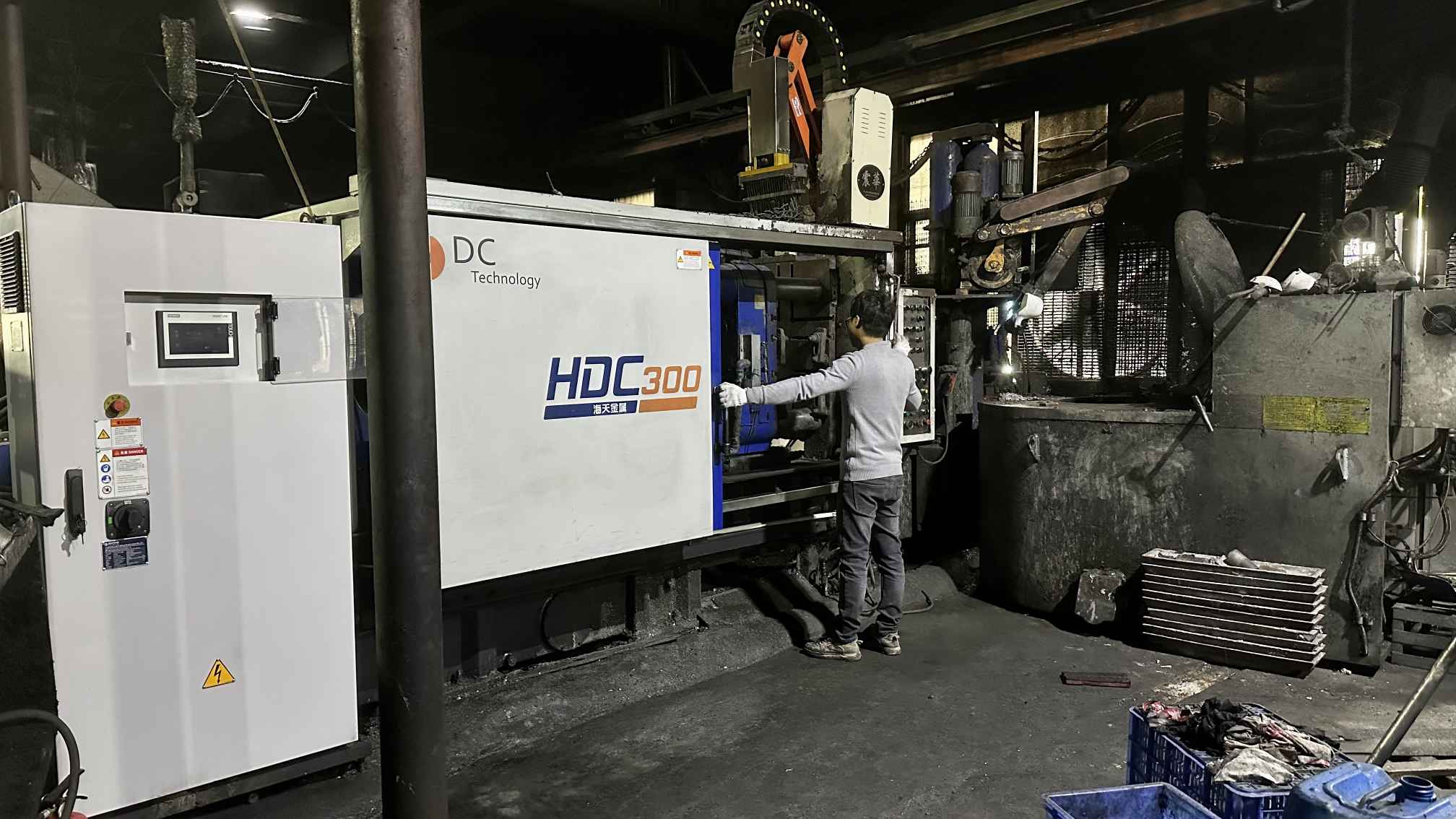
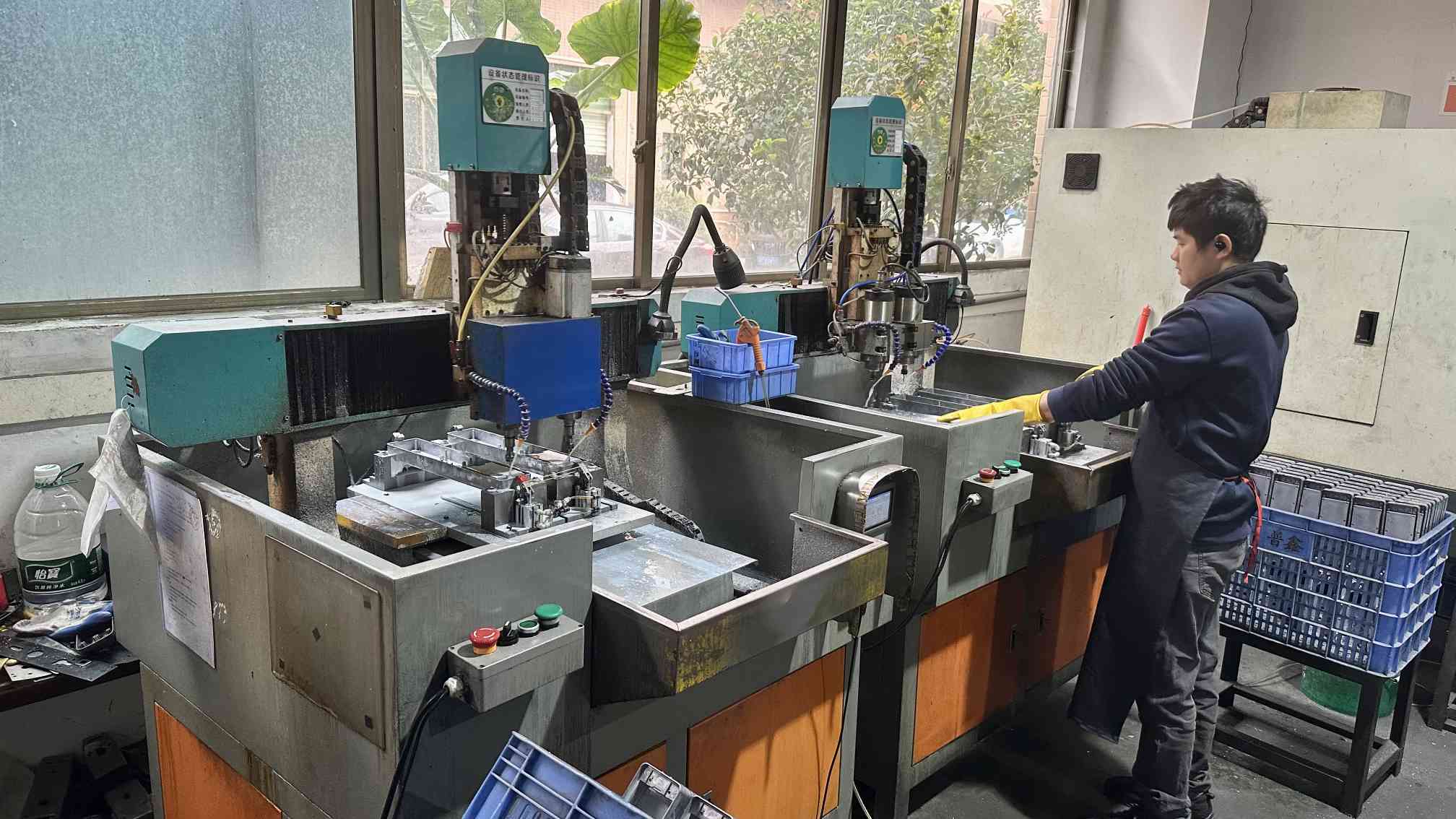
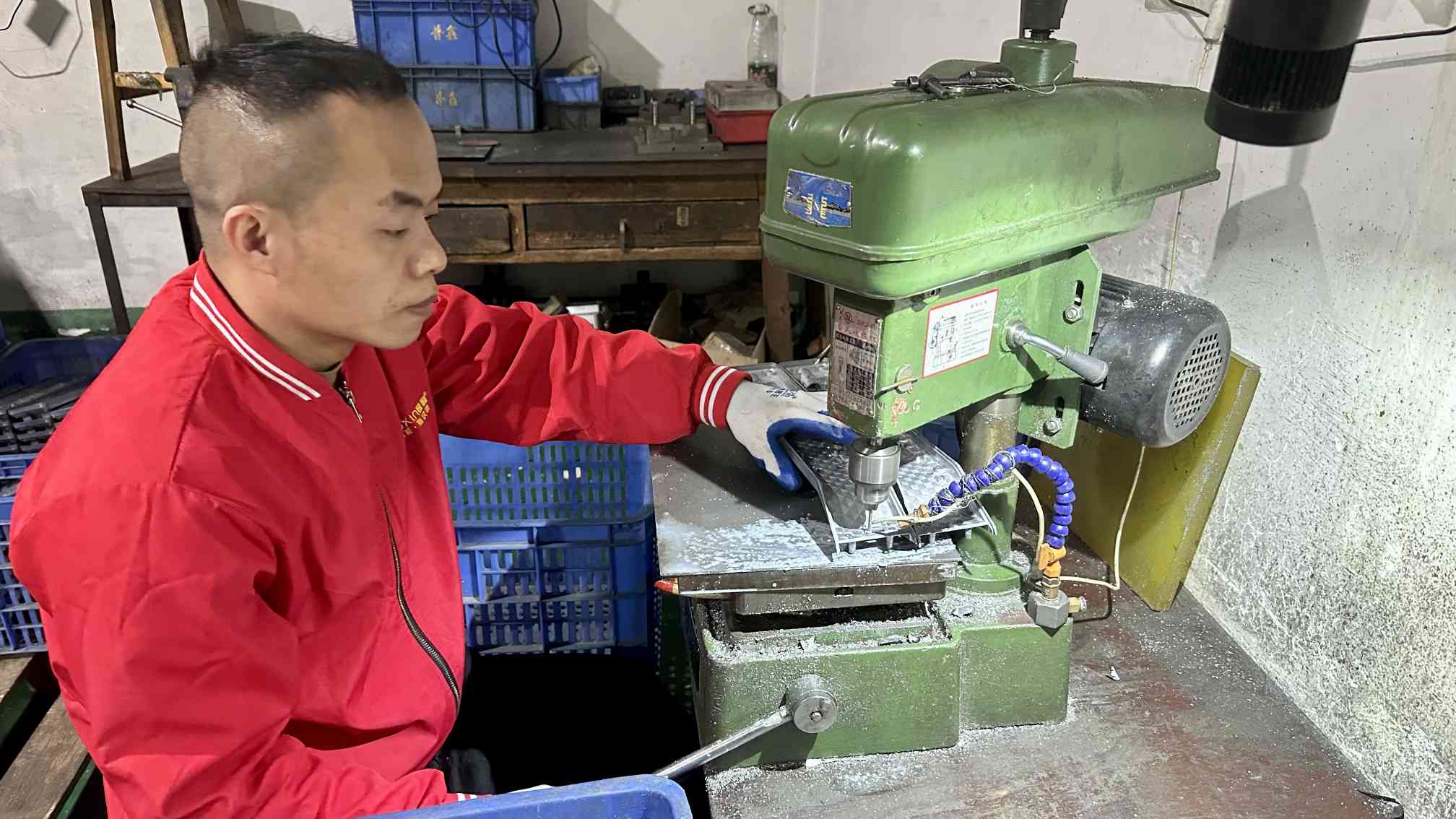
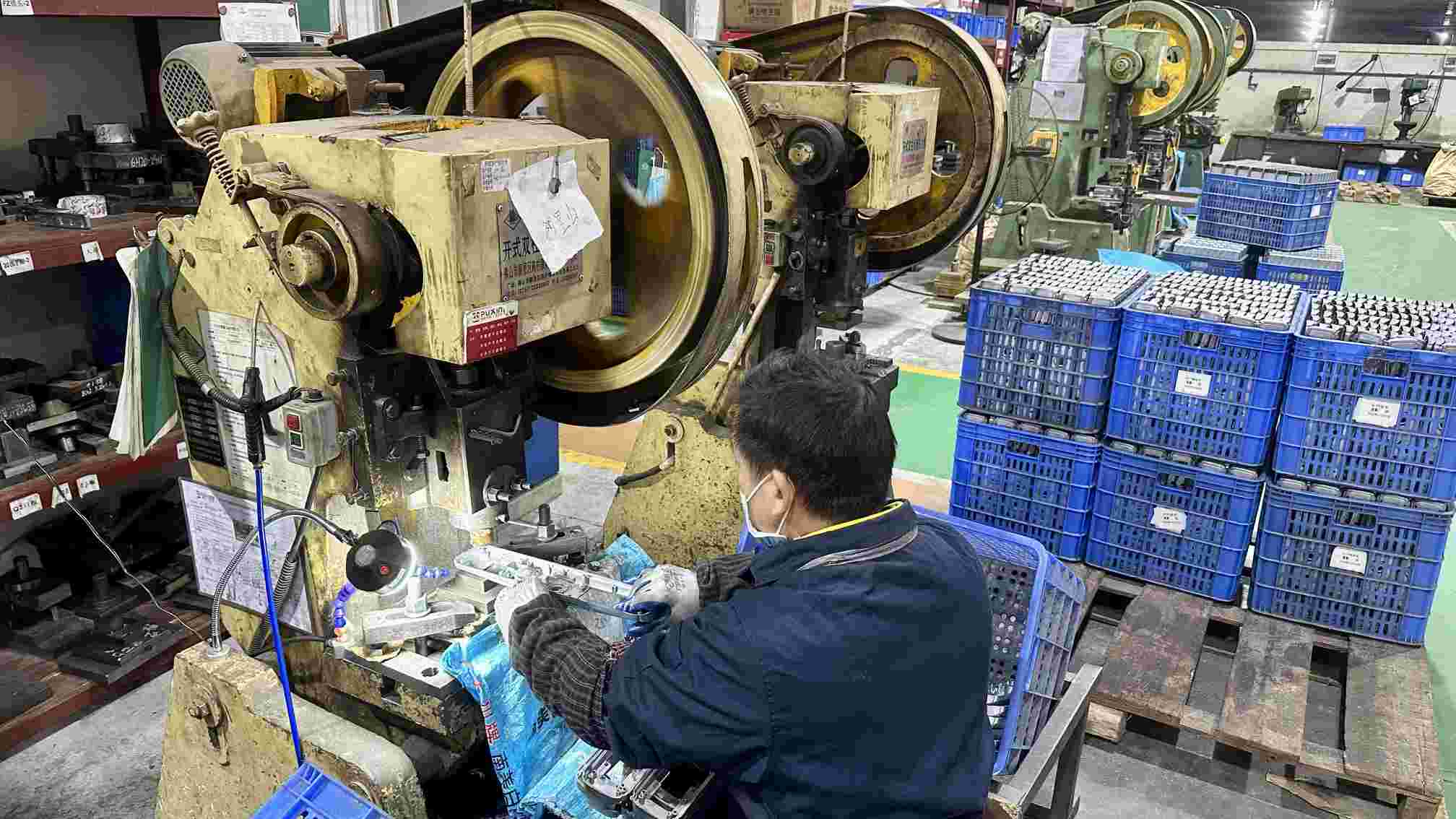
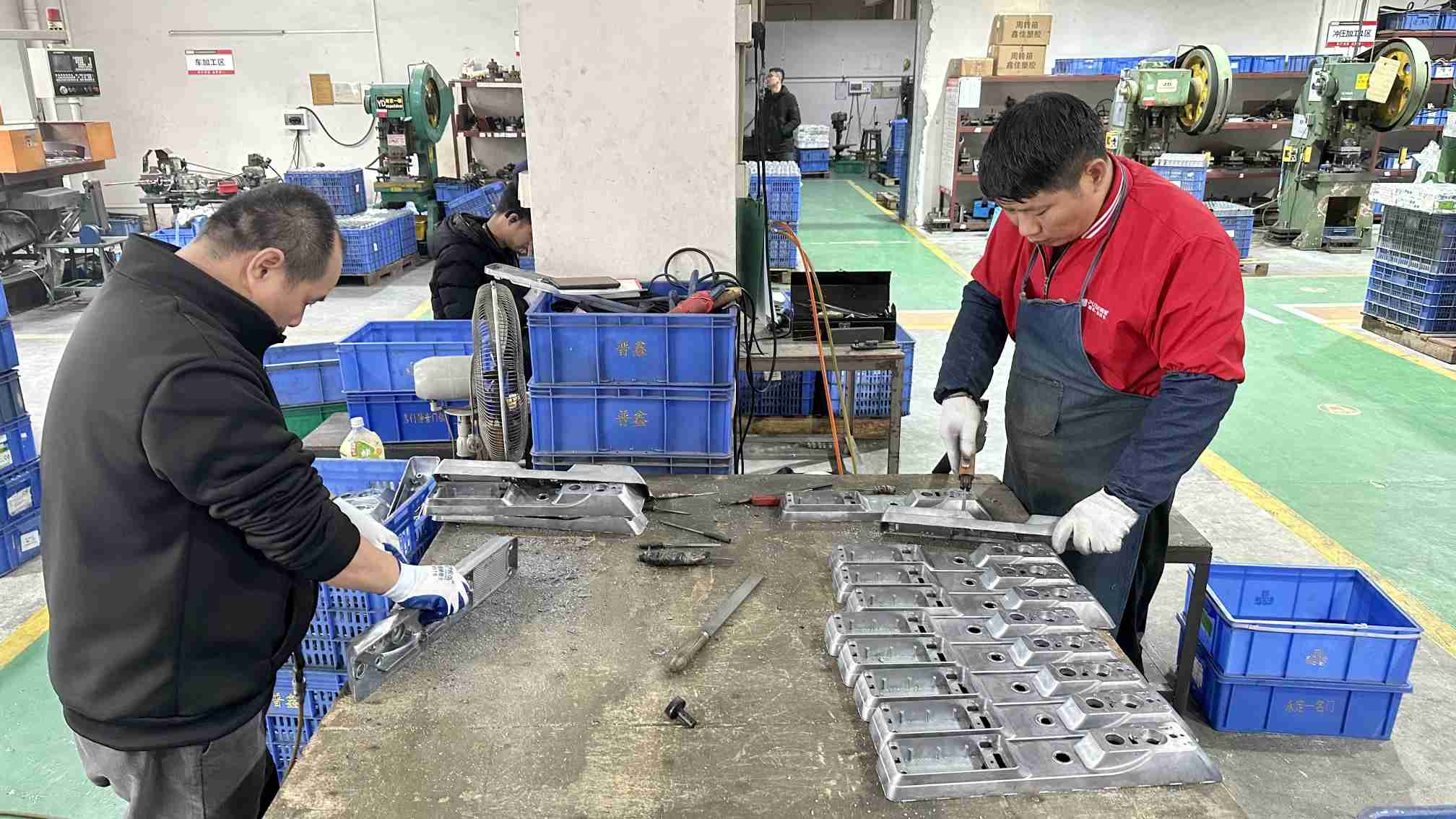
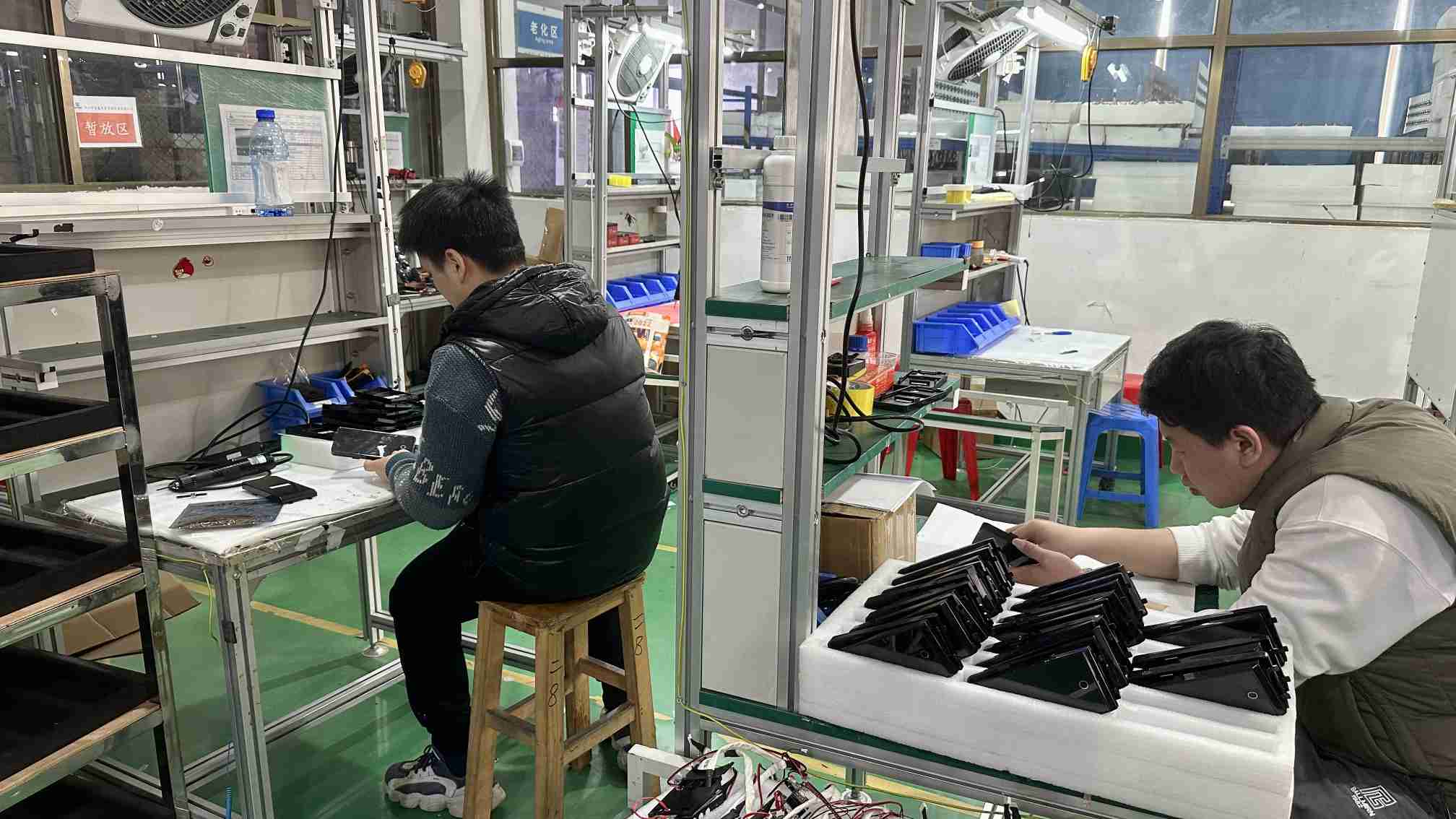
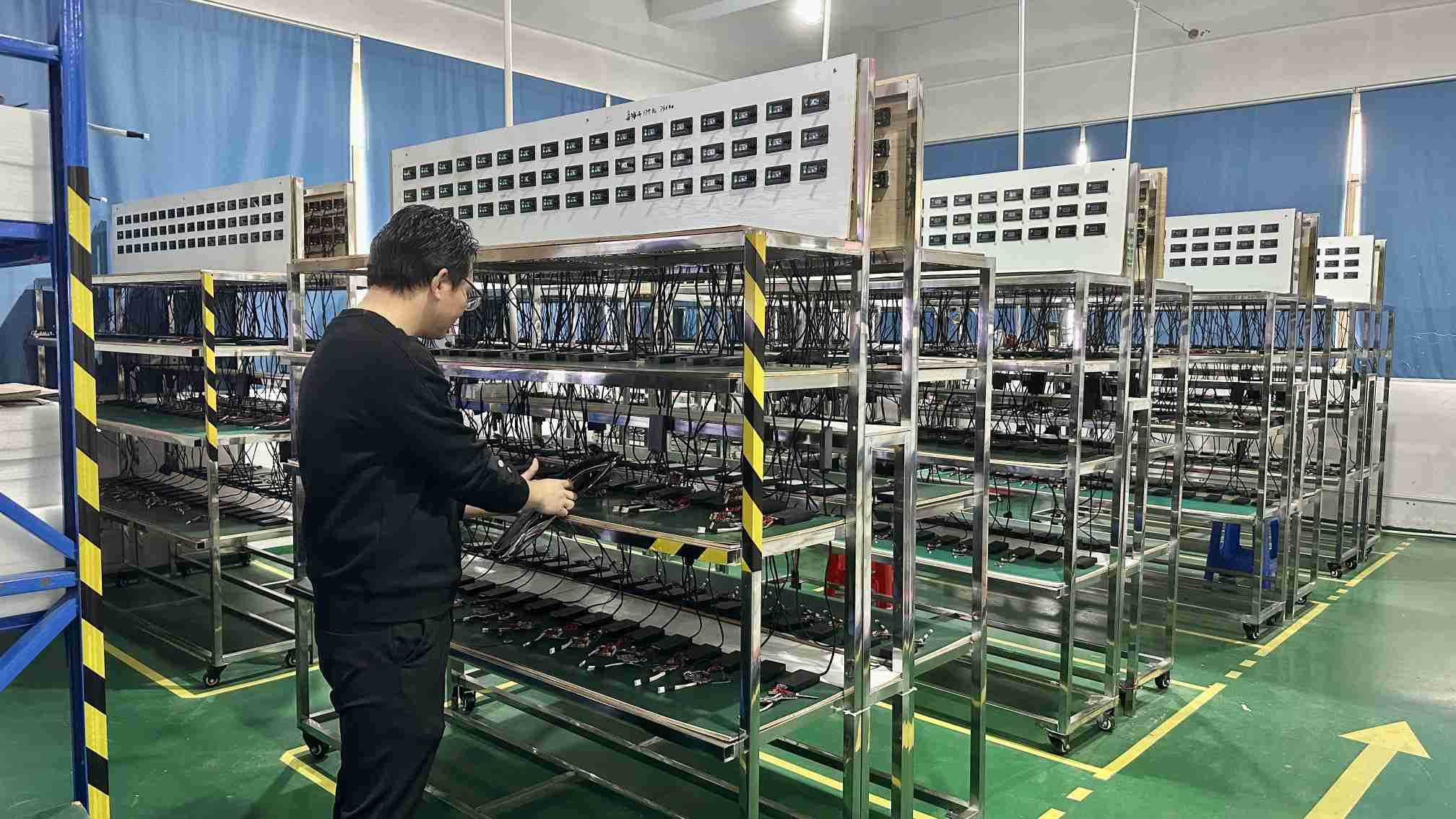
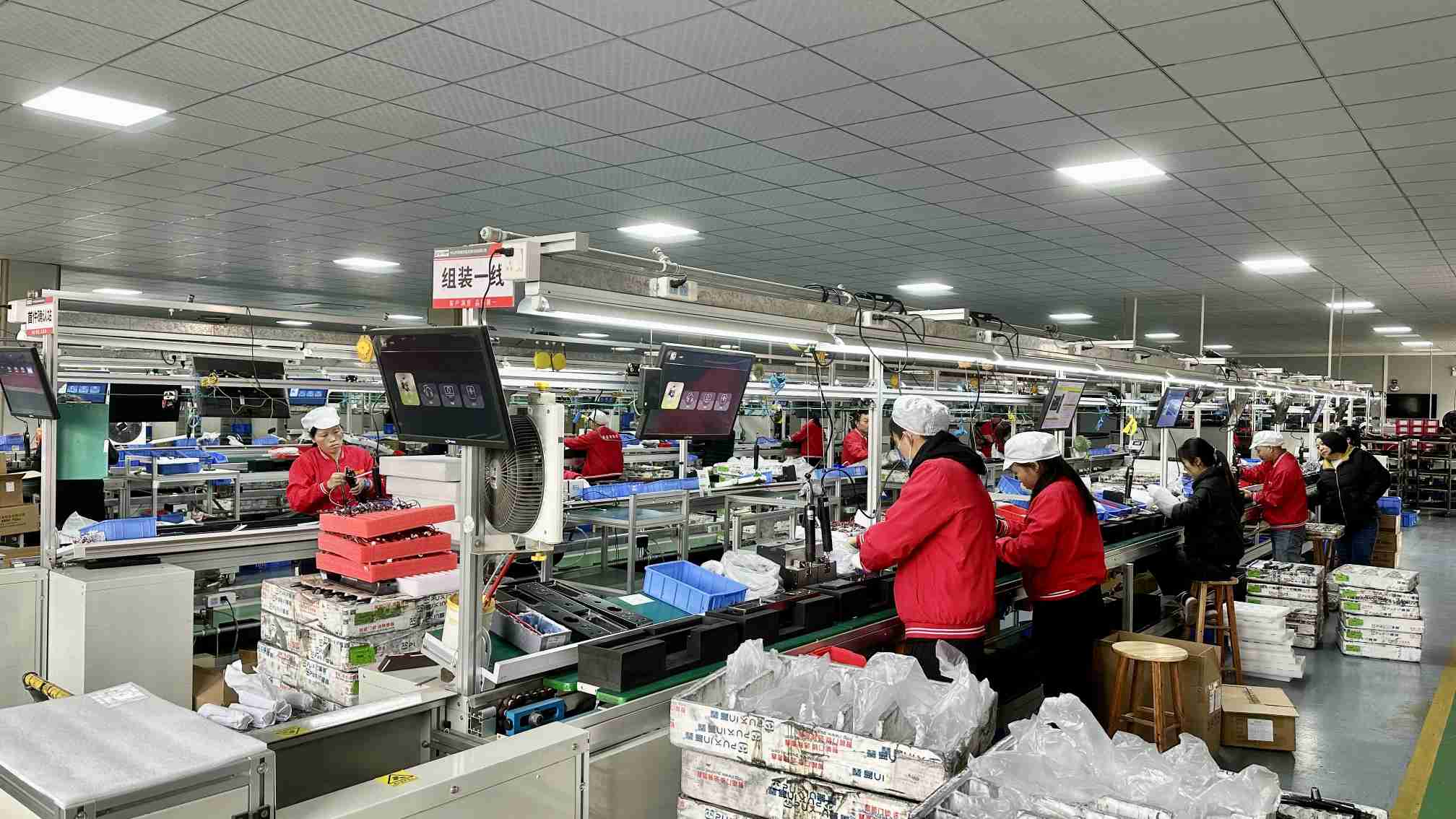
Our state-of-the-art facility integrates advanced metallurgy, precise mechanical milling, robotic polishing, electronic assembly, and rigorous climate-chamber aging to deliver high-quality smart locks.

Enterprise procurement specialists navigate complex operational realities when sourcing internet-connected locking solutions. B2B purchasing processes require hardware compliance, long-term software support, and custom integrations tailored to specific industries:
Real estate operators require integrated lock platforms to minimize vacancy overheads and eliminate mechanical re-keying costs. Key purchase parameters include remote pin management, integration with property management systems (PMS) via robust APIs, and long battery life cycles (minimum 12-18 months) to limit on-site maintenance. Solutions must also support offline backup access, allowing residents to enter using physical keys or localized Bluetooth credentials in the event of an internet or power outage.
B2B travel networks and modern hotel chains are transitioning to contactless check-in architectures. They require locking systems that generate dynamic credentials synced to a guest’s booking window. Lock platforms must support RFID (Mifare 1k/S50) for traditional keycards, BLE for mobile key integration via customer-facing apps, and cloud-synchronized code generation for online-to-offline access control.
Corporate headquarters and coworking businesses require granular, role-based access configurations. Systems must integrate with existing active directory databases (LDAP, Microsoft Entra ID) and HR portals to automate credential provisioning for new hires and instantly revoke access for terminated personnel. Security managers also rely on real-time audit trails to track movements across high-value areas like server rooms and executive suites.
Utility providers, cellular base-stations, and financial institutions (ATM networks) require specialized, rugged smart padlocks and high-security cylinders. These devices must be dustproof and waterproof (minimum IP66 ratings) and support secure SDK/API integrations. This enables field engineers to request one-time access codes through encrypted mobile apps, ensuring every deployment is tracked and logged.
The IoT connectivity ecosystem is shifting toward unified, power-efficient, and highly secure protocols. Below is our strategic assessment of the technology stacks driving modern smart lock developments:
Selling products internationally requires adherence to local electrical and structural safety regulations. Our manufacturing process ensures that all smart lock systems meet or exceed international testing standards:
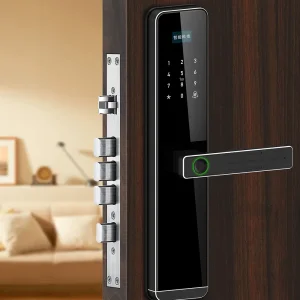
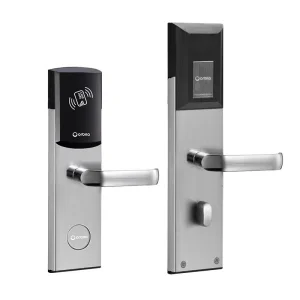
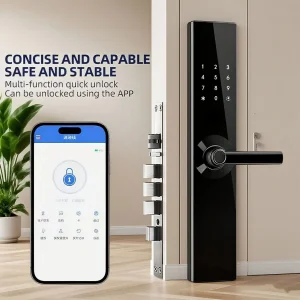
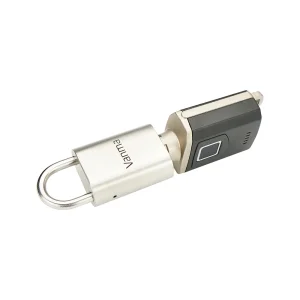
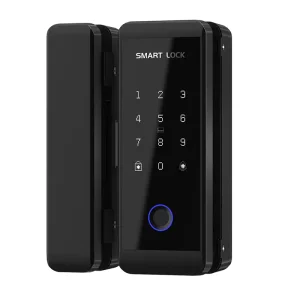
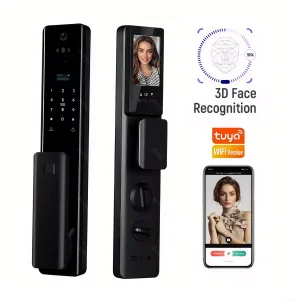
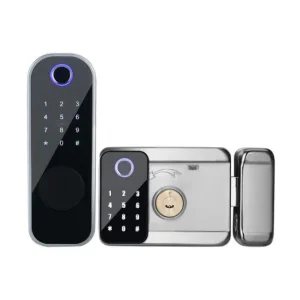
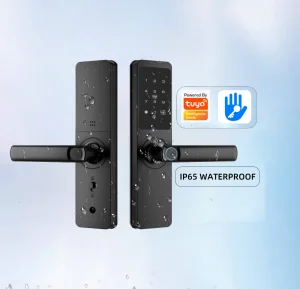
We offer comprehensive software customization services. Our R&D team can customize mobile apps (iOS & Android) with your branding, modify firmware protocols to integrate with existing building management systems, and provide open API/SDK documentation to connect our hardware with your custom cloud platforms.
Our locking mechanisms are designed to maintain local operations during power or network outages. Memory storage inside the lock stores credential data (such as finger templates and RFID keys) locally, ensuring continued access. Physical override keys and auxiliary battery jump-start ports (USB-C/Micro-USB) are integrated for backup power.
Our smart lock products carry CE, FCC, RoHS, and UL listings. We conduct structural testing to ensure mortises conform with standard ANSI/BHMA mechanical profiles, and our electronic boards undergo strict electromagnetic susceptibility testing for stable operation.
Using high-efficiency BLE and low-power Wi-Fi chips, our locks run for 12 to 18 months under standard operational loads (10 to 15 unlock cycles per day). Low-battery warnings are communicated through physical display flashes, audio notifications, and real-time alerts pushed to the administrator's cloud console.
Standard logo engraving using laser marking is available for small orders. For custom housing colors, PVD electroplating modifications, or bespoke structural mortise configurations, the MOQ typically ranges from 100 to 500 units depending on the model's design complexity.
 Wipan Lock