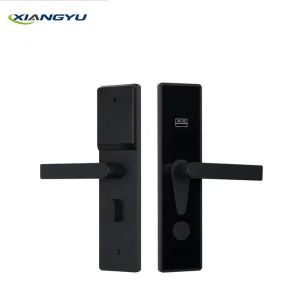
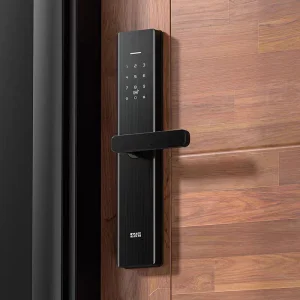
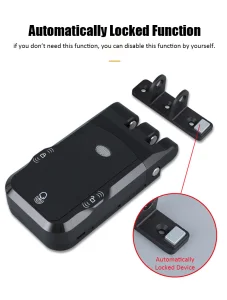
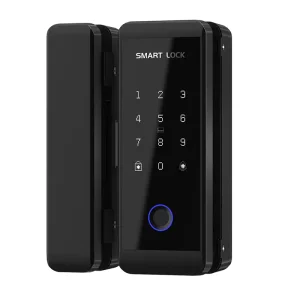
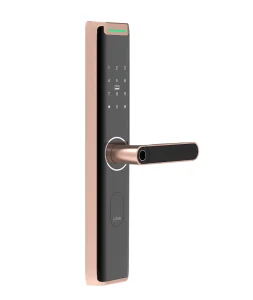
Premium high-performance alarm-integrated locking hardware for enterprise markets
In modern building automation and B2B commercial access design, standard keyless entry is no longer the ultimate threshold for property protection. The global security paradigm has shifted from passive mechanical resistance to active threat detection and real-time alerts. As a result, commercial buyers, residential developers, and hospitality systems integrators are explicitly seeking **Smart Locks with Built-In Alarm Systems**.
An alarm-integrated smart lock acts as a localized security sentinel. By incorporating multiple digital indicators, ambient sensors, and localized sirens, these electronic mechanisms do not merely slow down an intruder; they dynamically respond to physical and electronic threats. When evaluating manufacturers, sourcing professionals prioritize hardware configurations that integrate seamlessly with broader security ecosystems (such as Tuya, TTLock, Zigbee, or Matter protocols) while maintaining localized physical redundancy.
Shenzhen Wipan Lock Co., Ltd. is a professional manufacturer specializing in smart locking systems and access control solutions. With years of experience in the electronic lock industry, Wipan has become a trusted partner for hotels, apartments, offices, educational institutions, healthcare facilities, commercial buildings, and residential projects worldwide.
We provide not only high-quality smart lock products but also comprehensive OEM/ODM solutions tailored to our customers’ needs. From product design, research and development, manufacturing, quality control, and branding support to market analysis and after-sales service, we help our partners build competitive products and expand their business successfully in local and international markets.
Driven by innovation and technology, Wipan continuously invests in advanced manufacturing equipment, intelligent production processes, and product development to ensure reliable performance, enhanced security, and user-friendly experiences. Our product range includes smart door locks, hotel lock systems, fingerprint locks, password locks, RFID card locks, Bluetooth locks, TTLock solutions, and customized access management systems.
Today, Wipan products are exported to numerous countries and regions across Asia, Europe, the Middle East, Africa, North America, and South America, earning recognition for quality, durability, and excellent customer service.
To create smarter, safer, and more convenient access solutions for people around the world through continuous innovation and superior quality.
At Wipan, our greatest asset is our people. Our experienced engineers, designers, production specialists, and customer service professionals work together with passion and dedication to deliver innovative security solutions.
We believe that successful partnerships are built on trust, collaboration, and mutual growth. By maintaining open communication and understanding our customers’ unique requirements, we are able to provide flexible solutions that help businesses stay ahead in a rapidly evolving smart security market.
Our team is committed to excellence in every stage of the process—from concept development and product engineering to manufacturing and technical support—ensuring that every product meets the highest standards of quality and reliability.
Step-by-step rigorous industrial process producing zero-tolerance high-security hardware
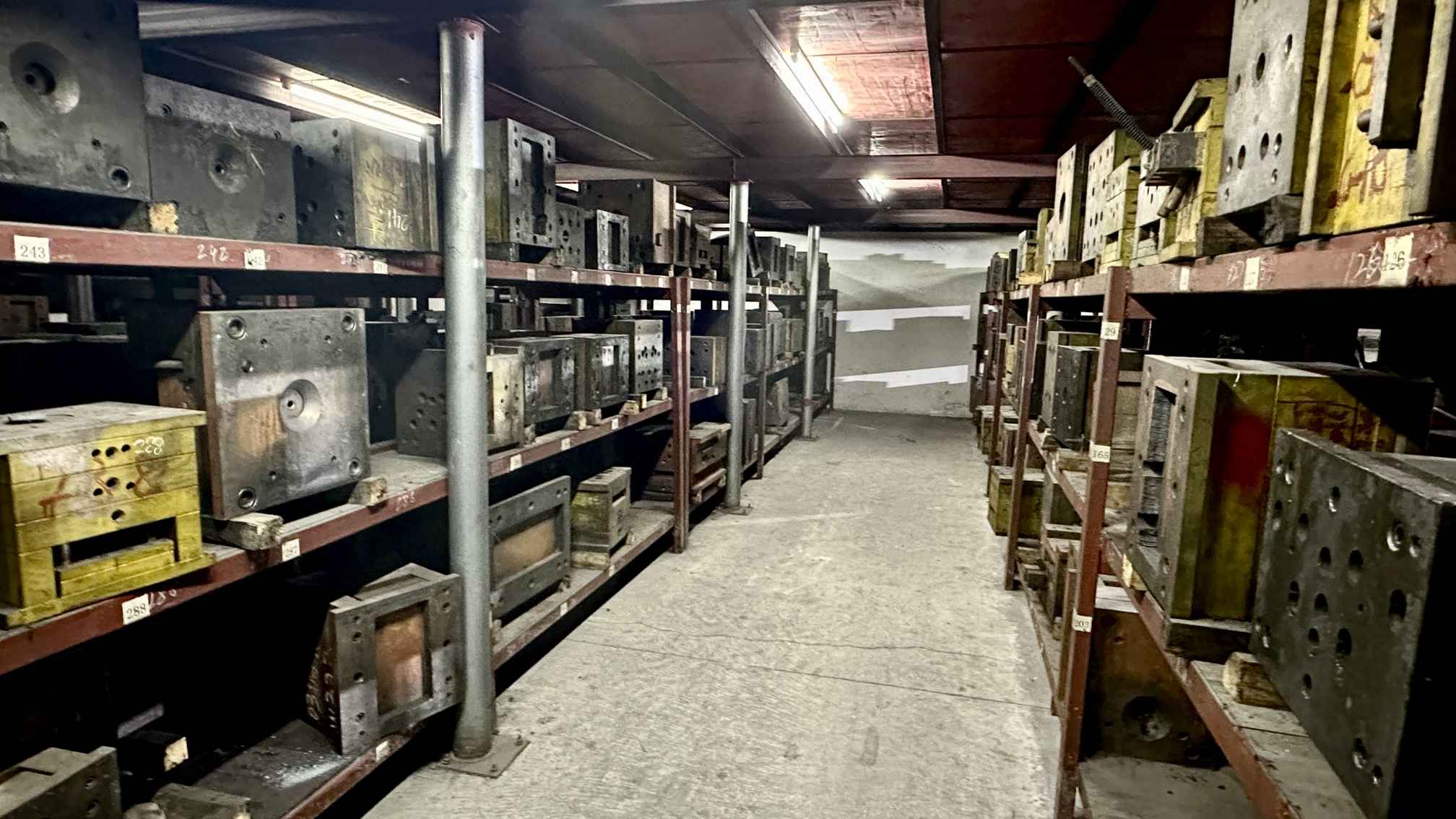
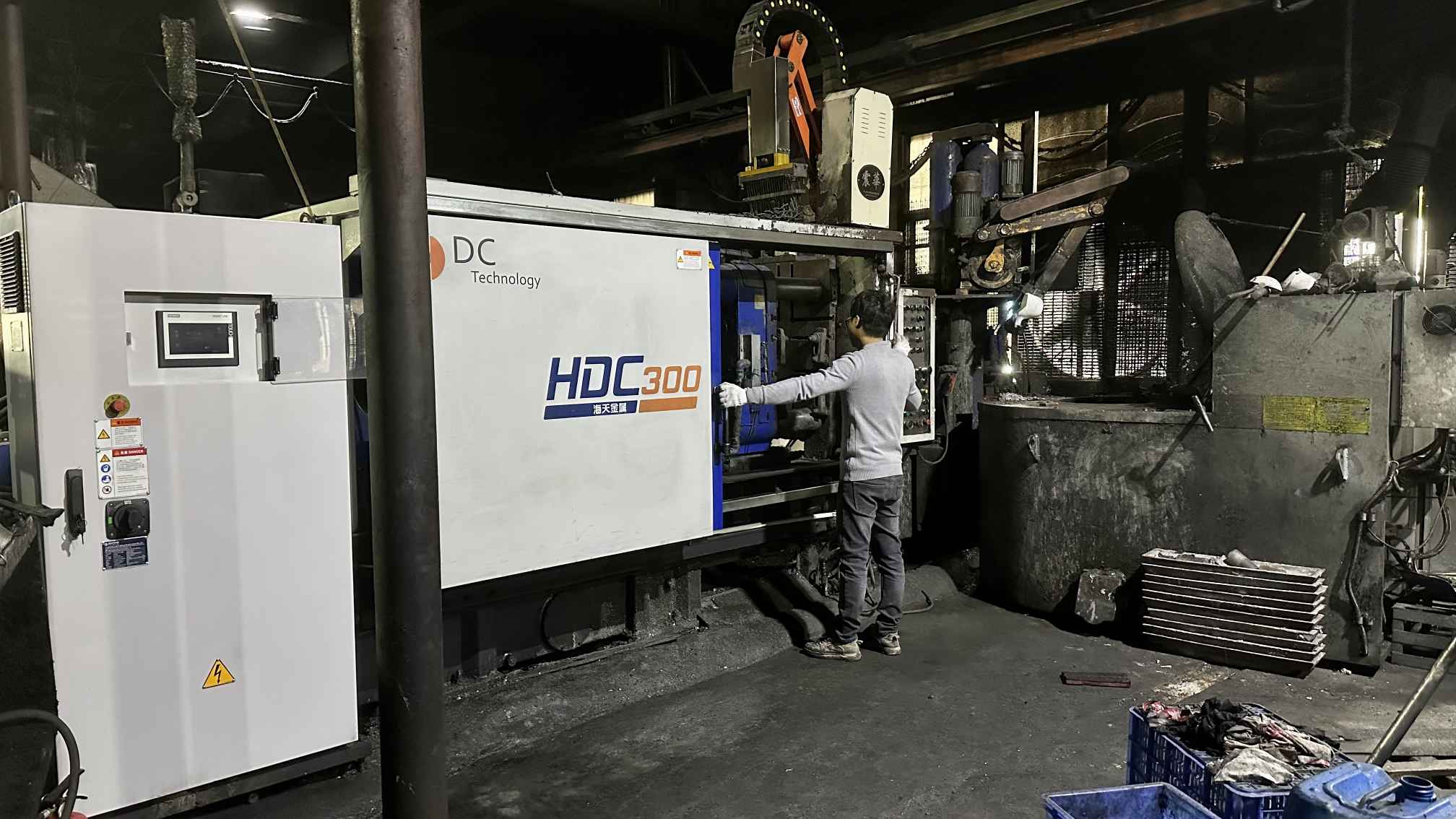

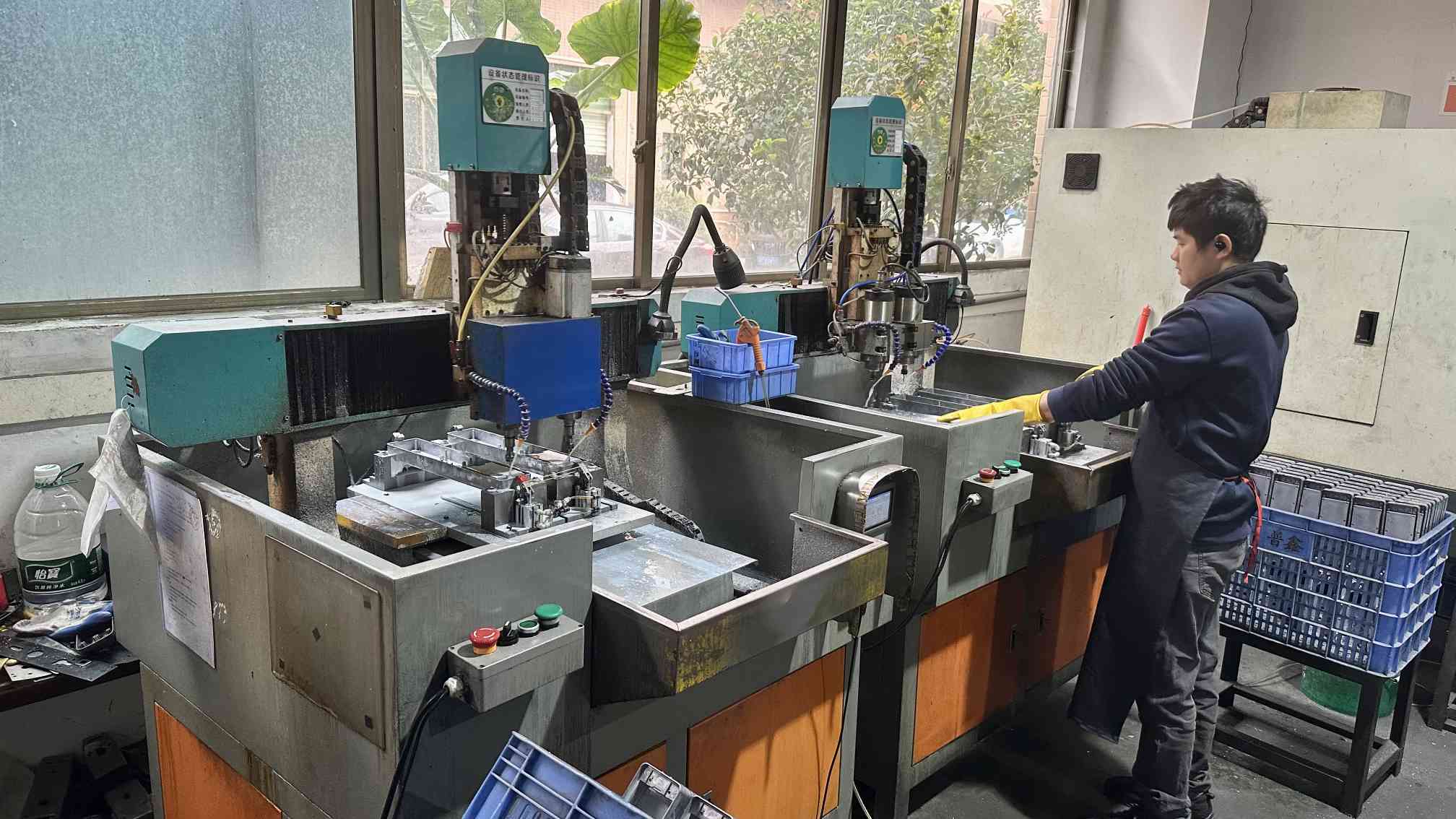
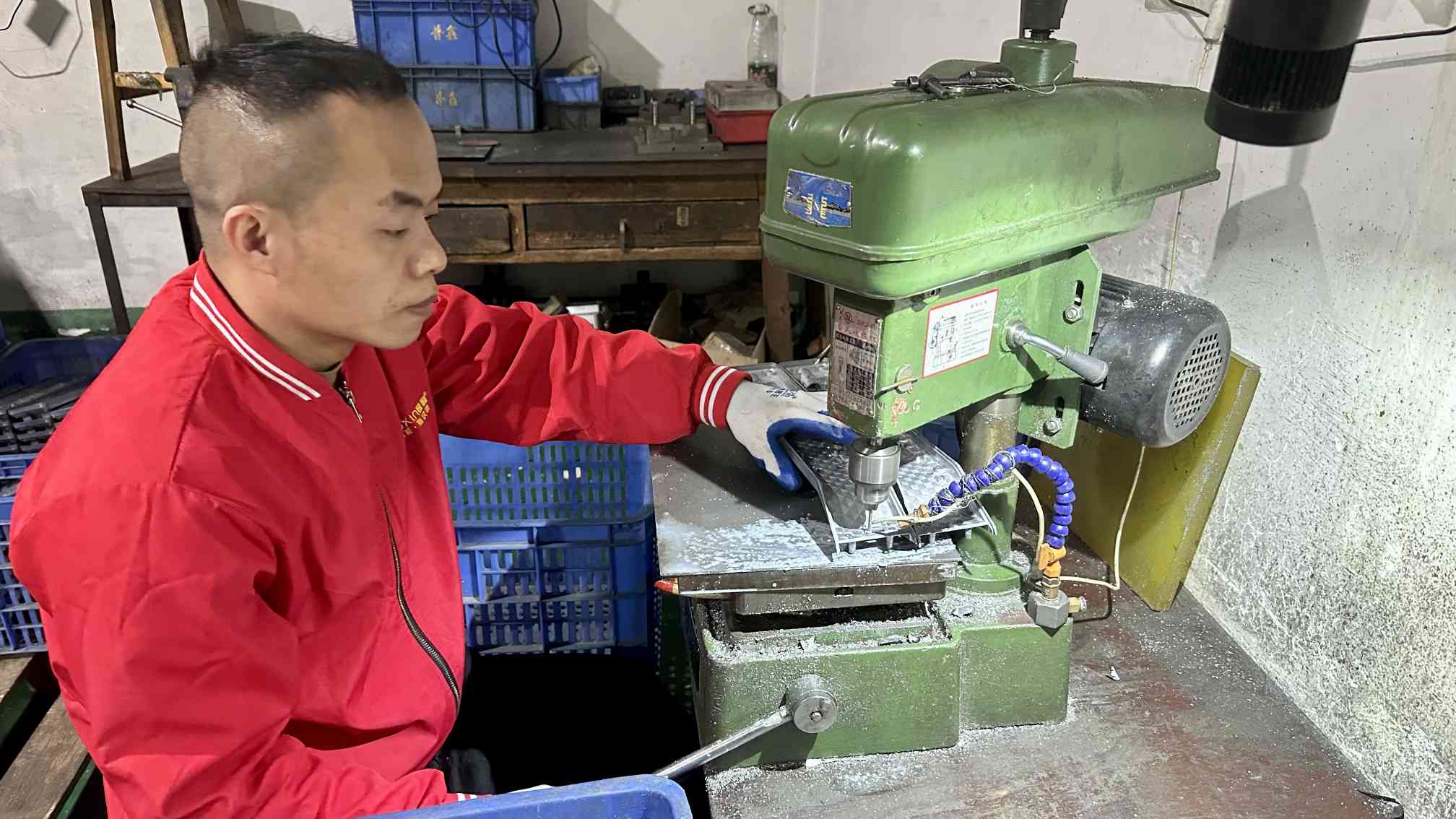
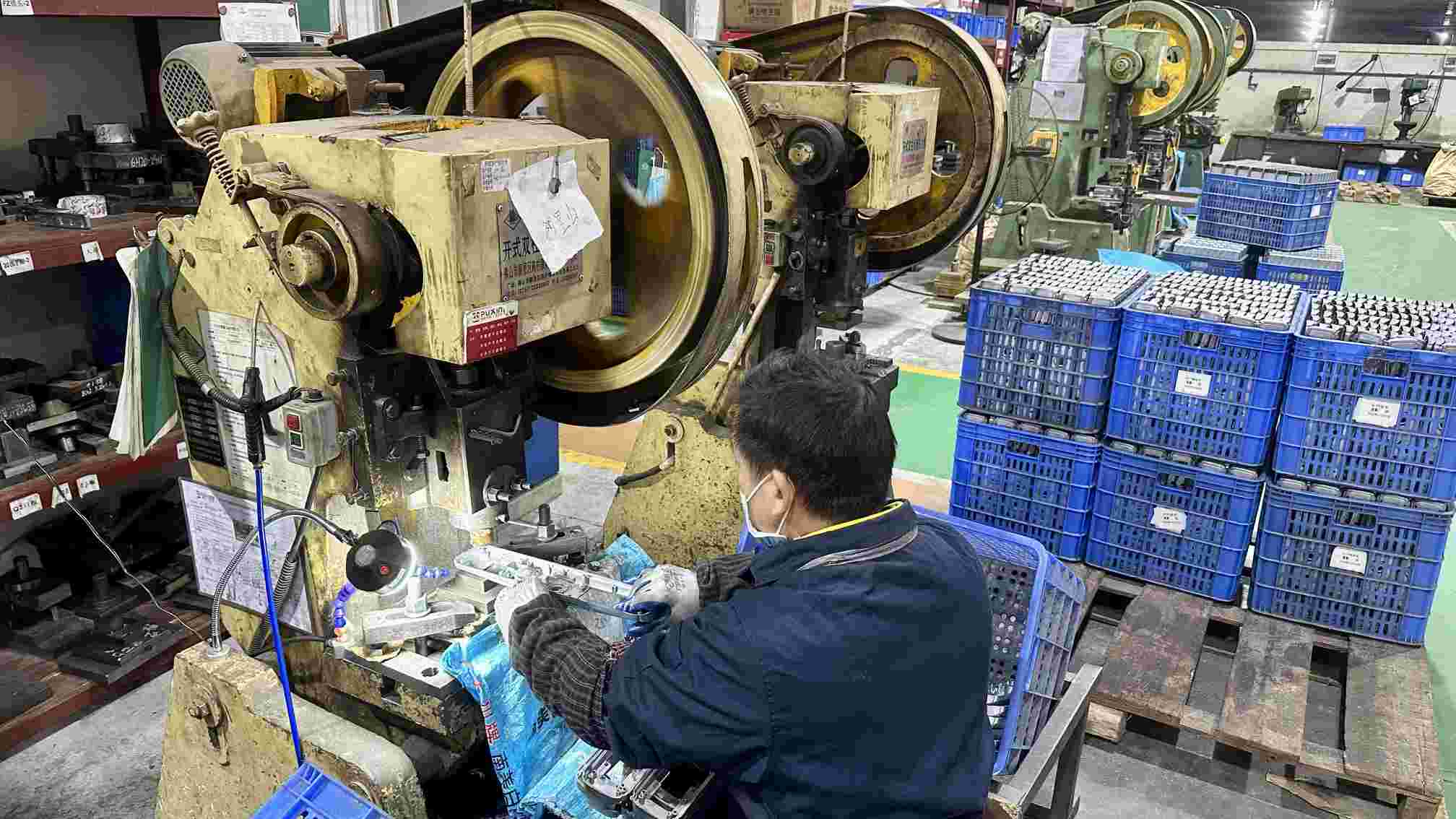
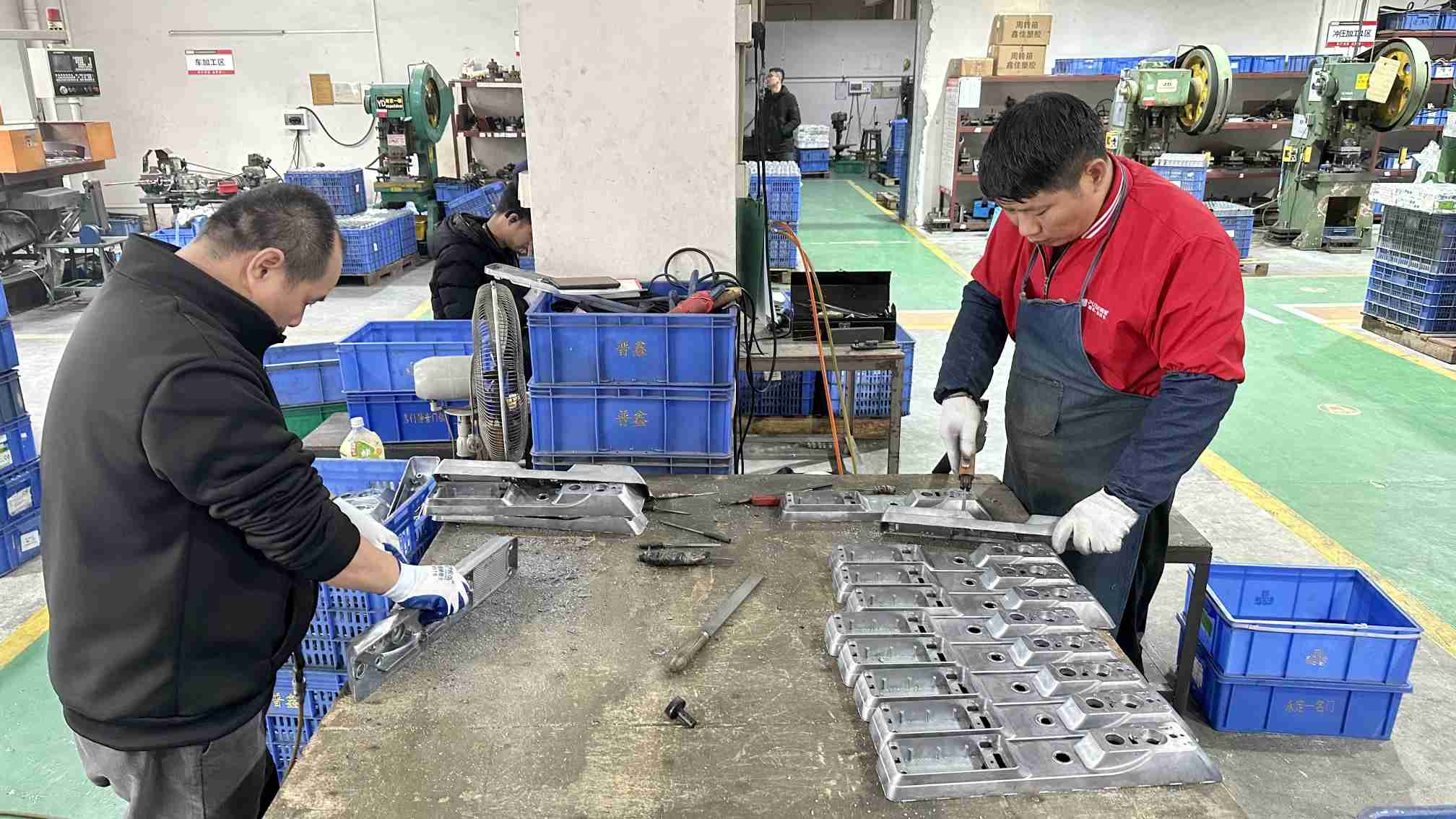
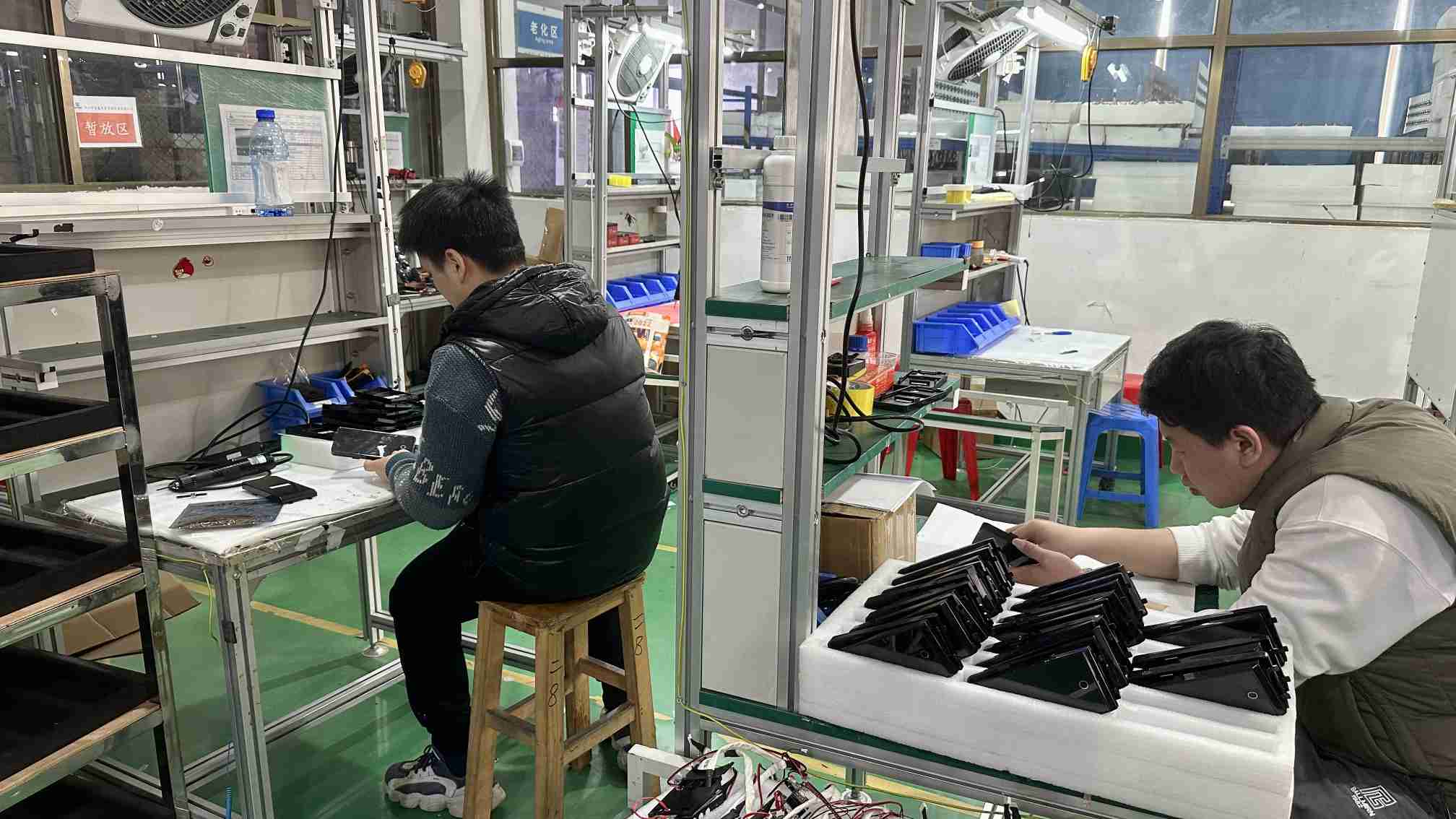
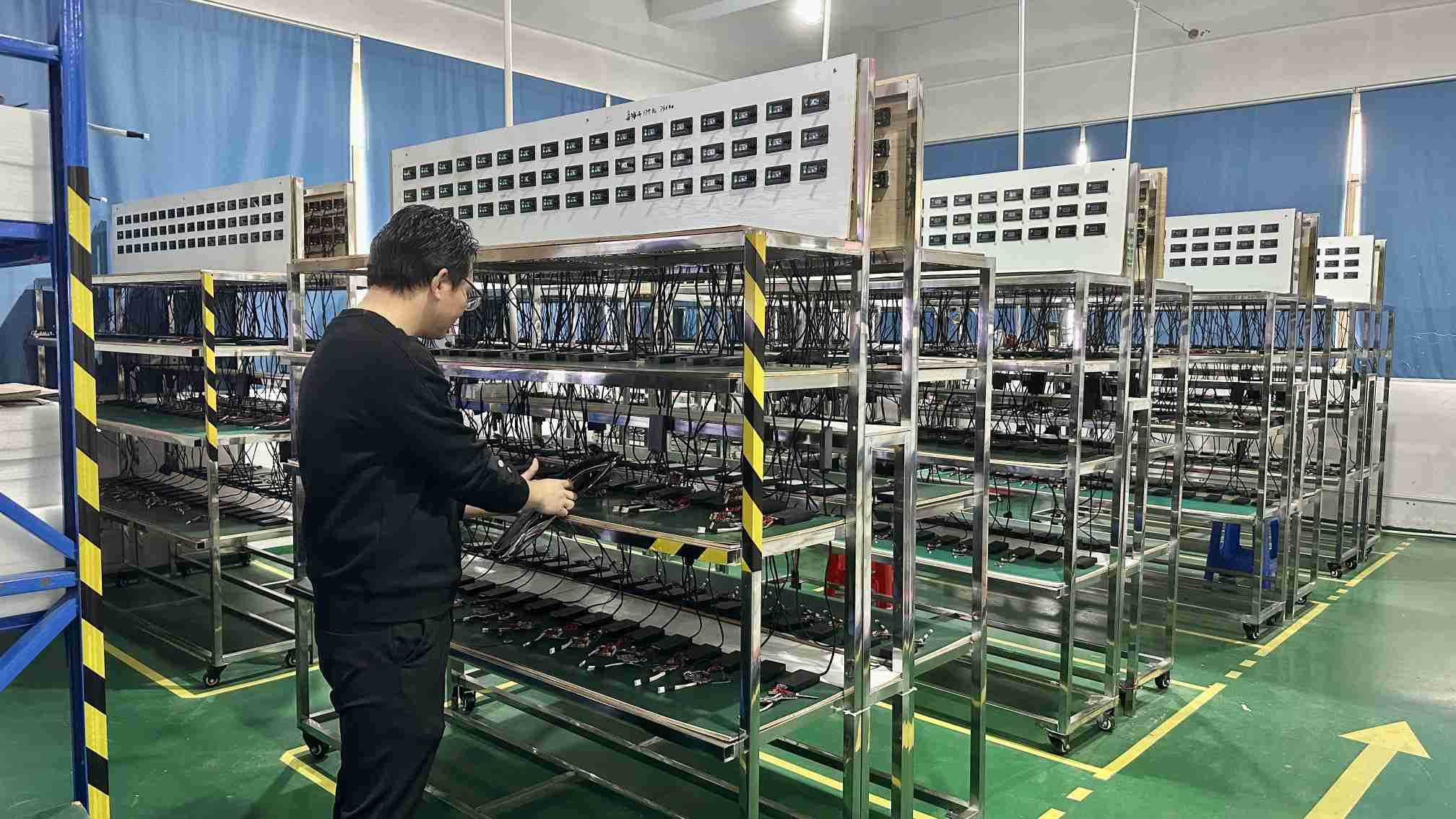
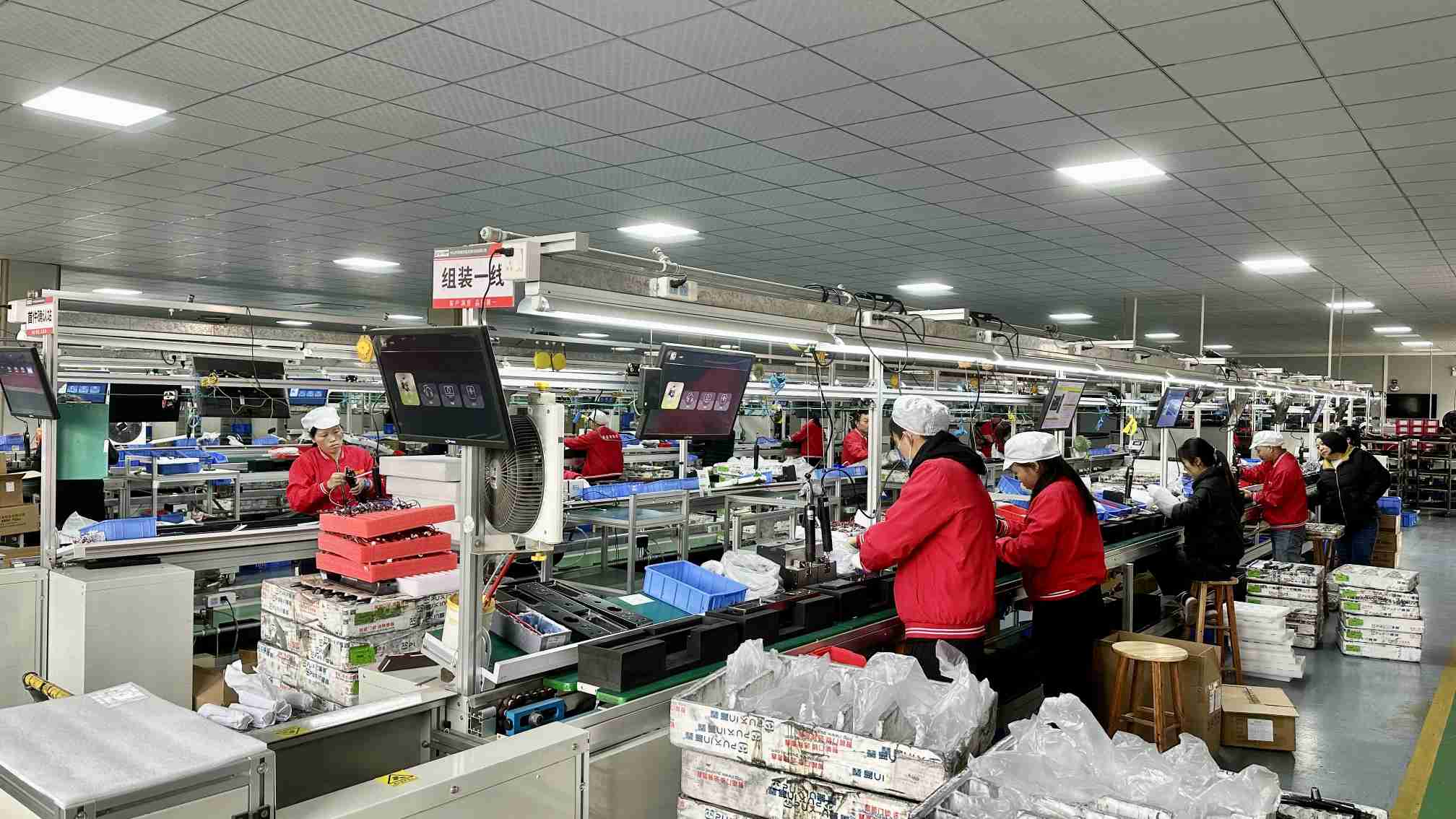
Shenzhen remains the epicenter of the global IoT and hardware supply chain. For B2B importers, sourcing smart locks from Shenzhen-based factories like Wipan provides structural cost, speed, and engineering advantages that cannot be replicated elsewhere:
Within a 50-mile radius, Wipan accesses specialized zinc-alloy smelters, SMT surface-mount board assembly lines, specialized electroplating facilities, and testing labs. This geographical density shortens our raw material procurement cycle from weeks to days, allowing rapid scale-up for custom high-volume orders.
Rather than relying on outsourced firmware, Wipan maintains in-house optical, electronic, and structural design teams. This enables us to modify lock faceplate dimensions, design custom mortise locksets, and adapt wireless network protocols (BLE, Zigbee, Wi-Fi, Thread) dynamically.
Through automated tooling, continuous casting methods, and high-efficiency assembly processes, Wipan eliminates raw material wastage by up to 18%. This manufacturing optimization results in competitive unit pricing for global B2B buyers without sacrificing material density or structural security.
One of the principal friction points for global distributors importing security hardware is regulatory non-compliance. A smart lock is not simply a decorative handle; it is a point of entry that must align with municipal building safety rules, electrical parameters, and environmental regulations.
Wipan addresses these concerns at the engineering level. We manufacture locks that are designed for compliance with various international standards, including:
Our localization efforts extend to physical configurations. We produce lock bodies that accommodate distinct global mortise configurations, including American Standard 6068, European 72/85/92/50 series, and narrow-profile configurations ideal for aluminum double-glass patio profiles.
Smart lock implementation varies significantly depending on the architectural typology and localized end-user habits. Wipan tailors its engineering outputs to serve four major commercial segments:
Hotel operators require centralized guest key card issuance, offline room management capabilities, and mechanical override keys. Wipan's **Smart Hotel Door Lock RFID** range leverages standard Mifare systems with local API compatibility to integrate with modern property management systems (PMS), enabling automatic keycard expiration and audit-trail tracking.
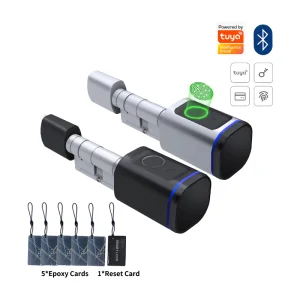
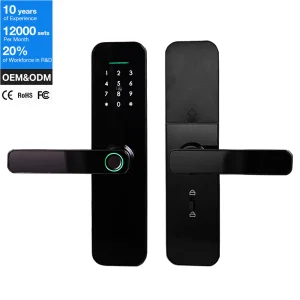
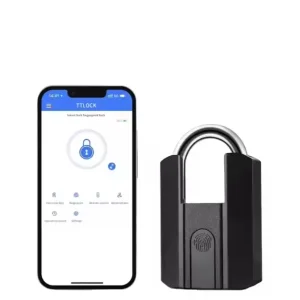
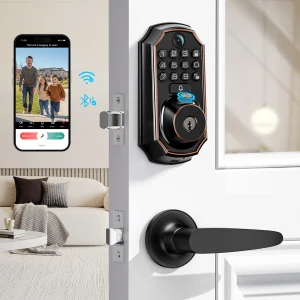
Apartment owners prioritize keyless flexibility, low-voltage alarm warnings, and remote e-key generation. Wipan's **Tuya and TTLock-compatible cylinder models** allow property managers to delete credentials remotely when tenants vacate. This reduces re-keying costs to zero, maximizing operational efficiency.
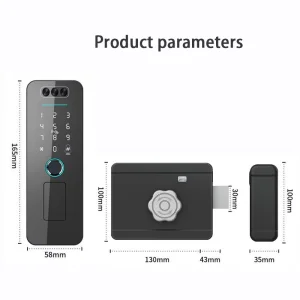
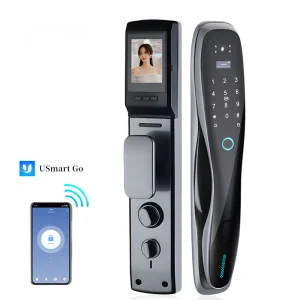
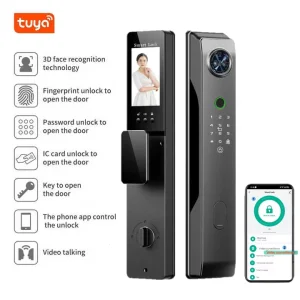
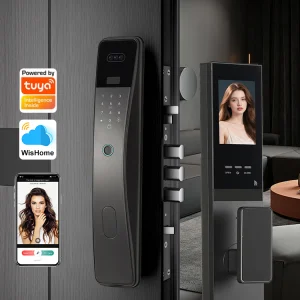
Enterprise spaces require fast processing speed and high capacity for access logs. Wipan's **3D Face Recognition & Fingerprint Rim Locks** handle up to 300 unique users, maintaining a localized registry that updates access logs directly to local administrative dashboards. Built-in alarms trigger alert emails if doors are held open past programmed limits.
The landscape of residential and commercial access control is evolving rapidly. To remain competitive, B2B buyers must partner with manufacturers that are actively developing products aligned with these emerging technologies:
Clear, expert answers to key engineering, integration, and logistic questions
Explore our full line of commercial, residential, and outdoor electronic security mechanisms
 Wipan Lock