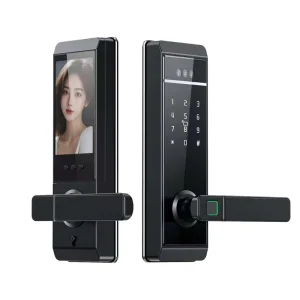
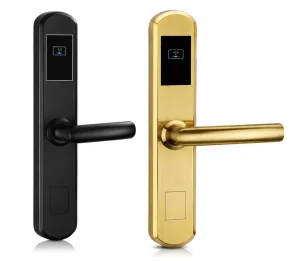
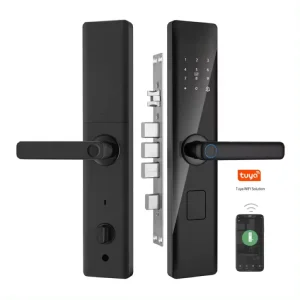
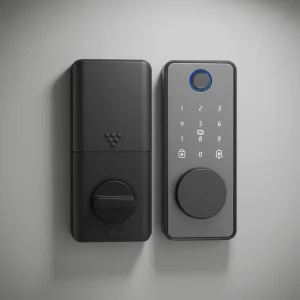
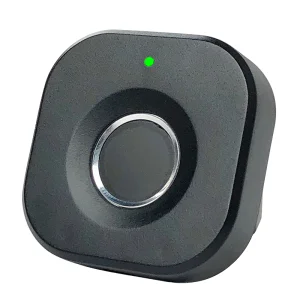
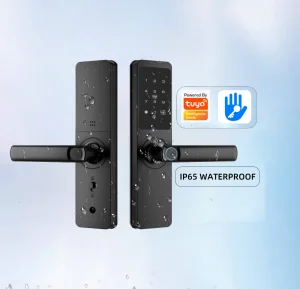
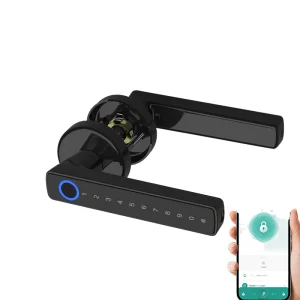
Explore our flagship smart lock models engineered for commercial and high-end residential integration across the North and South Islands.
The security landscape in New Zealand (Aotearoa) is undergoing an unprecedented transformation. As urbanization accelerates across major hubs like Auckland, Wellington, and Christchurch, the demand for keyless physical entry systems has moved from a niche smart home trend to a foundational commercial and residential requirement. This whitepaper analyzes the mechanical, digital, and regulatory forces driving the adoption of Bluetooth Low Energy (BLE) Smart Locks in the New Zealand market. It provides specifiers, real estate developers, and wholesale importers with the data required to establish reliable supply chains with high-quality OEM/ODM factories.
New Zealand's geography presents unique physical challenges that generic global smart locks fail to withstand. Sourcing decisions must prioritize architectural hardware that satisfies local environmental and building codes:
With an extensive coastline, properties in areas such as the North Shore, Tauranga, and Nelson are exposed to high saline content. Factories exporting to NZ must use Marine Grade 316 Stainless Steel or heavily treated PVD (Physical Vapor Deposition) aluminum alloys to prevent rust and corrosion.
Due to low atmospheric ozone levels in the South Pacific, external lock components are subjected to extreme UV exposure. Advanced manufacturers integrate UV-stabilized polycarbonate and double-layered powder coatings to prevent surface degradation and numeric keypad discoloration.
With high seismic activity across the Wellington fault lines and Canterbury regions, minor structural shifts can cause timber door frames to warp. Bluetooth deadbolts and motorized mortise locks must incorporate wider latch tolerances and auto-relocking calibration algorithms.
An experienced exporter must understand that physical security devices sold in New Zealand are subject to strict compliance under the New Zealand Building Code (NZBC). Key areas of focus include:
Unlocking the underlying protocols, structural hardware, and cloud integrations defining modern secure access solutions.
Unlike Wi-Fi-reliant locks that suffer from high power draw and exposure to remote network exploits, BLE-based smart locks operate on low-power, high-security localized signals. Wipan smart locks utilize military-grade AES-128 or AES-256 bit encryption algorithms coupled with dynamic challenge-response handshakes. This prevents replay attacks, where a malicious actor intercepts and retransmits lock commands.
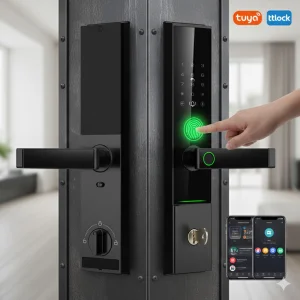
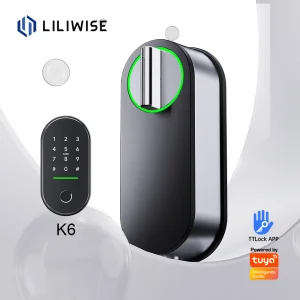
By leveraging local BLE protocols (often managed via the robust TTLock or Tuya ecosystems), users can issue time-restricted, single-use, or recurring e-Keys and pin codes remotely. The synchronization uses time-based one-time password (TOTP) algorithms, which allow keys to validate without the lock needing an active, always-on internet connection.
Biometric credentials must be rapid and spoof-proof. Wipan incorporates Swiss FPC capacitive fingerprint sensors that recognize human sweat glands, temperature, and electrical capacitance. The false acceptance rate (FAR) is minimized to <0.001%, with recognition executing in under 0.5 seconds. For elite installations, the 3D Structured Light Camera models map the depth profile of the user's face, preventing bypass attempts via photos or high-definition screens.
This hardware setup is integrated with a physical backup system, including high-grade mechanical override cylinders (C-grade security rating) and external USB-C emergency power ports to ensure continuous operation during unforeseen power loss events.
Professional Manufacturer & OEM/ODM Partner for Global Access Control
Shenzhen Wipan Lock Co., Ltd. is a leading manufacturer specializing in smart locking systems and access control solutions. Driven by innovation and technology, Wipan continuously invests in advanced manufacturing equipment, intelligent production processes, and product development to ensure reliable performance, enhanced security, and user-friendly experiences. We provide comprehensive OEM/ODM solutions tailored to our customers’ needs. From design, research and development, manufacturing, quality control, and branding support to market analysis and after-sales service, we help our partners build competitive advantages globally.
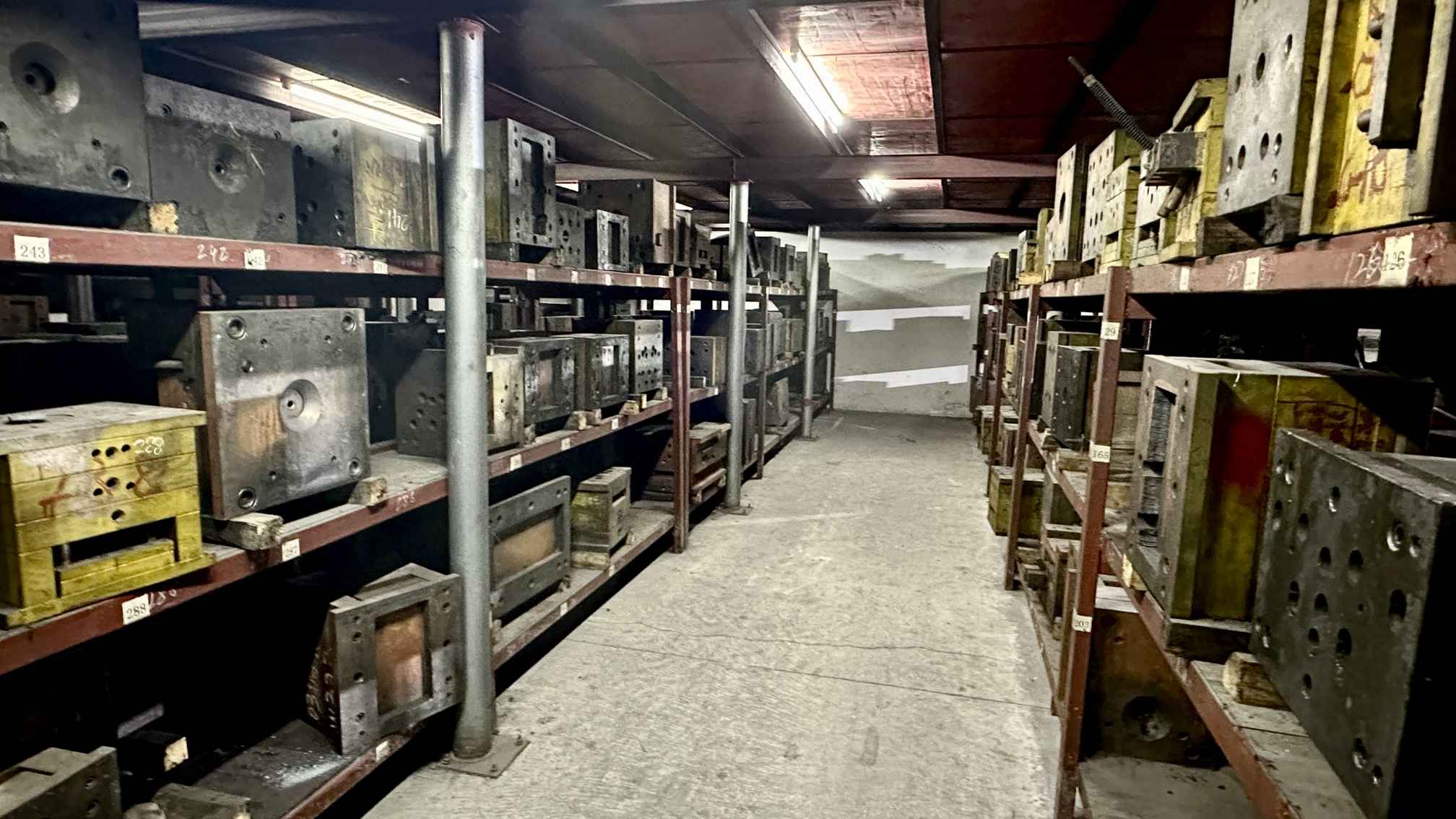
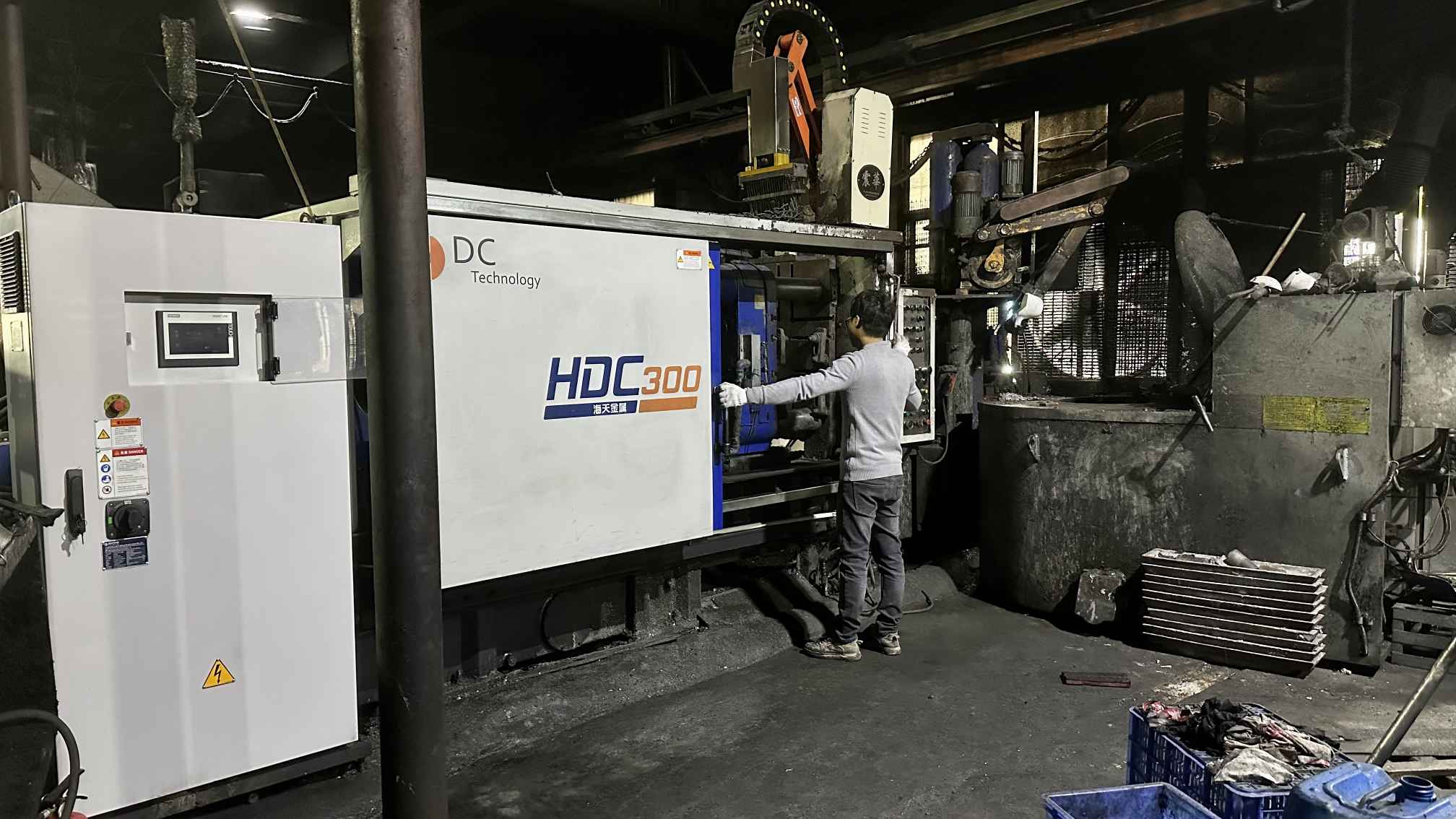
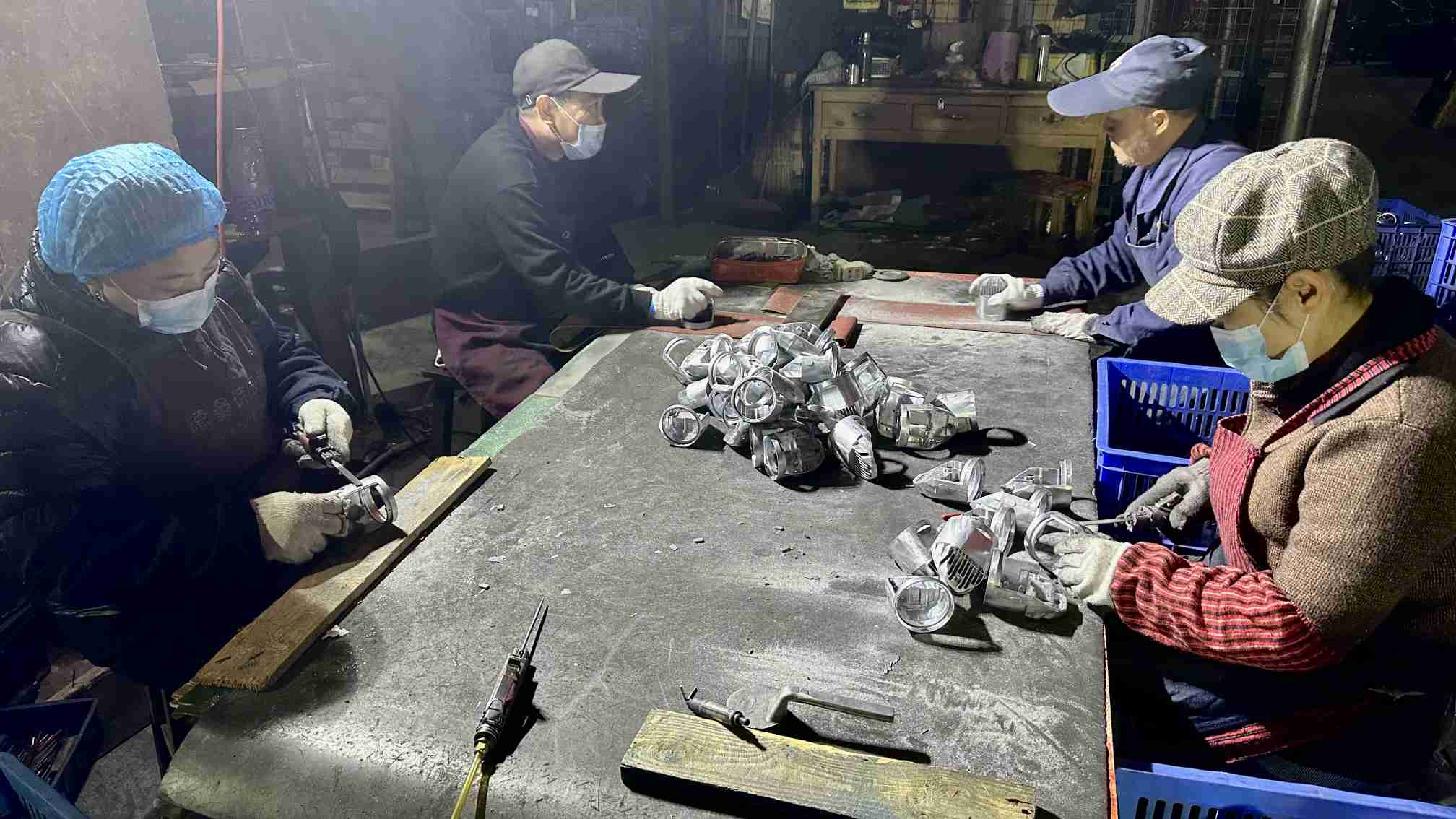
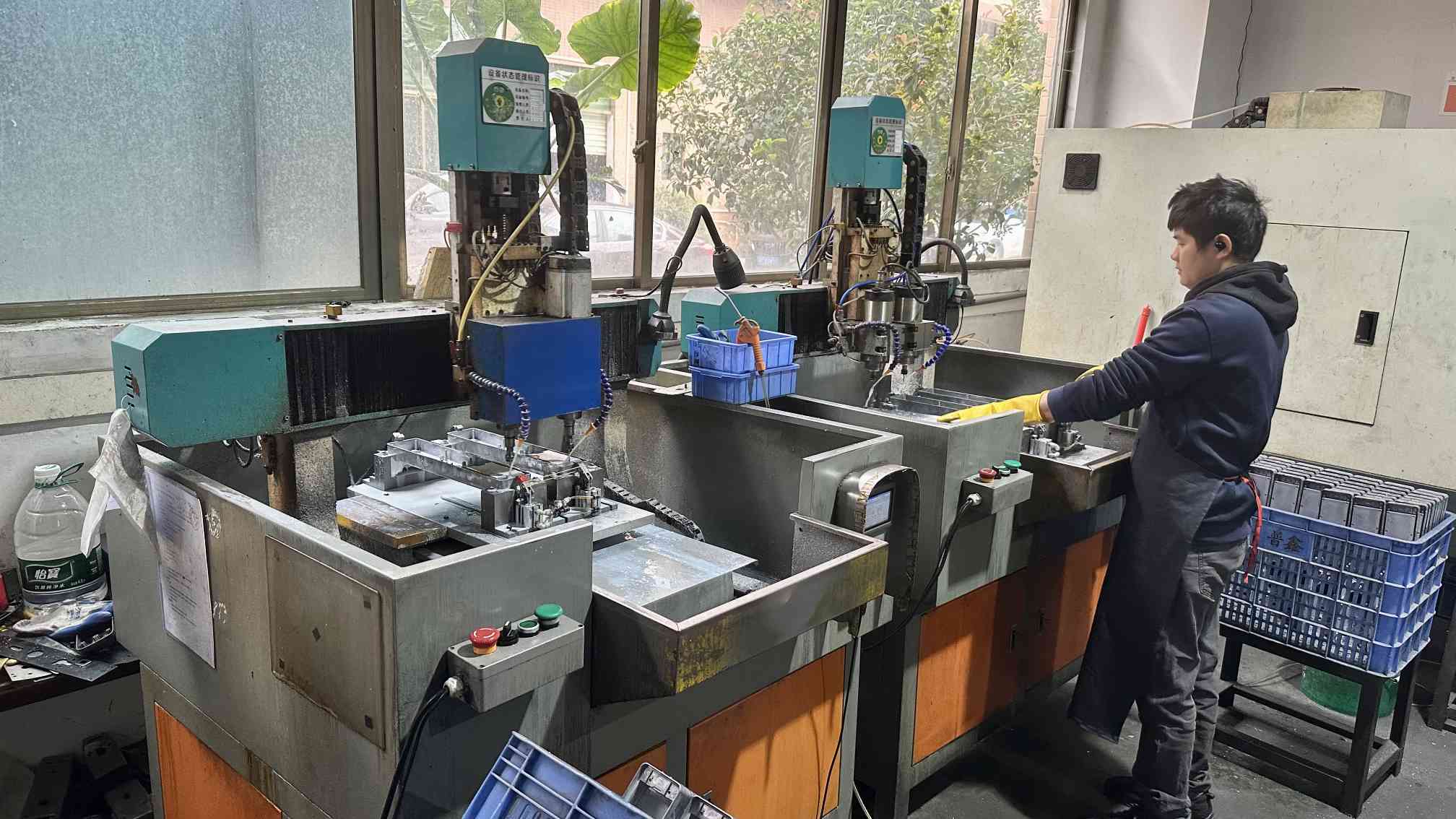
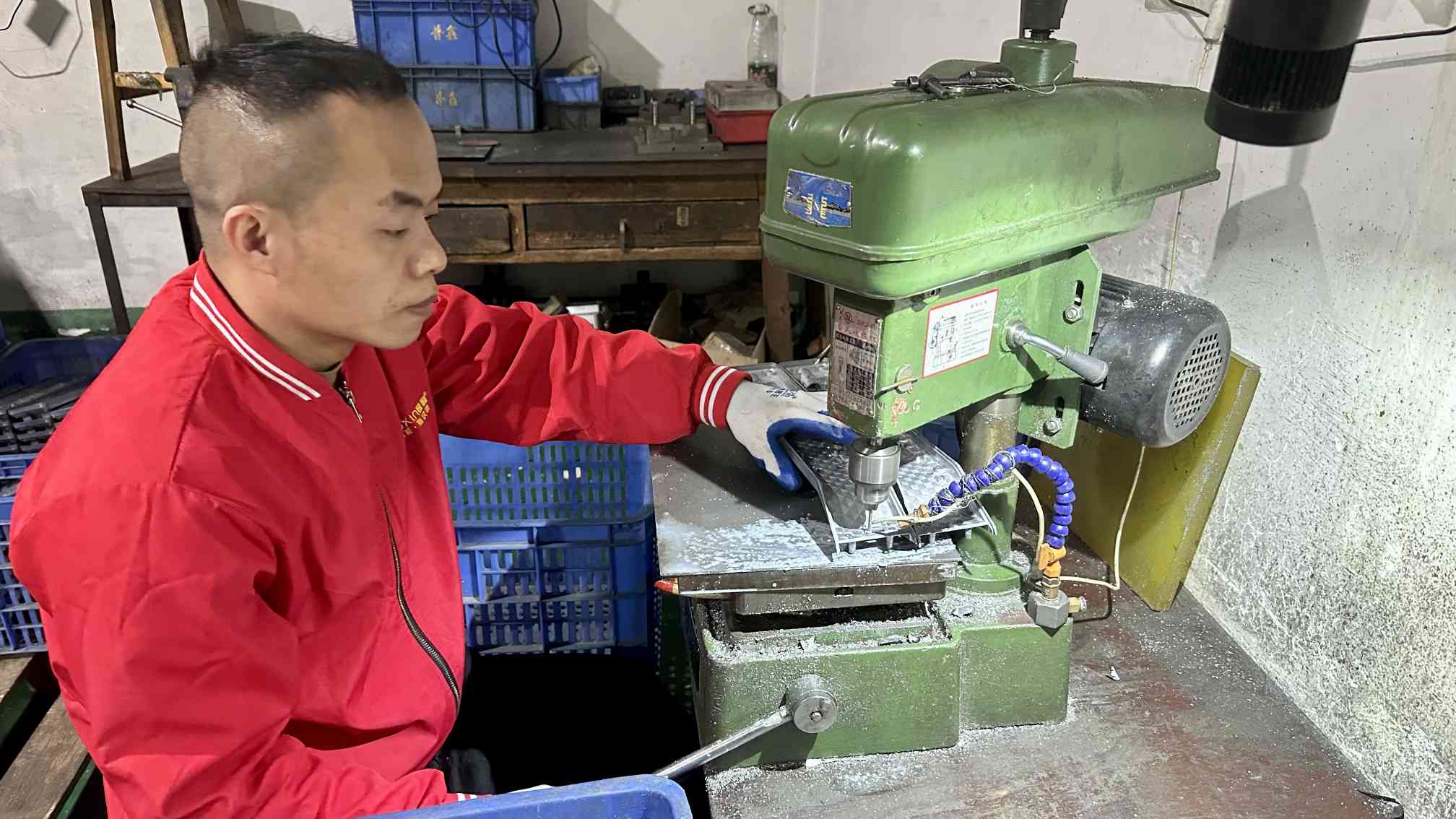
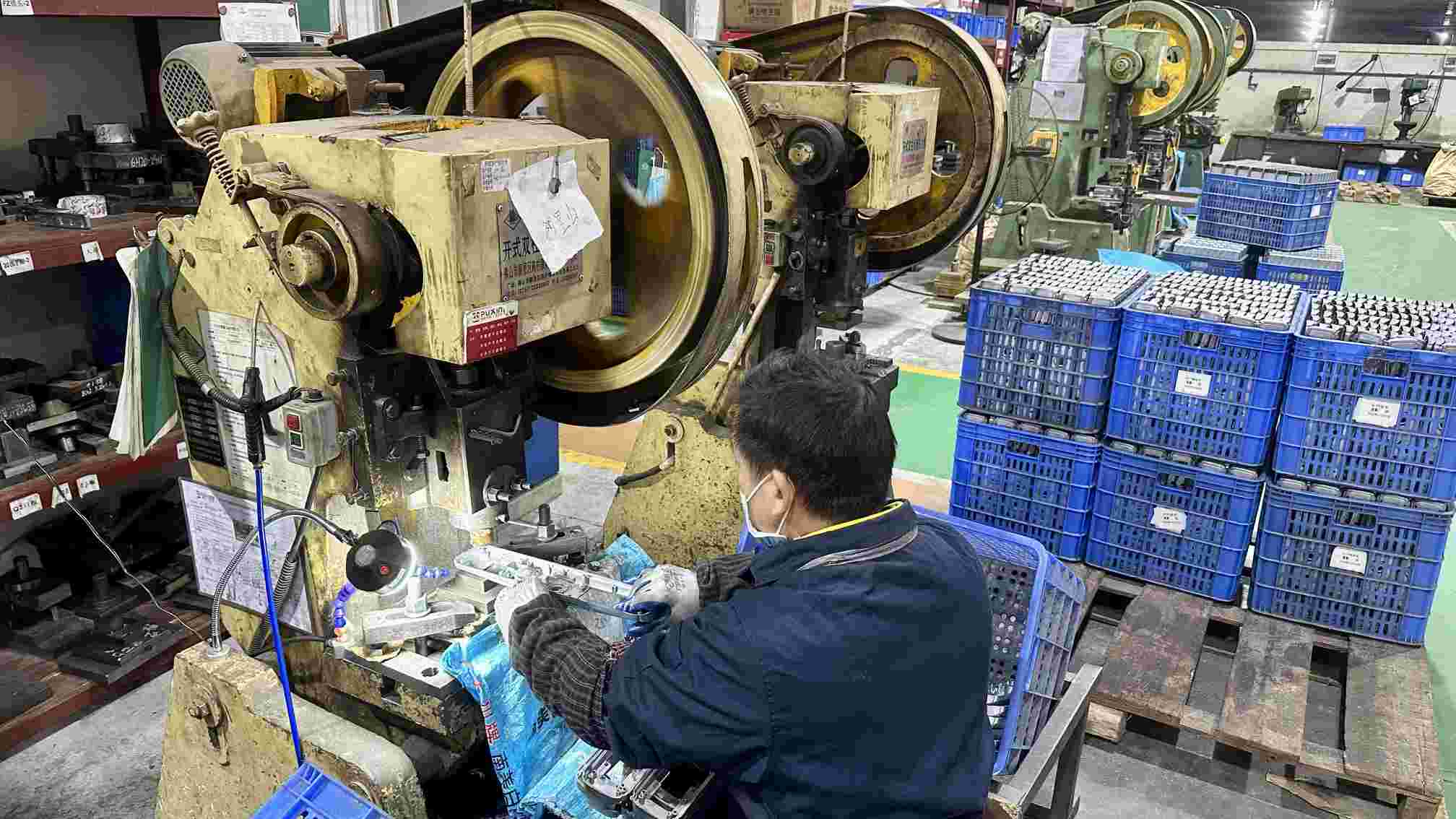
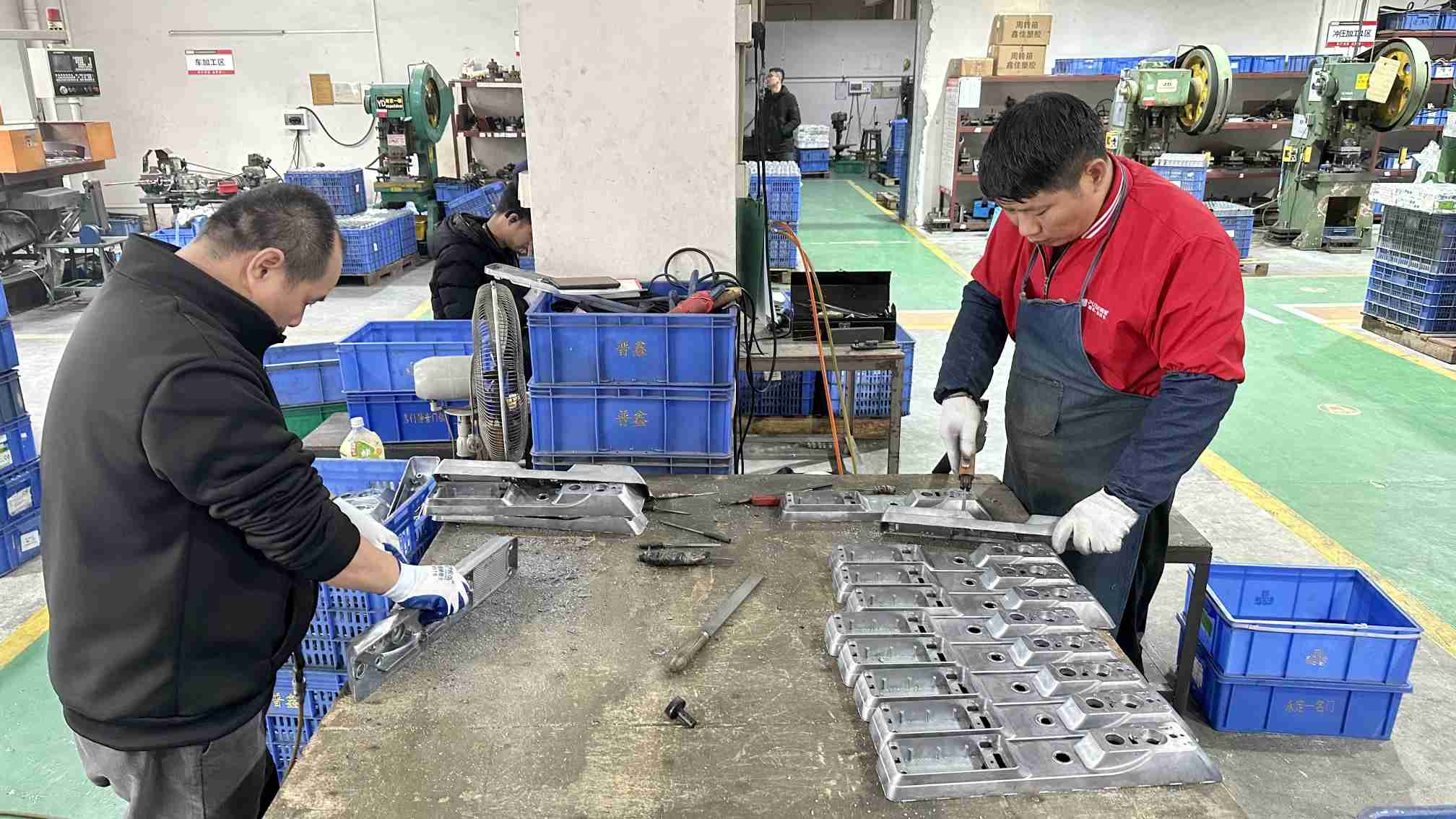
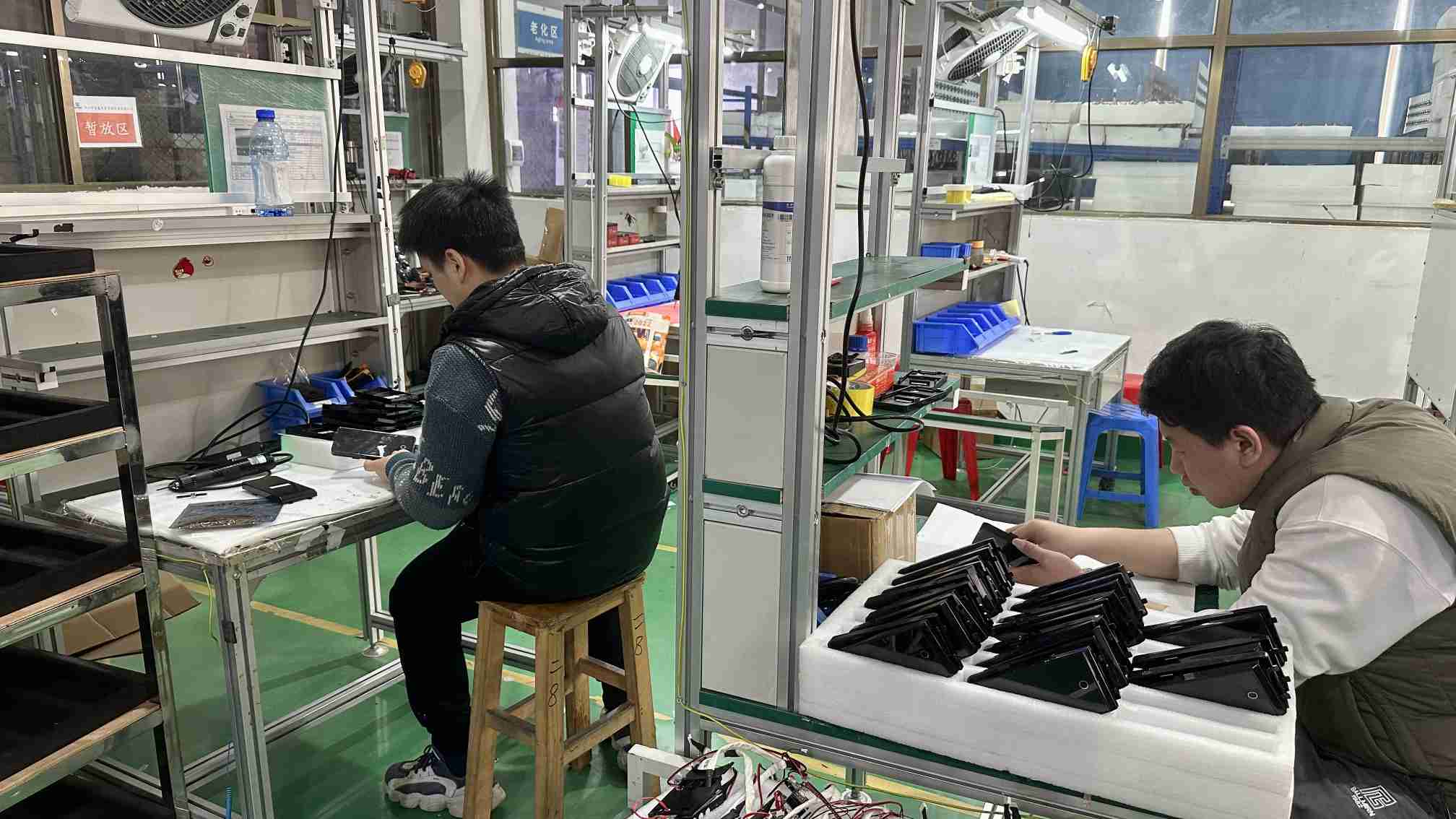
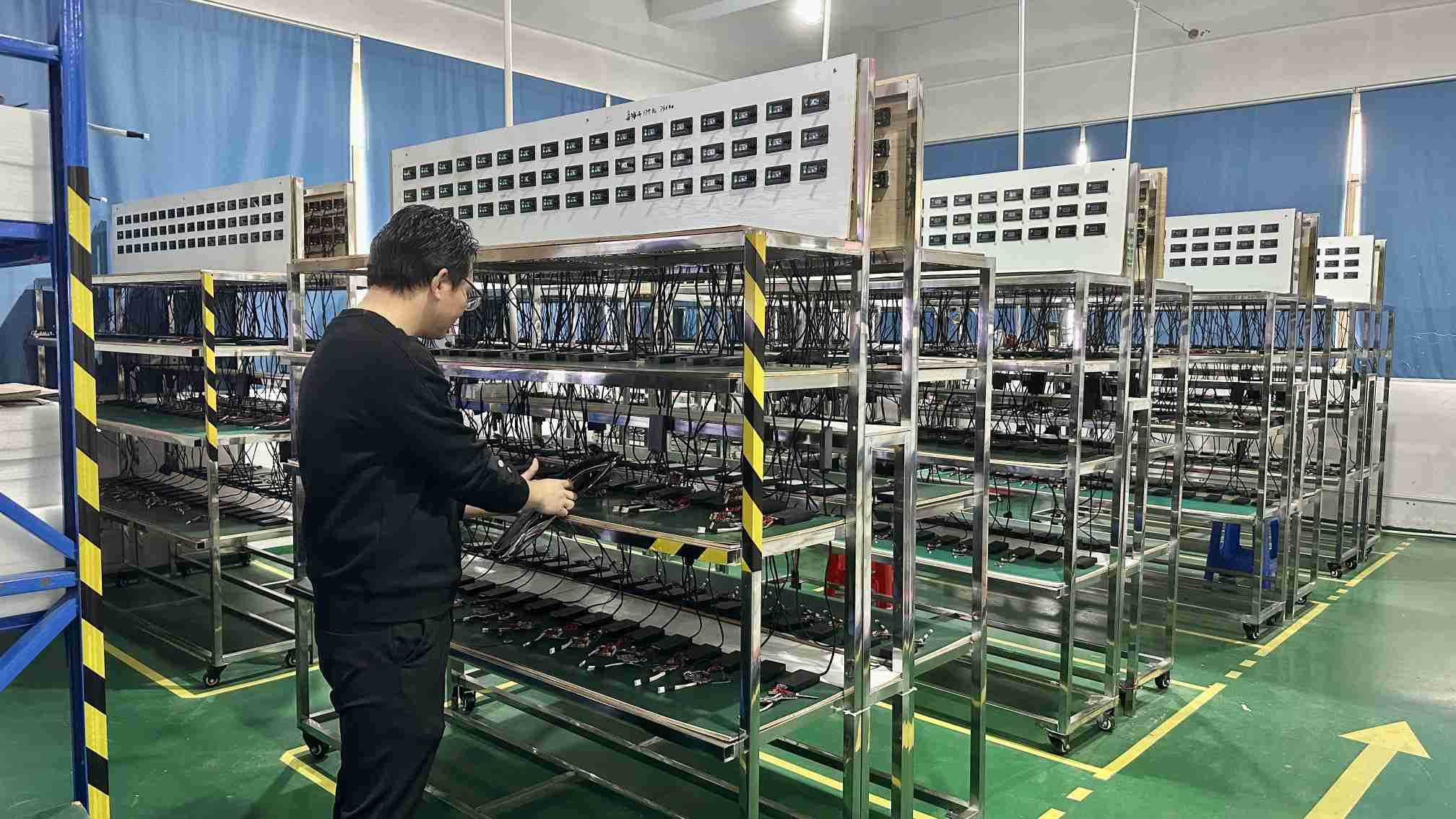
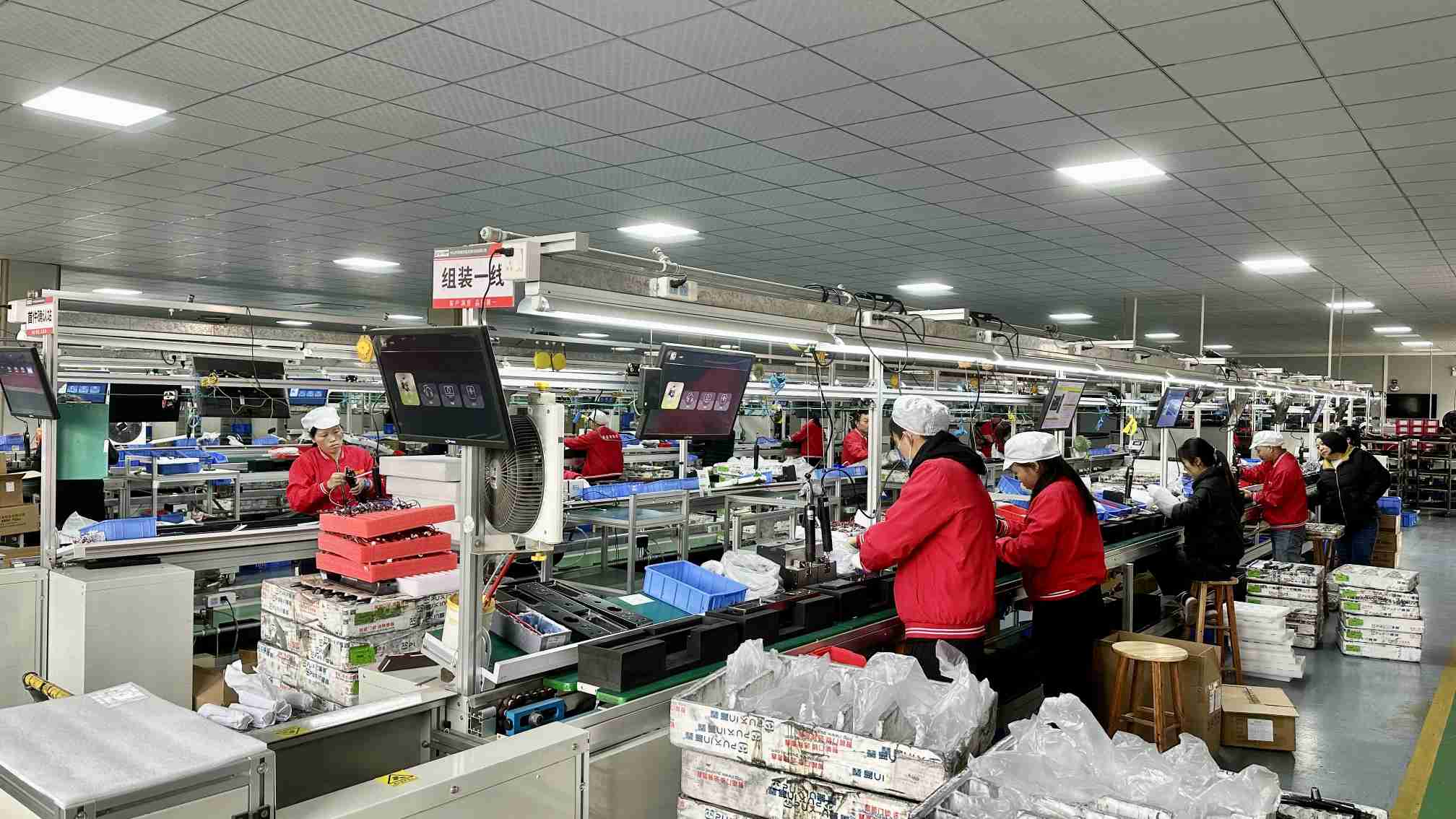
Before packing, every Wipan electronic smart lock is put through extreme stress cycles. The Aging Room runs high and low temperature chamber tests (-25°C to 70°C) and handles over 200,000 dynamic physical operations on heavy robotic testing rigs. This ensures that the hardware can withstand the harsh winter conditions of Queenstown and the humid, salty air of Auckland's coastal suburbs.
Wipan's engineering team provides full firmware and structural adaptation. We configure lock mortise systems (including standard European mortises, British standard deadlocks, and multi-point locking mechanisms) to fit New Zealand standard doors (such as 35mm to 65mm thick wooden doors and narrow aluminum glass profiles).
Our smart lock range is engineered for key target industries across Oceania, offering scalability and seamless software integration:
For property managers operating rentals in Queenstown, Wanaka, or the Coromandel, physical key handovers are highly inefficient. Wipan BLE locks enable offline PIN generation. Hosts can sync with platforms like Airbnb to auto-generate temporary codes that expire immediately at check-out, with no active Wi-Fi connection required at the lock.
Build-to-Rent (BTR) projects in Auckland CBD utilize our TTLock cloud management panel. Building administrators can revoke access codes, monitor real-time entry logs via Bluetooth gateways, and issue master key cards for maintenance crews from a centralized web platform.
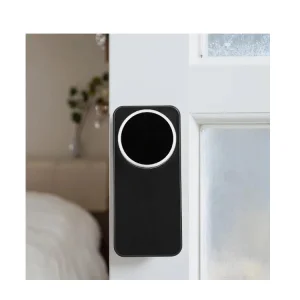
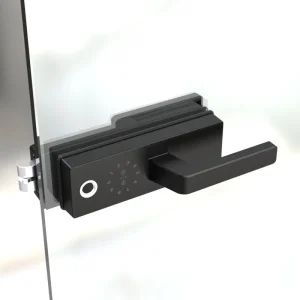
Modern corporate offices utilize glass-framed partition walls. Wipan's slim-handle smart locks are designed specifically for narrow-stile doors. They support NFC badges, IC cards, and mobile app unlocking, keeping commercial spaces secure while maintaining a modern, minimalist aesthetic.
As a forward-thinking exporter, Wipan is actively incorporating emerging global technologies into our product line to keep our partners competitive in the evolving smart lock market:
Crucial insights for importers, specifiers, and distributors in the Oceania region.
Explore our complete range of certified locks, designed for diverse applications from commercial glass partitions to residential retrofits.
 Wipan Lock