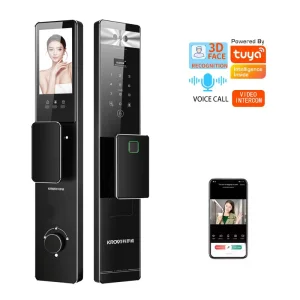
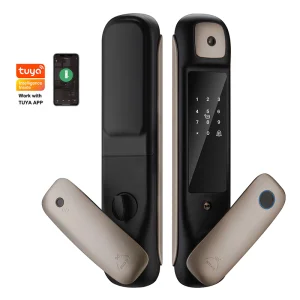
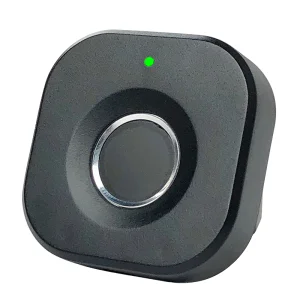
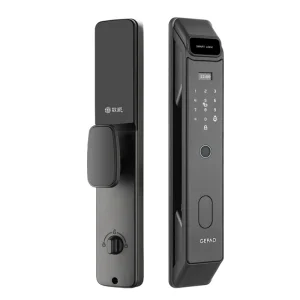
Enterprise-Grade Smart Locking Systems & IoT Solutions Certified for Global Markets
Discover our CE-compliant, mobile application-integrated digital locks engineered for commercial, residential, and industrial applications.
A comprehensive analysis of security protocols, CE compliance, manufacturing paradigms, and global supply chain dynamics in the IoT lock industry.
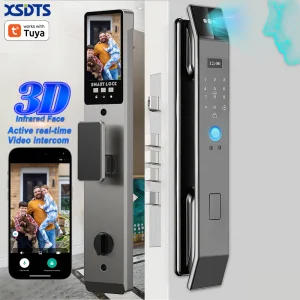
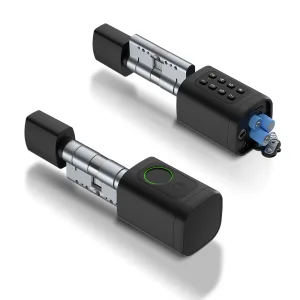
The security ecosystem is undergoing a generational shift from physical key-based systems to decentralized digital access. Modern enterprises require highly flexible, audited, and secure smart door systems that integrate directly with existing cloud databases and property management software (PMS). At the heart of this transition is the CE Certified Mobile App Lock. By deploying Bluetooth Low Energy (BLE), Wi-Fi, and Zigbee technologies, these electronic smart locks enable property managers and homeowners to issue temporary, permanent, or scheduled virtual credentials directly to smartphones.
As global exporters based in China’s high-tech manufacturing hub, we observe a surge in commercial and residential interest for certified connected locks. The global smart lock market, valued at USD 2.1 billion in 2022, is projected to expand at a compound annual growth rate (CAGR) of over 15% through 2030. This growth is heavily driven by requirements for real-time audit trails, keyless convenience, and software-as-a-service (SaaS) integration for co-working spaces, automated vacation rentals, and large-scale office infrastructures.
Modern mobile app locks are not merely mechanical barriers; they are edge computing nodes. To obtain CE Certification (Conformité Européenne), our hardware and software undergo rigorous assessment testing against strict standards, including the Radio Equipment Directive (RED) 2014/53/EU and electromagnetic compatibility guidelines.
A Pioneer in Smart Access Control, Biometric Hardware, and OEM/ODM Integration Solutions
Shenzhen Wipan Lock Co., Ltd. is a professional manufacturer specializing in smart locking systems and access control solutions. With years of experience in the electronic lock industry, Wipan has become a trusted partner for hotels, apartments, offices, educational institutions, healthcare facilities, commercial buildings, and residential projects worldwide.
We provide not only high-quality smart lock products but also comprehensive OEM/ODM solutions tailored to our customers' needs. From product design, research and development, manufacturing, quality control, and branding support to market analysis and after-sales service, we help our partners build competitive products and expand their business successfully in local and international markets.
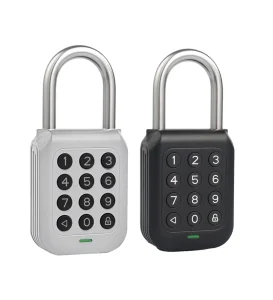
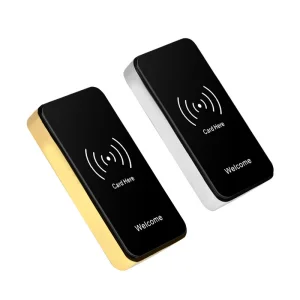
Driven by innovation and technology, Wipan continuously invests in advanced manufacturing equipment, intelligent production processes, and product development to ensure reliable performance, enhanced security, and user-friendly experiences. Our product range includes smart door locks, hotel lock systems, fingerprint locks, password locks, RFID card locks, Bluetooth locks, TTLock solutions, and customized access management systems.
Today, Wipan products are exported to numerous countries and regions across Asia, Europe, the Middle East, Africa, North America, and South America, earning recognition for quality, durability, and excellent customer service.
At Wipan, our greatest asset is our people. Our experienced engineers, designers, production specialists, and customer service professionals work together with passion and dedication to deliver innovative security solutions. We believe that successful partnerships are built on trust, collaboration, and mutual growth. By maintaining open communication and understanding our customers' unique requirements, we are able to provide flexible solutions that help businesses stay ahead in a rapidly evolving smart security market. Our team is committed to excellence in every stage of the process—from concept development and product engineering to manufacturing and technical support—ensuring that every product meets the highest standards of quality and reliability.
To create smarter, safer, and more convenient access solutions for people around the world through continuous innovation and superior quality.
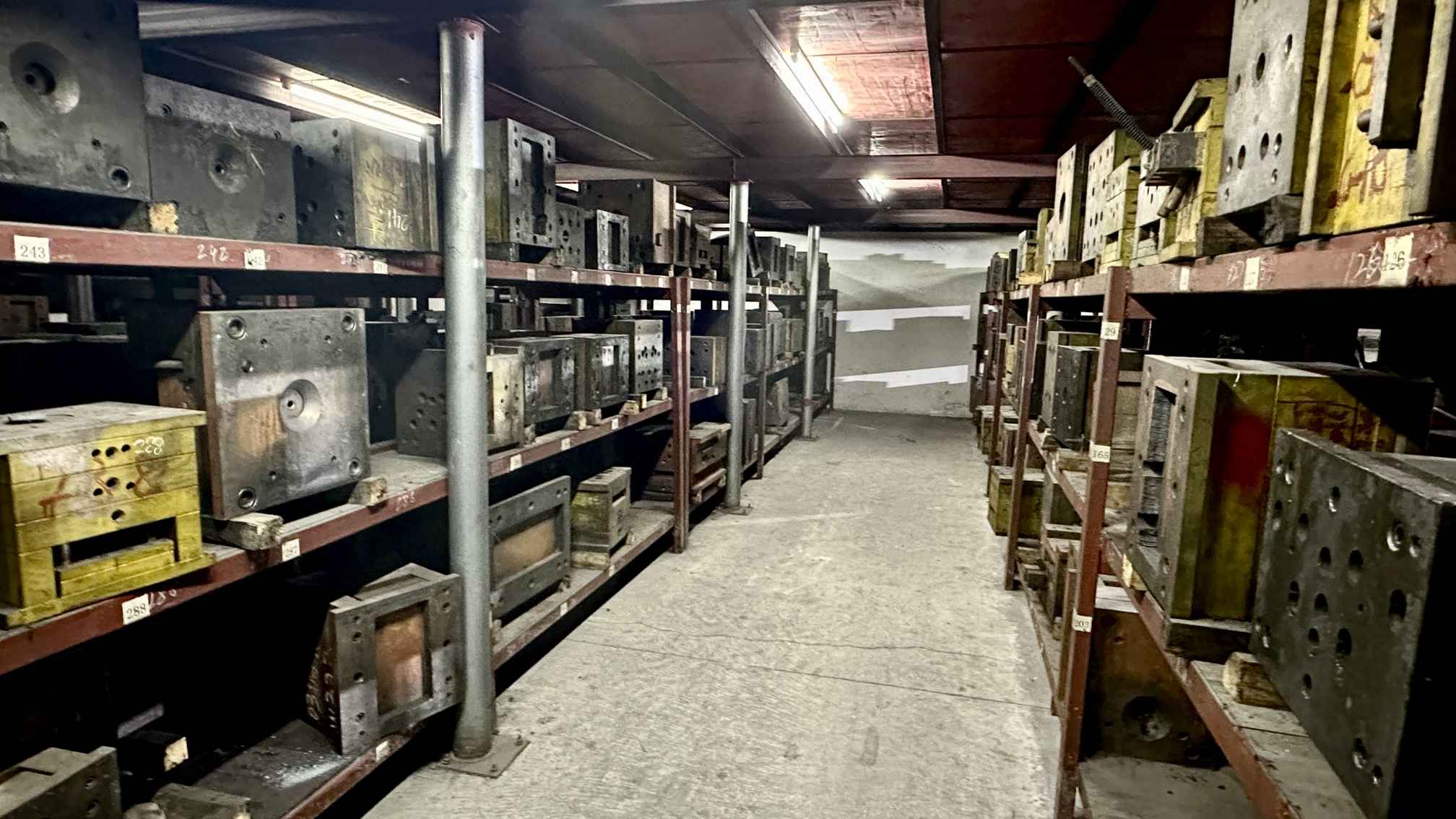
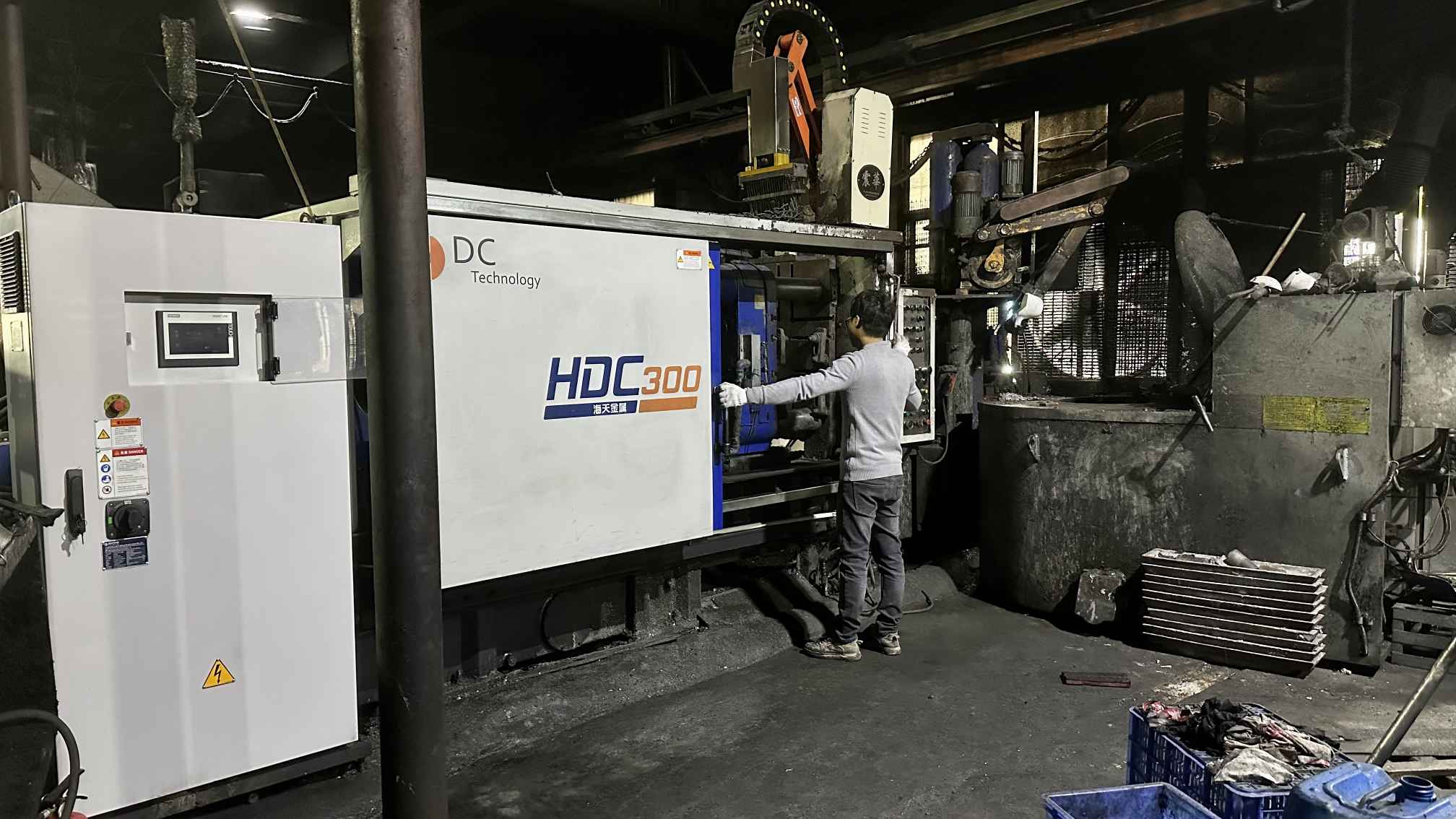

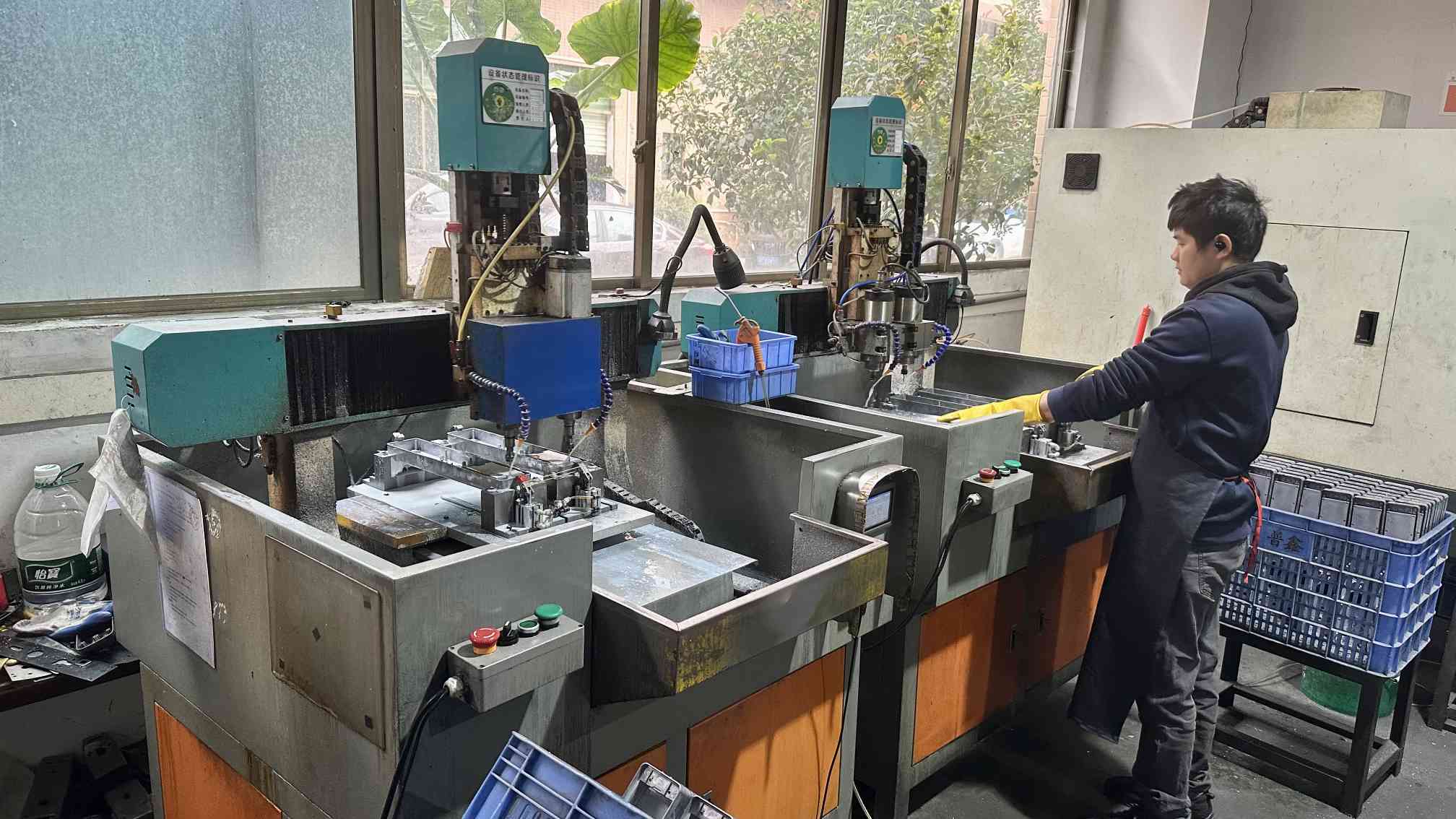
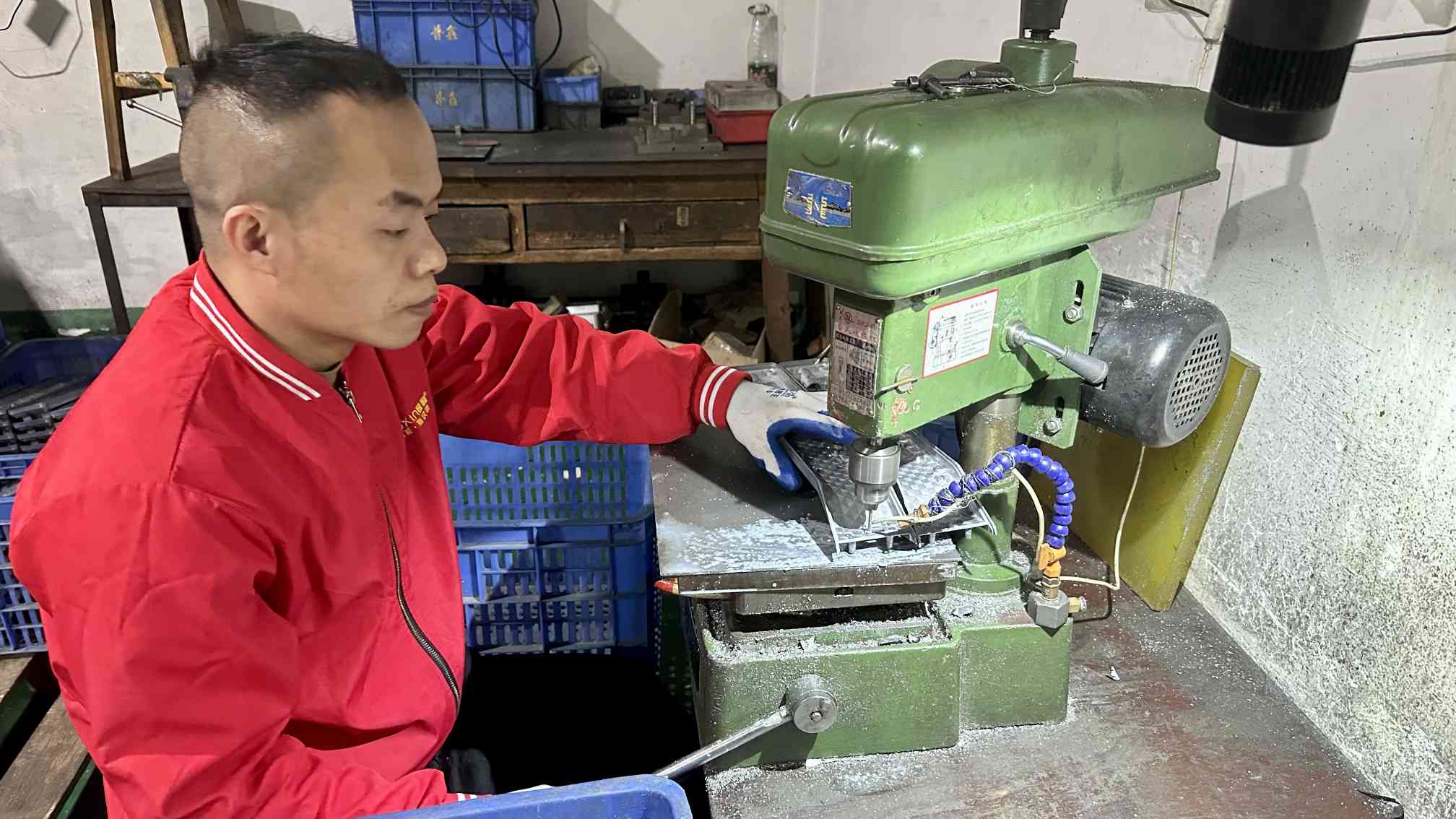
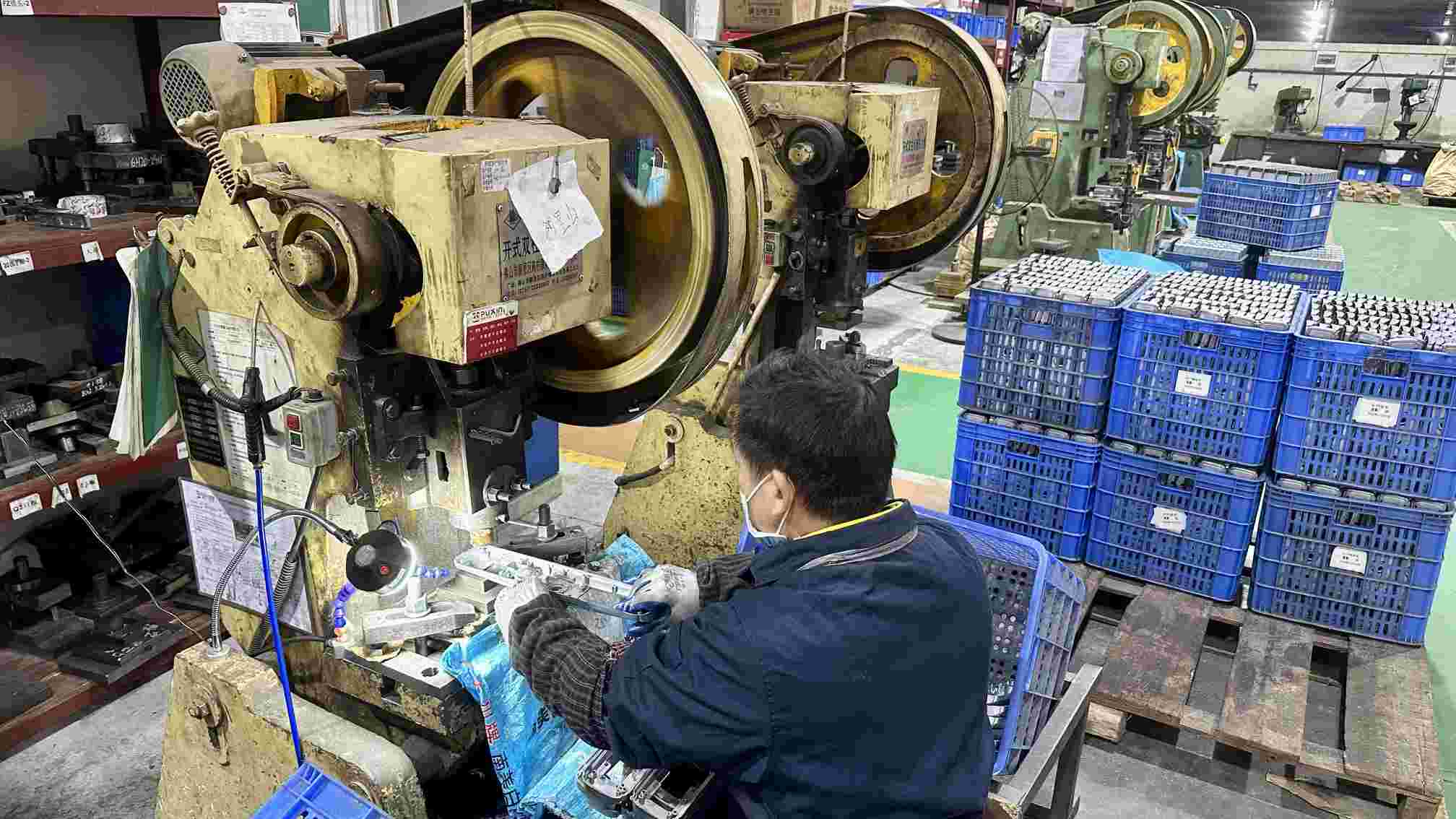
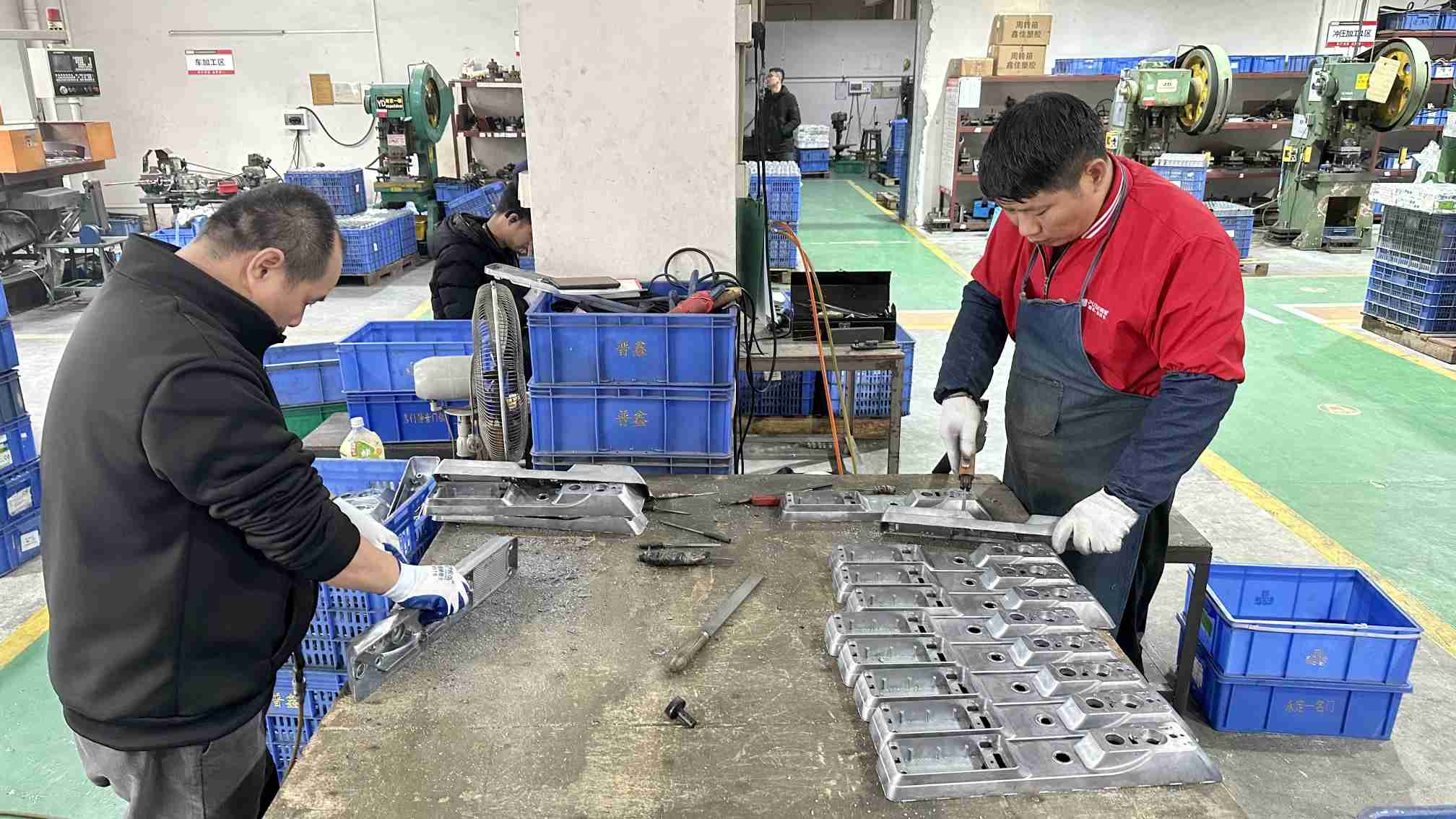
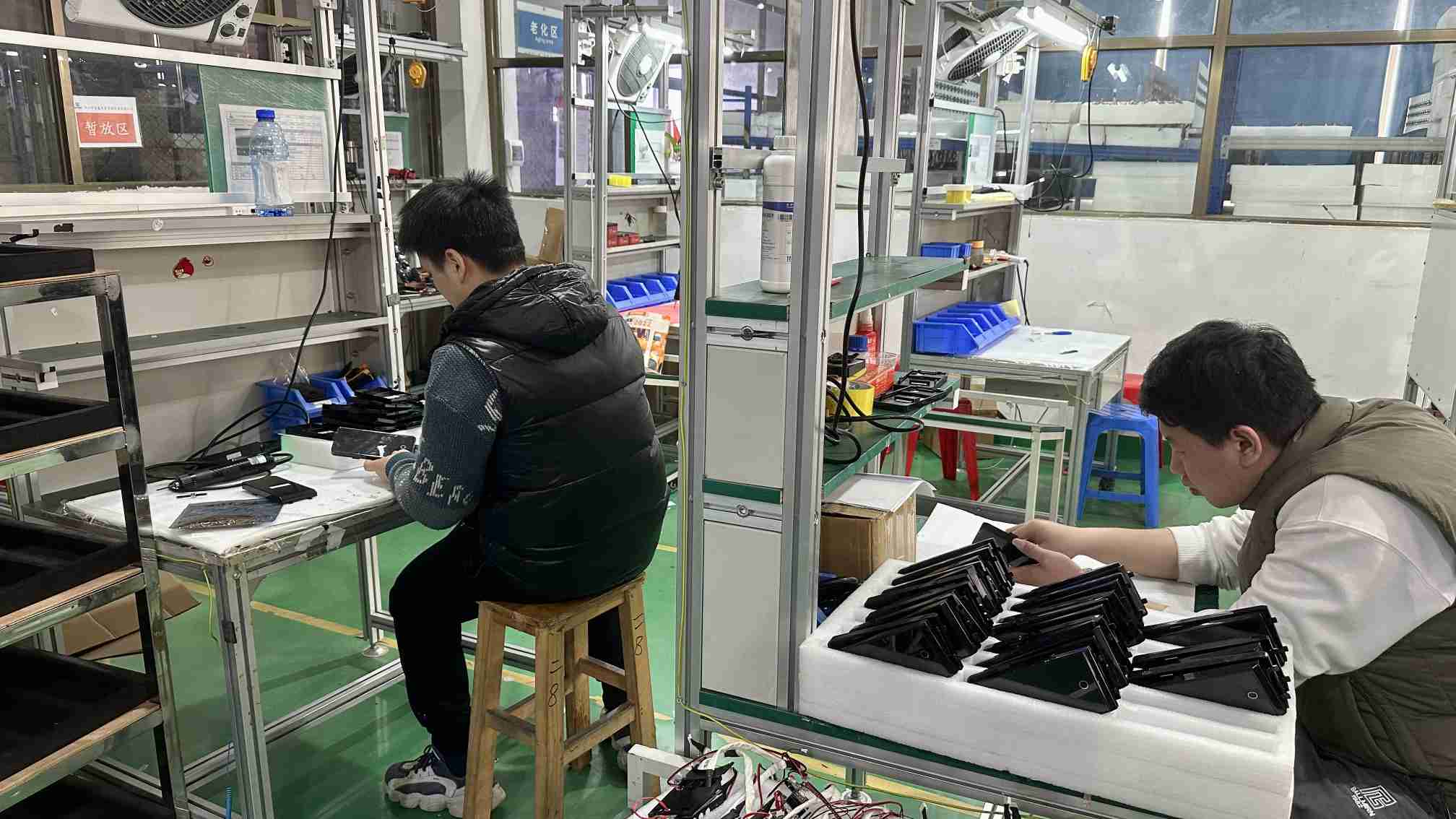
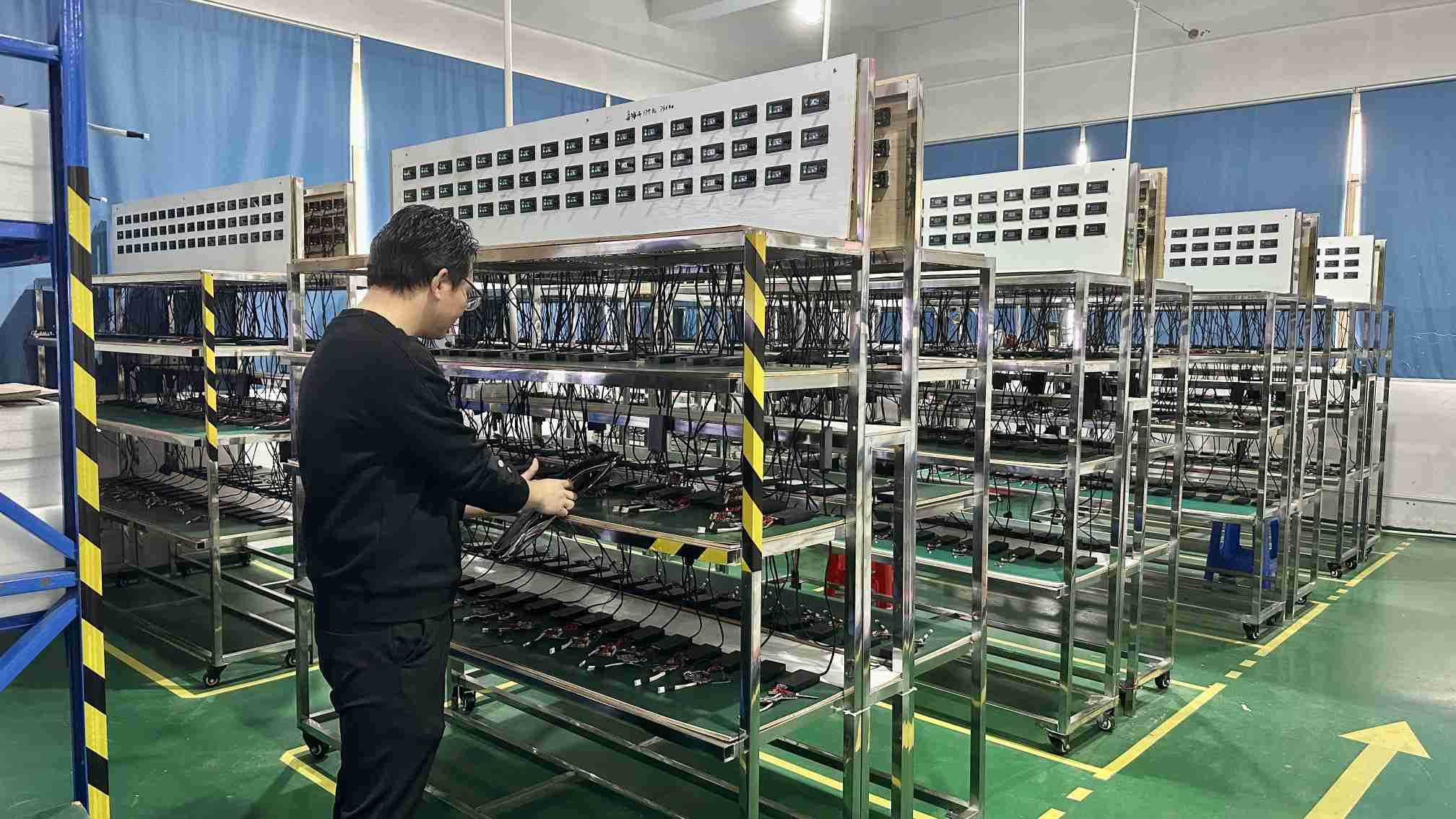
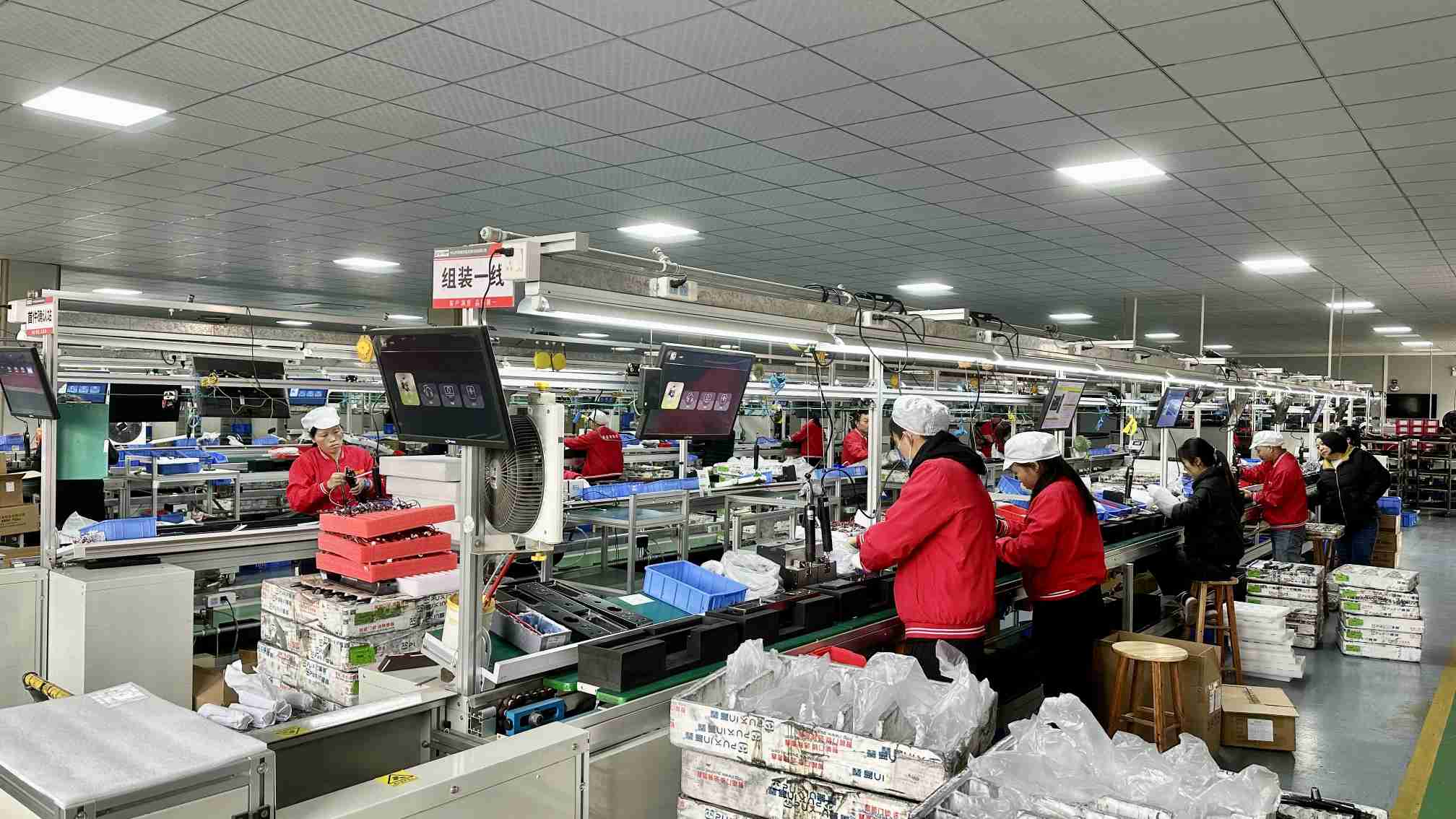
Partnering with a specialized Chinese exporter like Shenzhen Wipan Lock Co., Ltd. provides distinct structural advantages for global procurement directors and enterprise importers. The Pearl River Delta is the epicentre of the world’s smart hardware supply chain, providing unprecedented integration, agility, and cost-efficiency.
From raw materials like high-grade zinc alloy and stainless steel (SUS304) to precision PCB microcontrollers and biometric sensor arrays, all key modules are sourced locally. This enables us to compress prototyping lifecycles to just 7–14 days and fulfill high-volume mass production orders on short lead times.
Wipan Lock invests over 12% of its annual revenue in advanced research and development. By pairing automation on the factory floor with cost-optimized engineering, we offer superior mechanical tolerances and software features at a fraction of the cost of legacy Western manufacturers.
Rather than proposing a "one-size-fits-all" hardware solution, Wipan provides customizable access structures optimized for specific industry verticals:
Essential insights for engineers, distributors, and sourcing managers looking to deploy mobile lock systems.
Browse more high-performance, CE-certified electronic smart locks for diverse installation scenarios.
Connect with our technical sales engineers to discuss custom branding, software integration requirements, and bulk wholesale pricing options for your local market.
Contact our Experts Wipan Lock