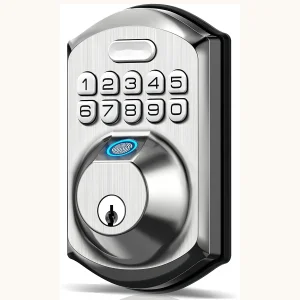
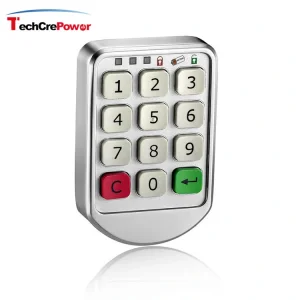
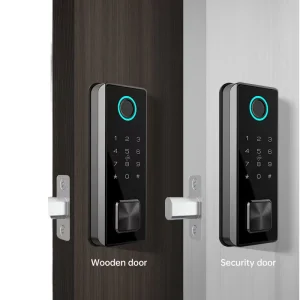
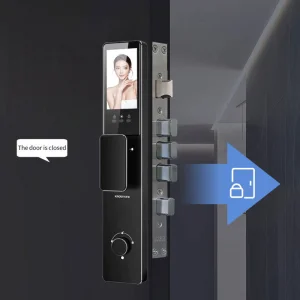
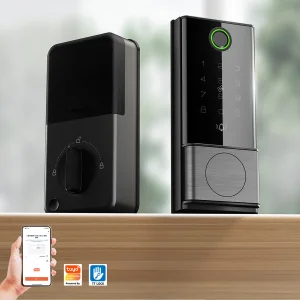
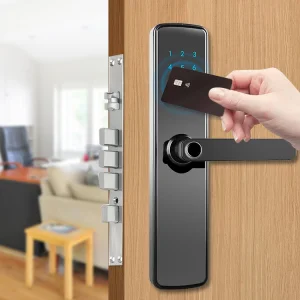
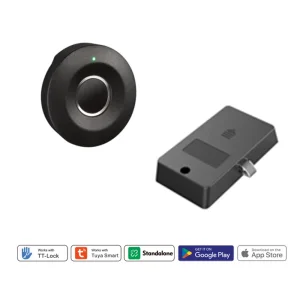
Explore our premium CE certified residential smart locking units engineered for enterprise distributors, developers, and global smart home brands.
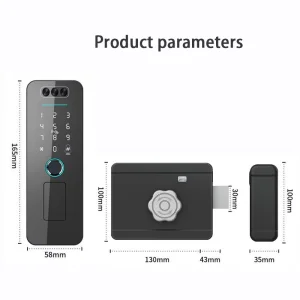
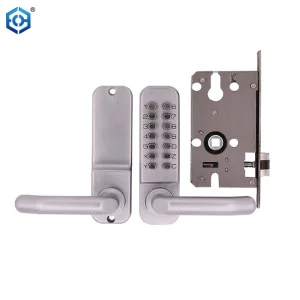
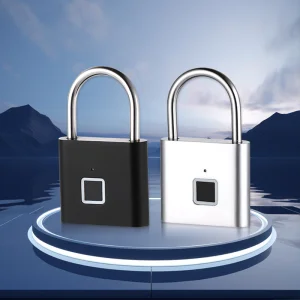
Analyzing procurement patterns, safety standard enforcement, and global technological trajectories.
The global residential security market is undergoing a structural transition. Mechanical locksets, which have protected households for centuries, are rapidly being replaced by electromechanical, cloud-enabled devices. Driven by the proliferation of smart home frameworks and multi-family housing developments, the demand for CE certified residential smart locks has grown exponentially. In the European Union and other regulatory regions, CE compliance is not merely a label; it represents safety, environmental protection, and electromagnetic conformity.
For global B2B procurement officers, real estate developers, and brand owners, navigating the smart lock manufacturing supply chain is complex. A smart lock must balance mechanical robustness with complex electronic encryption, radio frequency protocols, and power management. To succeed, buyers must partner with manufacturers that combine precision hardware production with advanced software engineering.
This whitepaper provides critical procurement insights, factory process evaluations, and technical comparisons. By analyzing compliance certifications and physical manufacturing phases, we help global buyers minimize sourcing risks and build reliable smart access portfolios.
As smart cities and IoT ecosystems advance, modern residential locks must integrate seamlessly with local home networks. This integration requires standard compatibility across varying mortise specifications—such as the 6068 standard in East Asia, European DIN standards, or American deadbolt parameters.
The essential regulatory framework protecting B2B buyers from operational, legal, and security liabilities.
The Radio Equipment Directive governs smart locks with Wi-Fi, Bluetooth, Zigbee, or NFC. It ensures these wireless signals do not interfere with other networks and operate securely within dedicated frequency spectrums.
This European standard evaluates the mechanical performance, structural durability, and electrical security of electromechanically operated locks and strike plates, defining clear classifications for physical security.
This standard determines whether a smart lock assembly can withstand fire and smoke spread on rated doors. Compliant smart locks must maintain structural integrity under extreme temperatures.
| Compliance Category | Specific Directives / Standards | Core Verification Objectives | B2B Sourcing Value |
|---|---|---|---|
| Radio & RF | RED 2014/53/EU, EN 300 328, EN 301 489 | Signal stability, frequency limit protection, radiation limits. | Ensures smooth communication with gateways and smart home hubs. |
| Mechanical Safety | EN 14846, EN 12209 | Corrosion resistance, mechanical force endurance, cycle lifetimes. | Guarantees structural durability across diverse weather conditions. |
| Environmental Policy | RoHS (2011/65/EU), REACH | Restriction of hazardous substances (lead, mercury, cadmium). | Simplifies customs clearance and ensures user safety. |
| Cybersecurity | ETSI EN 303 645 | IoT cyber security, data encryption validation, secure storage. | Protects against unauthorized access and remote exploitation. |
A trusted partner for global B2B access control systems and OEM/ODM engineering solutions.
Shenzhen Wipan Lock Co., Ltd. is a professional manufacturer specializing in smart locking systems and access control solutions. With years of experience in the electronic lock industry, Wipan has become a trusted partner for hotels, apartments, offices, educational institutions, healthcare facilities, commercial buildings, and residential projects worldwide.
We provide not only high-quality smart lock products but also comprehensive OEM/ODM solutions tailored to our customers' needs. From product design, research and development, manufacturing, quality control, and branding support to market analysis and after-sales service, we help our partners build competitive products and expand their business successfully in local and international markets.
Driven by innovation and technology, Wipan continuously invests in advanced manufacturing equipment, intelligent production processes, and product development to ensure reliable performance, enhanced security, and user-friendly experiences. Our product range includes smart door locks, hotel lock systems, fingerprint locks, password locks, RFID card locks, Bluetooth locks, TTLock solutions, and customized access management systems. Today, Wipan products are exported to numerous countries and regions across Asia, Europe, the Middle East, Africa, North America, and South America, earning recognition for quality, durability, and excellent customer service.
At Wipan, our greatest asset is our people. Our experienced engineers, designers, production specialists, and customer service professionals work together with passion and dedication to deliver innovative security solutions.
We believe successful partnerships are built on trust, collaboration, and mutual growth. By maintaining open communication and understanding our customers' unique requirements, we provide flexible solutions that help businesses stay ahead in a rapidly evolving smart security market.
Our Mission: To create smarter, safer, and more convenient access solutions for people around the world through continuous innovation and superior quality.
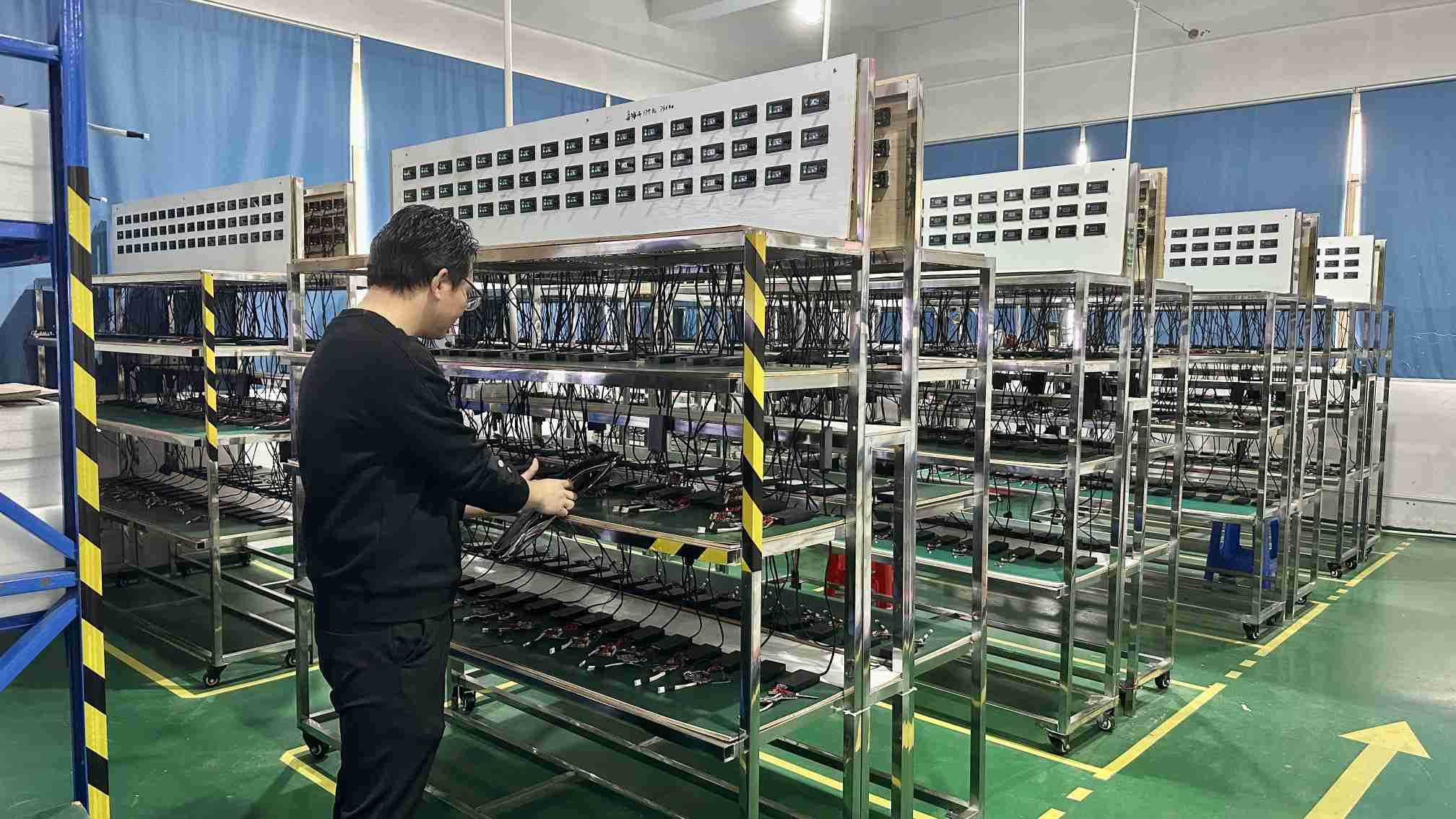
A detailed look at our automated production line, showing how raw materials are transformed into durable smart locks.
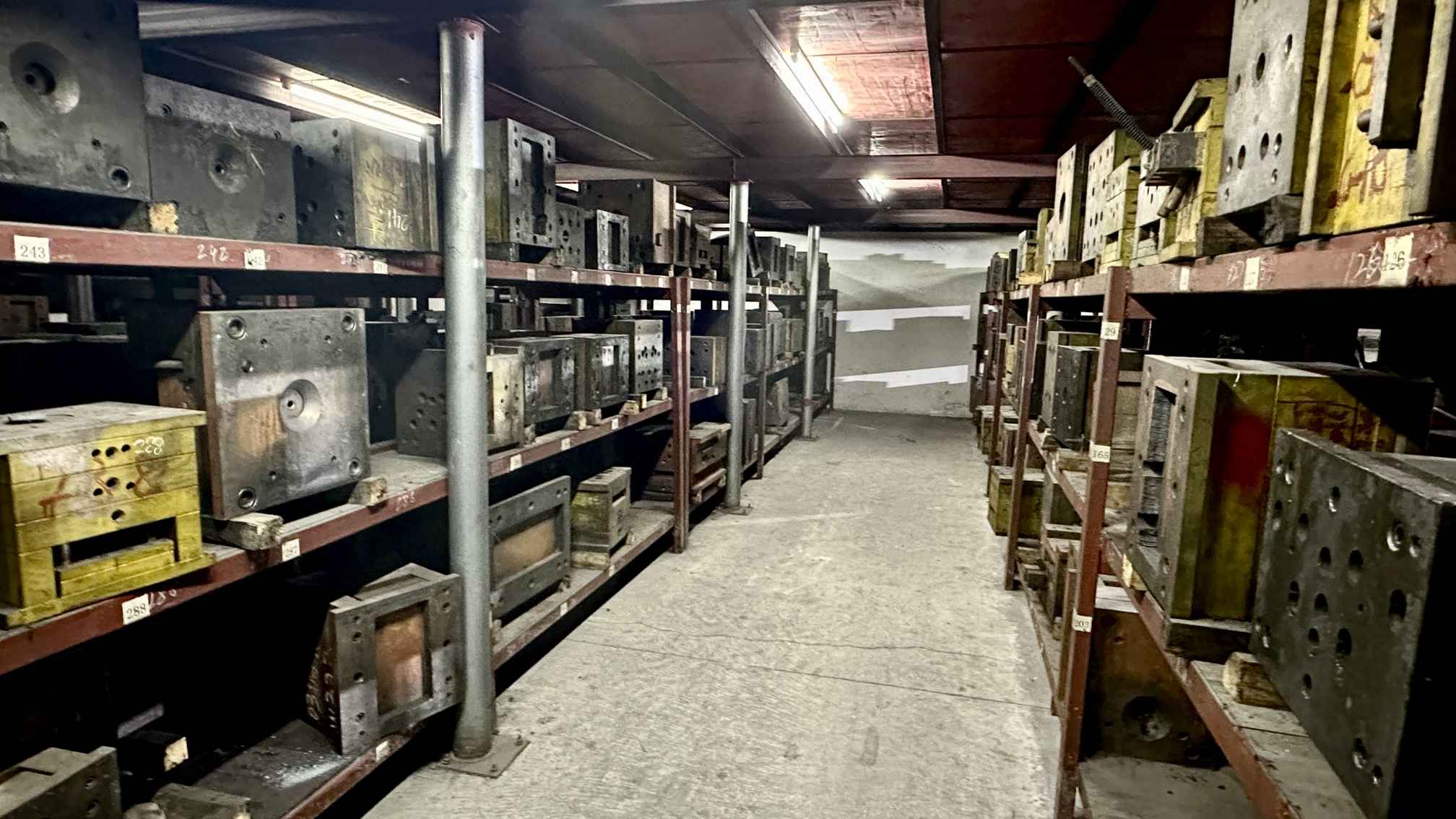
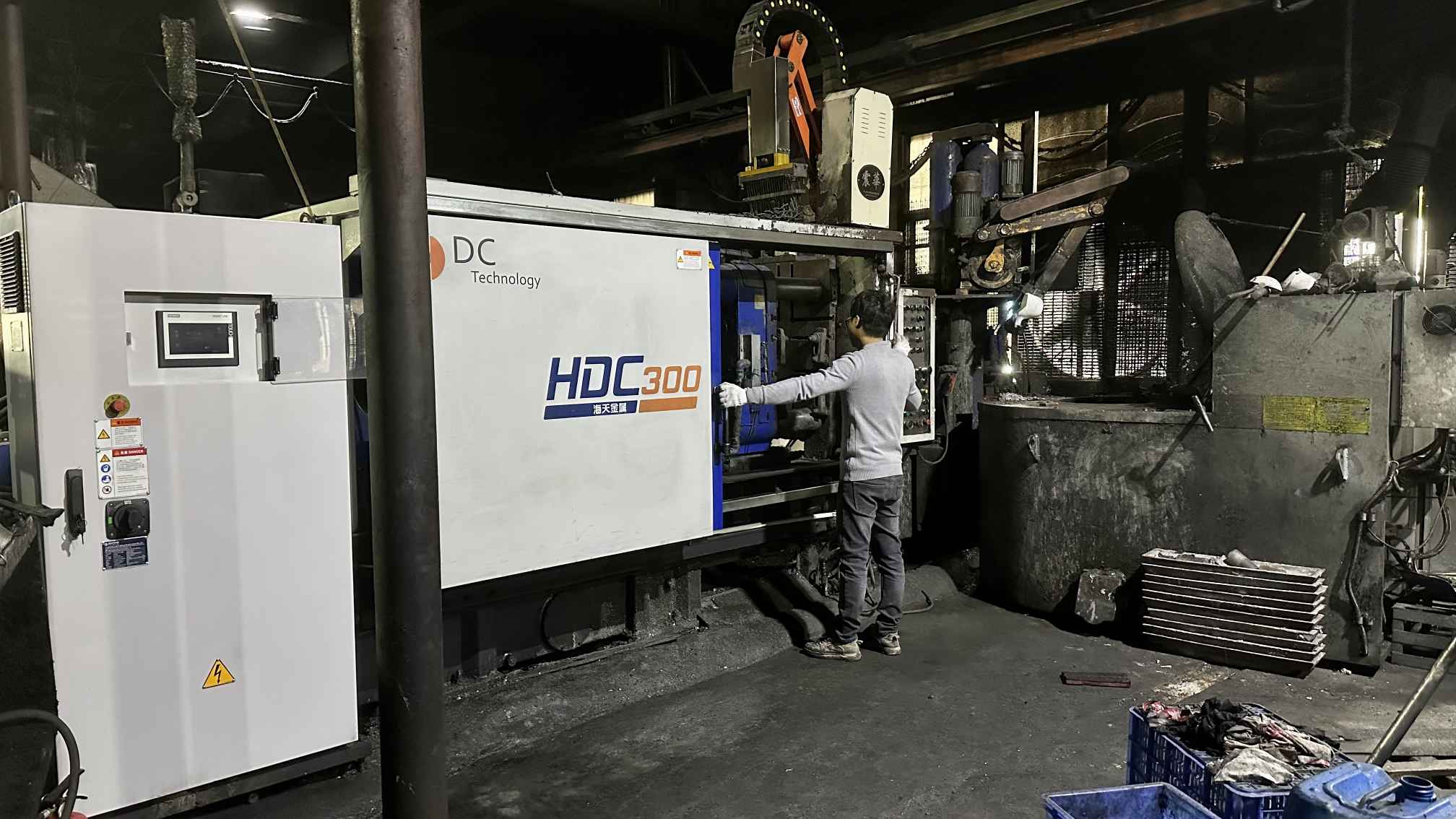

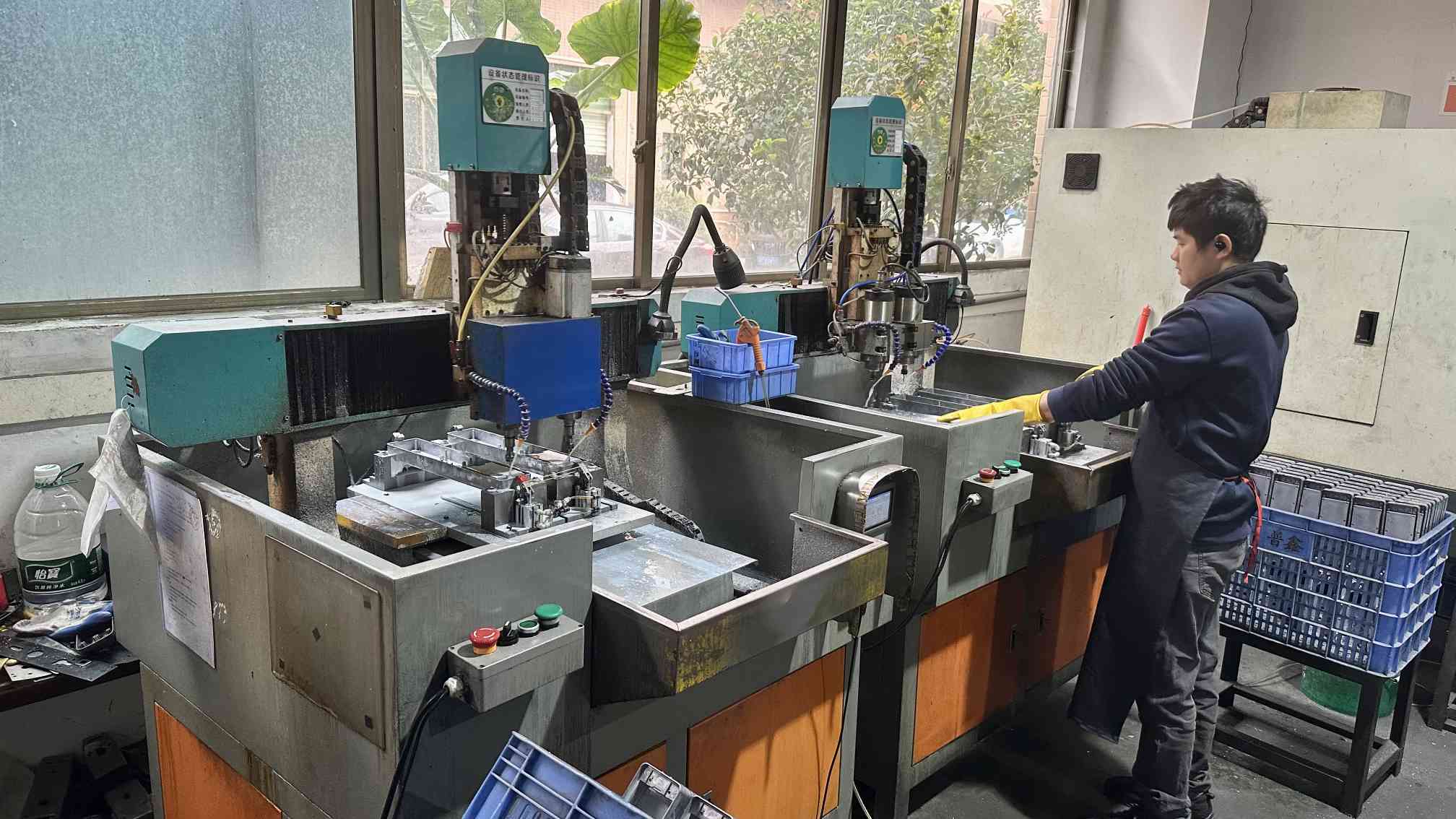
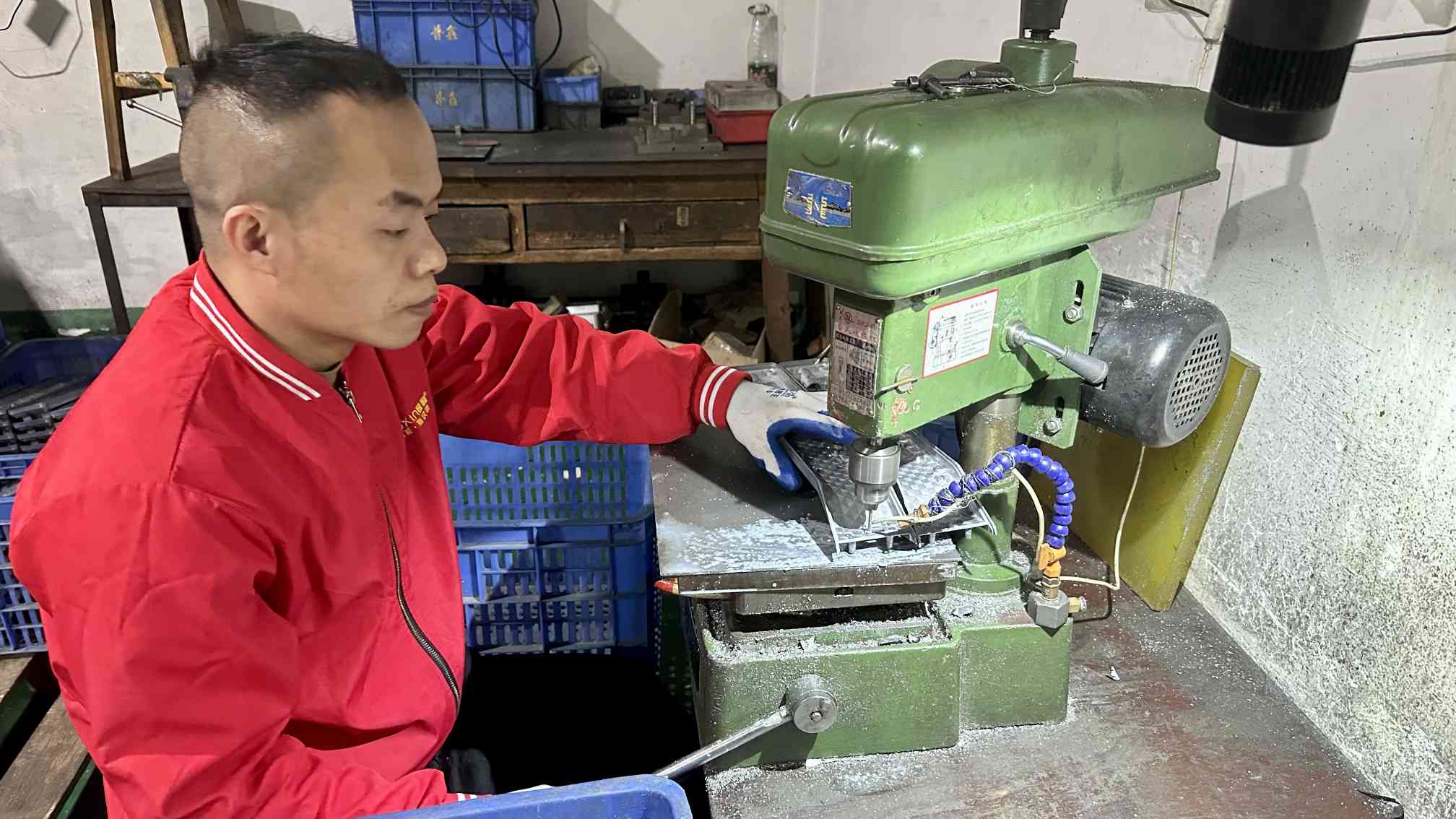
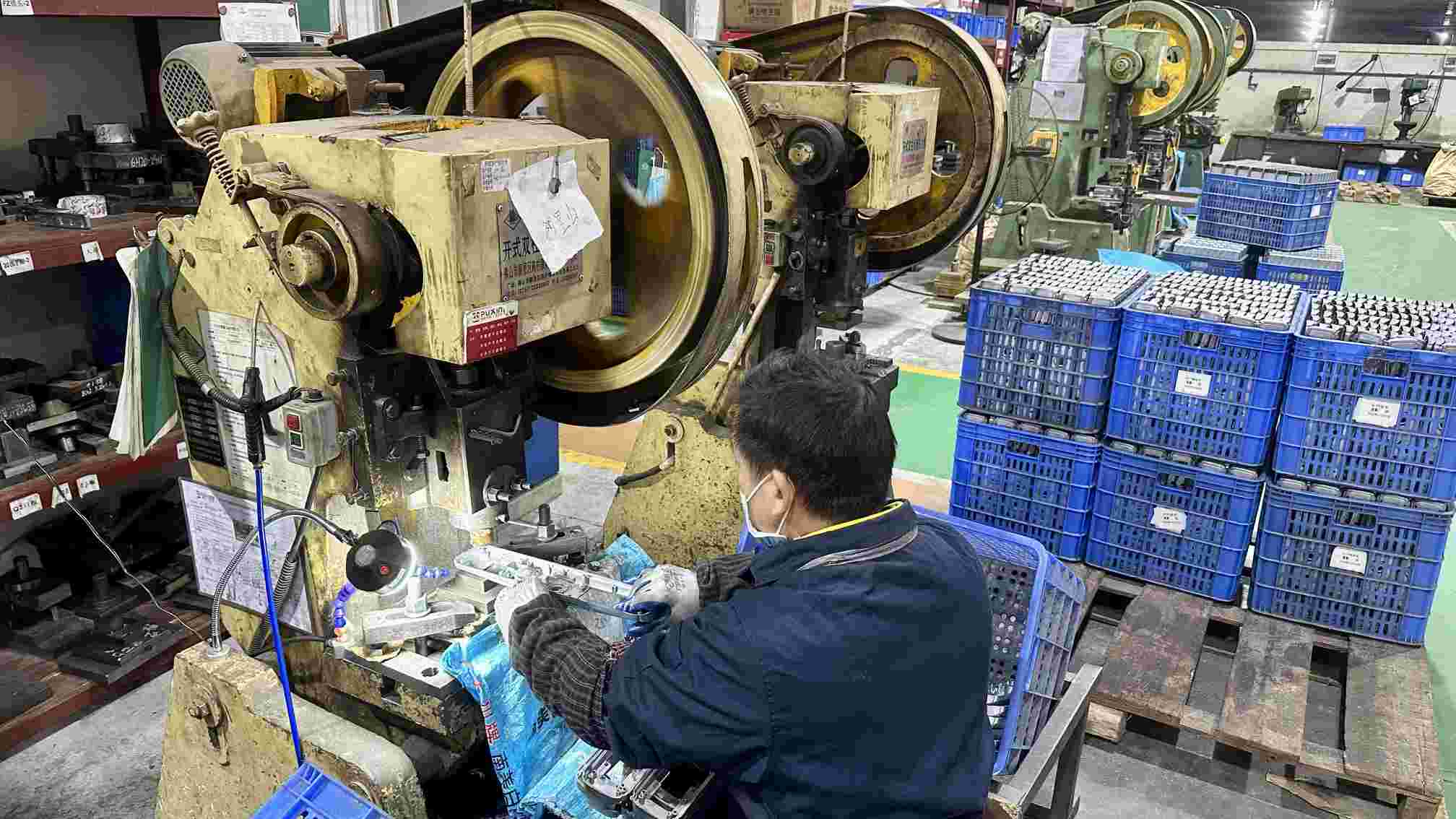
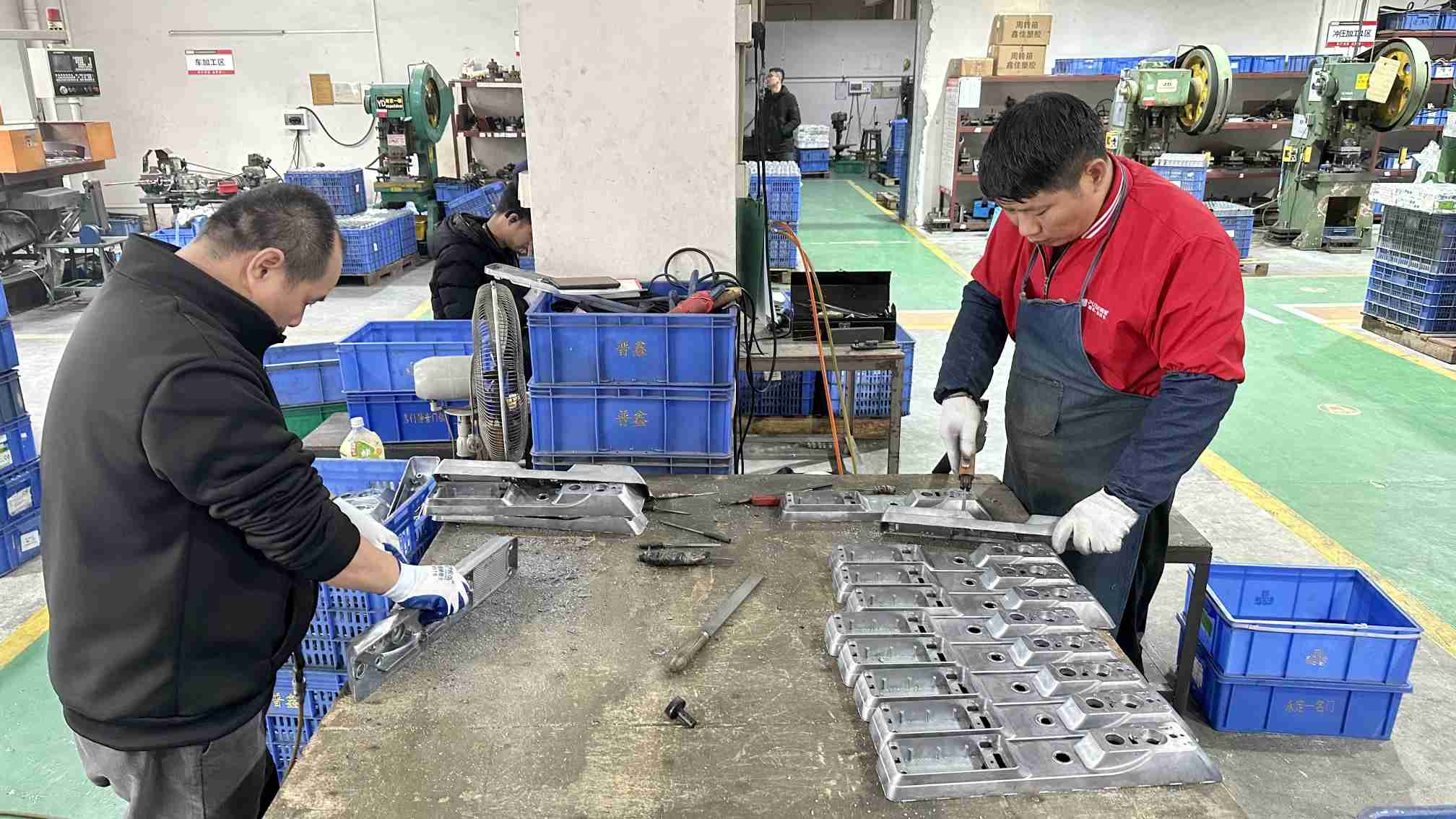
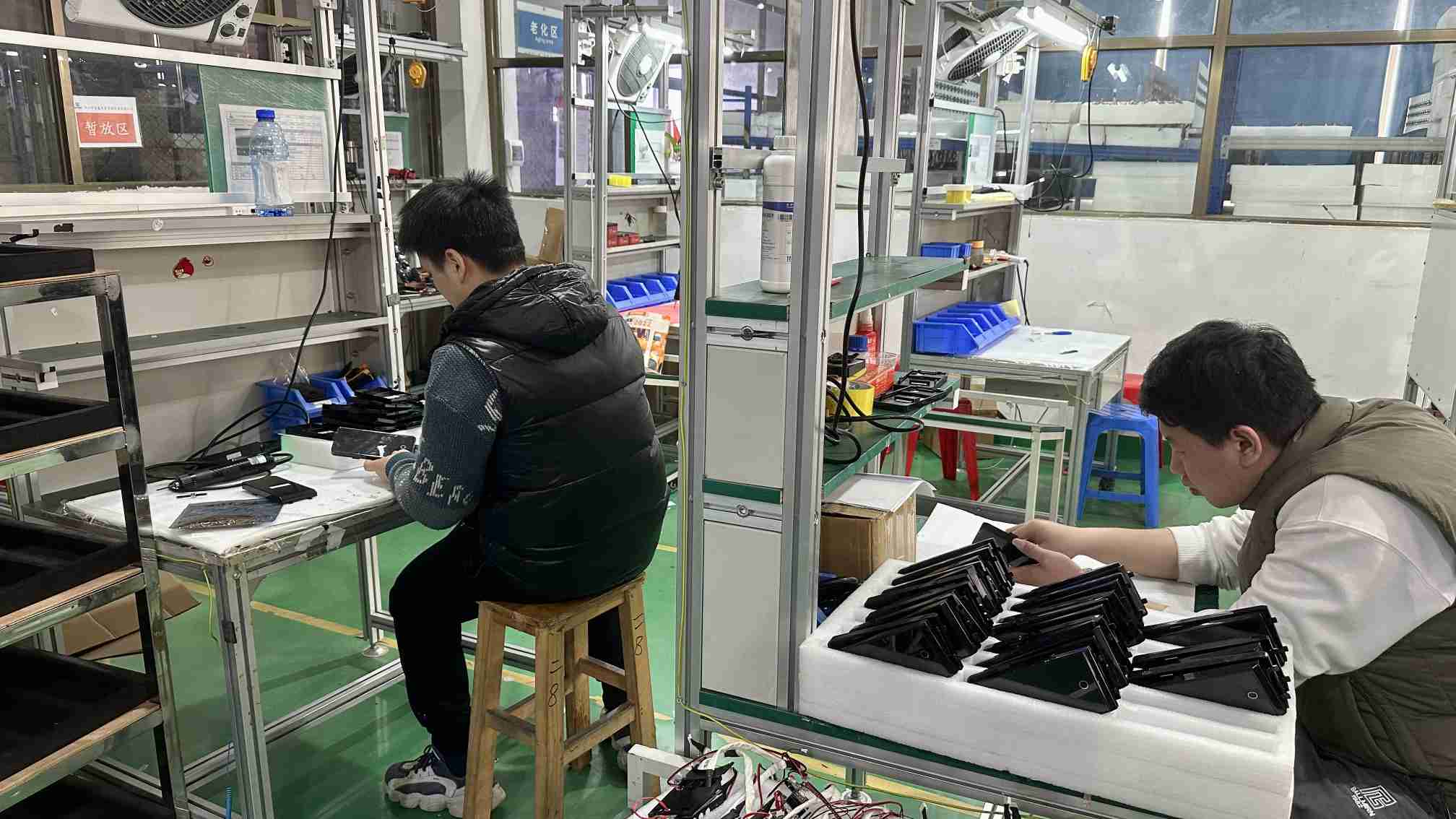
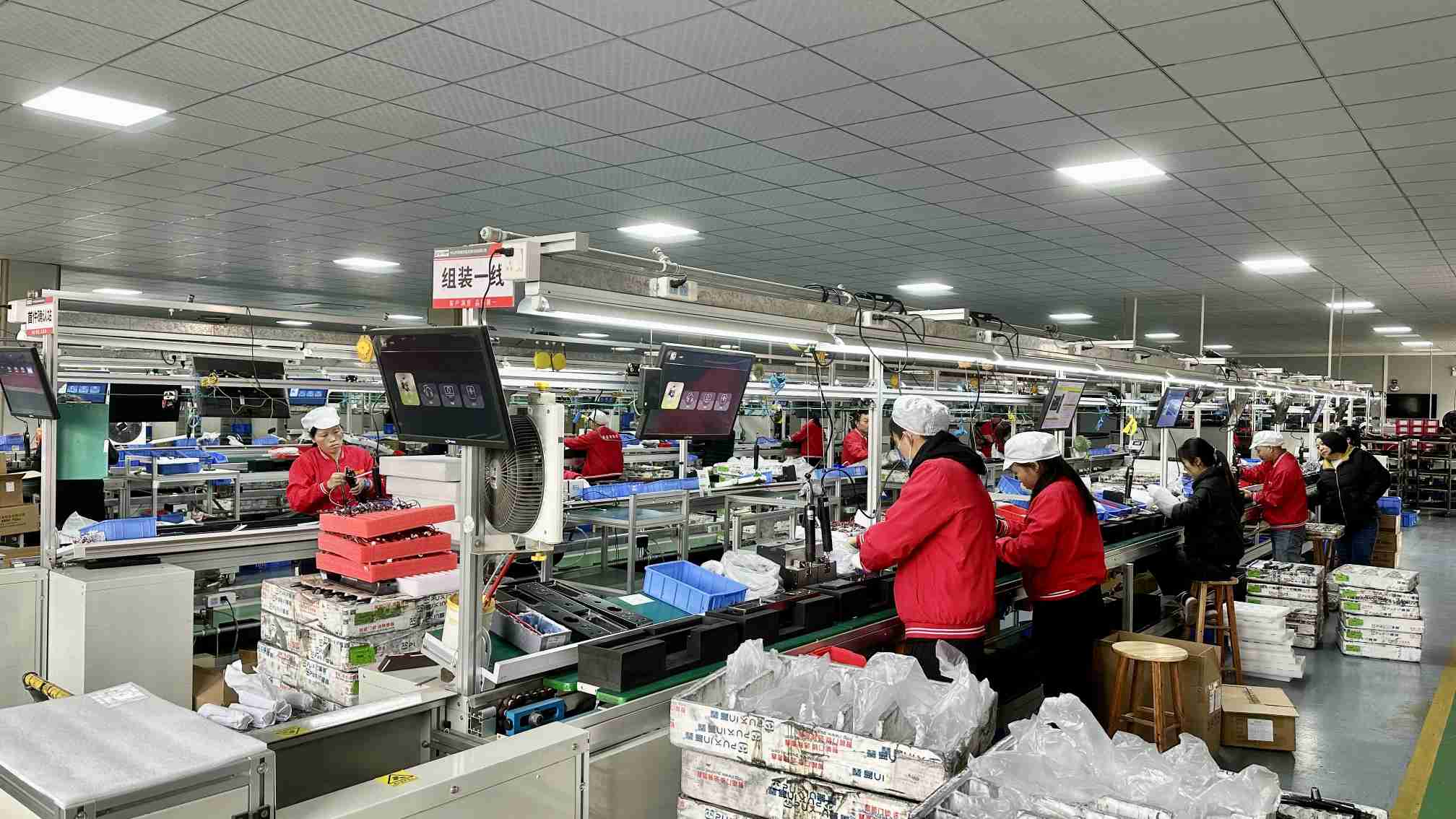
Our manufacturing workflow starts with raw alloy selection, using high-pressure die casting to ensure structural integrity. Precision CNC machining, drilling, and multi-stage polishing prepare the lock surfaces for durable coatings.
Each batch of electronic modules undergoes aging testing to verify stability under temperature fluctuations, voltage drops, and high humidity before final assembly, system calibration, and packaging.
Analyzing key differences between BLE, Zigbee, Wi-Fi, Tuya, and TTLock ecosystems for residential integration.
Modern smart lock deployments depend on reliable wireless communication protocols. Choosing between Bluetooth, Zigbee, Wi-Fi, and emerging standards like Matter impacts battery life, signal range, and integration capabilities:
As access control technology advances, security mechanisms have evolved beyond basic keypads:
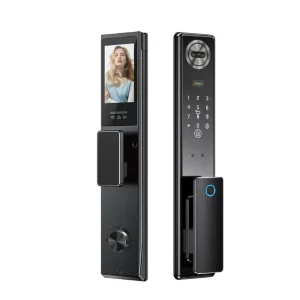
Wipan locks use advanced semiconductor fingerprint sensors and 3D structured light facial recognition modules. These sensors detect subsurface blood flow to prevent spoofing with high-definition photos or synthetic models, keeping false rejection rates (FRR) below 1% and false acceptance rates (FAR) below 0.0001%.
A B2B guide to navigating MOQs, customizing hardware parameters, and establishing regional technical support.
Mortise requirements vary globally. European markets require slim profiles (e.g., 3585 or 5572 mortise sets), while East Asian markets favor heavy-duty 6068 formats, and American regions use simple deadbolts. Wipan offers customizable mortise dimensions to match local doors without major retrofitting.
Hardware compatibility requires localized software. We assist buyers with multilingual voice prompts, localized application user interfaces, regional cloud server hosting (AWS/Azure) to comply with regional privacy regulations, and customized packaging.
For custom designs, our team delivers high-precision prototypes within short timelines. Our production capabilities include CNC milling, custom tooling, and fast PCB assembly modification, allowing clients to test new concepts before large-scale production.
Answering common questions about certification, integration, hardware testing, and supply logistics.
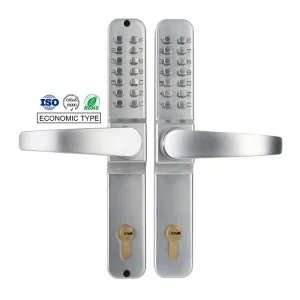
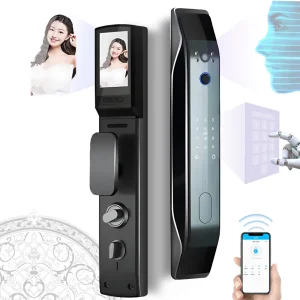
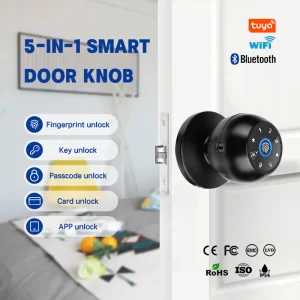
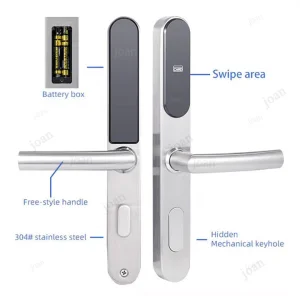
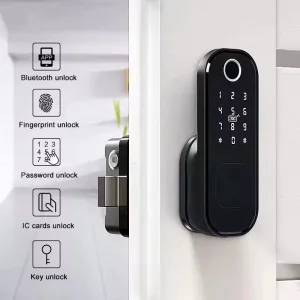
Discover our range of digital locks, waterproof gate security units, mechanical combination locksets, and smart cabinet lockers.
 Wipan Lock