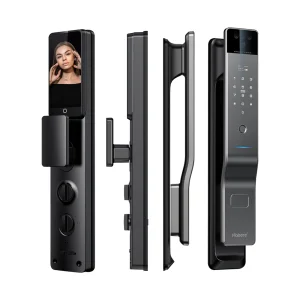
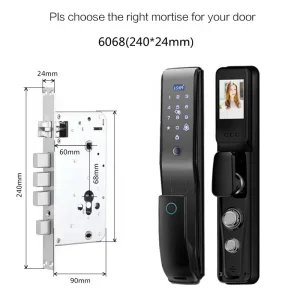
Explore our premium range of smart locks integrated with advanced biometric and app control capabilities designed for global distribution and commercial deployment.
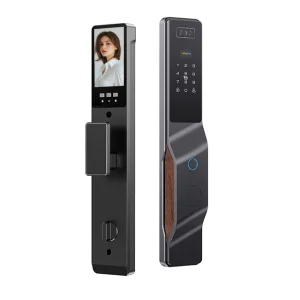
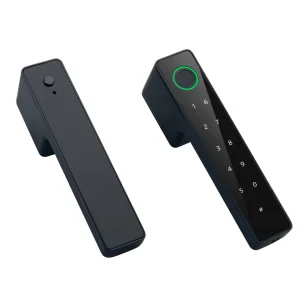
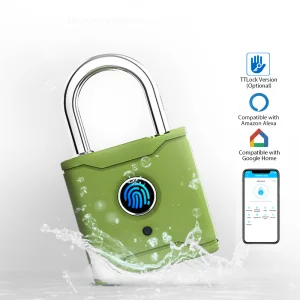
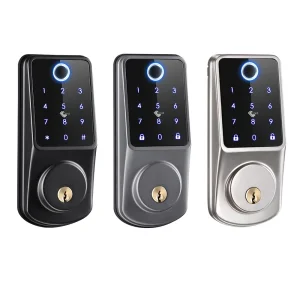
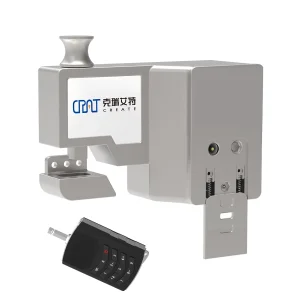
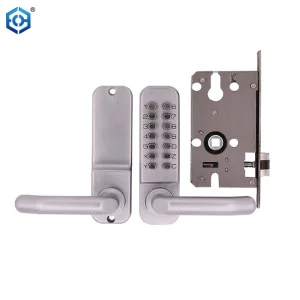
The global access management sector is undergoing an unprecedented digital transition. Traditional mechanical locks and legacy magnetic stripe key cards are rapidly giving way to cloud-integrated, biometric, and app-controlled smart locks. Market studies project the smart lock market size to reach multi-billion-dollar milestones by 2030, driven by the massive expansion of connected smart homes, intelligent commercial offices, build-to-rent multifamily developments, and advanced industrial infrastructure projects.
In highly urbanized and digitally integrated regions such as North America and Europe, app-controlled smart locks are no longer a luxury feature; they are standard expectations for modern real estate developments. Simultaneously, in rapid-growth regions like the Middle East, Southeast Asia, and Latin America, massive infrastructure investments and smart-city initiatives have positioned access control as a core pillar of public and private security policies.
This massive global shift has highlighted several critical technical criteria that international buyers demand: robust end-to-end encryption, multi-layered biometric recognition (including capacitive fingerprint sensors, eye scanners, and 3D face recognition), multi-connectivity protocols (WiFi, Bluetooth, Zigbee, and Thread), and rugged physical construction capable of withstanding diverse environmental conditions. Meeting these sophisticated needs requires an advanced manufacturing ecosystem that integrates precise mechanical engineering with agile, secure software development.
When it comes to hardware manufacturing, China—specifically the technological ecosystem centered around Shenzhen—offers unparalleled supply-chain integration, structural efficiencies, and speed-to-market advantages. The global leadership of Chinese smart lock exporters is built upon three core competitive pillars:
A smart lock is a complex fusion of structural metals, precision machinery, electronic PCBA boards, and optical or capacitive sensors. In the Pearl River Delta, all critical components—from high-tensile zinc alloys and aluminum extrusions to advanced semiconductor chips, secure microcontrollers, and precision camera modules—are sourced locally within a 50-kilometer radius. This geographic clustering drastically reduces lead times for raw materials and enables rapid prototyping cycles that Western competitors cannot match.
Chinese manufacturers have optimized industrial production via high-pressure die casting, automatic CNC machining, and automated assembly operations. This allows factories like Shenzhen Wipan Lock Co., Ltd. to easily scale production from low-volume custom runs to large-scale deployments of hundreds of thousands of units, providing immense economies of scale. These cost-efficiencies are directly passed on to our global distributors, system integrators, and B2B partners.
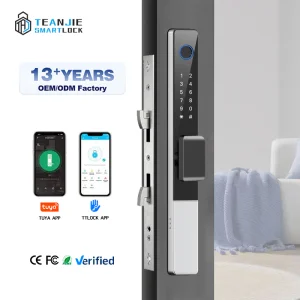
Shenzhen's concentration of tech talent enables deep integration between mechanical engineers and software developers. The region is the birthplace of world-class IoT ecosystems such as Tuya Smart and TTLock. By partnering with a leading Chinese exporter, international clients gain direct access to robust cloud APIs, mobile application SDKs, and pre-certified compliance standards (such as CE, FCC, and RoHS) that ensure immediate product integration into localized market software ecosystems.
Modern access control demands custom configurations depending on the specific operational environment. Below are the key scenarios where app-controlled smart locks deliver structural efficiencies and enhanced security:
For Airbnb hosts, hotels, and vacation rentals, physical check-ins are costly and inefficient. App-controlled locks integrated with cloud systems allow operators to generate time-bound PIN codes or temporary digital keys. These credentials automatically activate at check-in and expire upon checkout, removing the security risks of lost physical keys and cutting administrative overhead.
Property managers of large apartment buildings benefit from centralized lock systems. Managers can audit entry logs, revoke access for departed tenants, and grant entry to maintenance personnel or prospective renters remotely. This streamlines building management and increases property valuation through high-tech security features.
Telecommunications operators and utility providers manage hundreds of remote, unmanned base stations and cabinets. Implementing smart cabinet locks with dynamic permissions management guarantees that only certified technical staff can open utility nodes. Real-time logging tracks exact entry times and personnel IDs, preventing vandalism and unauthorized hardware modifications.
Shenzhen Wipan Lock Co., Ltd. controls every step of production. Our facility uses advanced metallurgy, CNC machining, automated electronics assembly, and strict testing stages to ensure every lock meets premium industrial standards.
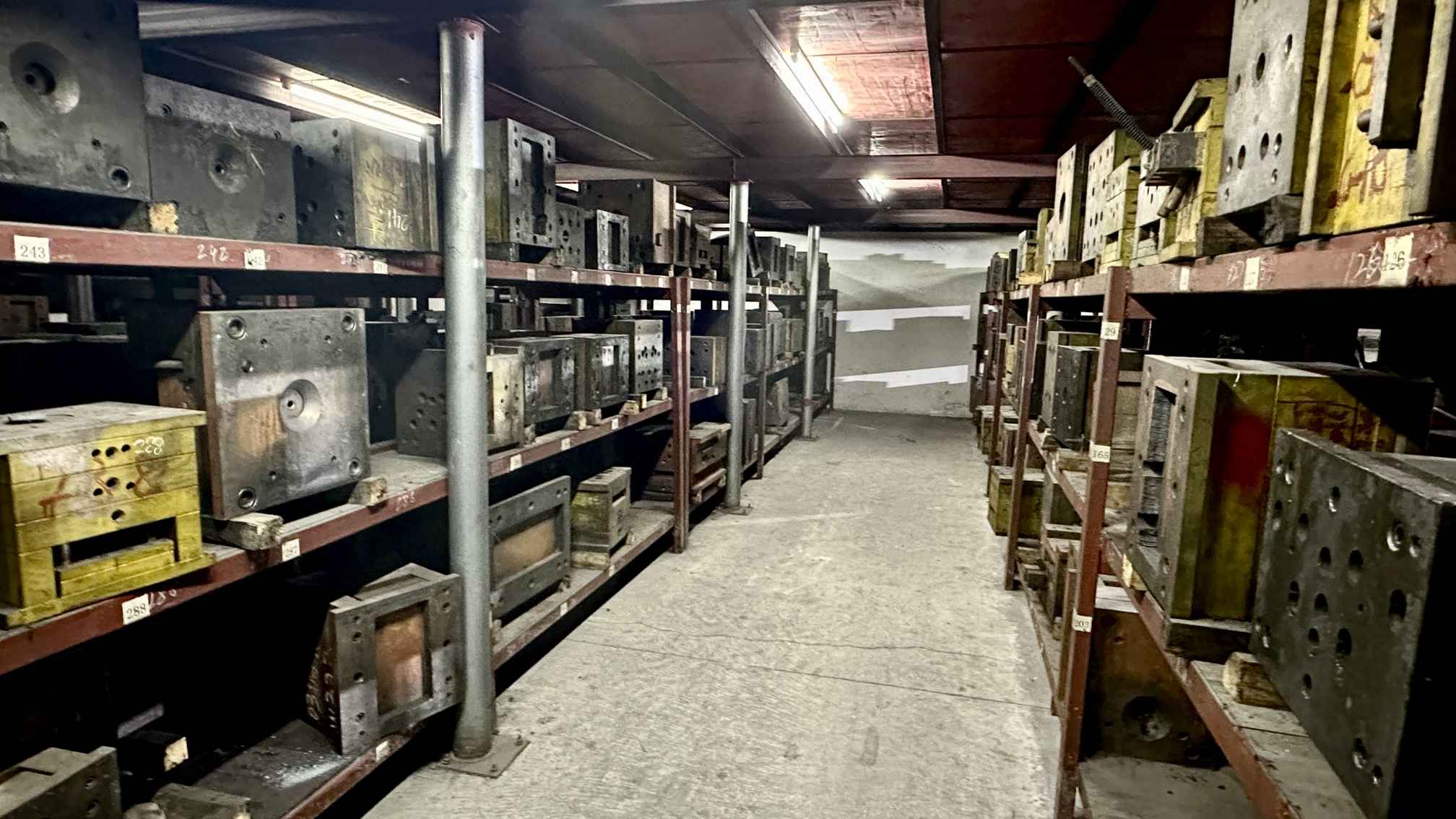
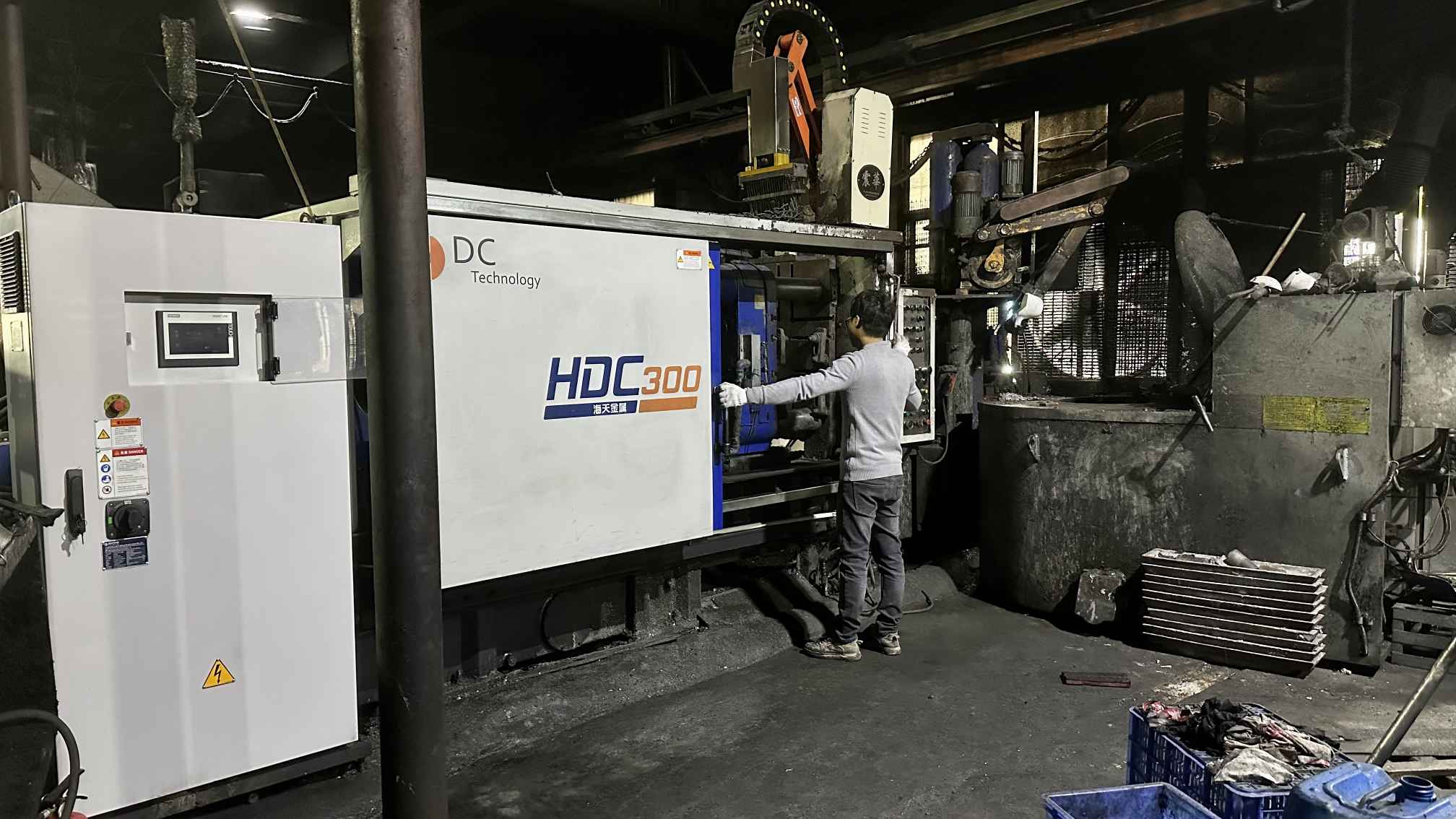

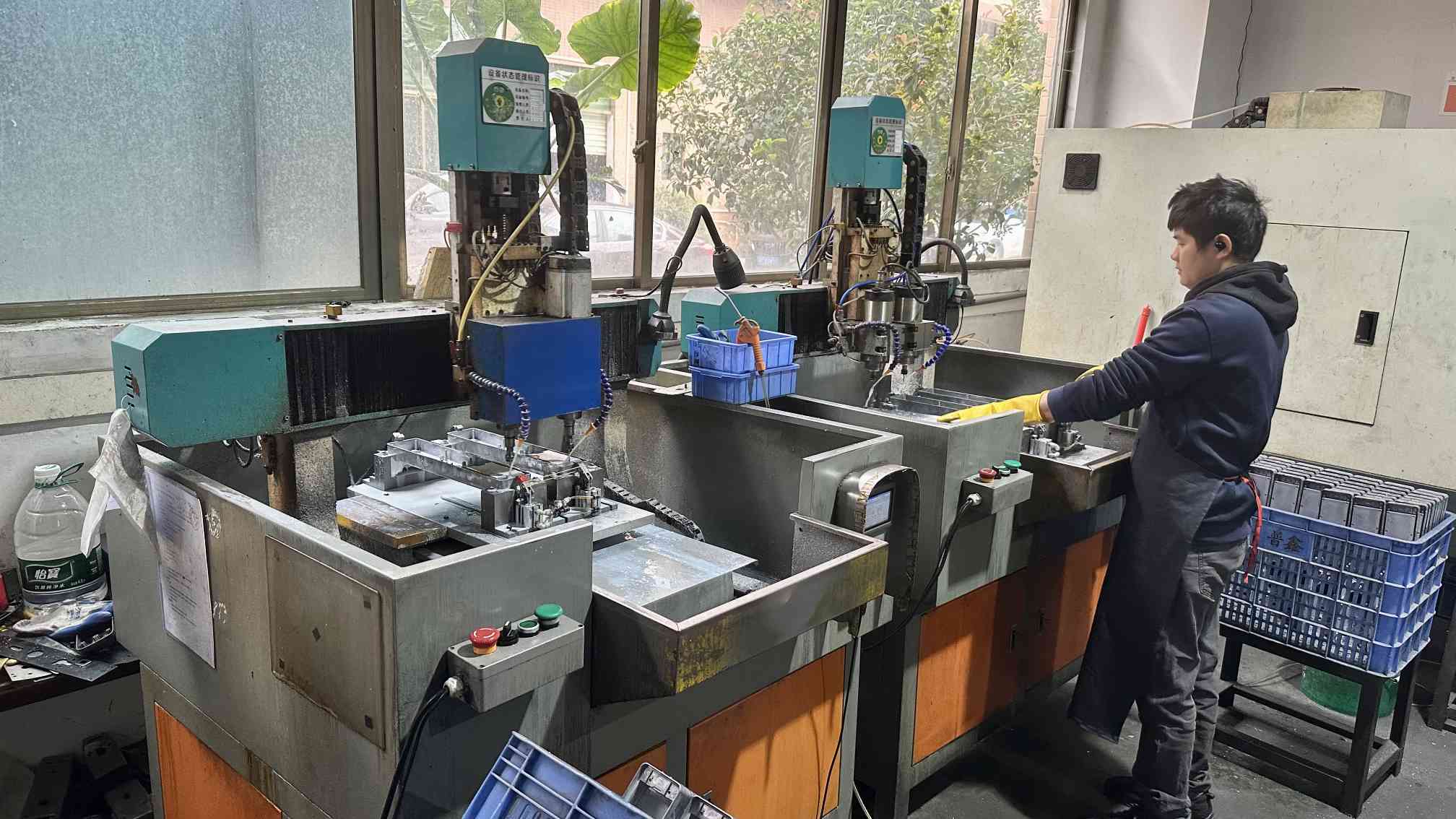
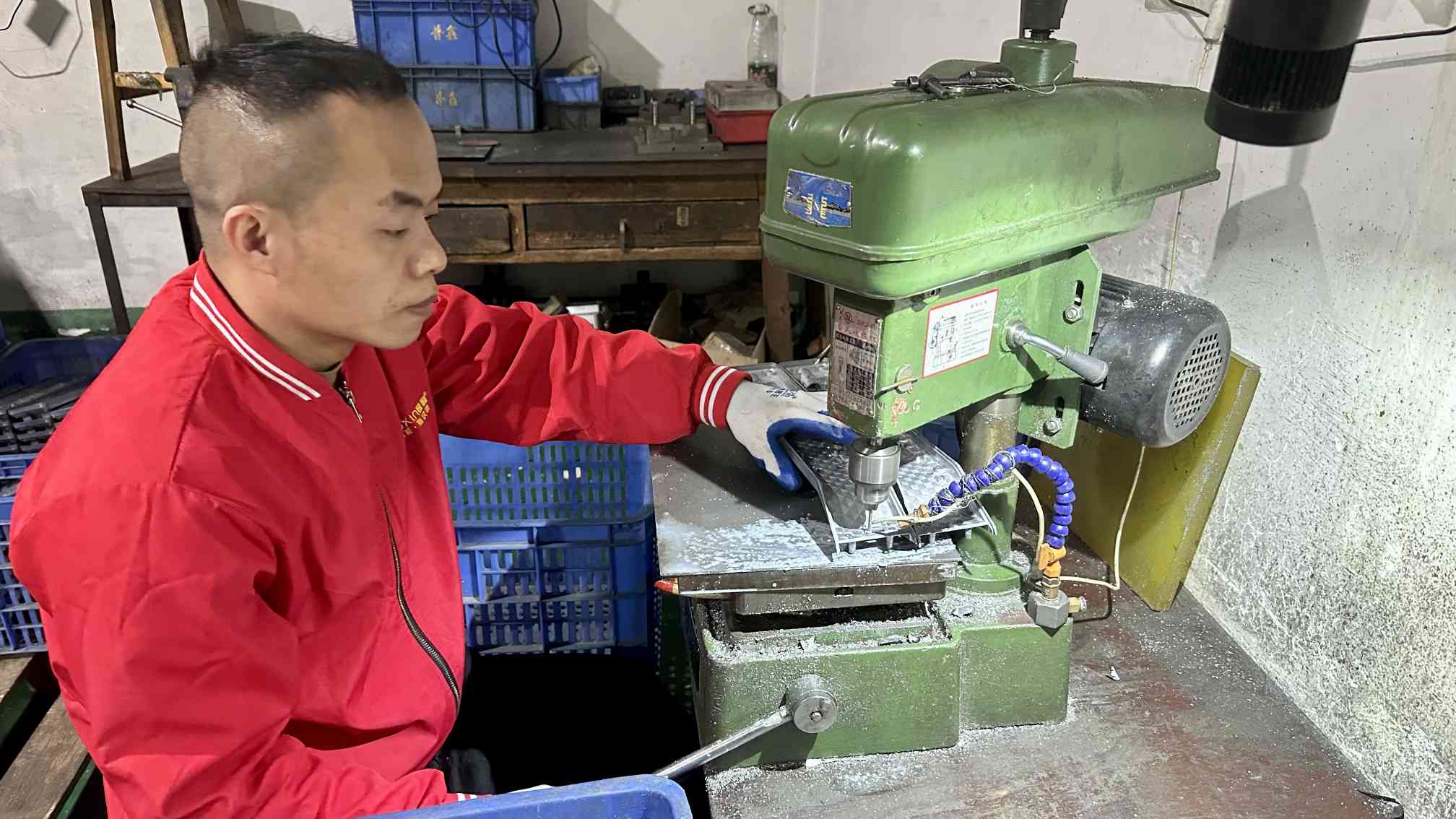
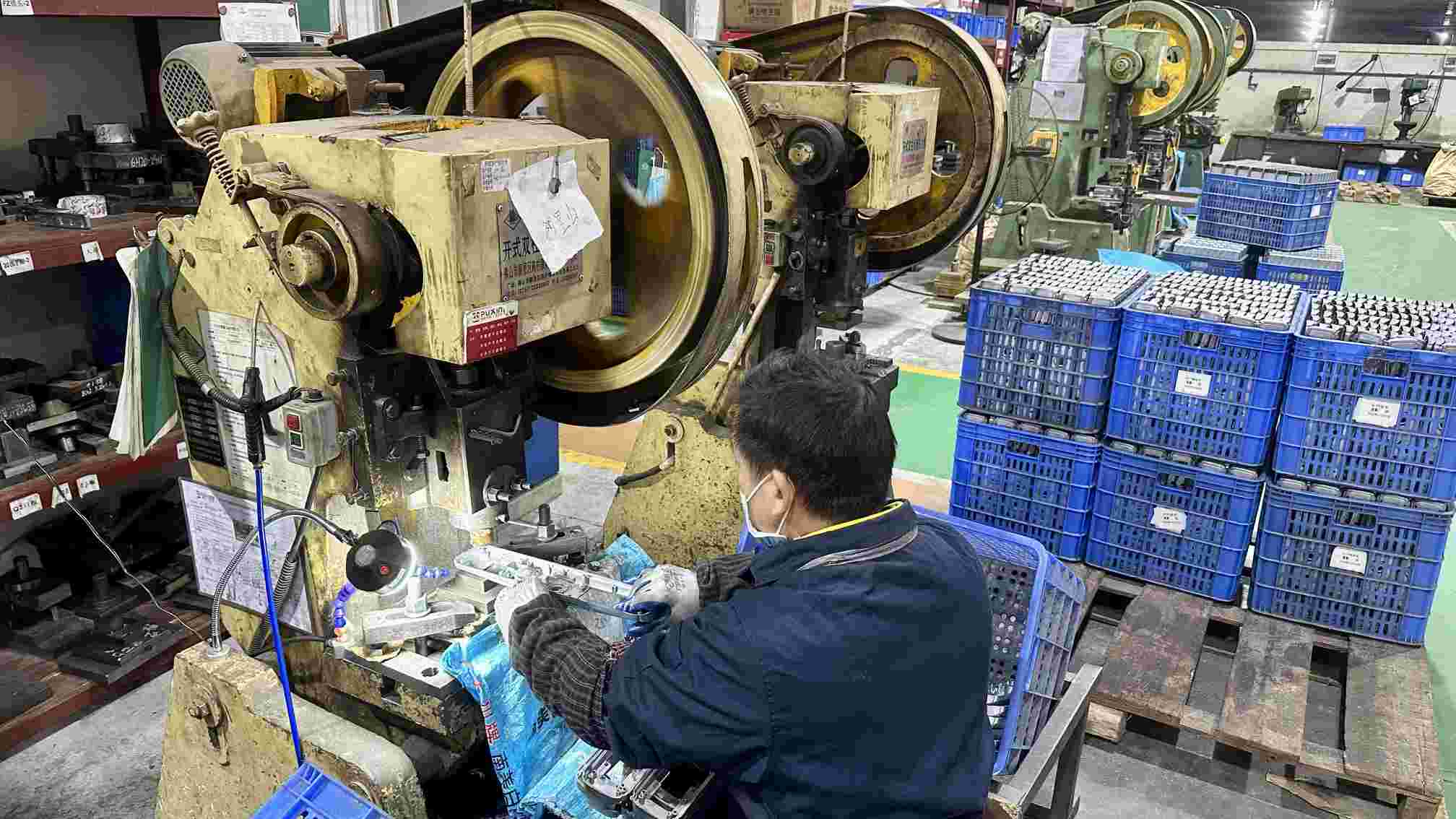
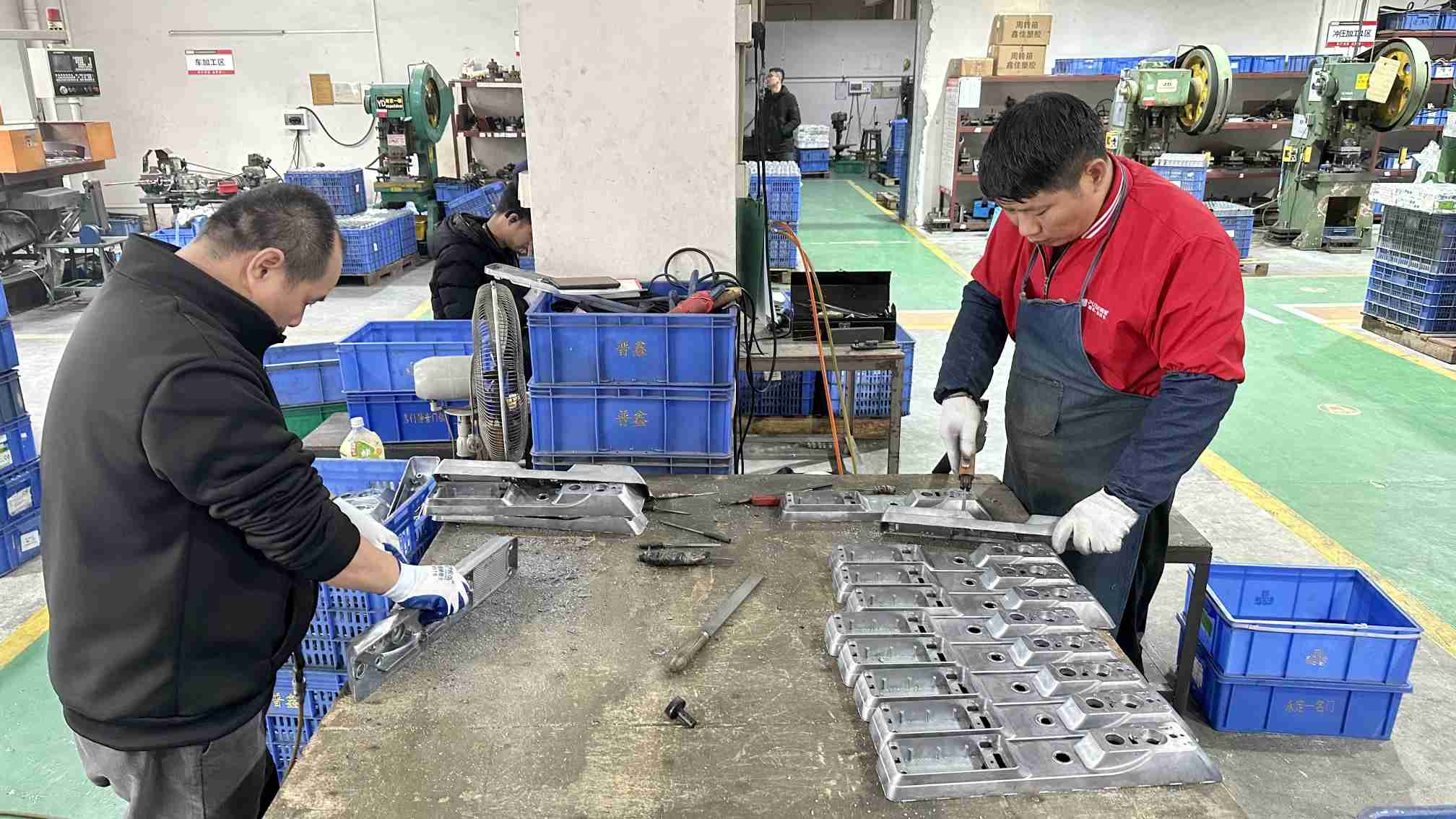
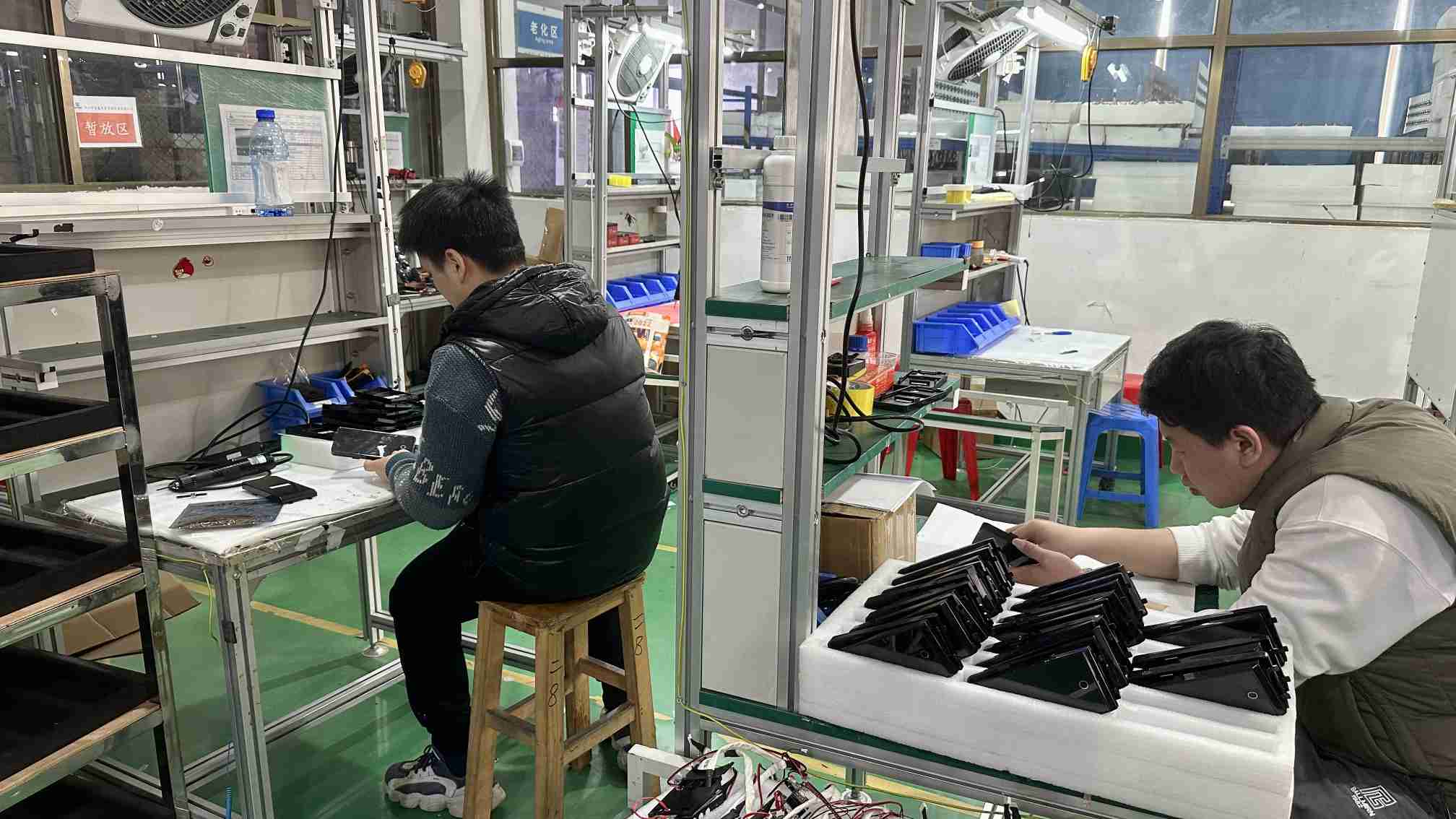
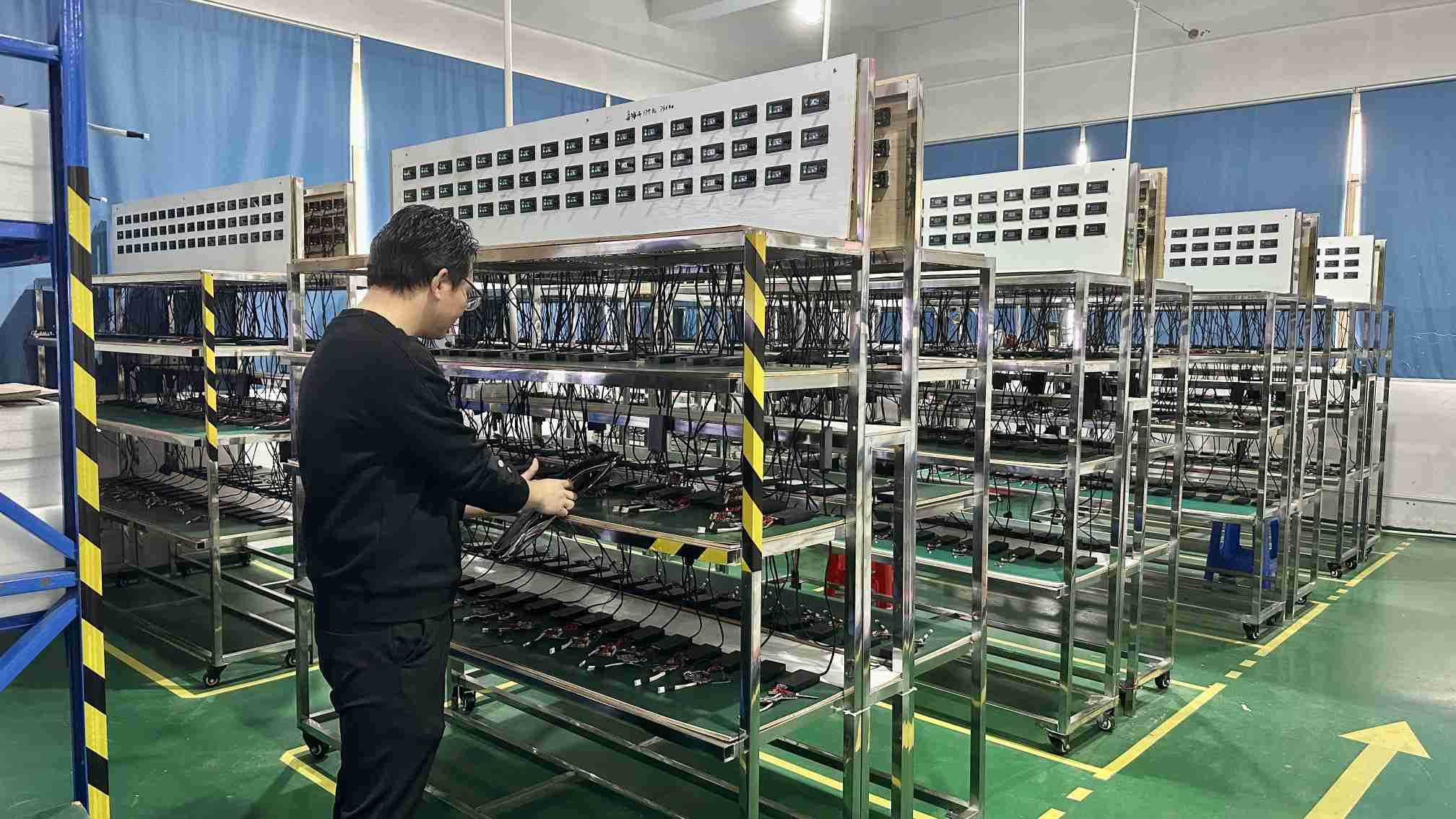
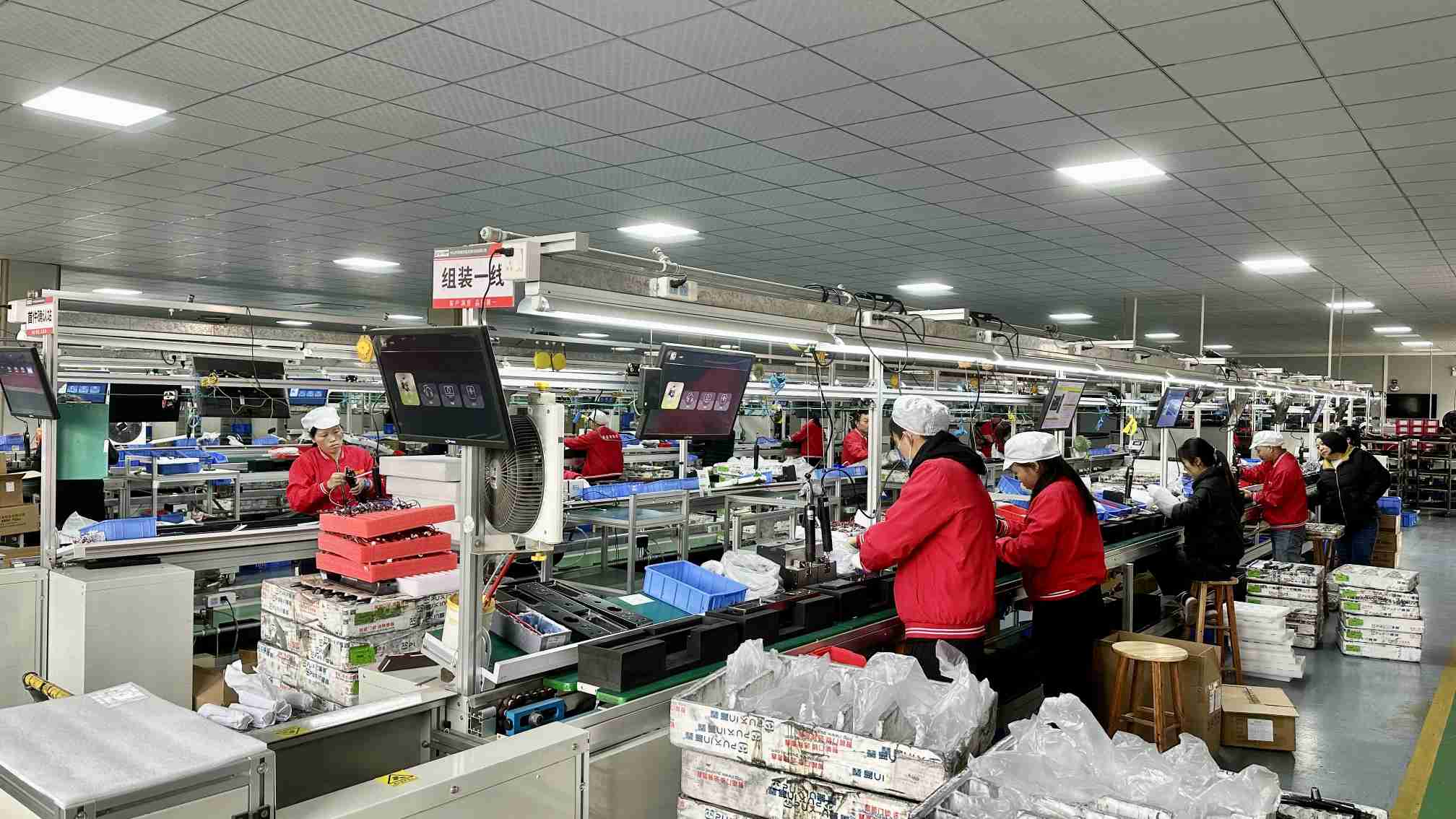
Shenzhen Wipan Lock Co., Ltd. is a professional manufacturer specializing in smart locking systems and access control solutions. With years of experience in the electronic lock industry, Wipan has become a trusted partner for hotels, apartments, offices, educational institutions, healthcare facilities, commercial buildings, and residential projects worldwide.
We provide not only high-quality smart lock products but also comprehensive OEM/ODM solutions tailored to our customers’ needs. From product design, research and development, manufacturing, quality control, and branding support to market analysis and after-sales service, we help our partners build competitive products and expand their business successfully in local and international markets.
Driven by innovation and technology, Wipan continuously invests in advanced manufacturing equipment, intelligent production processes, and product development to ensure reliable performance, enhanced security, and user-friendly experiences. Our product range includes smart door locks, hotel lock systems, fingerprint locks, password locks, RFID card locks, Bluetooth locks, TTLock solutions, and customized access management systems.
Today, Wipan products are exported to numerous countries and regions across Asia, Europe, the Middle East, Africa, North America, and South America, earning recognition for quality, durability, and excellent customer service.
At Wipan, our greatest asset is our people. Our experienced engineers, designers, production specialists, and customer service professionals work together with passion and dedication to deliver innovative security solutions. We believe that successful partnerships are built on trust, collaboration, and mutual growth. By maintaining open communication and understanding our customers’ unique requirements, we are able to provide flexible solutions that help businesses stay ahead in a rapidly evolving smart security market. Our team is committed to excellence in every stage of the process—from concept development and product engineering to manufacturing and technical support—ensuring that every product meets the highest standards of quality and reliability.
To create smarter, safer, and more convenient access solutions for people around the world through continuous innovation and superior quality.
At the center of Shenzhen Wipan Lock Co., Ltd.’s market competitive advantage lies our dedicated focus on research and development. Smart locks must operate reliably under repeated mechanical stress and face complex digital security threats. Our engineering teams focus on three key technical sectors:
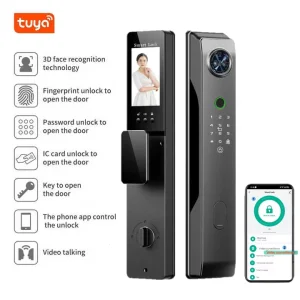
Our premium products feature 3D Structured Light Facial Biometrics and advanced capacitive fingerprint sensors. By capturing three-dimensional spatial coordinates and subdermal vascular patterns, our locks prevent spoofing attempts using high-resolution photos, videos, or synthetic silicone fingers. With an unlock speed under 0.3 seconds and a false acceptance rate (FAR) below 0.001%, our biometric access offers top-tier speed and security.
Data transmission between our app-controlled locks and local smartphones or cloud gateways is protected by military-grade AES-128 or AES-256 encryption. We implement custom key rotation algorithms for Bluetooth Low Energy (BLE) transmissions, preventing replay attacks and eavesdropping. Additionally, our Tuya and TTLock firmware options receive regular OTA (Over-the-Air) security patches to address emerging vulnerabilities.
Even the most advanced electronic system relies on physical strength. Our lock mortises feature anti-friction latch bolts and multi-point locking rods made from high-strength SUS304 stainless steel. They undergo rigorous testing up to 200,000 duty cycles without mechanical failure, resisting physical attacks, drill-throughs, and environmental corrosion in high-humidity coastal climates.
For international buyers—including distributors, security installers, real estate developers, and IoT solution providers—sourcing digital locks from overseas factories requires careful risk assessment. Key metrics to consider during your evaluation include:
A smart lock is only as reliable as its software platform. Ensure your manufacturing partner provides comprehensive SDKs and API access to integrate the locks into your existing hotel PMS, building management systems (BMS), or custom IoT apps. Choosing Tuya and TTLock-compatible hardware guarantees native integration with thousands of smart home products.
Importing smart locks into major global markets requires strict compliance with local regulations. Verify that products carry CE (Europe), FCC (North America), RoHS (Hazardous Substances), and ANSI/BHMA durability certifications. Certifications prove that a supplier adheres to rigorous manufacturing standards and protects your business from customs delays or safety liabilities.
High-quality manufacturers should offer clear warranty windows (minimum 12–24 months), dedicated B2B technical support channels, and a replacement rate guarantee (e.g., maintaining a defect rate below 0.3%). Always request detailed factory testing logs—such as salt spray corrosion testing, ESD protection limits, and extreme temperature thermal cycles (-25°C to +70°C)—to confirm long-term reliability.
The access control landscape is evolving rapidly. To maintain a competitive edge, B2B procurement managers should monitor these major upcoming trends:
The adoption of the Matter protocol allows smart locks to connect directly with platforms like Apple Home, Google Home, Amazon Alexa, and Samsung SmartThings without proprietary hubs. This simplifies installations and reduces network overhead in smart buildings.
Next-generation smart locks will integrate basic edge AI algorithms. By studying normal usage patterns, these systems can identify unusual access attempts—such as late-night key trials or lingering near the door—and send warning photos or video feeds directly to the owner's app.
Extending battery life remains a primary concern for smart lock maintenance teams. Developers are engineering highly efficient processors, low-energy BLE chips, and solar-assisted or kinetic energy-harvesting door handles to significantly reduce battery changes and minimize maintenance costs.
Find technical answers about smart lock hardware, integration, and procurement procedures.
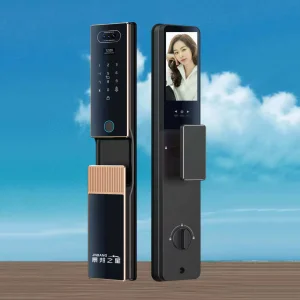
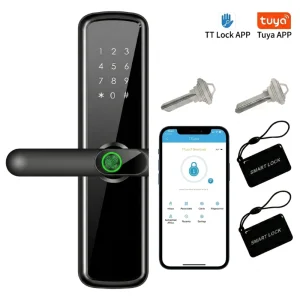
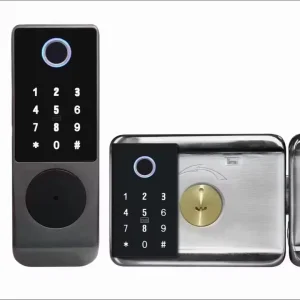
Premium smart locks and access hardware engineered for reliability, security, and integration.
 Wipan Lock