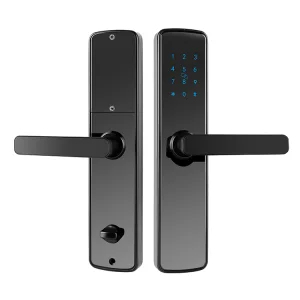
Explore our premium selection of highly secure and durable intelligent lock solutions designed for commercial and residential applications.
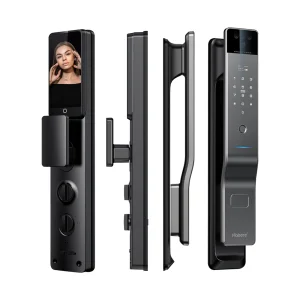
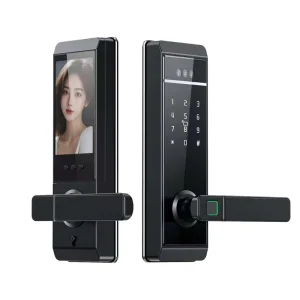
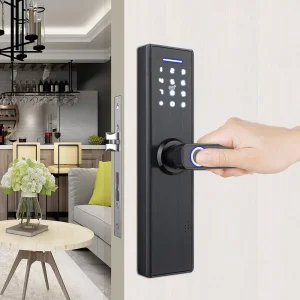
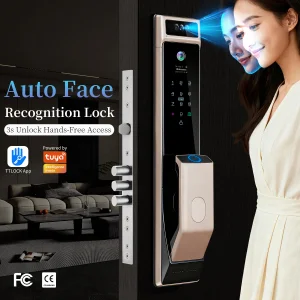
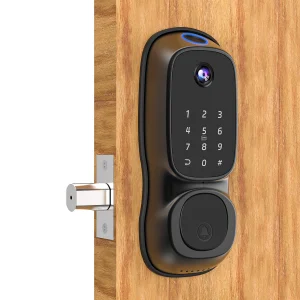
Analyzing B2B market dynamics, demographic shifts, and the transition to connected IoT environments.
The global automated entry lock industry is experiencing a profound architectural shift. Standard electromechanical components are giving way to cloud-native, biometric-secured, and multi-tenant smart entry ecosystems. As modern buildings adopt digital credentials, the reliance on physical brass keys is declining. Integrated access control systems are now critical infrastructure components that enhance security posture, operational efficiency, and user experience.
By leveraging advanced hardware architectures, such as low-energy system-on-chips (SoCs), and secure biometric microcontrollers, automated entry lock manufacturers are enabling developers to scale secure physical environments across extensive global properties.
For international sourcing managers, distributors, and integration specialists, finding a manufacturing partner involves assessing technical capabilities, QA protocols, and hardware architectures. This paper serves as a comprehensive industry guide, providing the essential specifications and data points needed to assess automated locking technologies.
We analyze the underlying mechanisms of modern lock designs, detailing the materials science of pressure-cast mortises and the software frameworks that support secure, low-latency, and cloud-managed access networks.
Leading the frontier of OEM/ODM smart lock design, research, and precision engineering.
Shenzhen Wipan Lock Co., Ltd. is a specialized manufacturer of smart locking systems and access control solutions. With extensive experience in the electronic lock industry, Wipan has become a trusted partner for hotels, apartments, offices, educational institutions, healthcare facilities, commercial buildings, and residential projects worldwide.
We provide not only high-quality smart lock products but also comprehensive OEM/ODM solutions tailored to our customers' specific functional requirements. From initial design concepts, research and development, and manufacturing to quality control, brand support, market analysis, and after-sales service, we help our partners build competitive product portfolios and expand their presence in local and international markets.
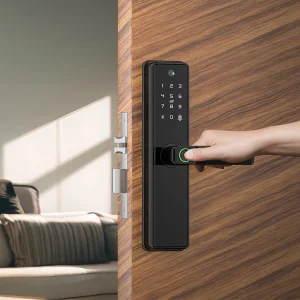
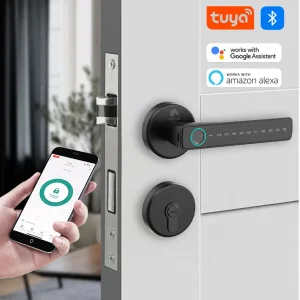
Driven by technical innovation, Wipan continuously invests in automated manufacturing equipment, intelligent production processes, and product development. This focus ensures reliable performance, enhanced physical security, and intuitive user experiences. Our product range includes smart door locks, hotel locking systems, biometric fingerprint locks, numeric keypad locks, RFID card systems, Bluetooth locks, TTLock app integrations, and custom access management architectures.
Today, Wipan products are exported to numerous countries across Asia, Europe, the Middle East, Africa, North America, and South America, establishing a reputation for quality, durability, and customer service.
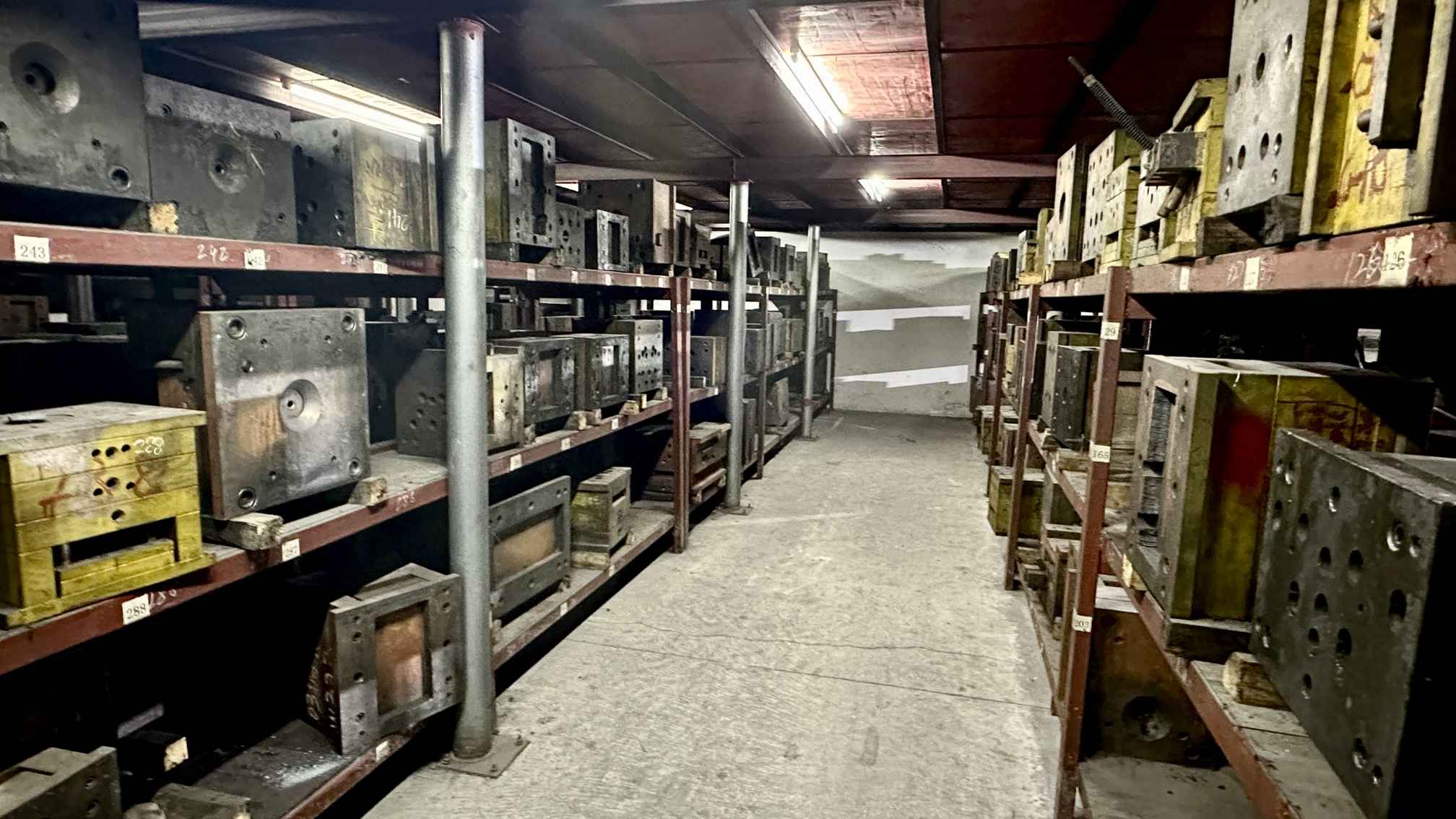
Every lock undergo rigorous multi-stage fabrication and testing to guarantee mechanical integrity and electrical reliability.
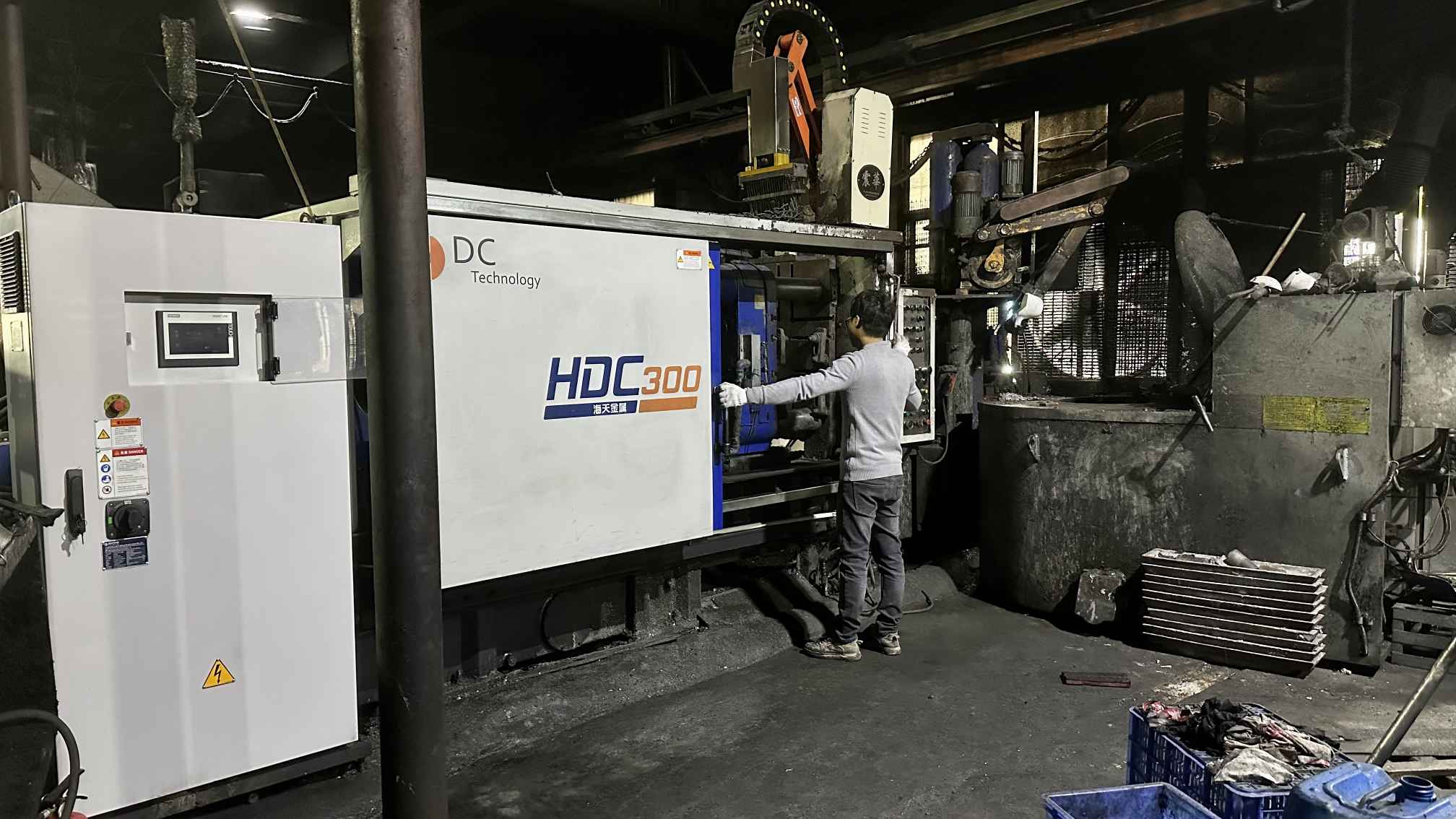

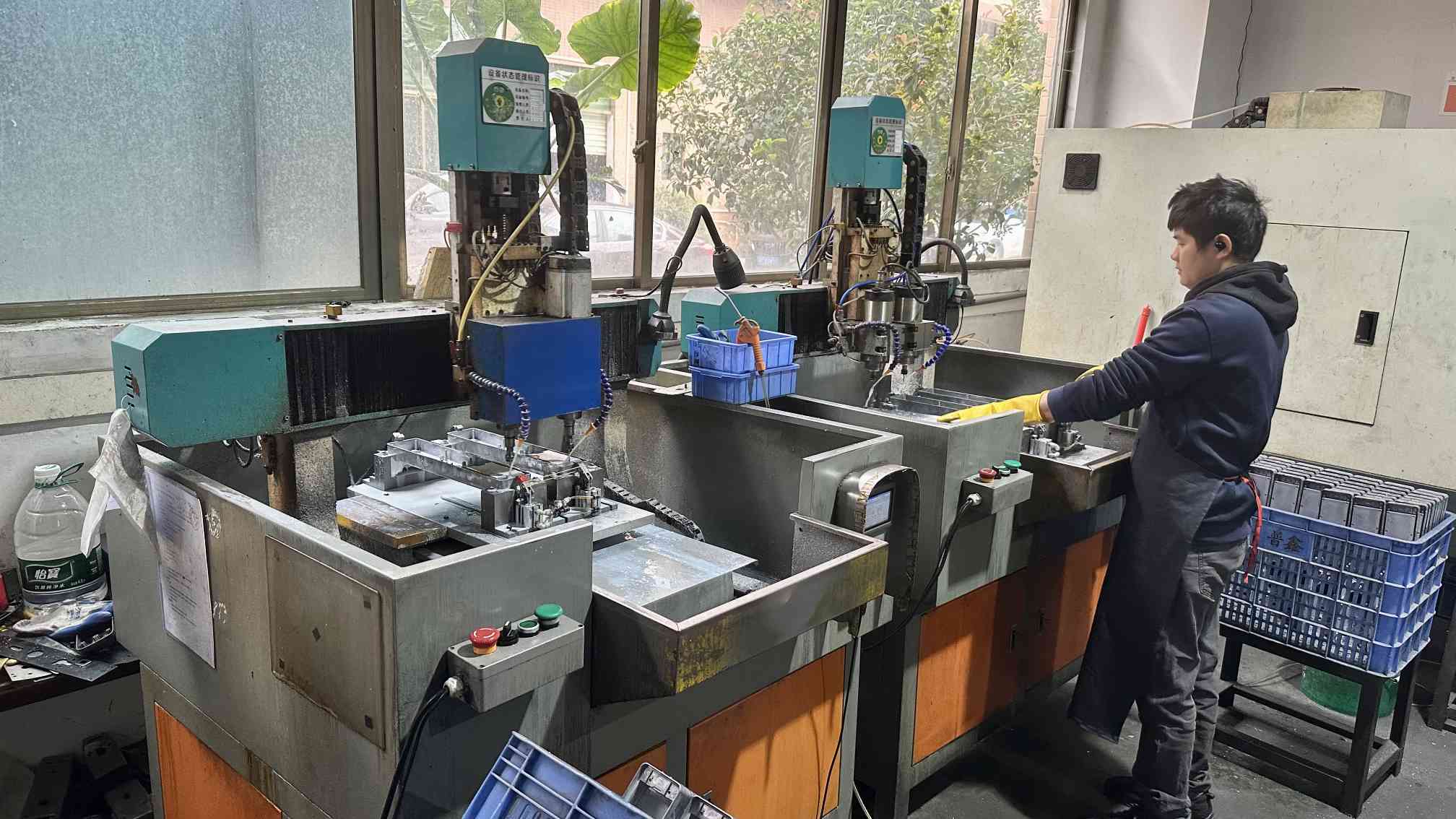
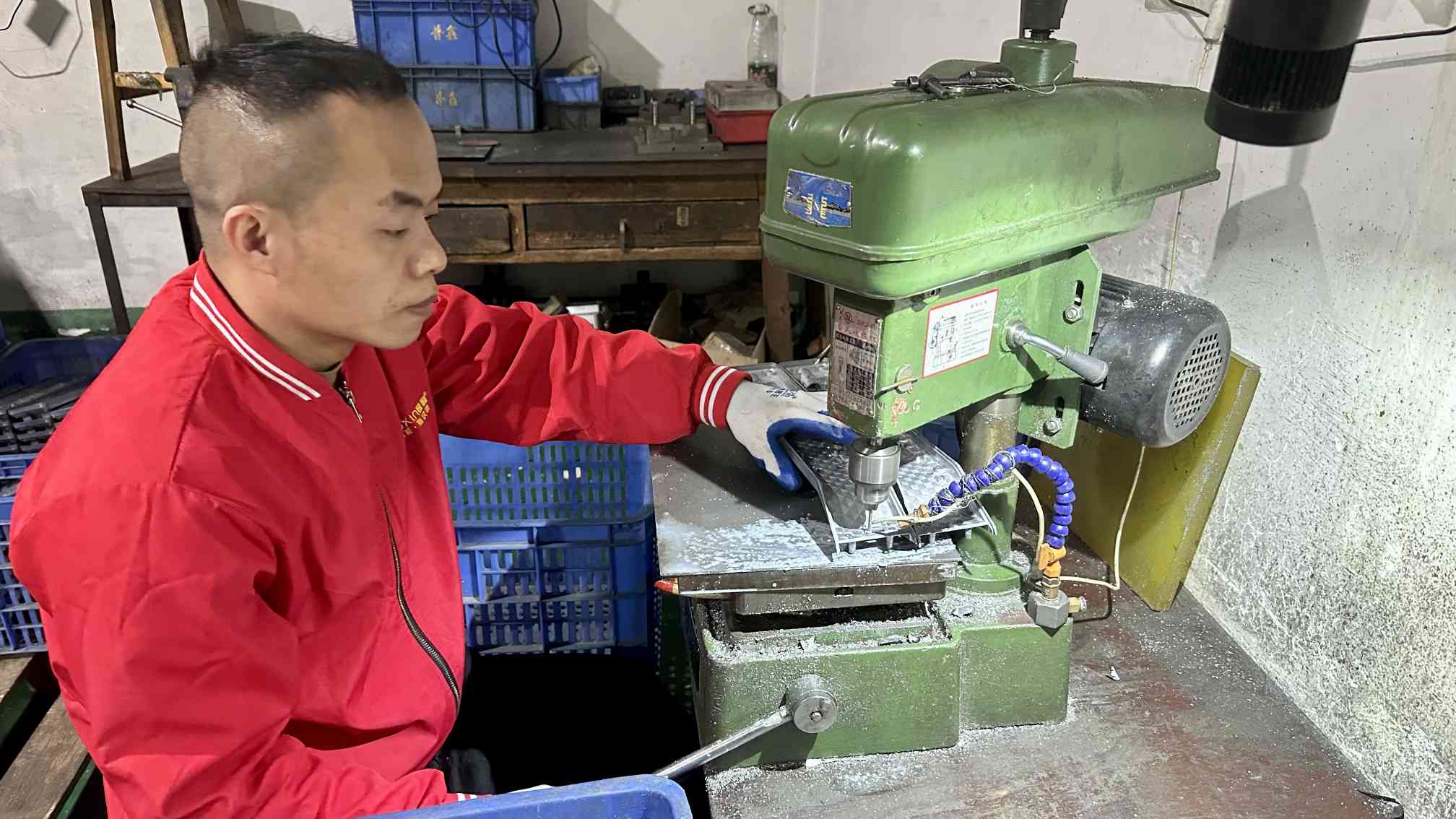
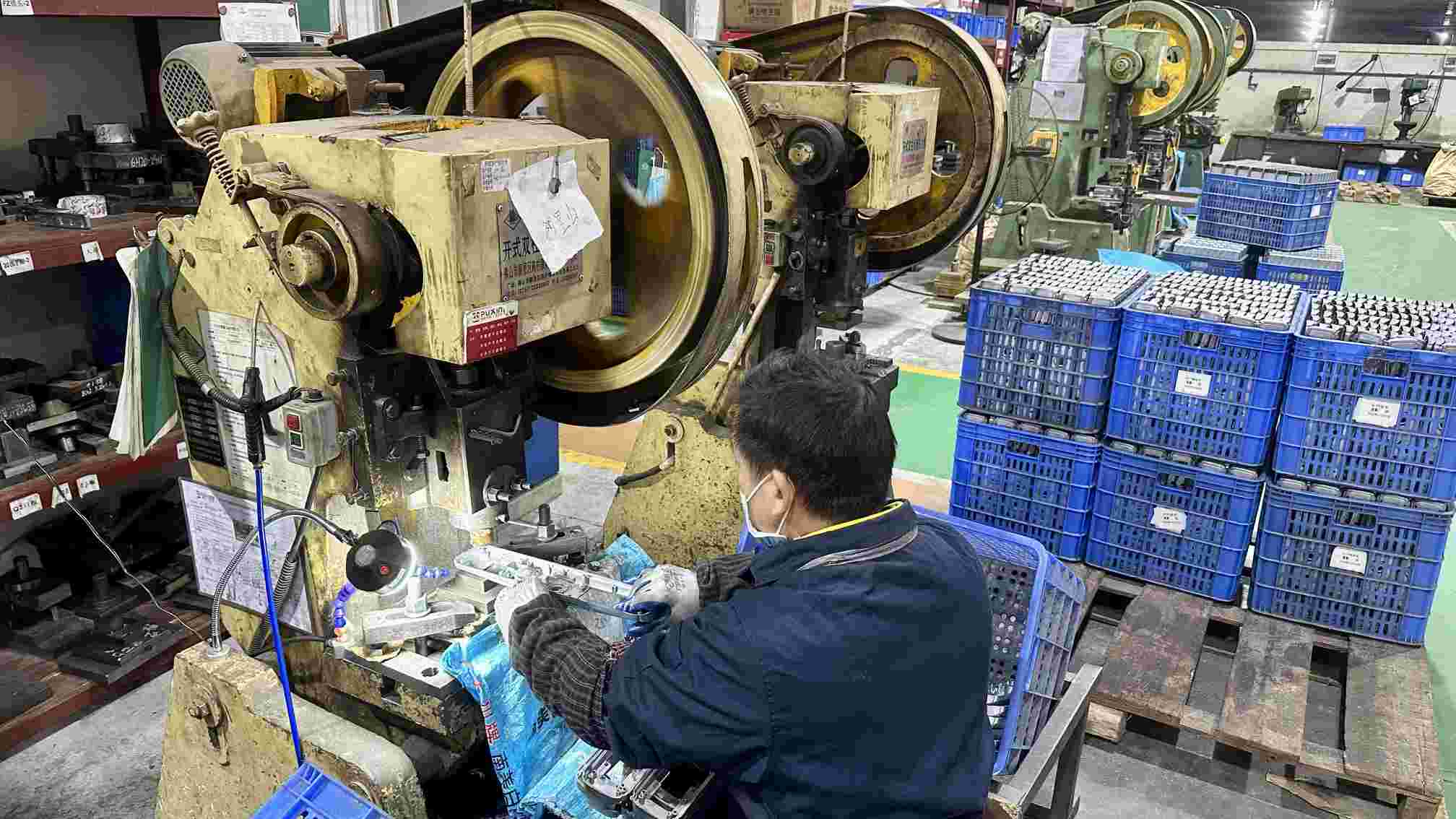
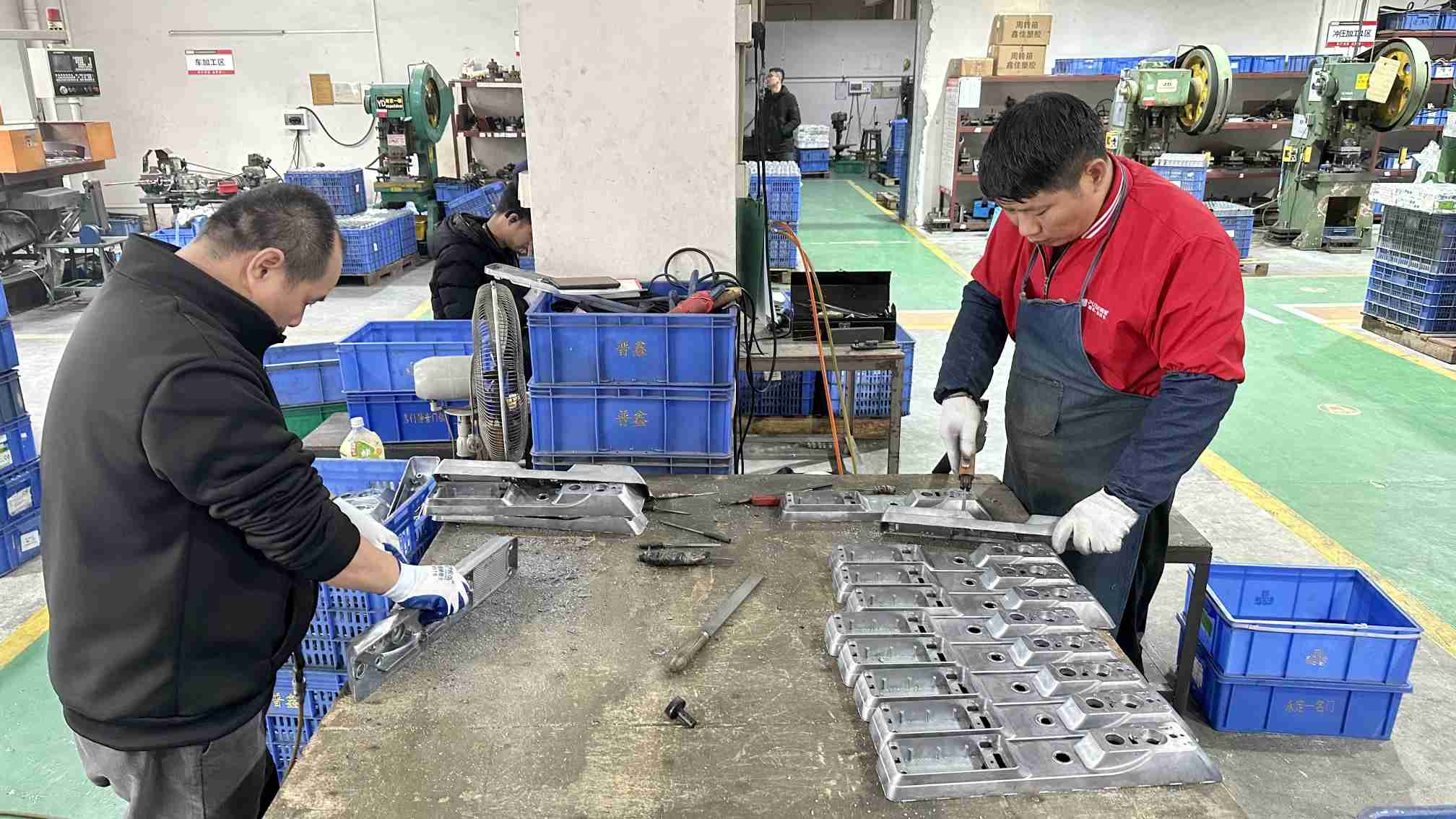
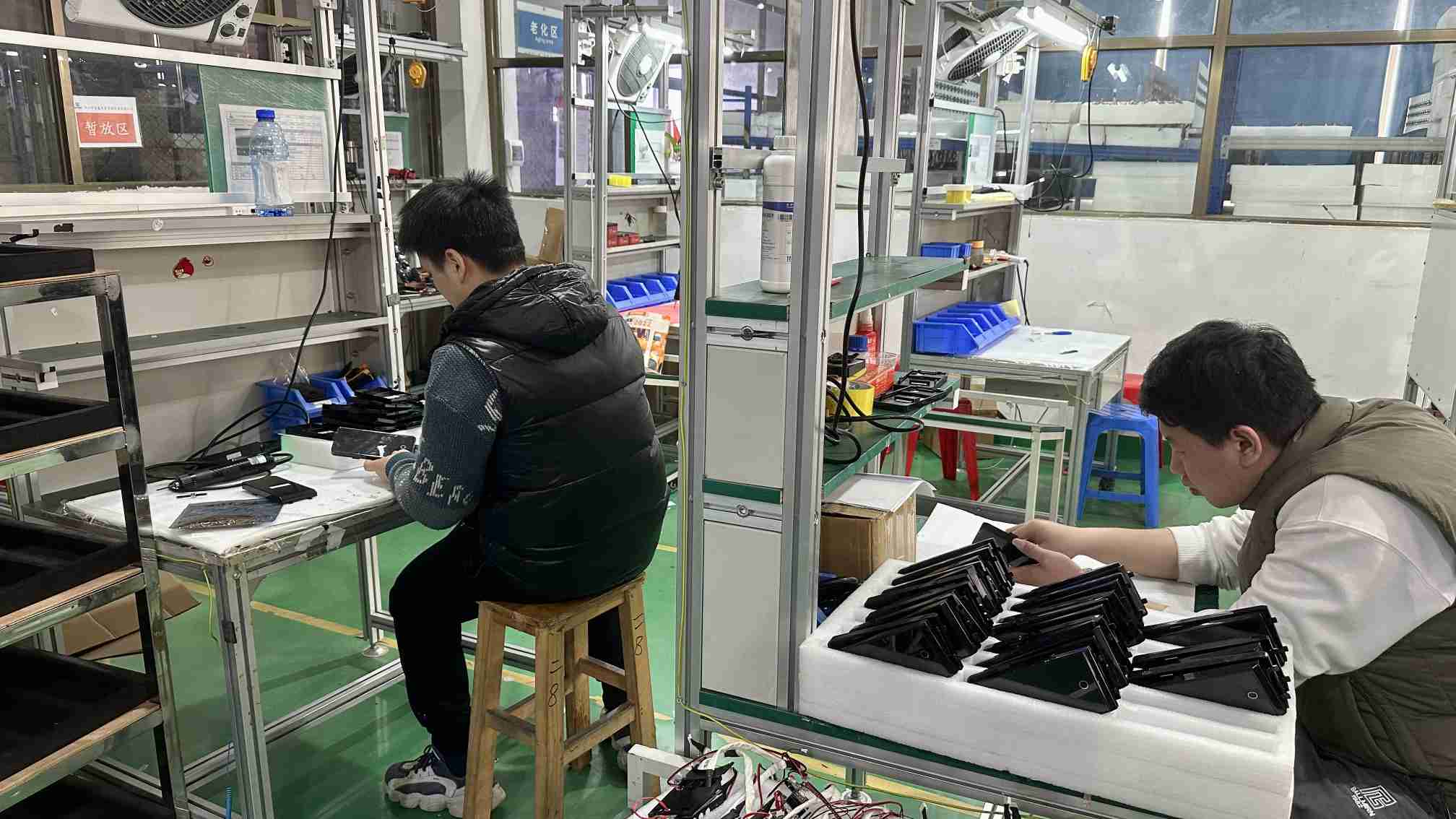
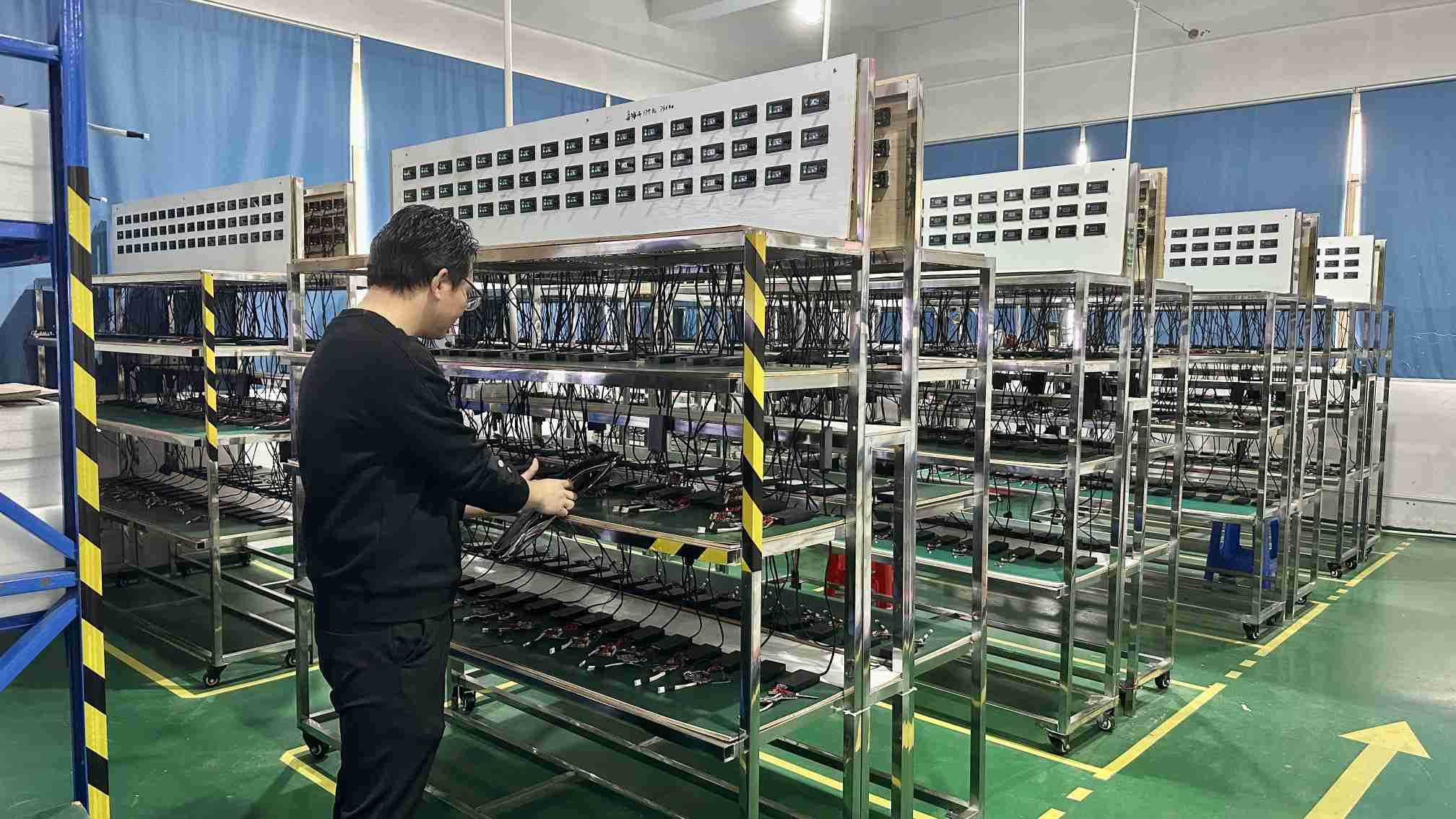
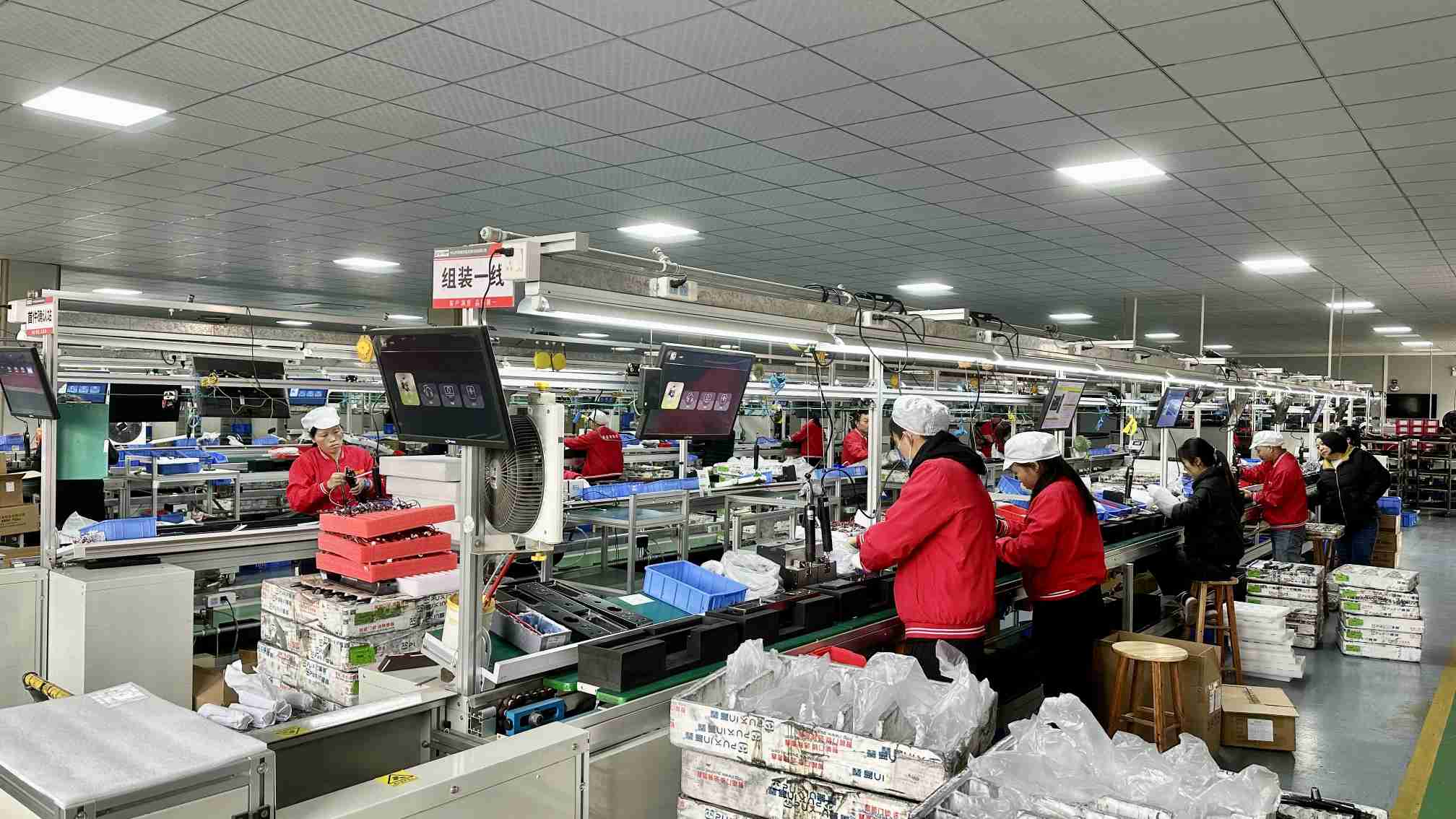
Aligning enterprise expectations for interoperability, physical security standards, and system life cycle costs.
Modern enterprise access control requires seamless integration with existing software systems. Properties utilize property management systems (PMS) for automated check-ins, while corporate environments rely on HR systems, Active Directory, or open OAuth frameworks. We design our automated entry lock modules to support direct API integrations, MQTT messaging protocols, and reliable TTLock or Tuya IoT environments.
These cloud frameworks allow property managers to issue transient credentials remotely, capture access histories, and run remote diagnostics over encrypted SSL tunnels.
Physical security remains paramount regardless of digital intelligence. Global real estate developers require systems compliant with ANSI Grade 1 and Grade 2 structural standards. These standards demand that deadbolts withstand structural impacts, cycle loads, and environmental stressors.
By using SUS 304 stainless steel mortises and pressure-cast zinc alloys, our locks resist physical attacks and withstand severe environmental conditions without material fatigue. Specialized surface finishes prevent corrosion under high salt spray conditions in coastal projects.
A key focus for facility managers is minimizing battery replacement cycles. Standard commercial lock operations demand a power supply design that delivers a multi-year operating life. Our products utilize high-efficiency microcontrollers that stay in deep-sleep mode until awakened by a capacitive key touch or card detection.
Integrated micro-motors pull minimal current during locking cycles, and mechanical backup keys or USB-C interfaces ensure uninterrupted entry when emergency power is needed.
Exploring the integration of advanced biometrics, unified IoT standard protocols, and edge compute models.
Access control is moving beyond touch fingerprint sensors toward touchless, highly secure biometric modalities. Wipan is leading this trend by integrating 3D Structured Light Facial Biometrics and Palm Vein Recognition systems.
Unlike standard 2D digital image cameras, 3D facial recognition measures facial contours to block spoofing attempts using digital displays or prints. Palm vein sensors map subsurface vascular networks using near-infrared light, providing a high security level with low false acceptance rates.
The IoT space has historically faced integration challenges due to fragmented communication protocols. However, the industry is aligning around unified smart home standards like Matter. Our development path integrates Thread, Zigbee 3.0, and low-energy Bluetooth protocols directly into our product lineups.
This integration simplifies multi-device installations, allowing automated locks to communicate with home automation hubs, security sensors, and HVAC systems without custom gateway solutions.
To address data privacy and response latency, modern locking systems perform biometric identification directly on the edge. High-performance, low-power neural processors verify identities locally on the lock itself. This means that credentials are encrypted on the secure local element, protecting users from server downtime and database leaks.
How Shenzhen Wipan Lock Co., Ltd. satisfies strict international regulatory standards and ensures consistent export quality.
Distributing hardware to markets like North America, the EU, or the Middle East requires compliance with regional safety and quality certifications. At Wipan, we verify that our automated entry locks meet essential global standards:
Wipan ensures supply chain reliability through structured quality control workflows. Every lock undergoes functional testing, high/low temperature tests, ESD testing, and cycle fatigue testing prior to packaging. This disciplined approach minimizes product failure rates, protecting brand reputation for partners who rebrand and distribute Wipan products globally.
Detailed answers to complex technical questions about our smart lock technologies.
Our biometric systems employ advanced capacitive semiconductor sensors combined with live-body detection algorithms. Unlike older optical sensors that capture simple digital images, our semiconductor sensors read the electrical charges across the user's skin ridges. This prevents spoofing using rubber molds, photographs, or high-definition prints. The verification algorithm maps unique minutiae points within 0.3 seconds with a False Acceptance Rate (FAR) under 0.001%.
Our smart locks support TTLock and Tuya IoT API integrations. This allows property management systems (PMS) to generate secure digital keys automatically when a guest registers. Developers can use the TTLock SDK or Tuya Cloud APIs to send encrypted e-keys via Bluetooth, or issue numeric passcodes through HTTP/REST requests. We provide integration support, including sandbox environments, SDK packages, and documentation for developers.
All Wipan locks include a multi-tiered power management system. When the battery charge drops below 4.8V (approximately 100 operating cycles remaining), the lock alerts the user via voice prompt, flashing LEDs, and smartphone notifications. If the batteries fail completely, users can power the lock using an external 5V power bank via the integrated USB-C backup port, or unlock the door mechanically using the physical backup key override.
Yes, Wipan designs products for various international installation standards. We manufacture mortises in popular configurations, including European-style mortises (e.g., 5050, 7255, 8530), single-tongue deadbolts, and heavy-duty American standard ANSI/BHMA mortises. This flexibility ensures our locks can be retrofitted onto existing doors or integrated into new building installations with minimal preparation.
Our OEM/ODM services cover the entire manufacturing cycle. We customize product aesthetics, including laser-etched branding and powder-coated colors (matte black, satin nickel, bronze). Additionally, we customize lock functionality, such as modifying circuit designs to support specific radio protocols, adapting mortises for thicker doors, and designing customized mobile application UI interfaces.
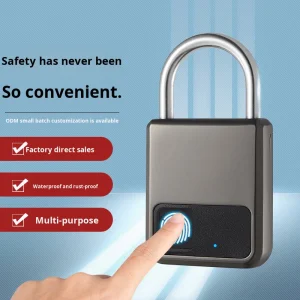
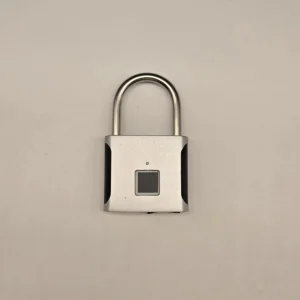
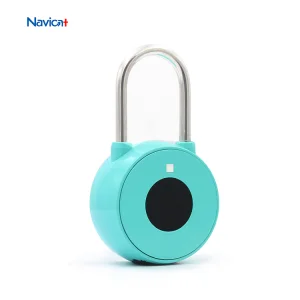
Browse our smart cabinet locks, compact biometrics, and heavy-duty keyless lock designs.
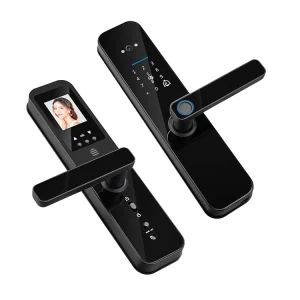
 Wipan Lock