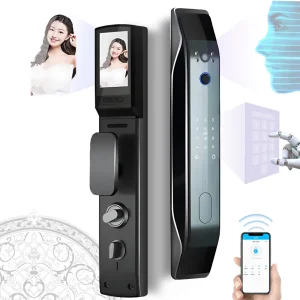
Explore our signature line of certified commercial-grade biometric hardware, smart cabinet cylinders, and industrial safety access nodes.
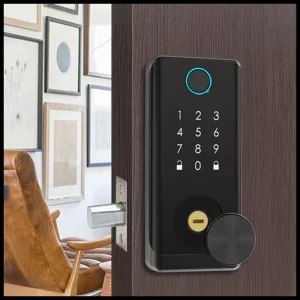
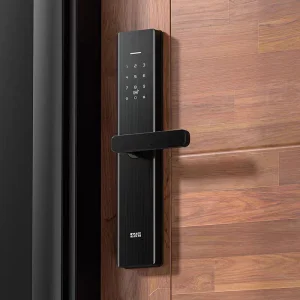
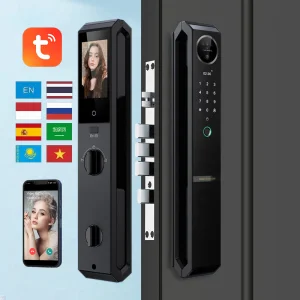
Shenzhen Wipan Lock Co., Ltd. stands as a premier global developer and original equipment manufacturer (OEM/ODM) of industrial, commercial, and high-security residential smart lock infrastructures. Benefiting from over a decade of domain expertise in physical security, RF engineering, low-power microcontrollers, and multi-modal biometric algorithm integrations, Wipan has expanded into a globally recognized standard-bearer for access management architectures.
Operating out of China's high-tech manufacturing epicenter, Shenzhen, our facility incorporates vertical supply chains—from automated mould fabrication and precision casting units to advanced CNC machining centers, electronic surface mounting (SMT), and high-stress clean-room assembly lines. This fully-owned infrastructure enables Wipan to address complex OEM/ODM hardware demands while adhering to strict regulatory frameworks such as EN14846, CE, RoHS, FCC, and ANSI/BHMA Grade 1 performance benchmarks. We provide robust integrations for multi-unit apartments, corporate campuses, logistics cabinets, remote infrastructure enclosures, and five-star hospitality facilities worldwide.
We aim to secure assets and enhance accessibility globally. By fusing high-accuracy biometrics with mechanical hardware, we replace vulnerable traditional keys with resilient, identity-driven access solutions.
Our engineering division encompasses electrical engineers, structural metallurgists, firmware developers, and mobile application specialists. We keep systems unified, responsive, and secure against physical and cyber breaches.
Every batch undergoes cycle fatigue, moisture, salt-mist corrosion, and electronic electrostatic discharge (ESD) testing, guaranteeing robust operation under demanding environmental conditions.
The commercial access control market is transitioning from legacy physical credentials to cryptographic keyless frameworks and biometric authentication. Driven by compliance protocols, operational efficiency, and spatial control requirements, organizations are updating their security setups. While traditional locks require physical tracking and key rotation, biometric systems link access rights to verified biometric identities.
In industrial environments, biometric infrastructure helps secure heavy machinery, logistics zones, and data centers. High-volume operators utilize IP-rated biometric electronic locks to prevent unauthorized entry, create audit trails, and manage sub-contractor permissions remotely. Hardware developers are shifting focus to multi-platform compatibility, combining biometrics, RFID, and NFC backup channels to ensure continuous access.
For large facilities like hotels, multi-tenant residential complexes, and enterprise offices, managing access credentials generates significant overhead. If an employee or guest misplaces a high-security physical card, safety protocols require re-keying the cylinder or invalidating and issuing a new smart card. Over a fiscal year, these recurring administrative expenses can impact operating budgets.
Biometric lock deployments resolve this vulnerability. Access permissions are managed digitally through an encrypted central system or localized database. Adding, updating, or deleting user permissions takes seconds on administration dashboards. This eliminates physical card costs and reduces labor hours spent on key management.
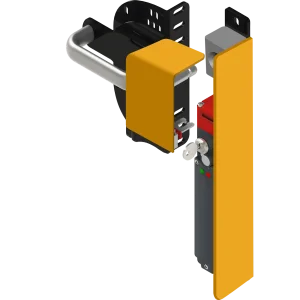
Modern manufacturing sites, electrical substations, and dangerous goods depots must meet strict safety guidelines. Our specialized products, such as the SURLOCK Durable Aluminium Locking System, incorporate physical fail-safes and digital access controls to secure hazardous zones. By integrating electronic locking nodes into machine PLC networks, plants can restrict machine area access to certified personnel only, keeping operations compliant with regional safety directives.
The smart lock sector is moving towards edge-computed biometrics, multi-protocol interoperability, and battery-free systems. As an OEM manufacturer, Wipan works to incorporate these developments into practical products.
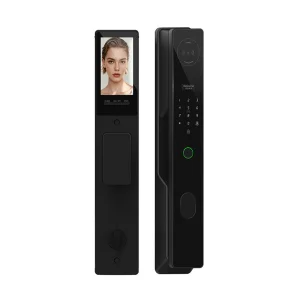
Using infrared laser arrays and custom DSPs, our face recognition locks project thousands of invisible points to build a detailed mathematical model of the user's face, preventing spoofing attempts using high-res photos or 3D masks.
We are migrating our smart communication modules to support Matter. This standard allows our locks to interface with Apple Home, Google Home, Amazon Alexa, and Samsung SmartThings without requiring proprietary hubs.
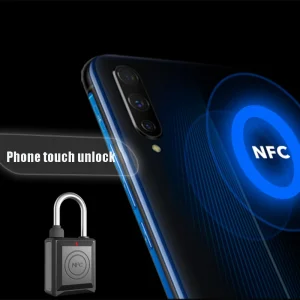
For remote utility enclosures and telecom towers lacking local power grids, we develop battery-free NFC locks. Using electromagnetic induction from the user's smartphone or dynamic key, the lock powers its internal circuit, verifies credentials, and unlocks without internal batteries.
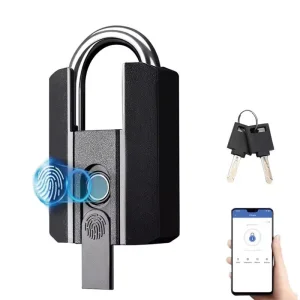
Alongside these technologies, we use high-durability capacitive fingerprint sensors that function in cold, wet, or dry environments. Combining these physical updates with security chips that encrypt storage, Wipan protects locks from digital interception and physical manipulation.
Security needs vary by environment. Wipan manufactures locking hardware customized for specific installation requirements, architectural conditions, and user access patterns.
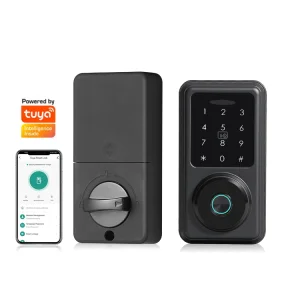
Corporate headquarters require fast access validation and flexible group schedule programming. By implementing slim-profile electronic deadbolts integrated with cloud-managed platforms, businesses can set office-hour schedules, log visitor entries, and update authorization matrices instantly without distributing physical access cards.
Coastal resorts, offshore platforms, and port buildings face humid, saline conditions that degrade lower-grade alloys. Wipan uses specialized casting, anti-corrosion treatments, and waterproof gaskets (IP66/IP67 rated) to protect interior electronics and ensure operational durability over time.
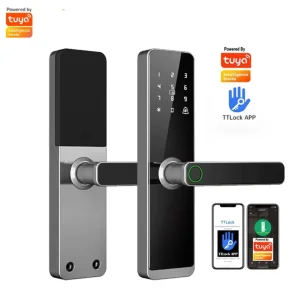
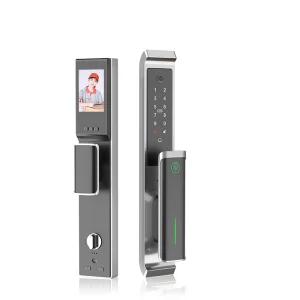
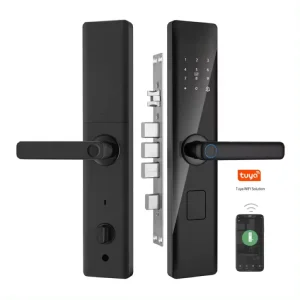
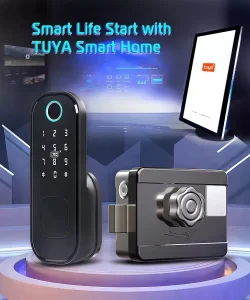
Modern housing complexes prioritize convenient access and visual design. Our 3D Face Recognition and TTLock/Tuya-enabled systems provide entry via fingerprint, passcode, card, or smartphone app, giving homeowners modern keyless options while integrating into smart home systems.
Wipan manages quality at every stage of production. From design to assembly, our factory maintains rigorous standards to produce reliable, high-performance hardware.
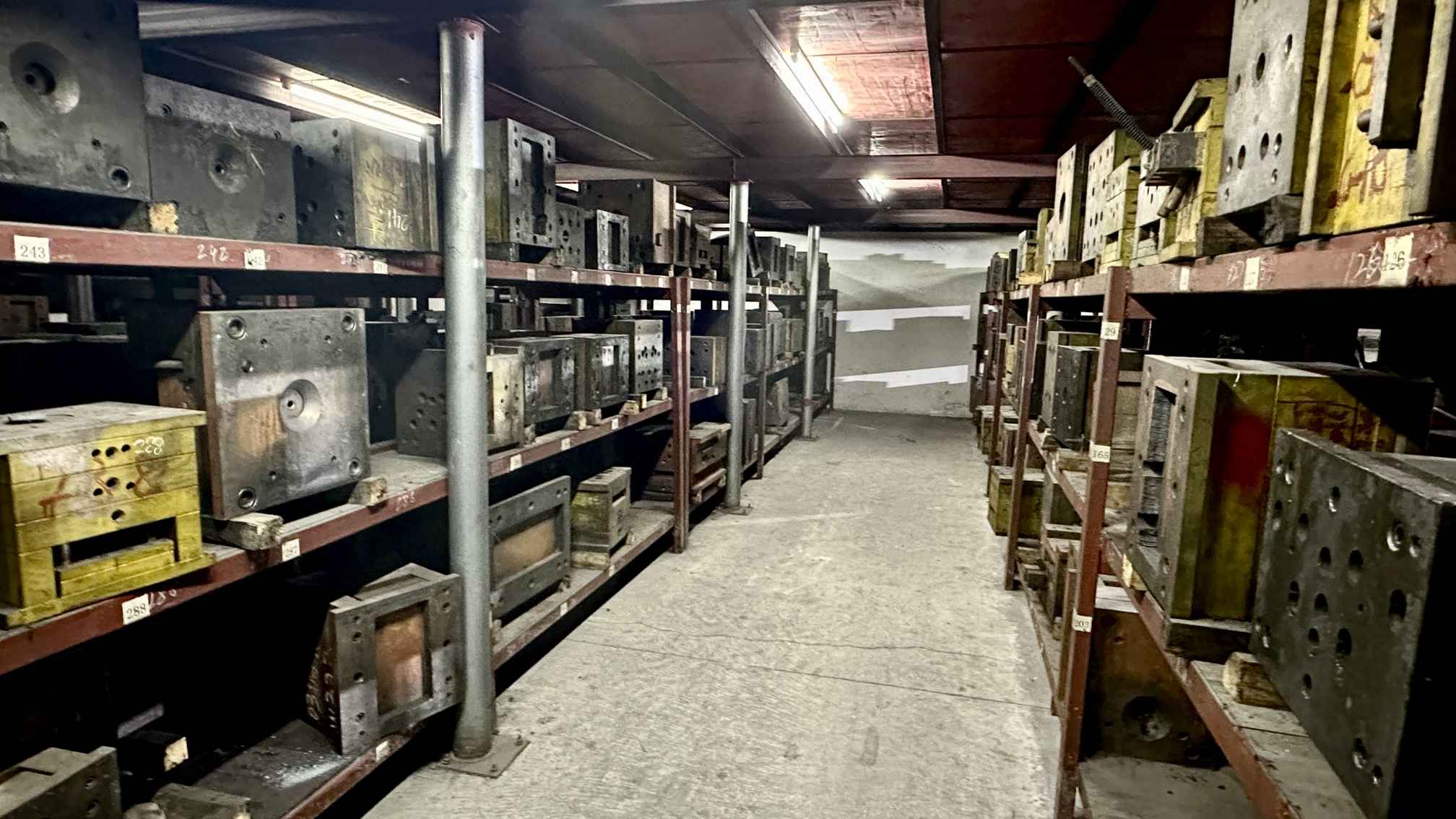
Mould Fabrication
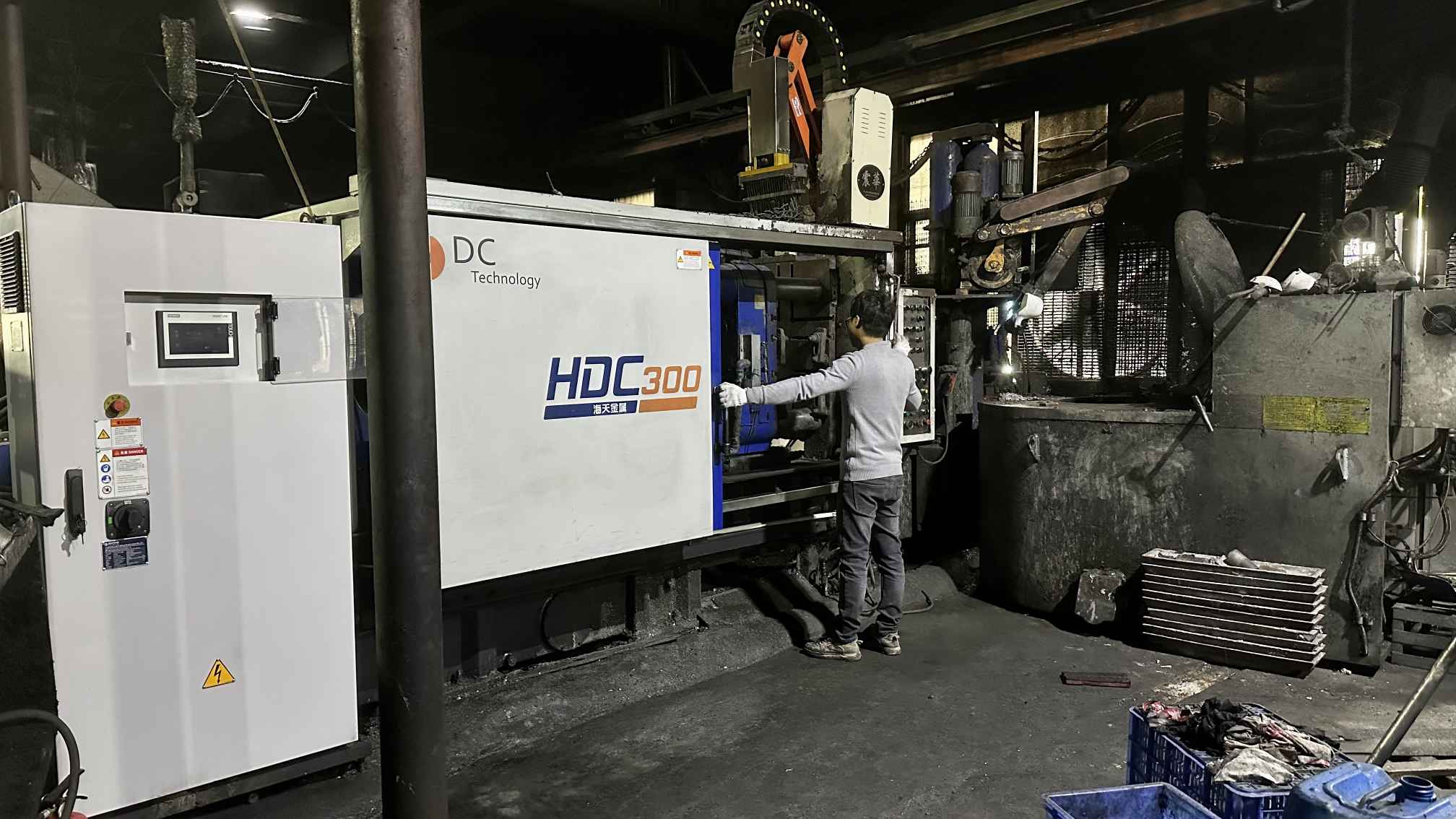
Pressure Casting

Polishing Phase
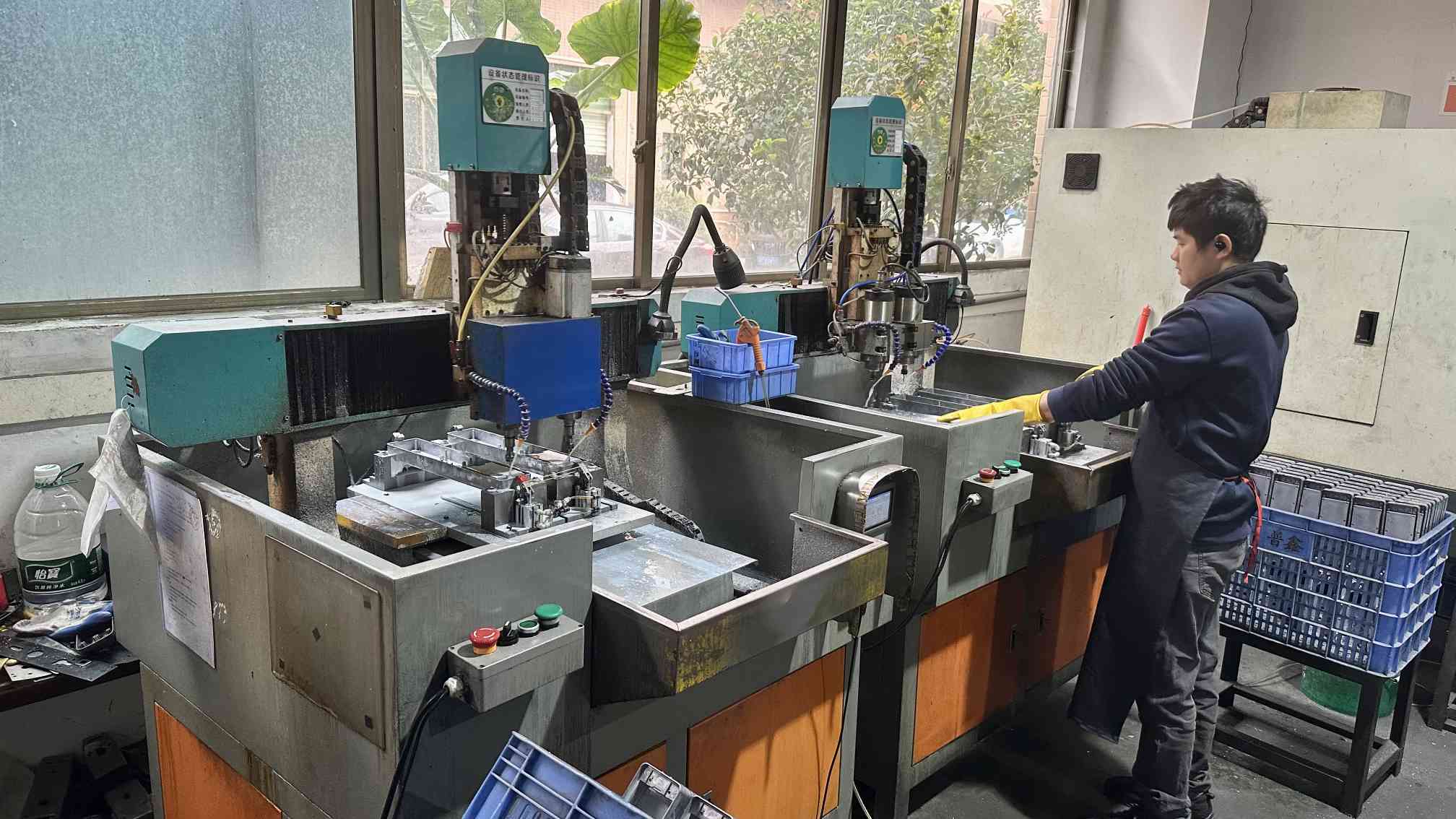
CNC Machining
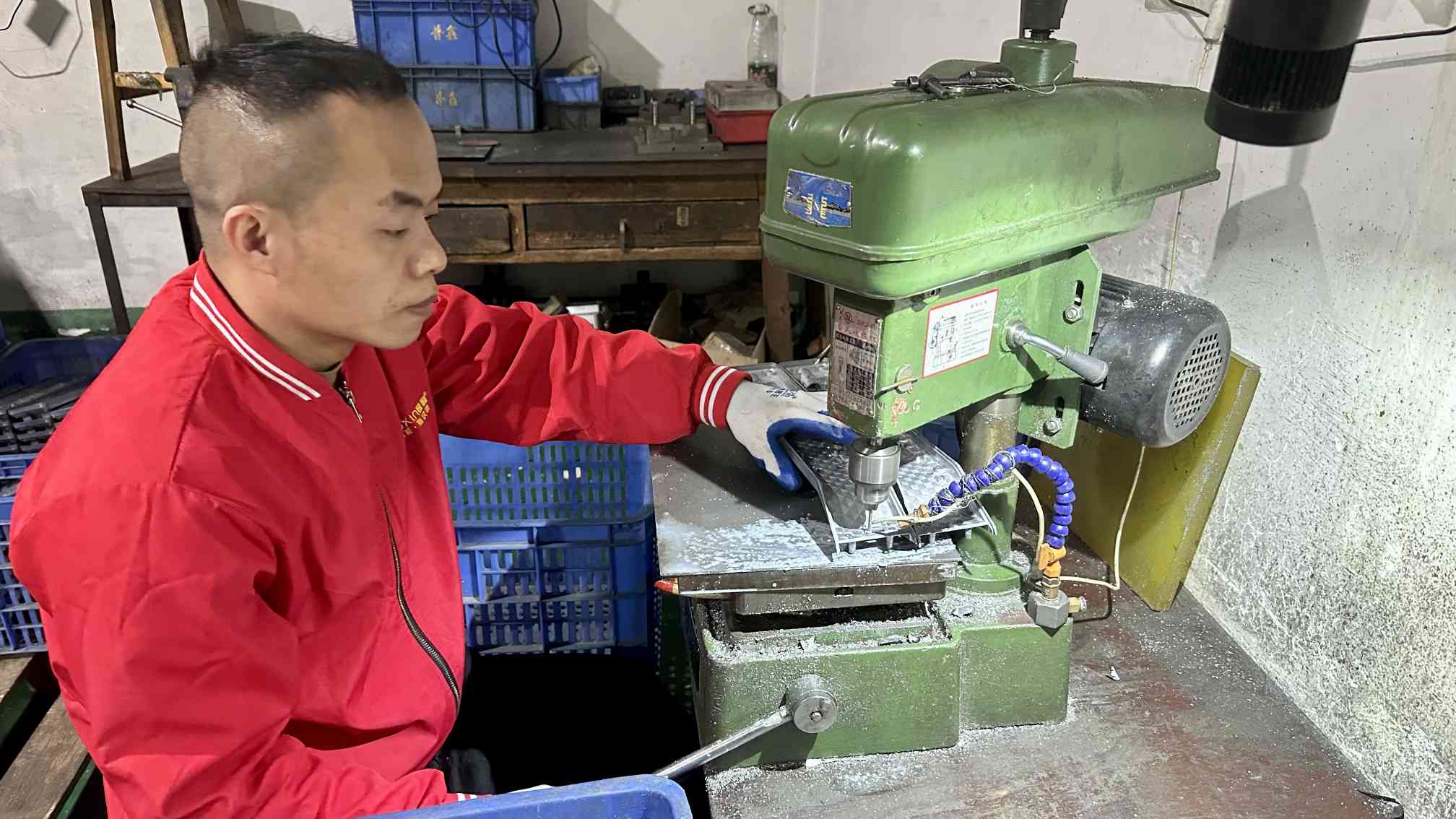
Drilling
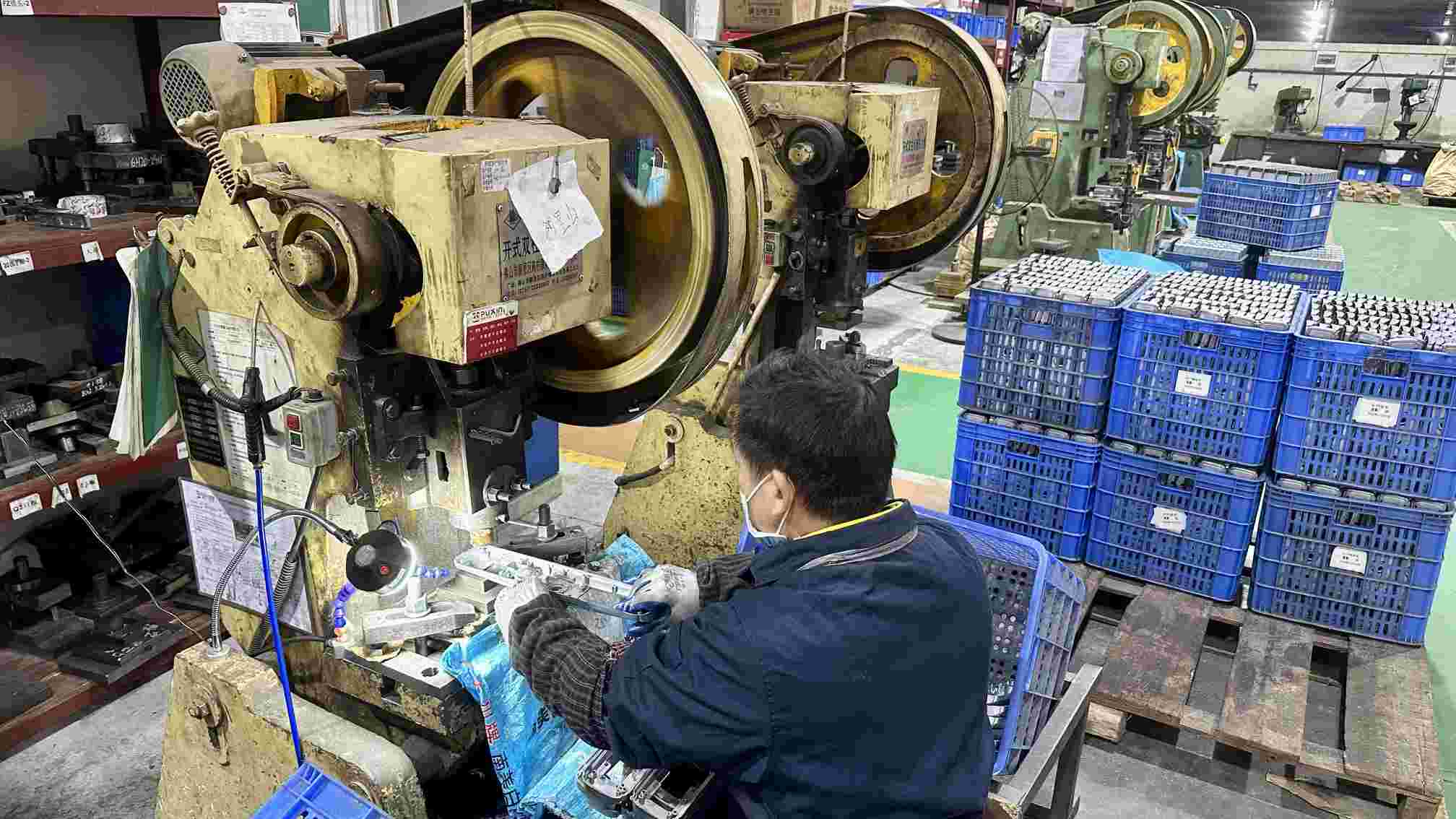
Punching Press
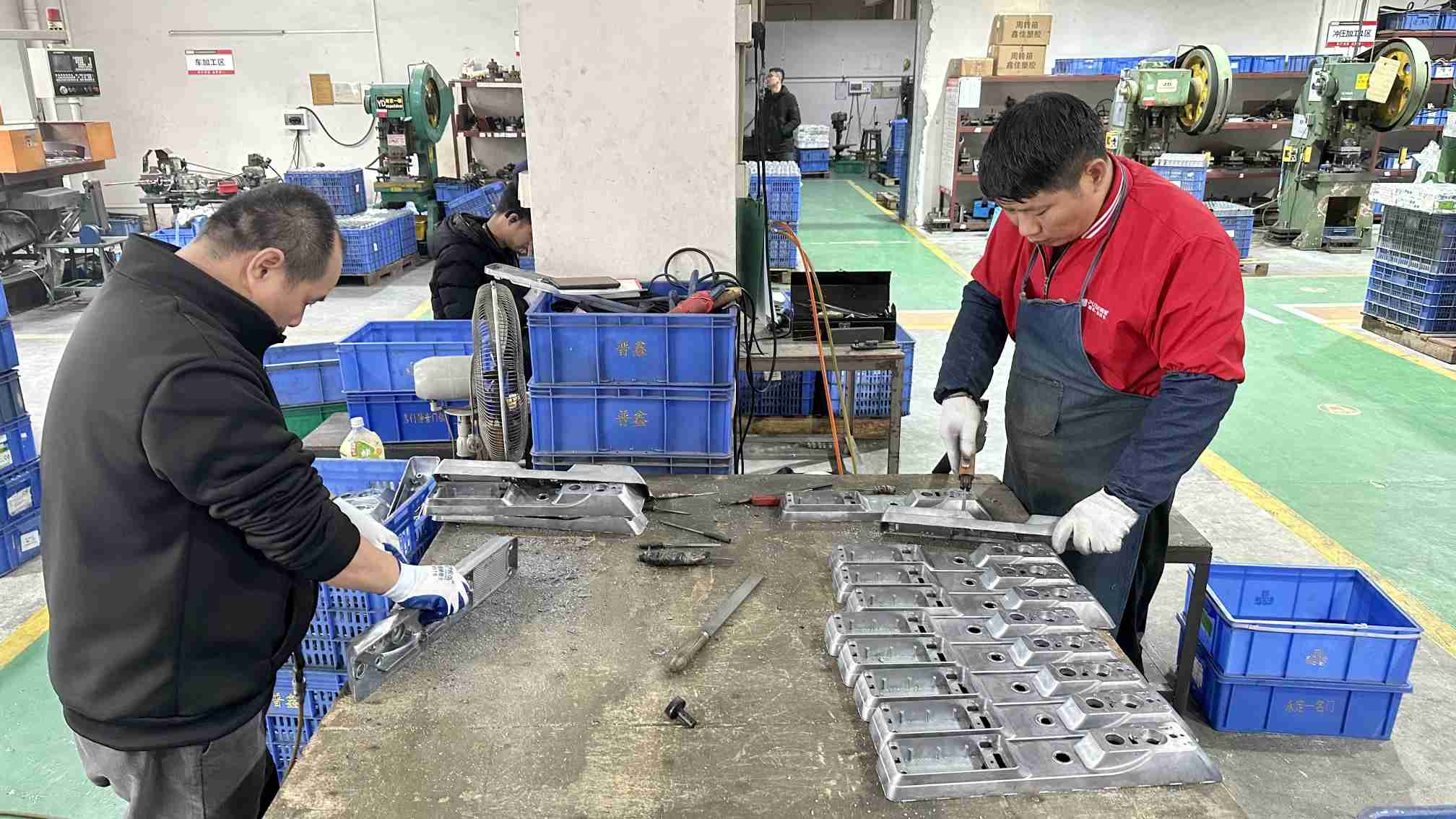
Fine Polishing
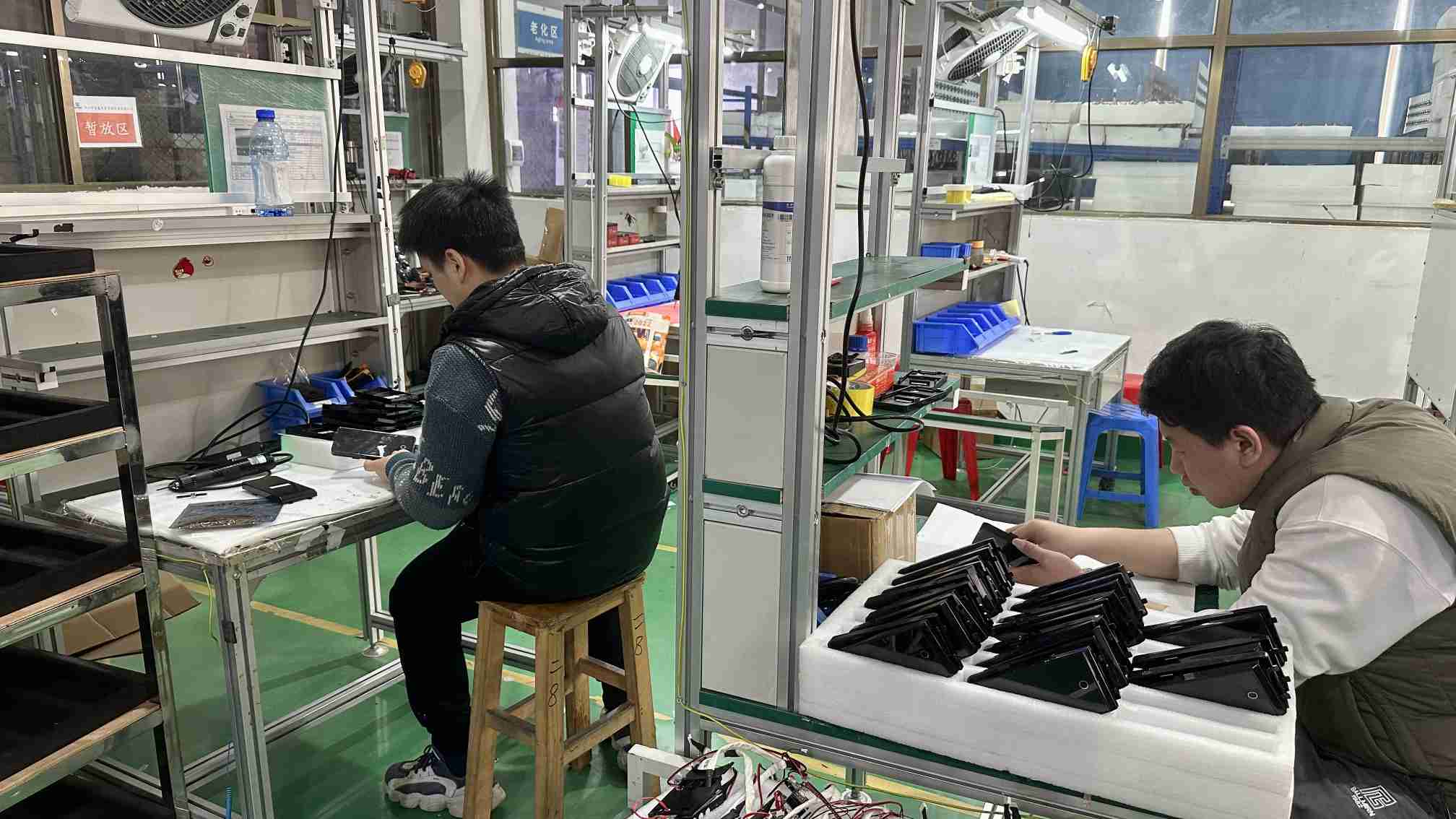
Parts Assembly
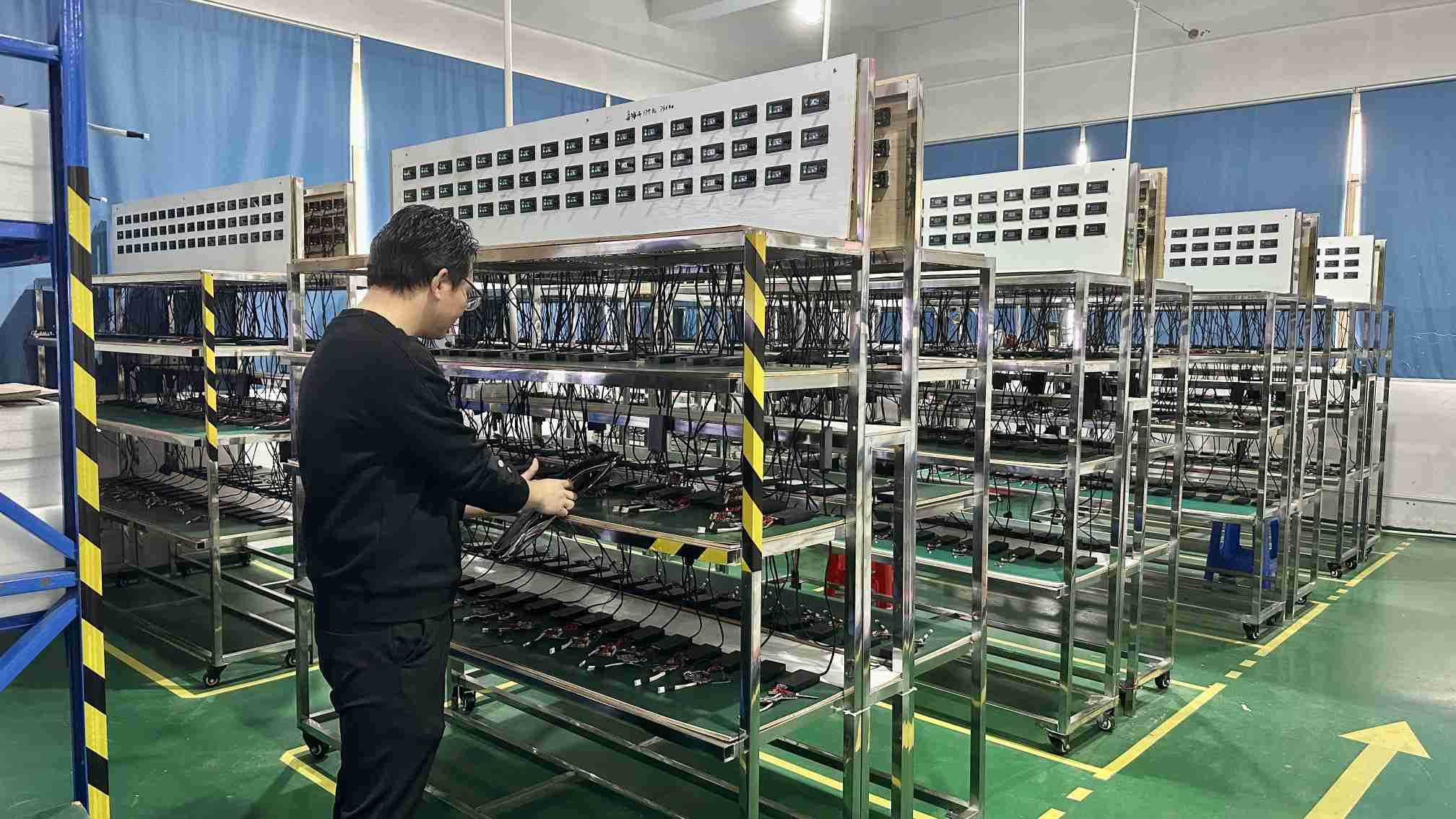
Stress Aging Test
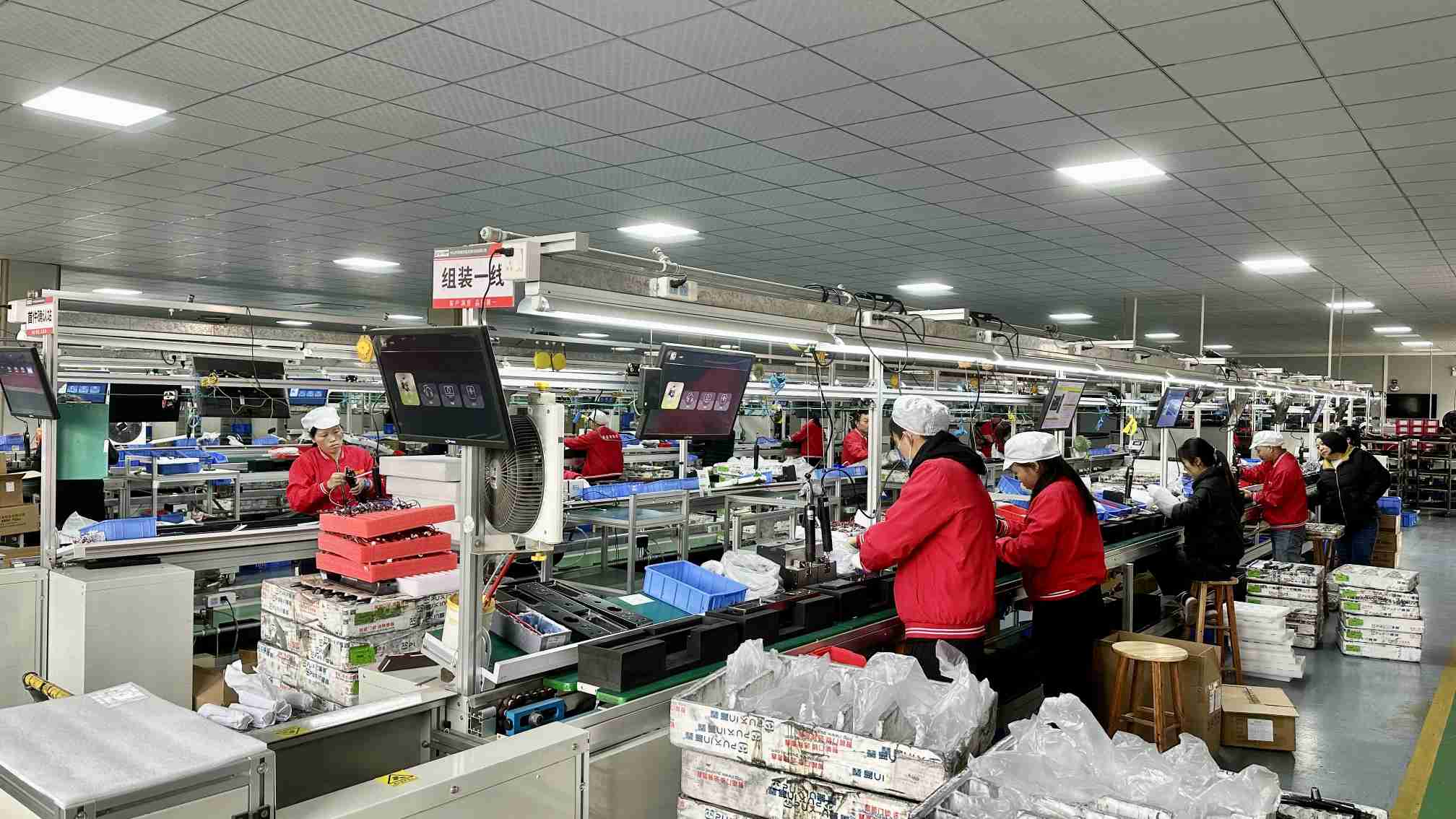
Final Assembly
As a global exporter, Shenzhen Wipan Lock Co., Ltd. provides customization solutions that adapt our catalog hardware to meet client design and system requirements.
We provide open APIs and documentation for our BLE, Wi-Fi, and Zigbee locks. This allows enterprise buyers to integrate Wipan locks directly into their existing property management systems (PMS), hotel booking applications, or custom corporate HR databases.
Every market has unique installation standards. We customize mortise dimensions, backsets, faceplates, and deadbolt profiles to fit various door standards—from thin aluminum doors in Europe to thick timber doors in North America.
We offer white-label and custom branding options, including laser-etched corporate logos, tailored packaging, custom color finishes (PVD, electroplating, anodizing), and custom-programmed welcome audios.
Find answers to common questions about biometric hardware, software integrations, and manufacturing customization.
Capacitive fingerprint sensors measure the electrical difference between the ridges and valleys of a fingerprint. Compared to optical scanners, which capture a 2D image that can be bypassed by photos, capacitive sensors require physical contact with a live finger, providing higher security and faster read times.
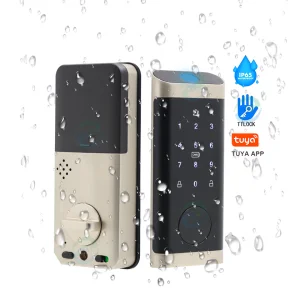
Locks designed for outdoor use, such as our Waterproof Zinc Alloy TTlock, use silicone-sealed gaskets, hydrophobic PCB coatings, and drain channels. These elements protect internal electronics from moisture, allowing operation in temperatures from -25°C to 55°C and humid conditions.
Yes, our locks support integration with TTLock and Tuya APIs. This allows system integrators to manage permissions, retrieve log files, and control devices remotely within their property management software or smart home apps.
Wipan smart locks include a low-battery alarm that alerts users before the cells drain. In case of complete power failure, users can power the lock using an external Type-C/USB power bank port on the bottom cover, or bypass the electronics using a physical override key.
Biometric templates are stored as encrypted hashes on the lock's local flash memory, not as raw images. Wireless transmissions (Bluetooth, Wi-Fi) are encrypted via AES-128/256 standards, preventing eavesdropping and replay attacks.
Lead times depend on the level of customization. Standard options with custom branding take 15 to 25 business days. Full custom molds or unique circuit boards require 35 to 50 days, which includes prototype testing and validation.
Select from our full catalog of residential, commercial, and industrial smart locking products.
 Wipan Lock