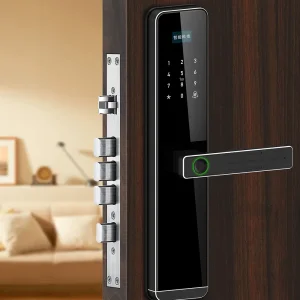
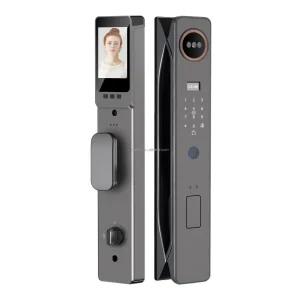
Explore our premium range of customizable smart locks, engineered for high security, structural durability, and seamless smart-home integration.
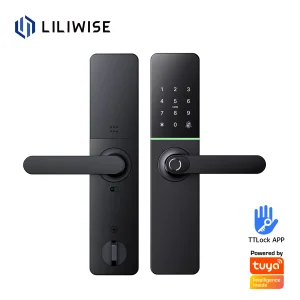
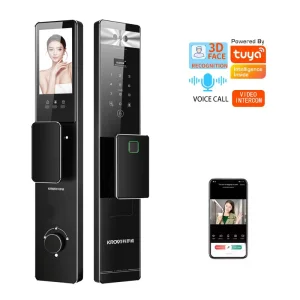
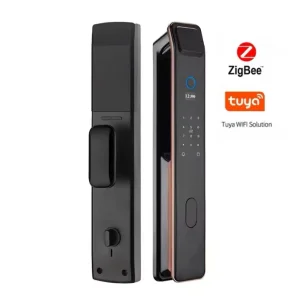
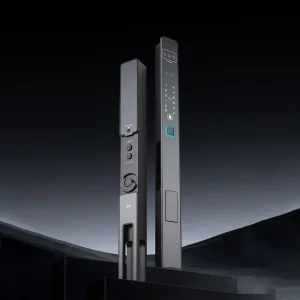
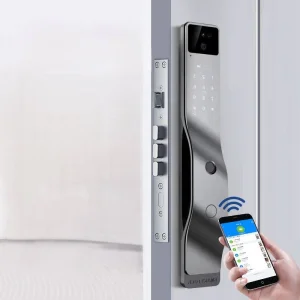
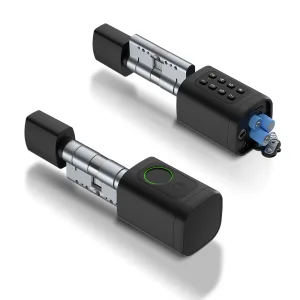
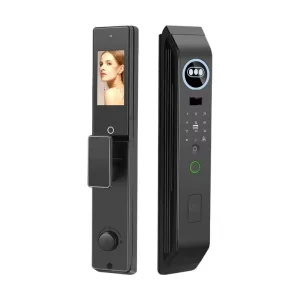
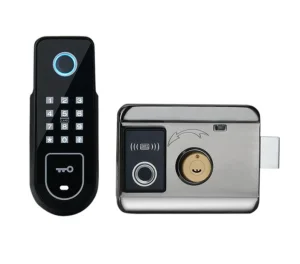
The global smart lock market has crossed a critical threshold, shifting from a novelty consumer accessory to a fundamental piece of enterprise IoT infrastructure. Driven by urbanization, the rise of co-working spaces, the expansion of commercial build-to-rent (BTR) models, and heightened security requirements in industrial sites, the demand for customizable lock systems has reached unprecedented levels. Modern enterprises no longer seek generic hardware; they require tailored locking solutions designed to fit distinct structural profiles, architectural specifications, and pre-existing access management software suites.
In North America and Europe, the retrofitting of legacy commercial structures requires custom dimensions and flexible lock-mortise mechanisms. Meanwhile, across the Asia-Pacific region, rapidly growing smart cities are deploying centralized access-control setups that link thousands of residential and industrial entryways into single cloud dashboards. For security integration distributors, real estate developers, and hardware brands, finding a highly adaptable OEM/ODM manufacturing partner in China is essential to meeting these regional requirements efficiently and cost-effectively.
The convergence of biometrics, low-latency communication protocols, and cloud computing is defining the future of commercial access control.
Traditional fingerprint scanners are giving way to advanced multi-spectral 3D palm-vein scanning and facial recognition systems. By mapping subsurface vascular structures, palm-vein technology prevents spoofing and remains highly reliable in cold weather or when skin is worn, dusty, or wet.
IoT ecosystems are transitioning from fragmented proprietary communication systems to open-source protocols like Matter over Thread. This shift allows smart locks to connect directly with smart-home systems from Apple, Google, and Amazon, while retaining low-power local mesh operations.
Modern commercial locks utilize energy-harvesting technologies, such as kinetic generation from physical handle turns, coupled with low-power Bluetooth (BLE) states, to extend battery life up to two years and lower overall building maintenance costs.
To successfully deploy access control hardware worldwide, manufacturers must account for localized architectural variations and local regulatory environments. A lock designed for a modern glass high-rise in Singapore differs significantly from one built for an apartment building in Germany or a residential villa in Texas.
Shenzhen Wipan Lock Co., Ltd. is a leading manufacturer specializing in smart locking systems and access control solutions. With years of experience in the electronic lock industry, Wipan has become a trusted partner for hotels, apartments, offices, educational institutions, healthcare facilities, commercial buildings, and residential projects worldwide.
We provide not only high-quality smart lock products but also comprehensive OEM/ODM solutions tailored to our customers' needs. From product design, research and development, manufacturing, quality control, and branding support to market analysis and after-sales service, we help our partners build competitive products and expand their business successfully in local and international markets.
Driven by innovation and technology, Wipan continuously invests in advanced manufacturing equipment, intelligent production processes, and product development to ensure reliable performance, enhanced security, and user-friendly experiences. Our product range includes smart door locks, hotel lock systems, fingerprint locks, password locks, RFID card locks, Bluetooth locks, TTLock solutions, and customized access management systems. Today, Wipan products are exported to numerous countries and regions across Asia, Europe, the Middle East, Africa, North America, and South America, earning recognition for quality, durability, and excellent customer service.
At Wipan, our greatest asset is our people. Our experienced engineers, designers, production specialists, and customer service professionals work together with passion and dedication to deliver innovative security solutions. We believe that successful partnerships are built on trust, collaboration, and mutual growth. Our team is committed to excellence in every stage of the process—from concept development and product engineering to manufacturing and technical support—ensuring that every product meets the highest standards of quality and reliability.
"To create smarter, safer, and more convenient access solutions for people around the world through continuous innovation and superior quality."
Our manufacturing capabilities feature advanced technology and high precision, from raw material casting to automated QA testing.
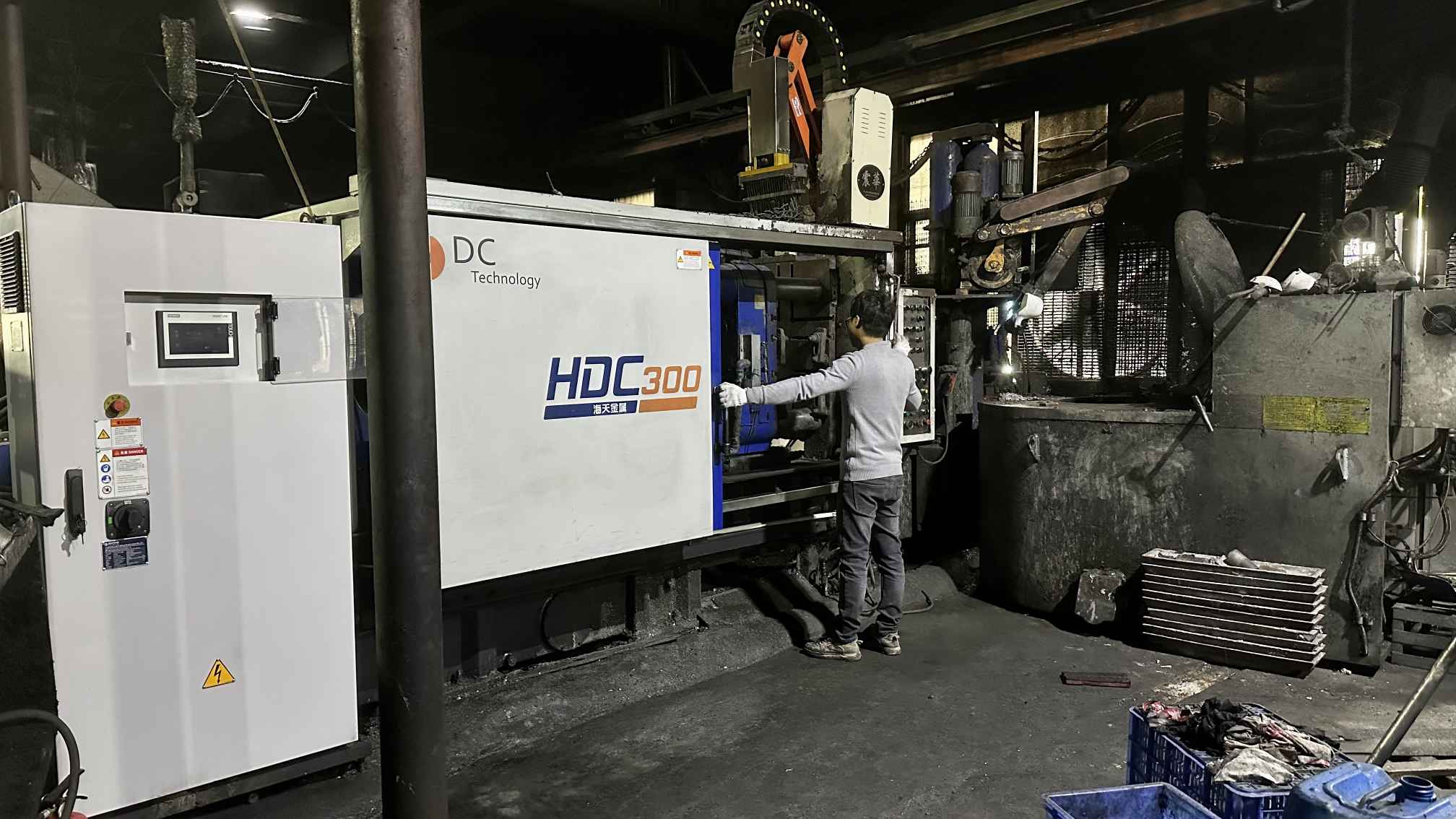

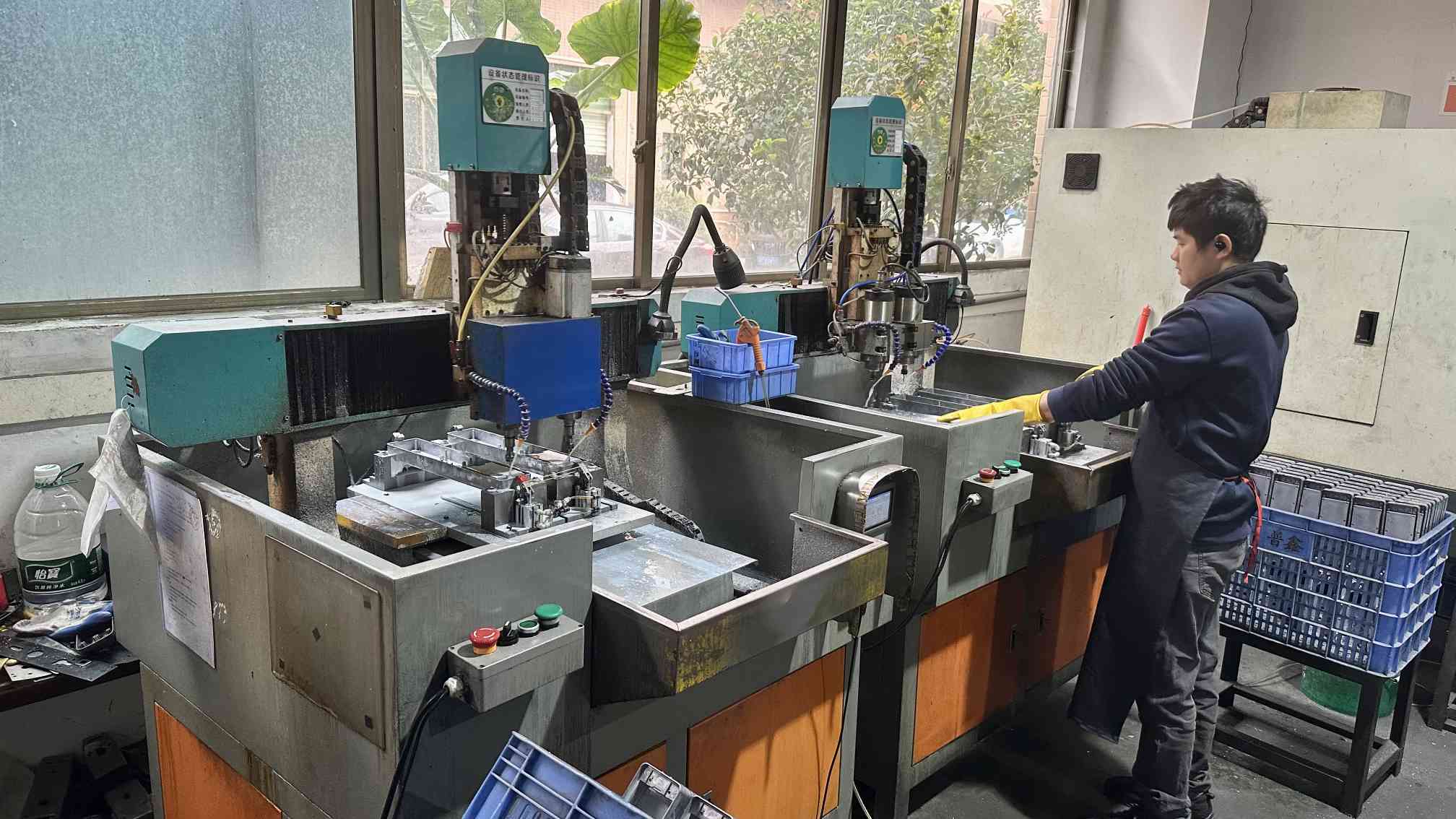
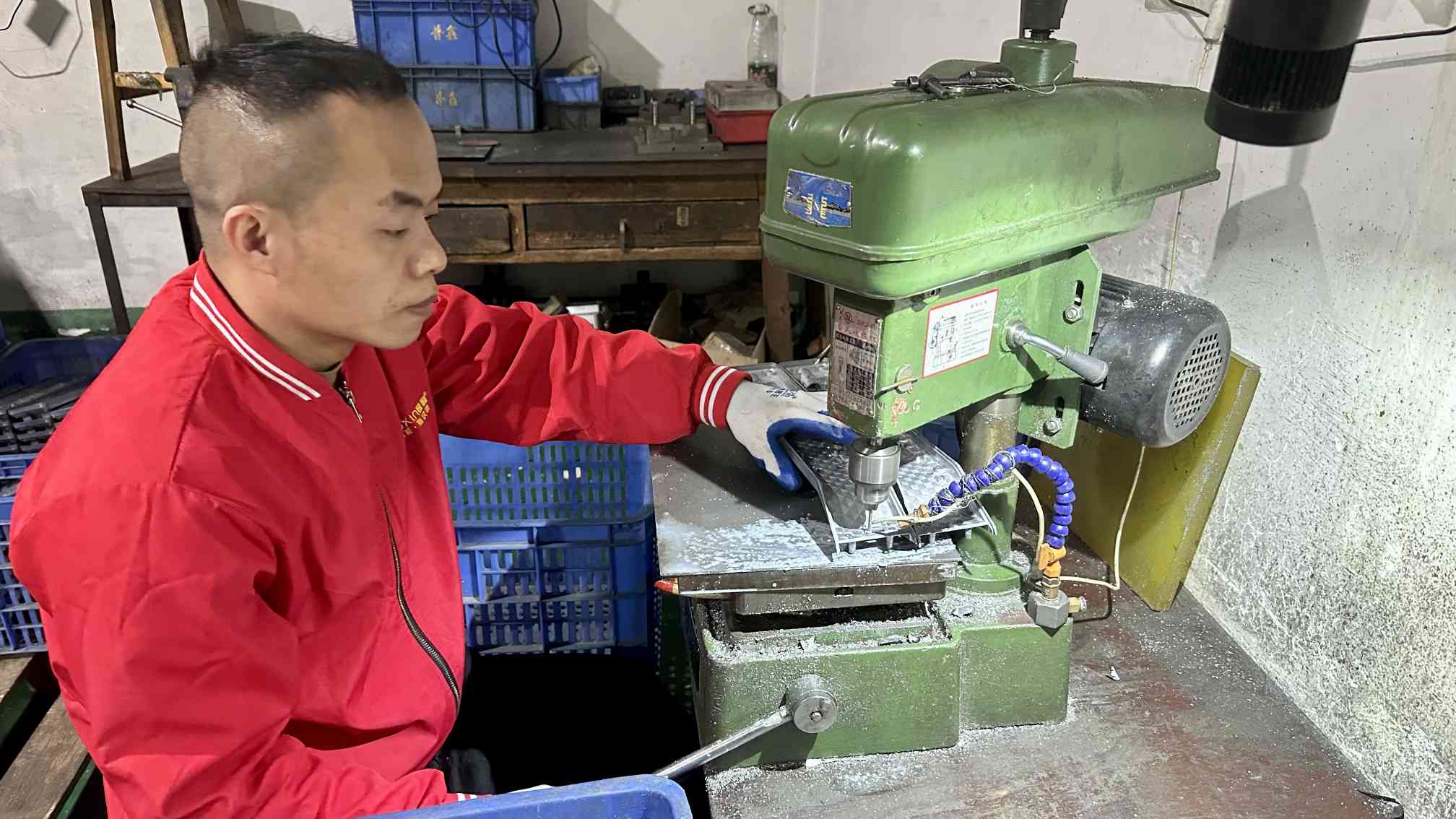
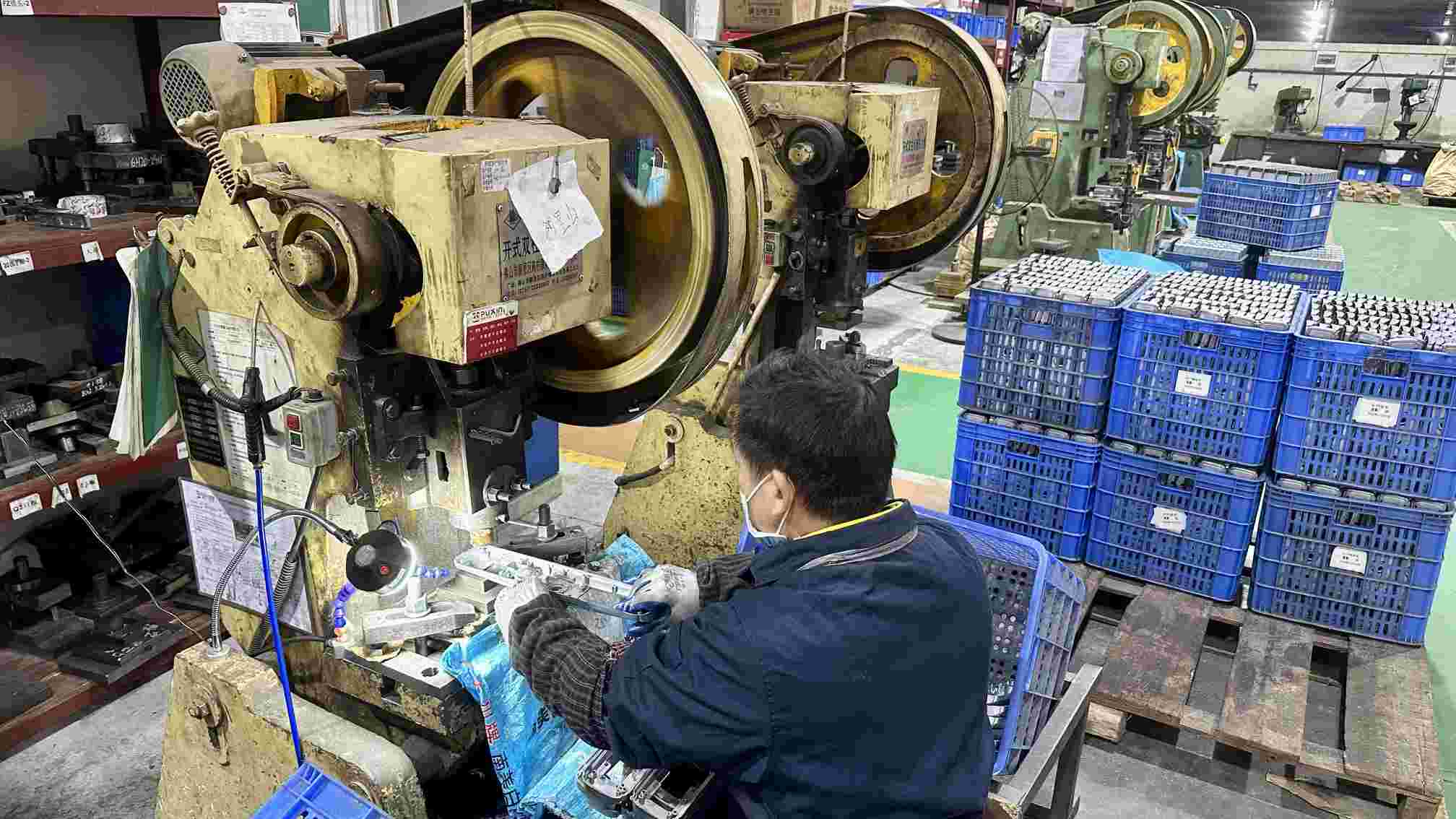
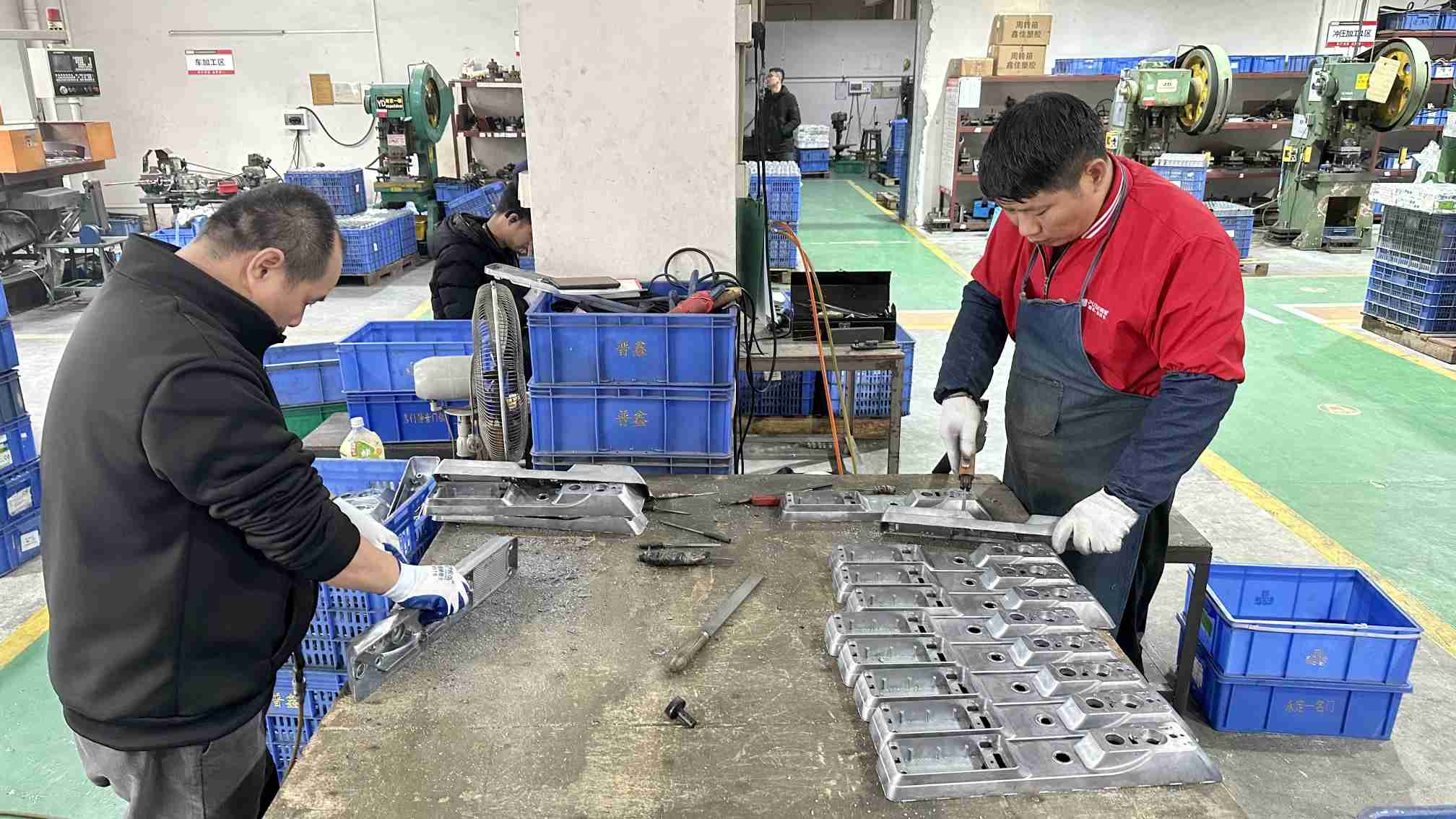
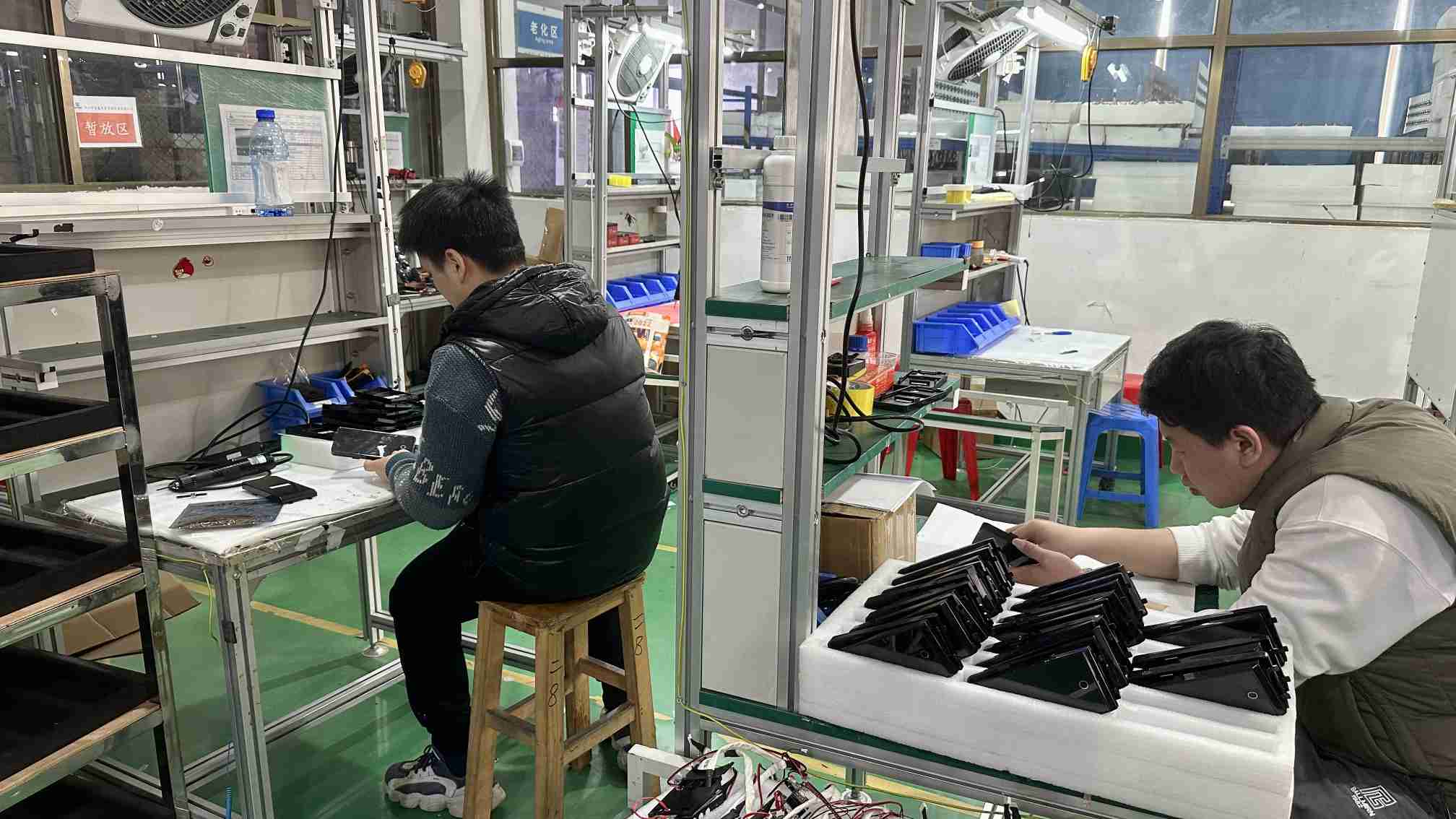
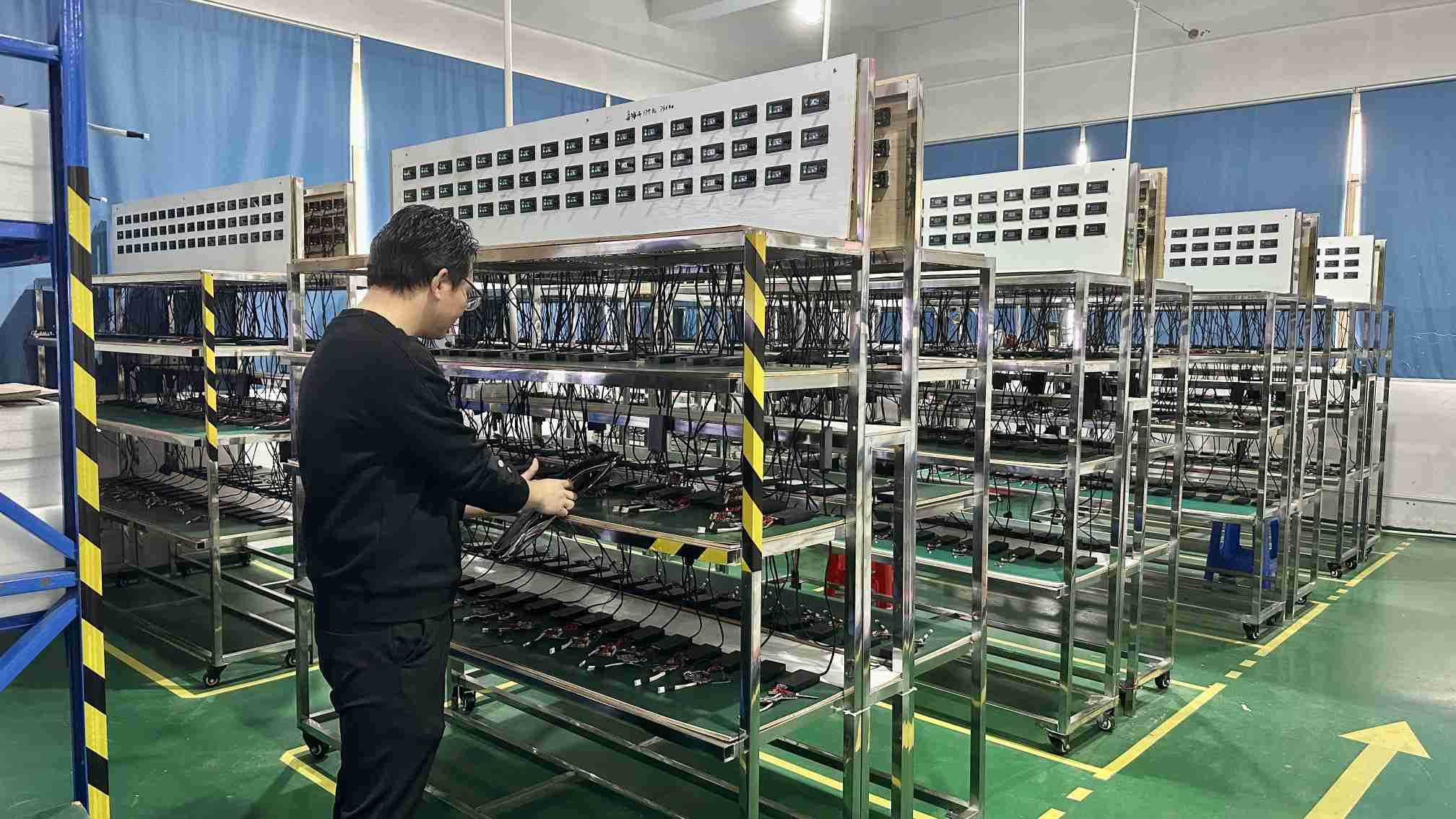
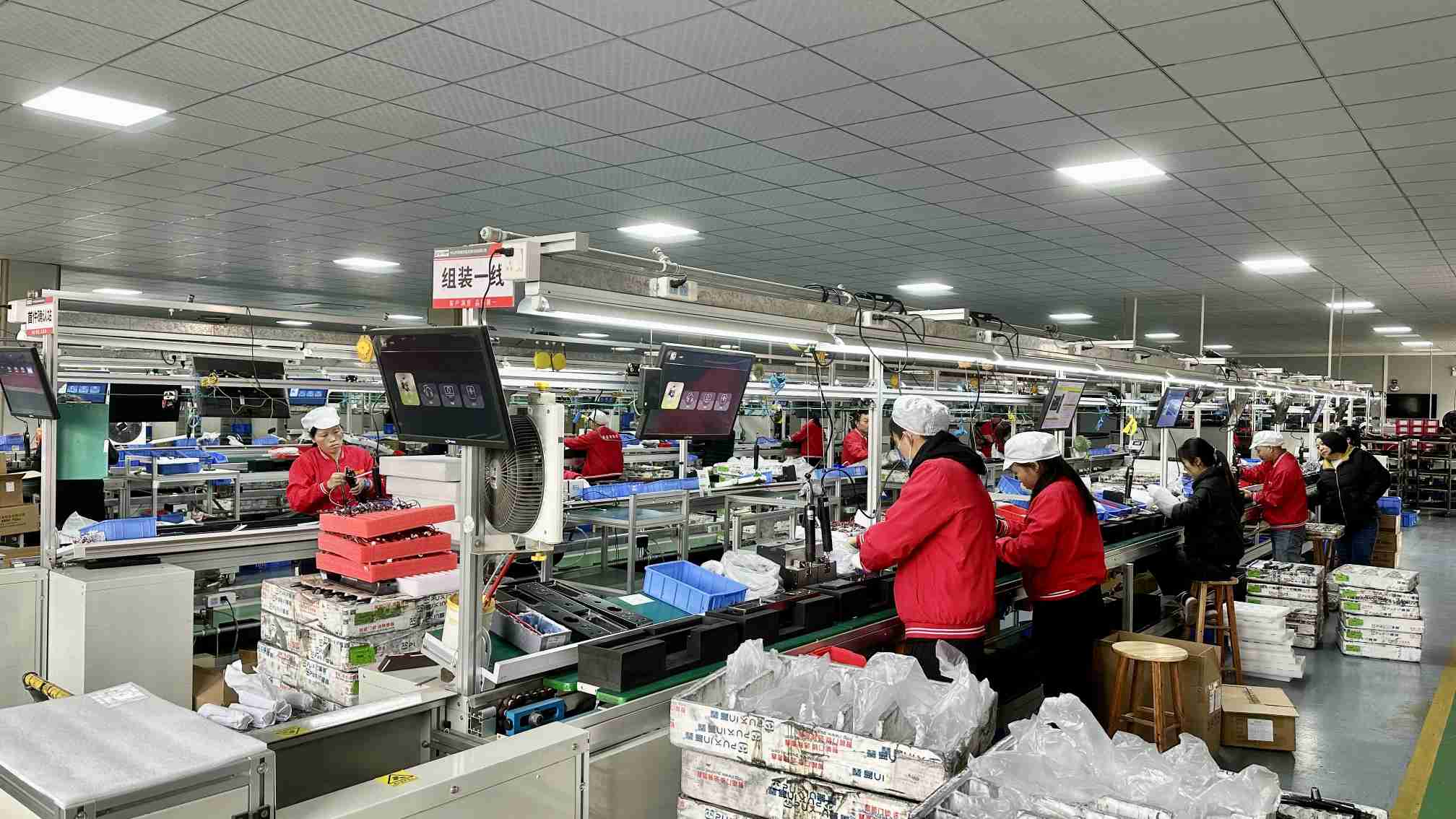
At Shenzhen Wipan Lock Co., Ltd., our engineering and production systems are built on strict quality control, with testing protocols integrated into every step of manufacturing. High-grade alloys are cast in high-pressure chambers to eliminate micro-voids, and CNC systems mill functional surfaces to micrometer-level precision.
During production, electronic components and lock assemblies undergo a systematic aging process inside temperature-controlled testing rooms. This helps identify any early-stage electronic or solder issues, ensuring the smart locks operate reliably across various environmental conditions. Additionally, mechanical parts are tested on automated rigs for over 100,000 cycles, and outer casings undergo salt spray testing to verify their long-term resistance to rust and corrosion in coastal or humid regions.
A roadmap for developers, hoteliers, and hardware brands selecting smart lock manufacturing partners in China.
Verify that your manufacturer provides SDKs for both Android and iOS platforms, along with comprehensive API documentation. This ensures your development team can easily integrate lock controls with custom apps, hotel property management systems (PMS), or building management databases.
Ensure the hardware meets the necessary standards for your target market. Look for CE and FCC certifications for electronics, RoHS for environmental material compliance, and relevant fire-rating and mechanical testing approvals (like EN 179 or ANSI Grade 1/2) for building safety.
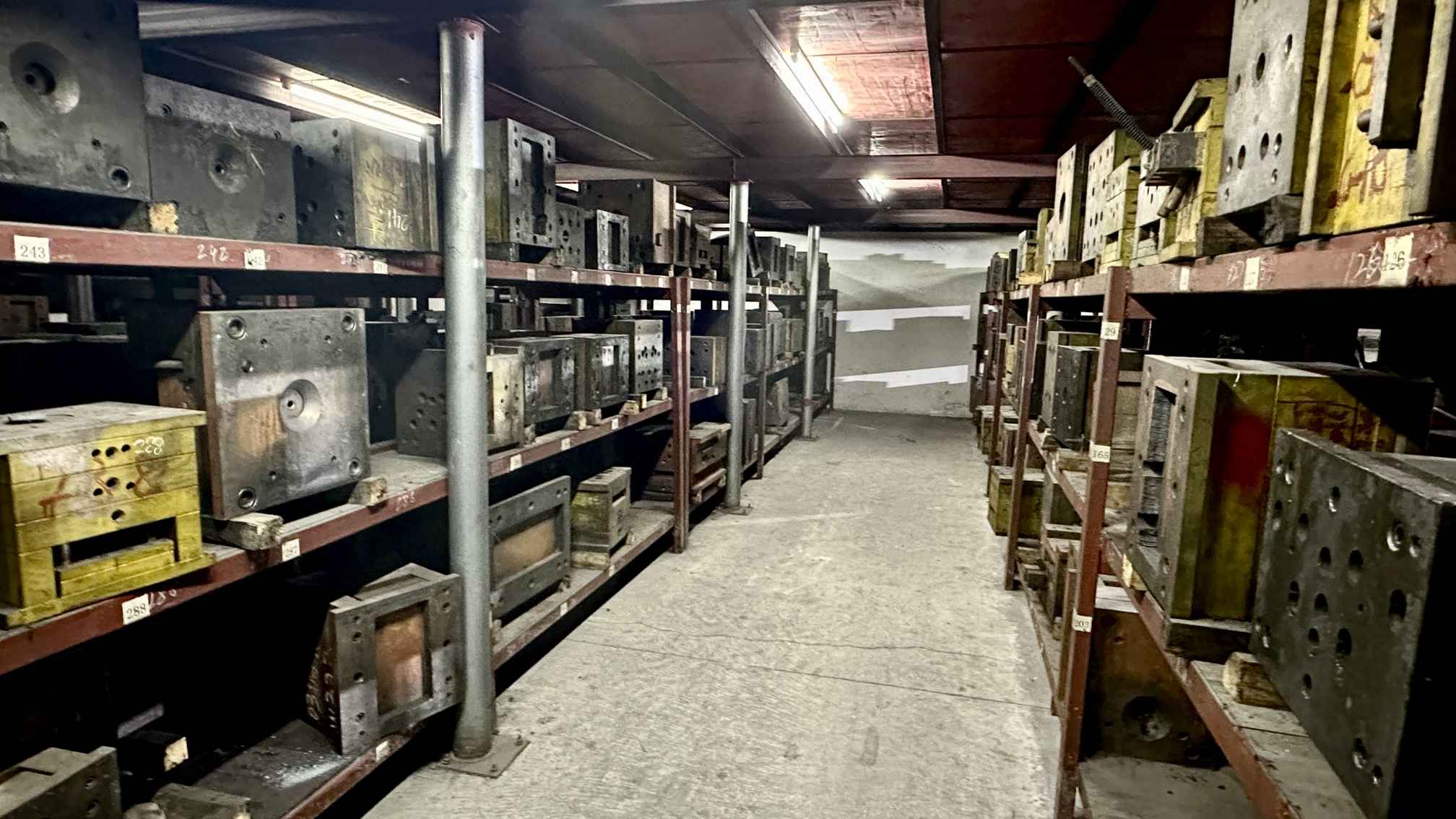
Work with partners who manage key manufacturing processes—such as tooling, high-pressure die casting, precision CNC machining, and automated product assembly—in-house. In-house control helps ensure consistent quality and more reliable lead times.
Detailed technical answers to common questions about electronic lock design, security standards, and customization.
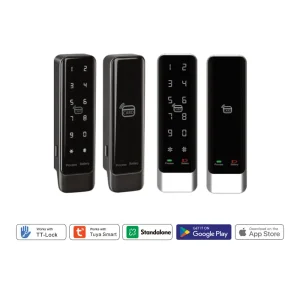
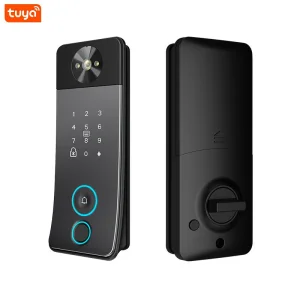
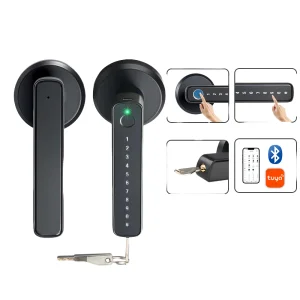
Engineered for specific applications including aluminum doors, cabinet access, high-exposure outdoor gates, and real-time biometric tracking.
 Wipan Lock