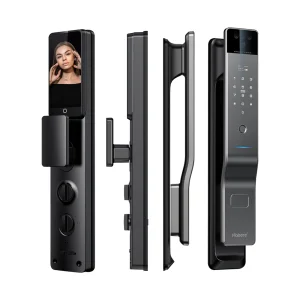
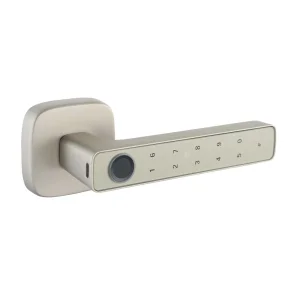
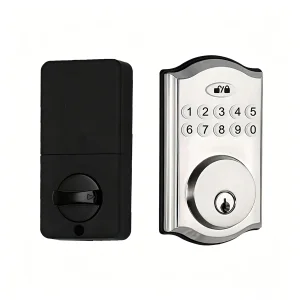
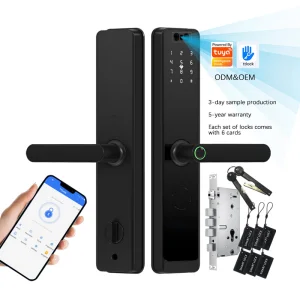
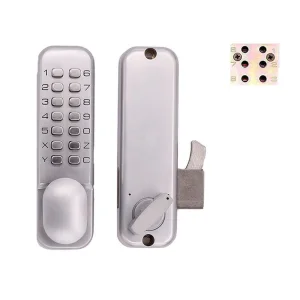
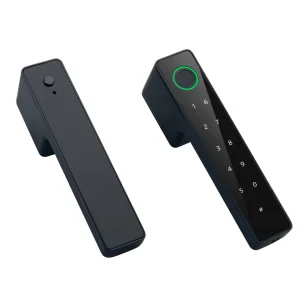
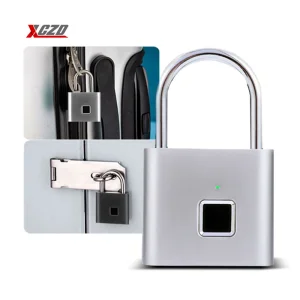
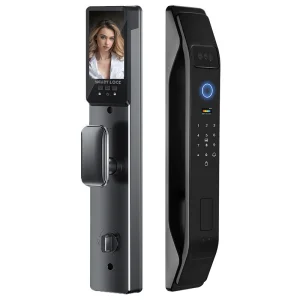
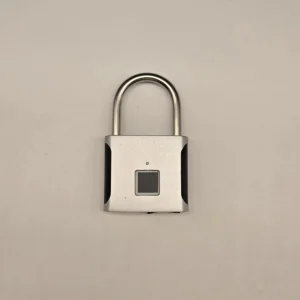
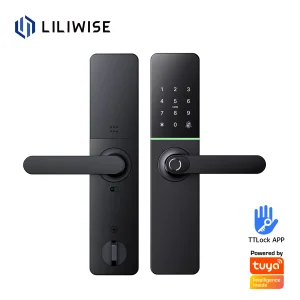
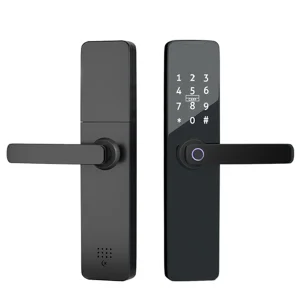
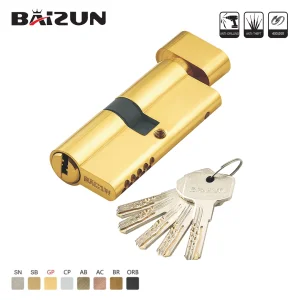
Explore our flagship smart lock range integrated with cutting-edge biometrics, TTlock, Tuya cloud platforms, and heavy-duty mechanical engineering.
Shenzhen Wipan Lock Co., Ltd. is an industry-leading smart locking systems developer and physical access control manufacturer. Over years of focused manufacturing and hardware-software architectural integration, Wipan has expanded into a globally recognized B2B brand serving residential, commercial, hospitality, institutional, and infrastructure developments. Our business model bridges high-durability hardware with advanced cloud applications, ensuring secure, trackable, and scalable entry management.
Beyond our standard production catalogs, Wipan operates as a core OEM/ODM partner for tier-1 security companies, enterprise real estate firms, hospitality groups, and telecom service brands. Our comprehensive development stack spans architectural industrial design, proprietary hardware engineering, electrical circuit design (PCB layout), custom app firmware integration (via Bluetooth, Wi-Fi, Zigbee, Z-Wave, Thread, and NB-IoT protocols), rigorous validation testing, and end-to-end global supply chain fulfillment.
In modern property management and facility coordination, the physical mechanical key represents a significant vulnerability and logistics bottleneck. Key replacement, lock cylinder rekeying, physical access tracking, and key handovers generate considerable overhead. Modern global markets demand automated access control systems where the smart device functions as a secure digital key.
The evolution from simple biometric locks to comprehensive app-integrated ecosystems is fueled by Cloud APIs and SDKs. Access authorizations can now be scheduled dynamically, audited in real time, and revoked instantly. Property managers can issue temporary PIN codes, configure one-time passcodes, set up offline algorithmic codes, or grant real-time mobile app access through BLE. This integration of mobile software with high-precision locking mechanisms forms the foundation of our engineering methodology at Wipan.
Understanding the strict functional and structural standards required by international buyers, real estate developers, and IoT software providers.
Global system integrators need functional APIs and native iOS/Android SDKs. Proprietary PMS, HMS, or building automation platforms must interact directly with the smart lock hardware to support automated check-ins, room assignments, and facility usage monitoring.
Different regions demand varied mechanical designs. While European installations rely on slender DIN mortises and Euro profile cylinders, North American commercial builds require ANSI Grade 1 or Grade 2 heavy-duty mortises. We provide versatile mechanical chassis layouts to match regional structural standards.
Minimizing battery replacement maintenance is critical. Energy-efficient BLE and Zigbee chips, combined with sleep states, extend battery life up to 12-18 months. Low-battery warnings and emergency power ports (USB-C/Micro-USB) prevent accidental lockouts.
A detailed view of Wipan's manufacturing process, from raw metal alloys to fully calibrated smart security systems.
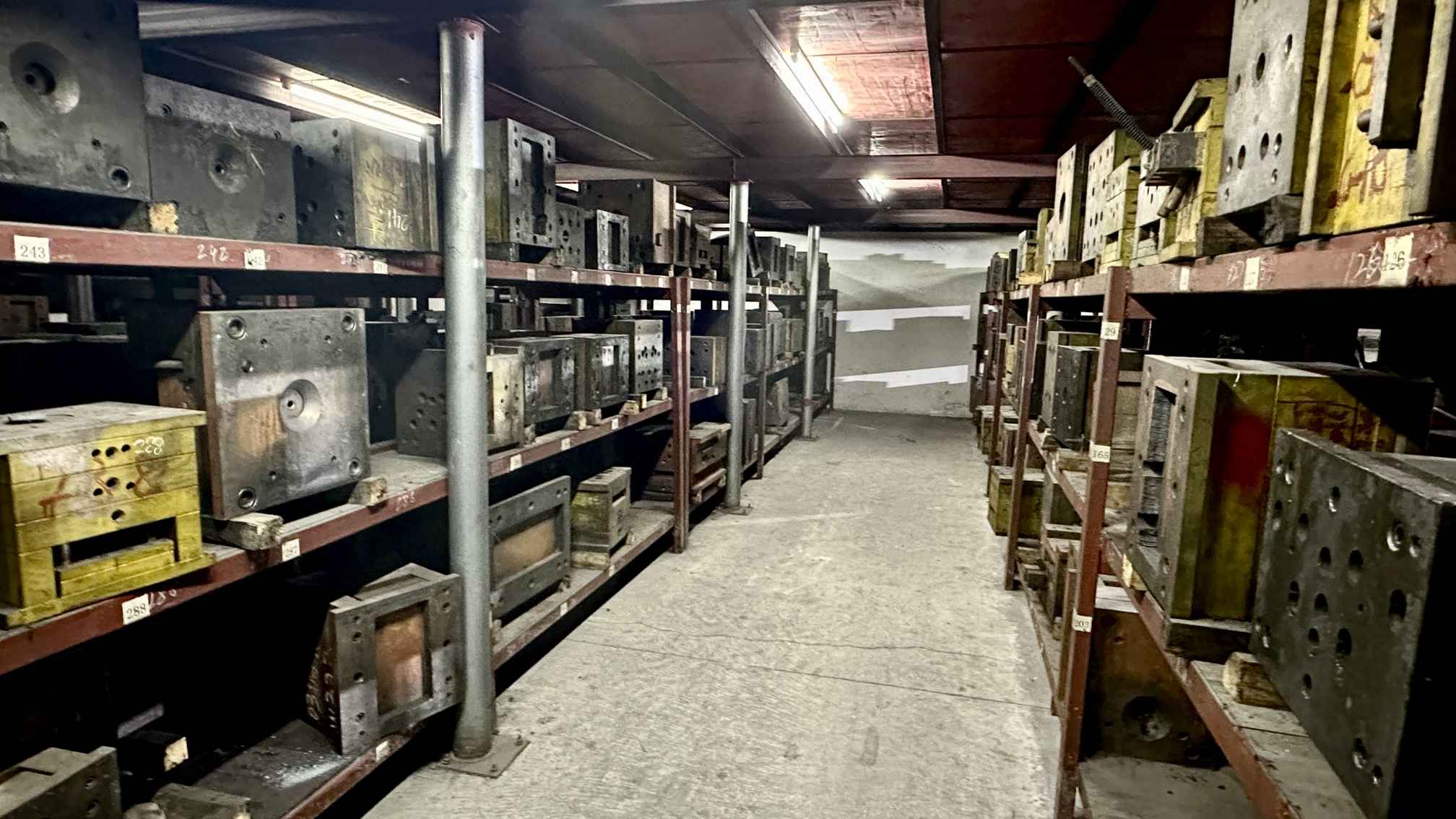
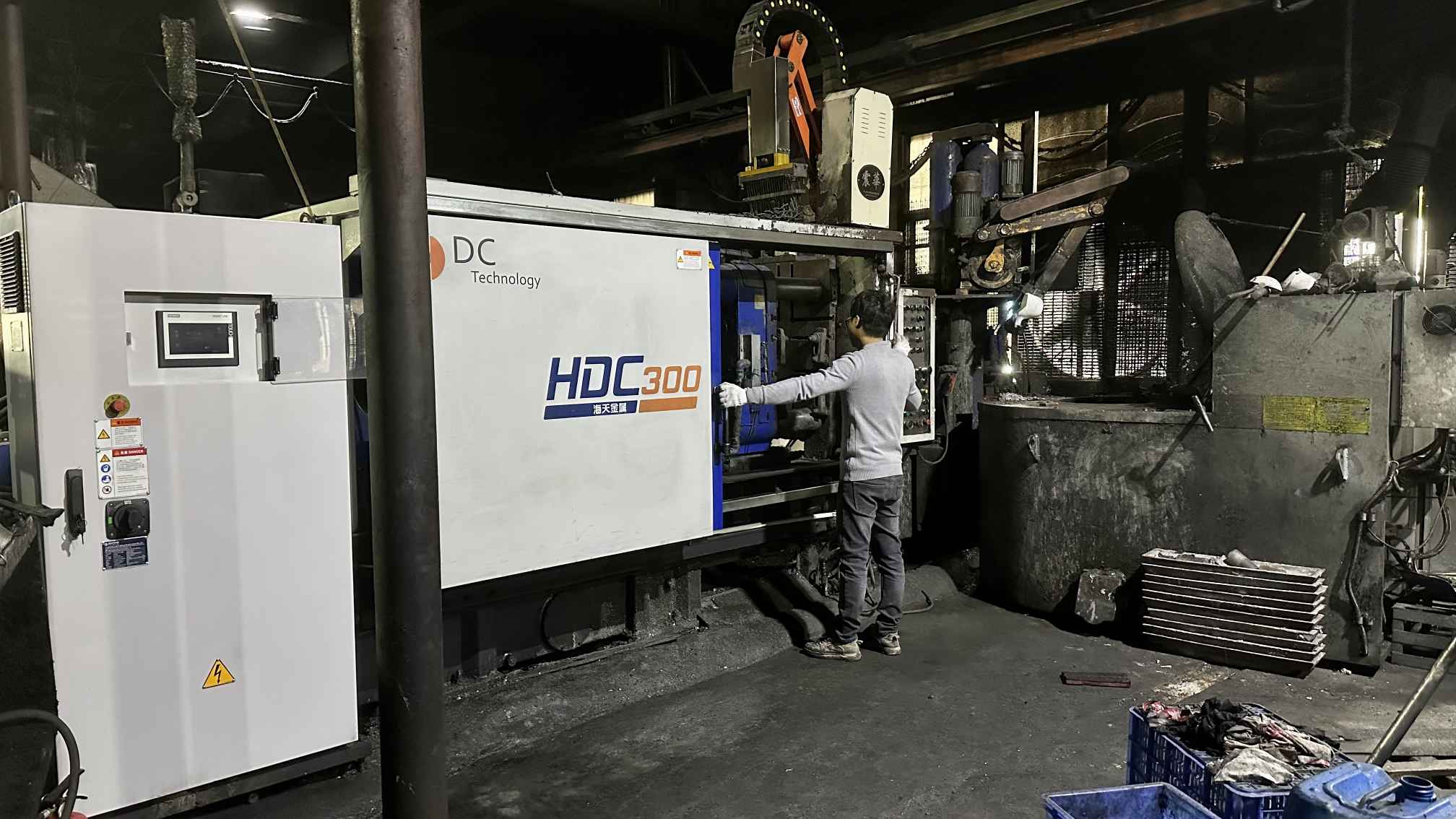

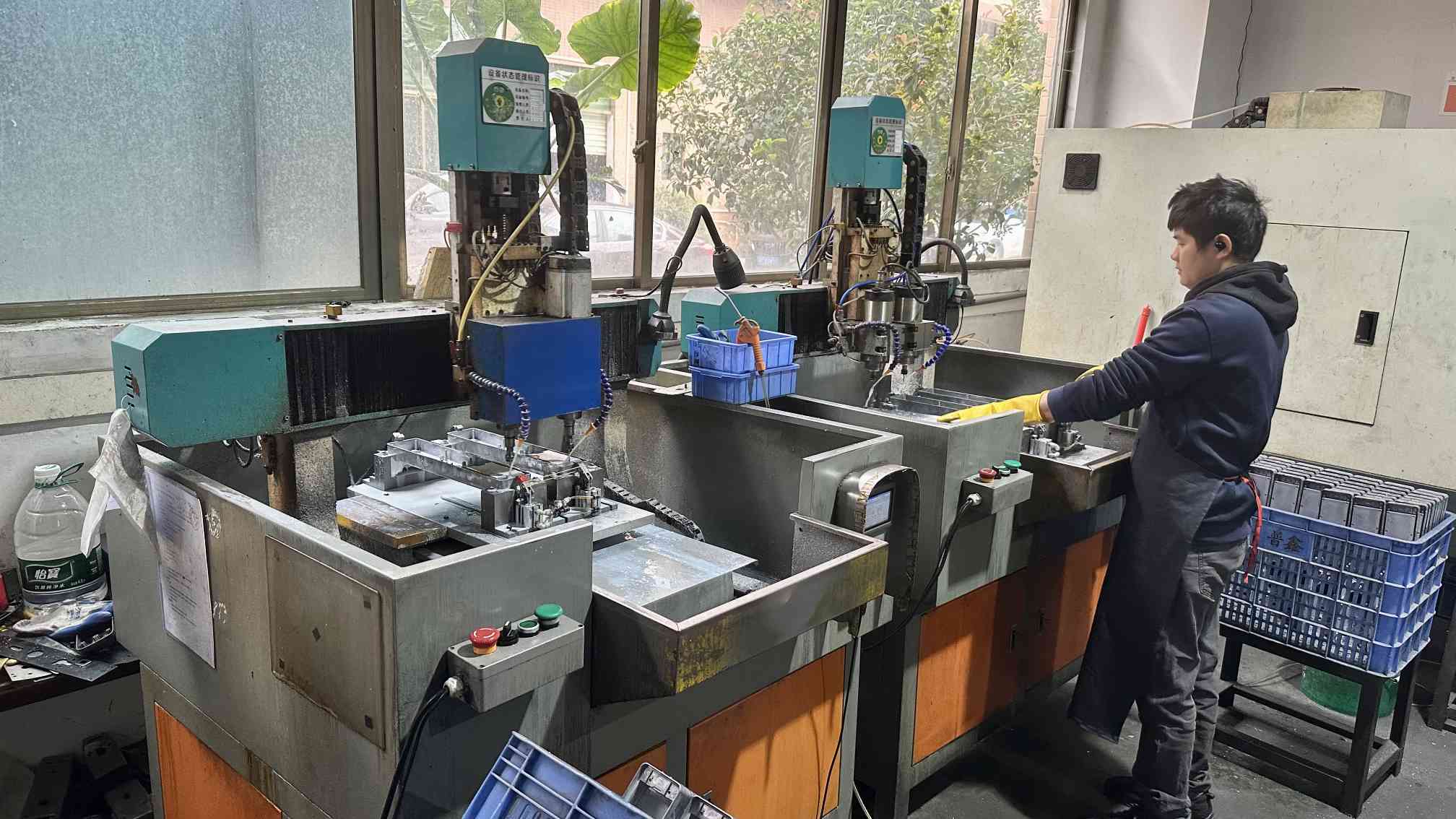
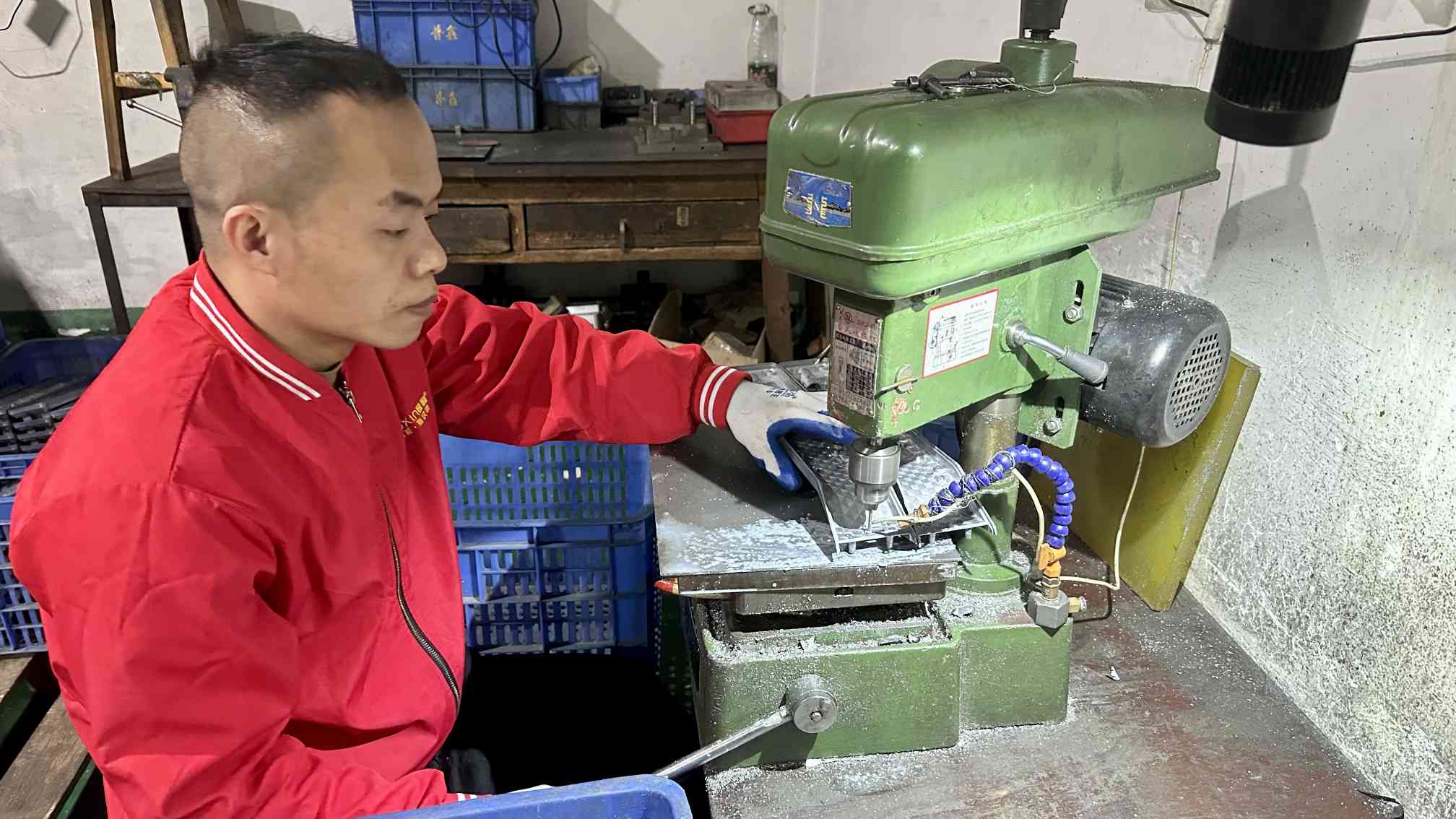
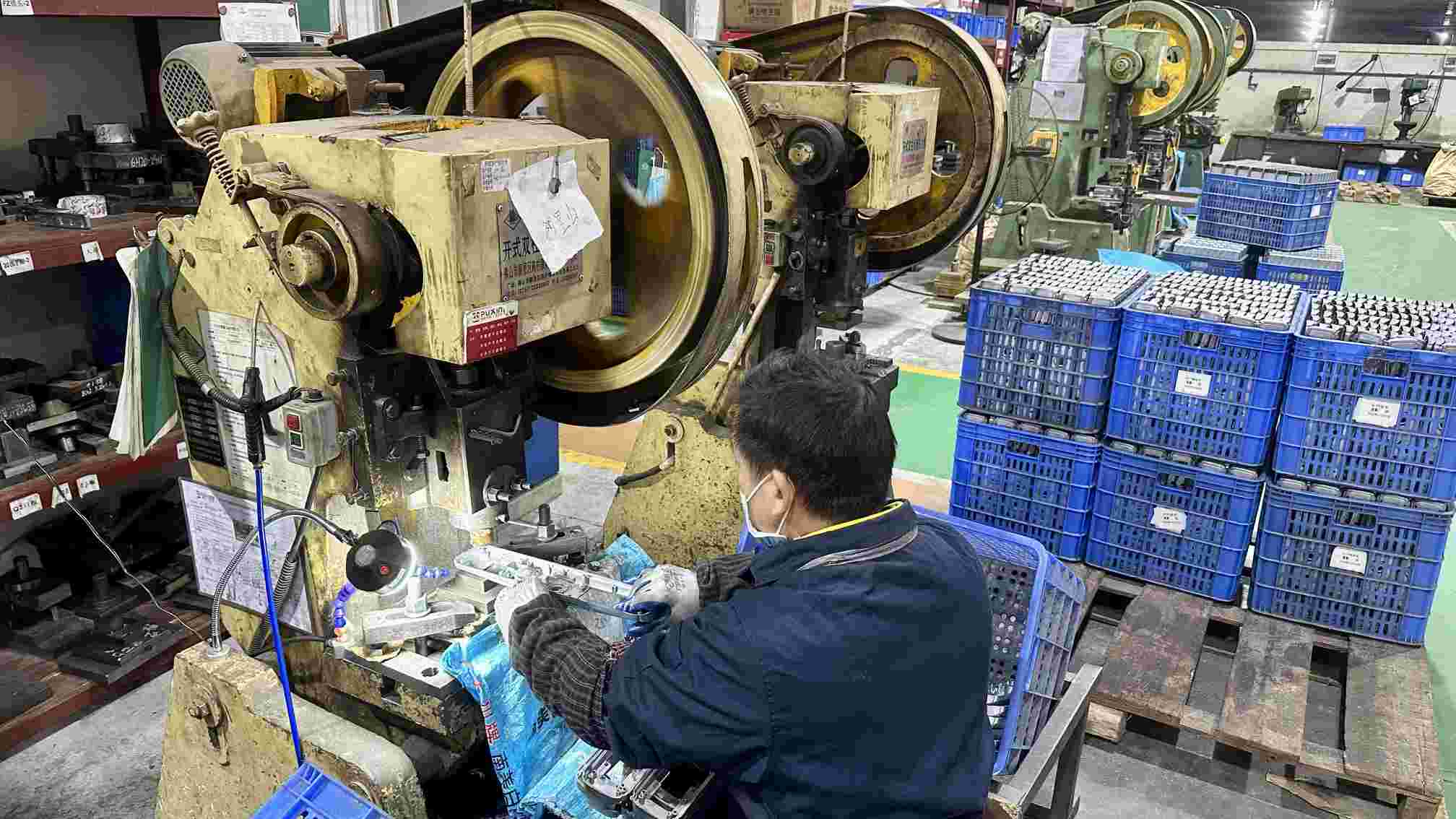
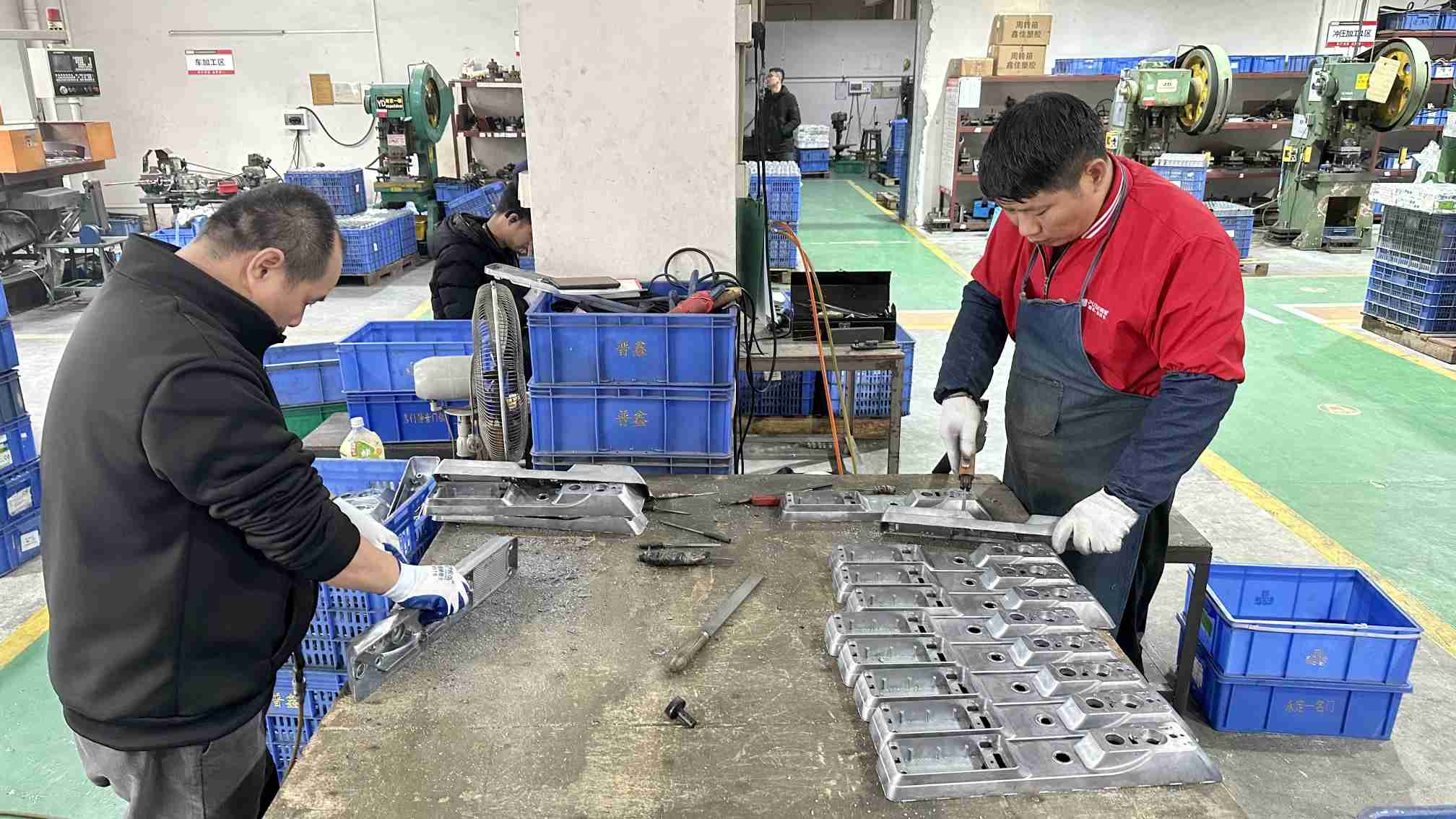
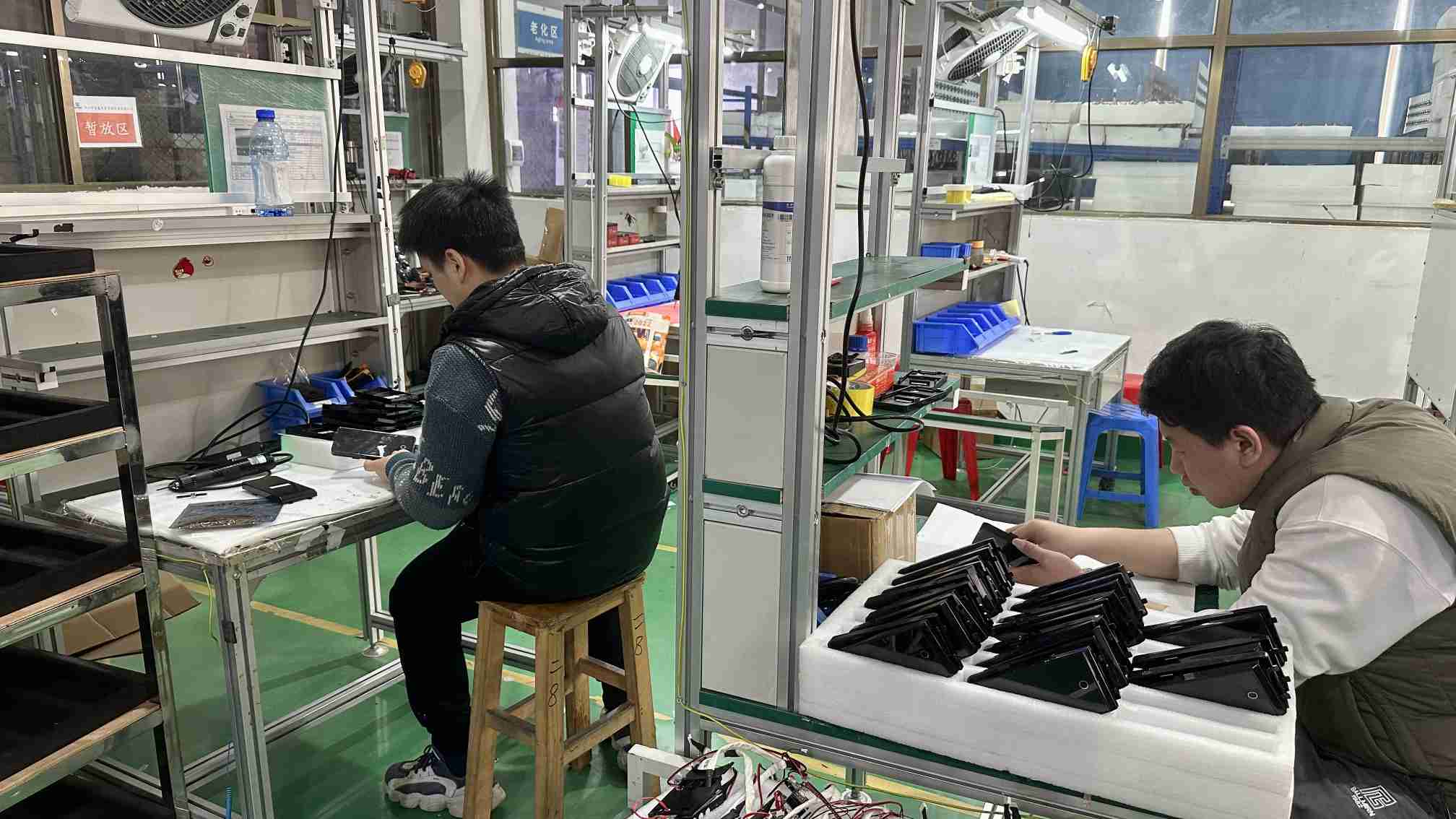
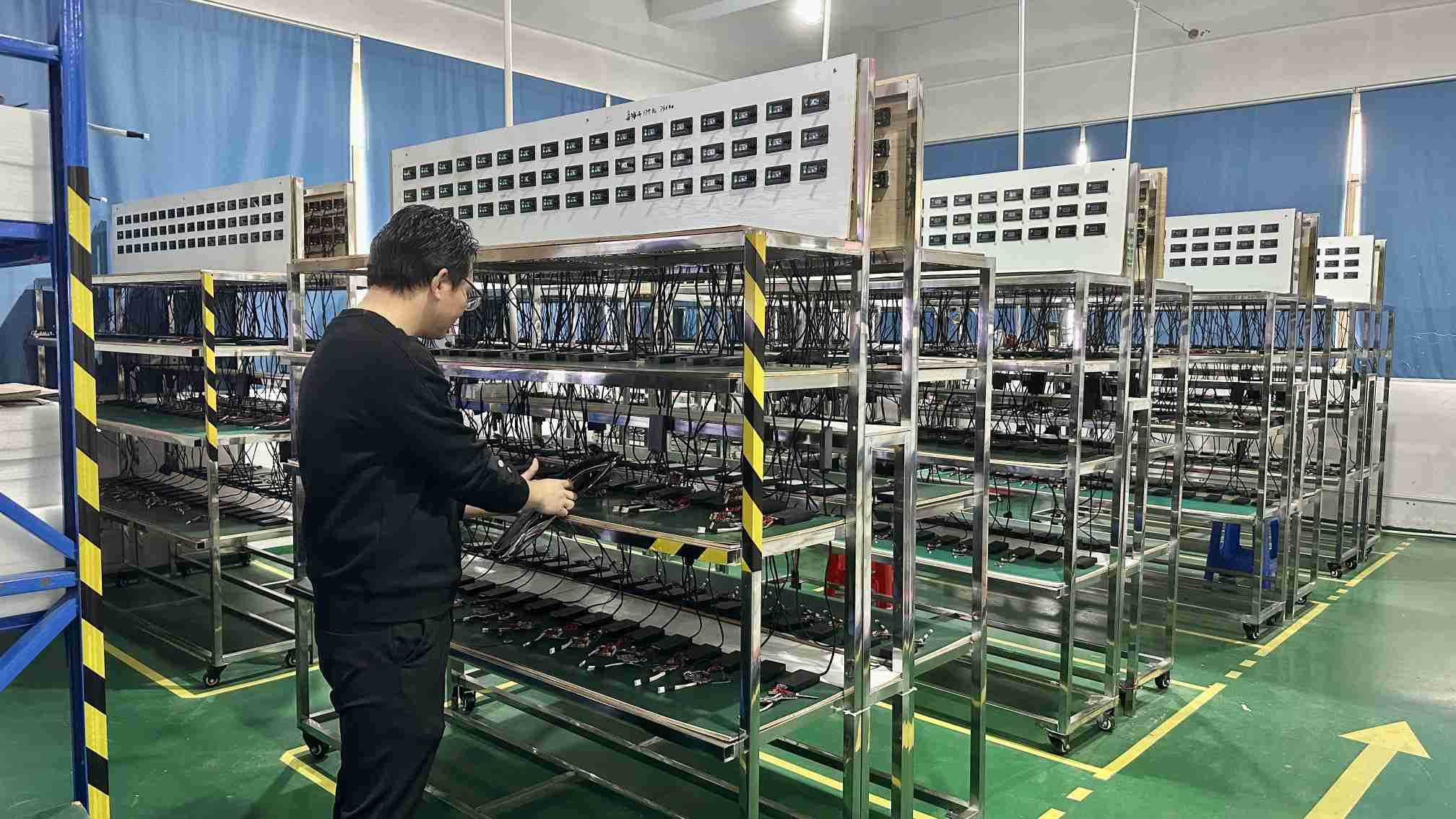
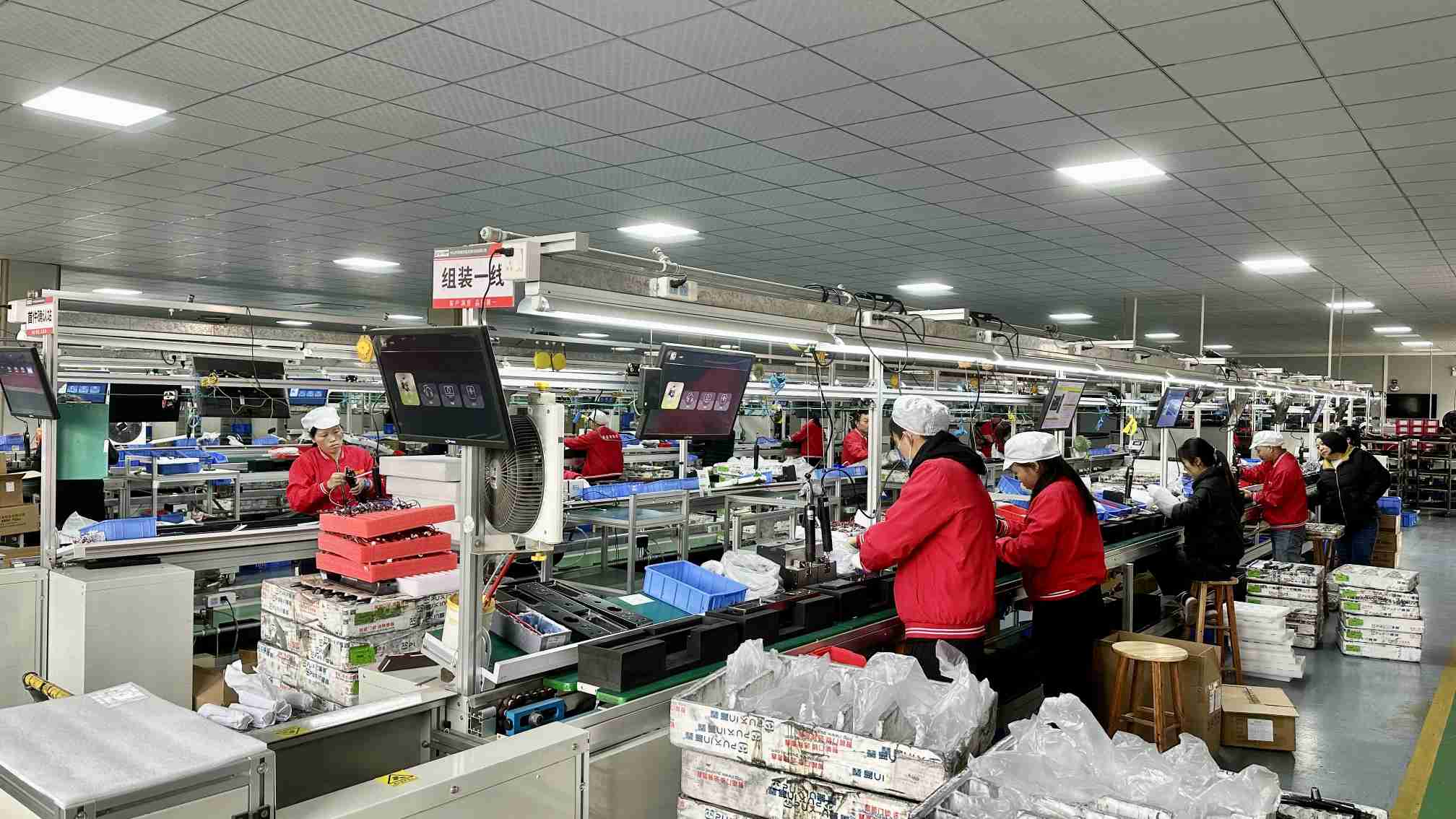
Our manufacturing facility handles every stage of lock production. We melt raw materials—high-tensile zinc alloys, aviation-grade aluminum, and SUS 304/316 stainless steel—and process them through high-pressure casting systems. CNC machines and secondary milling steps refine critical mechanical alignment points, matching standard industrial tolerances. The physical structure is then assembled with our low-power circuit boards and high-sensitivity optical and semiconductor biometric sensors.
Quality control is central to our process. Our dedicated aging laboratory subjects locks to rigorous stress testing: cycle testing of handles, salt spray testing for corrosion resistance, ESD surge checks, temperature cycling, and high-frequency unlock cycles. This guarantees stable, reliable performance in challenging environmental conditions.
A look at the security protocols, cloud infrastructures, and biometric integrations driving the next generation of Wipan access control hardware.
Using AES-128 and AES-256 encryption alongside ECC-based keys. This prevents data theft during wireless handshakes and ensures secure data transfers between local devices, user apps, and cloud servers.
Deploying sub-millimeter 3D depth sensors that project infrared patterns to map facial contours. This prevents spoofing attempts using high-resolution images or digital videos.
Providing SDK APIs that integrate with multi-cloud networks (AWS, Tuya, and TTLock) to support smooth offline and online management across different regions.
Aligning new products with Matter over Thread protocols. This enables direct, low-latency communication with smart home systems without relying on third-party bridge devices.
Adapting physical access systems to meet the unique functional requirements of specific commercial sectors.
Seamless check-ins via system integration. Upon reservation confirmation, the PMS triggers the creation of a temporary BLE key or time-bounded PIN code sent directly to the guest’s mobile device. This eliminates the need for manual key handovers and streamlines operations for property owners.
Centralized access control that adapts to shifting schedules. Multi-factor authentication—combining biometric credentials, NFC badges, and mobile app triggers—restricts access to authorized zones while generating clean audit logs for HR and operations teams.
Scaling security to cover multi-building campuses. Master key systems allow campus administrators to control permissions across classrooms, residence halls, and laboratory facilities via a single unified dashboard, boosting emergency response times.
Selling smart security systems globally requires compliance with strict international regulations and data security frameworks. In Europe, smart lock systems must comply with GDPR guidelines. Wipan structures its software systems to isolate and encrypt personally identifiable information (PII), such as biometric templates and access logs. In the United States, CCPA requirements demand clear data control features for end users.
From a hardware perspective, our locks meet global standards, including FCC certifications for low-power RF transmissions in North America, CE markings for European safety, and RoHS compliance for environmental safety. Mechanical components are built to meet ANSI performance standards, ensuring long-term structural durability under heavy use.
We offer localization options for our OEM partners, including customizable lock firmware with multiple language voice prompts and multi-language software apps. Our local distribution networks provide replacement parts, warranty coverage, and engineering support to ensure seamless integration in target markets.
Detailed technical answers for procurement officers, system developers, and distributors looking to partner with Wipan Lock.
We use AES-128 bit block encryption and Elliptic Curve Cryptography (ECC) for key handshakes. Every communication packet features dynamic seed salts and challenge-response protocols to prevent replay attacks.
Yes. We offer SDK libraries and API endpoints to connect our hardware with PMS and HMS platforms. This enables automated room key updates and real-time monitoring of battery status.
We use die-cast zinc and SUS304 stainless steel. Internal lock cylinders feature drill-resistant security pins and hardened steel plates to prevent lock-picking and physical bypass attempts.
Locks store user credentials locally on non-volatile memory. Bluetooth connection, physical keys, and offline PIN algorithms continue to work during network outages. In the event of a flat battery, the external emergency port can power the lock to allow entry.
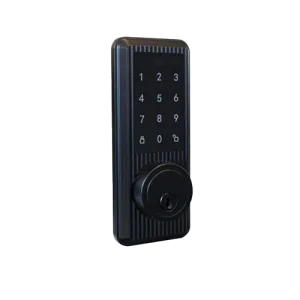
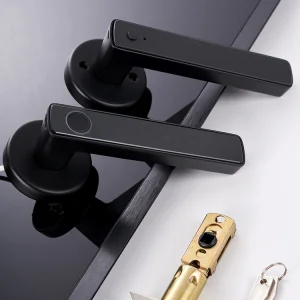
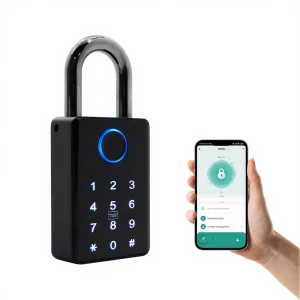
Complete your deployment with waterproof deadbolts, heavy-duty commercial keyless handles, and compact padlock modules.
 Wipan Lock