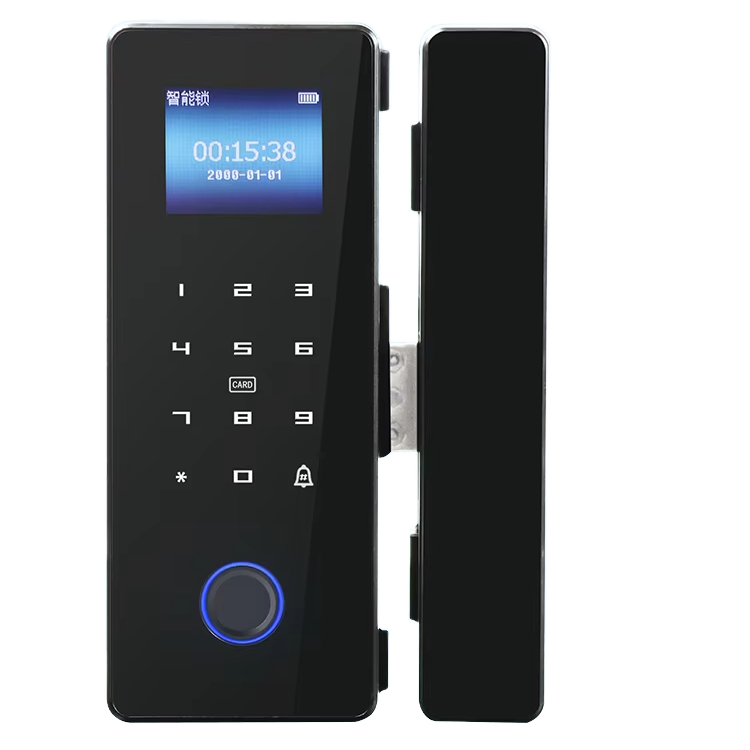
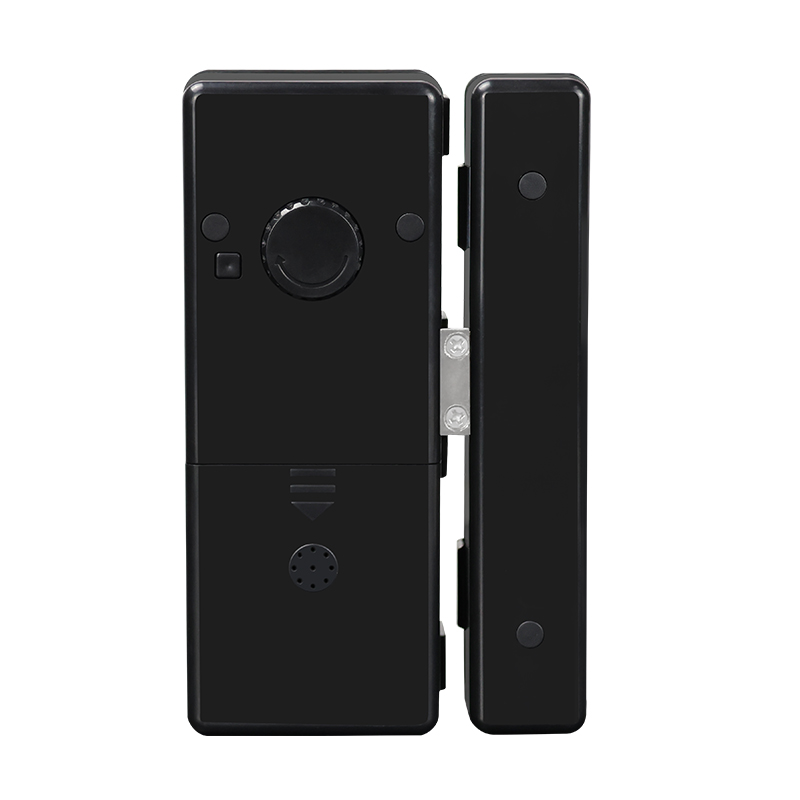
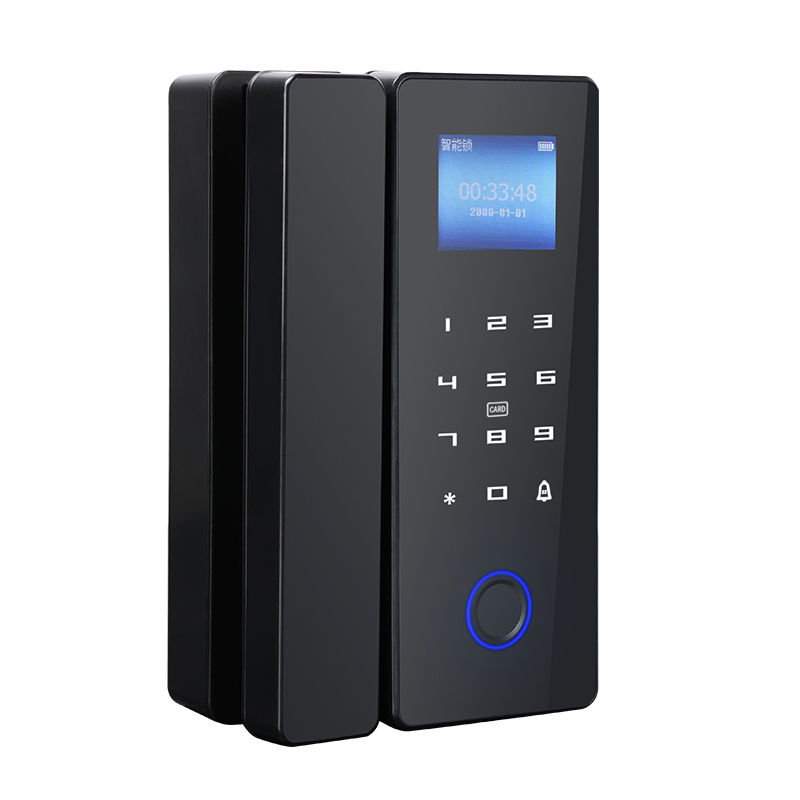
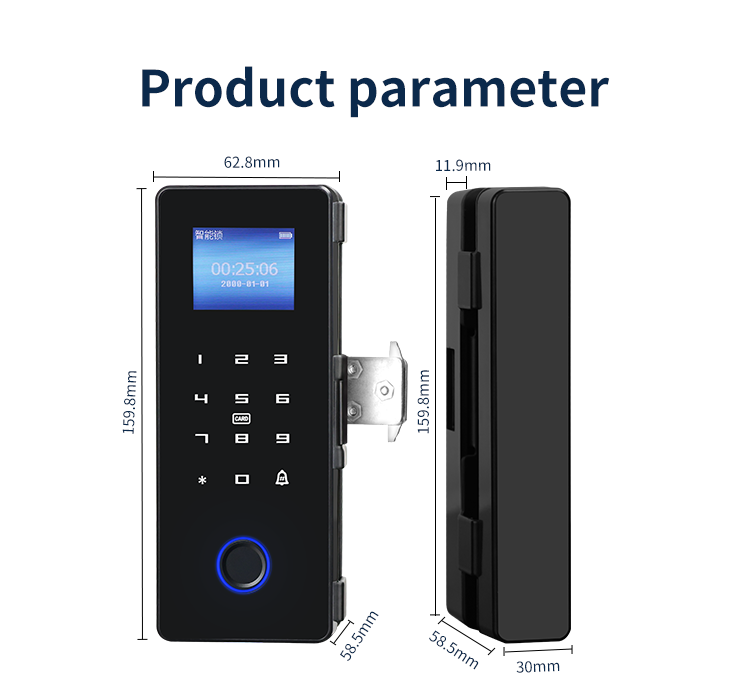
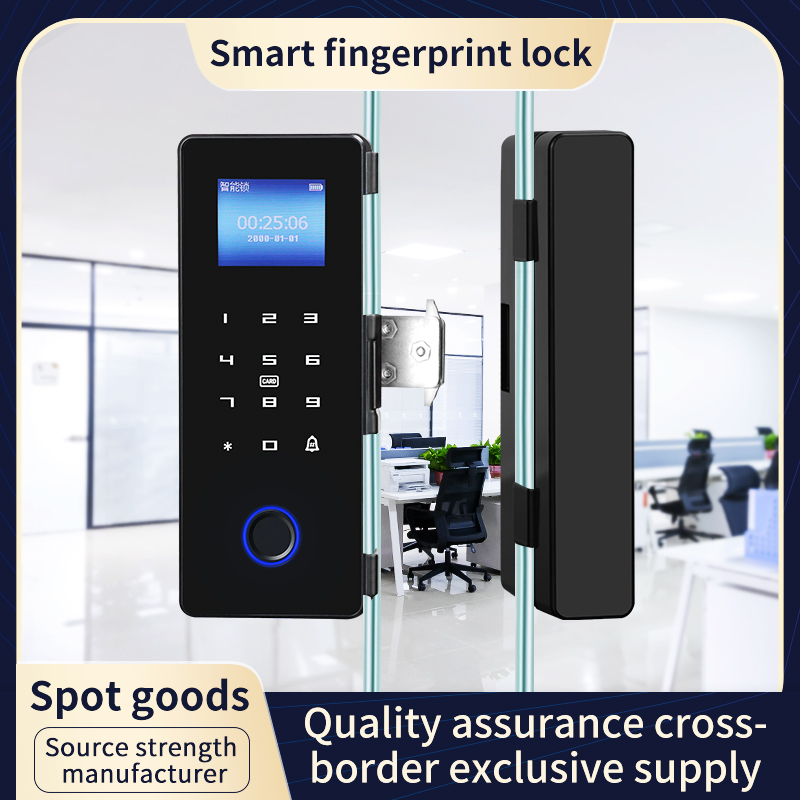
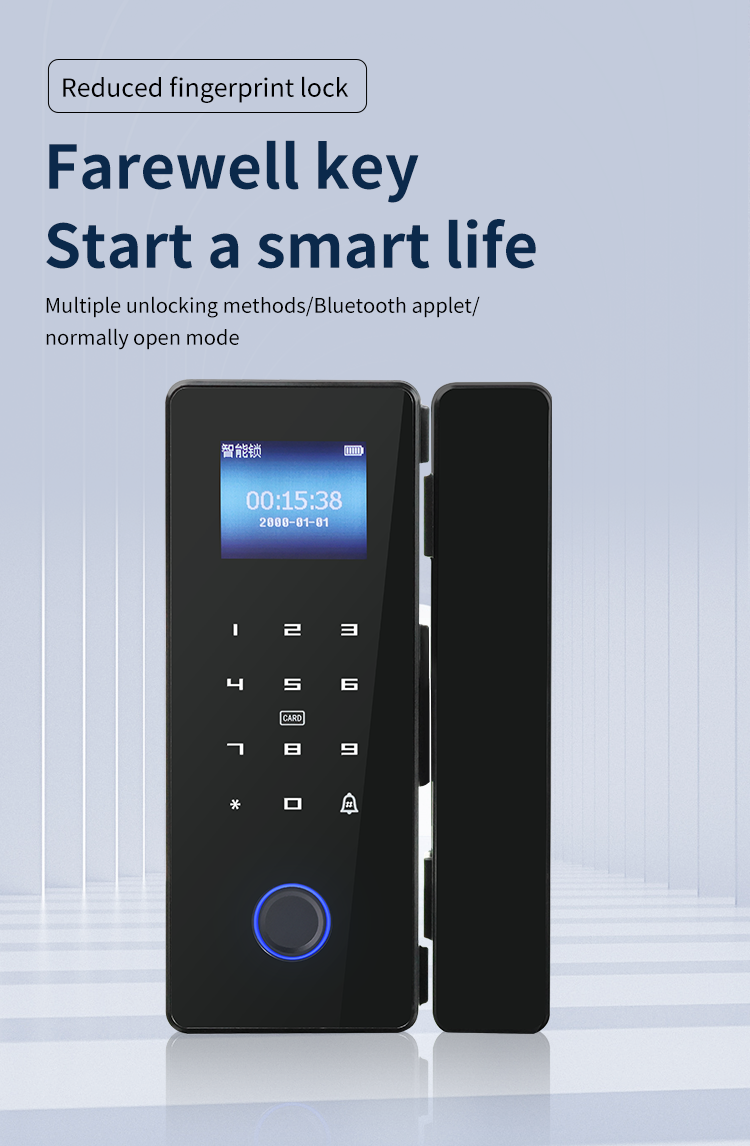
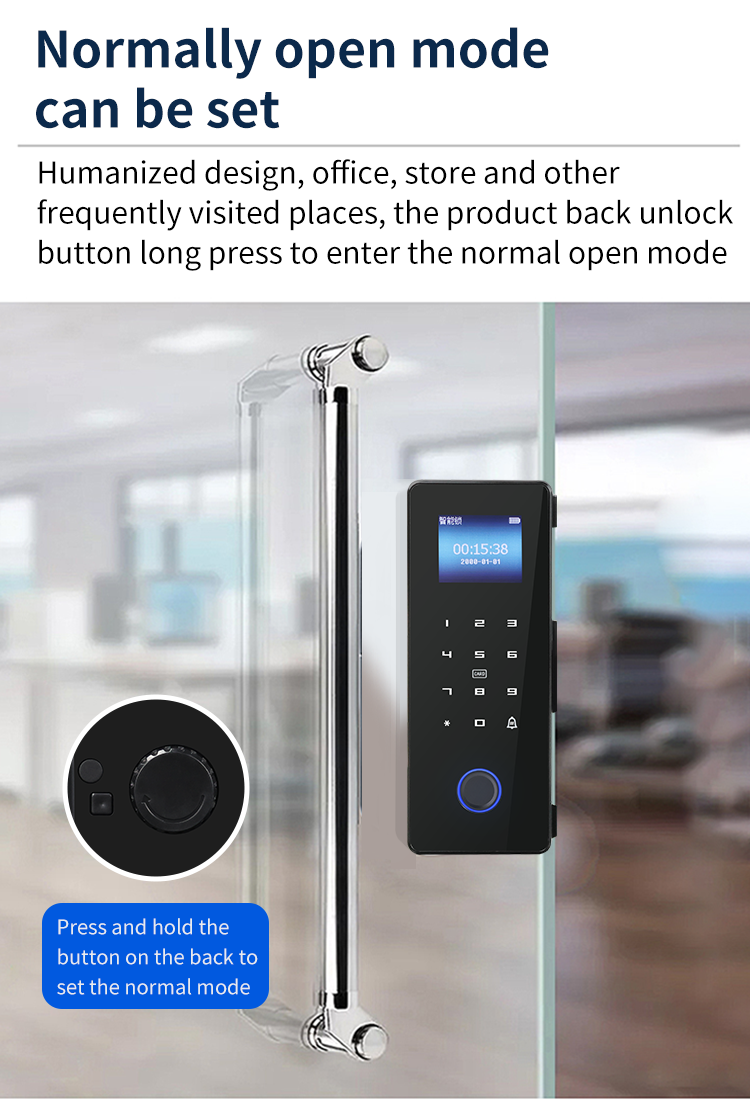
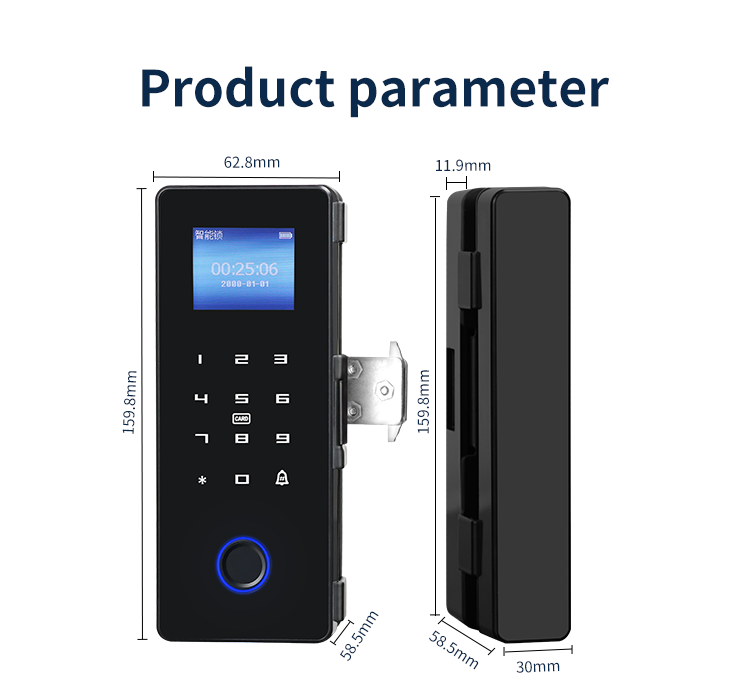
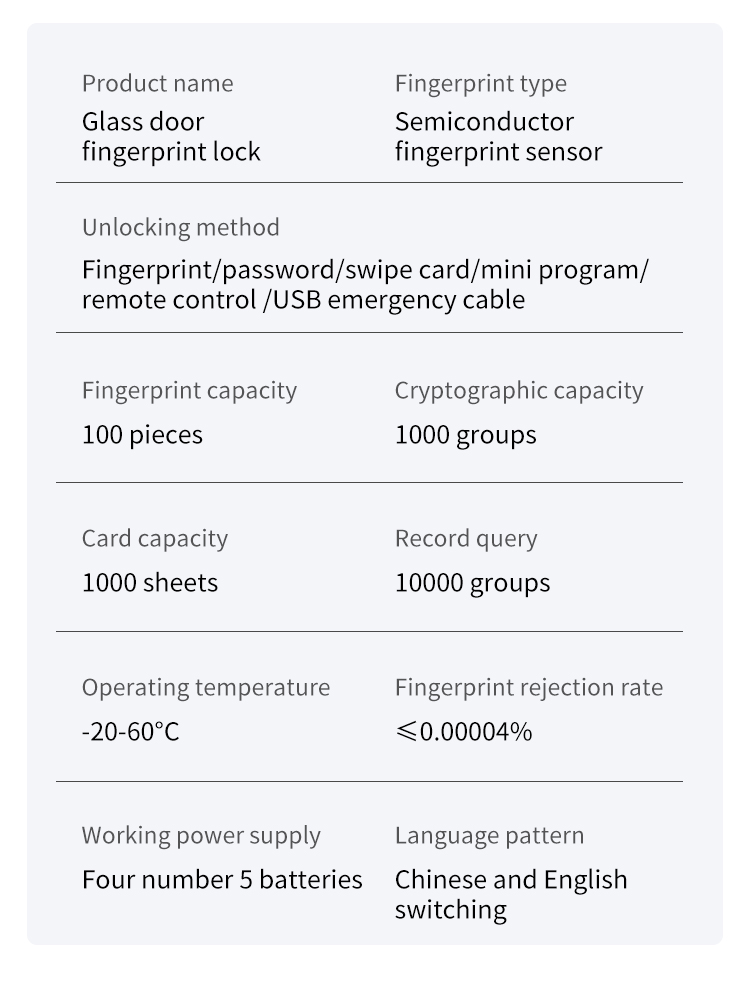
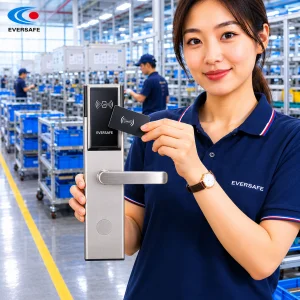
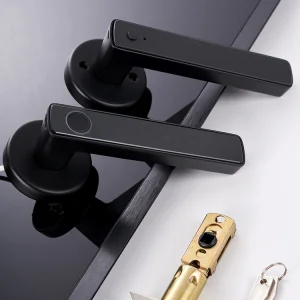
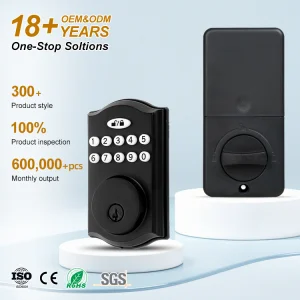
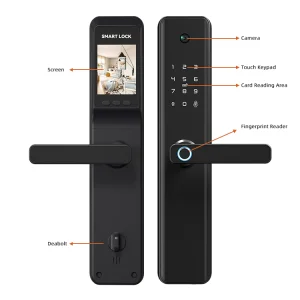
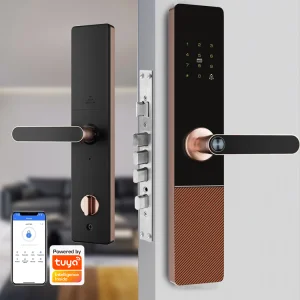
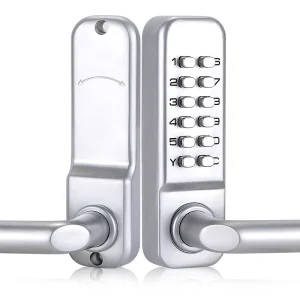
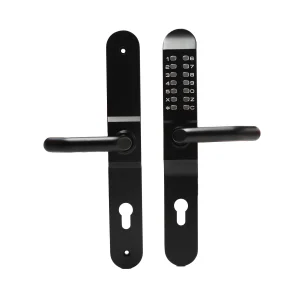
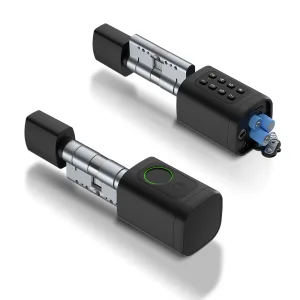
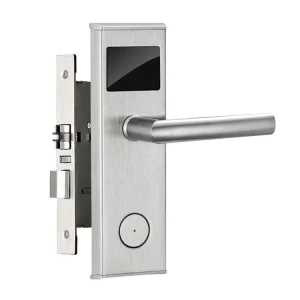
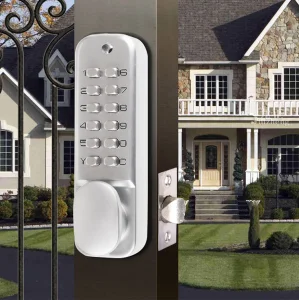
A Keyless Digital Door Lock is an electronic locking device that replaces traditional mechanical keys with alternative authentication methods. It controls access to a door (residential or commercial) using digital input or recognition, eliminating the physical key points.
Key Features
-
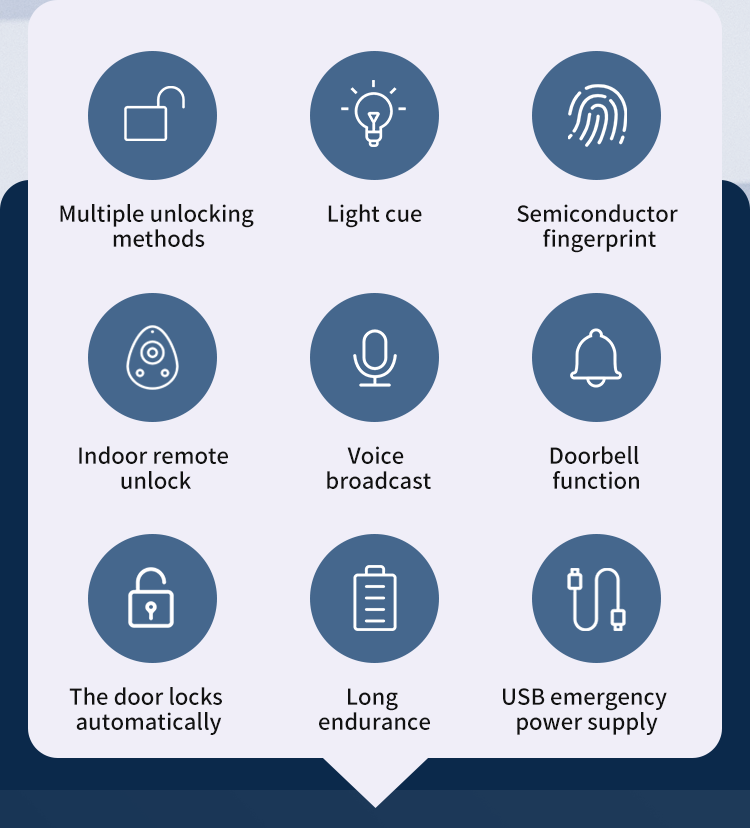
1 Multiple Access Methods:
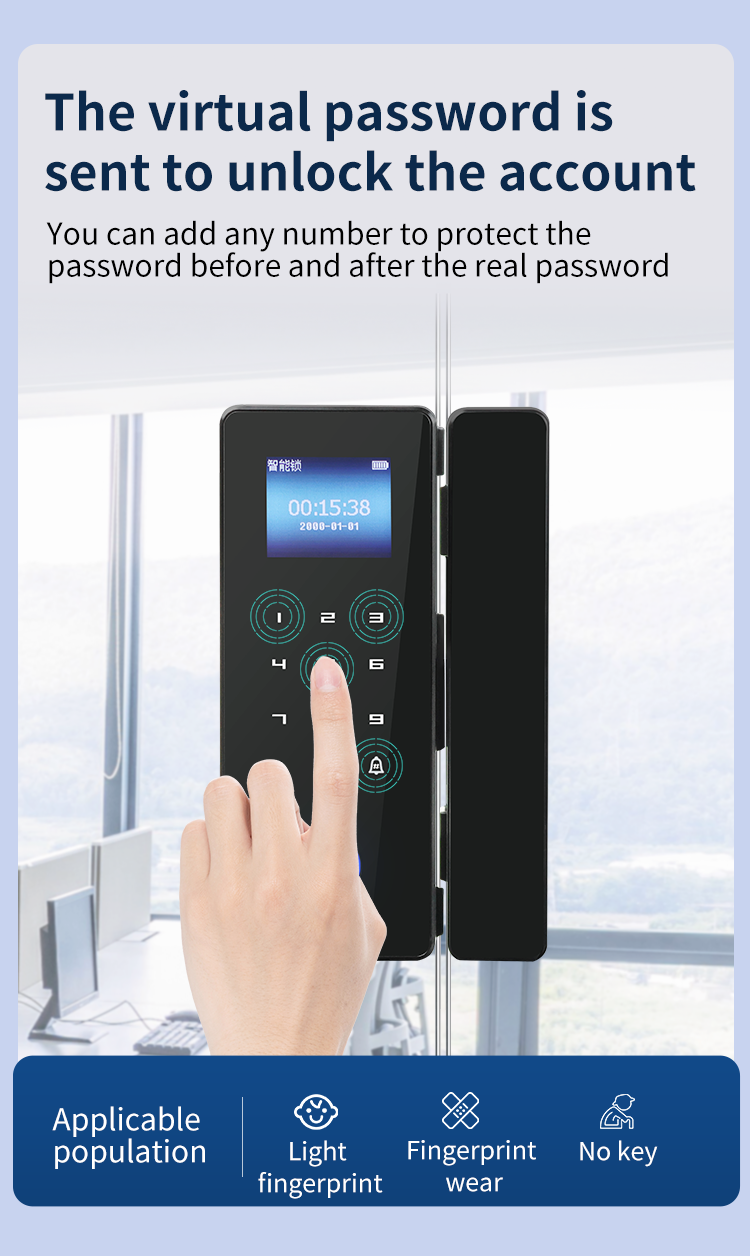
- PIN Code: Primary method; users enter a unique numeric code.
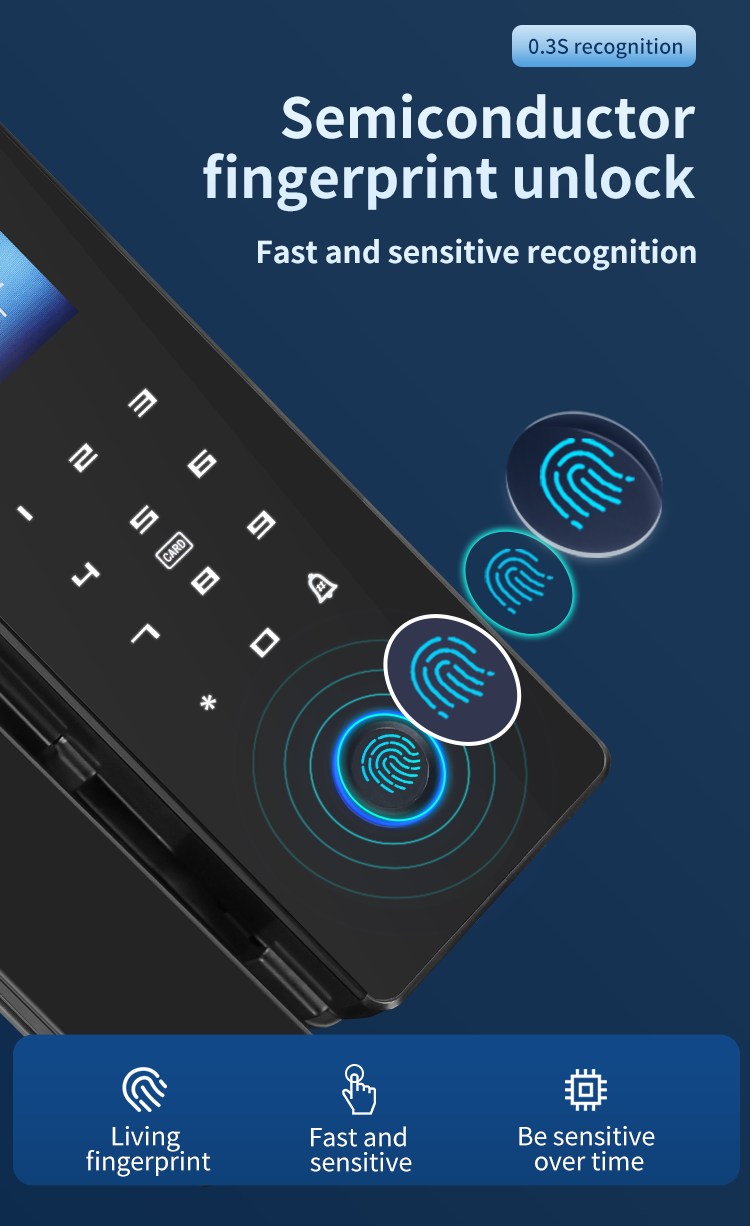
- Biometrics: Fingerprint, facial, or palm vein recognition for high security.
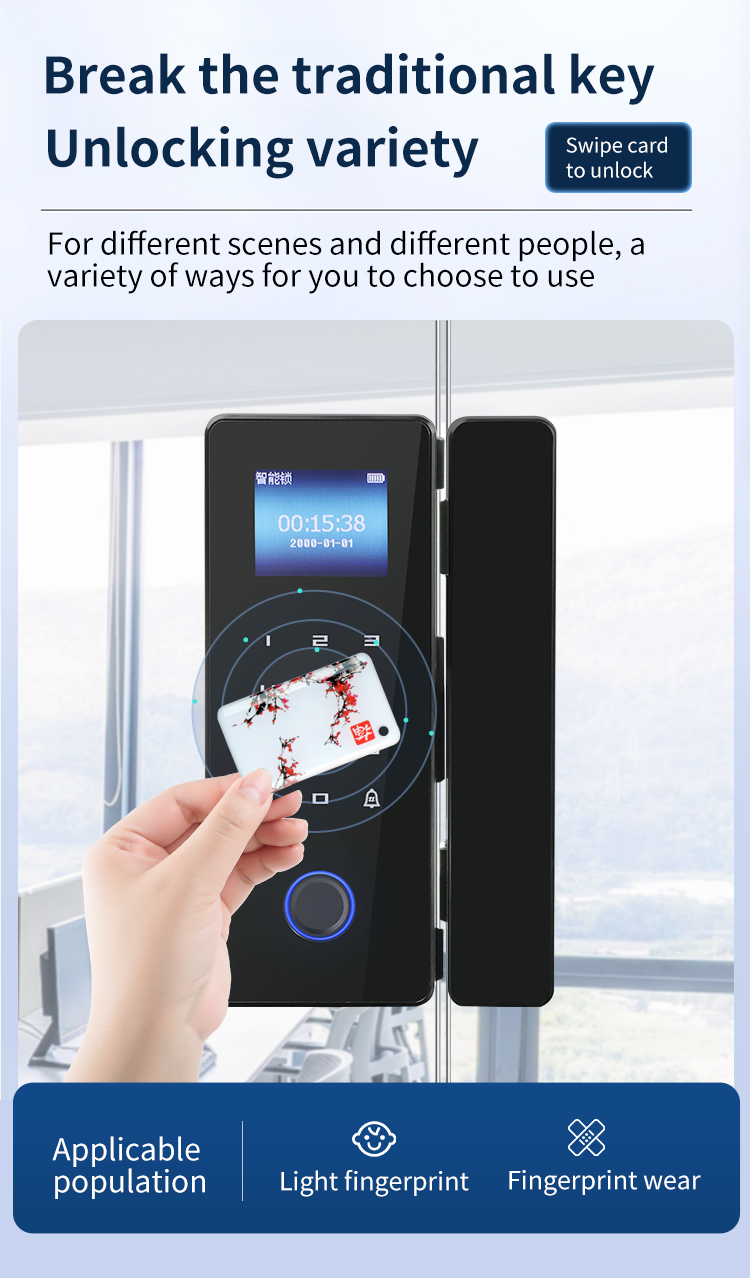
- RFID/NFC: Unlock via key fobs, cards, or smartphones.
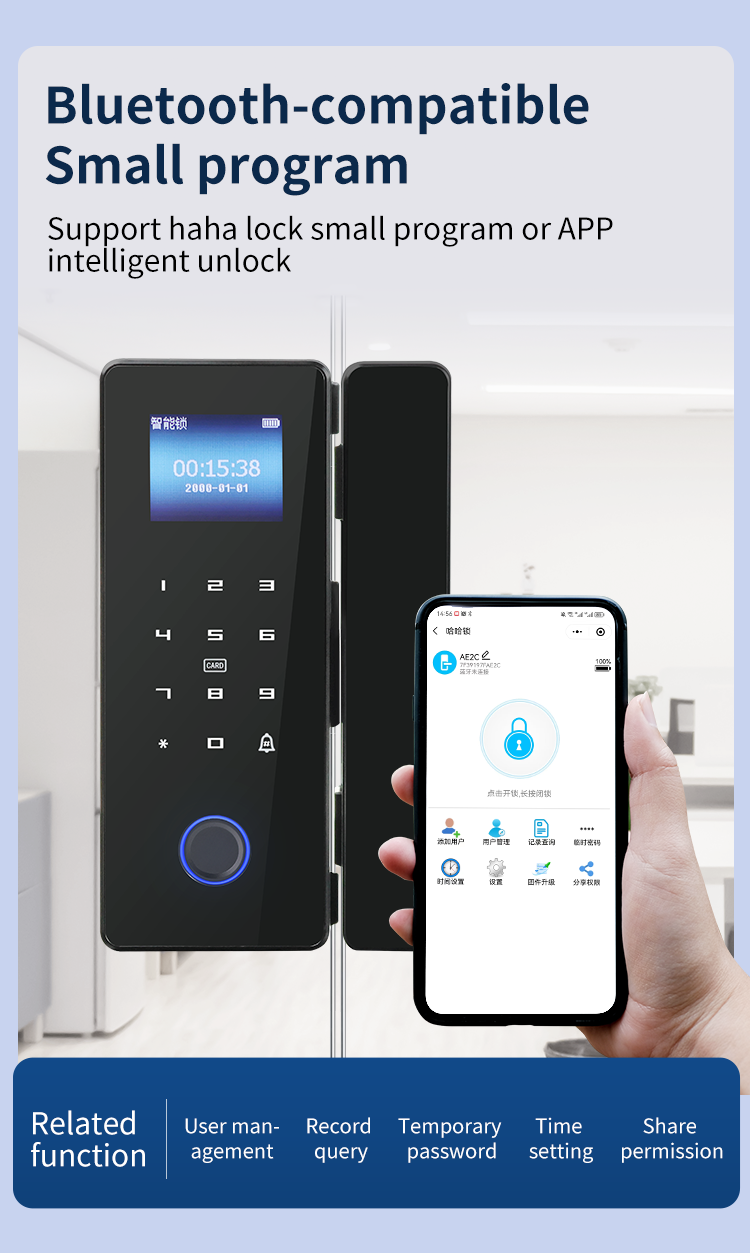
- Smartphone App: Remote control and access sharing via Bluetooth or Wi-Fi.
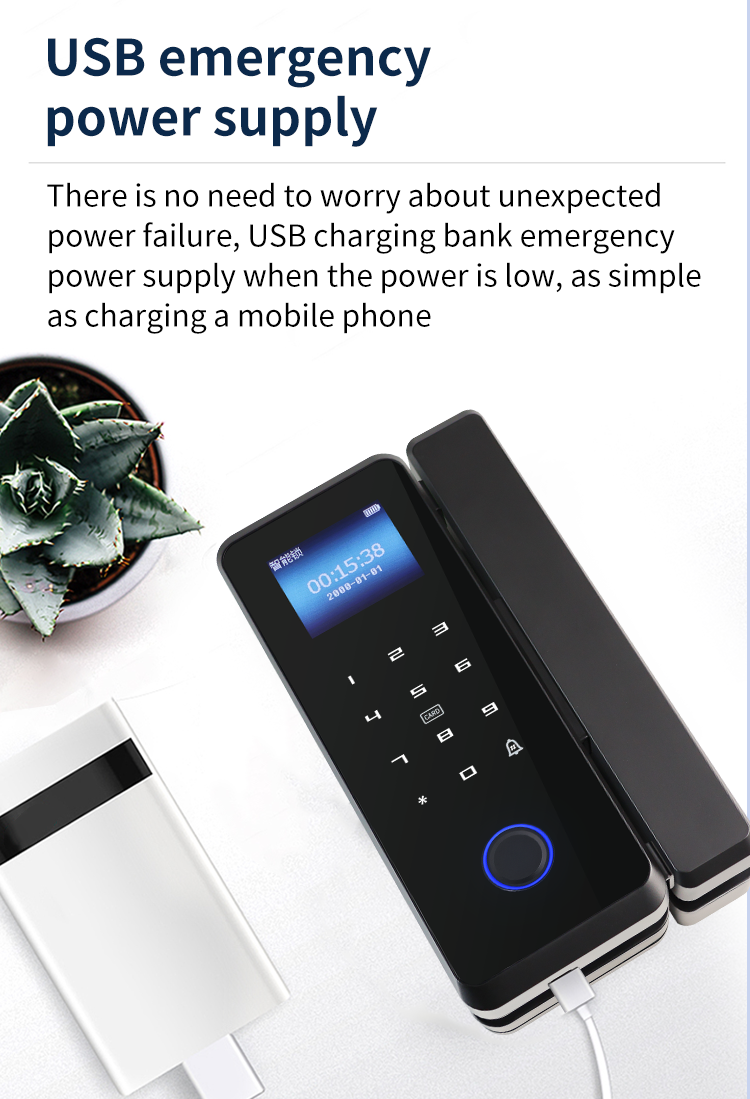
- Mechanical Override: Includes physical keyhole or power port for emergencies.
-
2 Remote Access & Management:
- Lock/unlock doors remotely via an app.
- Receive real-time notifications and tamper alerts.
- Monitor access history logs.
- Integrate with smart home systems like Alexa or Google Home.
-
3 User Management:
- Create, modify, or delete multiple user codes.
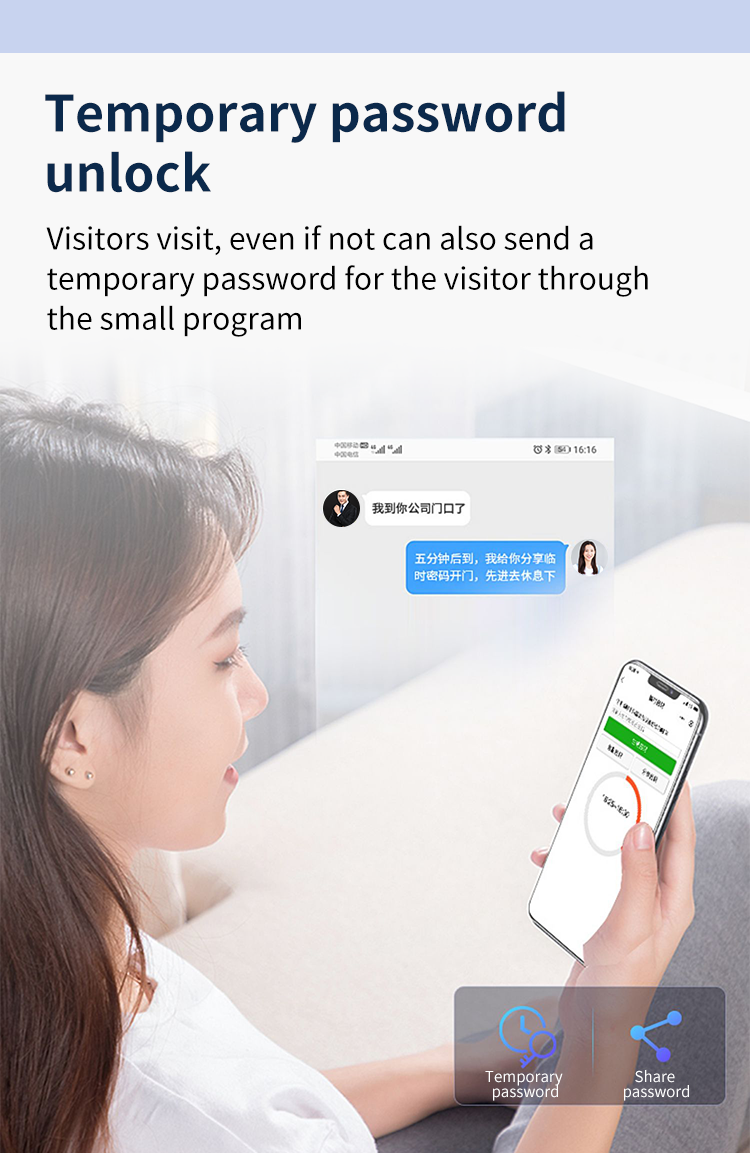
- Set schedules for temporary or recurring guest access.
Main Advantages
-
✓ Enhanced Convenience:
- No keys to carry or lose.
- Hands-free entry with auto-unlock features.
- Easy remote access sharing for visitors.
-
✓ Improved Security:
- No keyholes to prevent picking or bumping.
- Unique access codes to track entry logs.
- Tamper resistance with built-in audible alarms.
| Advantage |
Description |
| No Physical Keys |
Eliminates lost, stolen, or duplicated key risks. |
| Fast Access |
Unlock with a fingerprint, code, or phone instantly. |
| Enhanced Security |
Advanced encryption and anti-tamper alarms. |
| Remote Control |
Lock/unlock doors from anywhere via smartphone. |
| Temporary Access |
Generate scheduled codes for visitors or service people. |
A Keyless Digital Door Lock replaces physical keys with electronic authentication methods. Its core features include multiple access options, remote control, and user management. The primary advantages are significant convenience and enhanced security.
Frequently Asked Questions
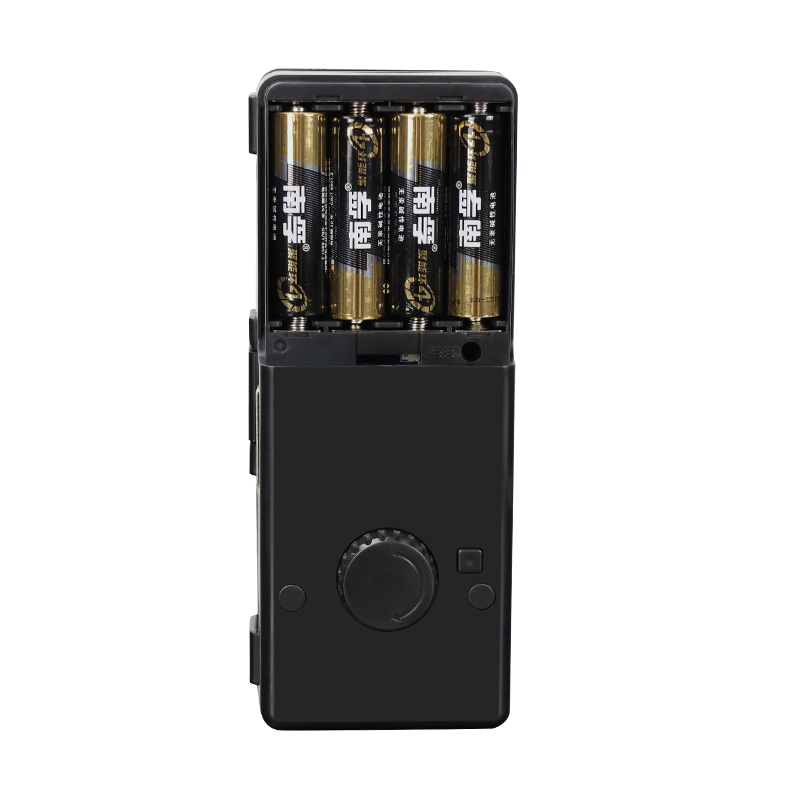
1. What happens if the digital lock's battery dies?
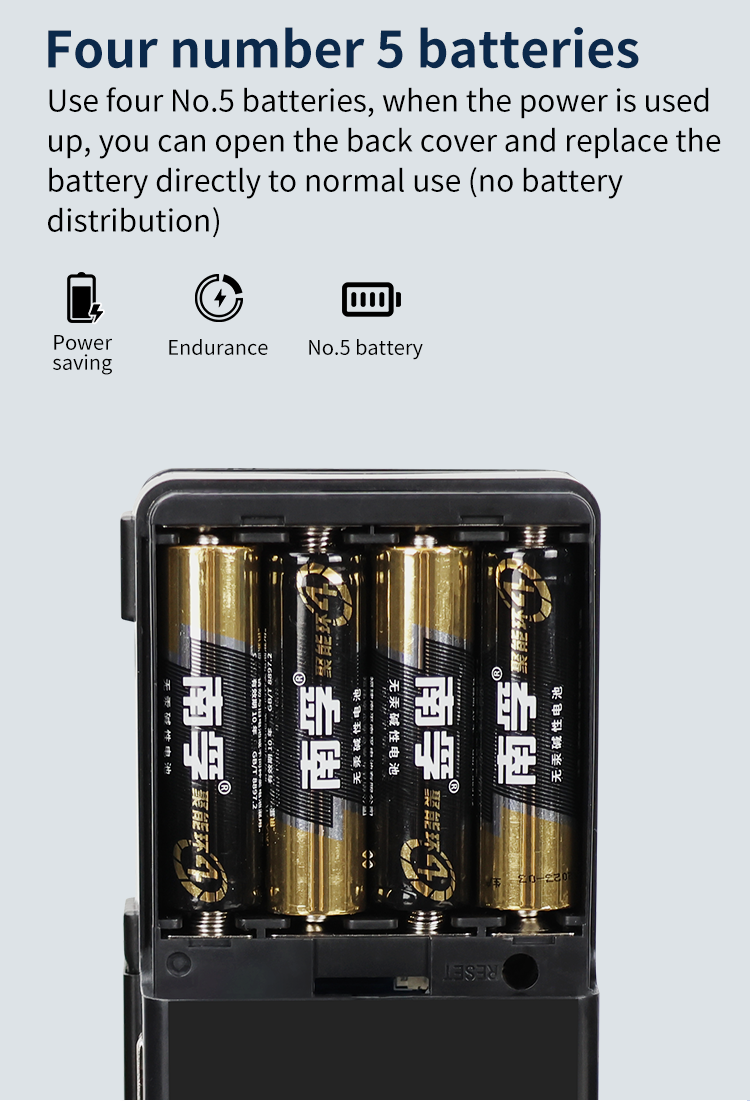
Most keyless digital locks provide a low-battery warning. If the battery dies completely, you can use a mechanical override key or an external emergency power port (typically a 9V battery or USB port) to power the lock and enter your code.
2. Can I still use a physical key with a digital door lock?
Yes, many models include a hidden mechanical key cylinder as a backup override option for added peace of mind.
3. Is it possible to share access with guests remotely?
Absolutely. Through the dedicated smartphone app, you can generate temporary PIN codes or digital keys and send them to guests, cleaners, or contractors, even when you are not at home.
4. Are digital door locks more secure than traditional locks?
Digital locks offer enhanced security features like anti-pick designs (no keyhole), tamper alarms, and real-time access logs that traditional locks lack. They also eliminate the risk of lost or duplicated physical keys.
5. Do I need professional help to install a keyless lock?
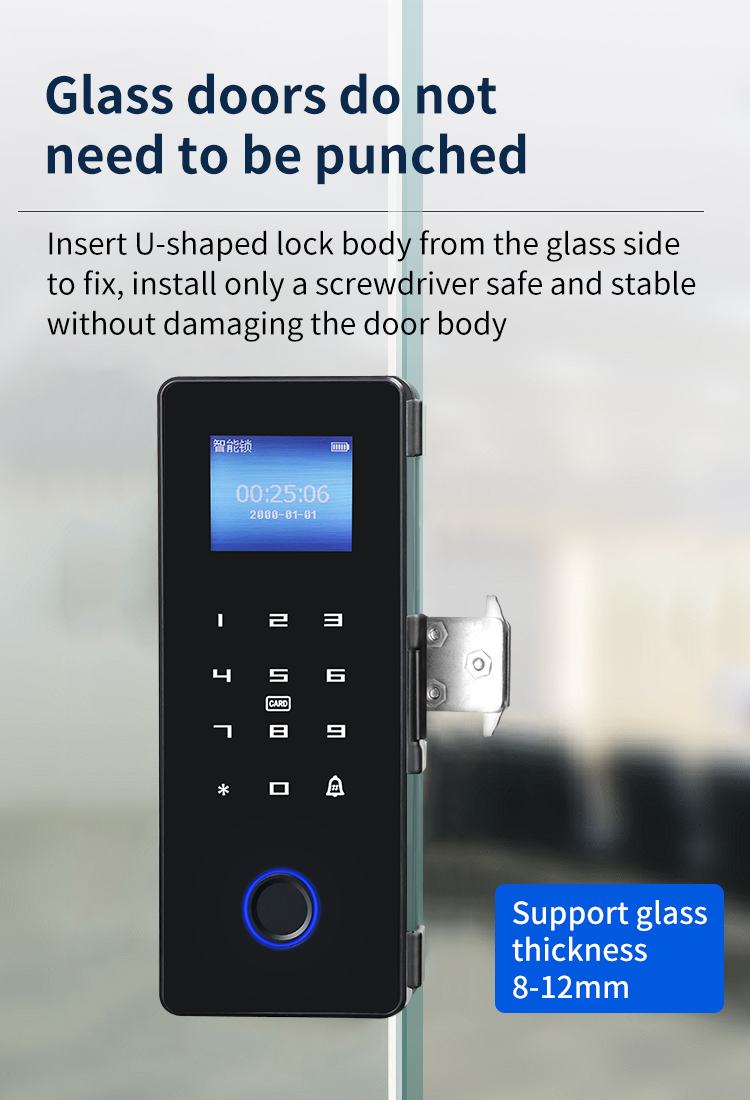
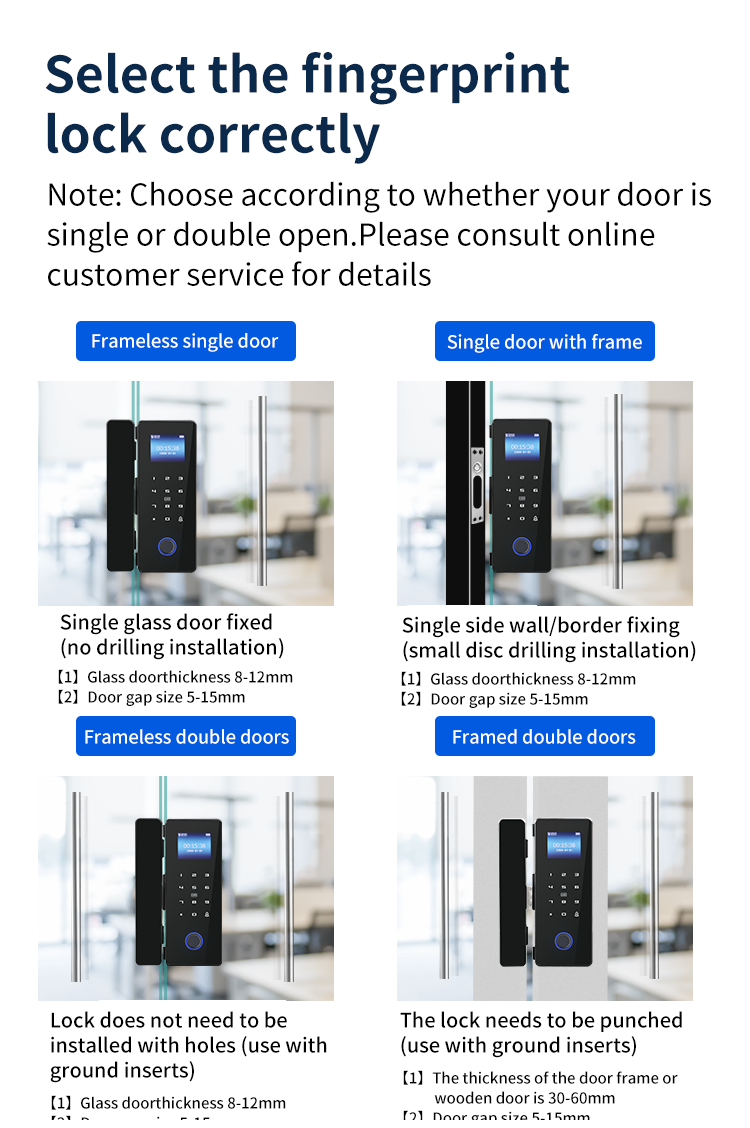
Many digital locks are designed to fit standard door preparations. If you are comfortable with basic tools, it is often a DIY project. However, for specialized gates or advanced integration, professional installation is recommended.
6. Can I see a history of who entered my home?
Yes, smart locks maintain an activity log accessible via the mobile app, showing exactly which user code or method was used to unlock the door and at what time.
 Wipan Lock