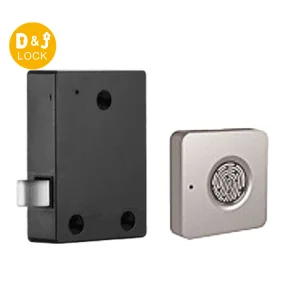
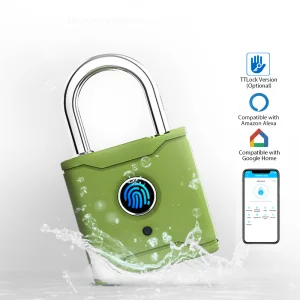
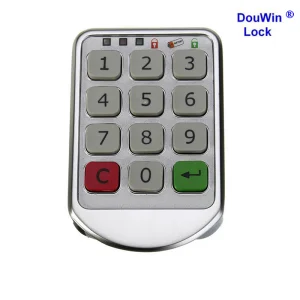
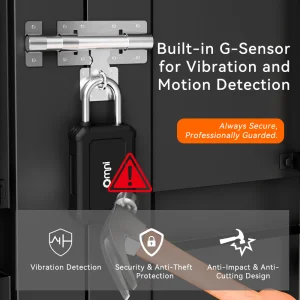
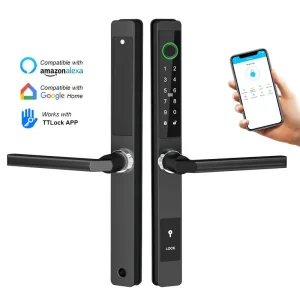
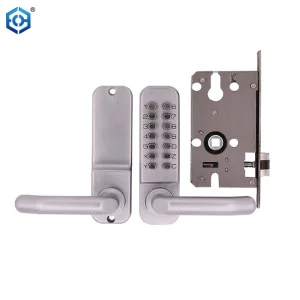
Explore our featured hardware solutions engineered for global commercial, hospitality, and residential security parameters.
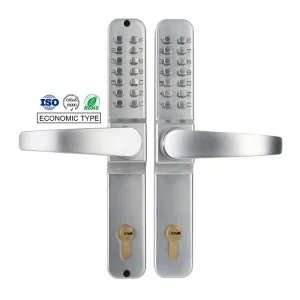
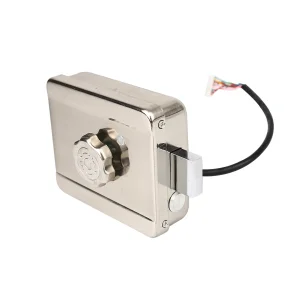
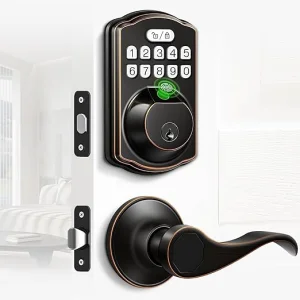
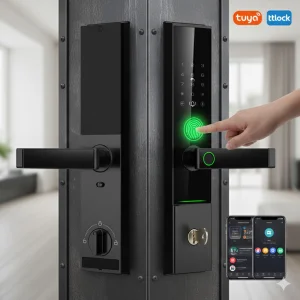
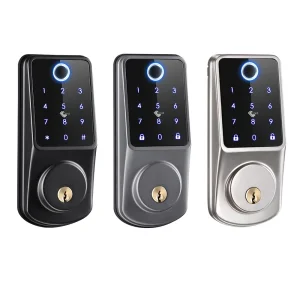
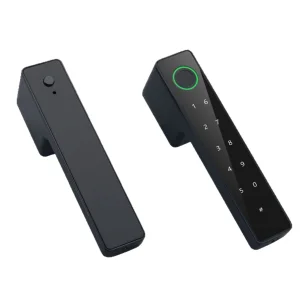
In the contemporary landscape of global real estate development, commercial property management, and critical infrastructure security, the mechanical lock cylinder has evolved from a passive physical barrier into an active, data-driven node within the broader IoT ecosystem. "CE Certified Custom Smart Lock Options" represent the apex of this evolution, merging standardized structural integrity with dynamic authentication mechanisms. To meet international regulatory standards and robust physical security parameters, manufacturers must conform to strict certification pathways—most notably the European CE markings (EN 14846 and EN 179/1125 compliance frameworks).
"The integration of cryptographic microcontrollers, high-torque micro-motors, and IP-rated chassis finishes has shifted the procurement paradigm. Modern enterprises are no longer purchasing simple hardware; they are integrating localized edge-computing security gates that mitigate risk and streamline operations."
CE certification indicates compliance with European Union health, safety, and environmental protection standards. For electromechanical hardware, this requires passing rigorous physical stress, electrostatic discharge (ESD), electromagnetic compatibility (EMC), and fire containment tests. This whitepaper analyzes how high-performance custom lock configurations bridge compliance gaps while meeting the commercial requirements of security managers and developers worldwide.
The hardware security industry is undergoing a structural transition driven by advancements in communications, materials science, and biometrics. We identify four primary vectors of technology development:
Local fingerprint matching has evolved from optical sensors to capacitive and ultra-sonic arrays. High-security environments are now introducing 3D structured light and palm vein patterns to prevent spoofing, processing verification locally on a dedicated secure-element chip within milliseconds.
Proprietary local wireless protocols are being replaced by unified smart home and building automation standards. The introduction of Matter over Thread establishes interoperability, enabling devices to integrate into broader industrial systems while reducing battery consumption.
For remote infrastructure and outer logistics facilities, replacing batteries can be a significant maintenance expense. Integration of solar panels and kinetic energy harvesters allows smart locks to operate autonomously in off-grid situations indefinitely.
Procurement agents, project developers, and system architects operate under strict constraints regarding Total Cost of Ownership (TCO), physical security ratings, and integration capabilities. Custom smart lock solutions must address these constraints through open APIs, modular internal architectures, and hardware durability. Our data highlights the performance metrics driving global smart lock sourcing:
Enterprise procurement teams prioritize hardware-software co-design. When sourcing customized locks, buyers look for options that adapt to legacy mortises (such as retrofitting old European slim DIN profiles or standard US deadbolts) while integrating into existing building property management systems (PMS) via custom SDKs.
China's Industry 4.0: Supply Chain Resilience, Vertical Integration, and Advanced Engineering
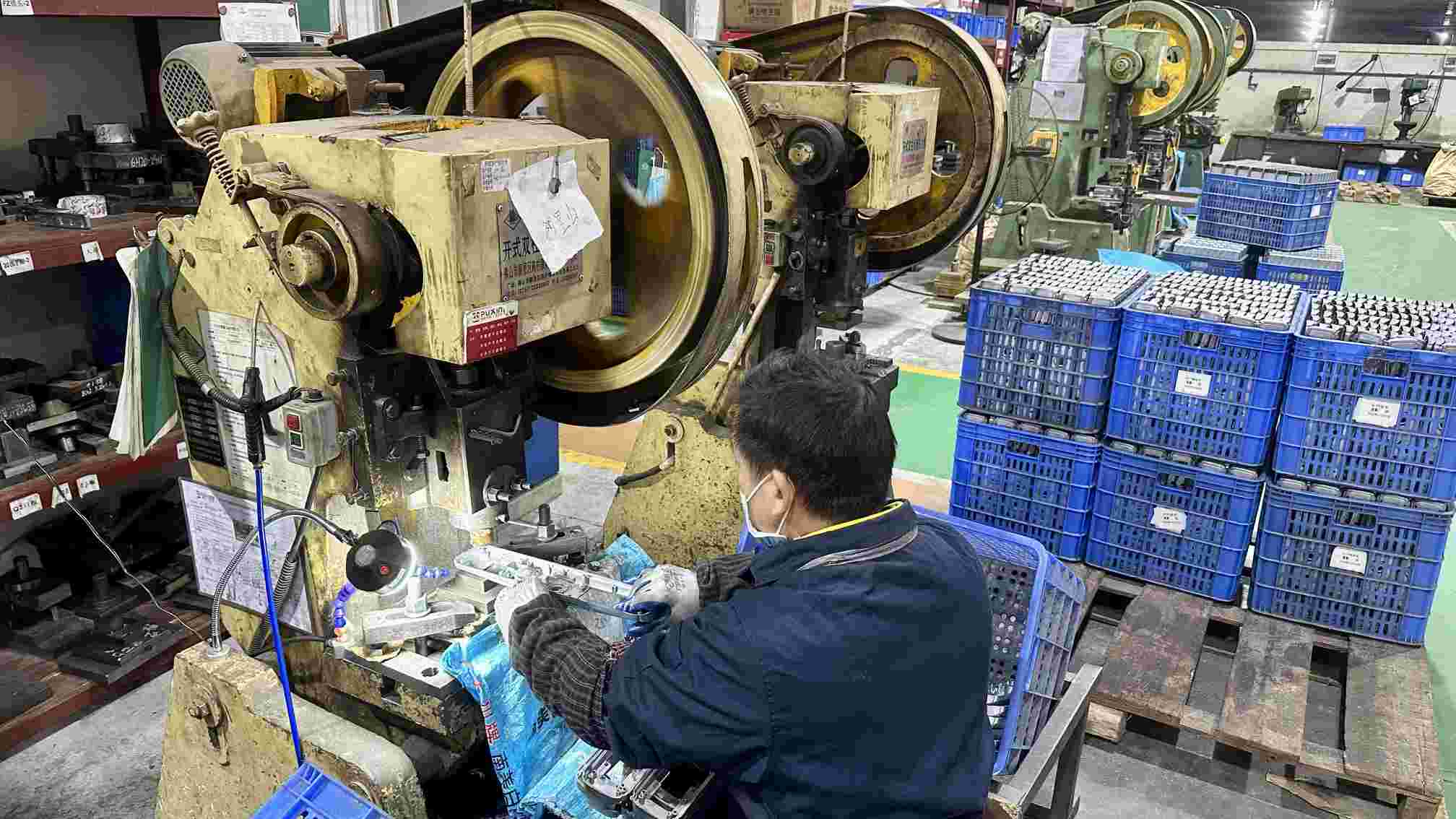
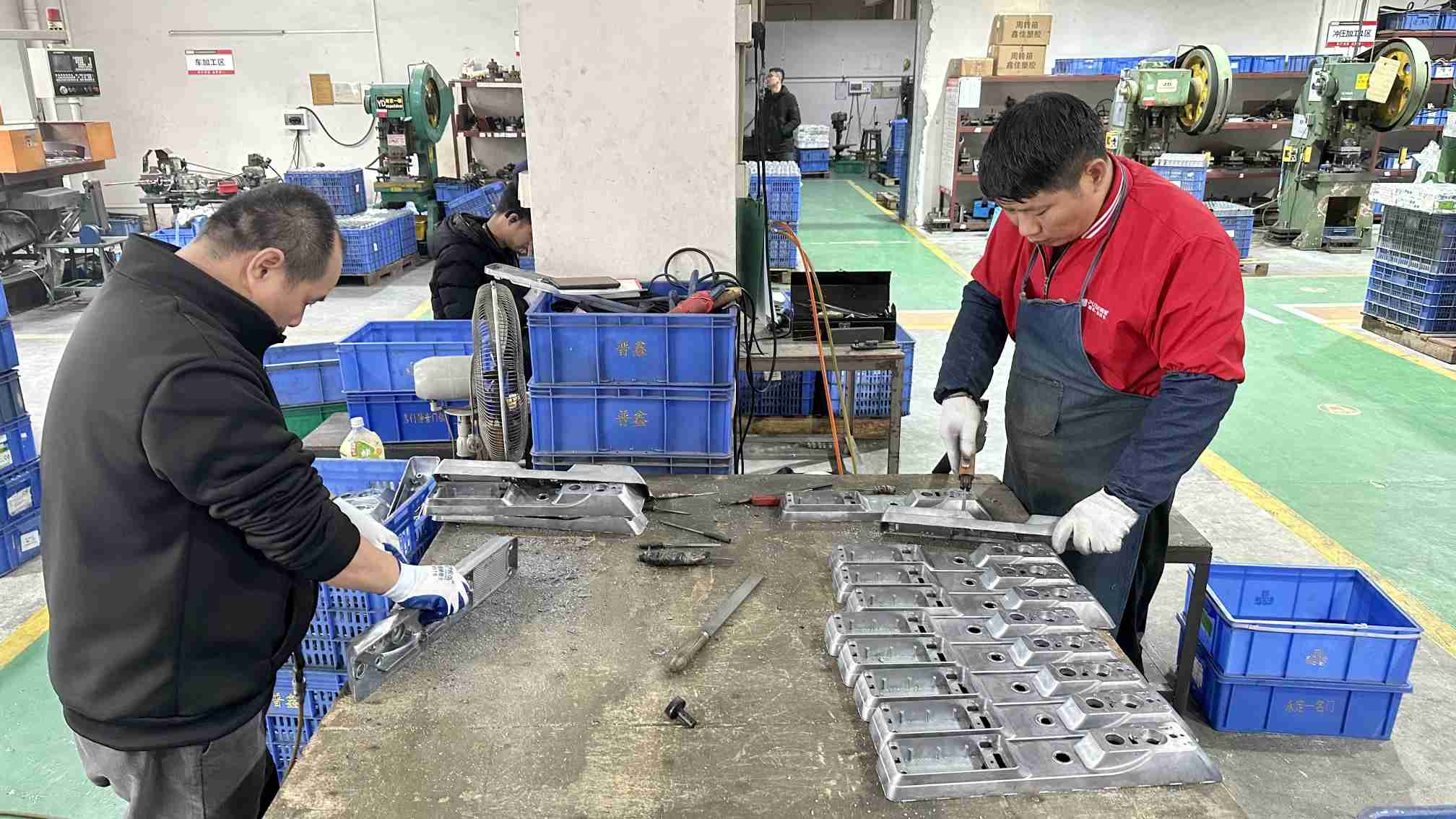
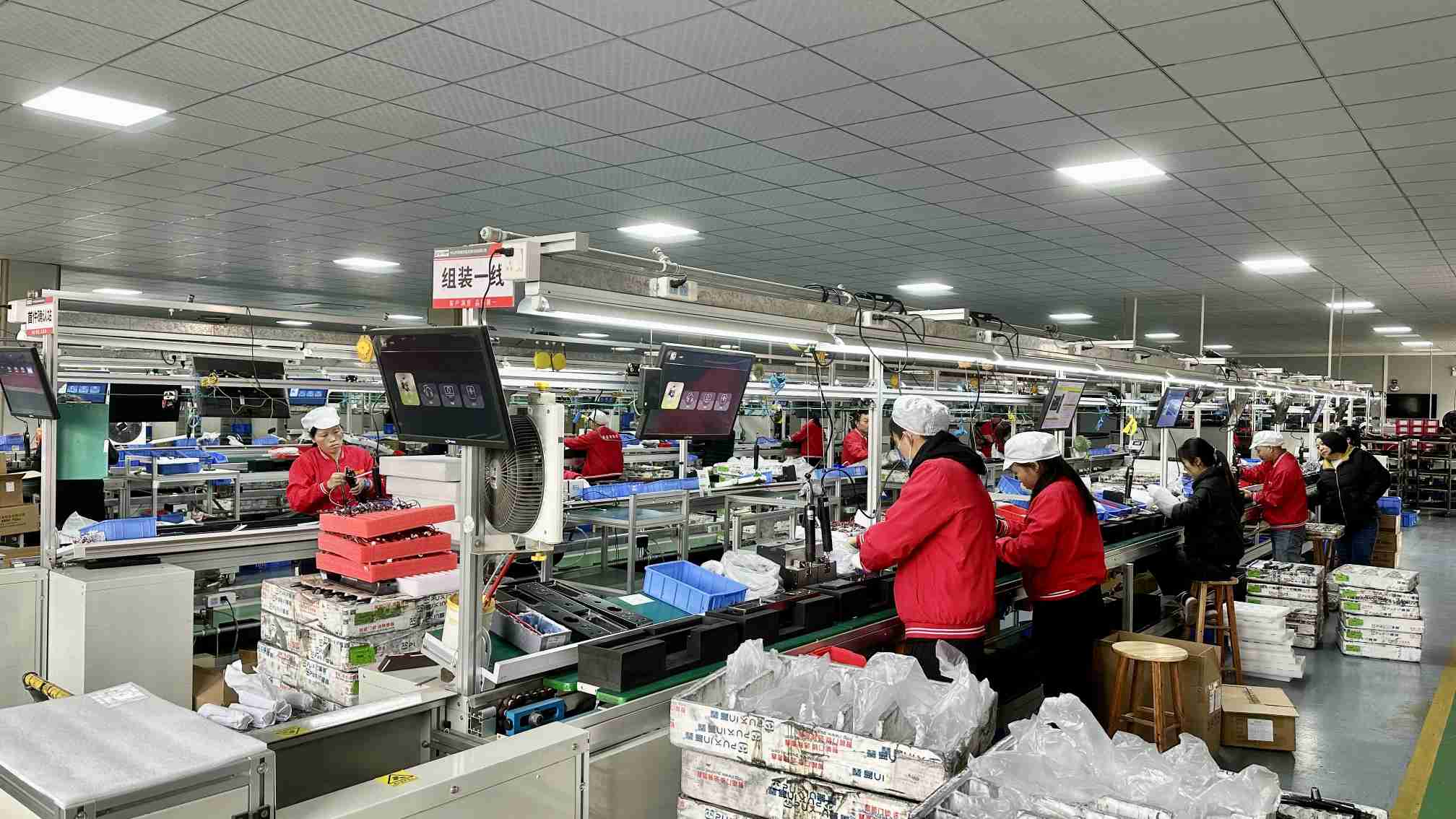
Located at the center of the global hardware manufacturing hub, Shenzhen Wipan Lock Co., Ltd. is a specialized manufacturer focused on smart locking systems and access control solutions. With years of experience in the electronic lock industry, Wipan has become a trusted partner for hotels, apartments, offices, educational institutions, healthcare facilities, commercial buildings, and residential projects worldwide.
We provide high-quality smart lock products alongside comprehensive OEM/ODM solutions tailored to our customers’ specific requirements. From product design, research, development, and high-precision manufacturing to quality control, branding support, market analysis, and after-sales service, we help our partners build competitive products and expand their business footprint in local and international markets.
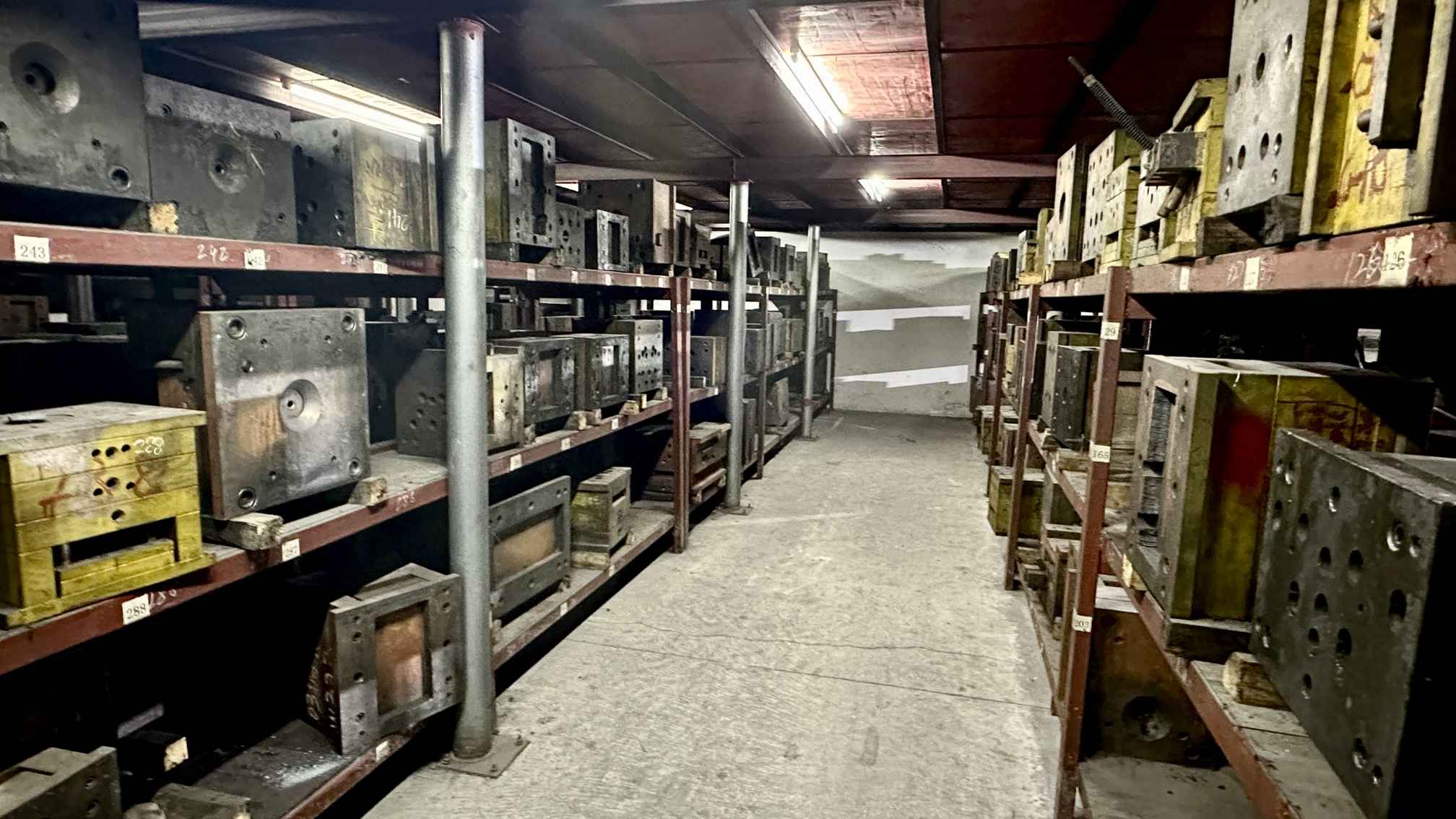
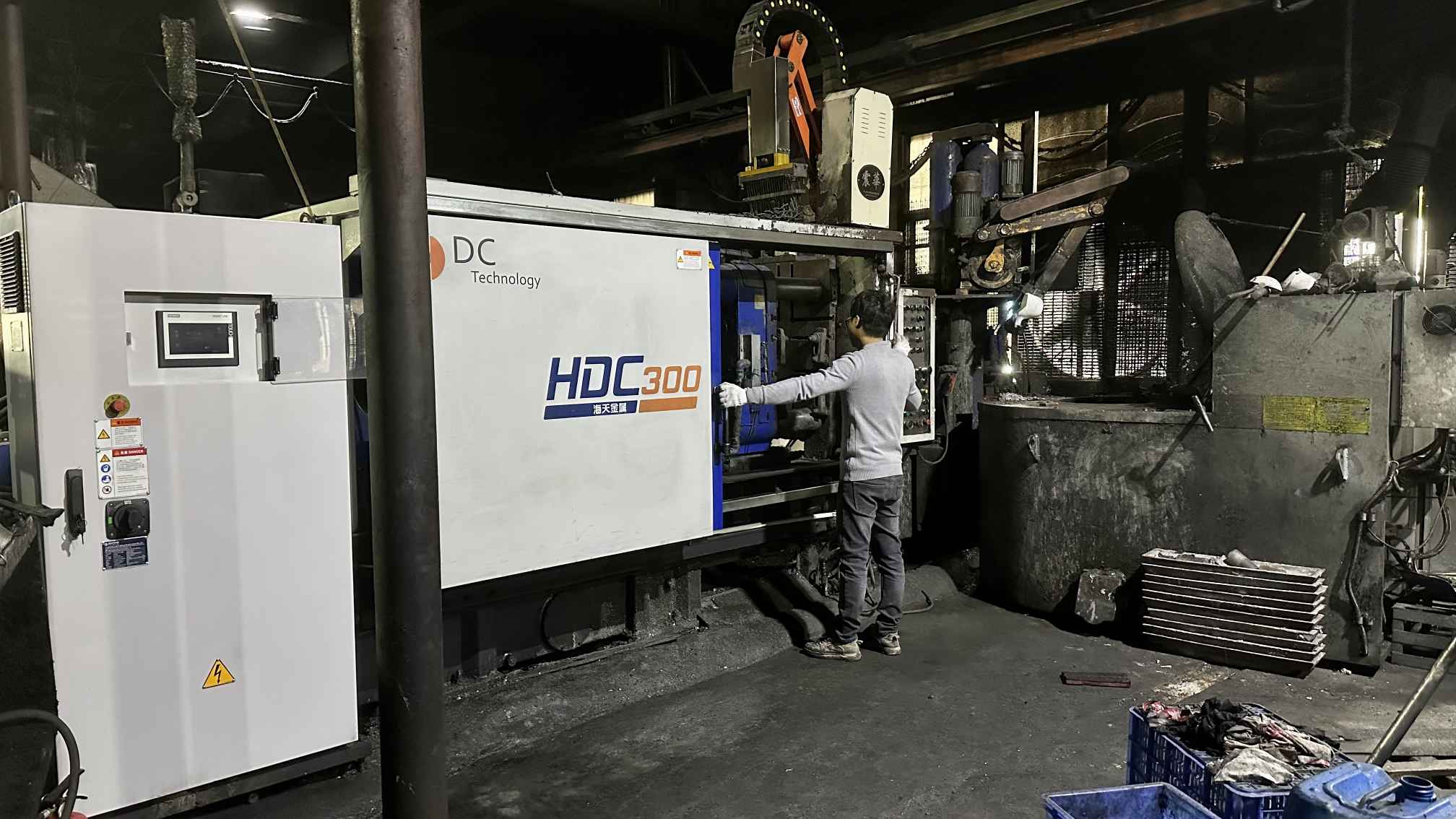
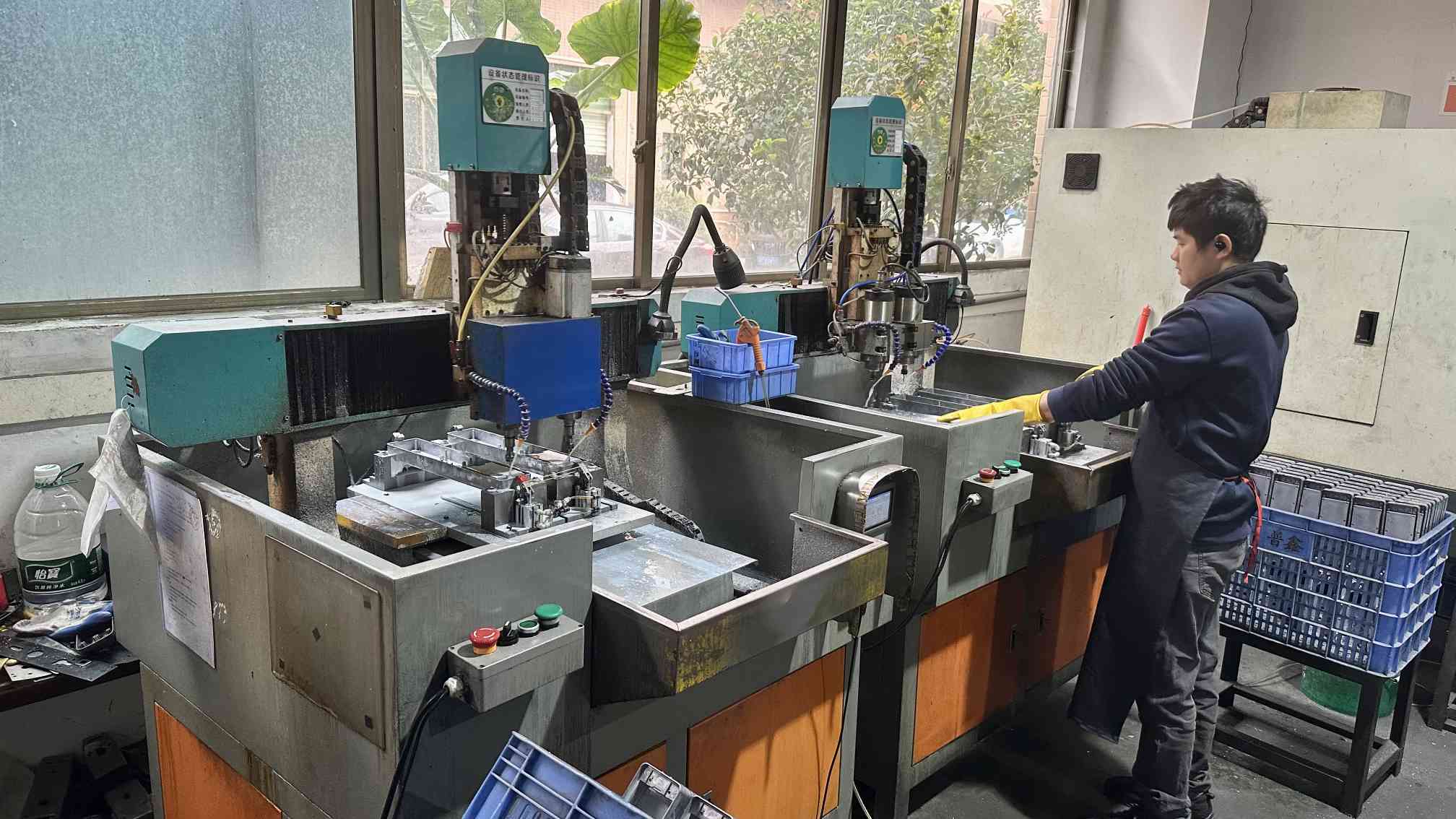
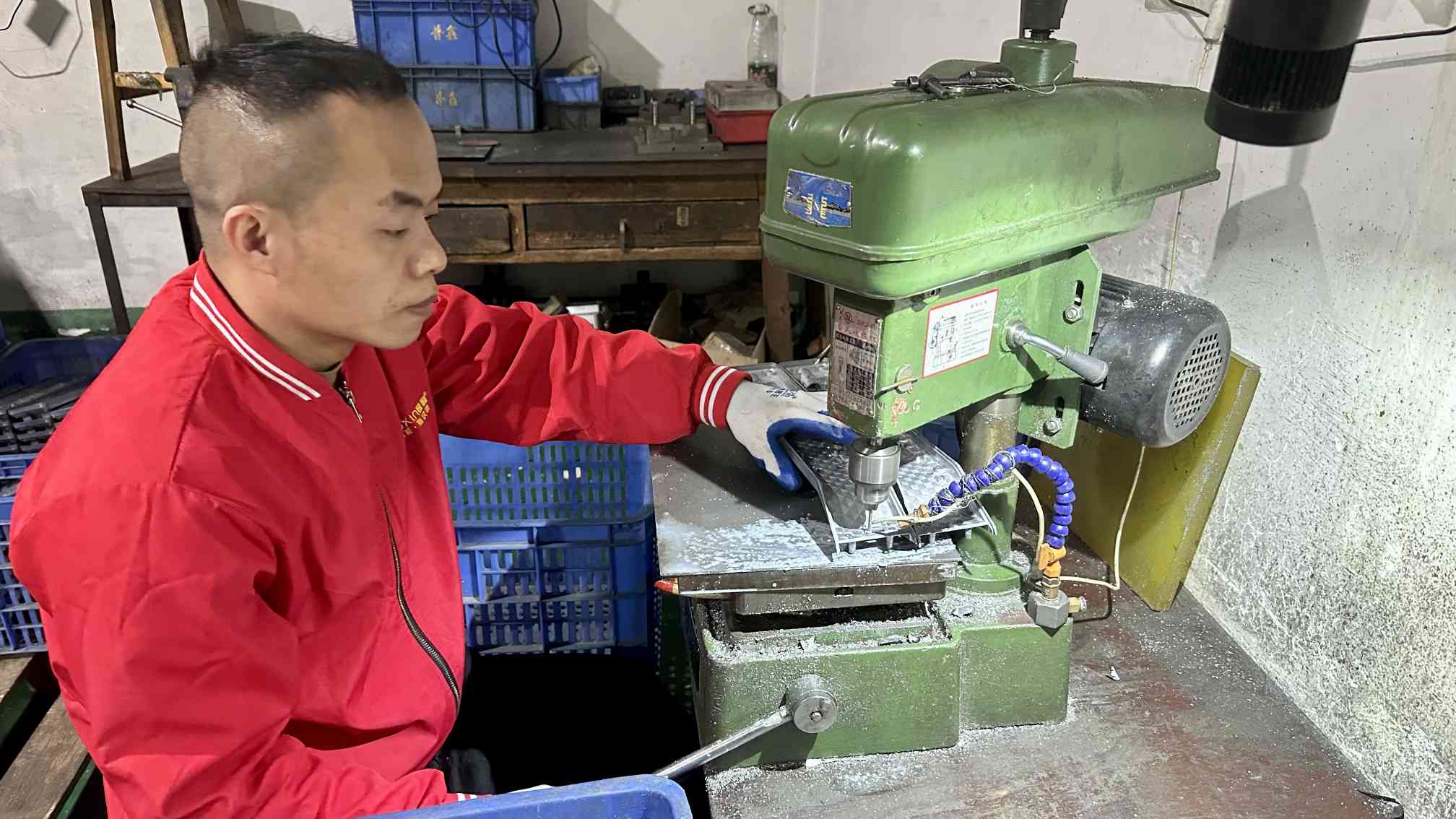
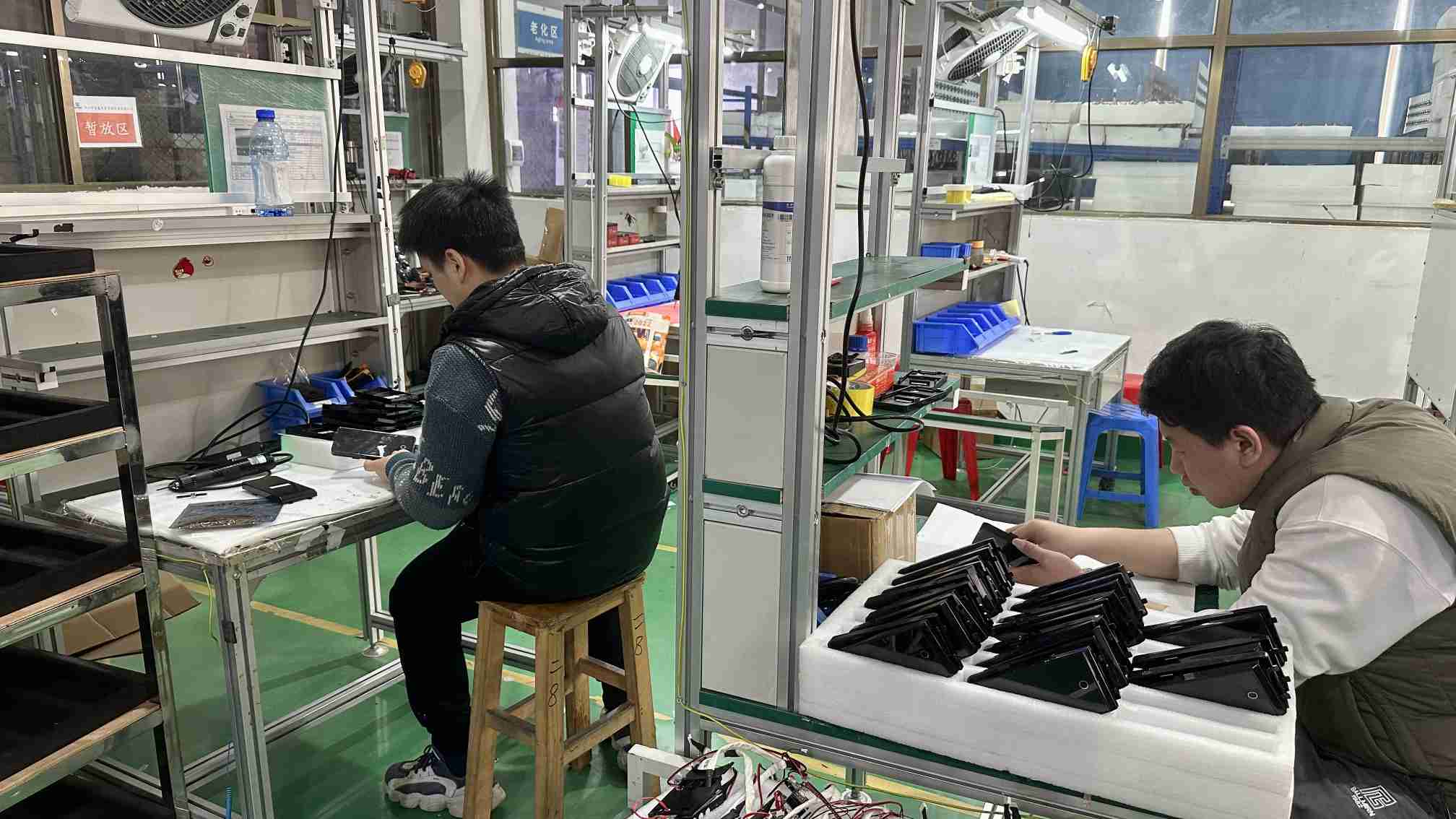
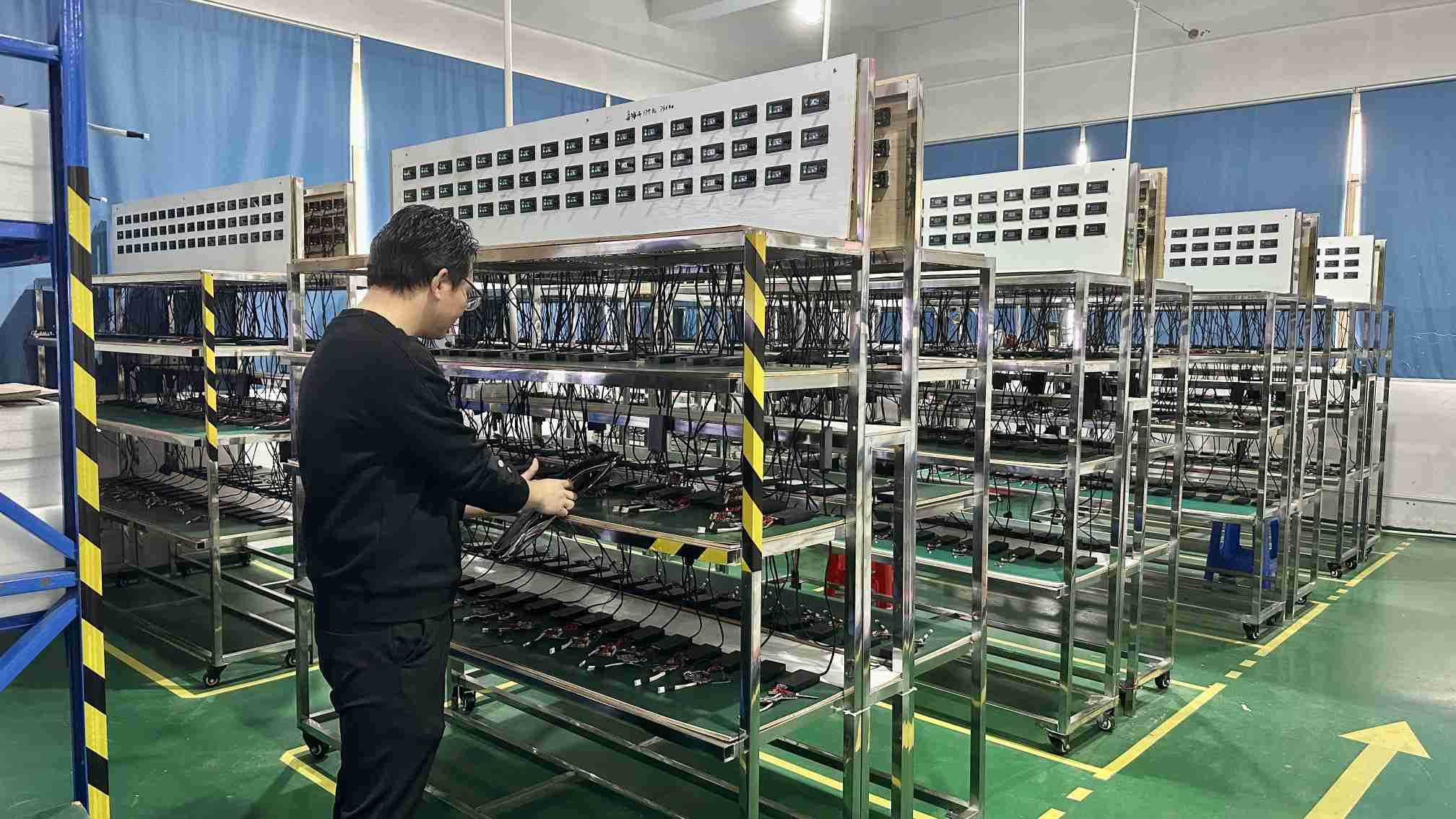
Our production processes integrate modern manufacturing methods. Driven by innovation, Wipan continuously invests in advanced manufacturing equipment and intelligent production systems to ensure reliable performance, mechanical security, and consistent user experiences. Our product range includes smart door locks, hotel lock systems, fingerprint locks, password locks, RFID card locks, Bluetooth locks, TTLock solutions, and customized access management systems.
At Wipan, our people are our greatest asset. Our experienced engineers, designers, production specialists, and customer service professionals work together to deliver robust security solutions. We believe that successful partnerships are built on trust, open communication, and mutual growth. Our team is committed to maintaining high standards at every stage of the process—from initial concept development and mechanical engineering to final assembly and technical support.

Custom smart lock solutions are designed for specific installation contexts, each presenting distinct security and operational requirements:
Requires PMS-integrated RFID locks with BLE override capabilities. These allow property managers to issue dynamic, time-limited digital keys directly to guests' smartphones, reducing front desk overhead and tracking access events in real time.
Multi-tenant office settings rely on network-managed biometric and PIN keypad locks. Systems need to handle thousands of unique users, interface with fire alarm control panels (FACP) for emergency egress, and manage shifts via software interfaces.
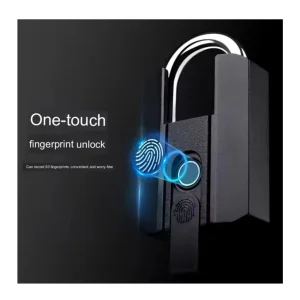
Outdoor cabinets, solar power substations, and shipping trucks use specialized GPS/4G IoT padlocks. These locks must withstand physical attacks, operate across wide temperature ranges (-40°C to +70°C), and support remote cellular opening authorization.
One of the most common challenges in global deployments is physical retrofitting. Door profiles, backsets, and center distances vary significantly across regions. For example, European slim doors with narrow frame profiles require compact mortises (such as 2885, 3085, or 3585 configurations), whereas standard US doors typically rely on single-bore deadbolts or larger ANSI Grade 1 mortise lock cases.
To address these requirements, Wipan Lock provides customized solutions including various backset sizes, customizable faceplate lengths, and options for marine-grade SUS304 stainless steel or zinc alloy structures. These hardware components are designed to withstand local environmental challenges, such as coastal humidity or sub-zero winter temperatures, while maintaining mechanical reliability.
To carry the CE mark, electromechanical locks must meet European Union directives, including the Radio Equipment Directive (RED) 2014/53/EU for wireless features (BLE, Wi-Fi, NFC), the LVD (Low Voltage Directive), and EMC (Electromagnetic Compatibility). Mechanically, they are evaluated under EN 14846, which measures durability, resistance to side loads on the latch bolt, and security against physical tampering.
Our locks operate with localized offline databases. User access credentials (biometrics, codes, RFID keycards) are stored locally in the secure memory of the lock, allowing authentication to proceed even during power or internet outages. If the batteries deplete, users can gain access via a mechanical key override or by connecting a 5V power bank to the external Micro-USB/Type-C emergency port.
Yes, Wipan provides open SDKs and APIs for integration with third-party software, including Hotel PMS platforms, automated short-term rental systems, and corporate access control databases. We support integrations via TTLock API protocols, Tuya IoT frameworks, and custom communication protocols for specialized hardware solutions.
For harsh environments, we recommend structures made of SUS304 Stainless Steel or treated Zinc Alloy with IP65/IP66 weatherproofing ratings. Outdoor configurations feature silicone sealing, conformal-coated PCBs, and specialized plating to prevent galvanic corrosion in high-salinity coastal conditions.
The lead time depends on the level of customization required. For standard modifications (such as branding or specific faceplate dimensions), production typically takes 15–25 days. For full ODM projects requiring custom mould design, pressure casting, and PCB engineering, the process generally spans 45–60 days, including testing and pilot run verification.
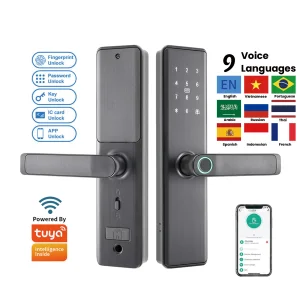
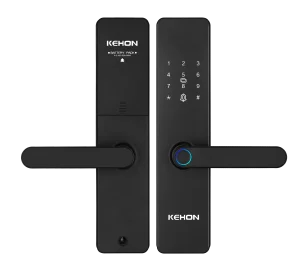
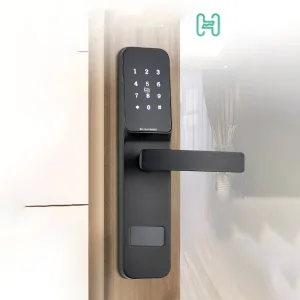
Explore our versatile range of electronic locks, smart padlocks, and cabinet access controllers.
 Wipan Lock