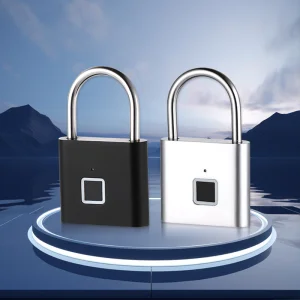
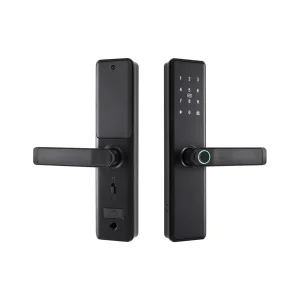
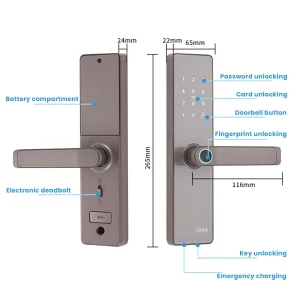
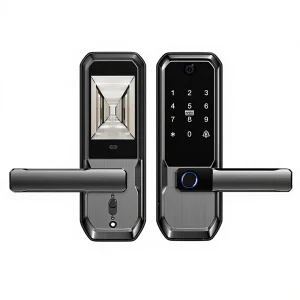
The global smart lock market has undergone a dramatic paradigm shift over the past decade. No longer confined to high-end hospitality suites or luxury residential developments, digital access technology—especially Keypad Door Locks—has transitioned into a fundamental architectural standard across commercial, industrial, and institutional infrastructures. Keypad locks represent the intersection of mechanical integrity and digital convenience, offering keyless security solutions that eliminate the logistics of physical key distribution.
In commercial sectors, facilities managers are increasingly replacing traditional locks with smart, programmable keypad solutions to support dynamic occupancy models, reduce operational maintenance costs, and capture real-time security auditing trails. Geographically, North America and Europe remain the largest markets by value due to rapid adoption rates in multi-family housing (BTR - Build to Rent) and retrofitting projects. Simultaneously, the Asia-Pacific region, led by domestic deployment in China, South Korea, and Southeast Asia, is observing the fastest compound annual growth rate (CAGR), driven by massive urbanization, smart city initiatives, and the cost-effective domestic production of electronic security components.
Modern commercial security demands more than simple numeric passcode entry. Leading edge R&D is currently focused on the integration of secondary and tertiary verification modules to achieve absolute high-security standards. We observe three dominant trends steering the industry:
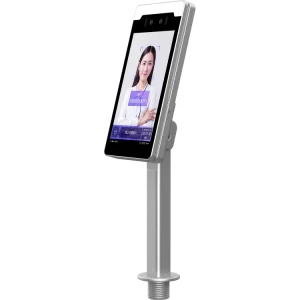
The fusion of physical keypads with 3D structural-light face recognition, palm vein tracking, and semiconductor fingerprint scanning. This prevents spoofing attacks and guarantees reliable outdoor functionality under extreme thermal or weather environments.
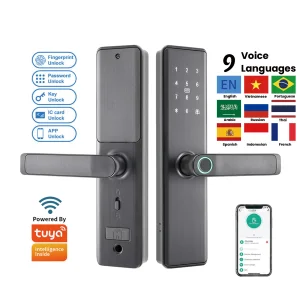
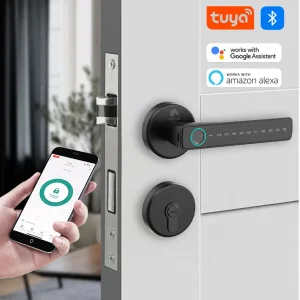
Modern commercial locks must fit within broader Building Management Systems (BMS). Using protocols such as Tuya Zigbee, TTLock Bluetooth APIs, and Z-Wave, locks can communicate with lighting, HVAC, and fire suppression systems in real-time.
Long-term power efficiency using ultra-low power microcontrollers, kinetic energy harvesting, and solar trickle-charging. Commercial grade locks must withstand up to 250,000 operational cycles, requiring heavy-duty zinc alloy and stainless steel construction.
Shenzhen Wipan Lock Co., Ltd. is a globally-recognized, professional manufacturer specializing in premium smart locking systems and access control solutions. With years of deep-rooted experience in the electronic security lock industry, Wipan has established itself as an authoritative and trusted partner for hotels, apartments, commercial offices, educational facilities, healthcare institutions, and large-scale residential projects worldwide.
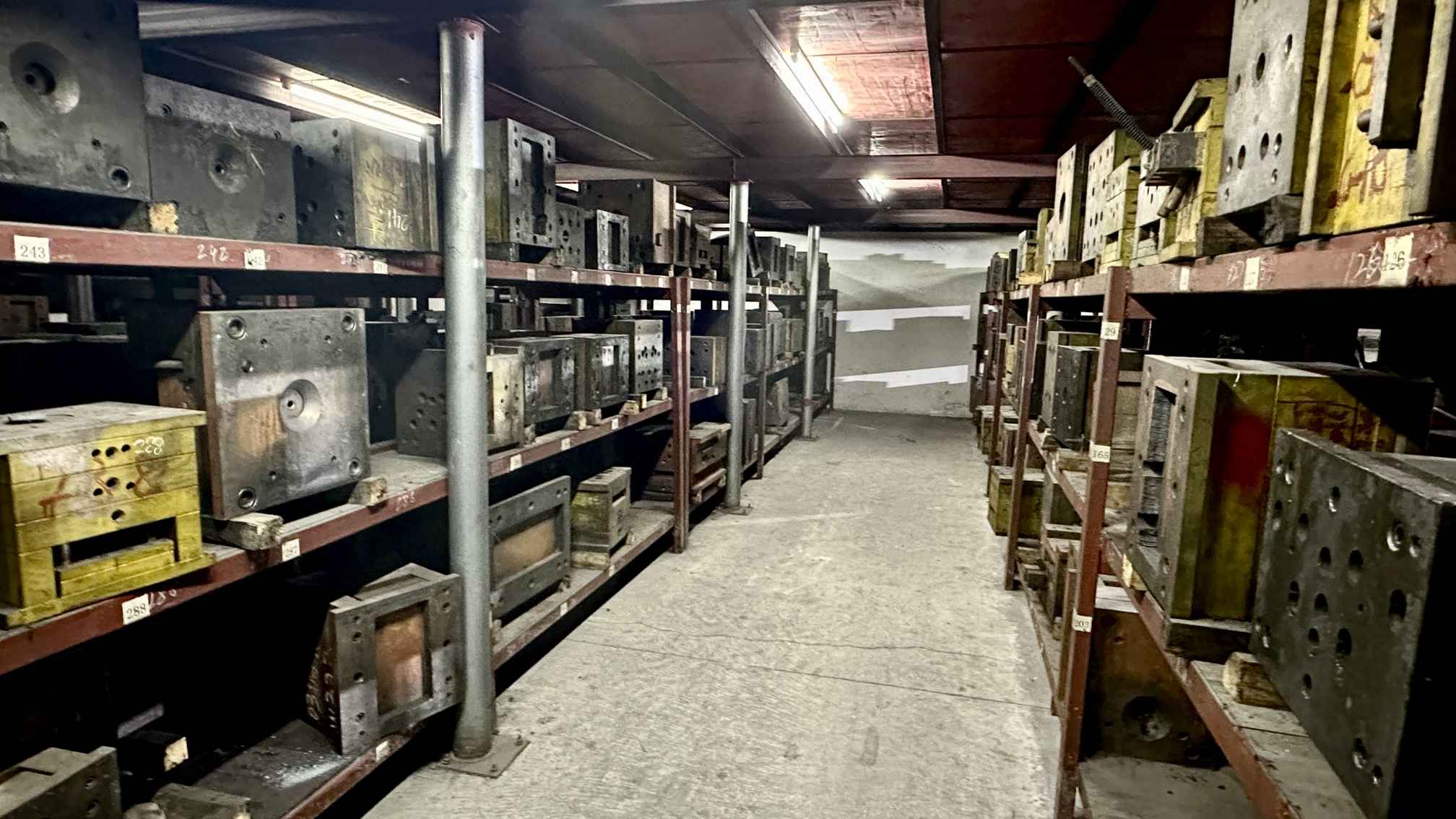
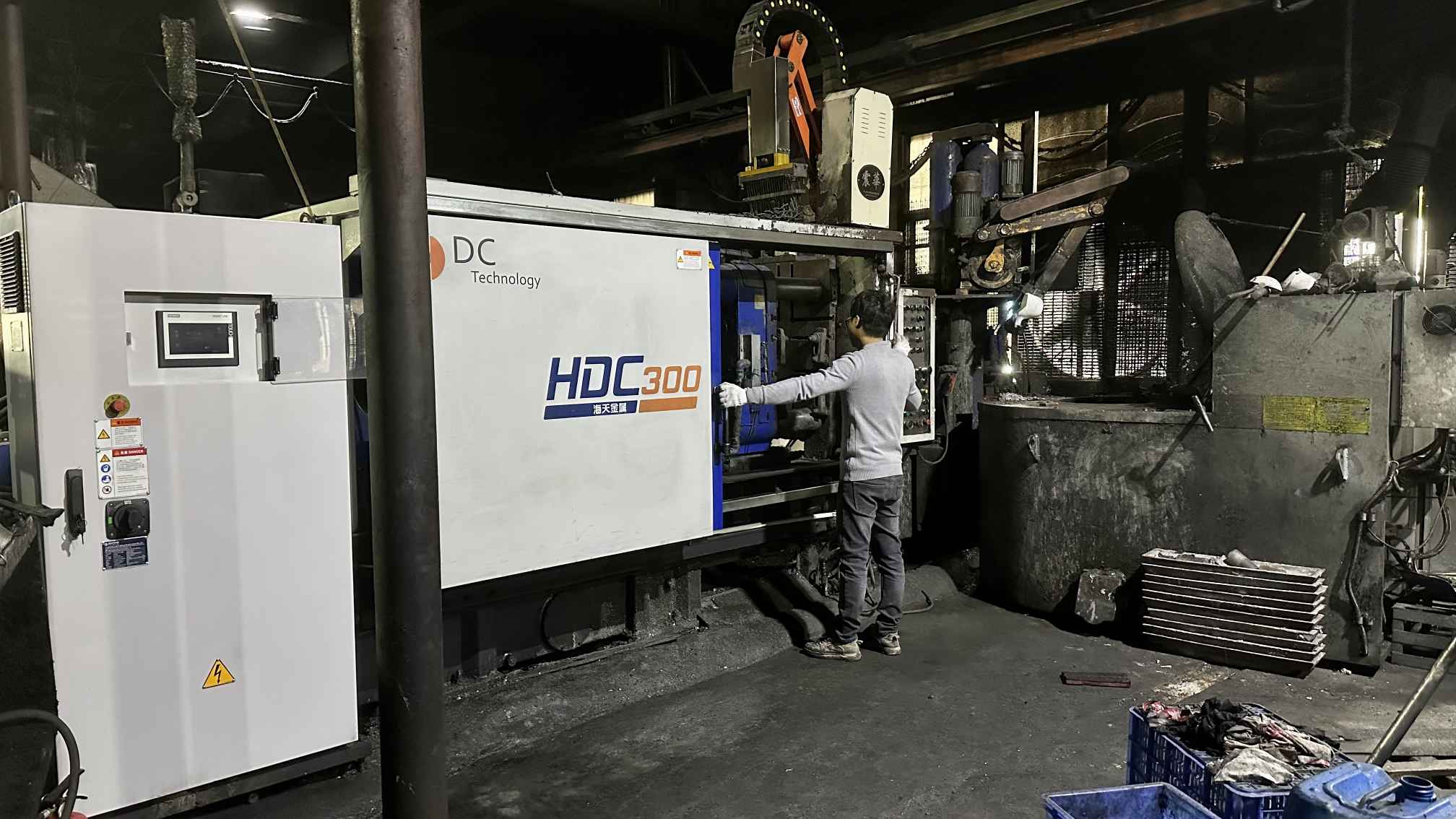
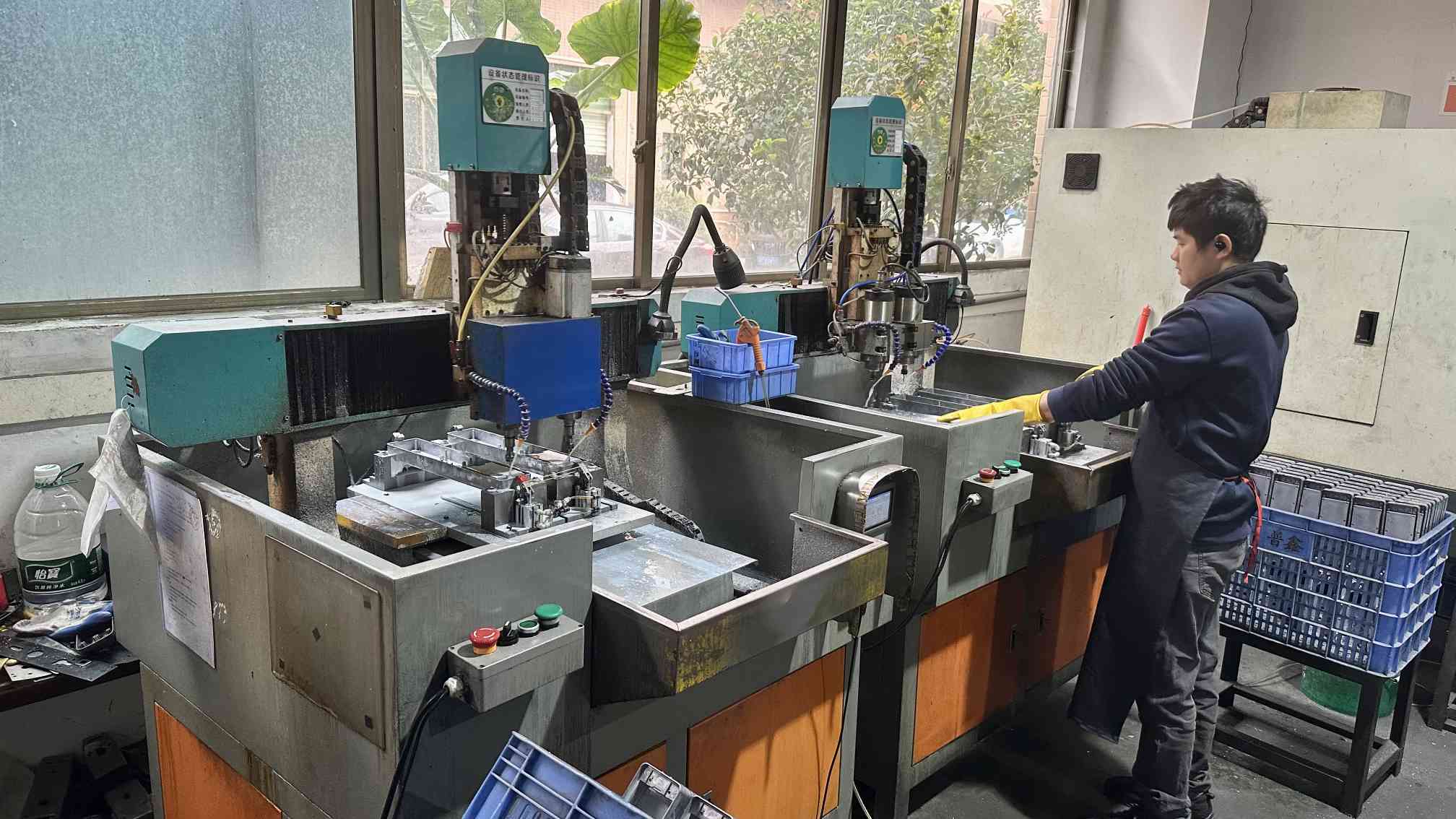
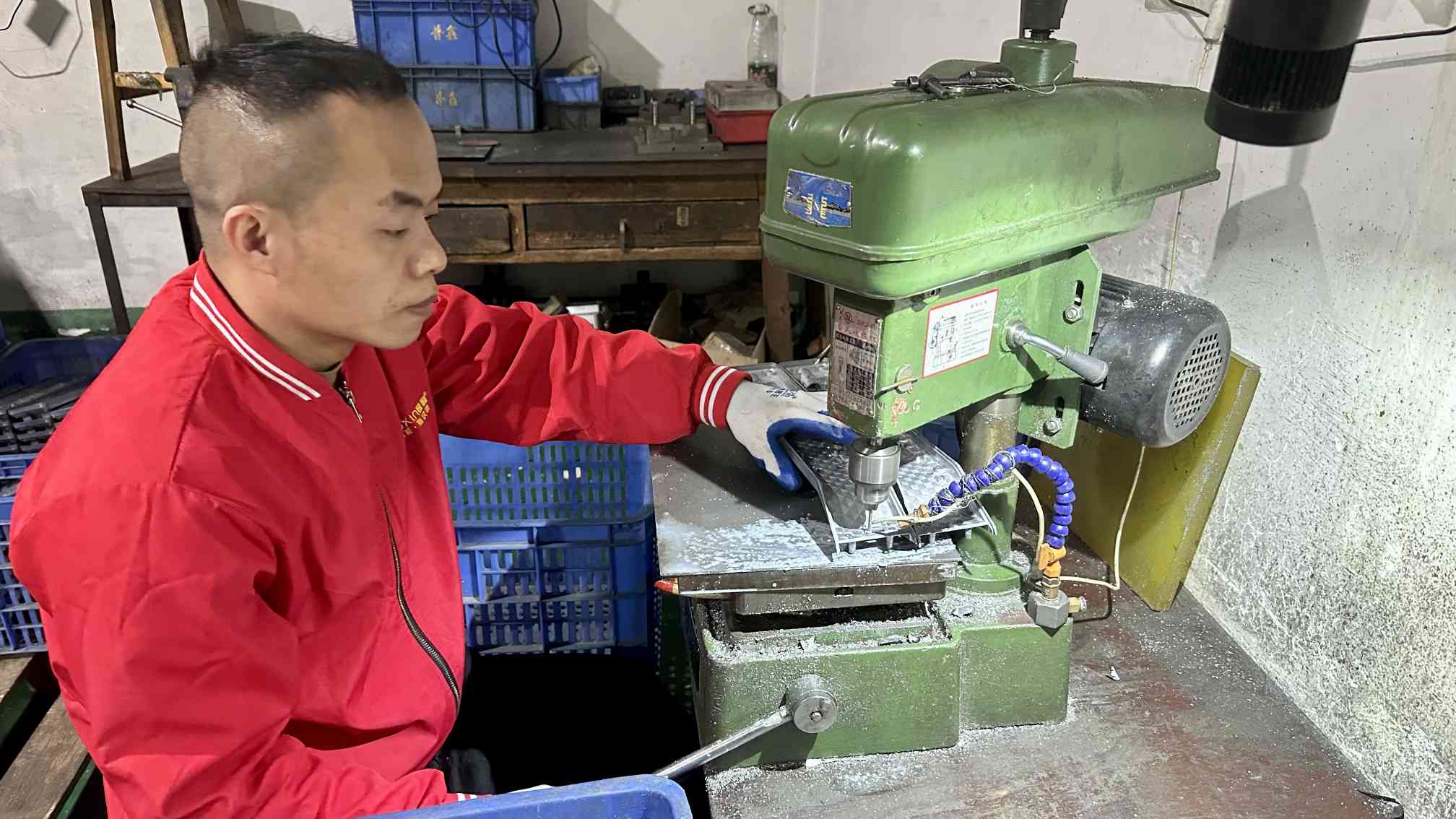
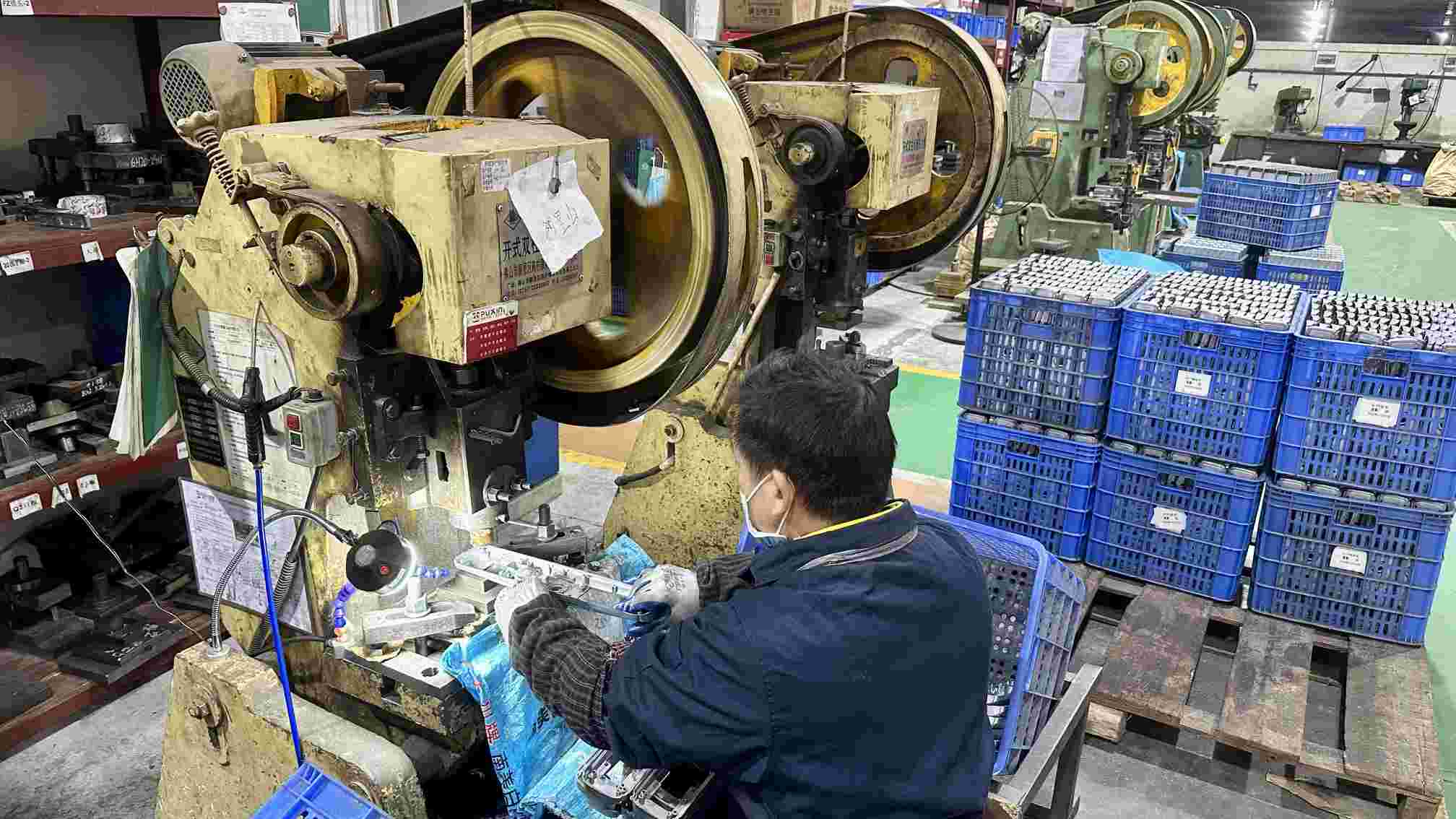
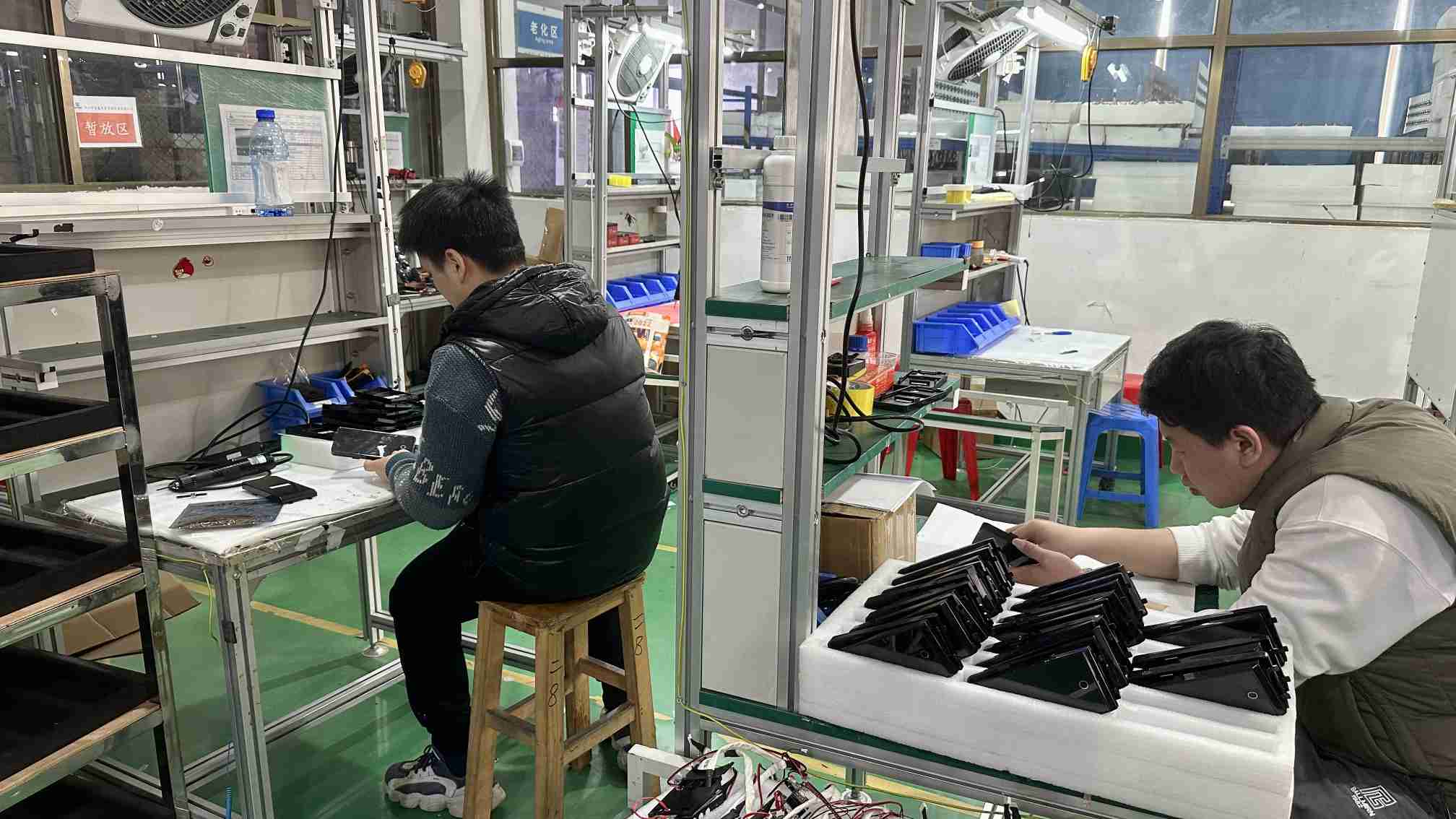
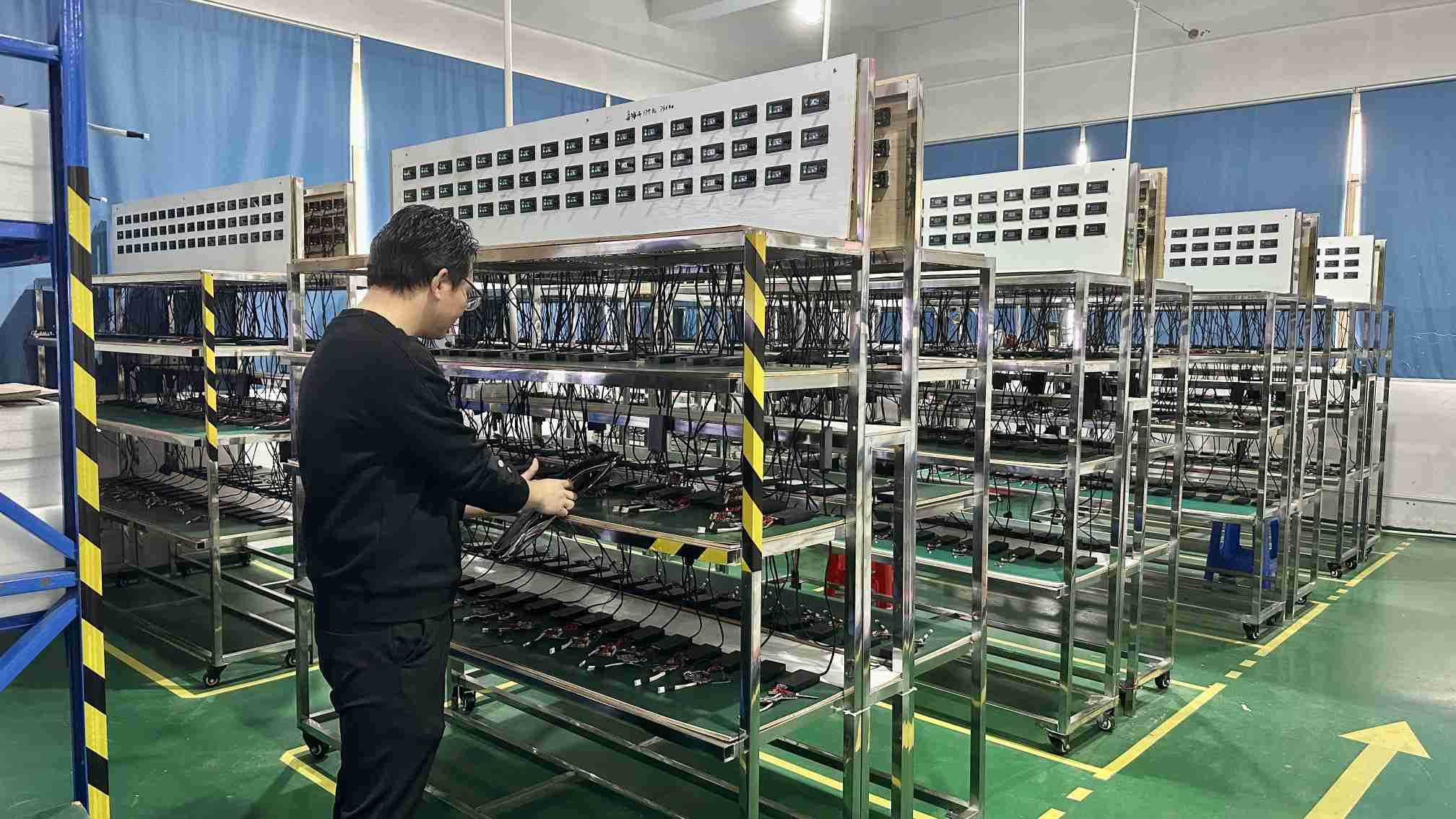
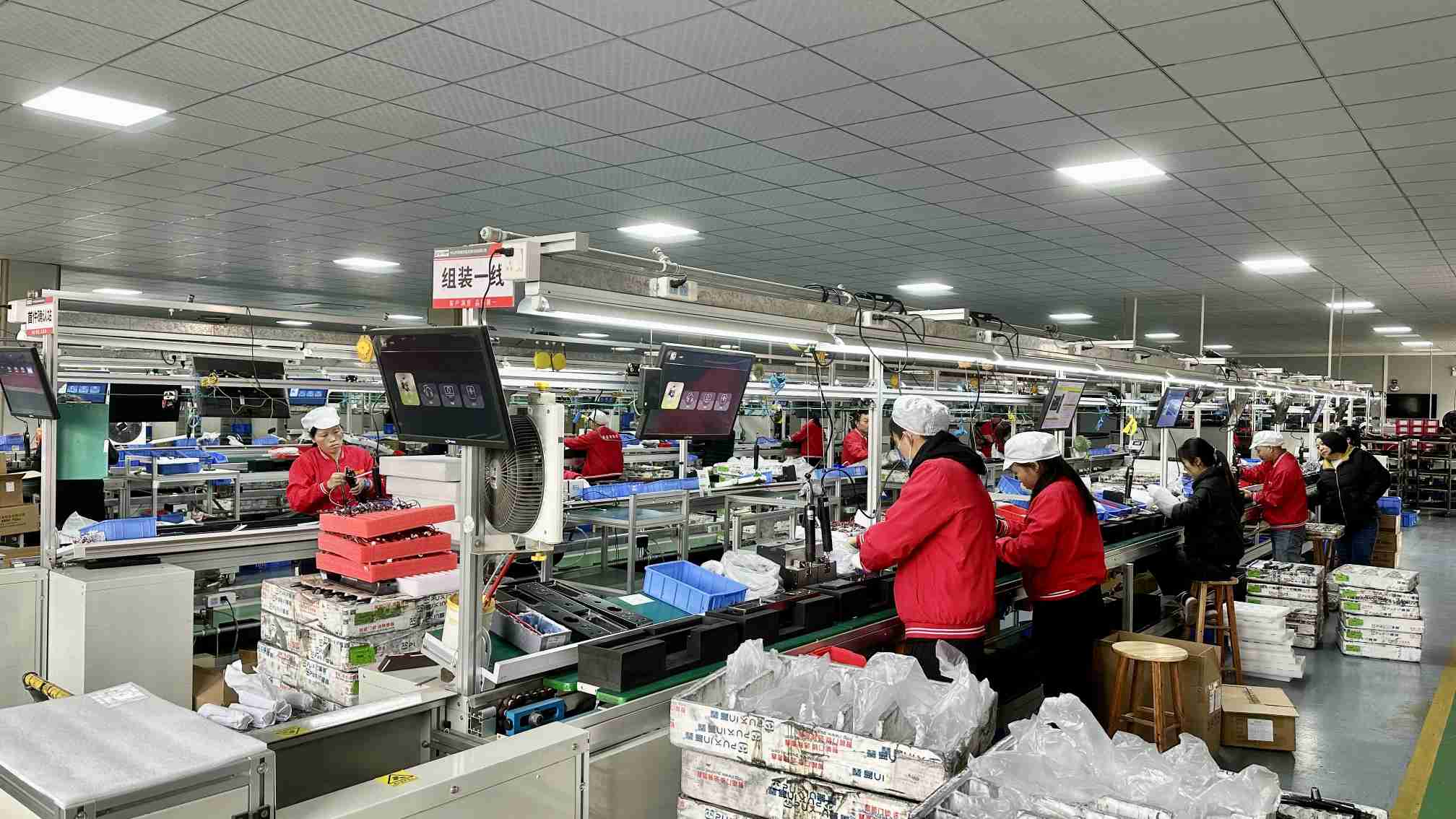
Our core competency lies not only in the fabrication of high-quality finished products but also in our robust OEM/ODM customizable services. We walk alongside our global partners throughout the entire product lifecycle: from concept development, structural 3D CAD design, and electrical engineering, to die-casting, CNC machining, rigorous quality assurance testing, branding customization, and global shipping.
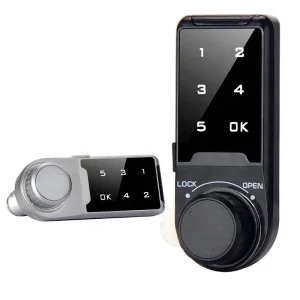
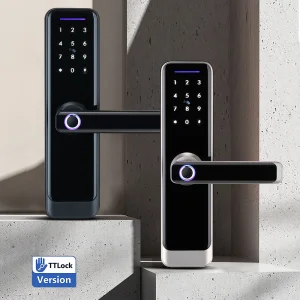
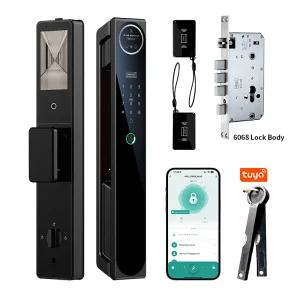
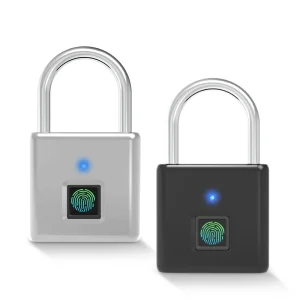
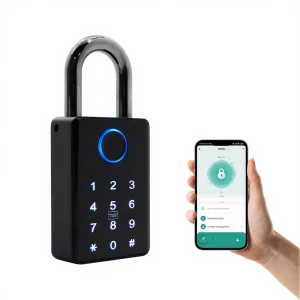
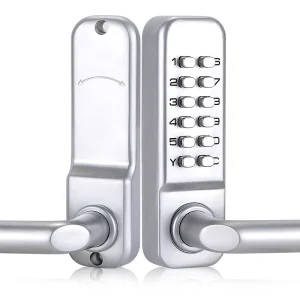
We continually invest in advanced manufacturing automation, automated surface finishing lines, and heavy-duty mechanical testing laboratories to guarantee that all lock cylinders, clutches, and electronic boards conform to national and international security standards. Our product catalog features biometric fingerprint locks, numeric keypad deadbolts, RFID hotel card readers, and BLE/Wifi app-enabled access points.
To engineer and supply highly secure, ultra-reliable, and globally accessible keyless solutions that empower users with modern convenience while maintaining a formidable physical barrier against unauthorized entry.
From raw raw materials to high-precision biometric devices, explore how our factories maintain meticulous quality control at each step of the manufacturing pipeline.


Access control mechanisms must adapt to regional variations in door profiles, local climates, and regulatory certifications.
Standardized around the ANSI/BHMA Grade 1, 2, and 3 classifications. Deadbolt profiles with a 2-3/8 inch or 2-3/4 inch backset are dominant. Smart locks in this region must seamlessly integrate with home automation standards like Apple HomeKit, Amazon Alexa, and SmartThings.
European doors typically utilize multi-point locking mechanisms operated via a profile cylinder. The physical replacement is usually the cylinder itself rather than the complete lock chassis. Wipan provides specialized European-profile cylinders with integrated Bluetooth and PIN keypads.
High-density apartments require high-turnover management tools. Keypad locks with card access, temporary pin codes, and dynamic cloud interfaces (Tuya/TTLock) are ideal for managing properties without maintaining a massive on-site key custody database.
As the digital security landscape evolves, manufacturers must anticipate integration trends. Shenzhen Wipan Lock Co., Ltd. continuously refines its engineering pipeline to address upcoming industry shifts:
We are working to transition our smart communication boards to native Matter protocol support. Matter ensures local, inter-brand communication between door locks, smart cameras, and security controllers, bypasses cloud dependency, and reduces communication latency.
UWB allows true hands-free access control by tracking the safe distance of authorized smartphones or smartwatches with centimeter-level accuracy, triggering the keypad latch only when the user is within a 1-meter radius.
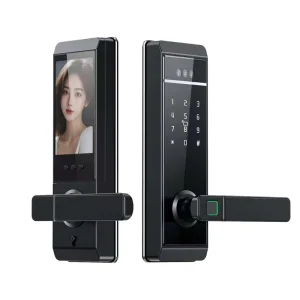
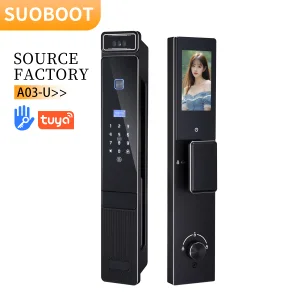
Integrating edge-AI computing to identify abnormal unlock attempts. Machine learning algorithms inside our camera locks (such as the S810Max) differentiate between delivery personnel, homeowners, and loitering suspects, proactively alerting the owner.
We specialize in offering high-volume, tailored hardware integrations for complex, large-scale commercial implementations:
Traditional mechanical keys present huge logistical liabilities when lost. Our hotel RFID keypad locks interface directly with property management software (PMS) to generate secure temporal keys. If a guest loses their card, or if their check-out time is reached, the passcode or card access is instantly revoked, ensuring automated check-in and check-out workflows.
Enterprise environments experience continuous foot traffic and fluctuating employee lists. Wipan provides central control panels where facility managers can allocate custom keypad codes with schedule restrictions (e.g., access permitted only Monday to Friday, 9:00 AM to 6:00 PM) and track full audit logs to monitor high-security zones.
Campuses require durability and high-security access. Heavy-duty zinc alloy smart lock cylinders paired with electronic keypad units protect classrooms and dorms. The system operates on a dual-credential setup (e.g., Student ID Card + Personal PIN), drastically minimizing accidental lockouts and preventing identity fraud.
 Wipan Lock