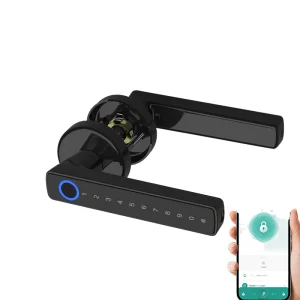
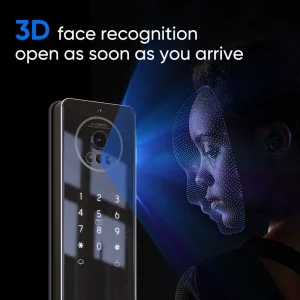
Explore our premium selection of electronic deadbolts, biometric cylinders, and smart handles optimized for residential properties, rental spaces, and corporate systems.
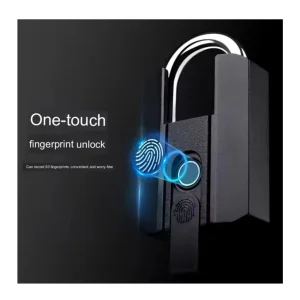
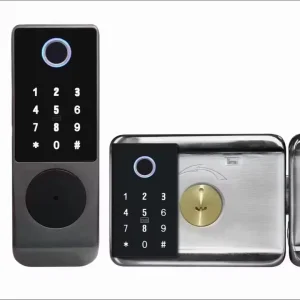
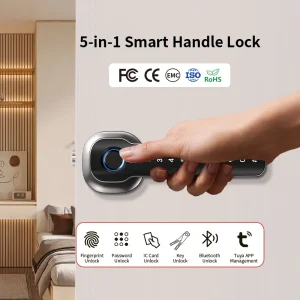
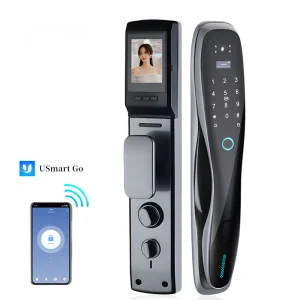
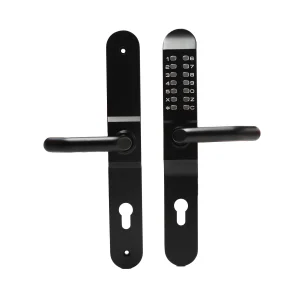
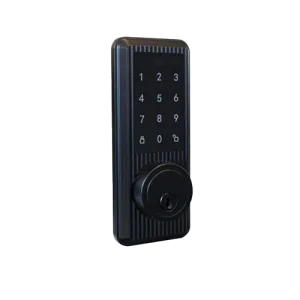
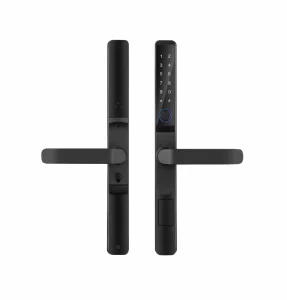
The global access control sector is undergoing a profound structural transition. Traditional mechanical lock mechanisms are rapidly yielding market share to smart, interconnected physical security infrastructure. According to security industry analysis, the demand for smart deadbolts is accelerating due to a confluence of factors: the expansion of the Smart Home Ecosystem, increased reliance on keyless entry systems for short-term rental management, and the evolution of smart municipal architectures.
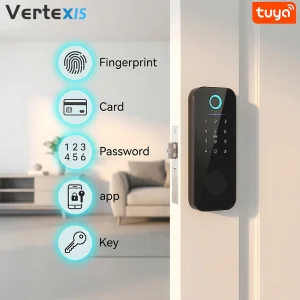
From an architectural standpoint, the traditional deadbolt structure is highly valued in the North American and select Asia-Pacific markets due to its fundamental integrity. Unlike latch-bolt systems, a true deadbolt features a heavy steel bolt that cannot be forced back into the door frame through external pressure. Modern engineering combines this robust mechanical barrier with digital credentials (biometric fingerprint scanning, cryptographically secure dynamic PINs, near-field NFC, and Bluetooth Low Energy handshakes).
Smart deadbolt suppliers must offer systems with integrated multi-layered local processing. High-quality smart deadbolts operate independently of localized power failures, utilizing embedded microcontrollers that can execute complex cryptographic authentication routines at the door without active internet connections.
For B2B buyers, locksmith distributors, and property developers, searching for reliable OEM/ODM partners requires checking more than just standard product brochures. Success depends on verifying real manufacturing standards, checking API/SDK development interfaces, and choosing hardware platforms that meet stringent safety standards. A premium smart deadbolt must withstand both physical forced-entry threats and digital threats like side-channel power analysis or radio replay attacks.
Consequently, our team at Shenzhen Wipan Lock Co., Ltd. focuses heavily on these core reliability metrics. We understand that global security standards demand consistent operation under extreme environmental conditions, ranging from humid tropical environments to sub-zero sub-arctic climates. Our smart deadbolt solutions are built from the ground up to ensure they perform reliably through hundreds of thousands of cycles without compromising structural integrity or wireless performance.
Our OEM/ODM capability is driven by an advanced engineering stack designed to ensure compatibility with major smart systems worldwide.
Hardware-level encryption including secure element chips that store biometrics and keys locally. Utilizes AES-128 and AES-256 dynamic token encryption to block side-channel attacks.
Seamless communication protocol integration featuring dual BLE and Wi-Fi chipsets, Zigbee transceivers, and forward-looking Matter protocol compatibility for smart home systems.
Biometric fingerprint scanners with high-resolution capacitive sensors and matching algorithms that detect living tissue to prevent spoofing with 2D/3D fake prints.
Optimized sleep/wake power cycle states that extend battery life up to 18 months under normal use. Features USB-C dynamic power injection for emergency startup.
Built with high-tensile zinc and aluminum alloys. Lock body is designed to resist physical attacks, keeping the core deadbolt mechanisms safe even under high impacts.
Highly sealed exterior structures designed to keep out dust and moisture, maintaining reliable electronics performance during rain, snow, and extreme weather.
Years Lock R&D Experience
Global Target Countries
Strict Aging Cycle Tests
Fully Customized Solutions
Shenzhen Wipan Lock Co., Ltd. is a professional manufacturer specializing in smart locking systems and access control solutions. With years of experience in the electronic lock industry, Wipan has become a trusted partner for hotels, apartments, offices, educational institutions, healthcare facilities, commercial buildings, and residential projects worldwide.
We provide not only high-quality smart lock products but also comprehensive OEM/ODM solutions tailored to our customers’ needs. From product design, research and development, manufacturing, quality control, and branding support to market analysis and after-sales service, we help our partners build competitive products and expand their business successfully in local and international markets.
Driven by innovation and technology, Wipan continuously invests in advanced manufacturing equipment, intelligent production processes, and product development to ensure reliable performance, enhanced security, and user-friendly experiences. Our product range includes smart door locks, hotel lock systems, fingerprint locks, password locks, RFID card locks, Bluetooth locks, TTLock solutions, and customized access management systems.
Today, Wipan products are exported to numerous countries and regions across Asia, Europe, the Middle East, Africa, North America, and South America, earning recognition for quality, durability, and excellent customer service.
At Wipan, our greatest asset is our people. Our experienced engineers, designers, production specialists, and customer service professionals work together with passion and dedication to deliver innovative security solutions.
We believe that successful partnerships are built on trust, collaboration, and mutual growth. By maintaining open communication and understanding our customers’ unique requirements, we are able to provide flexible solutions that help businesses stay ahead in a rapidly evolving smart security market.
Our team is committed to excellence in every stage of the process—from concept development and product engineering to manufacturing and technical support—ensuring that every product meets the highest standards of quality and reliability.
To create smarter, safer, and more convenient access solutions for people around the world through continuous innovation and superior quality.
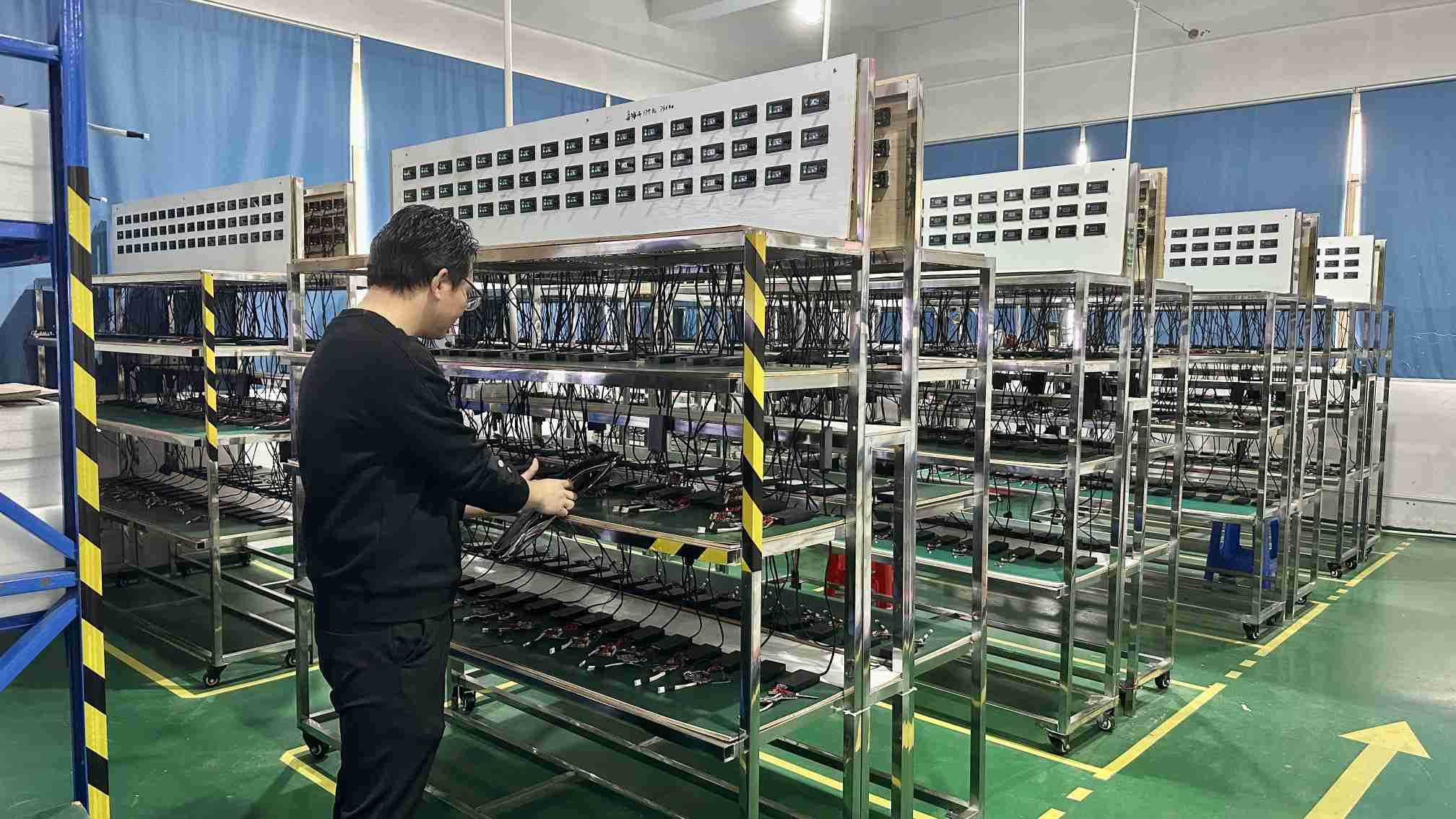
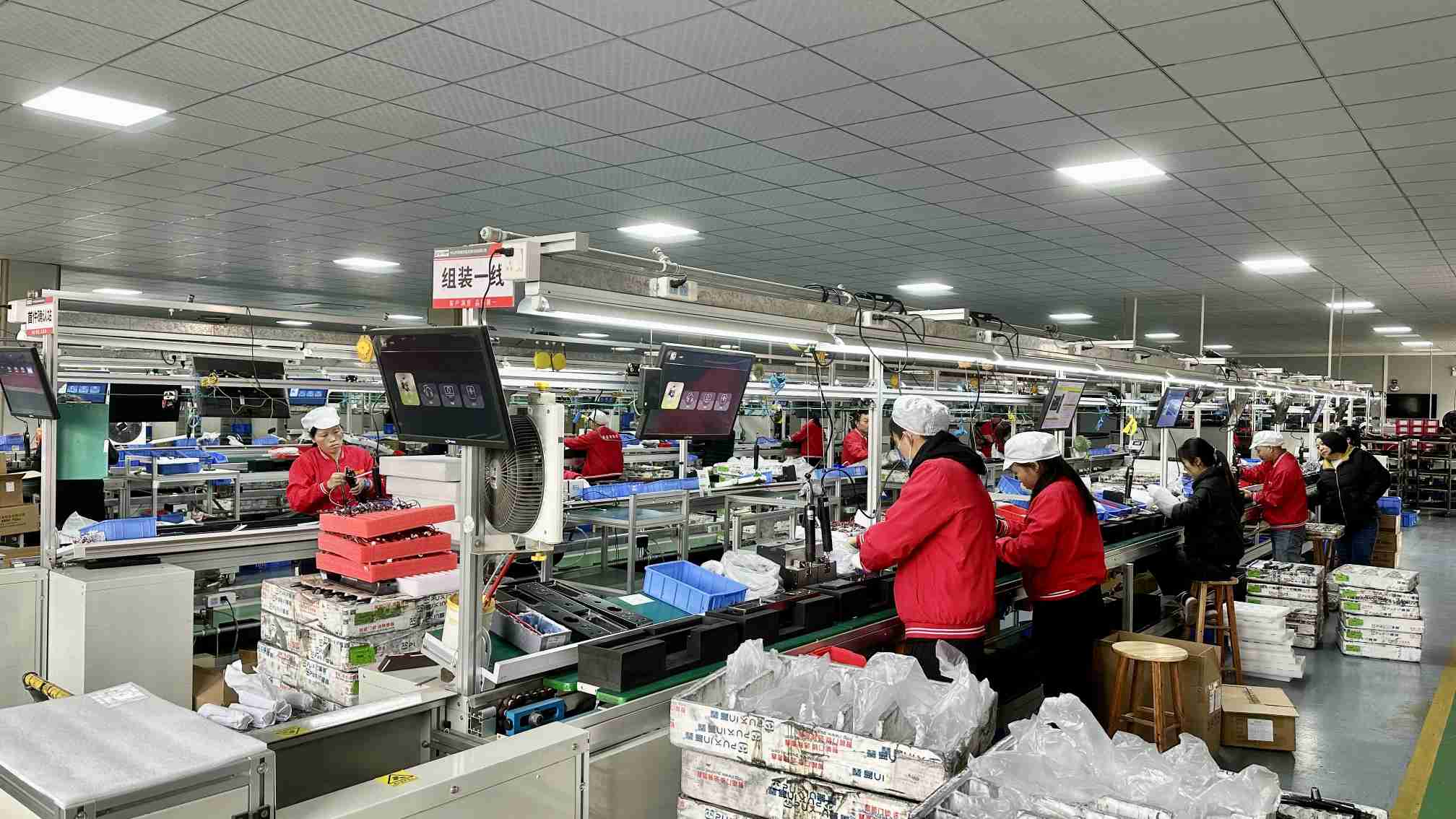
Inside our advanced production line: Quality control starts at raw materials and continues through step-by-step processing to ensure reliable long-term performance.
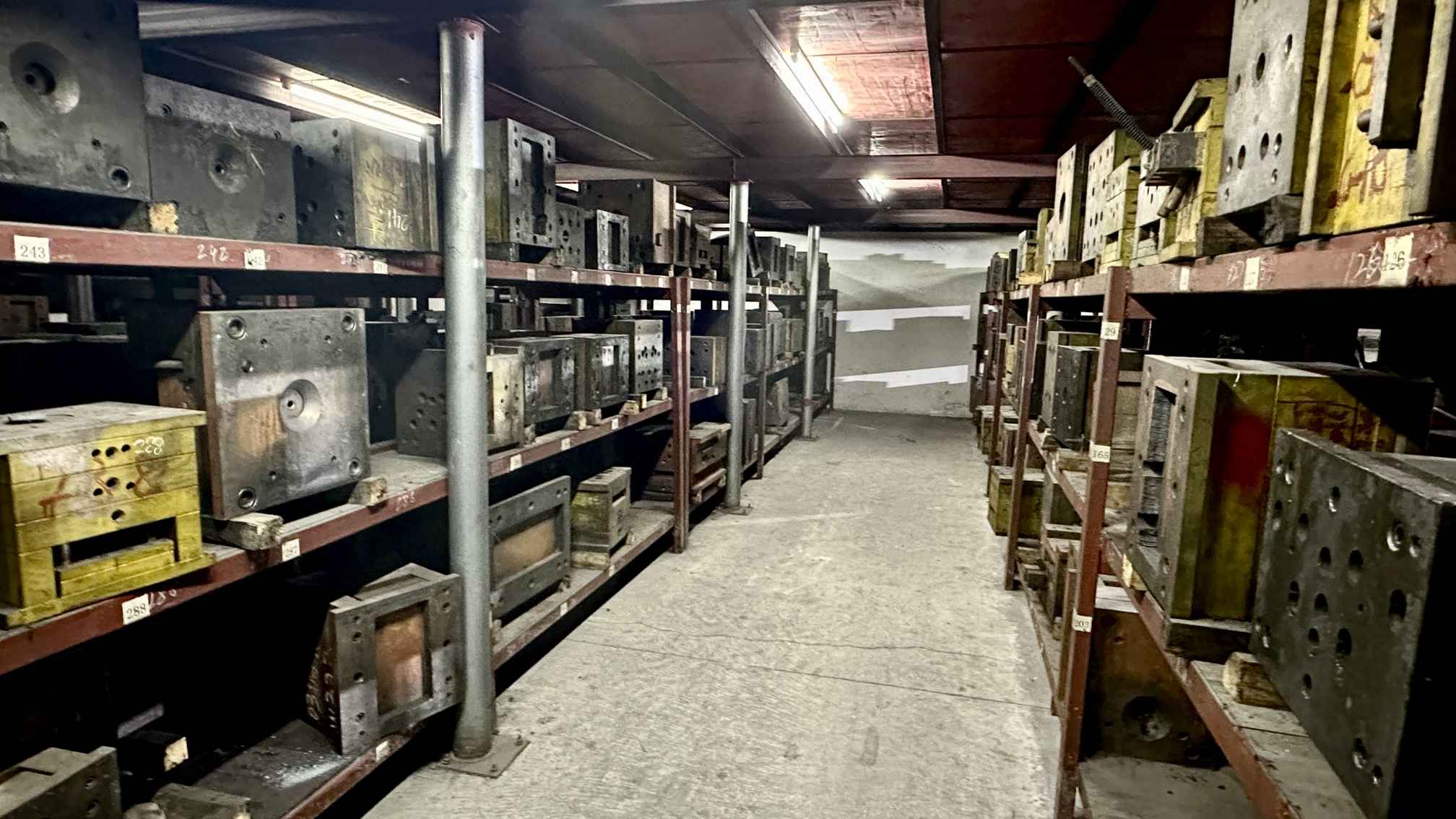
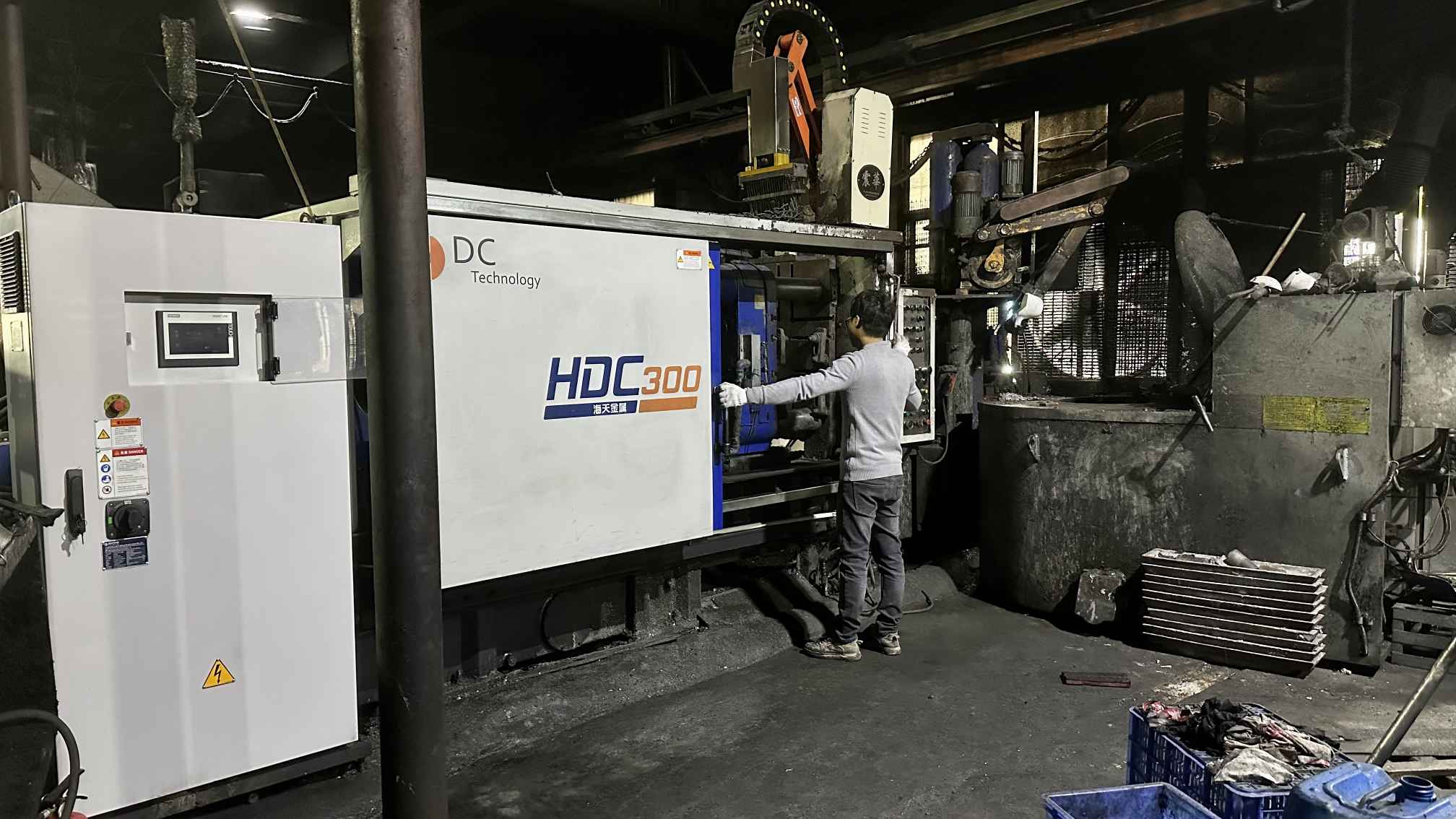

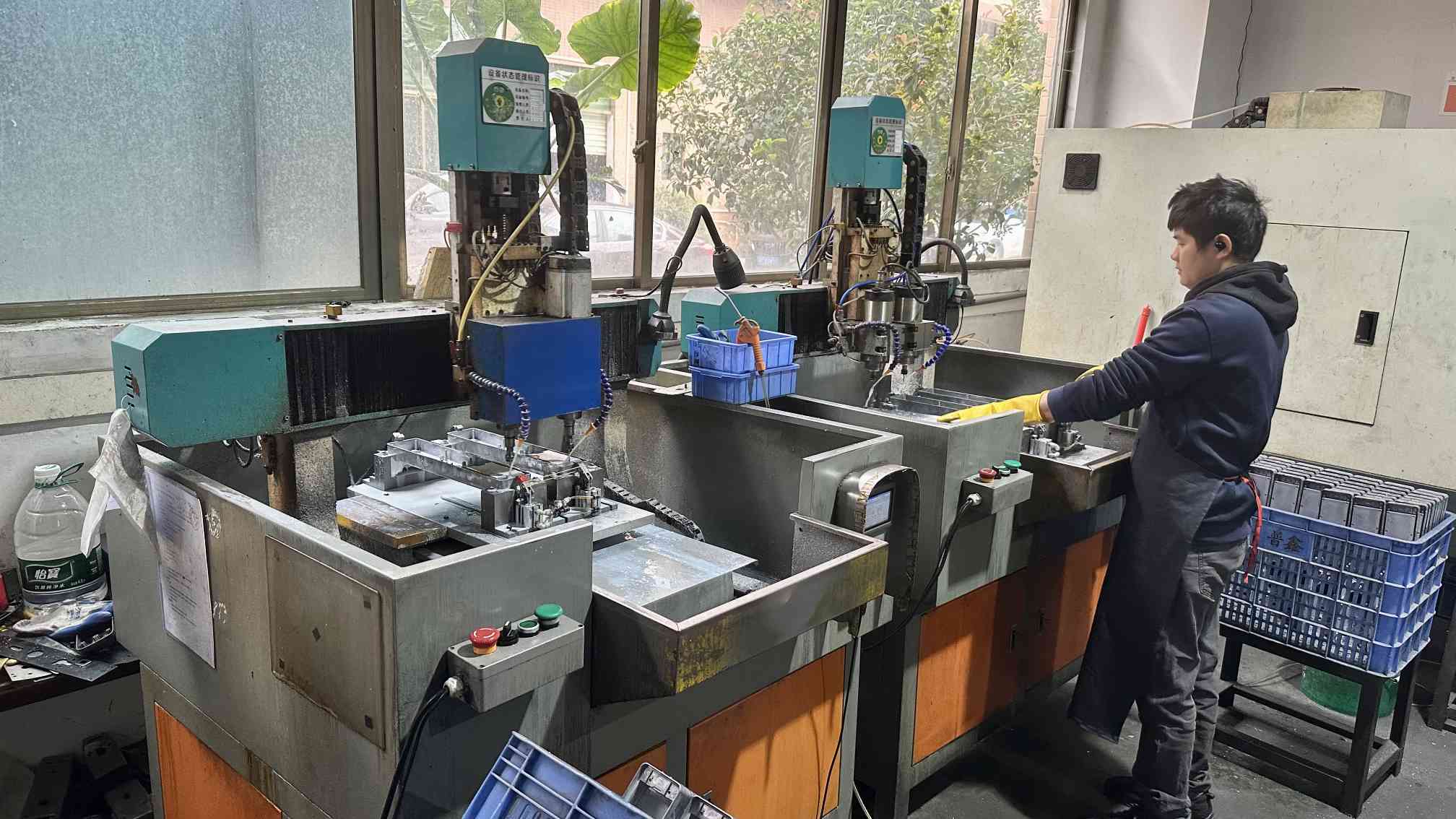
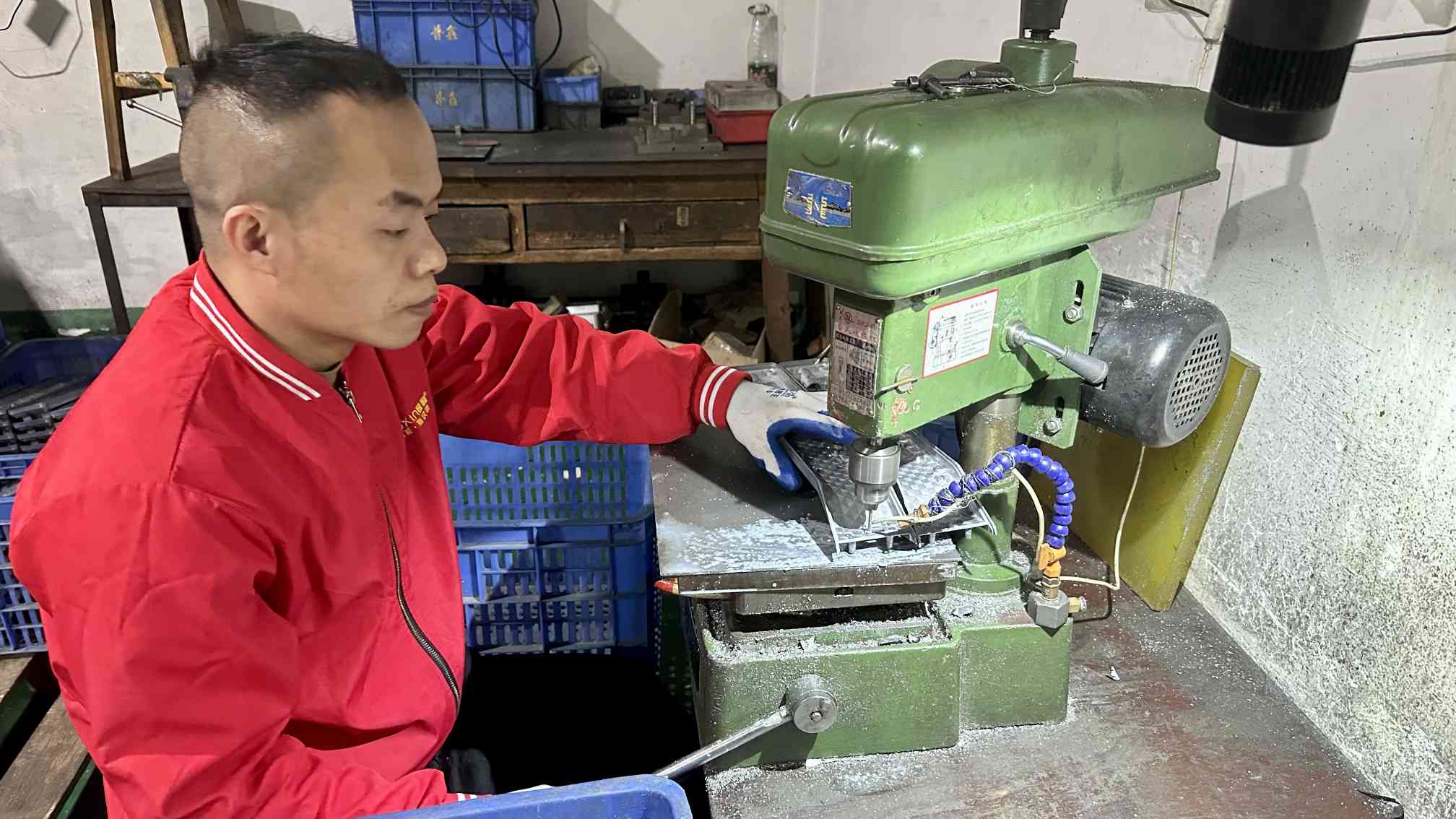
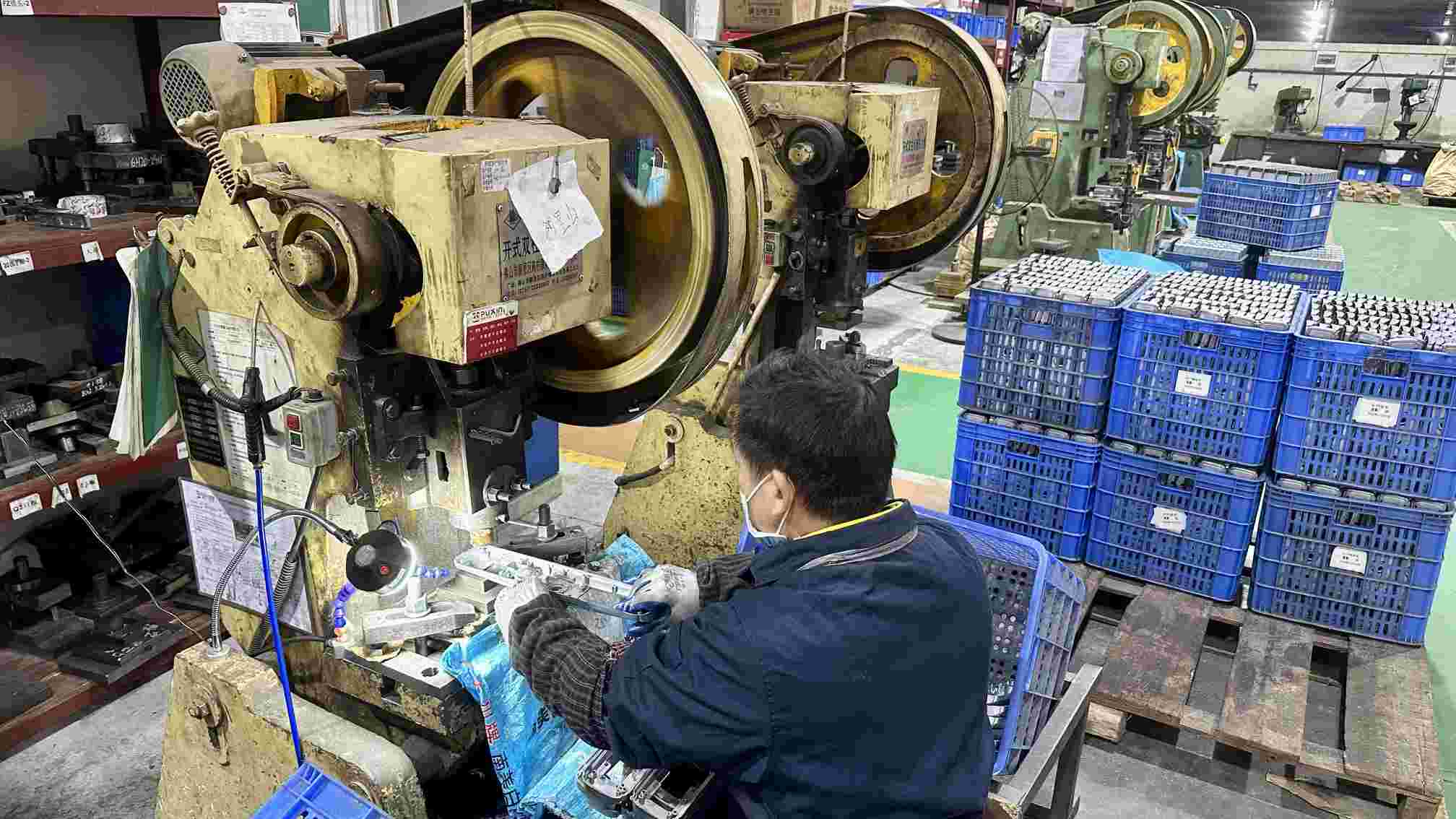
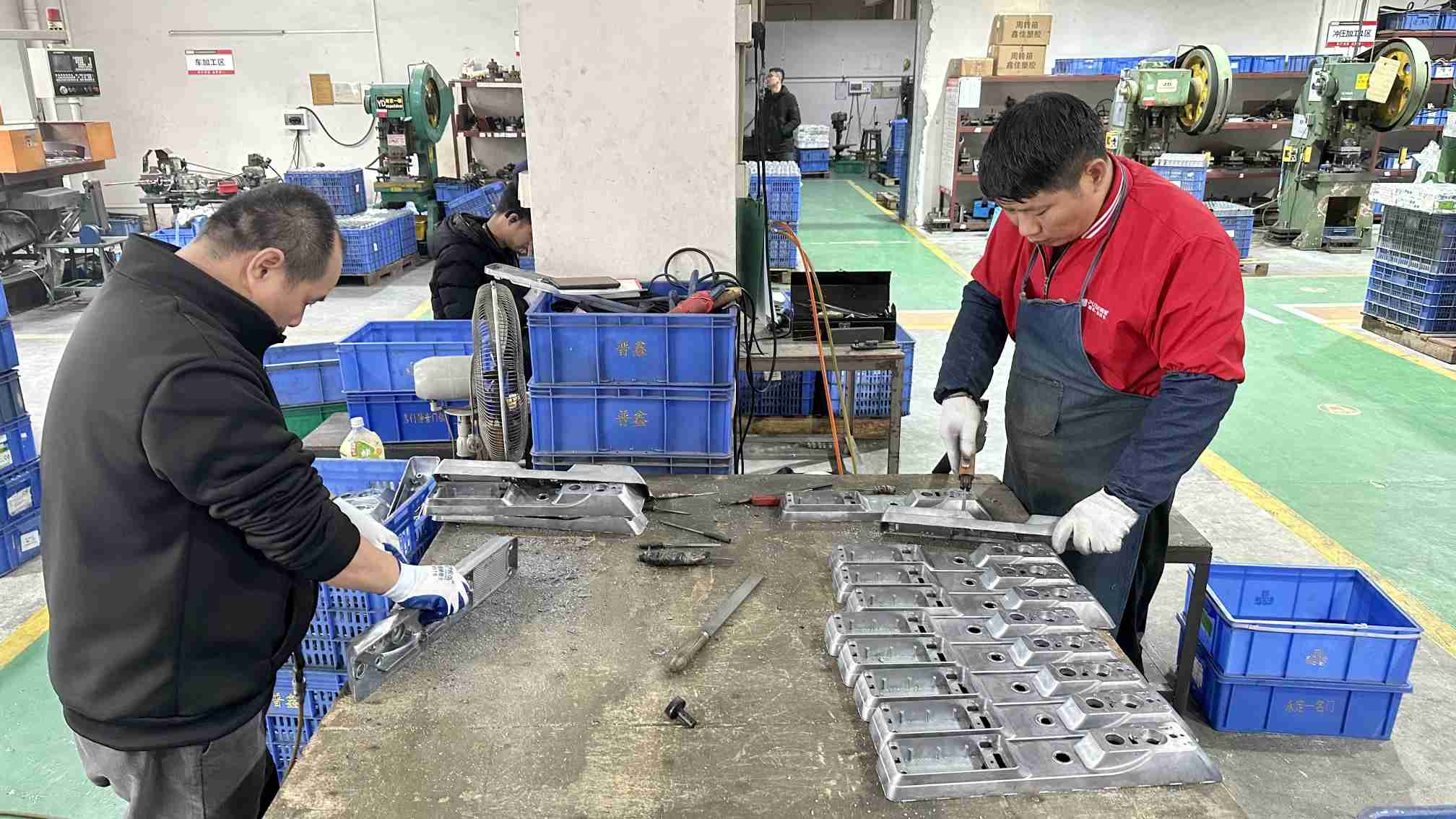
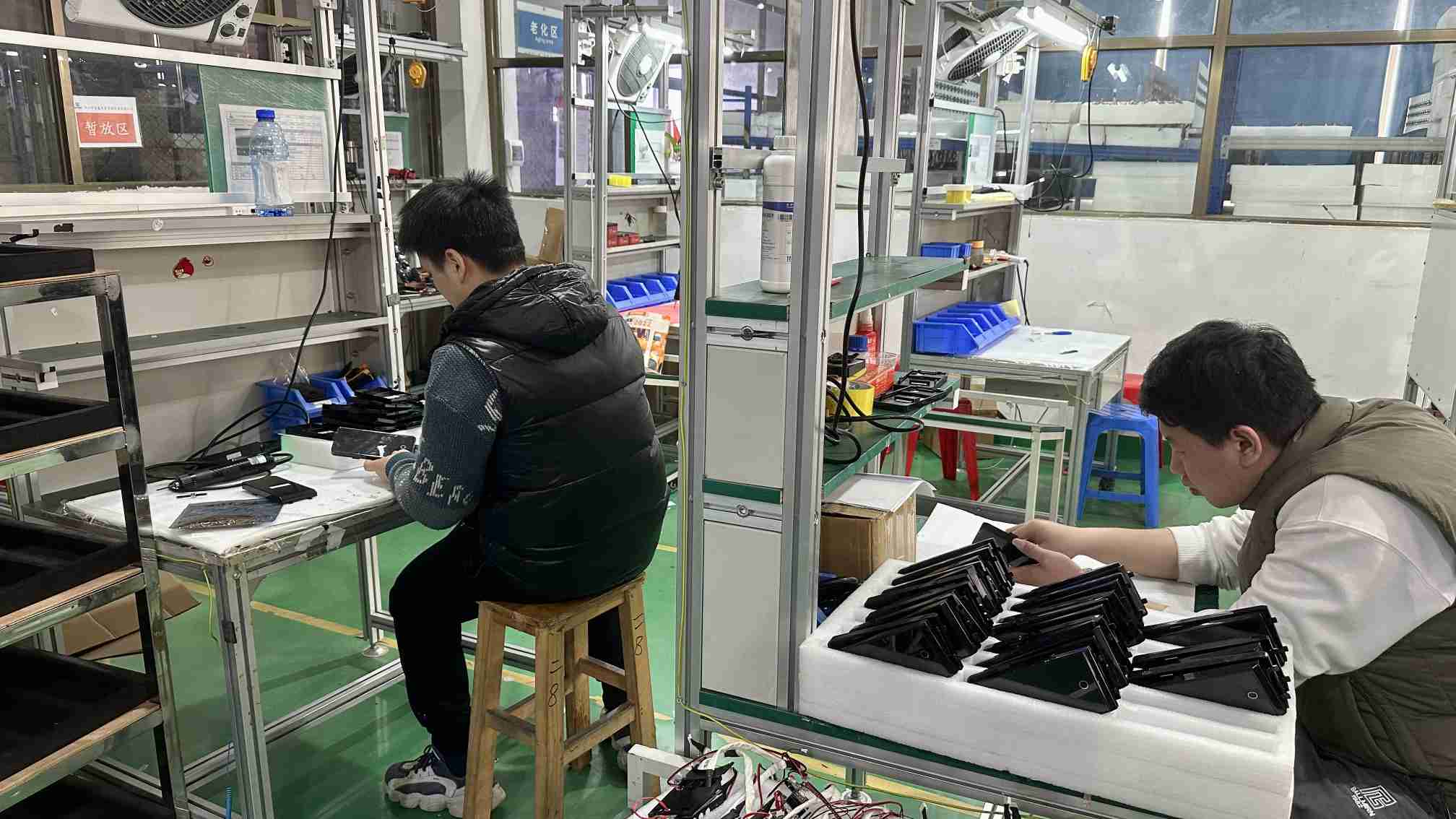
In B2B purchasing, selecting a smart deadbolt supplier goes beyond simple aesthetic matching. Real commercial viability is determined by structural performance, component lifetime, and API/SDK capabilities. Whether installing locks across multi-family residential complexes or scaling access control for office spaces, developers need to look at specific mechanical and electronic details.
The core of deadbolt security is the structural frame. Modern casting methods use specialized zinc alloys or heavy-duty brass. High-pressure die casting minimizes internal bubbles that can weaken metal. Heavy steel plates are integrated inside to resist sawing attacks, and free-turning hardened steel pins run through the middle of the deadbolt so any attempt to saw through it simply spins the core pin instead of cutting the bolt.
Equally critical is the torque resistance of the clutch assembly. Many low-grade electronic locks fail when force is applied to the exterior handle. To prevent this, premium systems decouple the handle from the bolt locking mechanism when locked. This means any rotational force applied to the handle spins freely without putting pressure on the lock cylinder inside.
Reliable keyless locks need more than just standard software APIs; they require secure hardware architectures. Standard smart lock microcontrollers (MCUs) are often vulnerable to direct physical attacks. To solve this, advanced smart deadbolts use dedicated secure-element chips. These chips handle encryption algorithms locally, preventing unauthorized reads of fingerprint data or access codes.
For communication, dynamic tokens and rolling codes prevent key interception attacks. The Bluetooth or Wi-Fi handshake uses AES-GCM 128-bit or 256-bit encryption. The lock generates a randomized challenge token for each transmission, meaning any intercepted signals cannot be replayed later to open the lock.
Real-world use scenarios vary widely, requiring flexible access control systems. Hotel locks need check-in integrated software (like PMS systems) that can write to temporary card keys, while co-working offices require real-time cloud management to revoke access immediately when a contract ends. Premium systems use local edge processing, storing up to 100 fingerprints and 150 access codes directly in the lock. This ensures access functions normally even if local Wi-Fi or cellular networks go down.
Additionally, modern smart deadbolt setups integrate seamlessly with major platform ecosystems such as Tuya and TTLock, allowing developers to deploy locks internationally without needing to build custom cloud architectures from scratch. Using these established cloud networks ensures high uptime, secure server connections, and ready-to-use apps for end users.
Get professional, technical answers to common queries regarding OEM/ODM smart lock engineering, logistics, and capabilities.
A standard OEM/ODM development process ranges from 60 to 90 days. This includes initial concept engineering, industrial design rendering, 3D printing rapid prototyping, mold tool design, and initial casting tests. Once the structural and PCB electronic designs are verified, mass production lines can begin delivery within 30-45 days depending on the batch size and customization depth.
Our locks use hardware-based Secure Elements (SE) that encrypt all communication with AES-128/256 standards. Bluetooth and Wi-Fi networks use dynamic rolling codes, preventing replay attacks where interceptors record and reuse unlock signals. We also run regular security checks to patch potential firmware vulnerabilities.
Yes, our locking systems provide open API and SDK access. They integrate with major platforms like TTLock and Tuya, allowing property managers, hotels, and co-working spaces to link lock commands directly to check-in, booking, and user database systems.
Every production batch undergoes strict quality control, including aging tests, salt spray corrosion tests, and handle fatigue cycles. We design our locks for a lifespan of over 200,000 operations, and offer a standard 12 to 24-month warranty on structural hardware and electronic components.
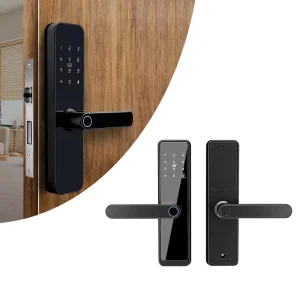
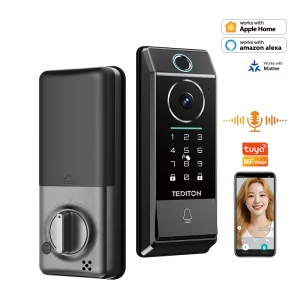
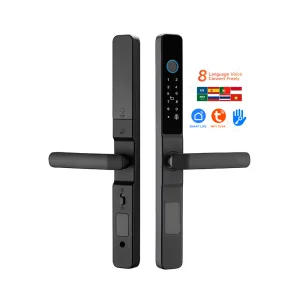
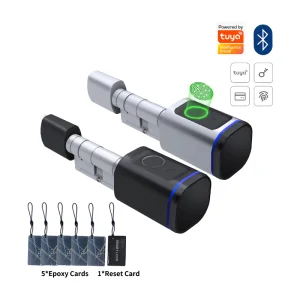
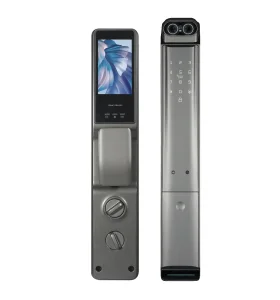
Review our extended smart locks catalog. We provide complete manufacturing services for every model, including custom colors, logos, and custom structural designs.
 Wipan Lock