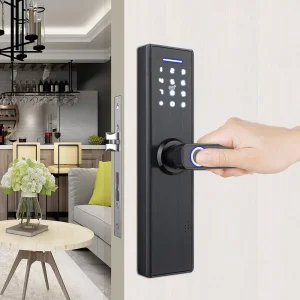
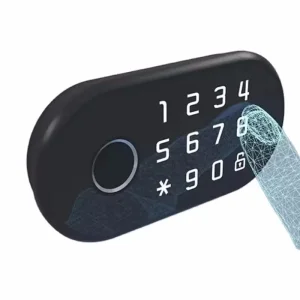
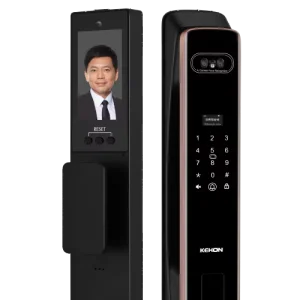
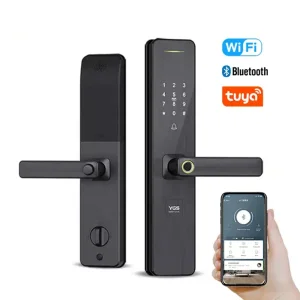
Explore our cutting-edge electronic locksets engineered for high security, commercial endurance, and seamless connectivity. These units integrate advanced biometrics, local Bluetooth/Wi-Fi links, and RFID encryption protocols.
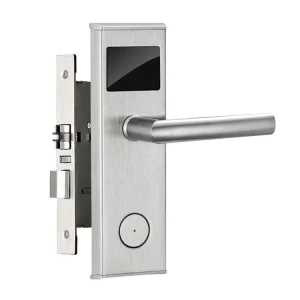
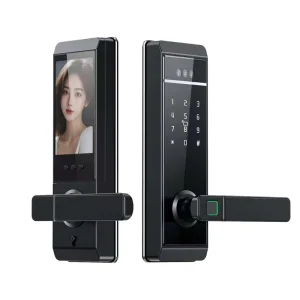
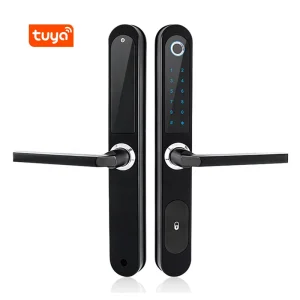
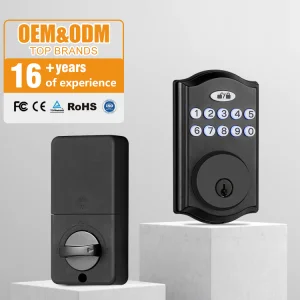
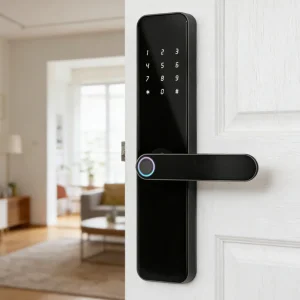
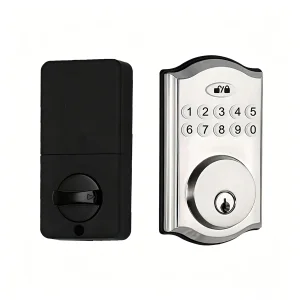
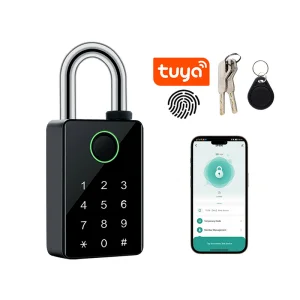
The global transition from mechanical door hardware to enterprise-grade smart lock systems is accelerating. Modern commercial and multi-family structures no longer rely on physical brass keys. Keyless entry hardware represents a convergence of physical security, cloud management, and low-latency local communication protocols. Key drivers behind this massive paradigm shift include the scaling of real estate operations, the rise of short-term rental networks, and the mandate for unified corporate identity management.
According to industry research, the global market for keyless locks is expected to exceed USD 8.2 Billion by 2030. Large enterprises are investing heavily in access control hardware that supports multiple authentication factors, including biometric templates, encrypted RFID sub-carrier signals, and cloud-signed digital tokens. China's Pearl River Delta, spearheaded by technology hubs like Shenzhen, acts as the world's premier production pipeline, providing over 70% of global smart lock components and fully-assembled units. These devices meet strict international architectural standards, such as ANSI Grade 1 and Grade 2 certifications.
Shenzhen Wipan Lock Co., Ltd. is an established, professional manufacturer specializing in smart locking systems and advanced access control solutions. With years of deep engineering experience in the electronic lock industry, Wipan has become an authoritative partner for hotels, co-living apartments, commercial offices, educational institutions, healthcare facilities, and heavy industrial facilities globally.
We offer fully-customized firmware builds, custom cosmetic housing finishes (including physical vapor deposition (PVD) and micro-textured powder coating), and deeply integrated SDKs for client access management systems.
Every batch of smart deadbolts, mortises, and cabinet locksets undergoes rigorous mechanical stress testing, salt-spray exposure testing (to verify corrosion resistance), and automated electrostatic discharge (ESD) testing.
Our products conform to major international compliance mandates, including CE, FCC, RoHS, and EN12209 standards. We export to diverse markets across the Americas, the European Union, the Middle East, and APAC.
Our core goal is to deliver smarter, safer, and highly intuitive access solutions for people and enterprises around the globe. By constantly investing in hardware engineering and software security, we create value-focused security solutions that help businesses and homeowners transition smoothly to keyless environments.
At Wipan, we bring together leading R&D teams consisting of embedded systems programmers, wireless communication engineers, mechanical product designers, and quality assurance specialists. We maintain open communication and work closely with local locksmith networks, architectural designers, and systems integrators to continuously optimize product performance and physical structural layouts.
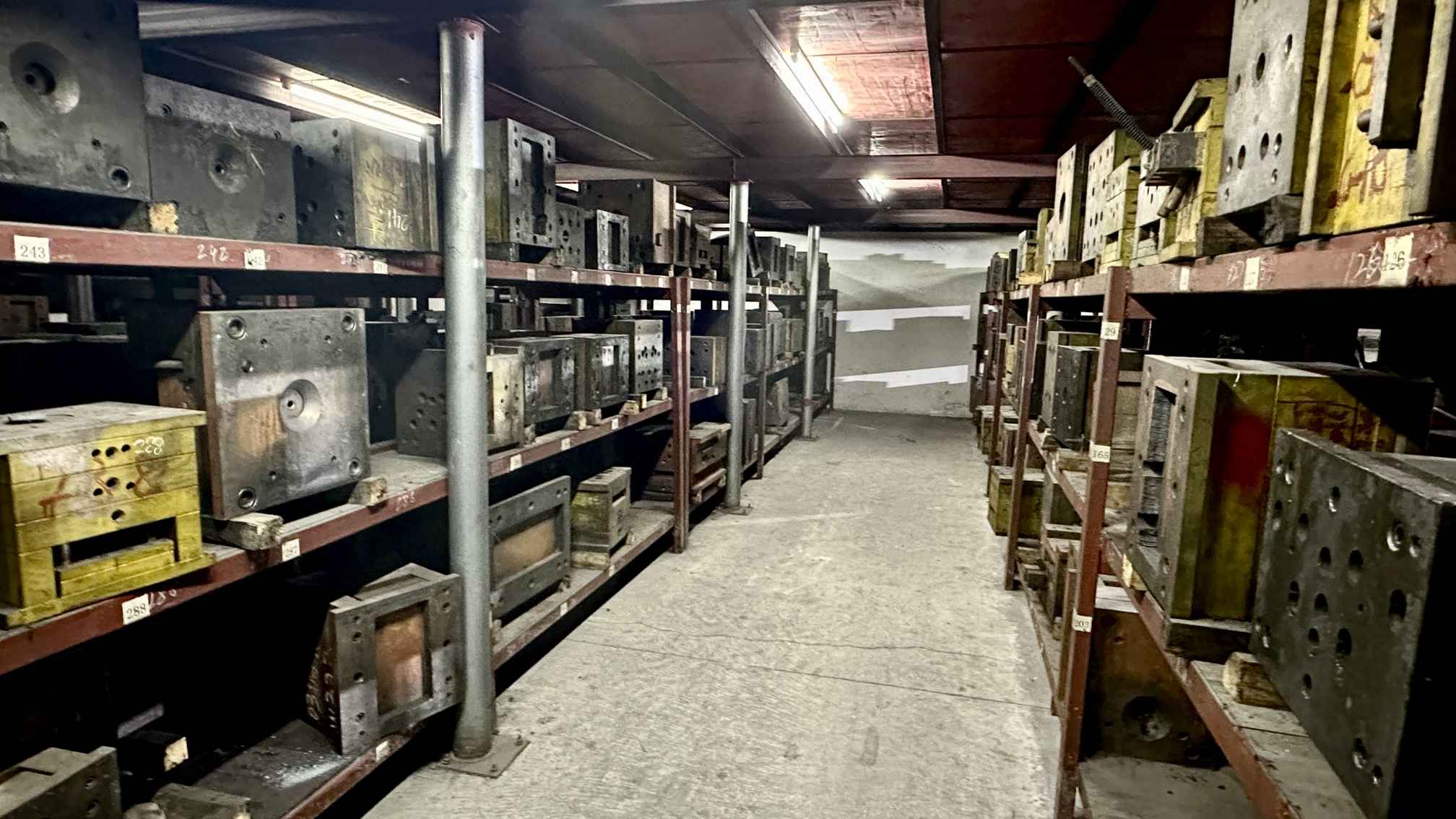
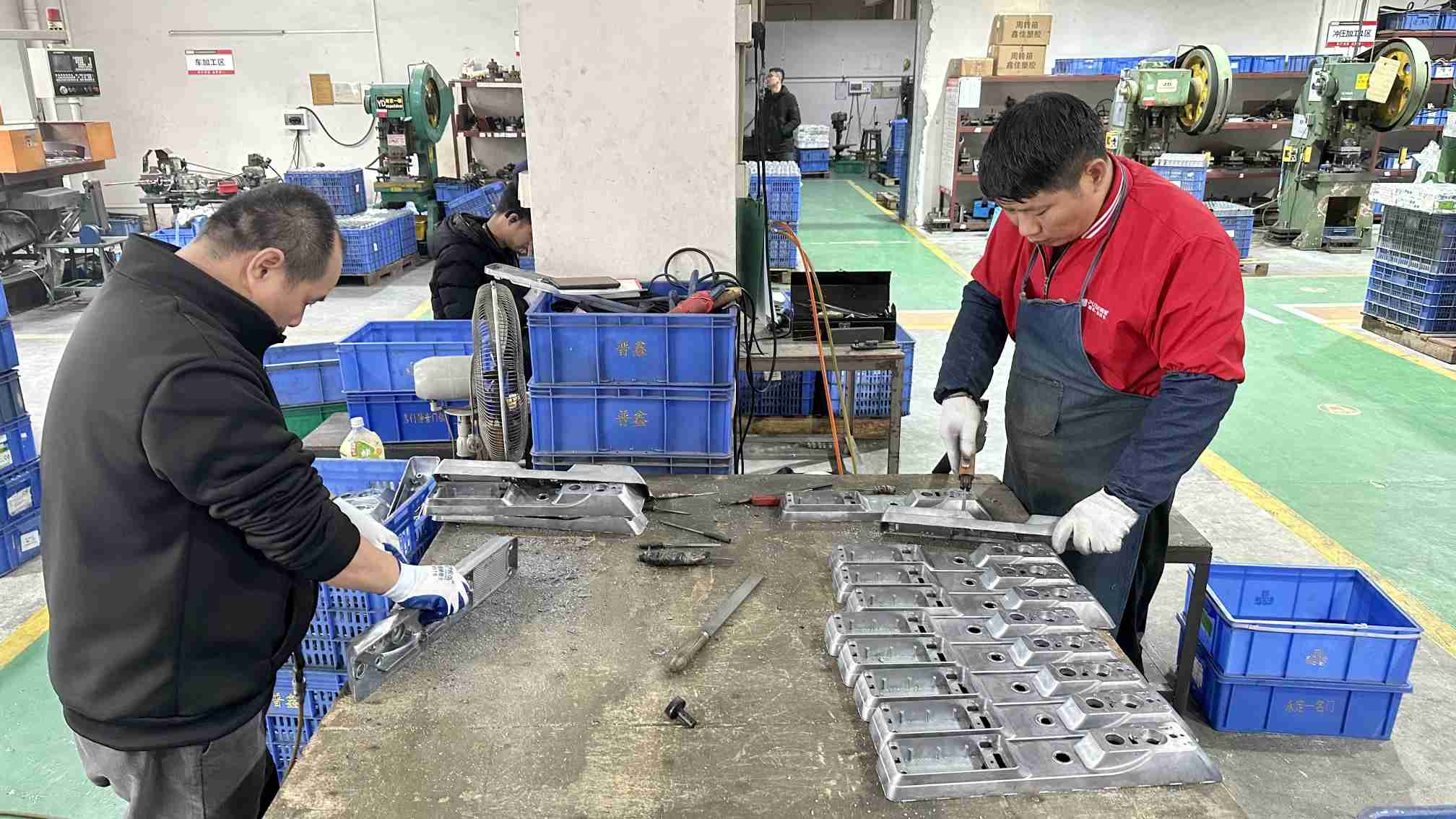
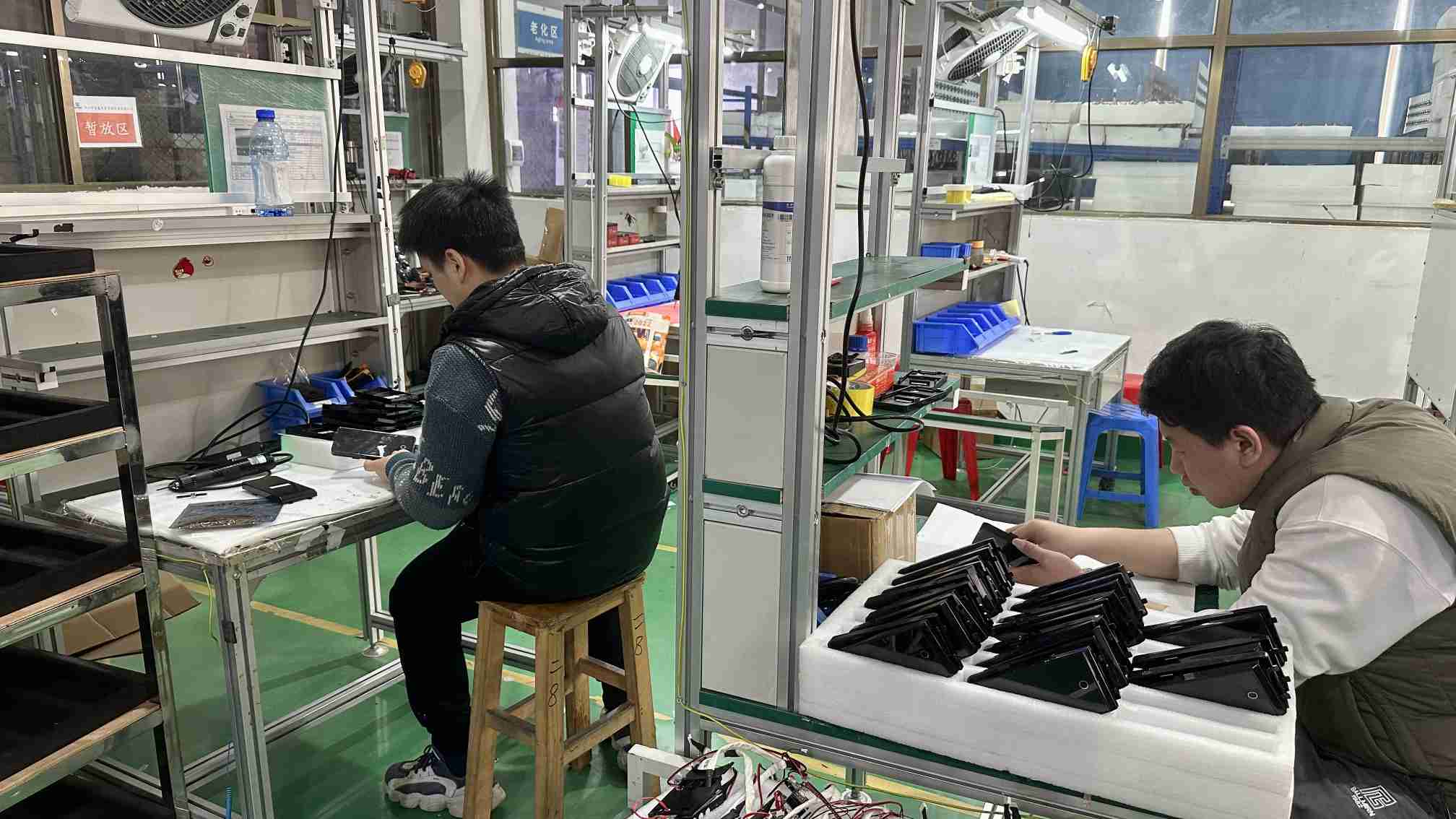
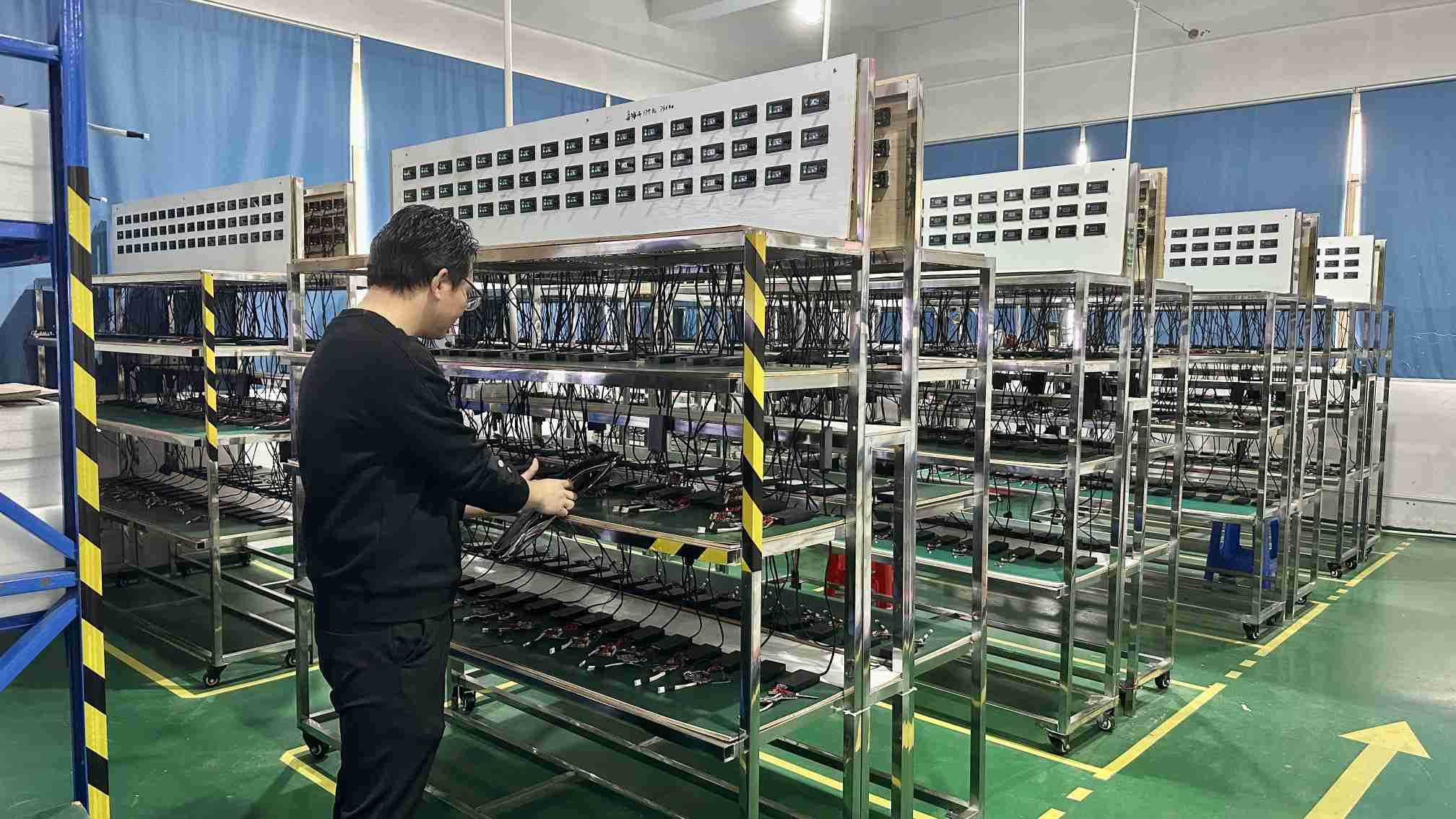
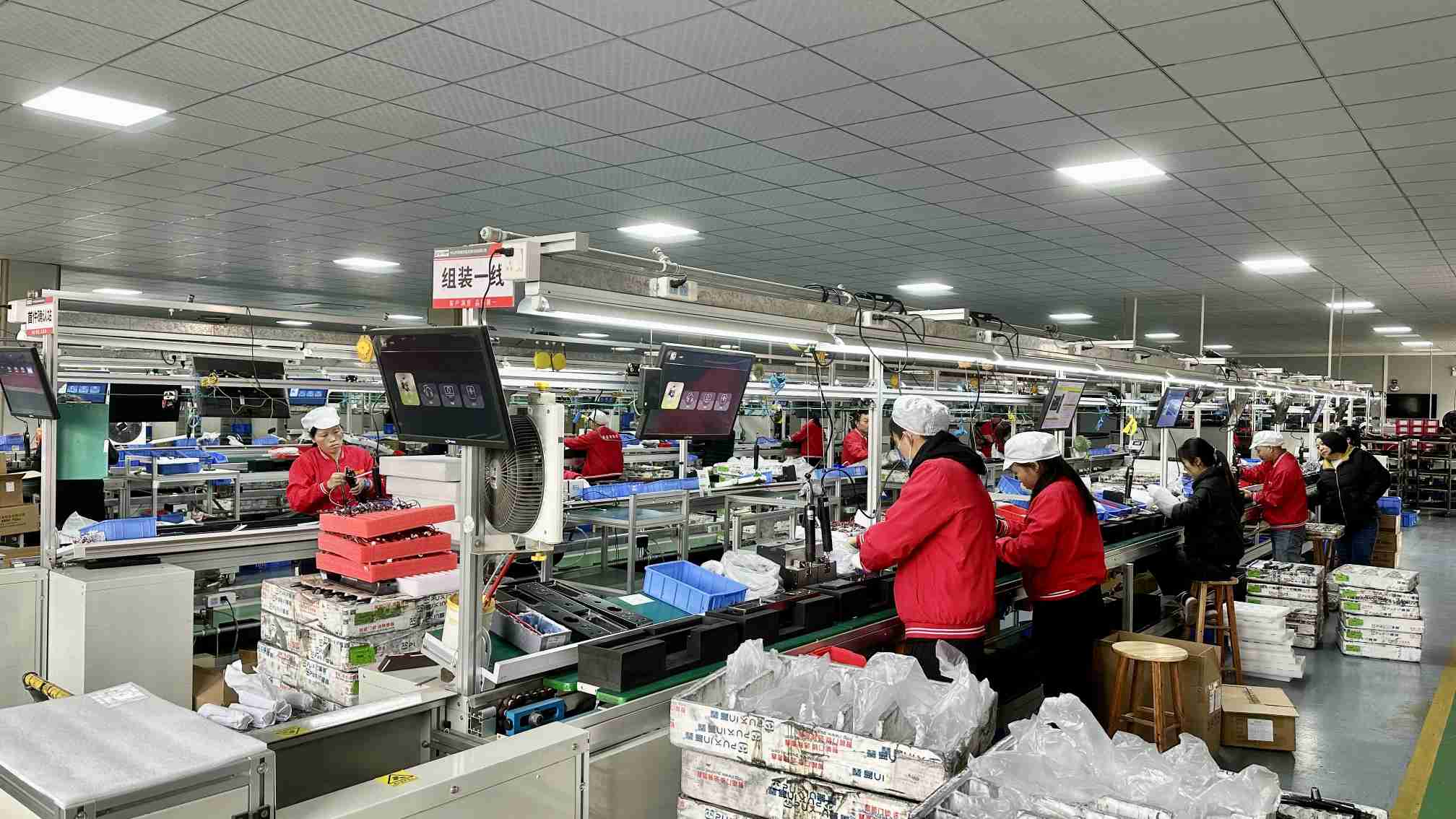
Our advanced smart lock production line combines heavy-duty industrial machinery with state-of-the-art electronics assembly cleanrooms. We strictly monitor every stage of production, from initial raw material casting to functional system aging.
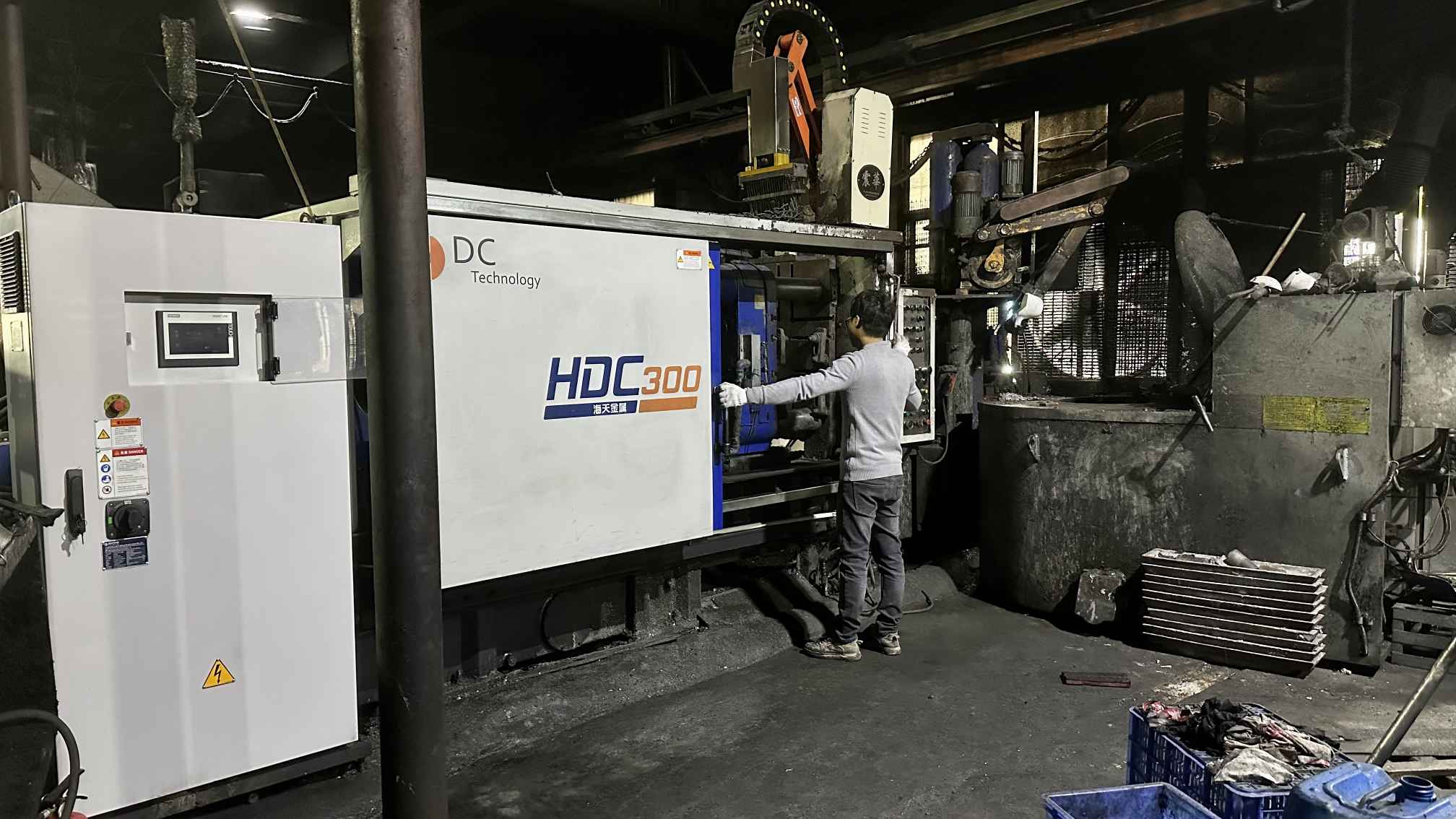

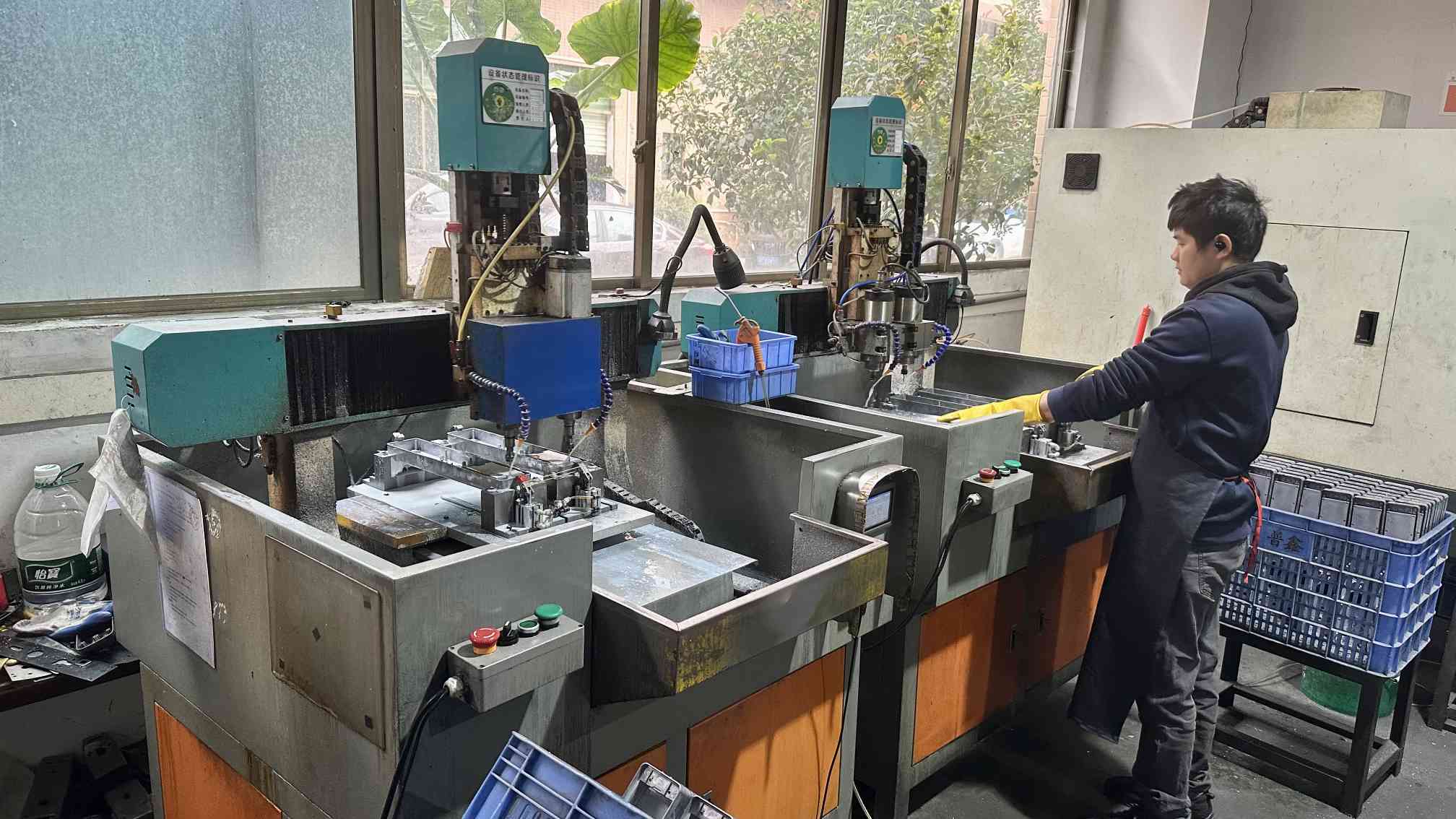
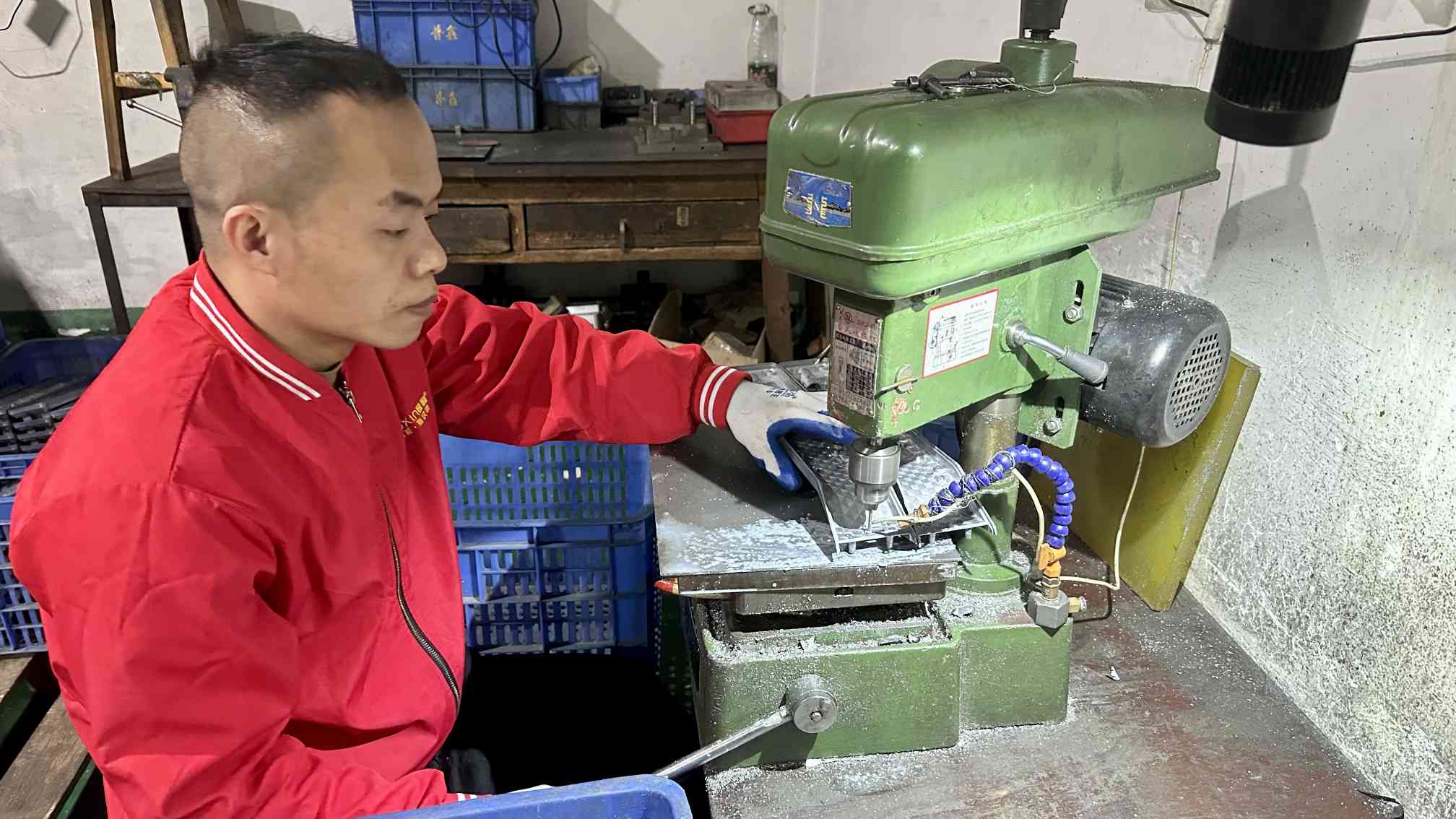
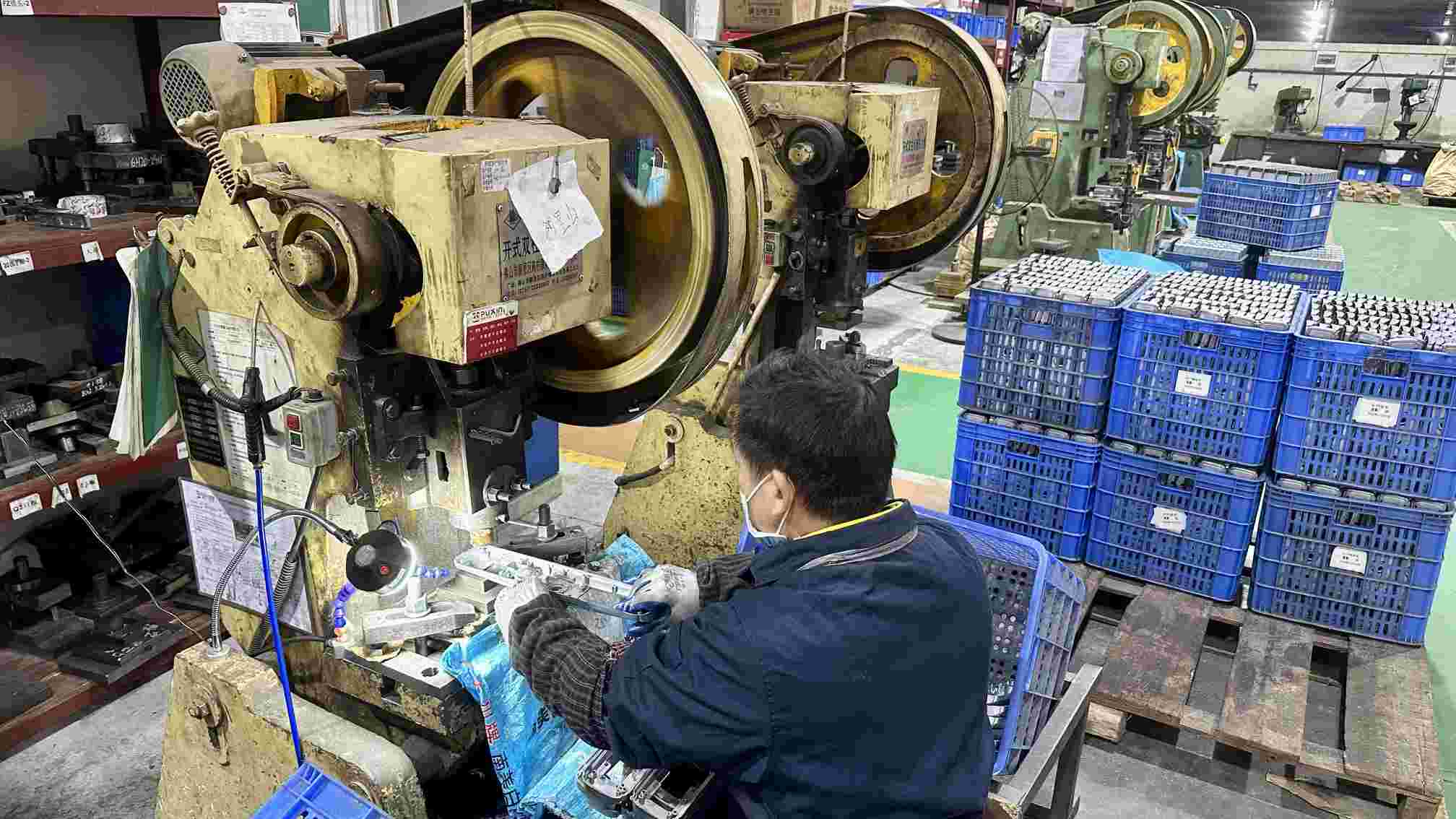
The integration of IoT frameworks with advanced mechanical hardware has established a new roadmap for smart locking platforms. When designing smart locks, manufacturers focus on three key developmental vectors: wireless integration, biometric authentication speed, and energy conservation.
Legacy systems depended on localized RF frequencies (such as 13.56 MHz Mifare or proprietary 433 MHz rolling codes). Modern setups use a combination of Bluetooth Low Energy (BLE 5.2), Wi-Fi, and Zigbee. The industry is currently moving towards Matter over Thread. This standard guarantees cross-brand compatibility and enables low-power mesh configurations, allowing smart locks to communicate directly with other smart home devices without requiring proprietary bridges.
Traditional capacitive fingerprint sensors are increasingly being replaced by 3D Structured Light Facial Recognition and Palm Vein Recognition. By reading subcutaneous vein structures or constructing a high-resolution 3D facial depth map, these biometric readers prevent unauthorized access attempts using photos or high-fidelity replicas. Modern locks execute these checks locally on low-power neural processors in under 0.5 seconds.
Minimizing power consumption is a key focus for battery-powered smart hardware. Advanced microcontrollers (MCUs) utilize deep-sleep modes, drawing less than 15 microamps when idle. They only wake up when triggered by a capacitive touch sensor, a radar-based proximity sensor, or an active wireless signal. This allows modern locking mechanisms to operate for over 12 months on standard AA alkaline or lithium cells.
Smart locking solutions are highly customizable and can be tailored to meet the operational needs of different business environments.
For hotels and apartments, physical key card systems can be expensive and inefficient to manage. Property managers can instead issue temporary PIN codes or time-restricted mobile keys. Wipan's hotel access control systems utilize T57 or M1 RFID chips. These systems connect with PMS platforms to dynamically generate check-in and check-out permissions, eliminating the need for front-desk handovers.
Modern office hubs require multi-layered security. Incorporating access solutions with biometric verification and centralized network management allows IT departments to track personnel movement in real time. Through cloud integrations, managers can instantly revoke employee access, configure specific daytime access modes, and download detailed entry logs for audit compliance.
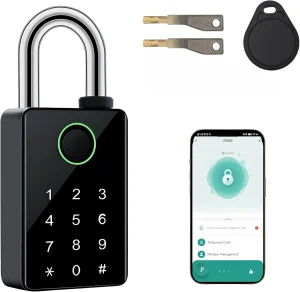
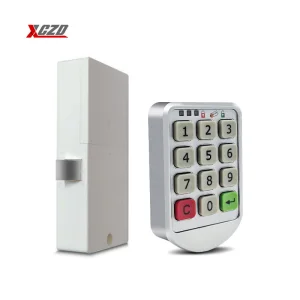
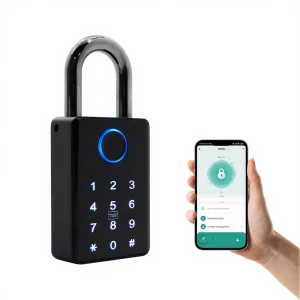
Outdoor utility boxes, telecommunication base stations, and school lockers face harsh weather conditions and physical tampering risks. Wipan's rugged, waterproof smart padlocks and cabinet locks feature IP66/IP68 ingress ratings and robust zinc alloy housings. These designs protect the lock internals against dust, heavy rain, and physical impact.
Here are detailed technical answers to some of the most common questions regarding keyless access hardware, installation protocols, and systemic network integrations.
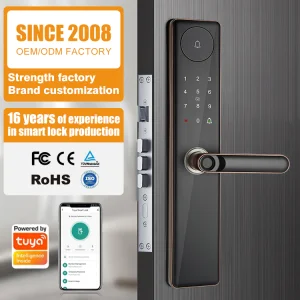
Explore our additional lock models, including light commercial keyless padlocks, electronic school locker locksets, facial recognition handles, and heavy-duty gate deadbolts.
 Wipan Lock