High-security digital access control solutions designed for versatile application scenarios, from premium residential properties to robust utility infrastructure.
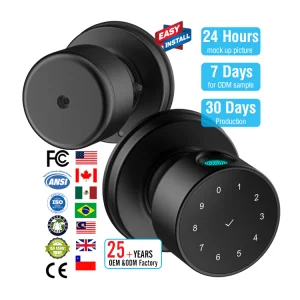
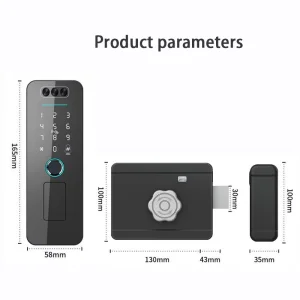
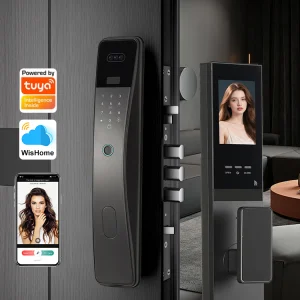
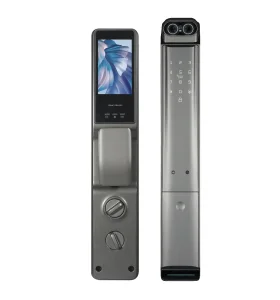
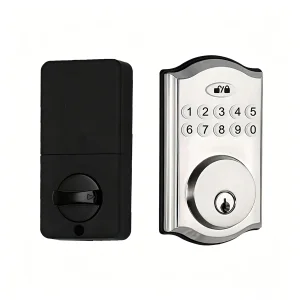
Shenzhen Wipan Lock Co., Ltd. is an industry-leading, professional manufacturer specializing in architectural smart locking systems and advanced physical access control solutions. With years of deep engineering and manufacturing expertise within the electronic lock landscape, Wipan has emerged as a premier globally trusted OEM/ODM partner. We serve hotels, rental apartments, commercial offices, educational facilities, healthcare institutions, and large-scale residential infrastructure projects worldwide.
More than a hardware vendor, Wipan delivers end-to-end access intelligence. Our capabilities span conceptual design, full-stack research and development (R&D), advanced hardware fabrication, strict quality assurance, brand customization, global supply logistics, and after-sales support. We empower B2B buyers and brand owners to deploy custom-tailored locking mechanisms that secure properties and gain strong market footprints. Driven by innovation, Wipan continuously updates automated fabrication setups, refines smart manufacturing workflows, and embeds secure, user-centric technologies across our entire lineup, which includes smart door locks, RFID hotel systems, biometric fingerprint and 3D face recognition systems, passive electronic locks, and integrated Tuya/TTLock access ecosystems.
The commercial and residential lock industry is undergoing a digital revolution. Mechanical locks are rapidly being replaced by connected, secure access systems. Modern security architectures demand physical durability combined with robust digital encryption. Key driving forces shaping this industry include:
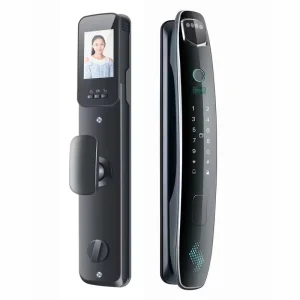
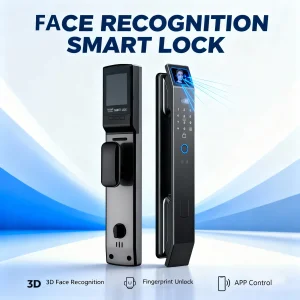
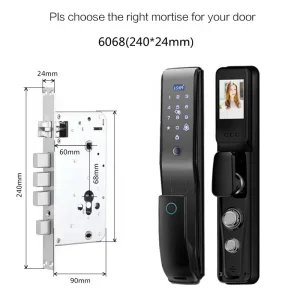
Traditional capacitive fingerprint sensors are giving way to high-reliability multi-modal authentication. Advanced 3D structured-light facial recognition and iris scanning eliminate spoofing attacks. By capturing deep spatial geometry, these systems prevent bypass attempts using high-resolution photos or physical masks.
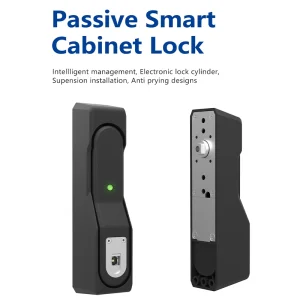
For remote, utility-scale infrastructure (e.g., electricity grids, telecommunication cabinets, and pipeline access doors), installing batteries or wiring power is impractical. The industry is adopting passive electronic locks, which extract power inductively from the user's electronic key. This design enables secure access authorization records and remote key provisioning without relying on localized battery maintenance.
Buyers expect locks to act as core nodes in wider IoT environments. Dual-connectivity protocols—combining local BLE/Zigbee networks with cloud-linked WiFi interfaces—enable real-time remote monitoring, instant virtual key creation, and automated safety routines (e.g., triggering alarm systems in case of tampering).
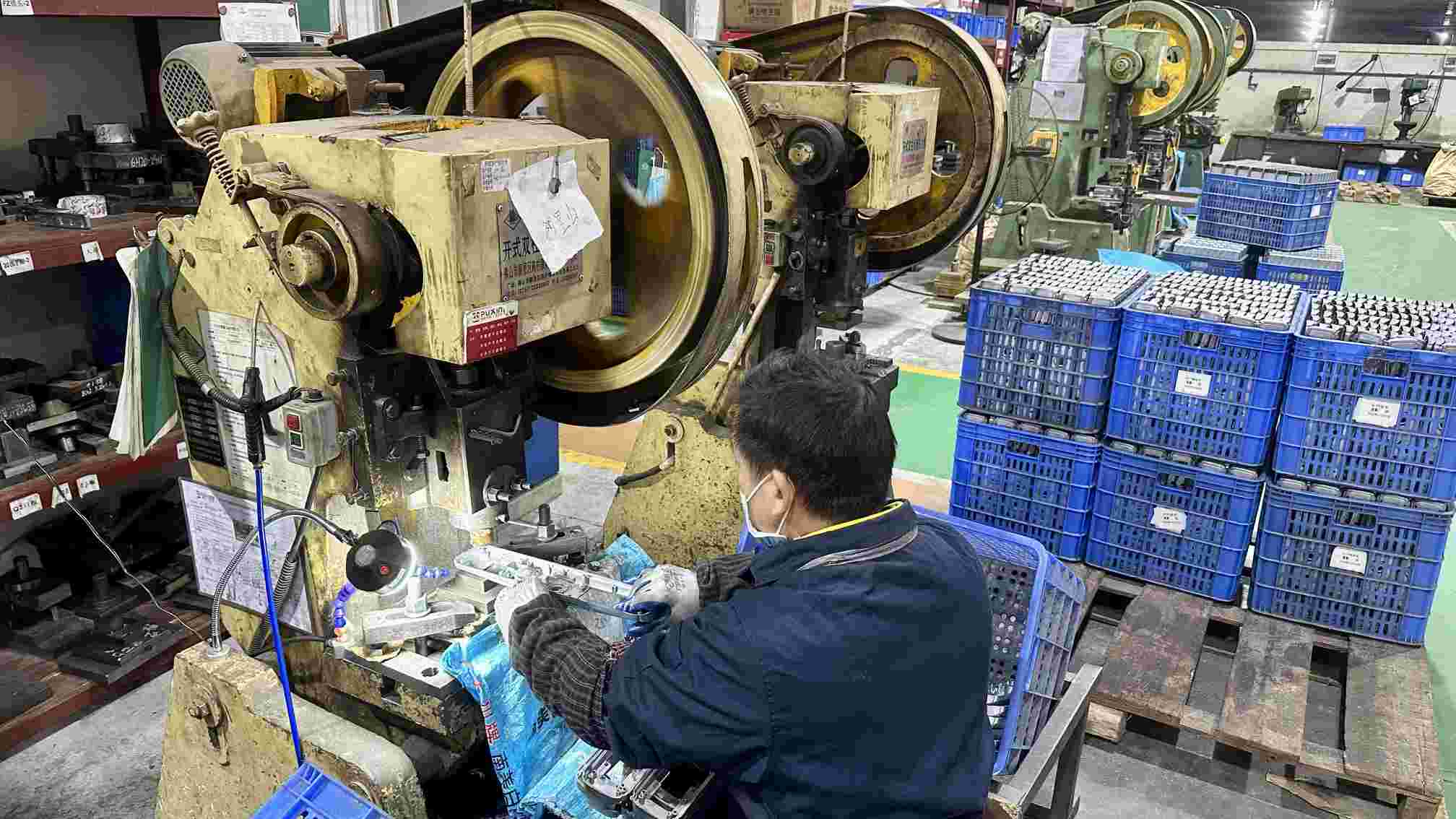
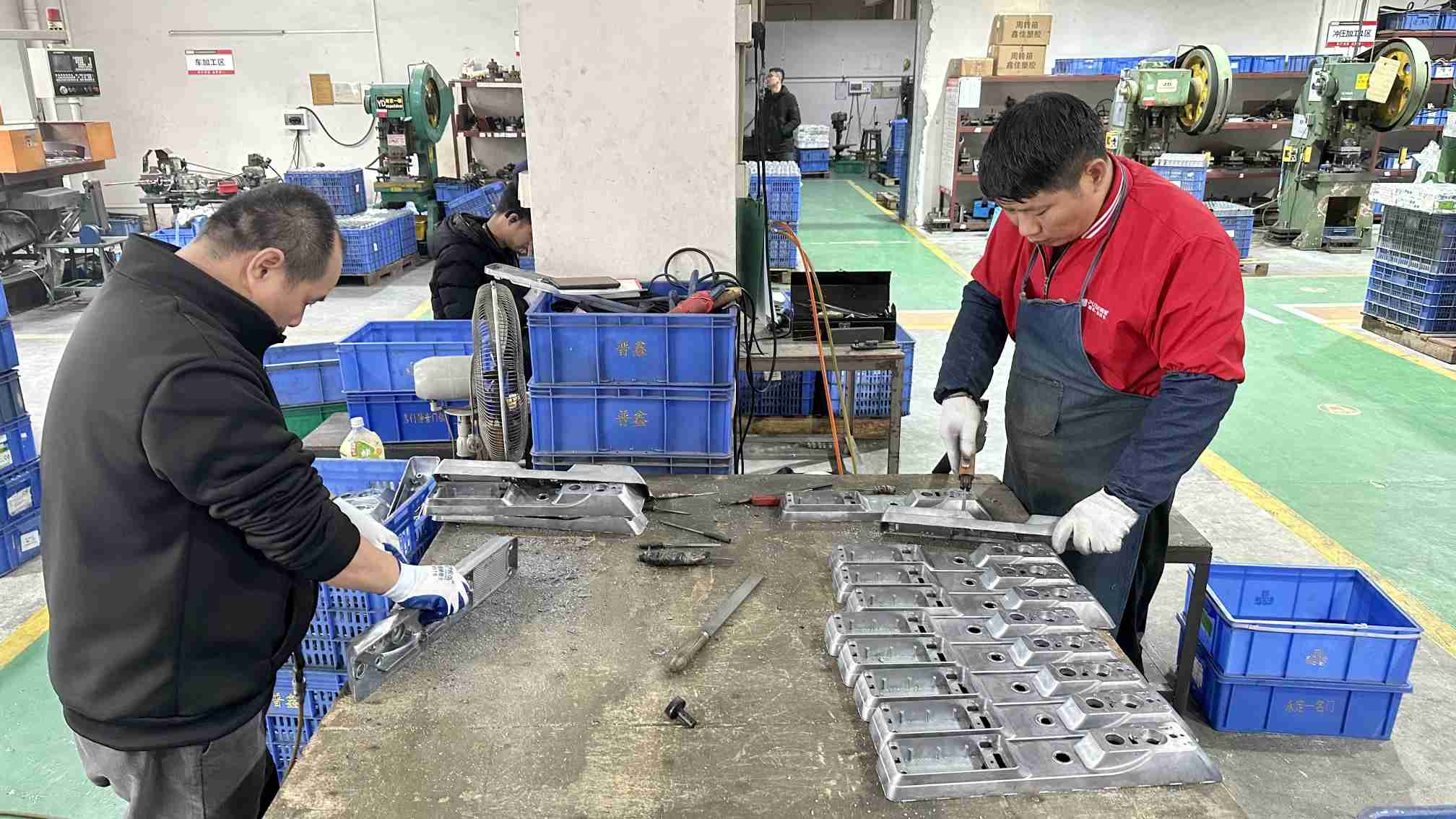
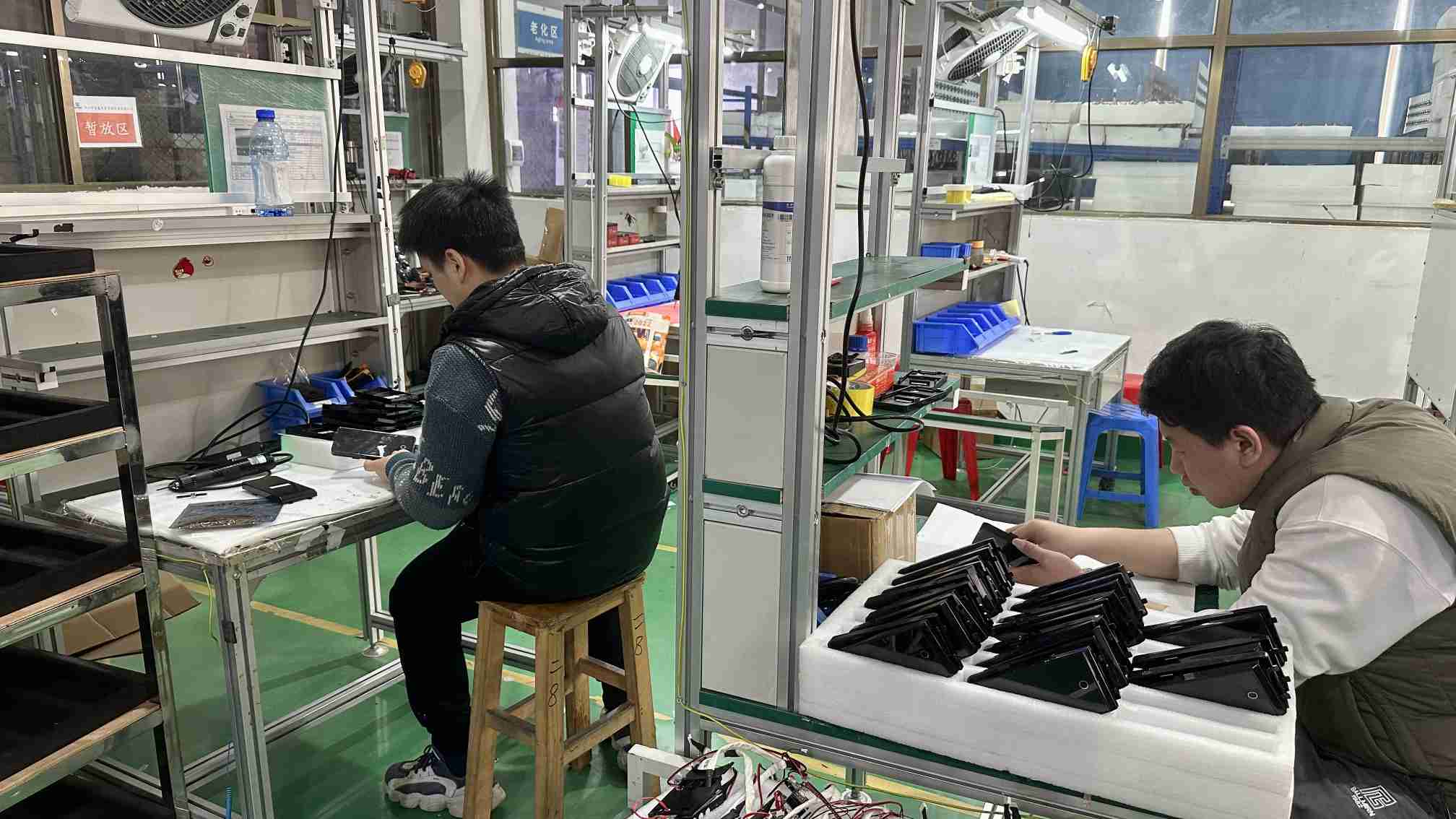
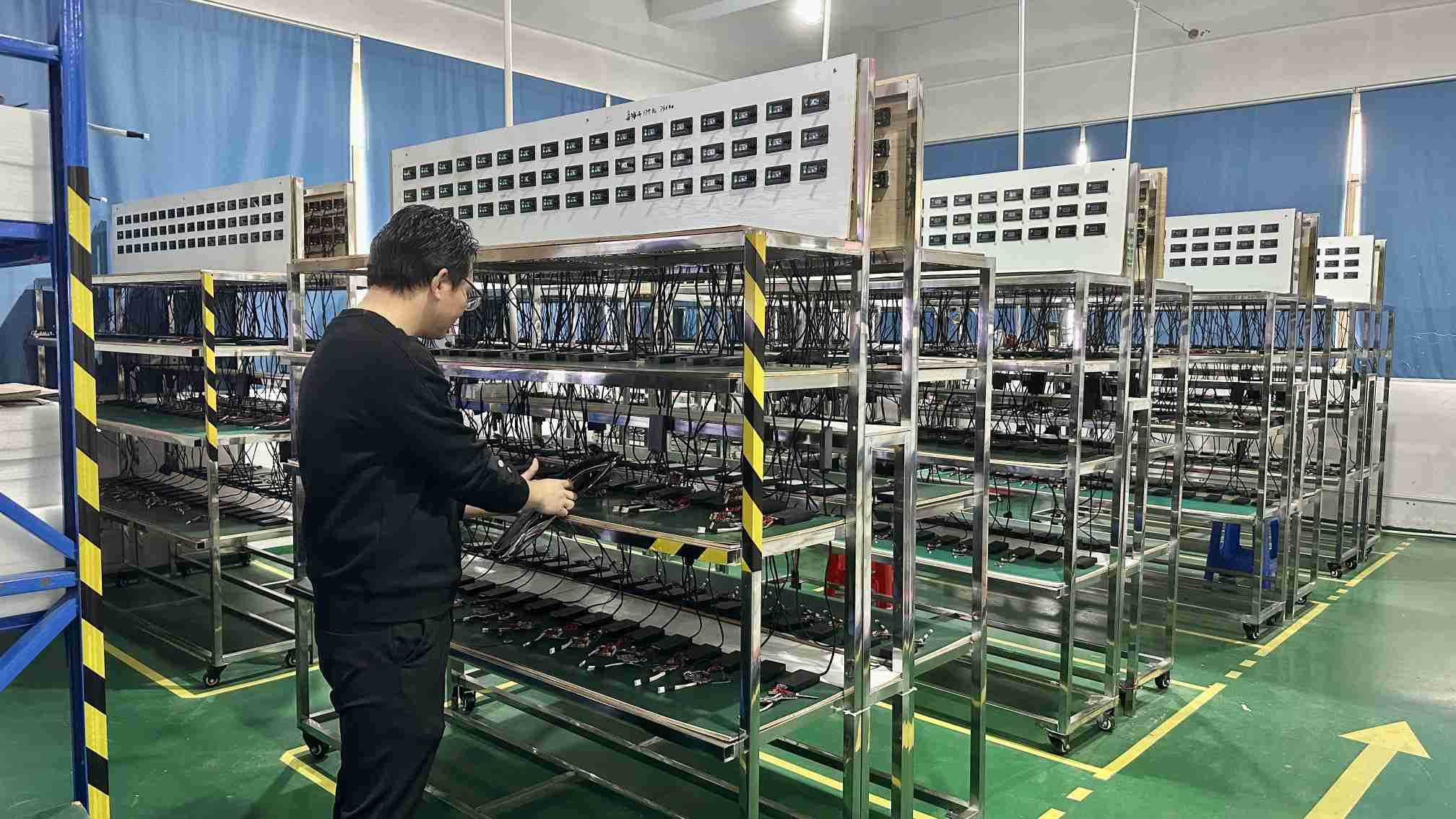
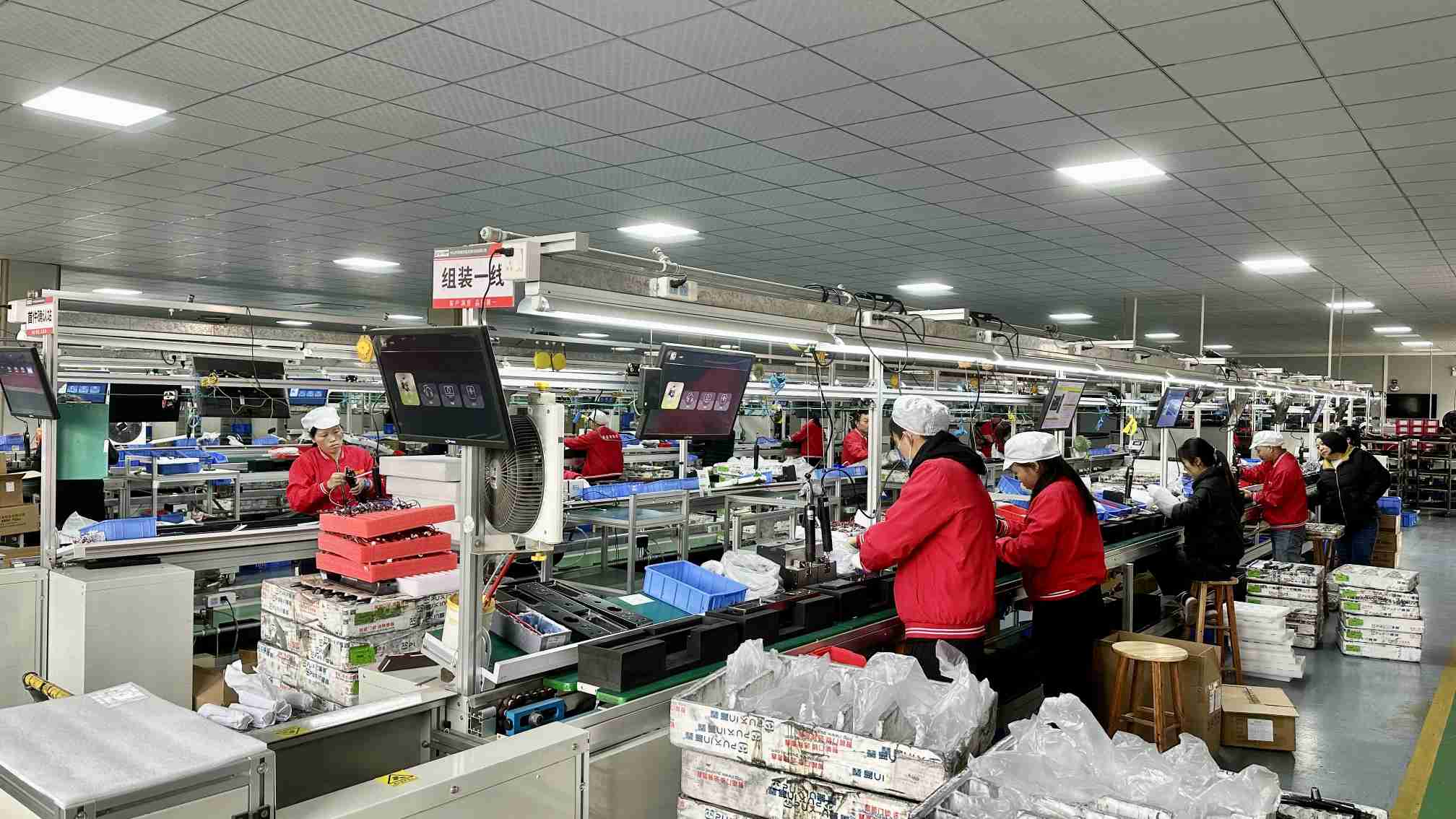
Shenzhen Wipan's advanced production facility utilizes high-precision automation and standardized quality gates to guarantee robust output for global buyers.
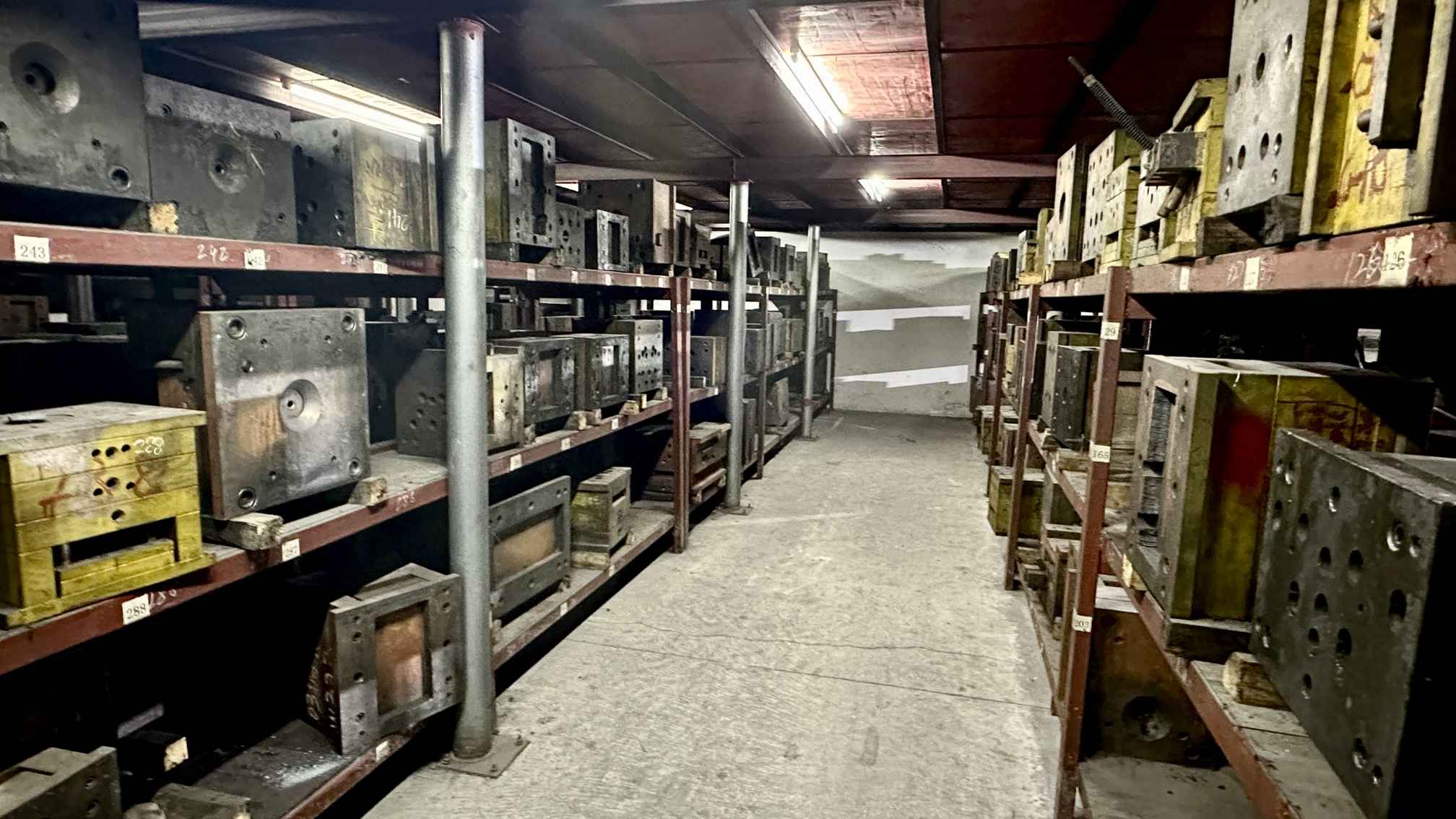
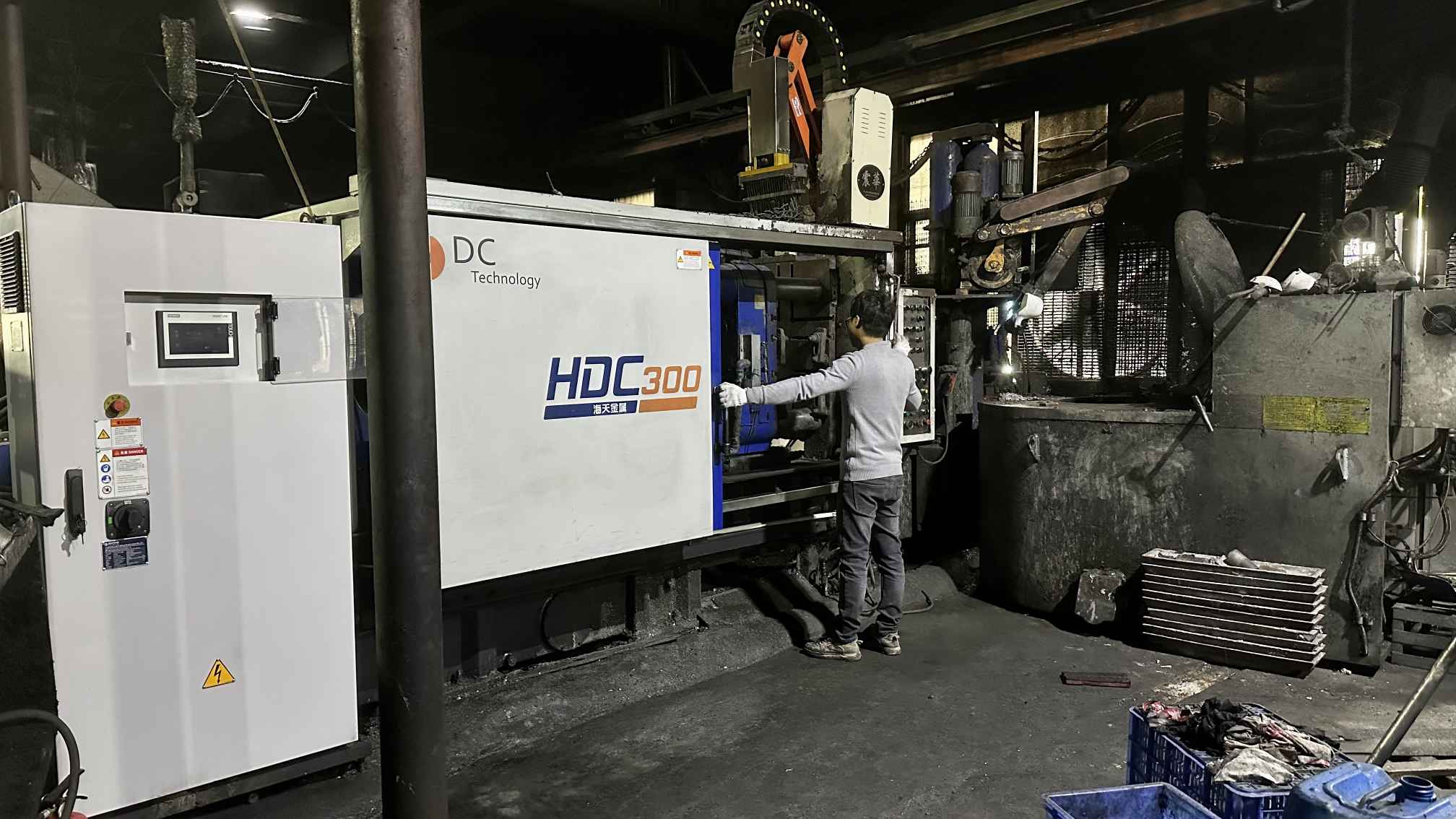


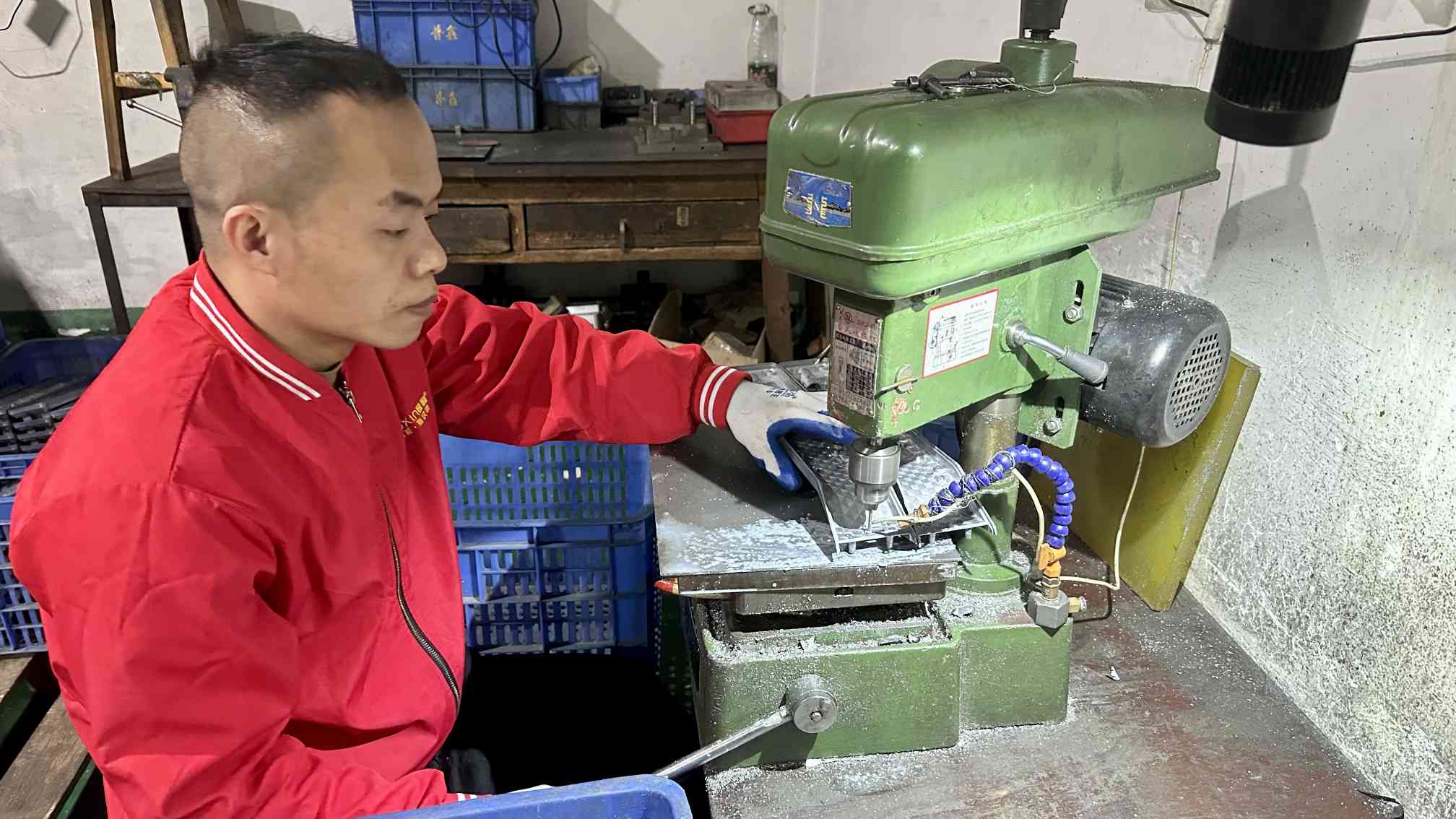
B2B buyers, including real estate developers, commercial office system integrators, and security hardware distributors, look for specific technical and operational criteria when selecting an OEM/ODM smart lock manufacturer:
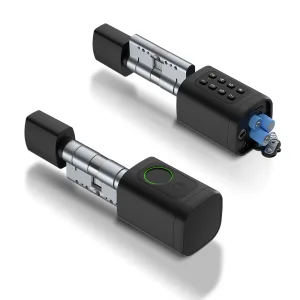
Physical security remains the foundation of lock performance. Global enterprises require high-grade anti-drill, anti-saw, and anti-pry lock bodies. Using Grade-C lock cylinders (which offer the highest level of mechanical bypass resistance) ensures properties remain secure even if the electronic components are damaged.
Connected locks must be protected against digital intrusion. Strategic buyers seek hardware with secure microcontrollers (MCUs) that run hardware-level encryption (e.g., AES-128/256) for local and over-the-air (OTA) communications. This prevents signal interception and unauthorized replay attacks.
Modern enterprises rarely run standalone smart lock applications. They require integration with Property Management Systems (PMS), human resource platforms, or hotel access suites. Wipan solves this by providing open API access and Tuya-compatible SDK modules, allowing smooth software integration.
A single lock model cannot meet all global requirements due to varying installation standards, environmental conditions, and user preferences. Wipan addresses these regional differences with specialized variations:
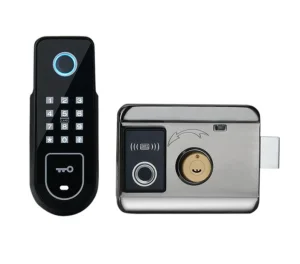
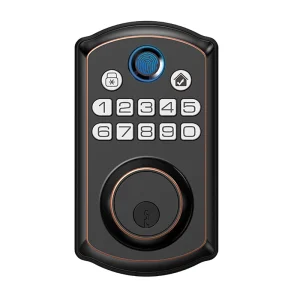
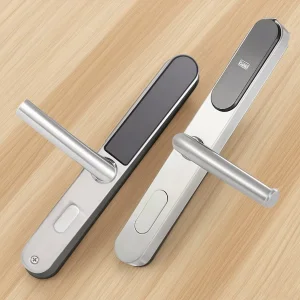
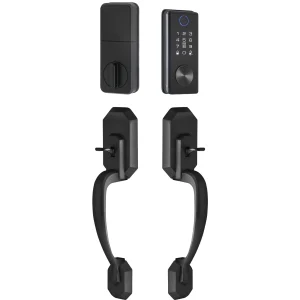
European standard doors typically require narrow-profile mortises (e.g., 3585/2885 profiles) to fit slim aluminum or composite frames. In contrast, North American configurations favor heavy-duty deadbolts. Our production line offers flexible configurations for both mortise patterns, including specialized versions with waterproof ratings (IP65+) for humid coastal environments.
In remote industrial locations, supplying power to utility boxes is difficult. Wipan's passive electronic cabinet locks utilize power transmitted directly from the key during authorization. This eliminates the need for battery replacements, keeping long-term maintenance costs low.
Properties with high turnover rates rely on cloud-issued access tokens. Wipan's Tuya-integrated Bluetooth and WiFi models let managers grant, adjust, and revoke digital entry permissions instantly through central control panels. This minimizes physical management needs and lowers operational costs.
Clear answers to technical and supply questions from enterprise buyers and system integrators.
High-performance smart locks designed for keyless office security, student dorms, and residential buildings.
 Wipan Lock