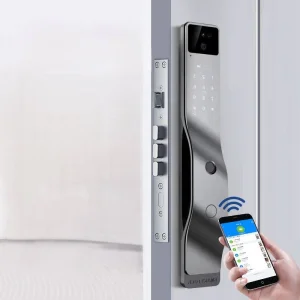
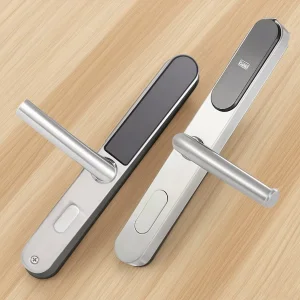
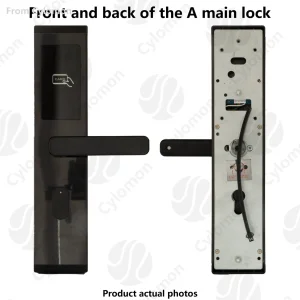
Engineered for Grade-A multi-family developments and premium hospitality projects across Southern California.
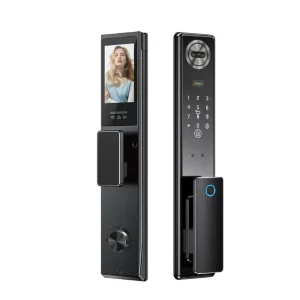
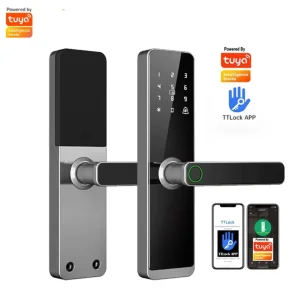
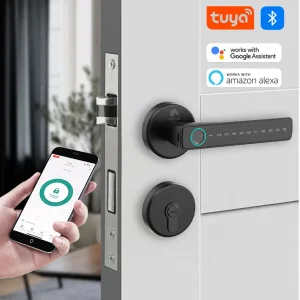
An Industrial Analysis of Physical Security and Enterprise Sourcing Trends in Greater Los Angeles and Global Metropolises
The Greater Los Angeles Area—spanning from downtown commercial skyscrapers to massive multifamily developments in Irvine, Glendale, and Santa Monica—is witnessing an unprecedented modernization in building access control. Traditional mechanical locks are rapidly being replaced by digital mortise locking systems. This trend is driven not only by tenant demand for smart-home features, but by institutional landlords aiming to reduce operational overhead related to rekeying physical locks during tenant transitions.
In dynamic markets like Silicon Beach, smart locks integrated with SaaS property management platforms are essential for co-living spaces, corporate housing, and student residences near UCLA and USC. By partnering directly with a leading digital mortise lock factory like Shenzhen Wipan Lock Co., Ltd., local building contractors, access control integrators, and security developers bypass standard distributor markups while securing hardware explicitly engineered to handle high-frequency cycle testing.
Information Gain Insight: Unlike standard tubular deadbolts commonly found in residential locksets, a digital mortise lock requires a deep rectangular pocket cut into the edge of the door. This heavy-duty mechanical chassis offers significantly higher shear resistance and is preferred by architects designing to California Building Standards Code (Title 24) and ADA accessibility requirements.
Procuring access control hardware for commercial installations in Los Angeles requires strict alignment with safety regulations. Every electronic mortise lock supplied must comply with localized building safety parameters:
| Mortise Type Standard | Common Target Applications | Standard Spindle Center Distance | Material Core Requirements |
|---|---|---|---|
| 6068 Standard Mortise | Commercial Main Entryways, High-Security Residential Gates | 68mm (Latch to Cylinder Center) | Stainless Steel / Heavy Cast Zinc Alloy |
| 5050 Standard Mortise | Interior Wooden Doors, Office Partitions, Multi-Family Rooms | 50mm (Latch to Cylinder Center) | Reinforced Galvanized Steel Housing |
| 3585 Narrow Profile Mortise | Sliding Glass Doors, Aluminum Frame Profiles, Patio Doors | 85mm (For Narrow Backsets of 35mm) | Corrosion Resistant 304 Stainless Steel |
For hardware distributors and property developers in California, sourcing directly from a vertically integrated digital lock manufacturer like Shenzhen Wipan Lock Co., Ltd. resolves key supply chain issues. While local Los Angeles hardware wholesalers hold finished inventory, they rarely possess the engineering capabilities required to adapt firmware, integrate proprietary cloud APIs (e.g., custom hospitality check-in apps), or develop bespoke hardware finishes (such as PVD satin gold or matte black).
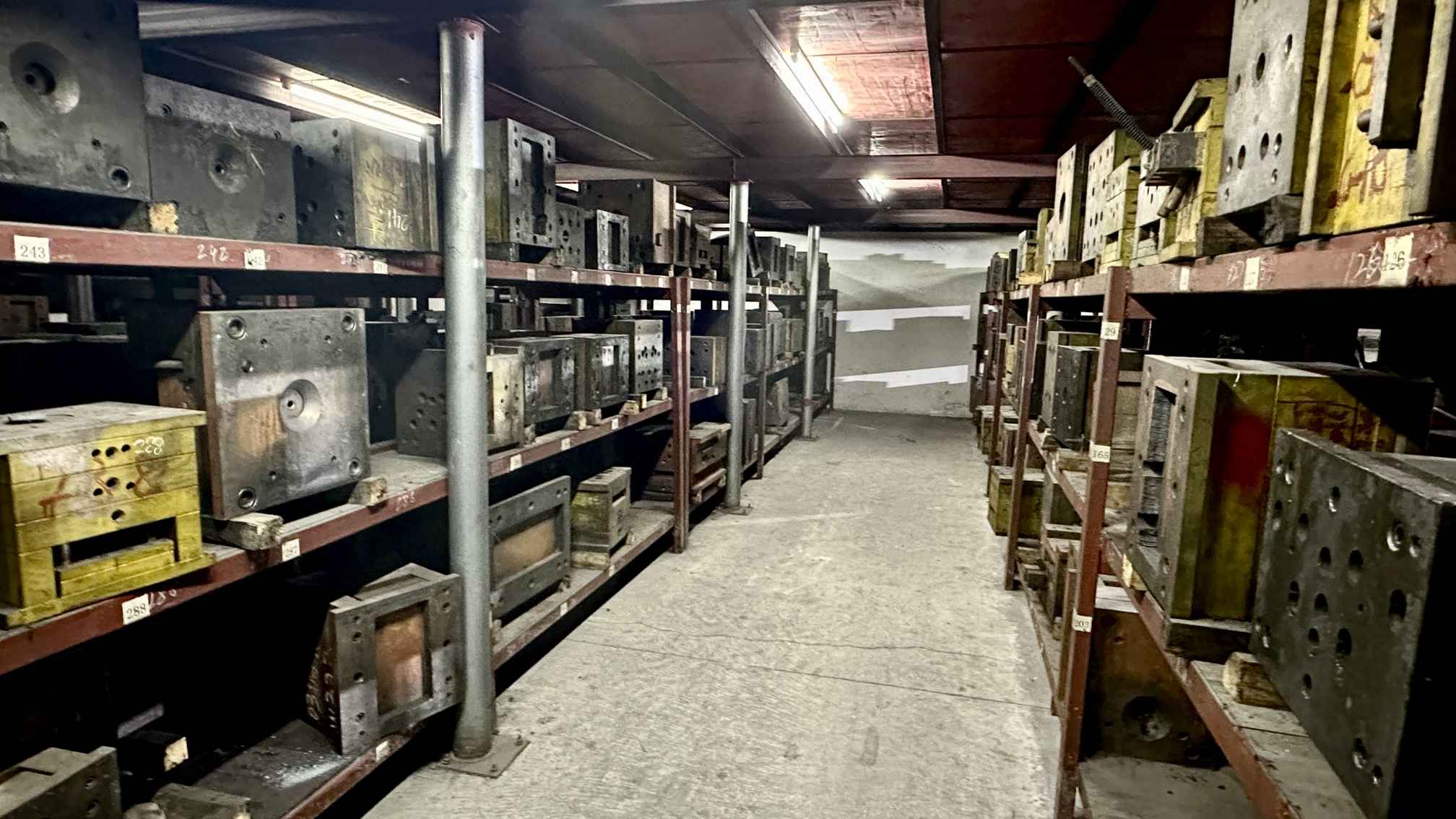
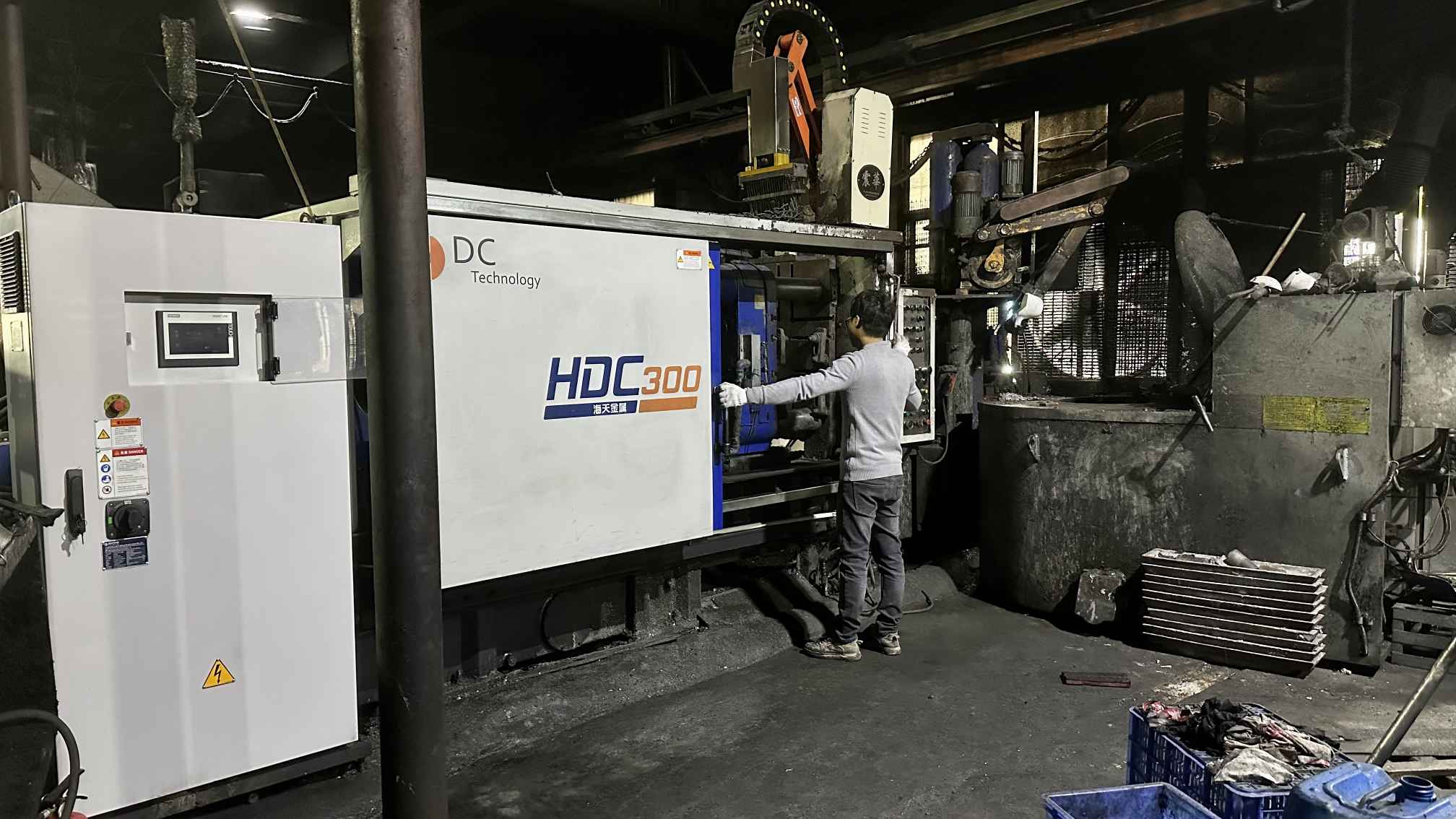
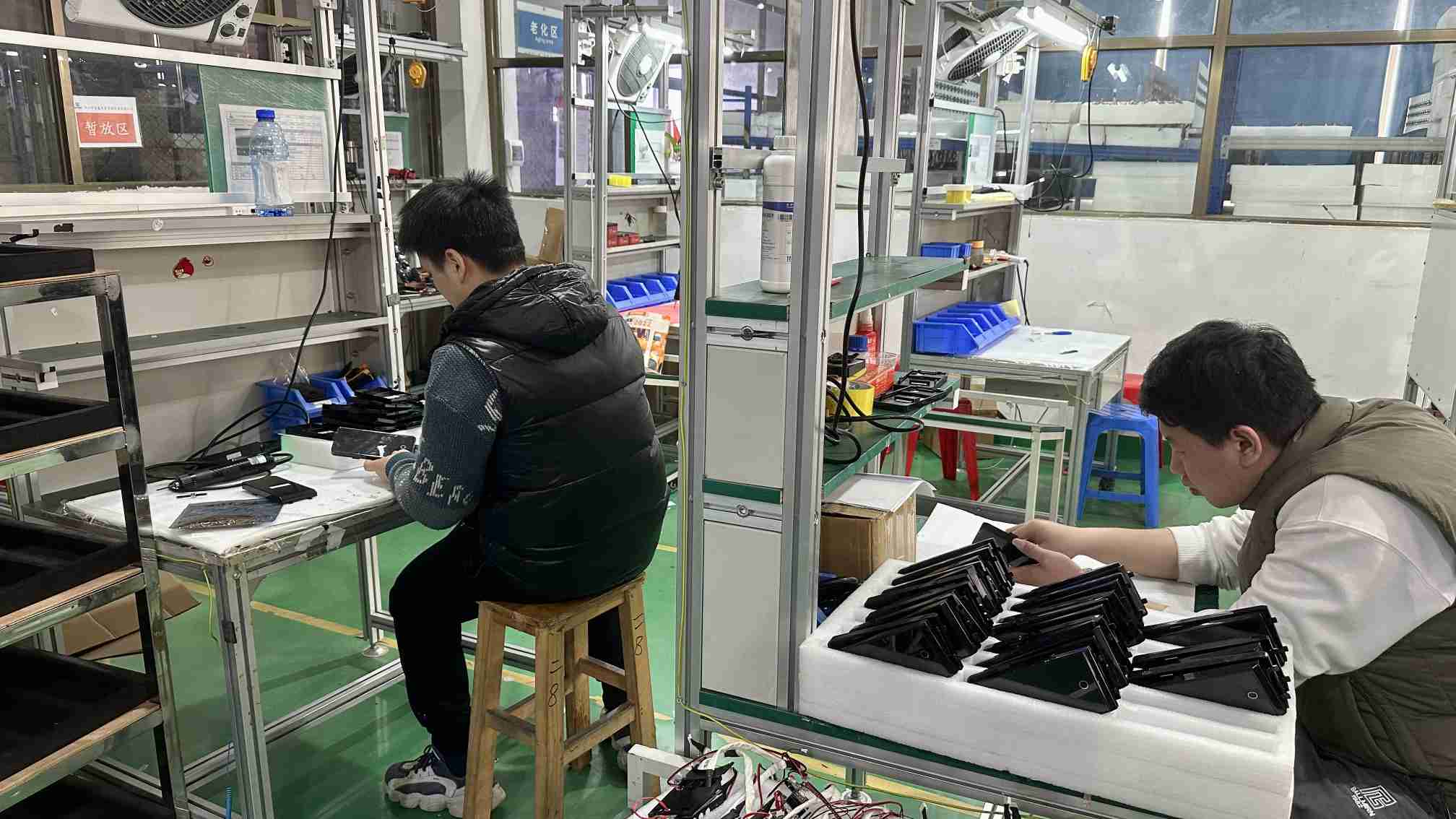
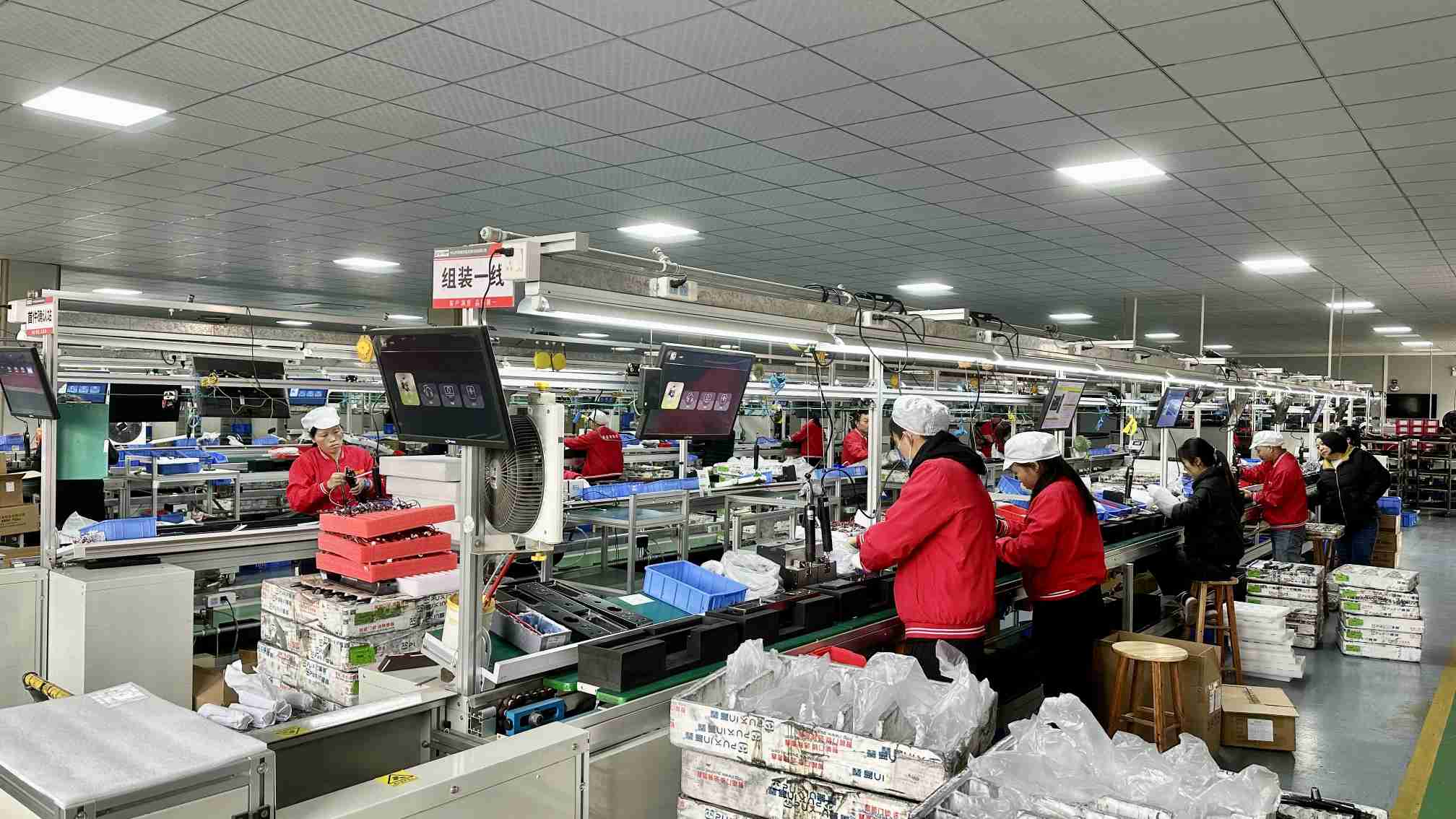
Wipan manages the entire production cycle in-house. From initial CAD blueprint design and mold construction to pressure casting, CNC machining, surface polishing, and cleanroom PCB assembly—our integrated supply chain assures that every batch maintains strict mechanical tolerances. By bridging the gap between Shenzhen's manufacturing capacity and Los Angeles's design requirements, we facilitate customized branding (OEM) and custom-engineered software interfaces (ODM) for our global partners.
Consult with our engineering team today to customize mortise dimensions, finish options, and wireless protocol integrations.
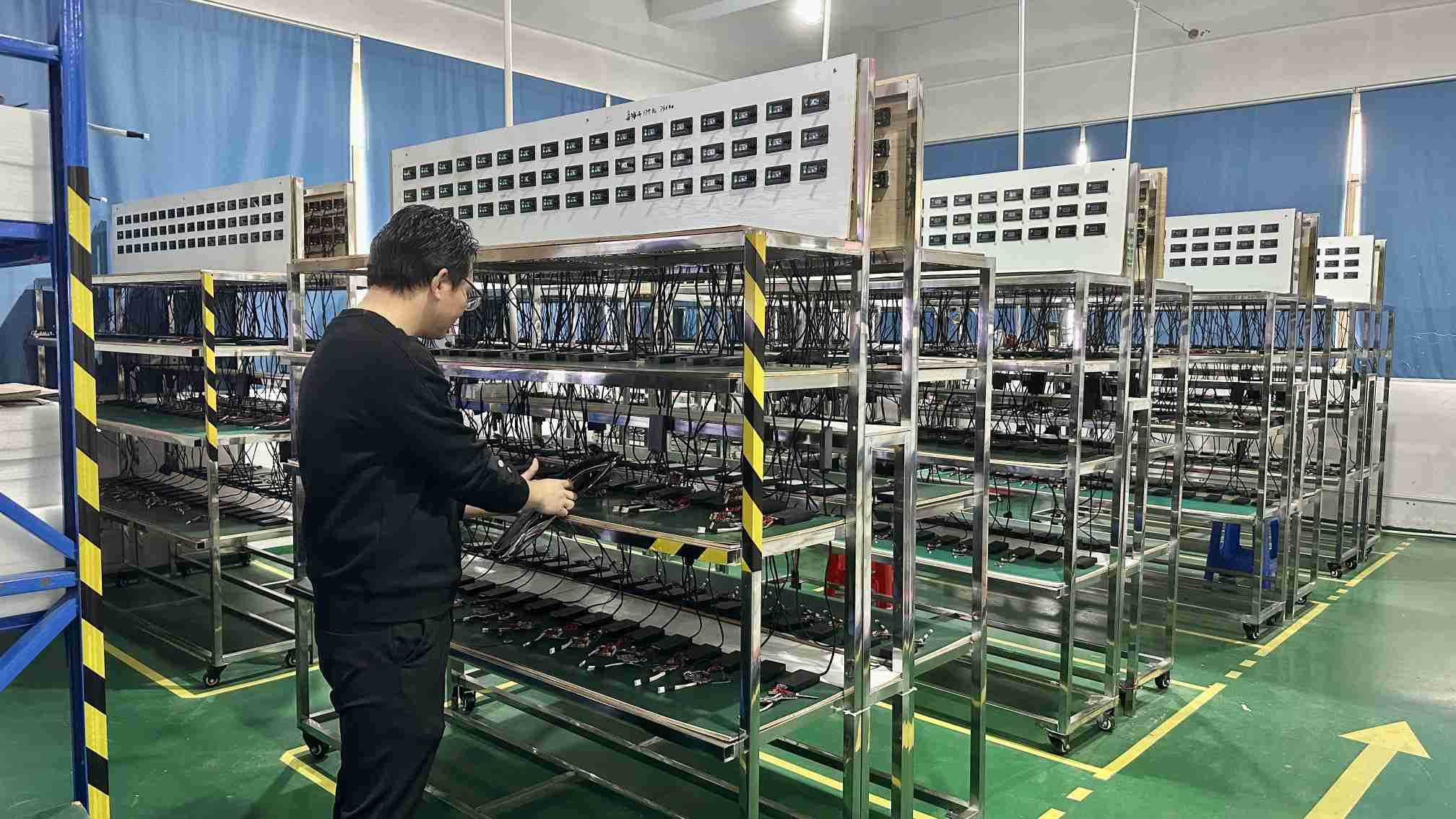
Send Inquiry NowTake an inside look at our state-of-the-art facility processes, ensuring every product is constructed for durability and performance.

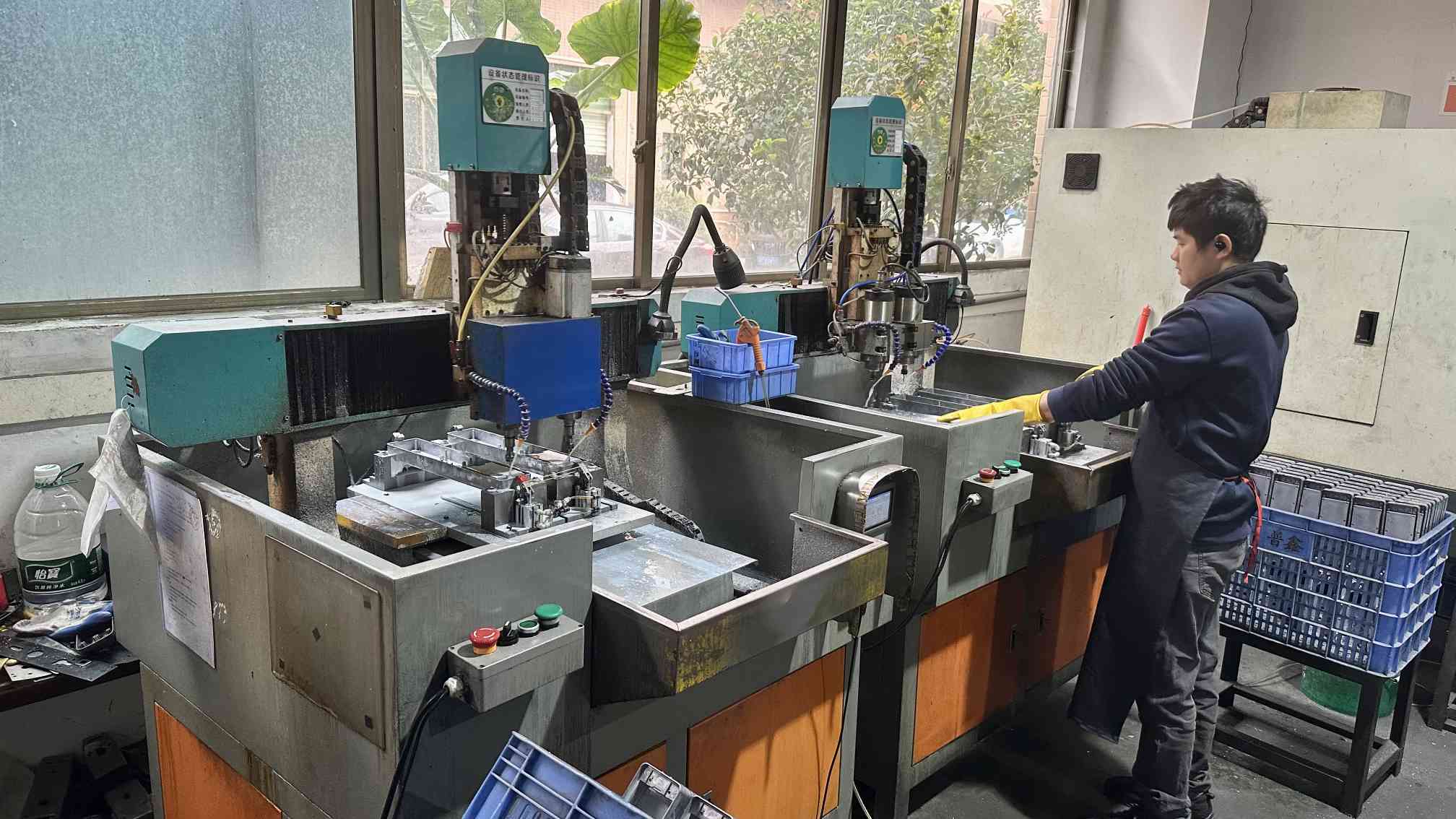
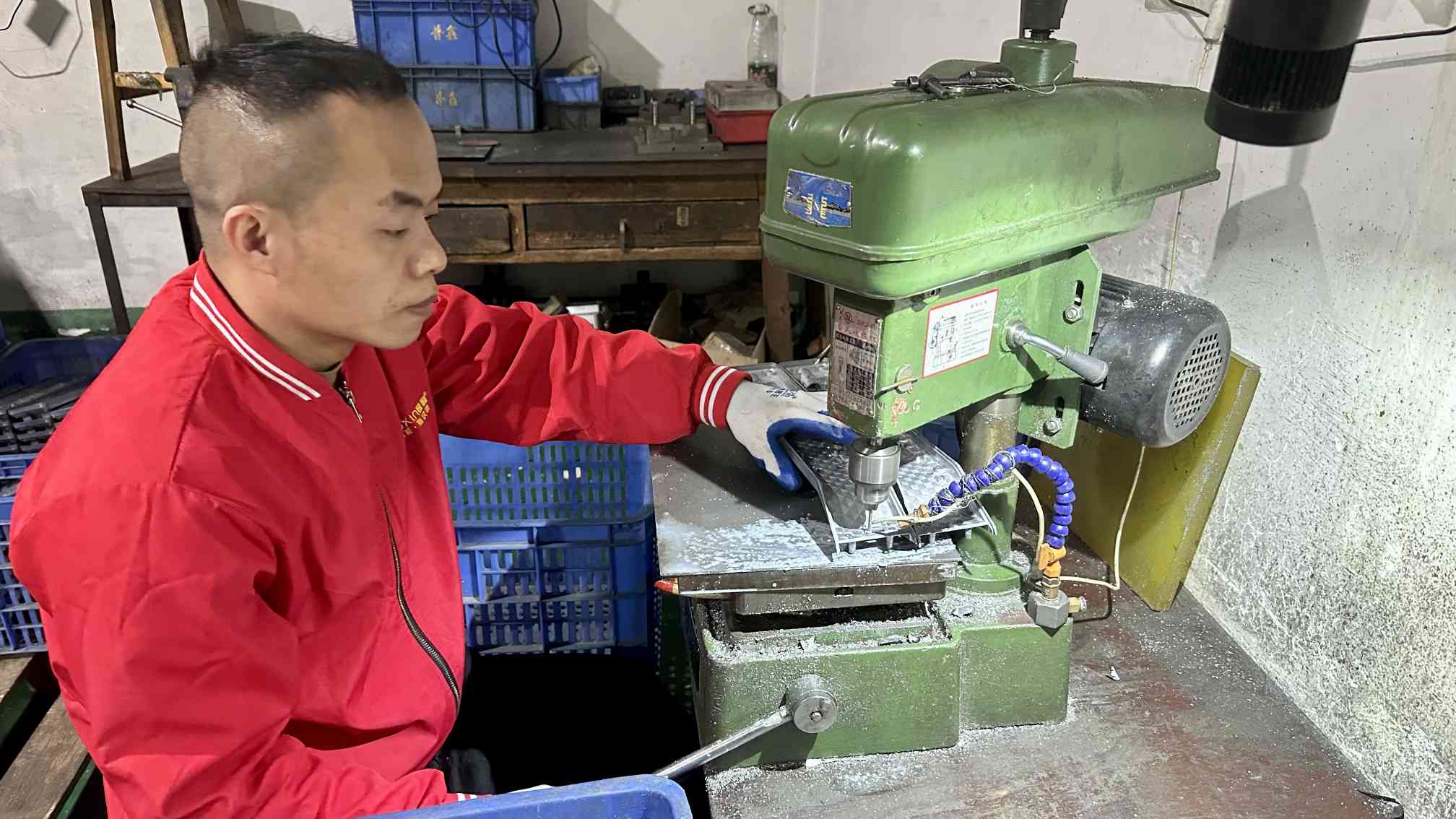
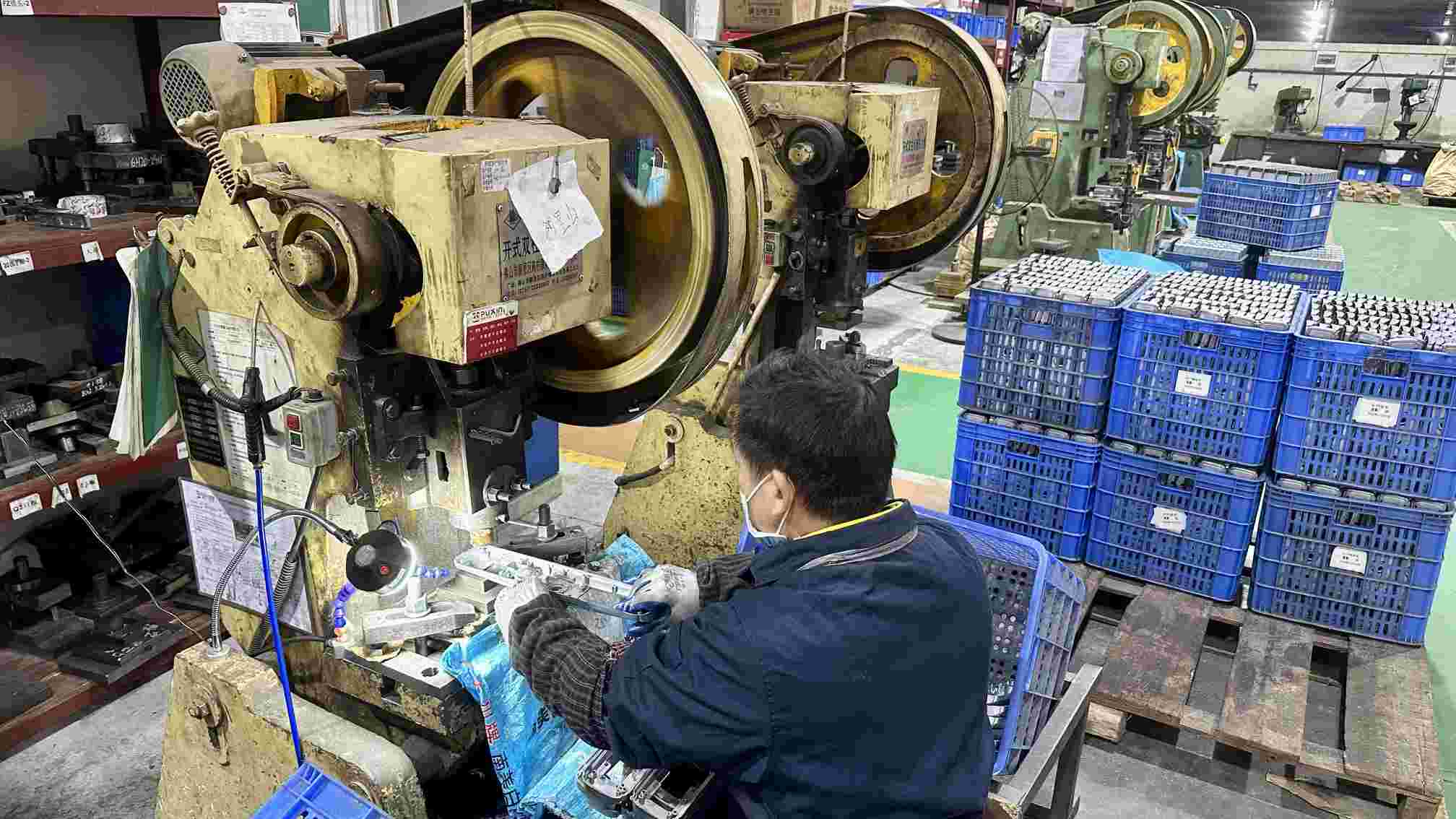
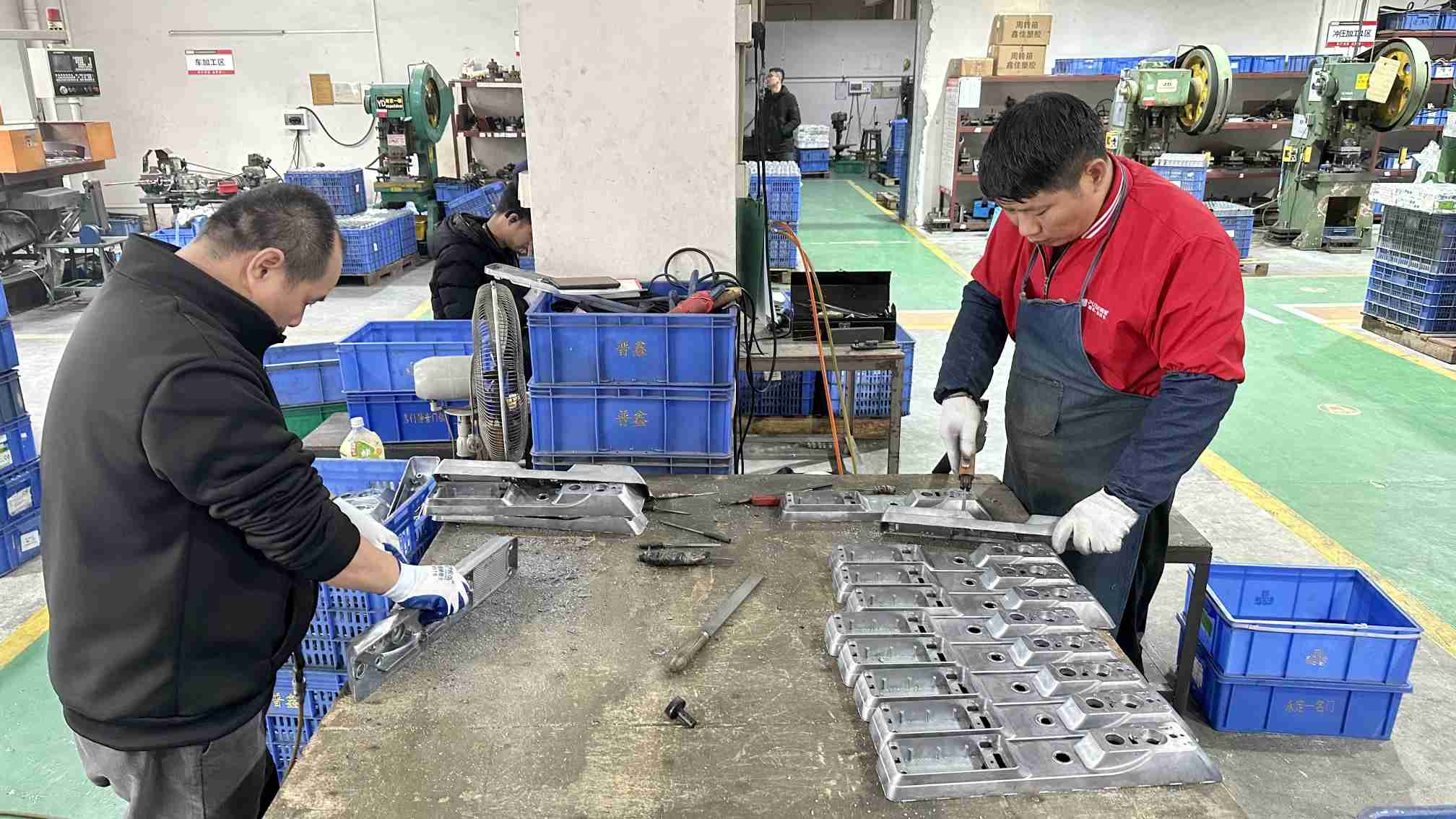
Contemporary real estate developments require multi-protocol versatility. A reliable digital lock cannot exist in isolation; it must interface with complex smart building management systems (BMS). Our hardware designs incorporate standard protocol access layers to interface seamlessly with modern platforms:
Wireless Communication Interfaces:
Advanced Biometric Identification:
Using multi-spectral optical or capacitive semiconductor fingerprint scanning, Wipan digital locks achieve a False Acceptance Rate (FAR) of less than 0.0001%. Premium models leverage 3D structured light facial recognition modules, measuring depth contours to prevent spoofing using 2D screen photos. This technology is optimized for both bright sunlight conditions (common in California) and low-light apartment corridors.
Explore our specialized mechanical-electronic hybrid mortise solutions, optimized for high security and seamless integration.
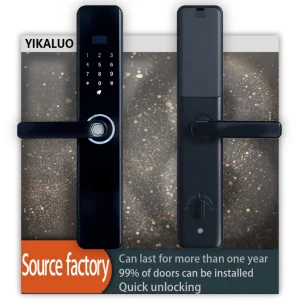
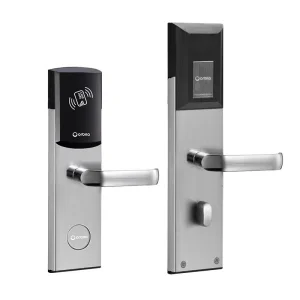
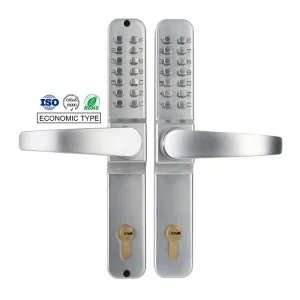
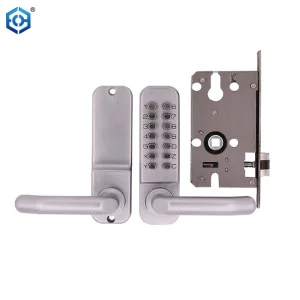
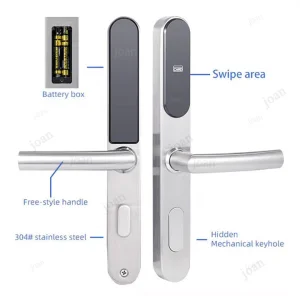
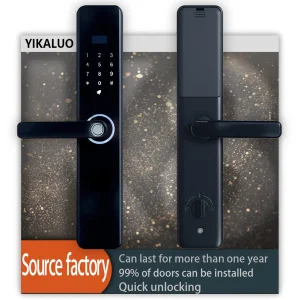
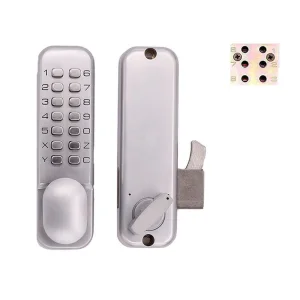
Designed for sliding patio doors, slim aluminum profiles, and historic renovations with strict geometric limitations.
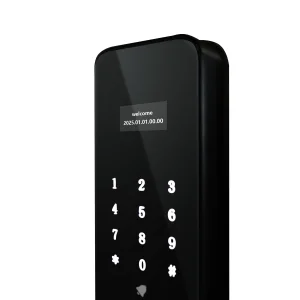
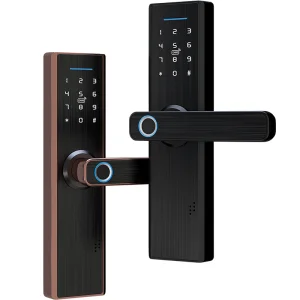
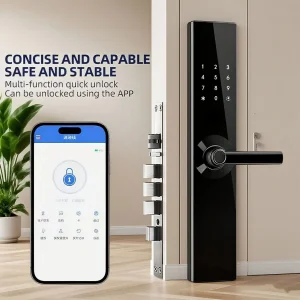
The mechanical component of a digital lock is just as critical as its electronic motherboard. If the internal actuator or latch bolt fails, even the most advanced biometric software becomes useless. At Wipan, we construct our structural components out of premium-grade materials:
Every model undergoes a multi-stage testing procedure prior to leaving our factory gates. This includes high/low temperature chamber exposure (-20°C to +60°C), salt spray testing (96 hours continuous exposure for coastal ratings), electrostatic discharge (ESD) testing (ensuring safety against voltage spikes or taser shocks), and continuous cycles testing to verify motor lifetime.
Answering structural, mechanical, and technical questions regarding direct factory sourcing and installation.
Partner with a trusted, engineering-driven digital lock factory. Get custom quotes, hardware samples, and detailed specification evaluations from Shenzhen Wipan Lock Co., Ltd.
Send Inquiry Now Wipan Lock