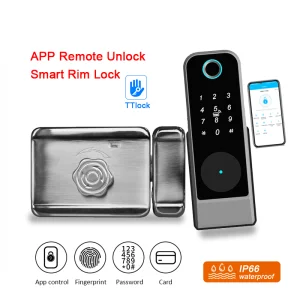
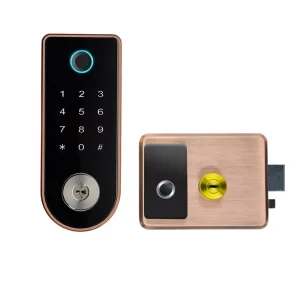
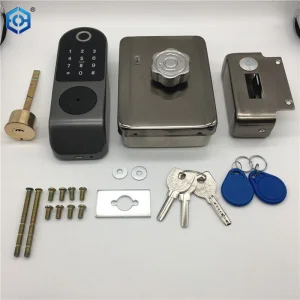
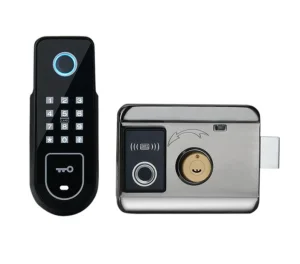
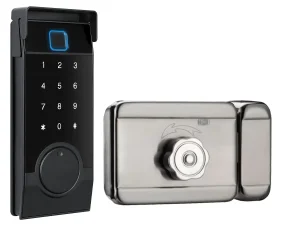
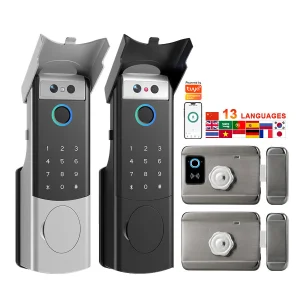
The metropolitan landscape of Melbourne, spanning dynamic business precincts from Docklands to Monash, is witnessing an unprecedented transition in physical security design. Mechanical locking mechanisms are rapidly yielding to next-generation electronic intelligence systems. Among these architectures, the smart rim lock stands out as the core mechanical-digital interface chosen by developers, property managers, and security professionals. This whitepaper analyzes the modern requirements of smart lock systems, contrasting domestic design intent with high-volume Chinese manufacturing efficiencies.
For commercial specifiers and multi-family developers in Melbourne, integrating smart rim locks is not merely a modern aesthetic choice. It is a strategic move to optimize physical security, streamline operations, and offer unparalleled convenience. By leveraging the advanced engineering capacity of factories in China, Melbourne projects gain access to robust, compliant, and cost-effective smart locking mechanisms that fit Victorian building codes.
"True security innovation is found at the intersection of high-availability cloud interfaces, IP-rated structural resilience, and heavy-duty mechanical engineering. The Melbourne commercial and residential sectors demand locking solutions that withstand coastal salinity while offering low-latency biometric response and scalable cloud management."
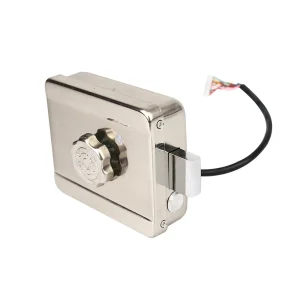
Melbourne possesses a unique architectural dualism. On one end, historic Victorian and Edwardian structures in areas such as Carlton, Fitzroy, and South Yarra boast thick timber doors where cutting standard internal mortise preparations is structurally challenging. Under these parameters, the smart rim lock offers a non-destructive, surface-mounted path to modern keyless security. On the other end, the boom in Build-to-Rent (BTR) high-rises in Docklands and Southbank demands high-volume, centralized cloud management.
Furthermore, Australia's harsh oceanic climate requires locks that are resistant to heavy rains and salt-water atmosphere along Port Phillip Bay. Suburbs like St Kilda and Brighton demand locks rated at least IP65 and tested for long-term corrosion resistance. By integrating smart rim locks designed with heavy-duty cast aluminum or zinc alloy shells, local property owners protect their investments against both human intrusion and weather wear.
On a global scale, smart rim locks have evolved from simple standalone PIN-pad devices into complex IoT endpoints. Security managers now expect standard API integrations with Property Management Systems (PMS) such as Guesty or Cloudbeds. Systems must run on dual low-energy Bluetooth (BLE) and WiFi platforms, allowing real-time audit logging and virtual e-key distribution.
From a regulatory compliance standpoint, commercial imports to the Oceanian and European markets require compliance with CE, FCC, RoHS, and local Australian Standards. Security hardware must satisfy mechanical cycle durability tests (exceeding 200,000 operations) to prove resilience under high-traffic conditions. For global institutional buyers, sourcing from a manufacturer with built-in hardware security modules (HSM) on the PCB ensures that fingerprint biometric data remains encrypted at the edge and never leaks to public networks.
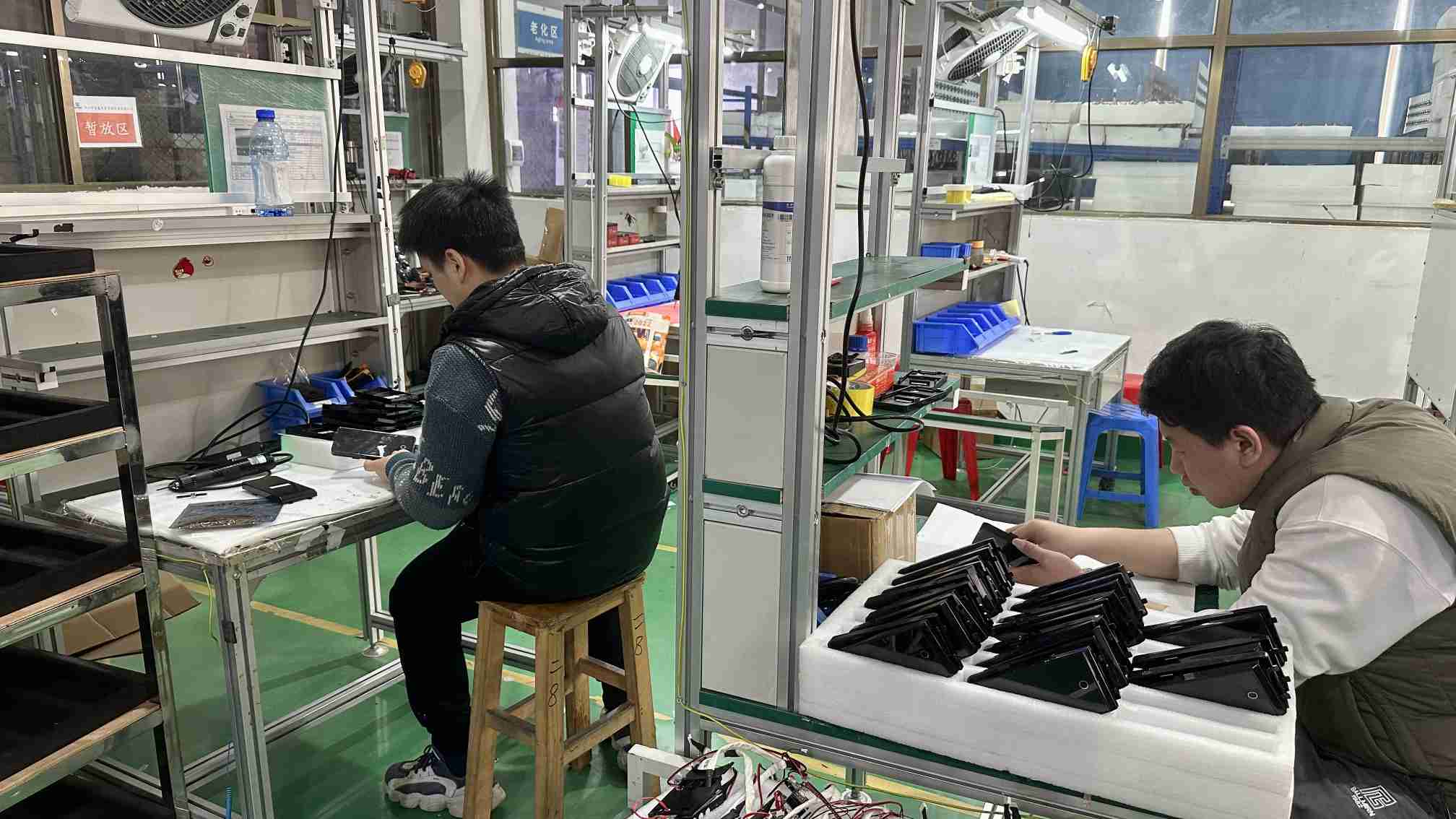
As a global smart lock manufacturer, Shenzhen Wipan Lock Co., Ltd. specializes in state-of-the-art electronic security and access control systems. Operating out of Shenzhen's high-tech manufacturing hub, Wipan Lock enables Melbourne locksmiths, security distributors, and building developers to source premium hardware directly from the factory floor. Our OEM/ODM capacity supports complete custom design, surface treatment alterations, PCB modification, and localized app rebranding.
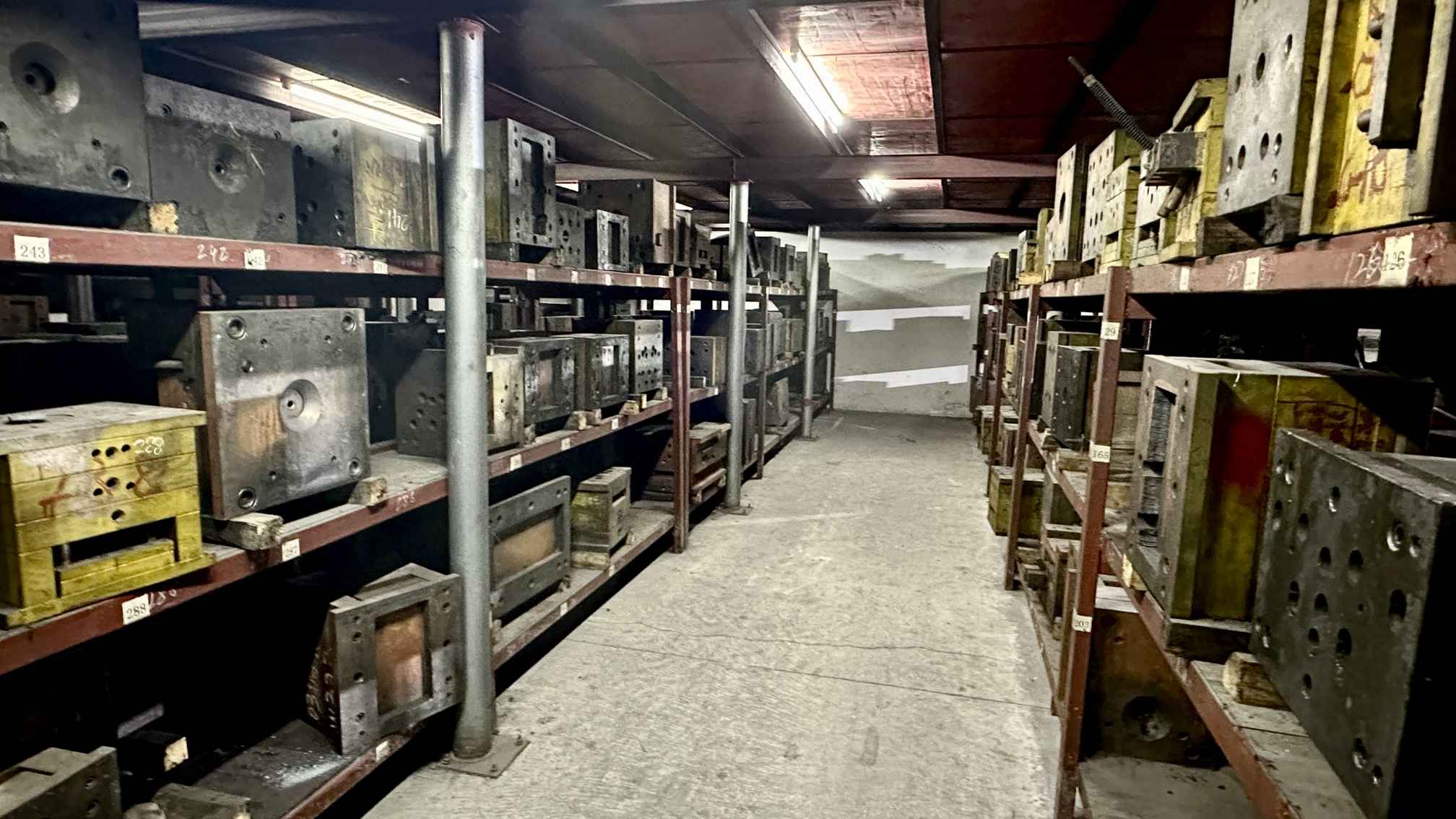
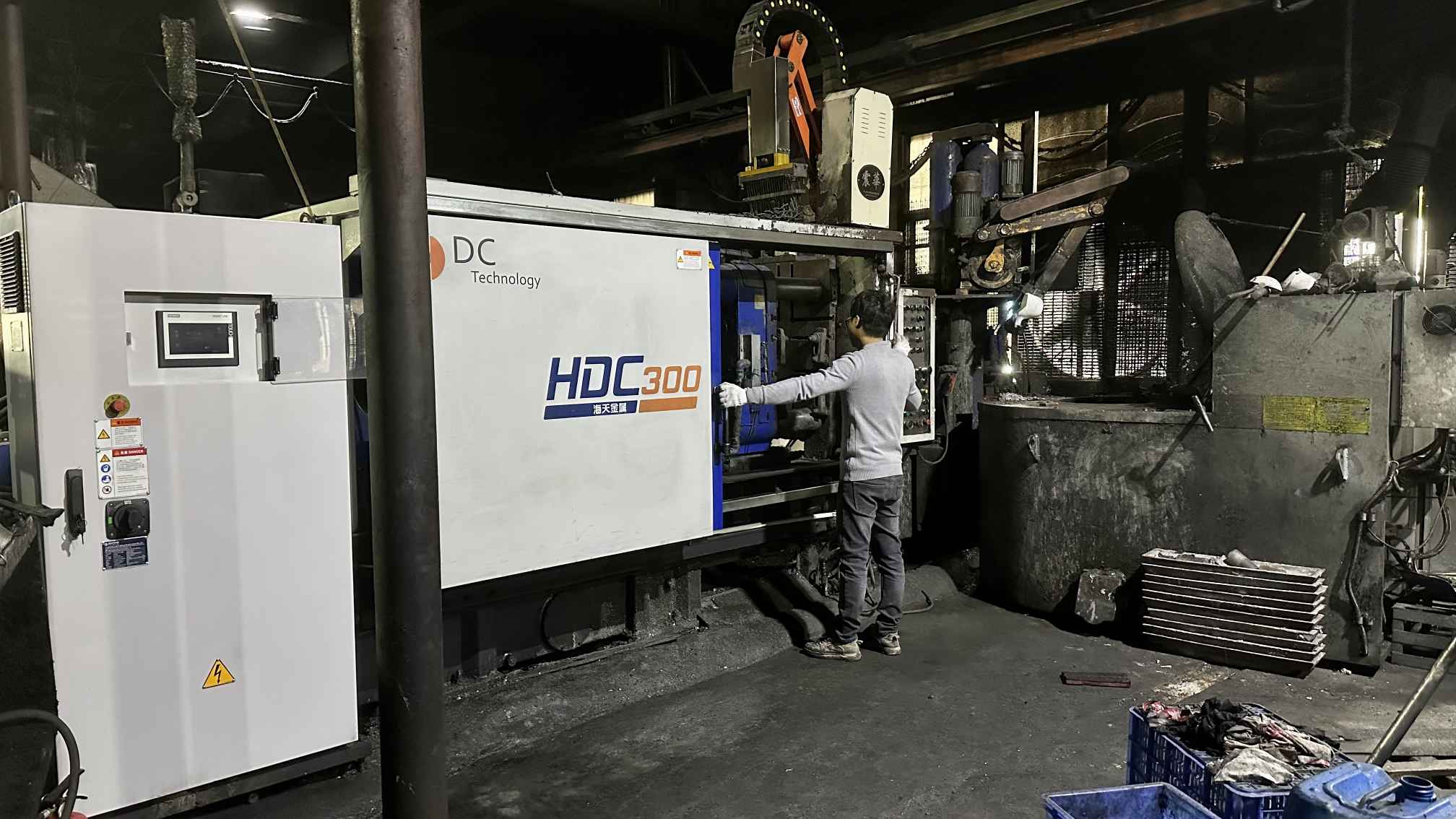

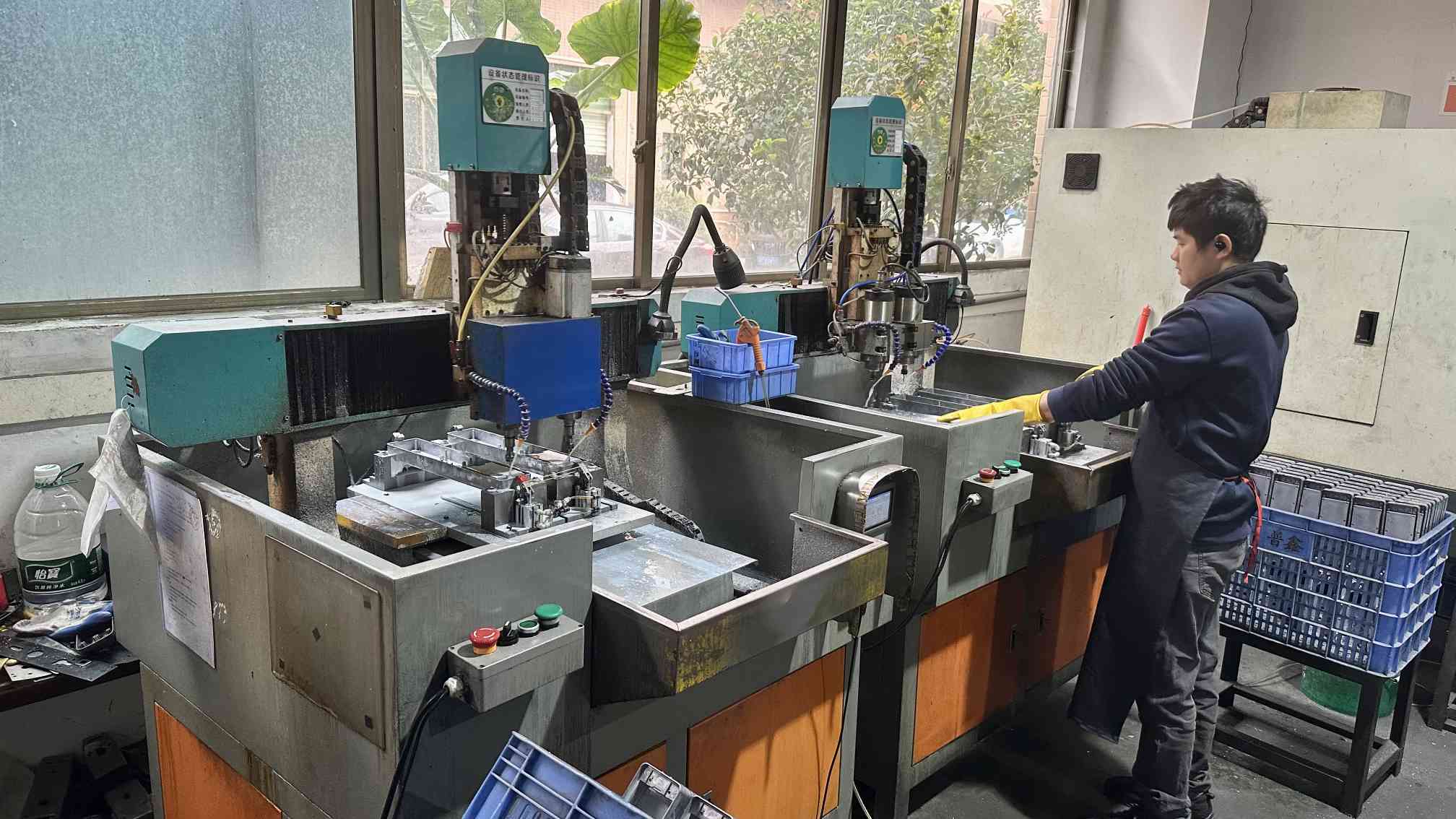
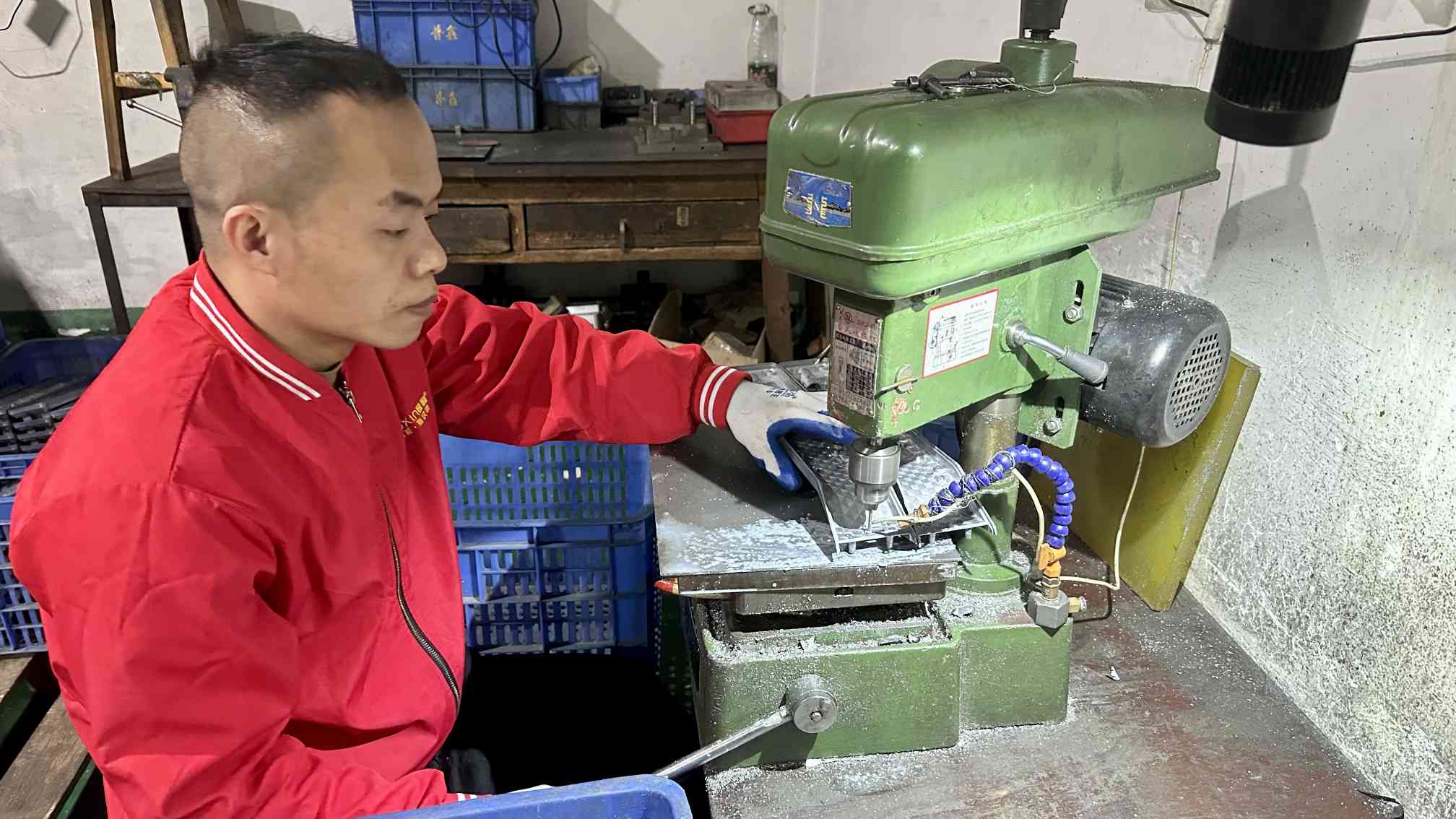
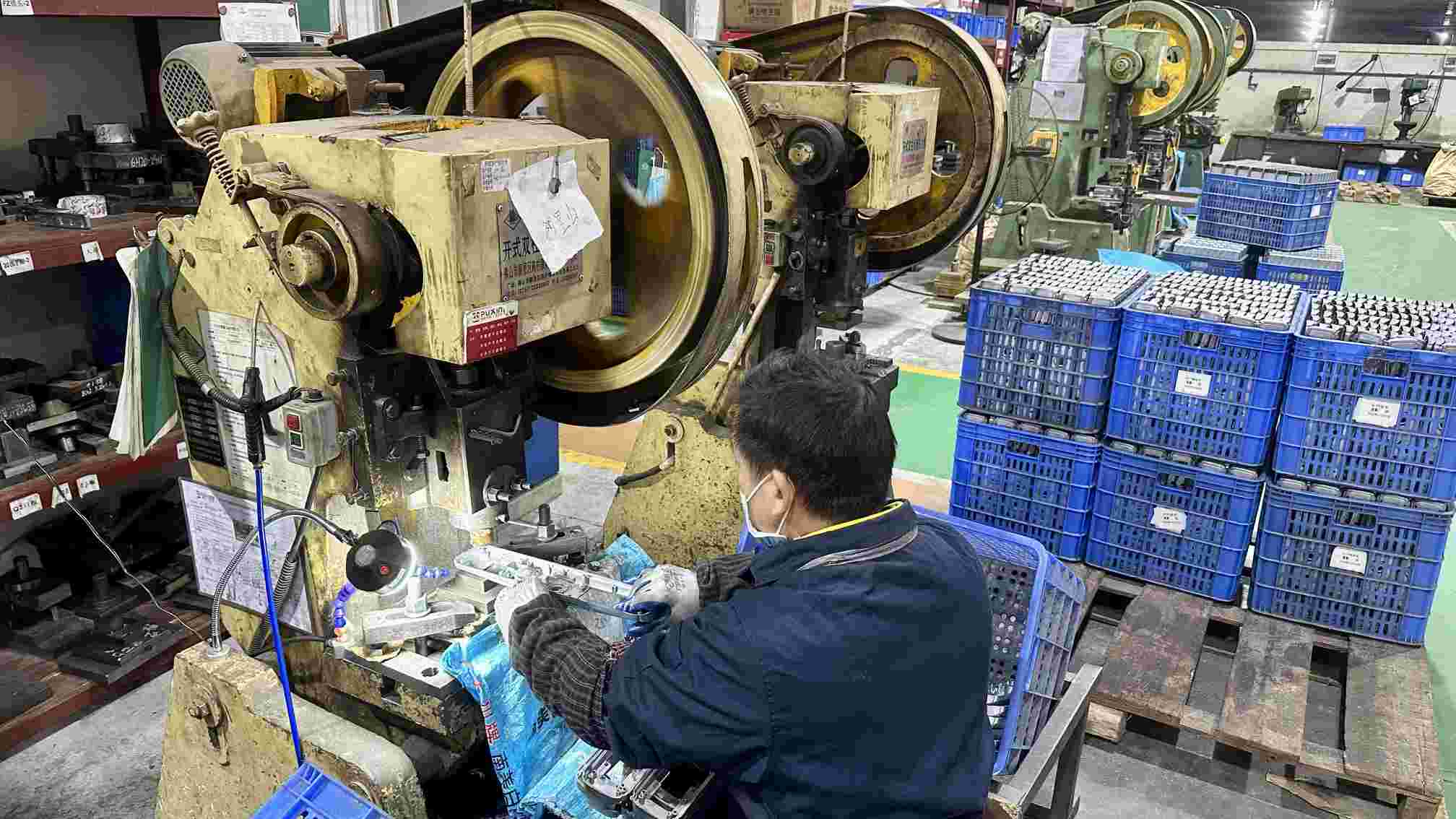
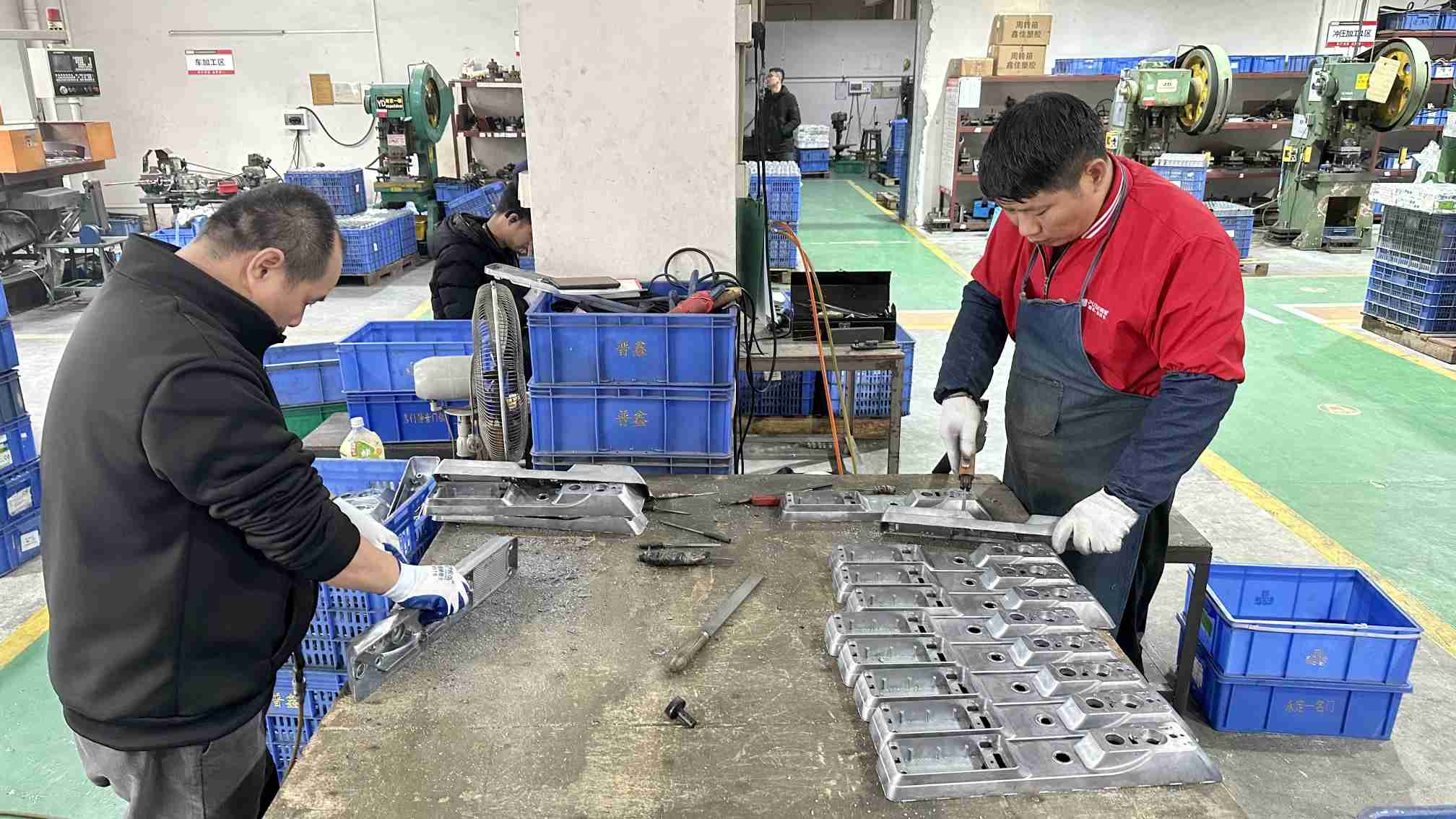
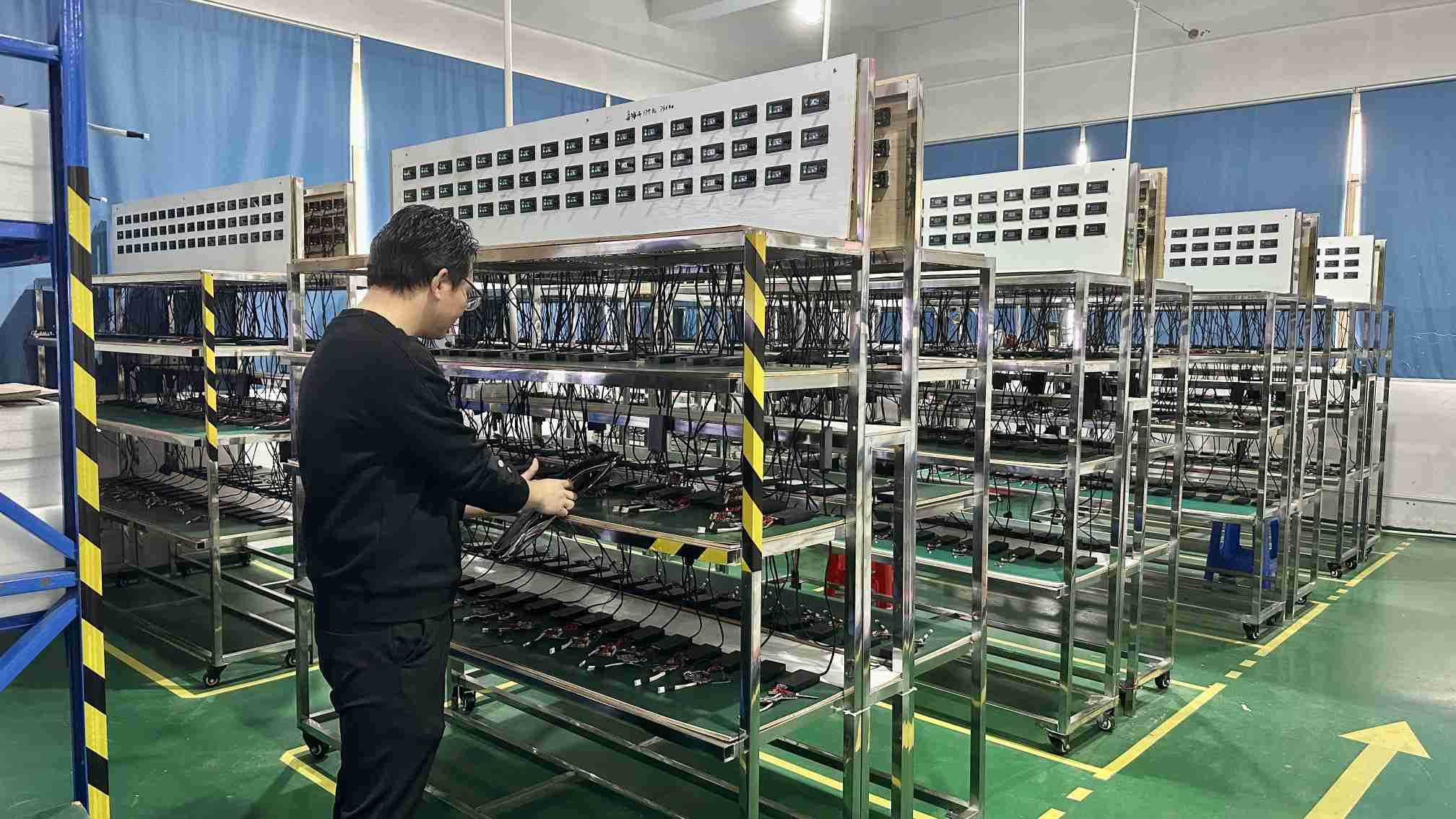
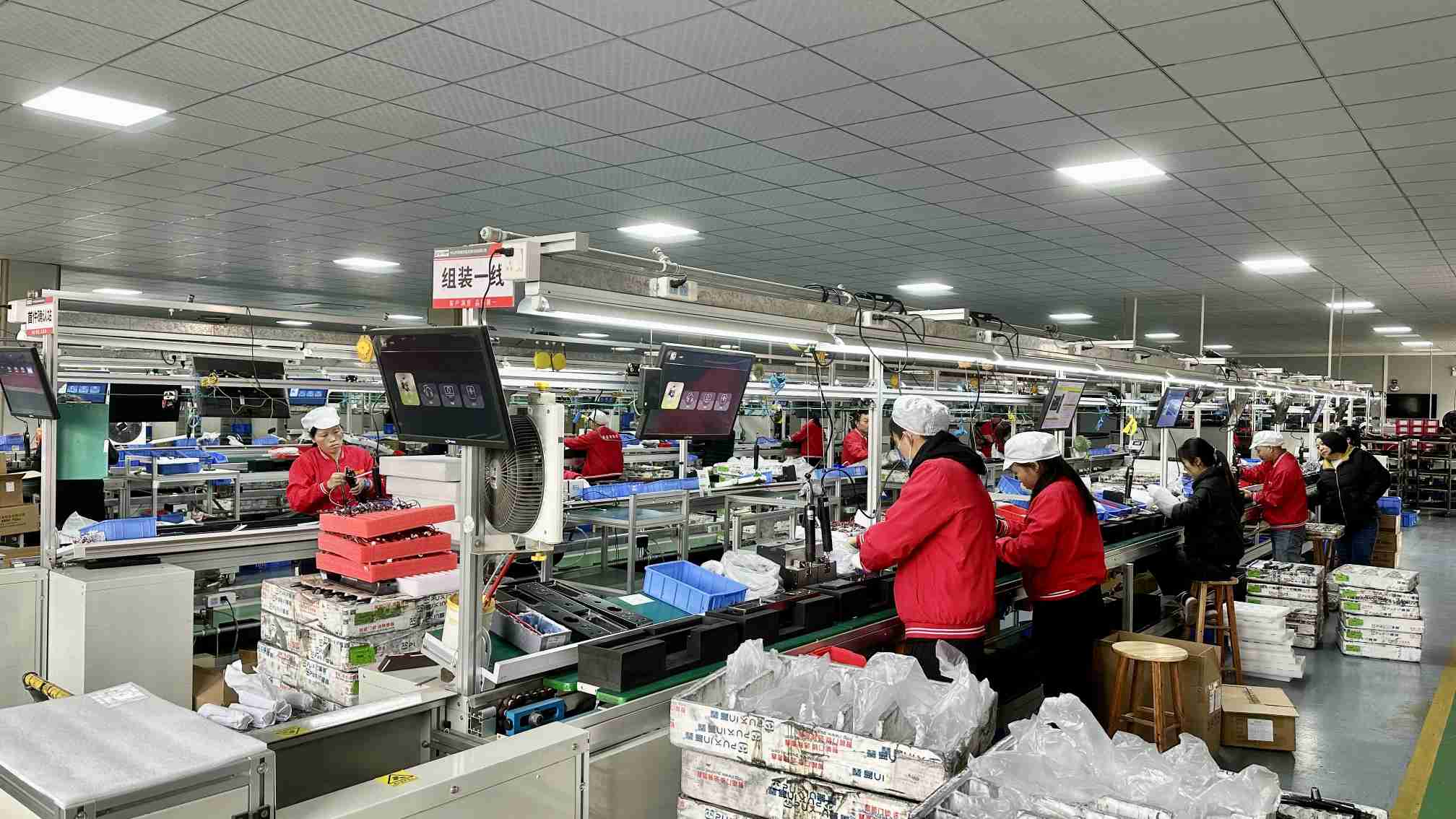
When purchasing electronic hardware globally, procurement directors face logistics delays, tariff disputes, and unstable production standards. Our factory provides an integrated solution. By performing die-casting, machining, surface polishing, PCB development, and firmware testing in-house, we eliminate reliance on sub-contractors and ensure product consistency.
For Melbourne companies looking to establish their own smart security brand, we offer rapid 3D prototyping and quick molding services. Whether you require tailored software APIs to match Australian home automation systems or physically hardened chassis designs for external timber doors, our engineering division can support your process from concept to delivery.
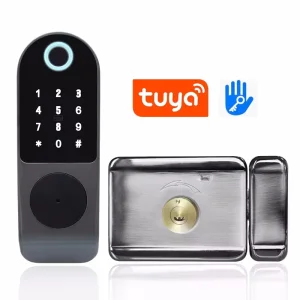
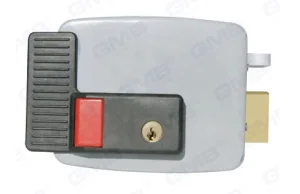
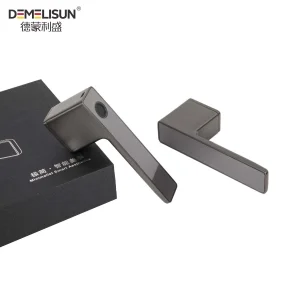
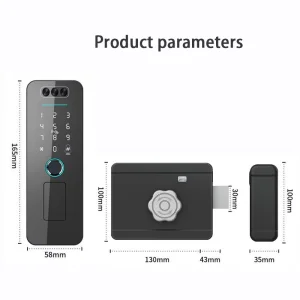
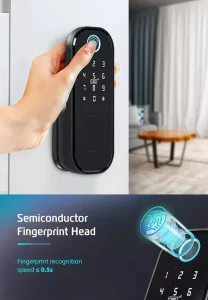
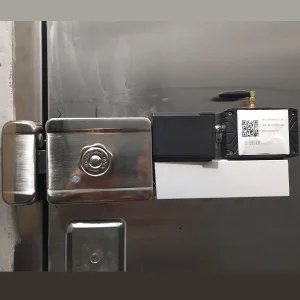
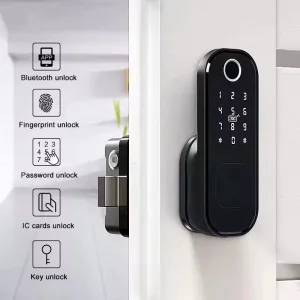
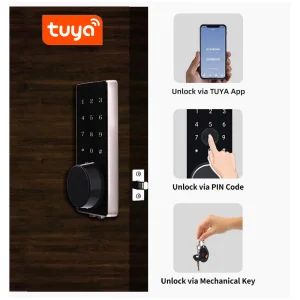
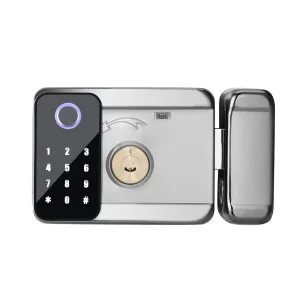
The future of access control lies in the convergence of edge computing and secure hardware. Contemporary smart rim locks are shifting from legacy mechanical keypads to 3D structured light facial recognition and capacitive multi-spectral fingerprint scanners. These biometrics read below the surface skin layer to prevent spoofing with fake prints or photos.
Furthermore, integration with wireless protocols like Thread and Matter will soon enable locks to connect with other smart home appliances seamlessly. By routing operations through local edge gateways rather than relying constantly on cloud APIs, modern smart locks maintain full operability and rapid response times even during network dropouts. This reliability makes them highly suitable for critical industrial infrastructure and medical facilities in Australia.
 Wipan Lock