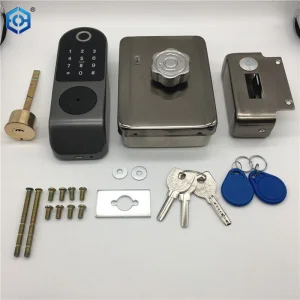
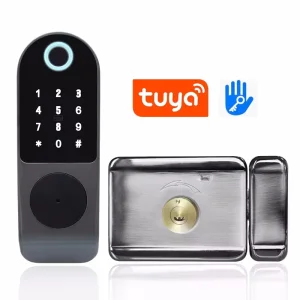
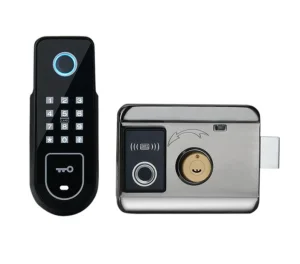
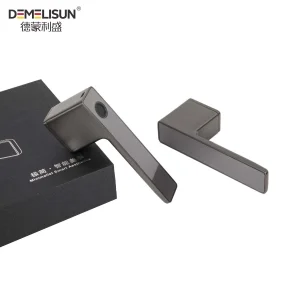
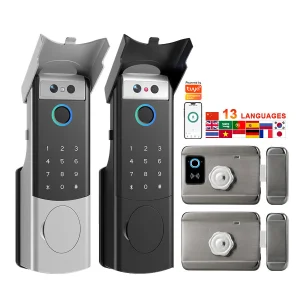
Highly robust, weather-resistant, and smart-integrated lock designs engineered for premium developments and residential transformations across Algeria.
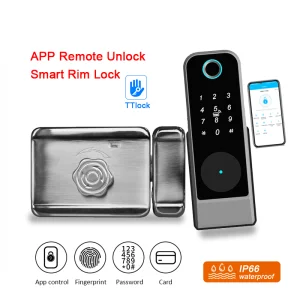
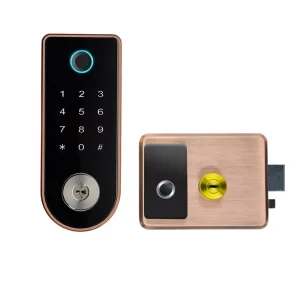
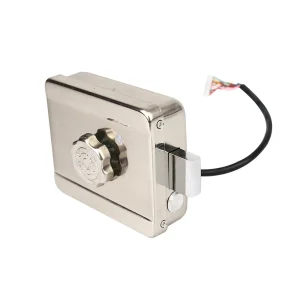
Strategic overview of how the convergence of IoT technology, urban expansion, and rigorous environmental factors are reshaping physical security specifications across North Africa.
Algeria's rapid urban growth in key hubs such as Algiers, Oran, Constantine, and Annaba has driven a massive expansion in modern commercial real estate, high-end residential compounds, and government infrastructure projects. Historically, security in these locations relied heavily on traditional mechanical rim locks and double-cylinder night latches. While robust, these systems present significant administrative liabilities: physical keys are easily duplicated, re-keying lock cylinders is labor-intensive and costly, and real-time audit trails are virtually nonexistent.
In response, Algerian construction developers, security integrators, and government procurement officers are rapidly pivoting to smart rim locks. The deployment of electromechanical lock hardware integrated with Bluetooth, Wi-Fi, and 4G IoT connectivity enables centralized credential management, remote key scheduling, and biometric authentication. This shift eliminates the administrative overhead of physical key distribution while exponentially raising the security posture of modern facilities.
Selecting smart security hardware for the Algerian market requires addressing severe and contrasting local environmental parameters. Along the northern Mediterranean coastline, hardware must withstand high relative humidity and aggressive airborne salinity that accelerates galvanic corrosion. In inland industrial sectors and the southern Saharan regions, locks must operate under high ambient heat (reaching up to 50°C) and be protected against fine particulate dust ingress.
To operate reliably in these zones, smart rim locks must be constructed using superior metallurgy (such as premium die-cast zinc alloys, anodized aluminum, or SUS304/SUS316 stainless steel) and coated with marine-grade anti-corrosion finishes. Furthermore, internal electronic printed circuit boards (PCBs) must feature thick conformal coatings to prevent short-circuits caused by moisture condensation, and lock housings must achieve a minimum rating of IP65/IP66 for dust and water resistance.
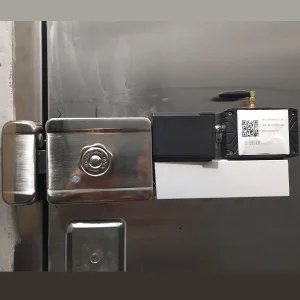
For outdoor iron gate installations in Algiers coastal zones, standard commercial locks fail within 12 months due to salt-mist corrosion. Engineers must specify locks containing anti-rust sealed electronic motor components, high-torque clutches, and dry-contact backup bypass configurations to guarantee operational longevity and structural integrity.
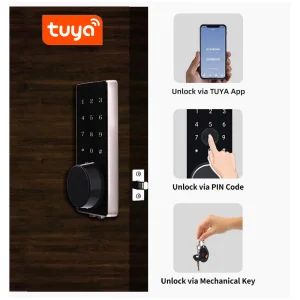
Advanced security solutions utilizing global IoT frameworks (Tuya & TTLock) tailored for commercial office complexes and residential masterplans in Algeria.
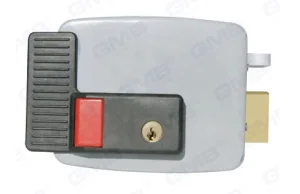
Global procurement directors handling high-density projects in North Africa must look beyond initial unit pricing. The overall cost of smart access control is heavily influenced by installation complexity, battery duty cycles, local technical support, and structural durability. For public infrastructure, remote telecom towers, or utility sub-stations, relying on standard consumer grade locks results in high field maintenance costs.
Here, a rugged 4G IoT smart lock with a motor-driven heavy-duty deadbolt is the industry standard. These units feature long-life lithium battery configurations, dual mechanical key bypasses, and robust enclosures. This architecture allows centralized control centers to instantly issue digital keys to maintenance personnel while logging every access attempt. By integrating smart rim locks into their supply chain, companies reduce administrative travel and key management costs by up to 40%.
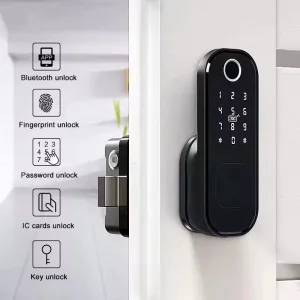
In multi-tenant office complexes and residential developments, managing credentials for hundreds of changing occupants is a complex administrative task. Our smart rim locks address this by providing keyless door entry systems that integrate with building management systems (BMS). Using centralized cloud administration, facility managers can instantly grant or revoke access for fingerprints, Mifare RFID cards, or temporary numeric PIN codes.
For temporary rentals or corporate guest houses, dynamic PIN algorithms enable the generation of time-bound passcode credentials offline, without requiring the lock to be connected to the internet. This capability significantly simplifies operations for developers in remote locations, providing reliable, secure access control without the need for complex, local IT infrastructure.
Inside our advanced production facilities: delivering precision-engineered access solutions from raw material formulation to final automated functional testing.
Shenzhen Wipan Lock Co., Ltd. is a leading professional manufacturer specializing in intelligent lock systems, access control architectures, and high-security electromechanical lock bodies. With years of research, development, and production experience in the electronic hardware sector, Wipan has established itself as an essential partner for commercial, residential, healthcare, and educational infrastructure projects globally.
We provide comprehensive OEM/ODM solutions tailored to the strict regulatory and climatic requirements of international markets. From initial product design, electronic engineering, metal mold development, and high-precision casting to final software integration, firmware flashing, and functional quality control, we ensure our partners receive competitive, market-ready security solutions.
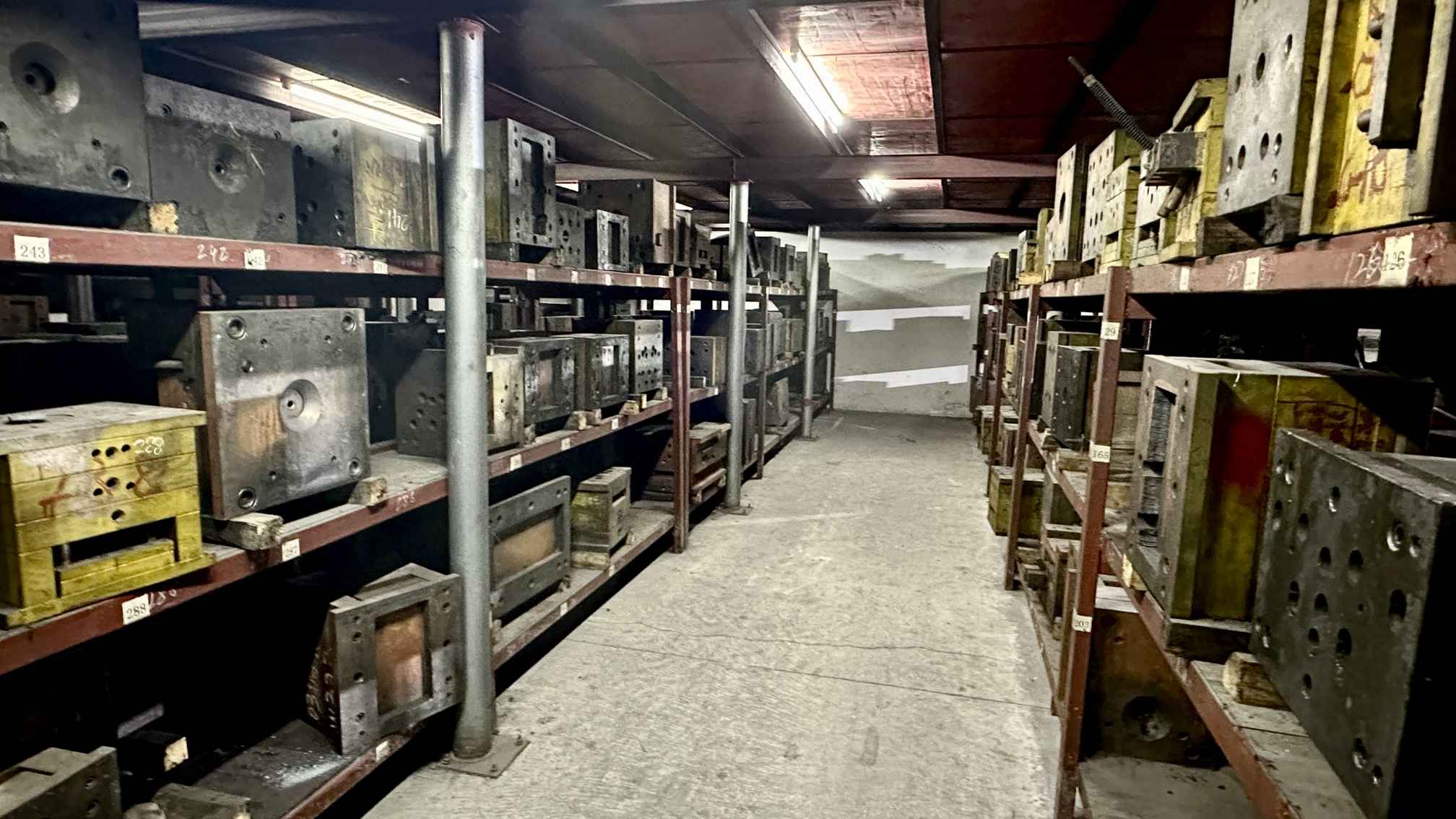
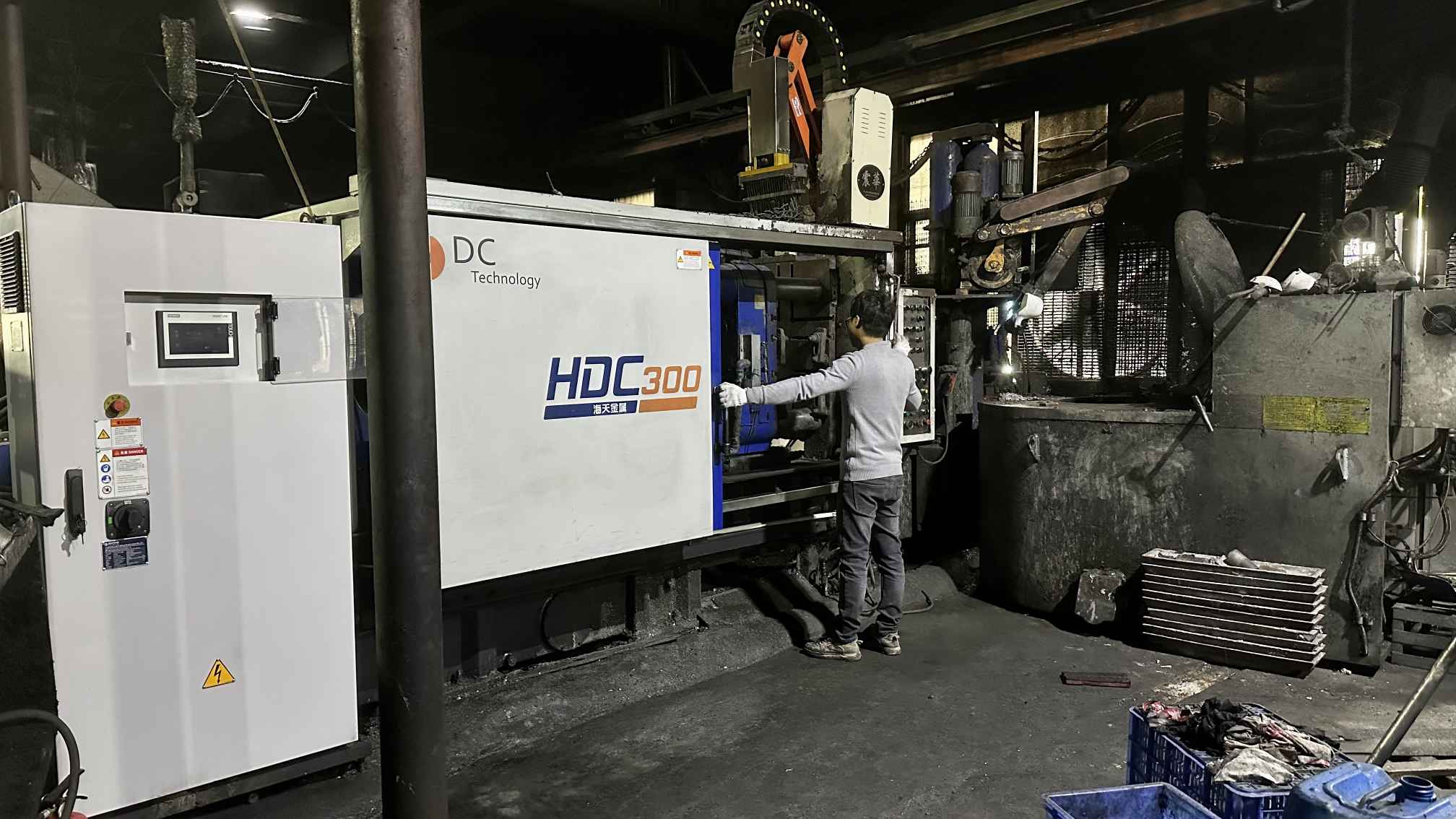

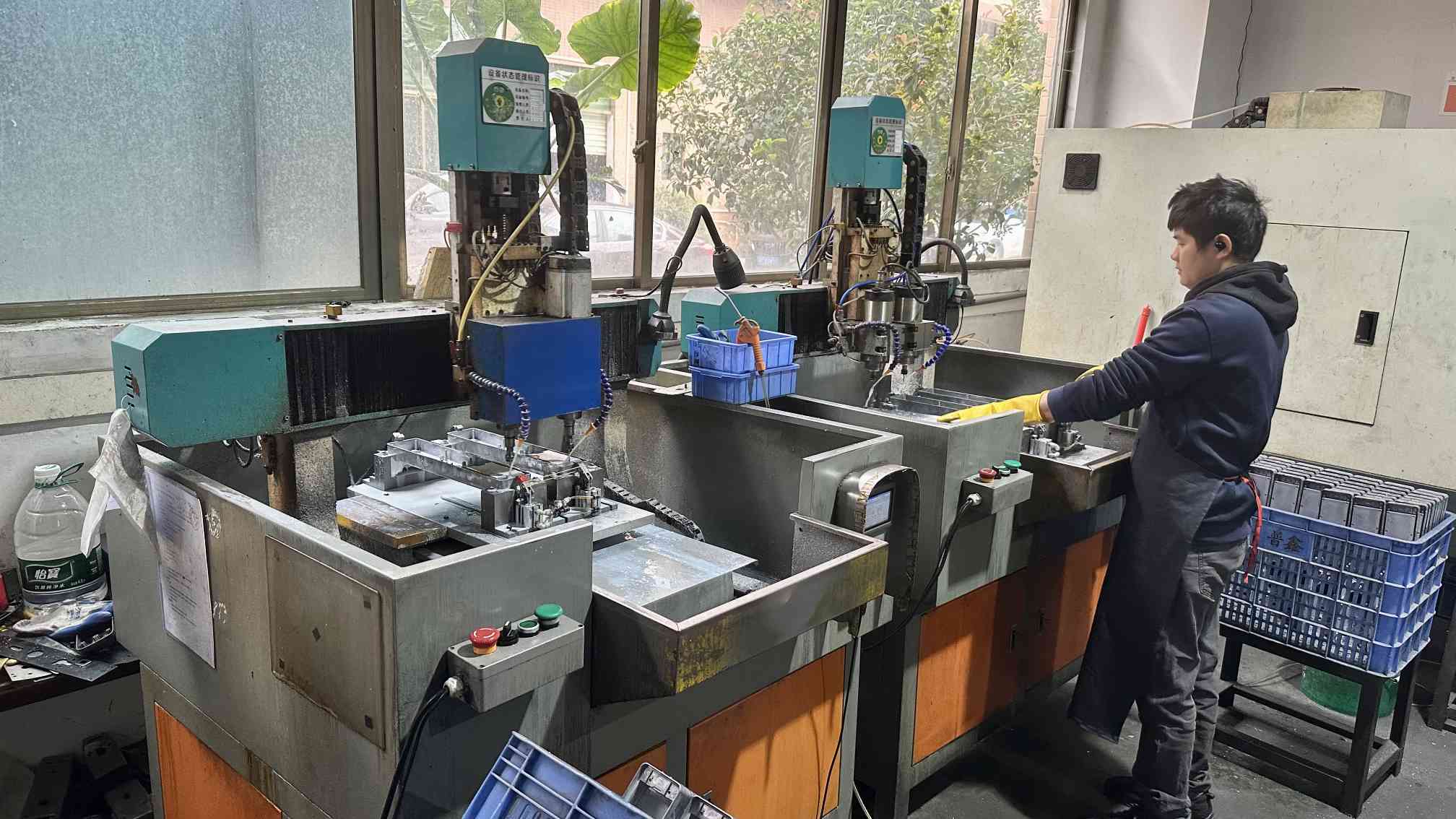
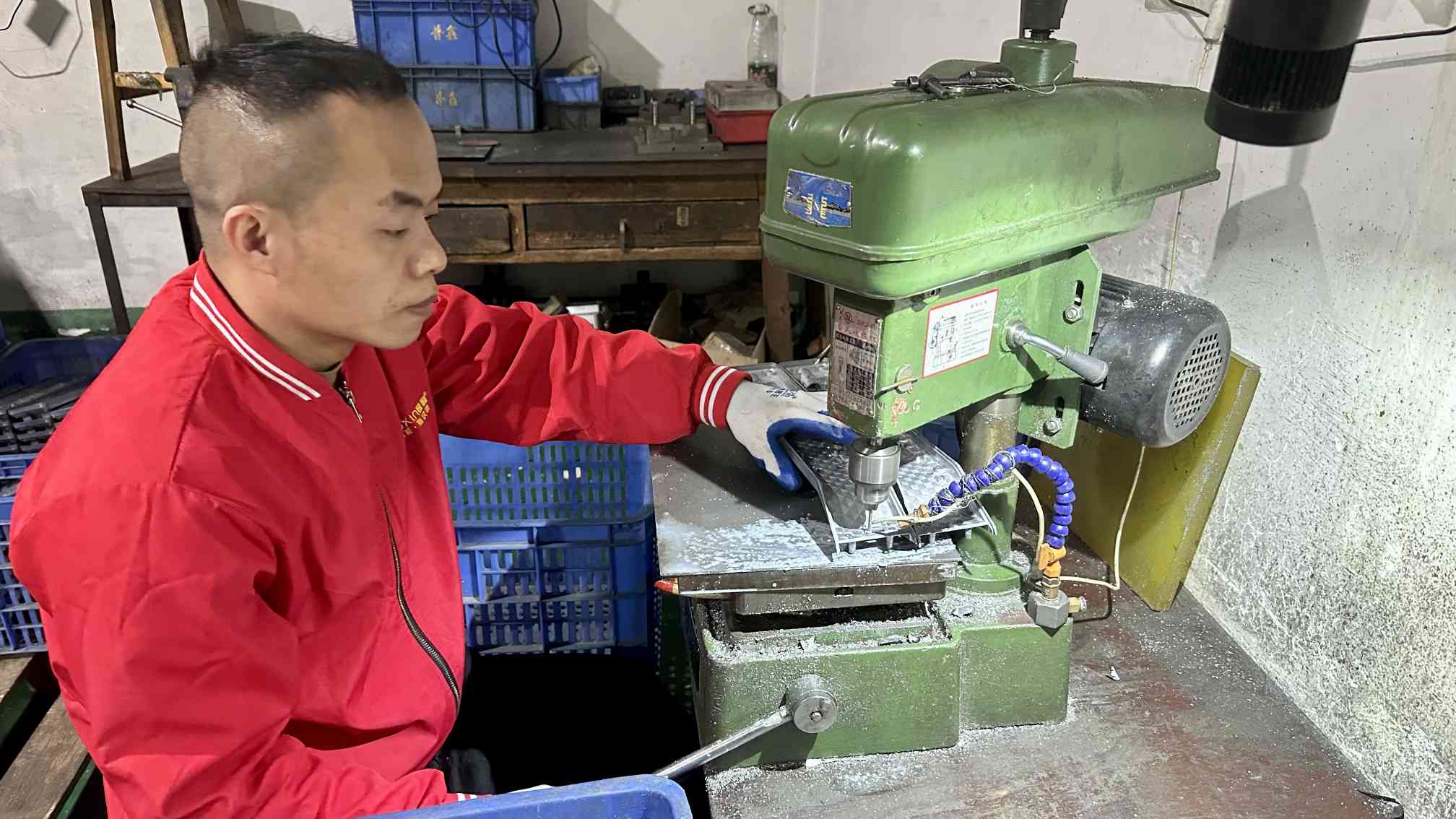
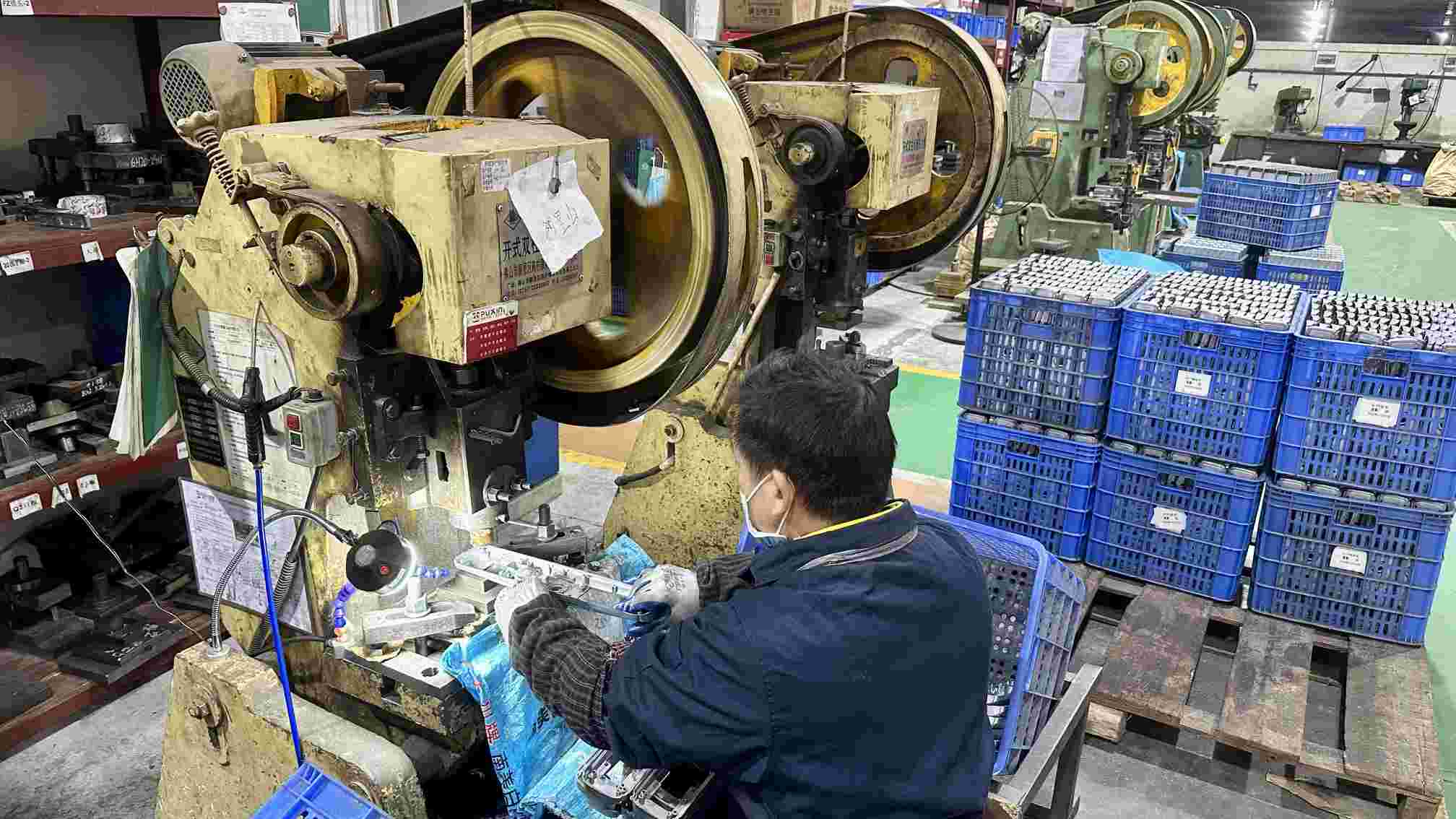
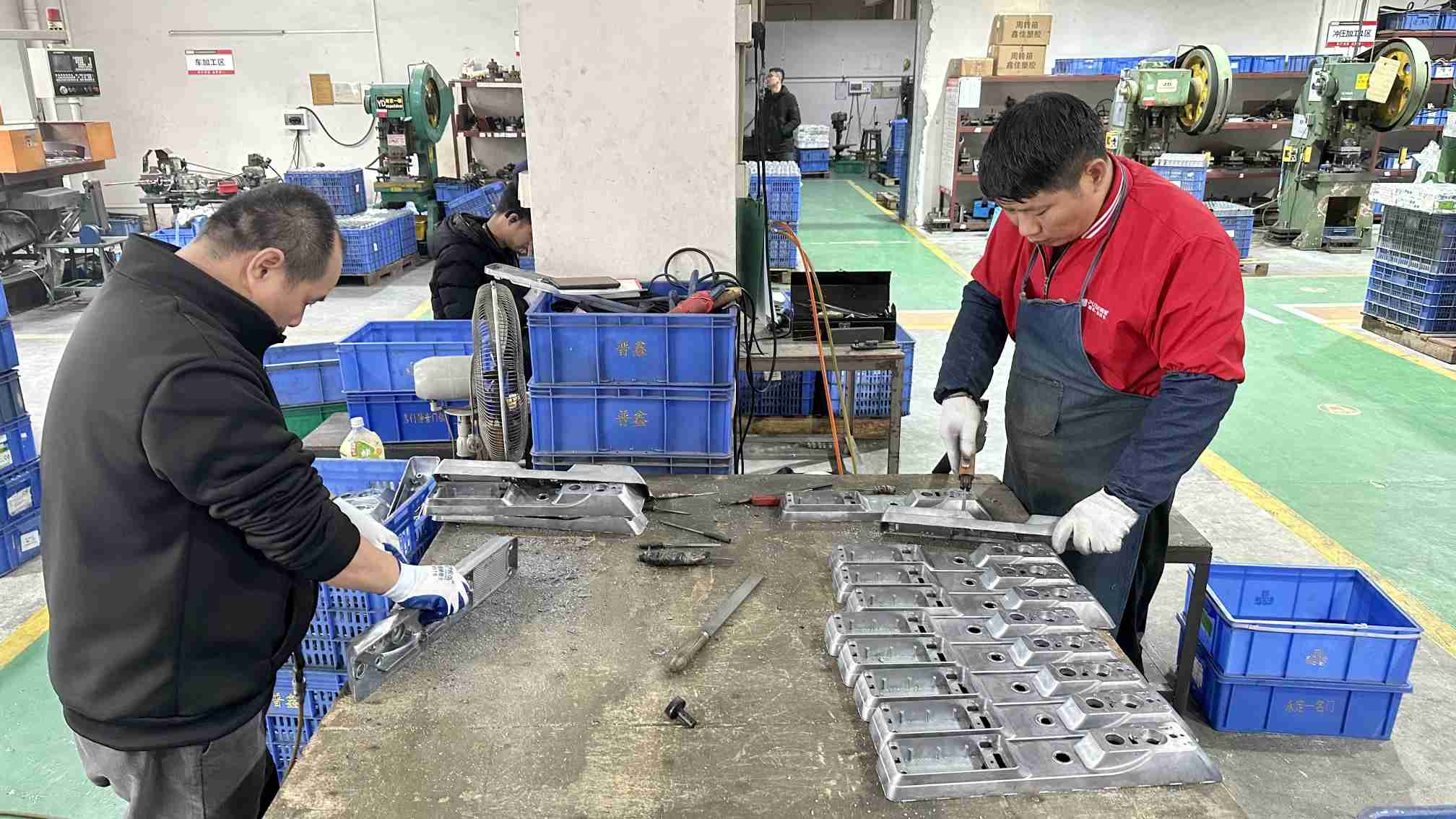
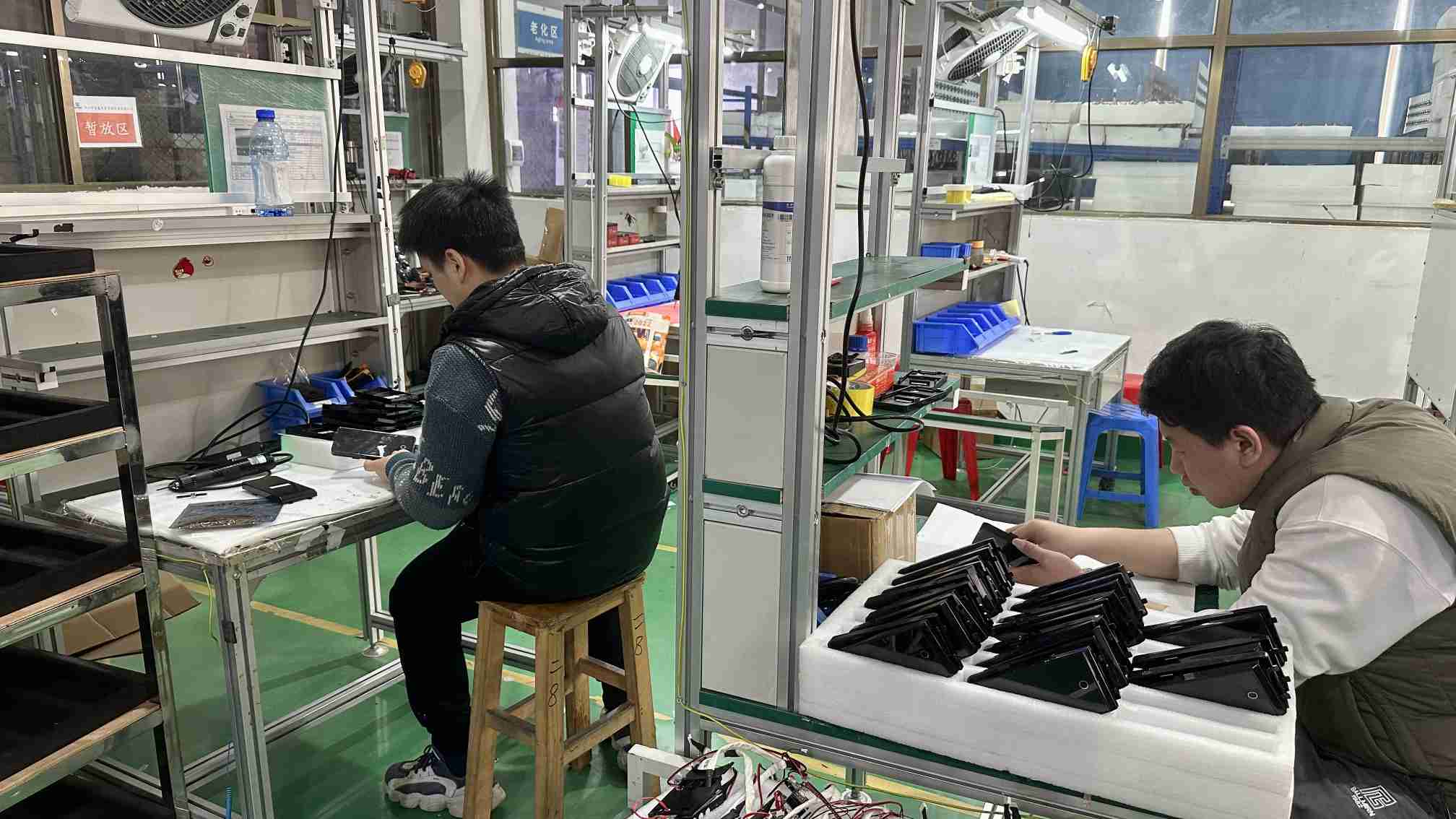
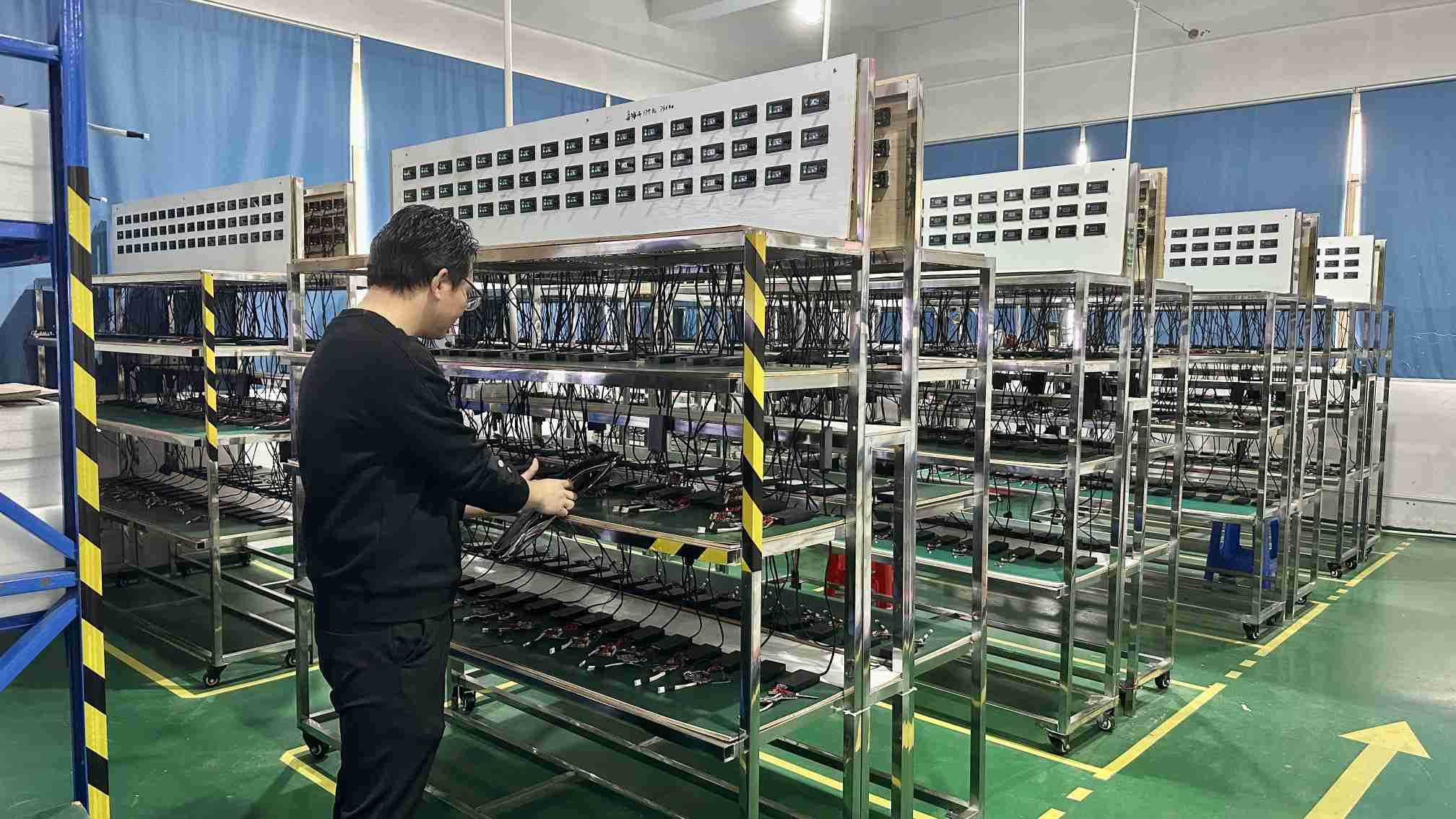
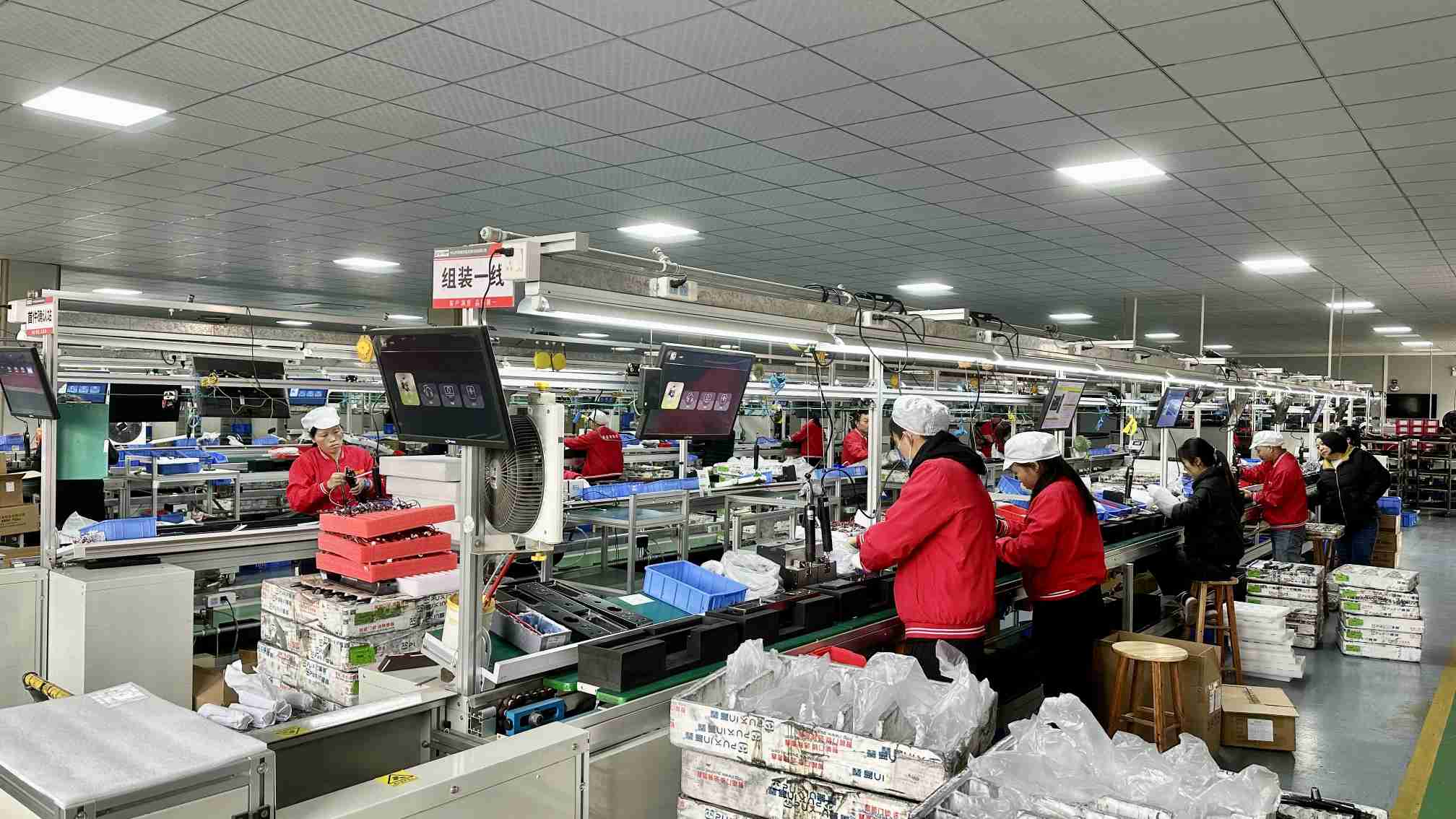
Our commitment to excellence is maintained by rigorous inspection protocols at each stage of production. From verification of raw alloy composition to simulated cycle testing (reaching 200,000 operations under mechanical loads), our manufacturing processes ensure that every smart lock delivered to the Algerian market meets strict international safety and reliability standards.
Analyzing strict hardware protocols, safety certification requirements, and import procedures for smart locking devices entering North Africa.
Access control products specified for commercial, corporate, or state infrastructure in Algeria must comply with international and regional certification standards. To ensure safety, reliability, and security, our smart locks are engineered and certified to meet the following parameters:
Importing electronic locking hardware into Algeria requires compliance with local import regulations and customs procedures. The **Algerian National Standardization Institute (IANOR)** and customs agencies require a **Certificate of Conformity (CoC)** for electronic and electromechanical imports. This document confirms that the products comply with national electrical safety, radio frequency, and material standard regulations.
Our export division has extensive experience handling these compliance requirements. We provide comprehensive documentation packages, including detailed laboratory test reports, Certificate of Origin documents, HS code classifications, and conforming commercial invoices. This thorough preparation ensures smooth customs clearance, minimizing shipping delays and avoiding additional port storage fees.
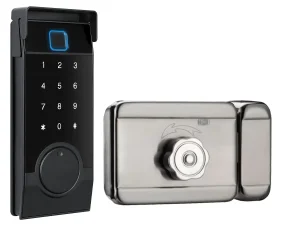
Our comprehensive selection of smart security products, designed to meet diverse functional needs and installation requirements for projects throughout Algeria.
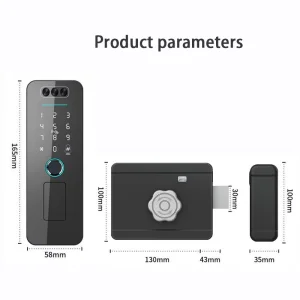
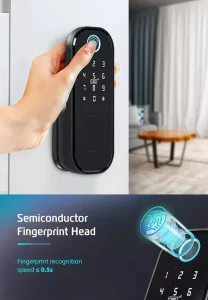
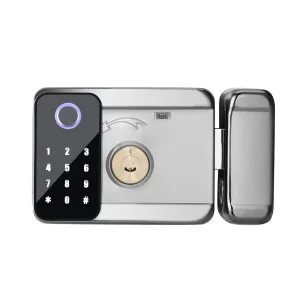
Clear, direct answers to common technical, compliance, and installation questions regarding smart access control deployments in North Africa.
Get in touch with our technical sales team for comprehensive product specifications, project bulk pricing, custom certification assistance, and local customs documentation support.
Send Inquiry Now Wipan Lock