Explore our primary array of high-grade B2B intelligent hardware engineered for commercial, residential, and industrial deployments worldwide.
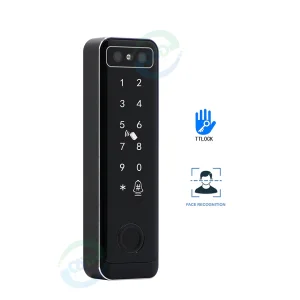
In the contemporary security paradigm, the traditional mechanical deadbolt lock has undergone a fundamental transition. The convergence of Internet of Things (IoT) connectivity, biometric technology, and advanced metallurgy has paved the way for the intelligent deadbolt lock. Once viewed as luxury smart home accessories, intelligent deadbolts are now standard security components in smart residential developments, co-working facilities, hospitality networks, and strict-compliance industrial properties globally.
As security concerns move beyond mere physical barriers into digital access control, the global commercial sector demands hardware that is both physically impregnable and digitally resilient. The current intelligent deadbolt market is not only about keyless entry; it is about real-time access monitoring, automated threat detection, system interoperability, and long-term hardware resilience under extreme environments. For global B2B buyers—importers, security system distributors, commercial real estate developers, and IoT solution providers—the search for the right manufacturing partner in China represents a choice between market leaders and mere followers.
This B2B whitepaper explores the critical elements driving the intelligent deadbolt industry. From manufacturing precision under Industry 4.0 principles to the software protocols that define modern building security, we outline how Shenzhen Wipan Lock Co., Ltd. sets the global standard in smart lock manufacturing and supply chain management.
The pace of development in the intelligent lock industry is accelerating. Manufacturers must adapt to hardware, software, and protocol standards changing at an unprecedented rate. Understanding these trends is critical for distributors to keep their inventory relevant over multi-year sales cycles:
The industry is moving rapidly from optical fingerprint sensors to semiconductor capacitive scanners and advanced 3D structured light facial recognition. Advanced models process face structures with depth sensors, preventing spoofing via photos or high-definition screens, and completing recognition in less than 0.5 seconds.
Interoperability remains a top priority. With the introduction of the Matter protocol alongside existing BLE (Bluetooth Low Energy), Zigbee, Z-Wave, and Tuya/TTLock platforms, smart locks are transitioning into central components of unified building automation. This allows secure, cross-brand automation scenarios.
Modern commercial locks run onboard hardware security modules (HSM) with AES-256 and ECC (Elliptic Curve Cryptography) encryption standards. Data like biometric prints or entry logs are processed and stored locally on the secure element at the edge rather than the cloud, reducing latency and vulnerability to cloud attacks.
A key focus in modern engineering is minimizing carbon footprints while increasing operational uptime. Intelligent deadbolts are incorporating solar-assisted panels, highly efficient kinetic energy generation from manual rotations, and lithium-polymer rechargeable cells. These innovations prevent downtime from battery failure and decrease waste in large-scale residential projects.
For B2B buyers, sourcing smart lock components requires evaluating long-term liability, system reliability, and maintenance overheads. Sourcing an intelligent lock involves meeting strict structural, chemical, and digital compliance standards:
Shenzhen Wipan Lock Co., Ltd. resolves these requirements by manufacturing hardware that is certified for multiple international regulatory markets, simplifying the procurement and customs process for global buyers.
Sourcing directly from Chinese factories offers significant advantages in supply chain integration. In Shenzhen’s manufacturing ecosystem, raw components, tooling, specialized casting, surface treatment, chip mounting, and final quality control assembly are managed within small geographic areas.
This close physical proximity reduces logistical bottlenecks, increases design flexibility, and speeds up prototyping cycles. Shenzhen Wipan Lock Co., Ltd. uses an advanced Industry 4.0 framework. Each stage of the production process is carefully managed to guarantee reliability and performance:
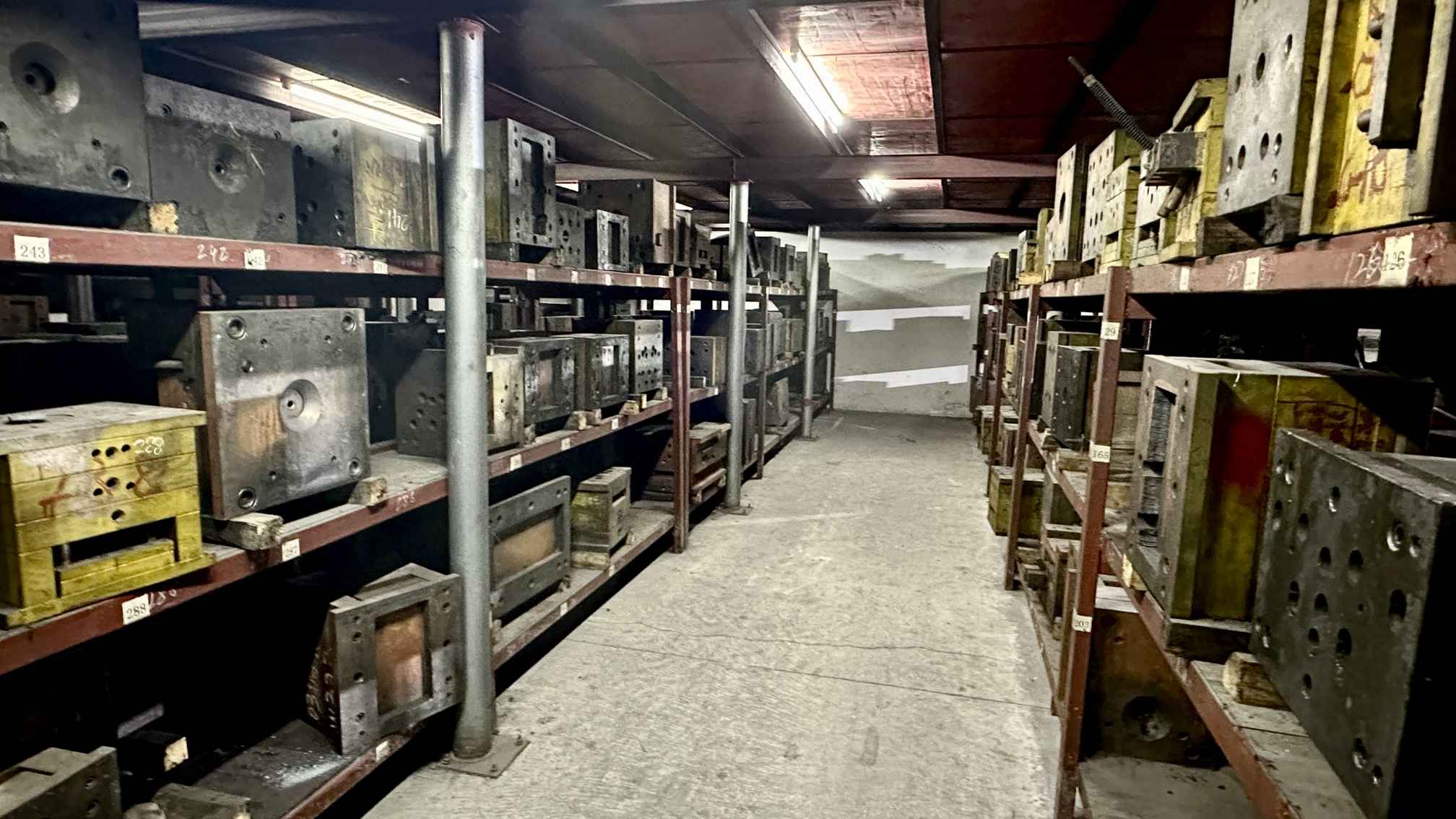
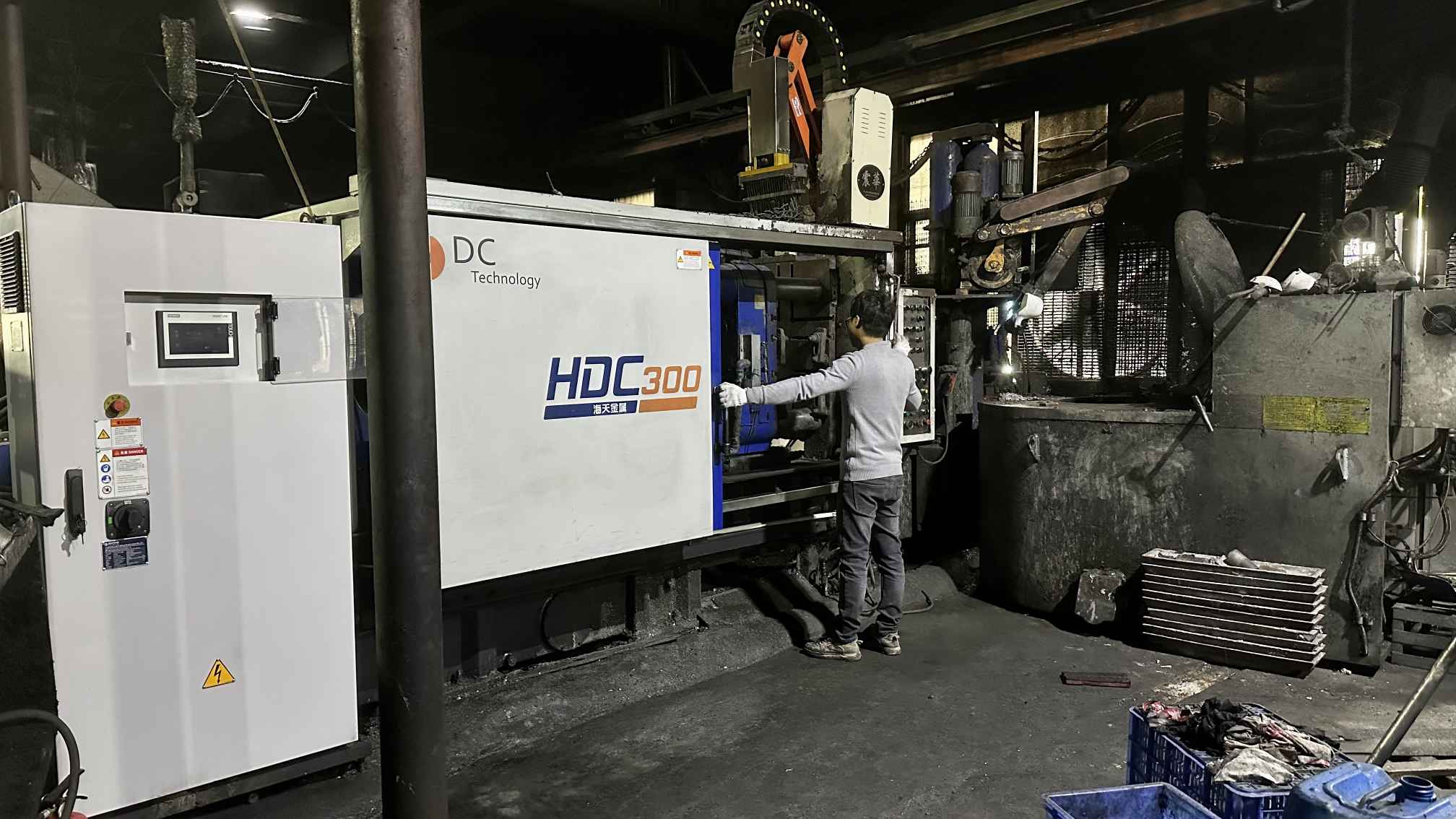

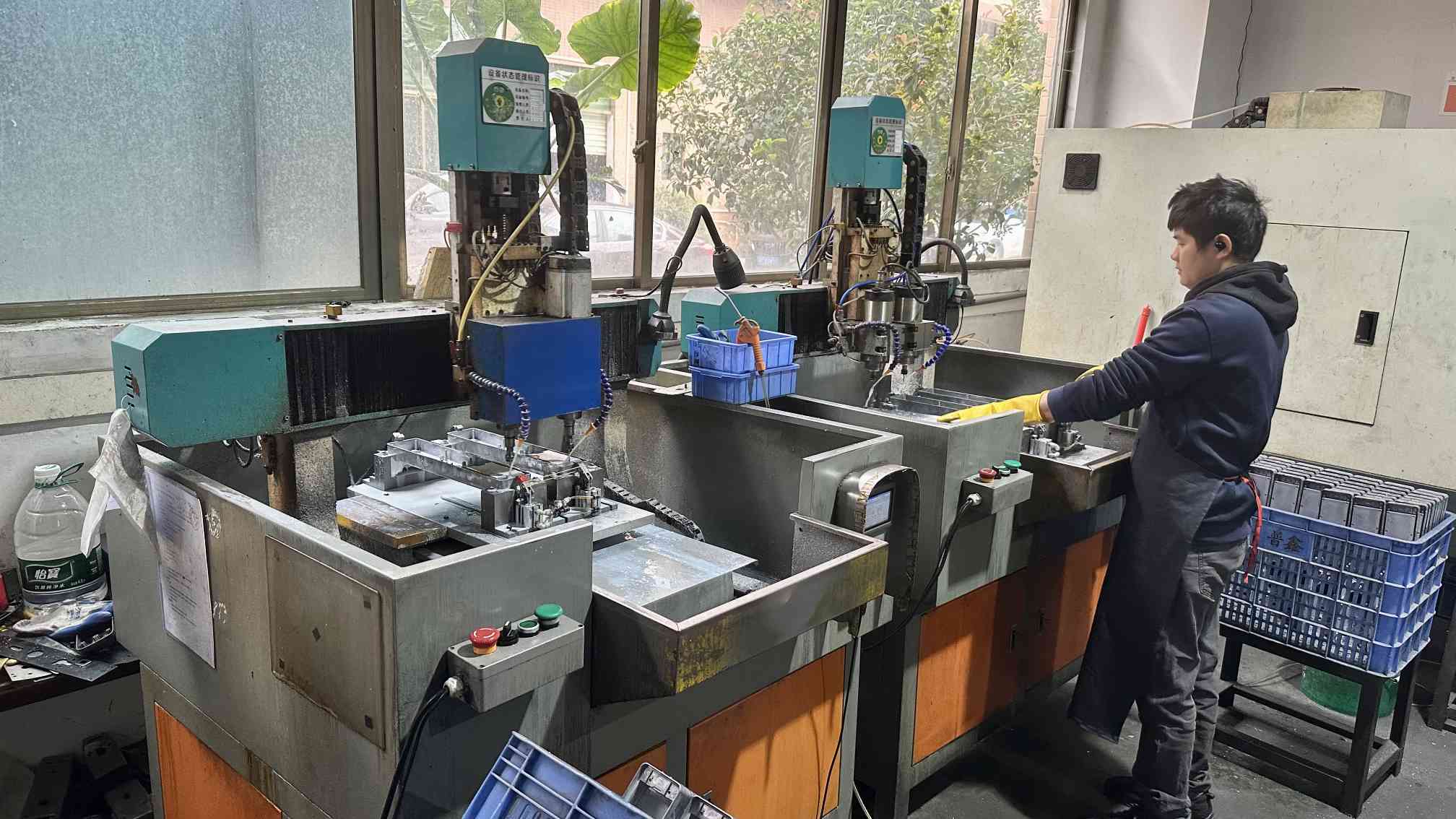
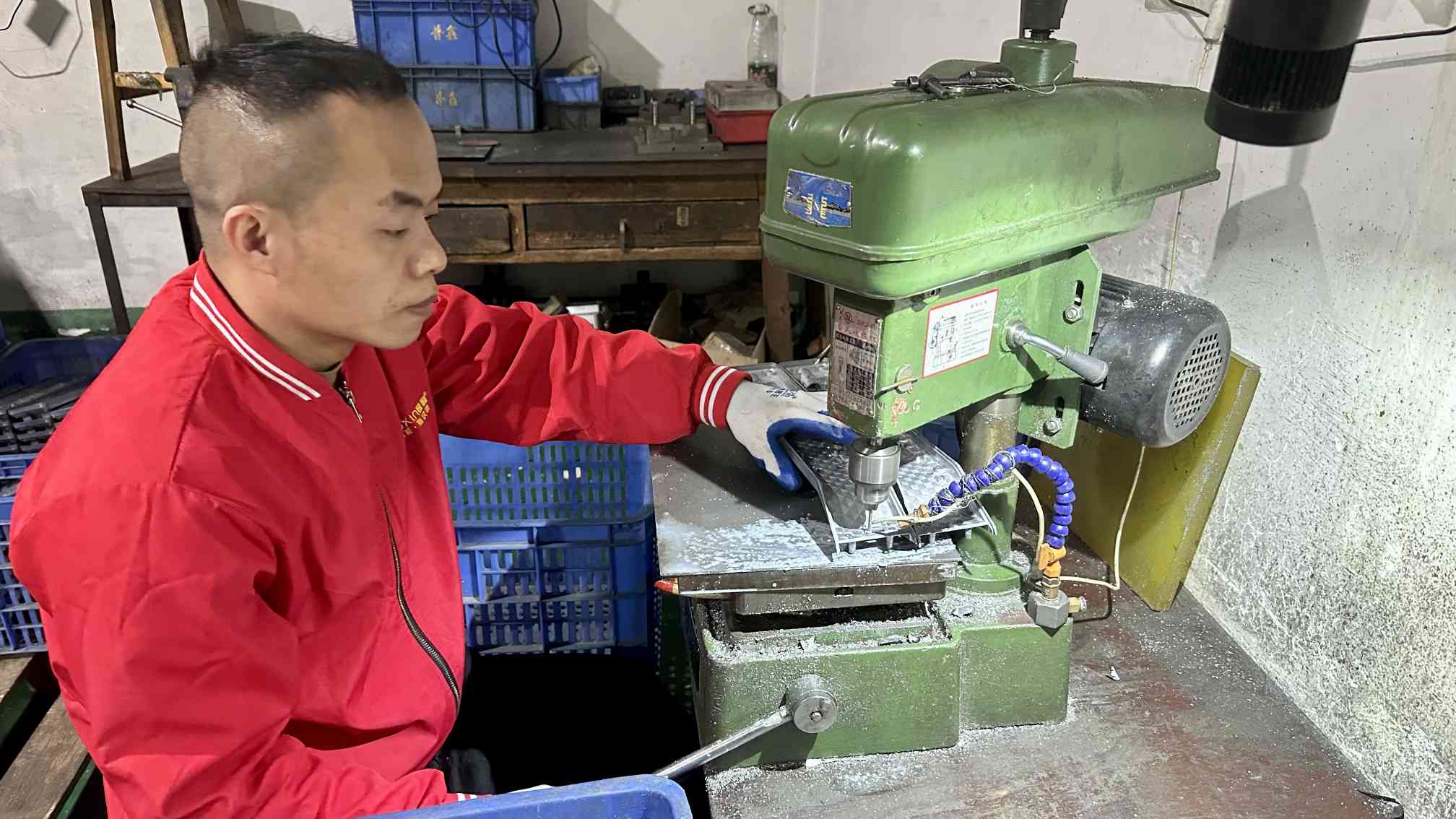
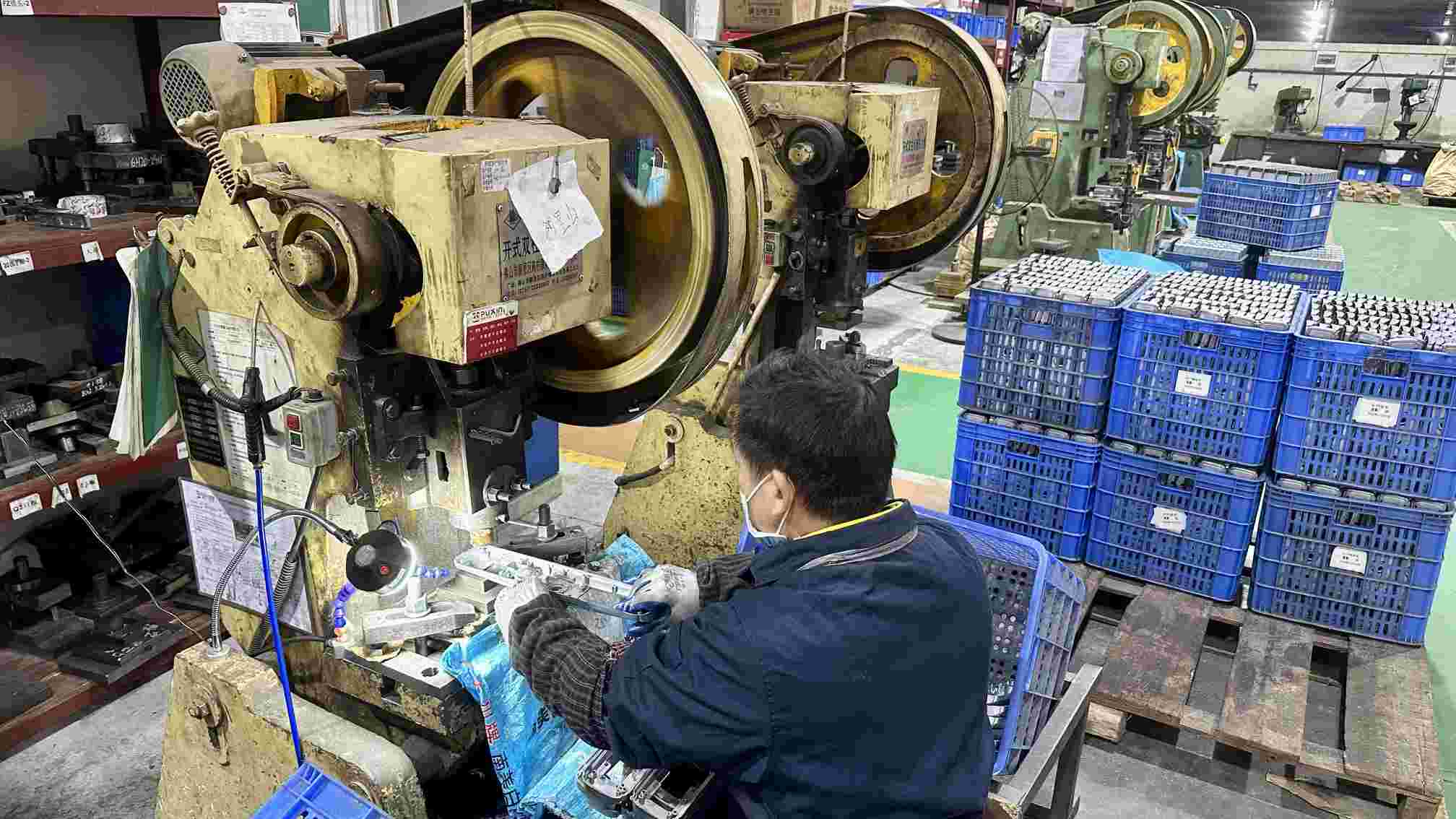
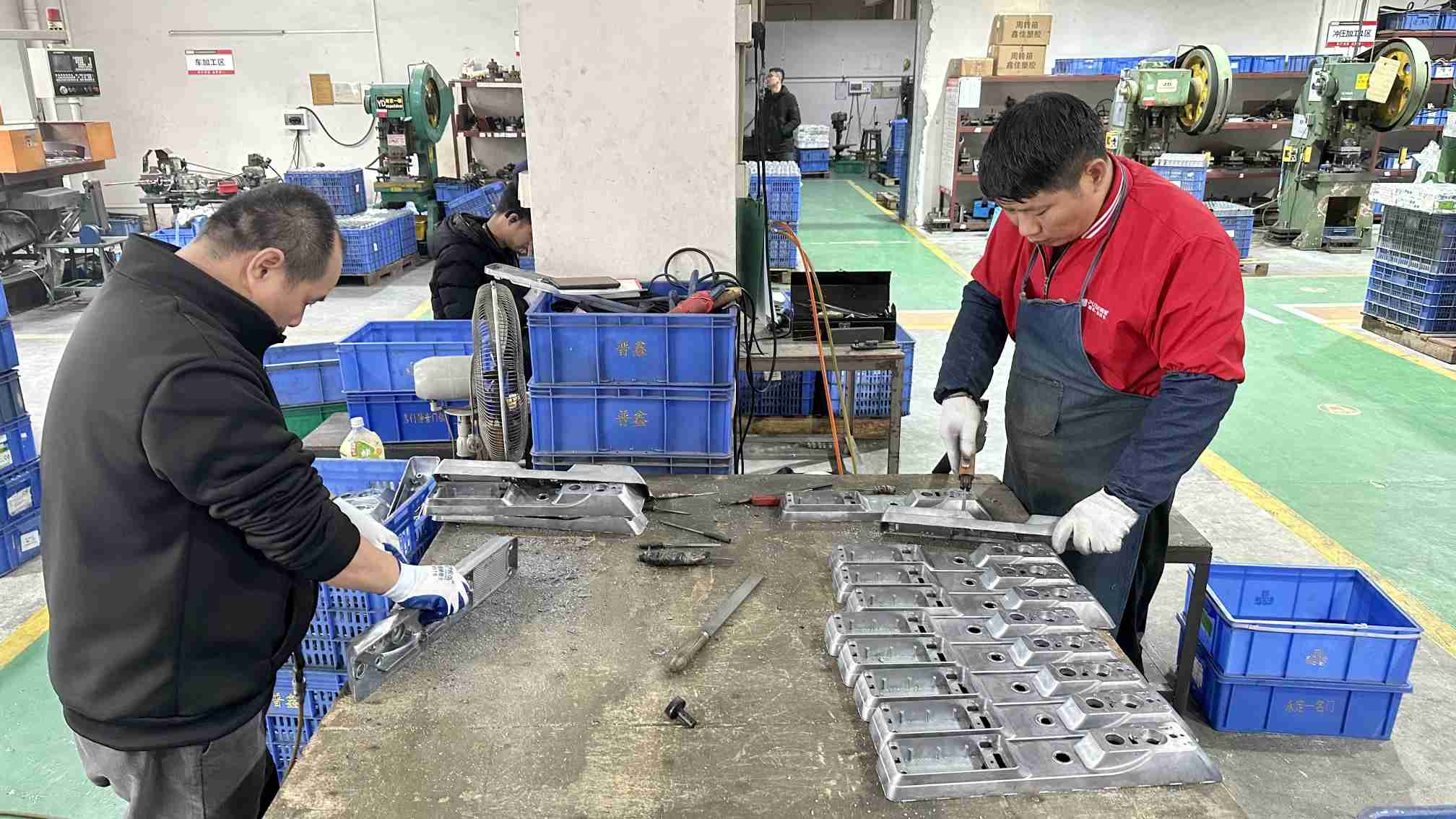
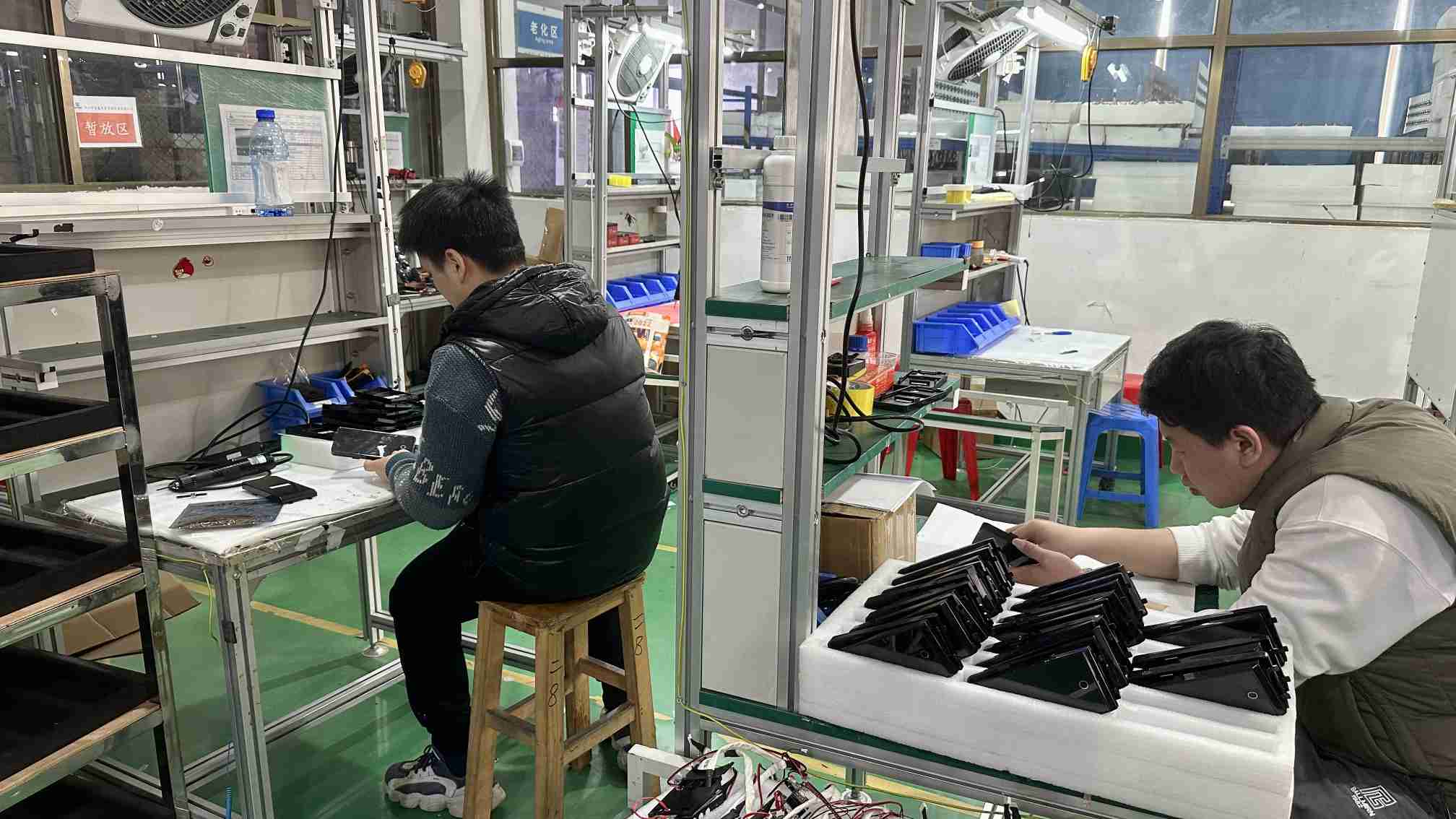
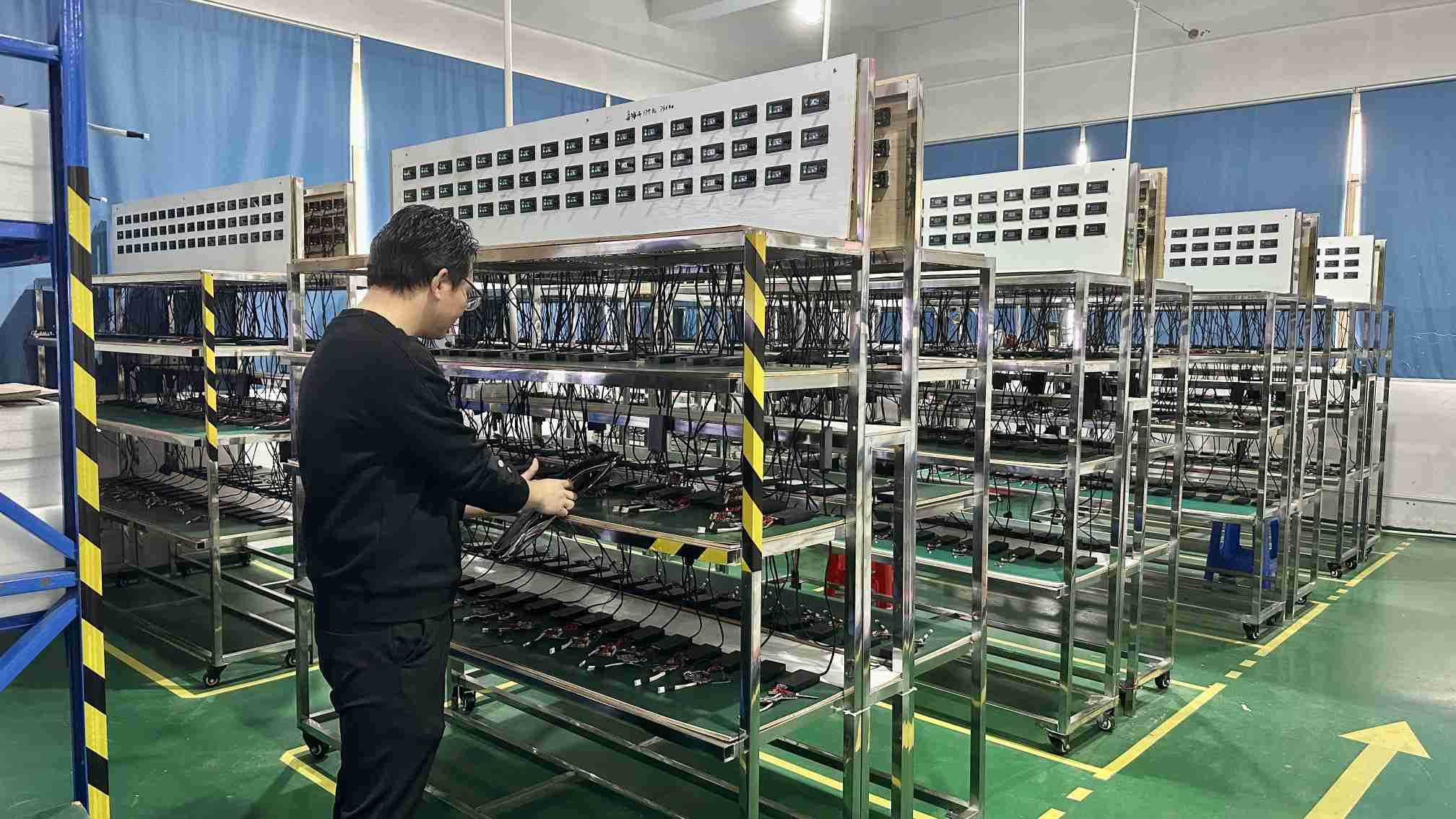
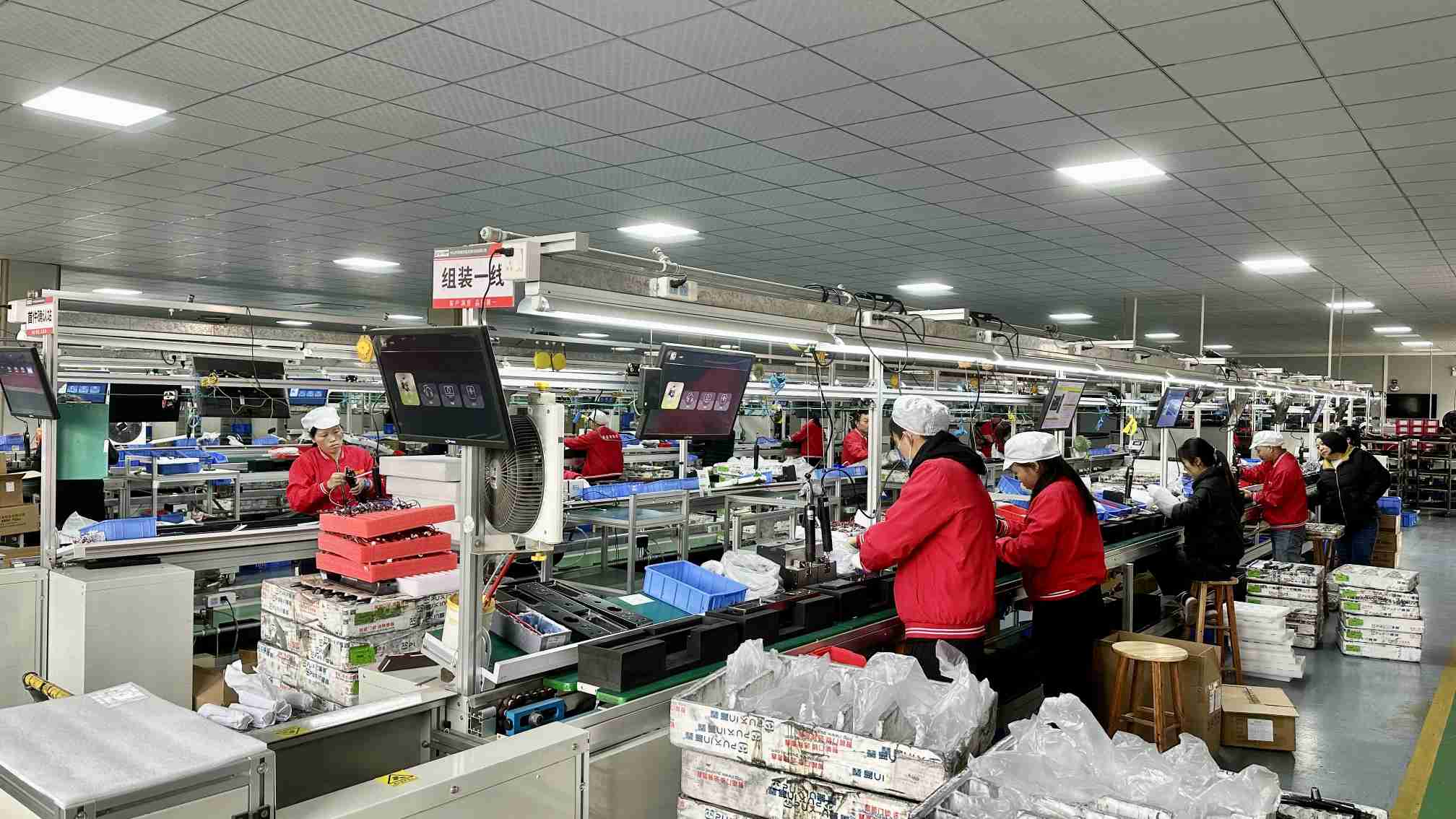
This rigorous manufacturing workflow produces consistent quality. Wipan’s precision mold creation and high-pressure casting ensure that all deadbolt lock cases are structural, durable, and free of internal air bubbles or stress faults. The double polishing phase prepares metals for advanced electroplating, ensuring long-term resistance to corrosion and wear.
Finally, the system aging test ensures that every microchip, actuator, and biometric sensor operates reliably. We cycle locks through thousands of operations under varying voltage inputs, verifying firmware stability and hardware tolerance before packaging and distribution.
Shenzhen Wipan Lock Co., Ltd. is a specialized manufacturer of smart locking systems and access control solutions. With years of experience in the electronic lock industry, Wipan is an established partner for hotels, apartments, offices, educational institutions, healthcare facilities, commercial properties, and residential developments globally.
We provide high-quality smart lock products alongside comprehensive OEM/ODM solutions tailored to our customers’ specific requirements. From product design, research and development, manufacturing, and quality control, to branding and after-sales support, we help partners build competitive product portfolios in local and international markets.
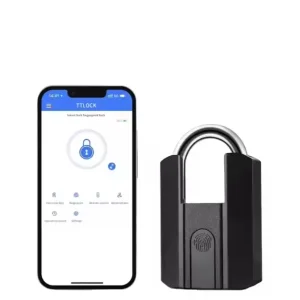
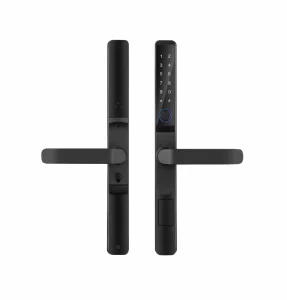
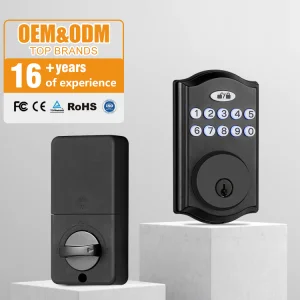
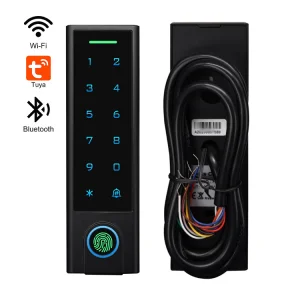
Driven by innovation and technology, Wipan invests in advanced manufacturing equipment, intelligent production processes, and product development to ensure reliable performance, enhanced security, and user-friendly experiences. Our product range includes smart door locks, hotel lock systems, fingerprint locks, password locks, RFID card locks, Bluetooth locks, TTLock solutions, and customized access management systems.
Wipan products are exported to numerous countries and regions across Asia, Europe, the Middle East, Africa, North America, and South America, earning recognition for quality, durability, and customer service.
Our Mission: To create smarter, safer, and more convenient access solutions for people around the world through continuous innovation and superior quality.
Our People: At Wipan, our experienced engineers, designers, production specialists, and customer service professionals work together to deliver security solutions. We believe that successful partnerships are built on trust, collaboration, and mutual growth. By maintaining open communication, we provide flexible solutions that help businesses grow in a rapidly evolving smart security market.
Intelligent deadbolt locks must adapt to diverse functional requirements depending on their installation environments. Here is how specialized lock configurations fit different deployment scenarios:
For modern homes, integration with smart assistants like Google Home, Amazon Alexa, and Apple HomeKit is essential. Key features include remote management, automated geofenced unlocking, temporary virtual guest keys, and visual coordination with smart video doorbells.
Hospitality networks require integration with platforms like Airbnb or local hotel PMS. System administrators must issue time-sensitive PINs remotely, generate audit trails, and track mechanical override events instantly, reducing on-site property management costs.
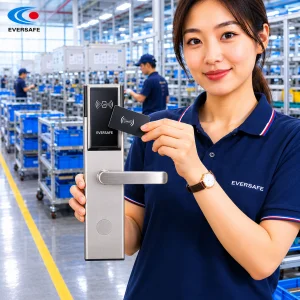
Shared spaces require high durability and speed. Solutions rely on RFID cards, facial recognition, and fast fingerprint authentication. Administrators use control consoles to manage schedules, track attendance, and trigger lockouts during security incidents.
Find direct answers to key engineering, integration, and procurement questions from our technical division.
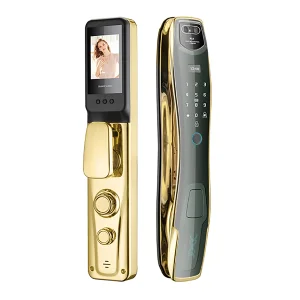
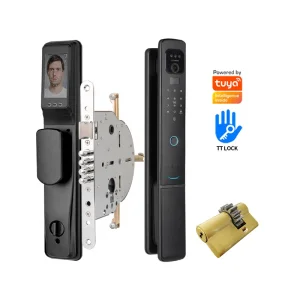
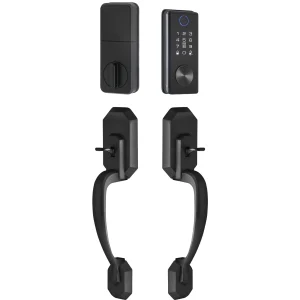
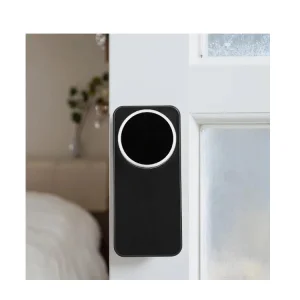
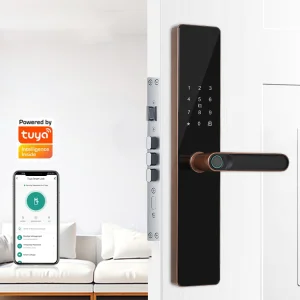
Explore our specialized access systems, designed for high-security applications, smart homes, and modern hospitality projects.
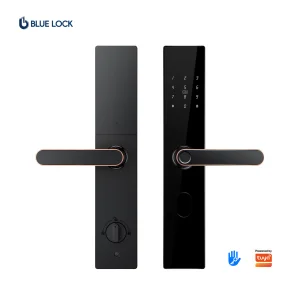
 Wipan Lock