Explore our leading-edge biometric smart locks, cabinet access mechanisms, and specialized exterior locks trusted by global security integrators.
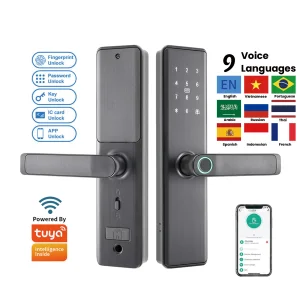
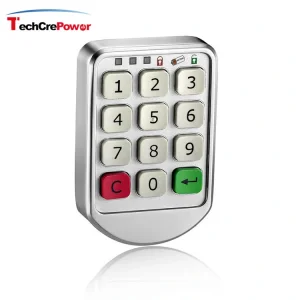
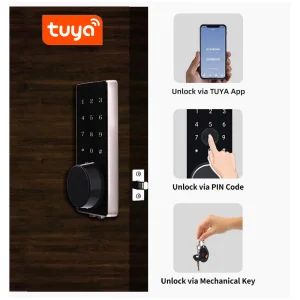
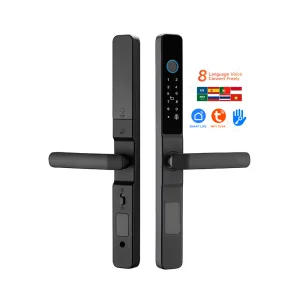
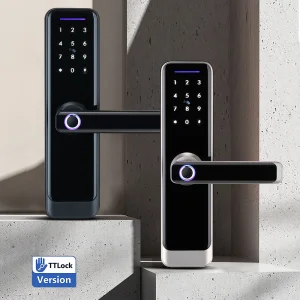
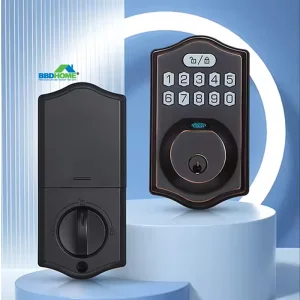
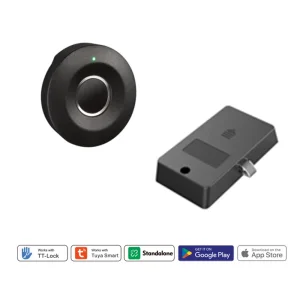
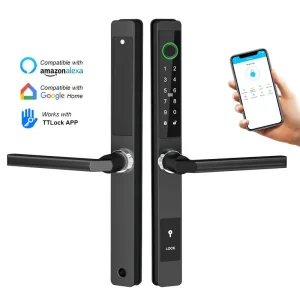
The global physical security landscape has crossed a critical threshold, transitioning permanently from mechanical key reliance and basic radio-frequency identification (RFID) mechanisms to AI-enhanced biometric access control solutions. Driven by the critical demand for zero-trust architectures within commercial facilities, residential towers, and multi-tenant smart buildings, biometric modalities—specifically fingerprint authentication, 3D facial recognition, and palm-vein scanning—now serve as the primary security layer.
For international buyers, security systems integrators, and real estate developers, identifying a top-tier biometric access control manufacturer and exporter requires evaluating more than assembly volume. Success is determined by engineering expertise, vertical manufacturing control, structural materials engineering, software integration agility (SDK/API availability), and adherence to international regulatory frameworks such as GDPR and FCC. This document provides a detailed examination of these manufacturing standards, system architectures, and technology roadmaps.
Understanding the capabilities, capacity, and structural indicators that define market leaders in the biometric manufacturing landscape.
Building trusted, high-performance security hardware for global commercial, residential, and institutional projects.
Shenzhen Wipan Lock Co., Ltd. is a leading manufacturer specializing in smart locking systems and advanced access control solutions. With extensive experience in the electronic lock industry, Wipan has established itself as a reliable partner for hotels, apartments, offices, educational institutions, healthcare facilities, commercial developments, and residential projects worldwide.
We provide high-quality smart lock products along with comprehensive OEM/ODM solutions tailored to our customers' precise requirements. From initial product design, research and development, manufacturing, strict quality control, and custom branding support to market analysis and after-sales service, we help our partners build competitive product portfolios and expand their business footprint in domestic and international markets.
Driven by technological innovation, Wipan continuously invests in automated manufacturing equipment, intelligent production processes, and secure software development to deliver reliable performance, enhanced physical security, and intuitive user experiences. Our product range includes smart door locks, hotel lock systems, biometric fingerprint locks, secure password locks, RFID card systems, Bluetooth LE locks, TTLock solutions, and fully customized access management platforms.
Today, Wipan products are exported to numerous countries and regions across Asia, Europe, the Middle East, Africa, North America, and South America, earning recognition for structural durability, data security compliance, and responsive technical support.
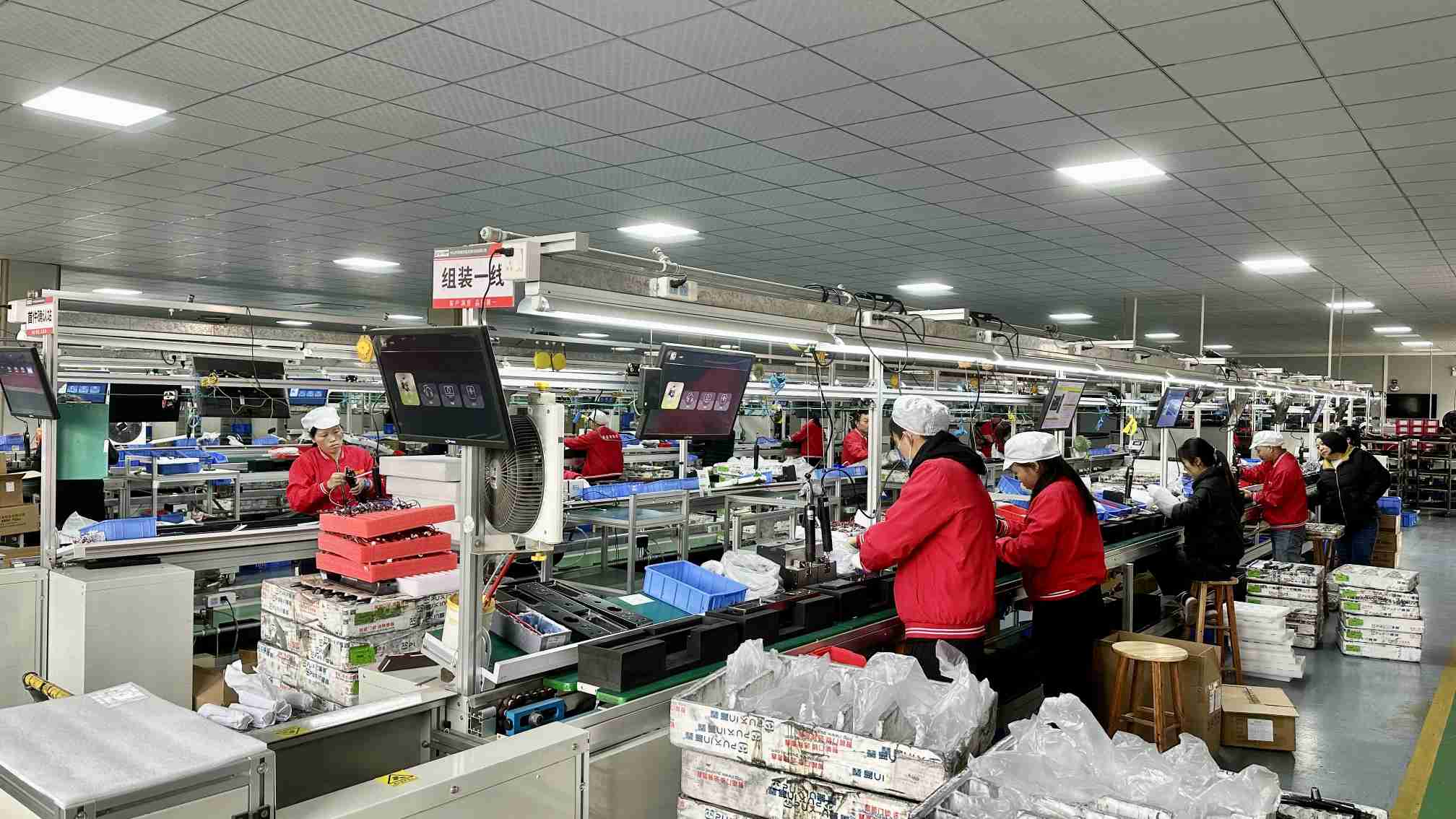
High-reliability hardware begins with raw material control and advanced machinery. Below is Wipan's end-to-end industrial production process.
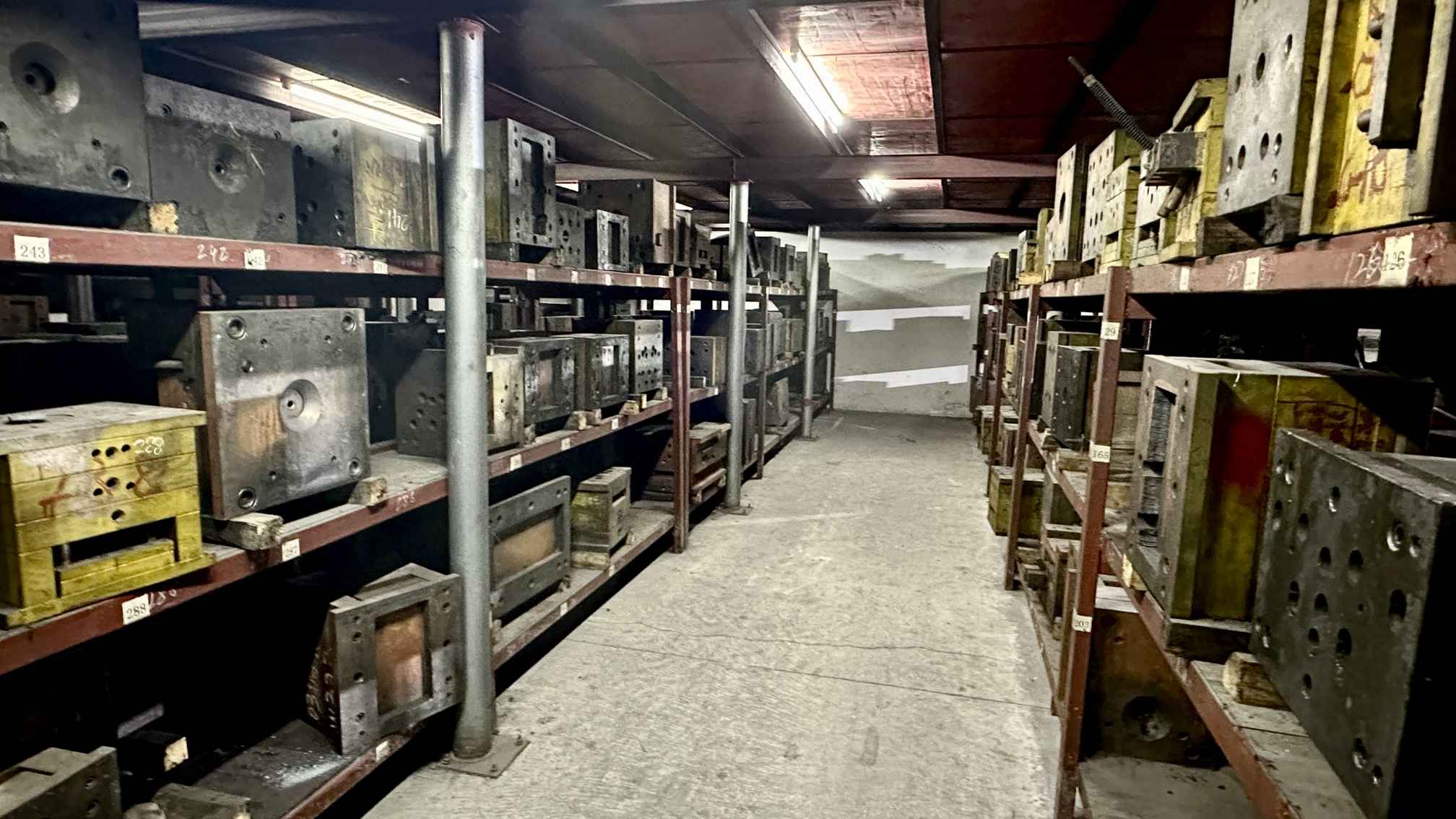
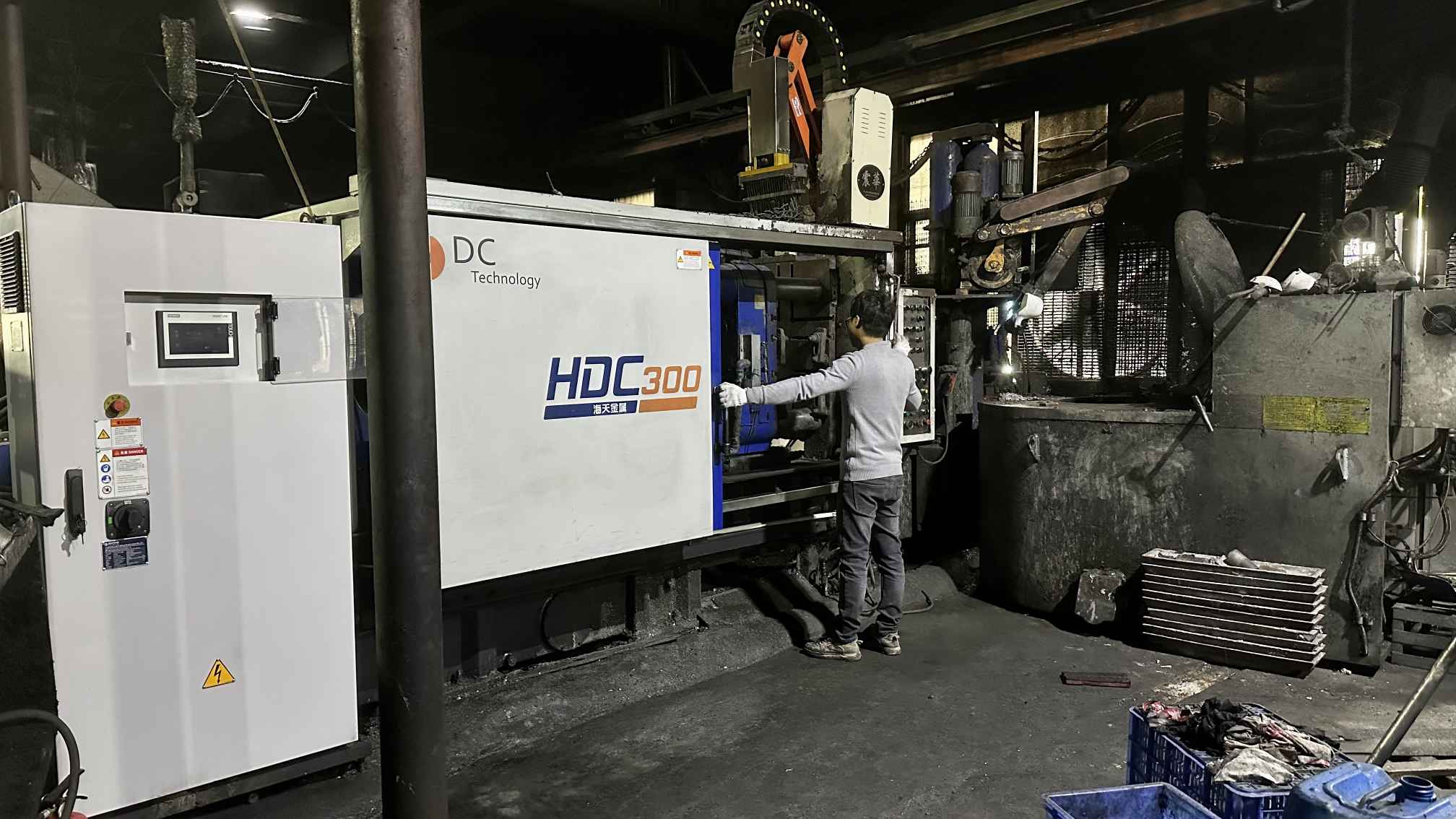

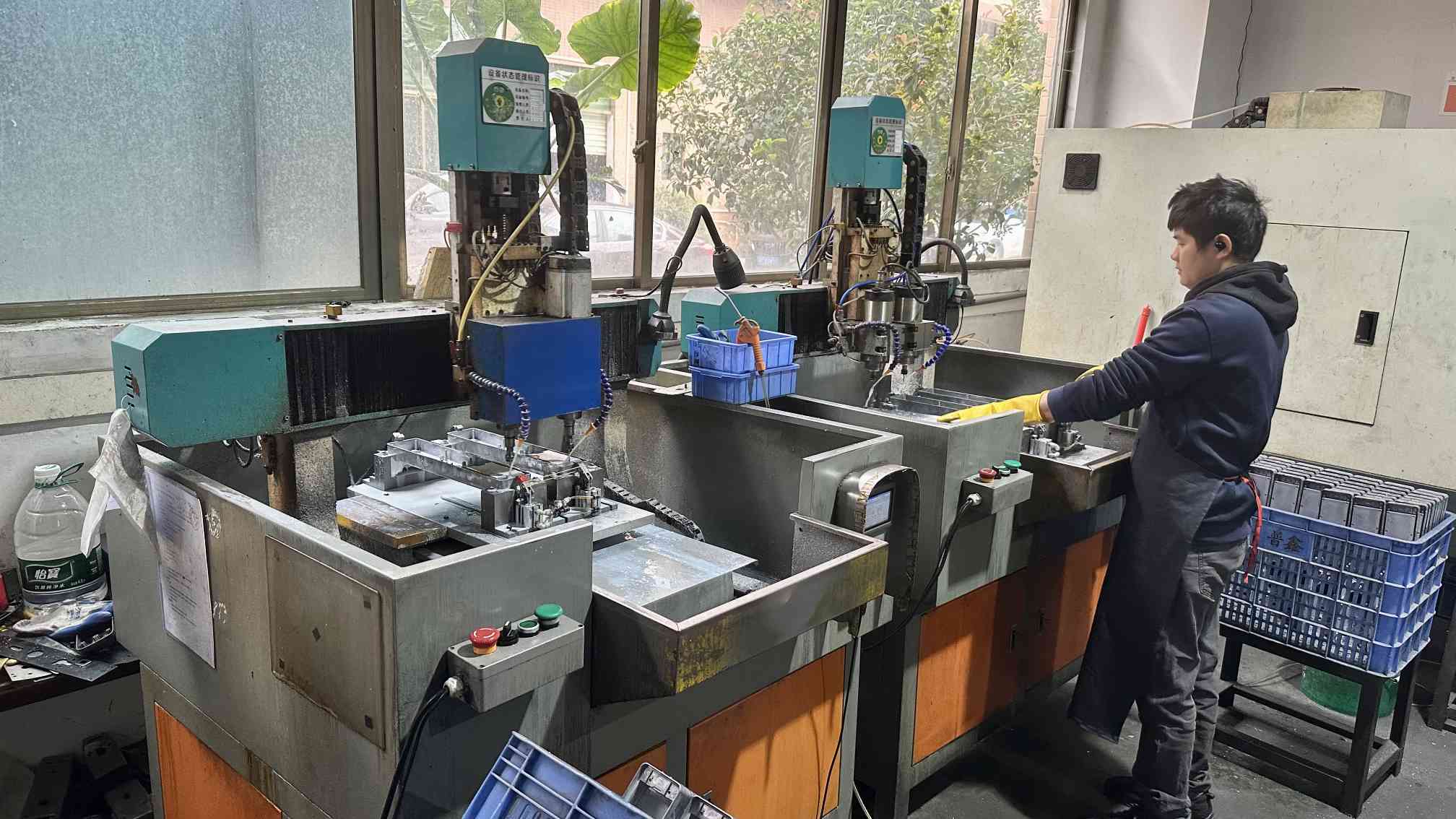
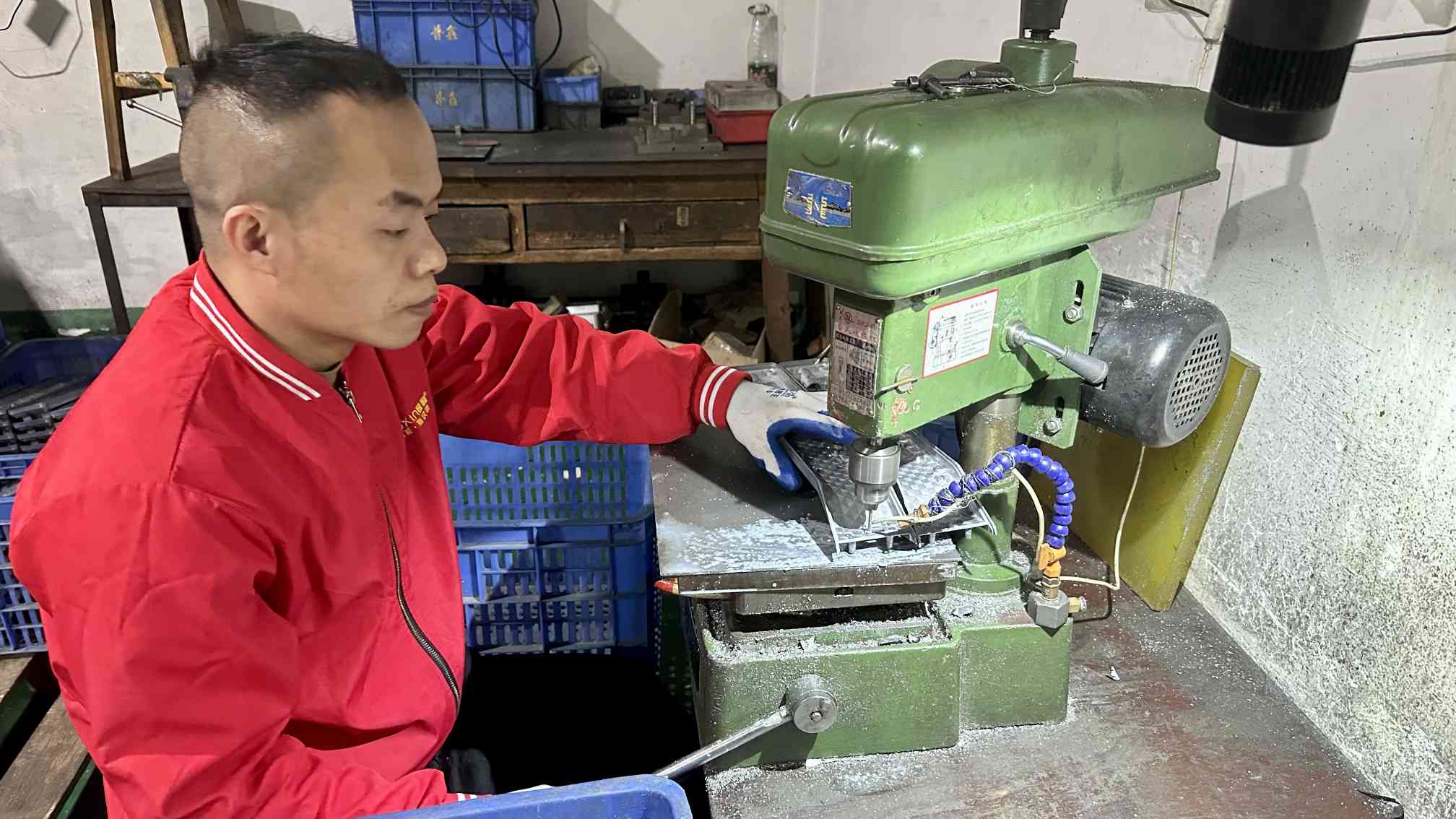
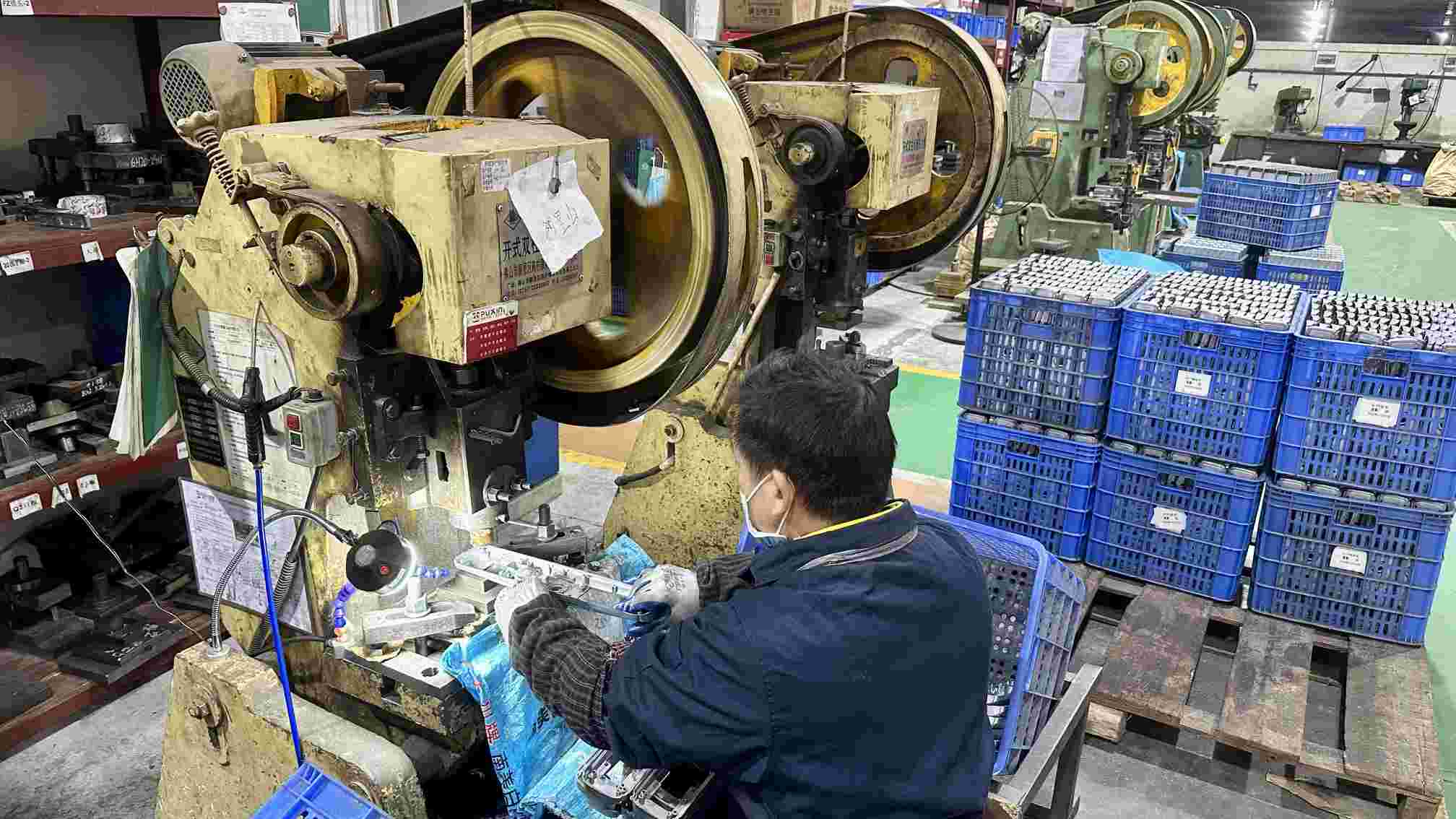
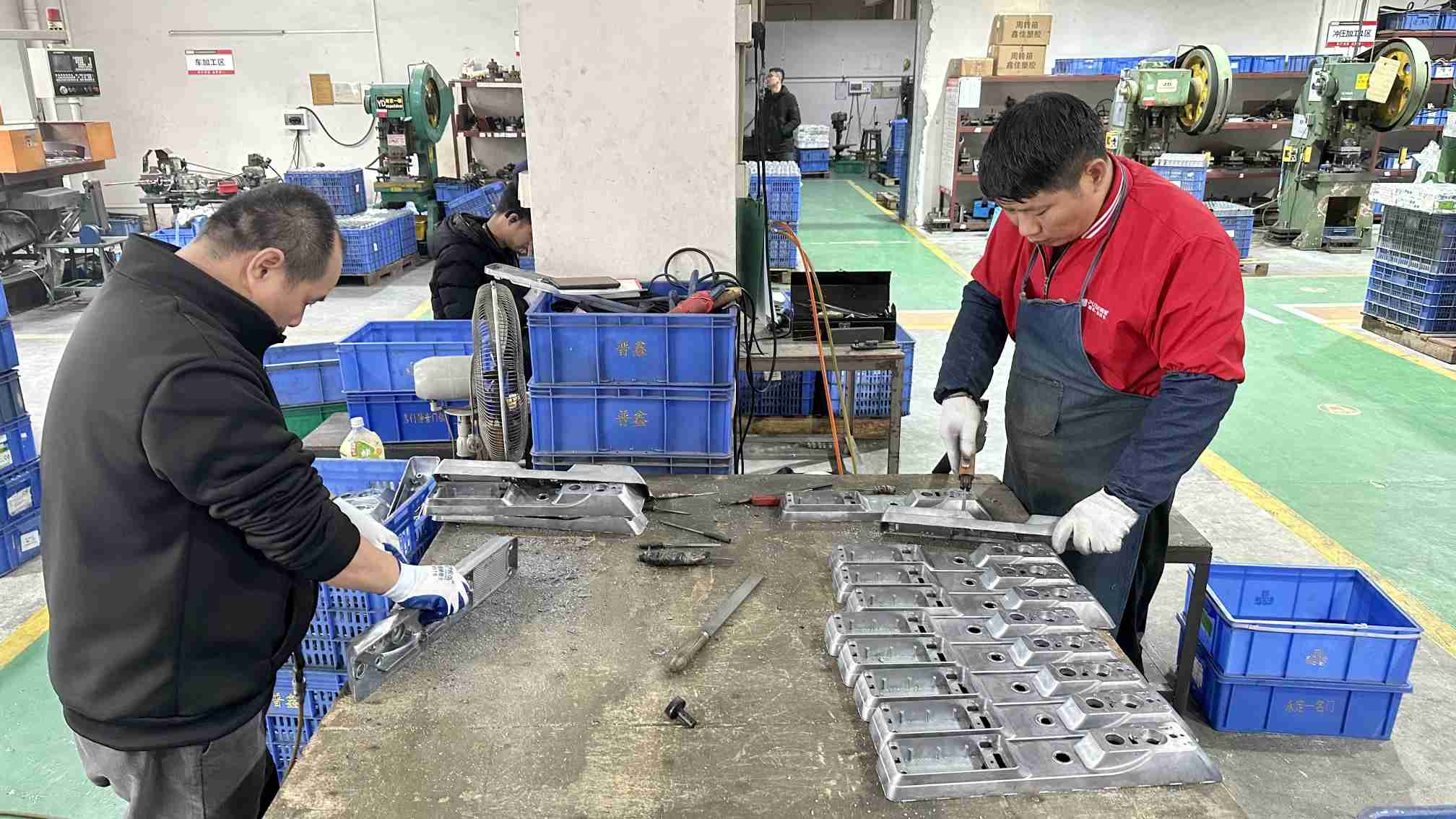
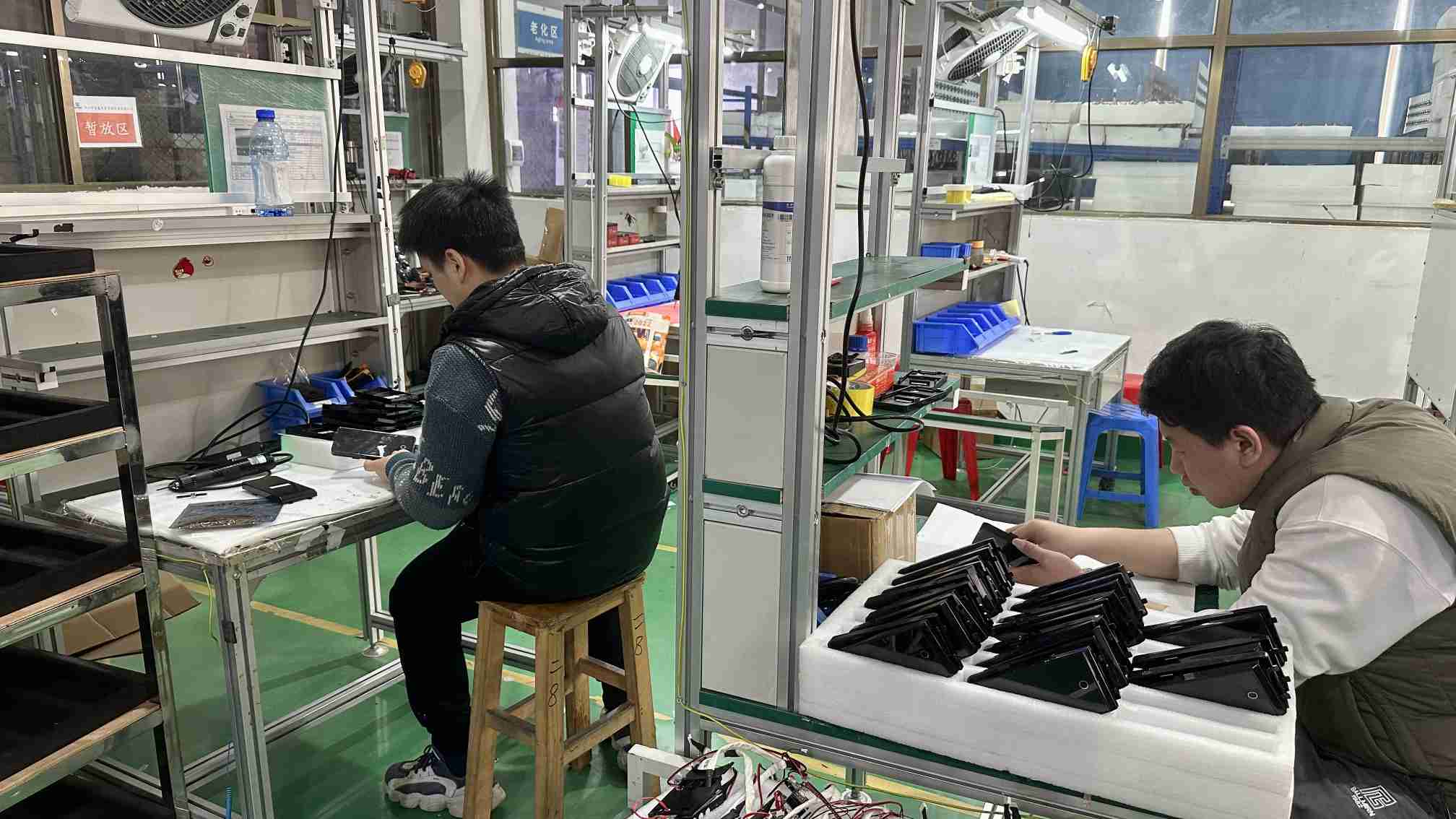
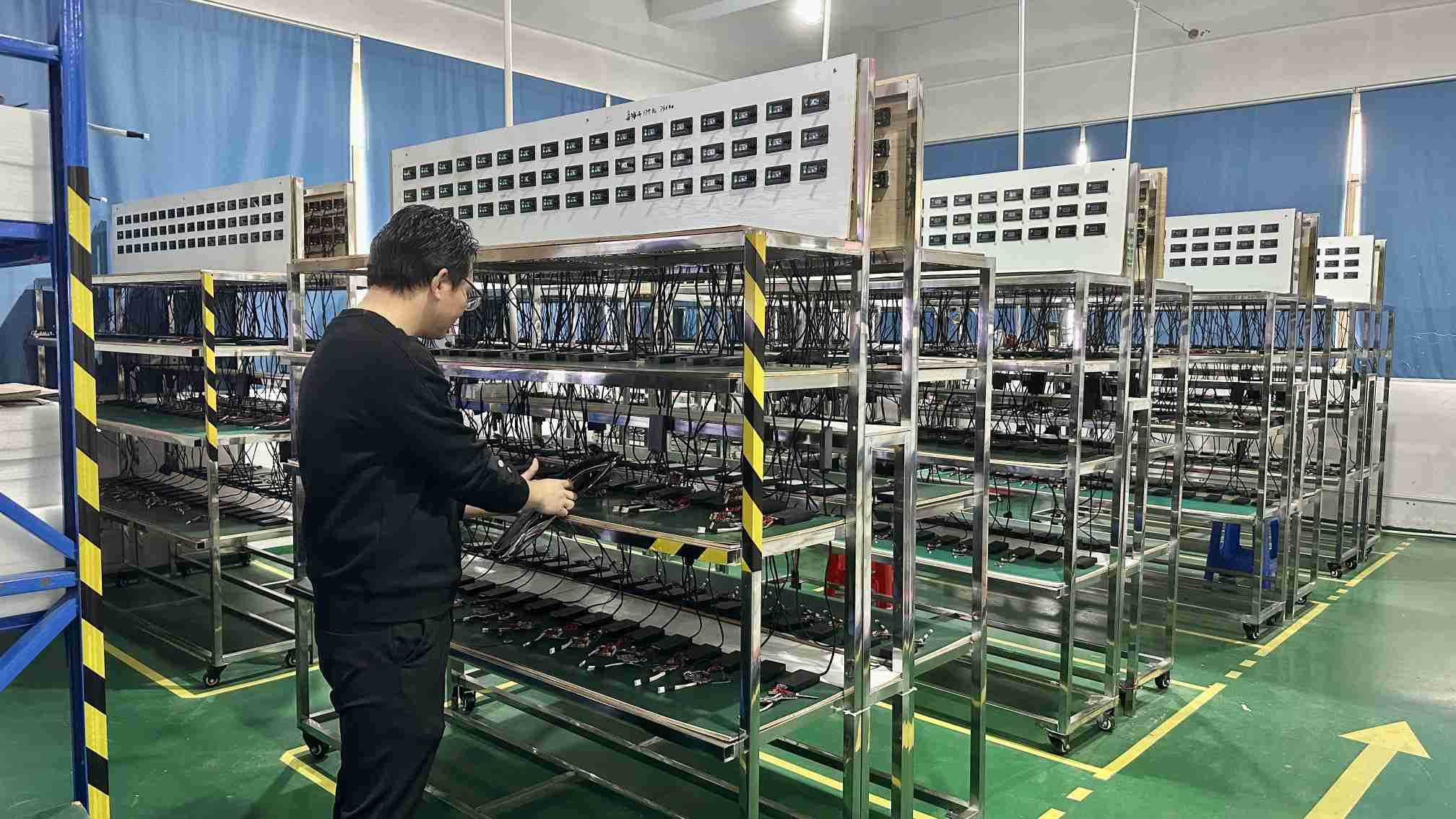
Innovative engineering designed to meet modern security challenges and seamless integrations.
Capacitive sensors distinguish live tissue from synthetic replicas, keeping the false acceptance rate (FAR) below 0.001% for high-traffic environments.
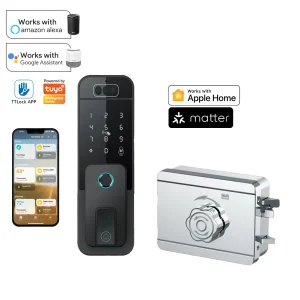
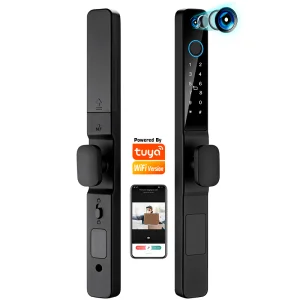
Seamless API connections with global IoT environments including Tuya, TTLock, and Apple HomeKit, enabling real-time event logs and OTA firmware updates.
AES-256 onboard storage ensures biometric templates are encrypted at the hardware level, protecting sensitive data from physical and side-channel analysis.
The global biometric access market is transitioning from isolated local hardware installations to integrated, edge-computing topologies. Over the next five years, key technological developments will reshape the industry:
Legacy 2D optical scanning is being replaced by 3D Structured Light and Infrared (IR) multi-spectral cameras. This architecture allows access control points to measure facial bone structure, skin depth, and micro-vessel heat signatures, preventing spoofing attempts using high-definition photos or digital displays.
Energy consumption remains a critical design challenge for battery-operated smart locks. The adoption of Wi-Fi 6 (802.11ax) Target Wake Time (TWT) features, combined with the Matter Smart Home standard, allows modern locks to maintain continuous cloud connectivity while extending battery life to over 14 months under standard operations.
By shifting the biometric matching database directly to local microcontrollers (MCUs) running specialized neural network compilers, modern devices can match credentials in under 0.2 seconds. This local processing ensures system availability even during complete network outages.
Procurement departments at multinational organizations must balance hardware durability, long-term support, and software integration ease. Key procurement criteria include:
To address the unique challenges of different target markets, manufacturers offer specialized hardware and software configurations:
Modern hotels and short-term rental properties require dynamic access control. Using cloud integration, PMS platforms can automatically generate temporary, time-bound PINs or digital Bluetooth keys (via TTLock or specialized web portals) upon guest check-in, removing the need for physical front-desk key card collection.
Corporate offices require multi-tiered access privileges. Biometric reader panels at main entrances connect to local networks via PoE (Power over Ethernet), communicating with turnstiles and elevator control systems. Offices and conference rooms utilize standalone smart locks linked to centralized management consoles.
These vertical configurations ensure that high-throughput office zones prioritize rapid authentication, while residential installations focus on user-friendly applications and integration with smart home ecosystems.
Deploying biometrics globally requires strict adherence to international security standards and local privacy regulations. Key compliance considerations include:
Biometric templates constitute highly sensitive personal data. Under GDPR Article 9, manufacturers must implement design-by-privacy principles. Top-tier manufacturers store templates using cryptographic hashes on physical Secure Elements (SE chips) located directly on the local hardware, rather than uploading raw biometric files to remote servers. This prevents personal data interception in transit or via server database breaches.
Smart locks installed on escape pathways must comply with local fire regulations, including EN1634 (fire-resistance testing for door assemblies) and UL 10C (positive pressure fire tests of door assemblies). If a power failure occurs, fail-safe mechanisms must allow mechanical manual egress from within the facility.
Innovating today to build the secure access systems of tomorrow.
To meet the evolving requirements of next-generation security systems, our development pipeline focuses on three primary areas:
By using near-infrared light, devices capture the unique vascular patterns beneath the skin's surface. This contactless approach provides high precision and is ideal for sterile healthcare environments.
We are developing native Matter-over-Thread locks. Thread networks provide low-power, self-healing mesh networks, allowing locks to communicate directly with border routers without proprietary hubs.
By embedding high-efficiency photovoltaic cells into the front exterior escutcheon plates, our upcoming outdoor locks harvest ambient light to charge internal supercapacitors, reducing the need for battery replacements.
Answers to common engineering, integration, and deployment questions from global procurement managers.
Outdoor biometric smart locks utilize heavy-duty zinc or aluminum alloys with specialized surface treatments (such as electroplating or physical vapor deposition) to resist corrosion and moisture. Internal electronics are protected with conformal coatings to shield components from condensation. The operational temperature range for specialized outdoor locks spans from -25°C to 55°C, ensuring reliable performance in harsh climates.
All premium smart locks feature redundant power backup solutions. These include a mechanical key override for physical access, alongside an external USB-C or micro-USB power interface at the base of the handle. This allows users to power the lock using a standard power bank to input credentials and gain entry.
Yes. Manufacturers offer SDK and API packages compatible with Android, iOS, and Web environments. Through TTLock or custom gateway API integrations, software developers can generate temporary eKeys, configure access schedules, and synchronize real-time event logs with proprietary ERP, CRM, or building management systems.
High-end capacitive semiconductor fingerprint sensors achieve a False Acceptance Rate (FAR) of less than 0.001%, ensuring unauthorized fingerprints are rejected. The False Rejection Rate (FRR) is kept under 0.1%, allowing registered users to gain access on their first attempt.
Biometric fingerprint and facial templates are not stored as complete, reconstructible images. Instead, they are converted into dynamic mathematical hashes that are stored within the lock's hardware-level secure element (SE). The algorithms are designed as one-way functions, meaning a hashed credential cannot be reverse-engineered to recreate a user's original fingerprint or face template.
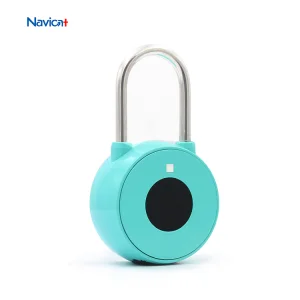
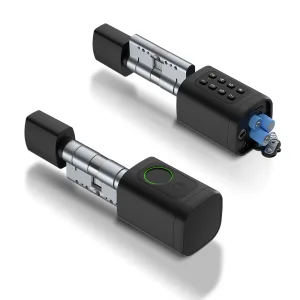
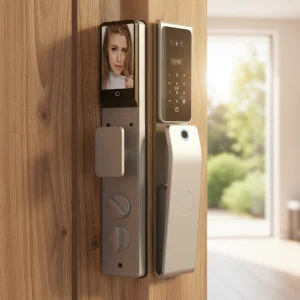
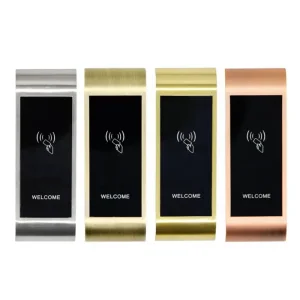
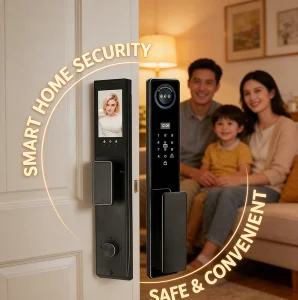
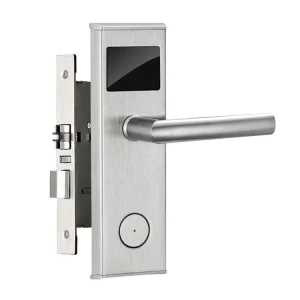
Review our second collection of advanced biometric and smart locks designed for premium residential projects, offices, and high-security zones.
 Wipan Lock